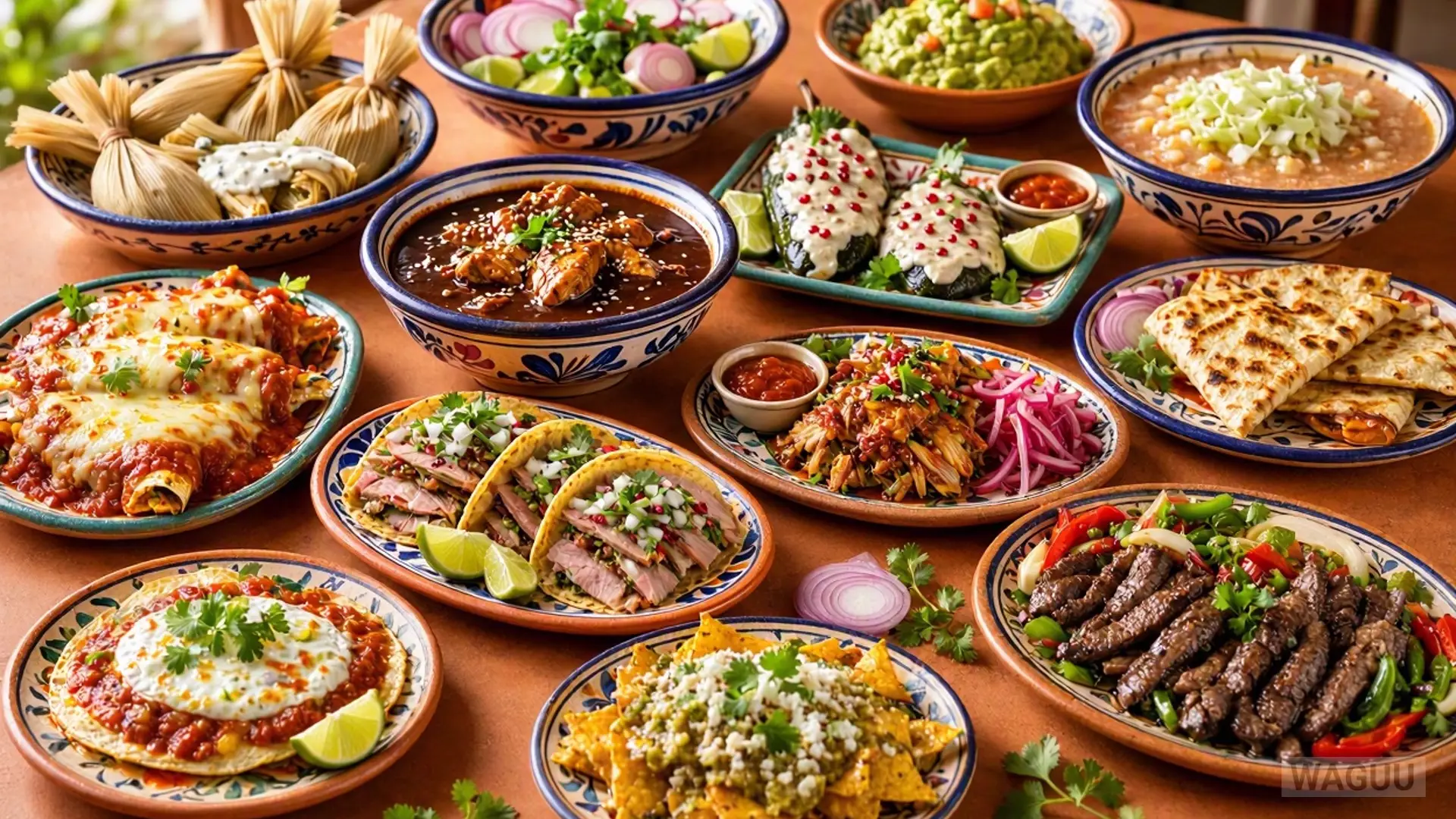
Summary: Explore the 12 most popular Mexican dishes that define vibrant Mexican cuisine, featuring traditional recipes, key preparation techniques, culinary backgrounds, and practical tips. This comprehensive guide is intended for home cooks of all skill levels who want to master authentic flavors, requiring an estimated reading time of 15 minutes.
Category: Articles |
Reading time: 15 minutes
Step-by-step photo gallery
Did you cook any of the variations? Share a photo in the comments below the recipe, we’d love to add it to the gallery. Did you film a video tutorial? Post a link to YouTube, YouTube Shorts, TikTok, Instagram Reels, Facebook Reels, Pinterest, Vimeo, or X (Twitter) in the comments, we’d be happy to publish it.
Mexican cuisine is a rich and diverse culinary tradition recognized around the world for its bold flavors, aromatic spices, and colorful presentation. From street food classics to elaborate festive banquets, Mexican dishes reflect a deep heritage rooted in indigenous ingredients like corn, beans, and chilis, combined with European influences introduced during the colonial era. This guide explores twelve of the most beloved dishes that showcase the true soul of Mexican gastronomy, offering detailed insights into how they are prepared and enjoyed. Whether you are seeking a quick weeknight dinner or an impressive weekend feast, these recipes will elevate your cooking and bring the warmth of Mexico to your kitchen.
Quick overview
- Topic / Dish: 12 Most Popular Mexican Dishes: Favorite Mexican Cuisine Recipes
- Categories: american-cuisines-us, american-main-dishes-us
- Cuisine: Mexican Cuisine
- Included variations: Tacos al Pastor, Mole Poblano, Enchiladas, Tamales, Pozole, Chiles en Nogada, Cochinita Pibil, Chilaquiles, Quesadillas, Guacamole, Huevos Rancheros, Fajitas
- Key techniques: Marinating, roasting on a vertical spit, braising, slow-roasting, nixtamalization, toasting, blending complex sauces, layering salsas
- Physical and chemical background: Maillard reaction in roasted meats, capsaicin extraction in chili peppers, gelatinization of starches in corn masa, emulsification of fats in sauces and dips
- Common mistakes: Overcooking lean meats, using low-quality corn tortillas that break easily, rushing the simmering time of complex chili sauces, skipping the essential acid balance of fresh lime juice
- In a nutshell: Master the twelve quintessential pillars of Mexican cuisine through detailed step-by-step guidance, essential ingredient lists, and expert culinary tips designed for home cooks.
- Last updated: September 21, 2026
WAGUU says: “Understanding the balance of acid, heat, and fat is the ultimate secret to unlocking authentic Mexican flavors in your own home kitchen.”
Key facts
| Prep time: | 30 minutes to 4 hours depending on the dish |
| Cook time: | 15 minutes to 4 hours depending on the preparation |
| Main ingredient: | Corn, pork, beef, poultry, chilis, and avocados |
| Servings: | 4 to 8 servings per recipe |
| Difficulty: | Easy to Advanced |
Procedure at a glance
- Prepare and marinate your chosen proteins using authentic spices, citrus juices, and traditional chili peppers.
- Source high-quality fresh corn or flour tortillas, or prepare masa dough from scratch for authentic texture.
- Assemble the dishes meticulously, incorporating traditional garnishes such as fresh cilantro, diced onions, radishes, and lime wedges.
- Simmer, bake, grill, or roast the dishes according to traditional culinary standards to achieve optimal texture and depth of flavor.
- Serve immediately with appropriate homemade salsas, guacamole, and accompaniments to ensure a complete culinary experience.
In a nutshell
- Tradition: Rooted in ancient indigenous techniques combined with Spanish and Moorish influences.
- Ingredients: Reliance on fresh, local produce including native chilis, tomatoes, tomatillos, and corn.
- Technique: Mastery of nixtamalization, slow braising, spice roasting, and balanced seasoning.
- Variety: Spans quick street food snacks, comforting soups, and elaborate celebratory holiday dishes.
- Flavor: Complex interplay of smoky heat, bright citrus acidity, earthy spices, and fresh herbs.
- Result: An authentic culinary repertoire that brings vibrant Mexican culture straight to your dining table.
Who this guide is for: Beginner – home cooks looking for easy step-by-step introductions to basic Mexican favorites like guacamole and quesadillas. Intermediate – culinary enthusiasts ready to tackle braised meats, homemade salsas, and complex tortilla dishes. Pro – professional chefs and advanced cooks wanting to perfect traditional spice pastes, authentic moles, and intricate holiday specialties.
The Twelve Pillars of Mexican Cuisine
Tacos al Pastor
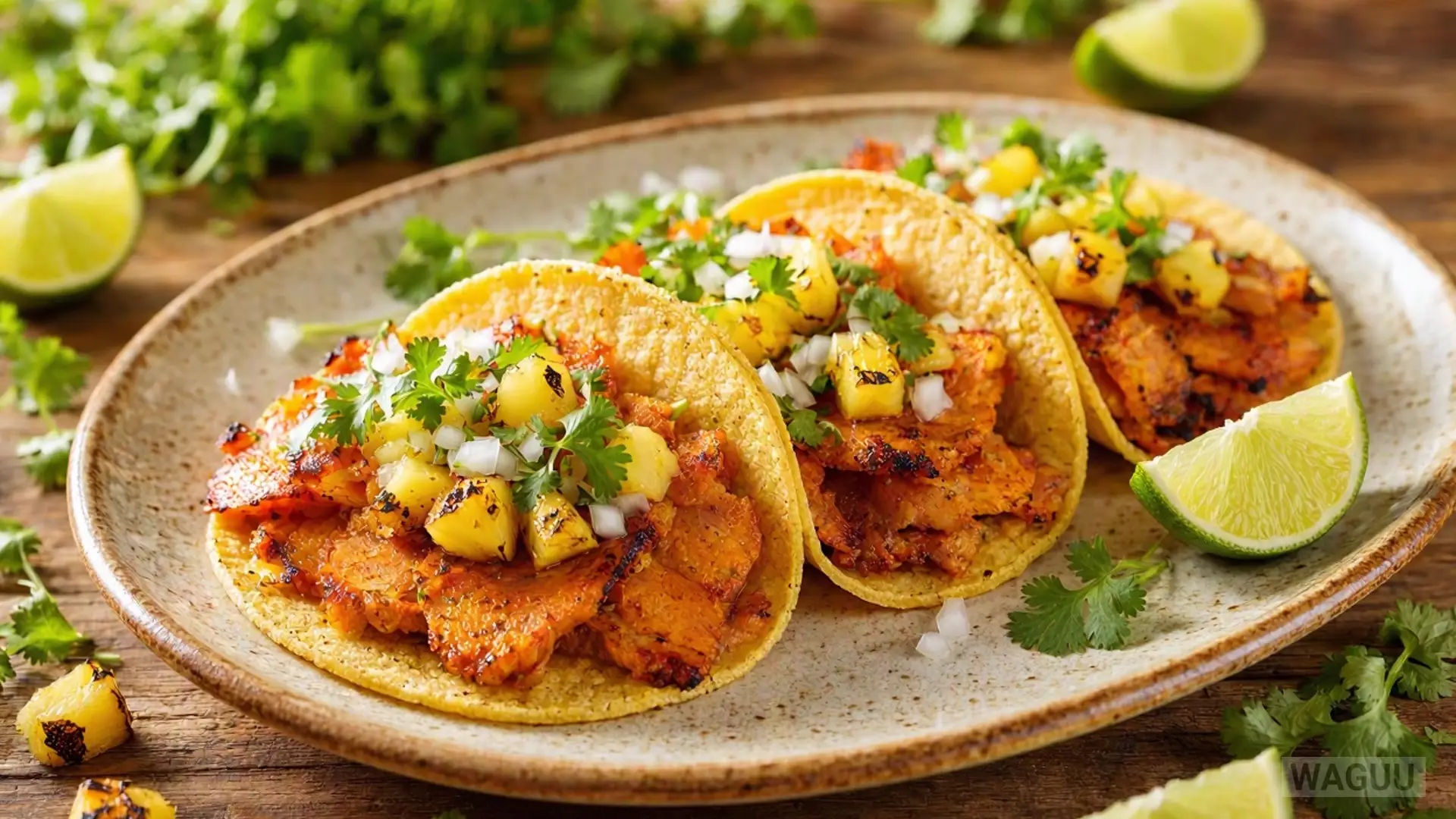
Tacos al Pastor represent one of the most iconic and beloved street food creations found throughout Mexico, showcasing a fascinating fusion of Middle Eastern culinary traditions and indigenous Mexican ingredients. The history of this dish dates back to Lebanese immigrants who arrived in central Mexico during the 19th and 20th centuries, bringing with them the traditional technique of roasting seasoned lamb on vertical spits, known as shawarma. Over time, local Mexican cooks adapted this brilliant cooking method by substituting pork for lamb and incorporating a vibrant marinade made from dried chili peppers such as guajillo and achiote paste, combined with aromatic garlic, vinegar, and sweet pineapple juice. The pork shoulder is sliced thin, thoroughly marinated for several hours to let the rich flavors penetrate deep into the meat, and then stacked meticulously onto a vertical spit called a trompo. As the meat roasts slowly in front of an open flame, the outer layers caramelize deliciously, developing an irresistible smoky crust while remaining exceptionally tender and juicy on the inside. A peeled pineapple is traditionally placed at the very top of the vertical spit, allowing its sweet juices to drip down over the roasting pork during the entire cooking process. When assembling the tacos, the cook skillfully shaves the crisp, savory pork directly from the vertical spit onto warm, pliable corn tortillas, catching a small piece of roasted pineapple atop each portion with a swift flick of the knife. Finished with finely diced white onion, freshly chopped cilantro, and a vibrant salsa verde or salsa roja, Tacos al Pastor offer an explosion of contrasting flavors and textures that delight the senses. Preparing this dish at home allows you to experience the vibrant street food culture of Mexico City right in your own kitchen, whether you choose to roast the pork on a vertical spit or adapt the marinade for oven roasting and pan searing. The secret to achieving an authentic flavor lies in the quality of your achiote paste and the patience you exercise while marinating the meat, ensuring every single bite bursts with complex citrusy, savory, and mildly spicy notes.
- Pork shoulder
- Achiote paste
- Guajillo chilis
- Fresh pineapple
- Corn tortillas
- White onion
- Fresh cilantro
- Slice the pork shoulder thinly and marinate it in a blended mixture of rehydrated guajillo chilis, achiote paste, garlic, vinegar, and pineapple juice for at least four hours.
- Layer the marinated pork slices tightly onto a skewer or vertical roasting spit, topping the stack with a whole peeled pineapple.
- Roast the meat slowly in a vertical broiler or oven until the outer edges are deeply caramelized and slightly crisp.
- Shave the cooked pork and pineapple into warm corn tortillas, topping generously with diced white onion and chopped cilantro.
Tacos al Pastor – corn tortillas filled with marinated pork roasted on a vertical spit, topped with pineapple, onion, cilantro, and salsa.
Mole Poblano
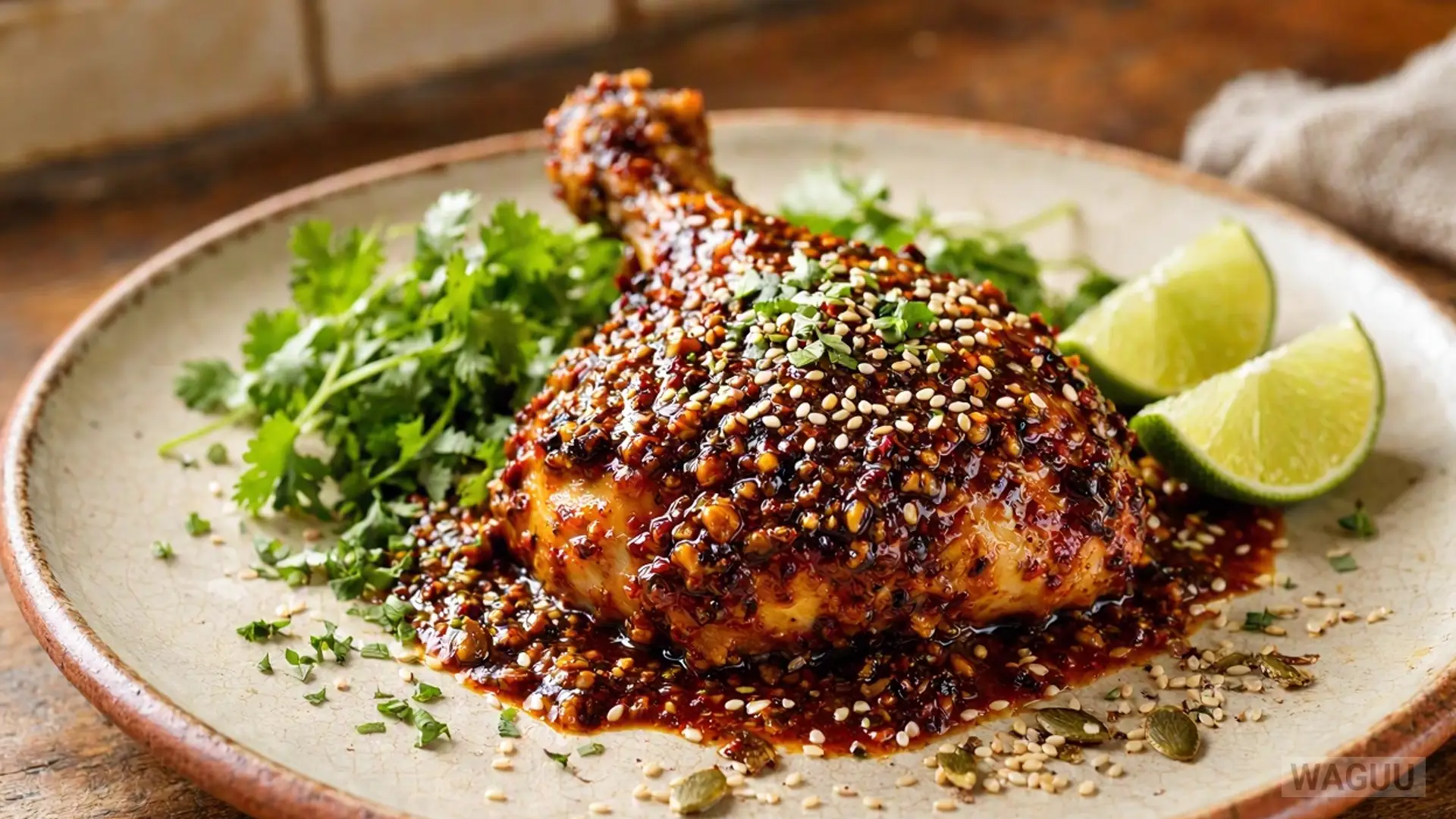
Mole Poblano stands as a crowning achievement of Mexican gastronomy, hailing from the historic city of Puebla as a luxurious, velvety sauce renowned for its extraordinary depth and complexity. Legend attributes the creation of this magnificent dish to 17th-century Dominican nuns at the Convent of Santa Rosa, who supposedly blended whatever ingredients they had on hand—including various chili peppers, spices, nuts, seeds, and leftover chocolate—to create a miraculous feast for a visiting archbishop. True to its heritage, a traditional Mole Poblano requires patience, precision, and a reverence for layering flavors, bringing together dried chili varieties like ancho, pasilla, and mulato with toasted sesame seeds, almonds, walnuts, raisins, cinnamon, cloves, garlic, and Mexican chocolate. The ingredients are meticulously toasted, rehydrated, ground into a smooth paste, and simmered slowly in rich broth until the flavors meld into a dark, glossy, and intensely aromatic sauce that coats the back of a spoon. While chocolate is often highlighted in modern interpretations, its primary role in authentic recipes is to add a subtle bitter note that balances the natural sweetness of roasted fruits and the fiery kick of dried chilis rather than dominating the flavor profile. Mole Poblano is most traditionally served over tender, bone-in chicken or roasted turkey, garnished generously with toasted sesame seeds and accompanied by warm corn tortillas and fluffy Mexican red rice. Preparing mole from scratch is a labor of love that transforms simple poultry into an exquisite centerpiece suitable for weddings, baptisms, and major national holidays like Cinco de Mayo. By taking the time to properly toast each spice and seed without burning them, you unlock a harmonious symphony of savory, sweet, smoky, and slightly bitter notes that define the pinnacle of traditional Mexican culinary artistry.
- Ancho, pasilla, and mulato chilis
- Mexican chocolate
- Toasted sesame seeds
- Almonds and walnuts
- Chicken or turkey broth
- Spices (cinnamon, cloves, anise)
- Garlic and onions
- Toast the dried chili peppers, nuts, seeds, and aromatic spices separately until fragrant, ensuring nothing burns.
- Soak the toasted chilis in warm broth, then blend them together with the nuts, seeds, spices, and a touch of Mexican chocolate until completely smooth.
- Simmer the blended paste in a heavy-bottomed pot with rich chicken or turkey broth for over an hour, stirring frequently until thickened and glossy.
- Coat tender cooked chicken or turkey generously with the warm mole sauce and garnish with toasted sesame seeds before serving.
Mole Poblano – a famous Mexican sauce made from chili peppers, spices, nuts, seeds, and other ingredients, with chocolate also included in some traditional variations. It is served, for example, with chicken or turkey.
Enchiladas
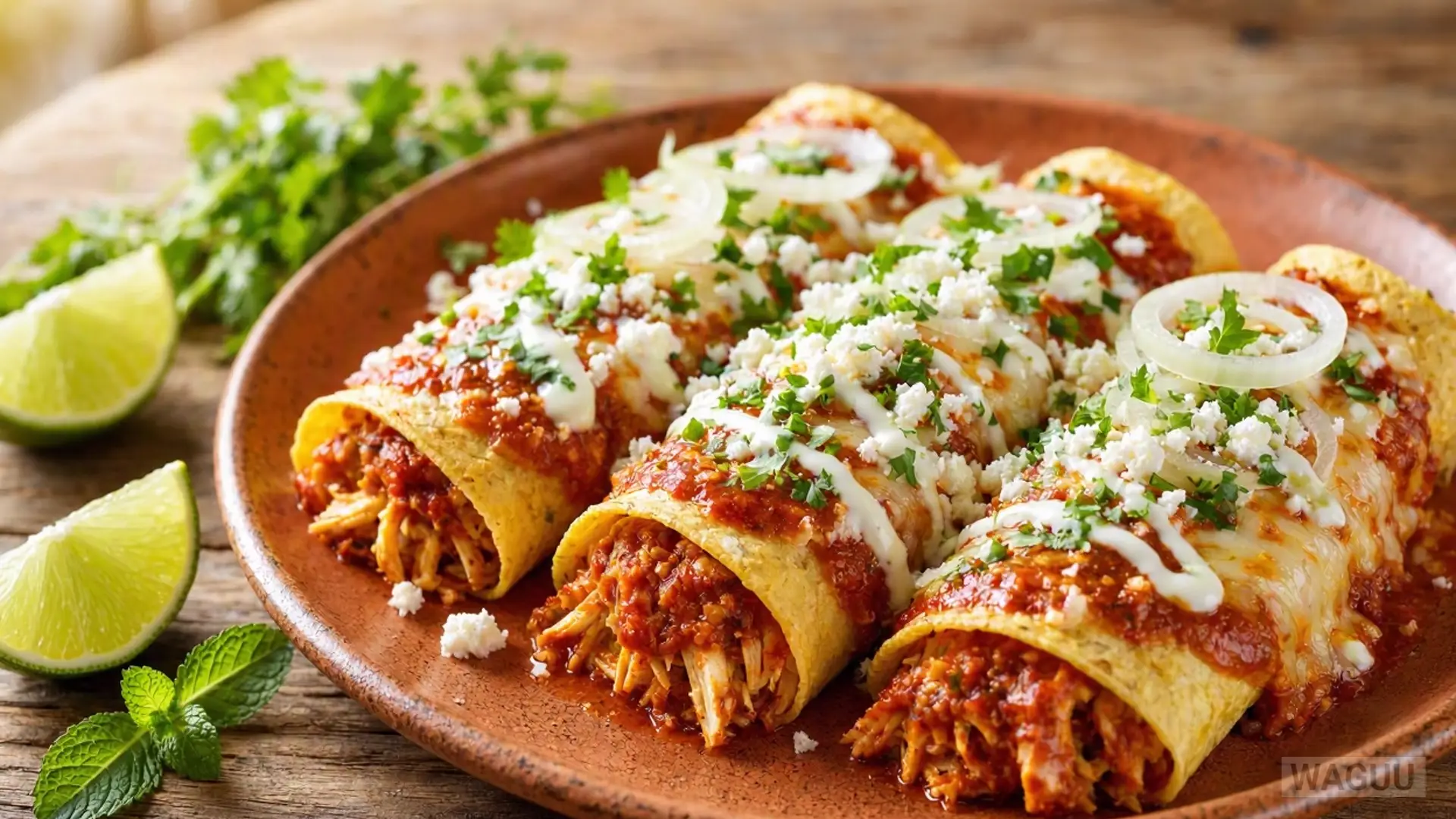
Enchiladas are a deeply comforting and endlessly versatile Mexican staple consisting of corn tortillas wrapped tightly around savory fillings, smothered in a flavorful chili-based sauce, and baked to bubbling perfection. The history of enchiladas stretches back to ancient Mesoamerica, where native peoples ate corn tortillas wrapped around small fish or other ingredients, a custom observed by the Spanish conquistadors. Over the centuries, this simple street snack evolved into the baked casseroles and rolled specialties enjoyed today in homes and restaurants across the globe. The preparation begins by lightly frying corn tortillas in oil just long enough to make them pliable without becoming rigid, preventing them from tearing when rolled around the filling. Popular fillings range from shredded chicken braised with onions and garlic to slow-cooked pork, seasoned ground beef, crumbled queso fresco, black beans, or a medley of roasted seasonal vegetables. Once rolled and placed snugly in a baking dish, the enchiladas are drenched generously in a vibrant red tomato-chili sauce or a zesty green tomatillo salsa, depending on regional preferences and personal taste. A generous layer of grated melting cheese—such as Chihuahua, Monterey Jack, or Oaxaca cheese—is sprinkled over the top before the dish goes into the oven to bake until golden and bubbling. Upon serving, enchiladas are often garnished with cool Mexican crema, fresh cilantro, sliced radishes, and diced avocado to provide a refreshing contrast to the warm, spicy sauce. This dish exemplifies the brilliant balance of textures in Mexican cooking, combining soft filled tortillas with rich melted cheese and a deeply flavorful, aromatic sauce that satisfies hearty appetites.
- Corn tortillas
- Shredded chicken or pork
- Red or green enchilada sauce
- Melting cheese (Monterey Jack or Oaxaca)
- Mexican crema
- Fresh cilantro
- Diced onions
- Lightly warm corn tortillas in warm oil or over an open flame until pliable and soft.
- Spoon seasoned shredded meat, cheese, or vegetables into the center of each tortilla and roll them up tightly.
- Arrange the rolled tortillas seam-side down in a greased baking dish and pour homemade enchilada sauce evenly over the top.
- Sprinkle generously with grated cheese and bake in a preheated oven until the cheese is melted and bubbling.
Enchiladas – corn tortillas stuffed with meat, cheese, or vegetables, smothered in chili sauce and often baked with cheese.
Tamales
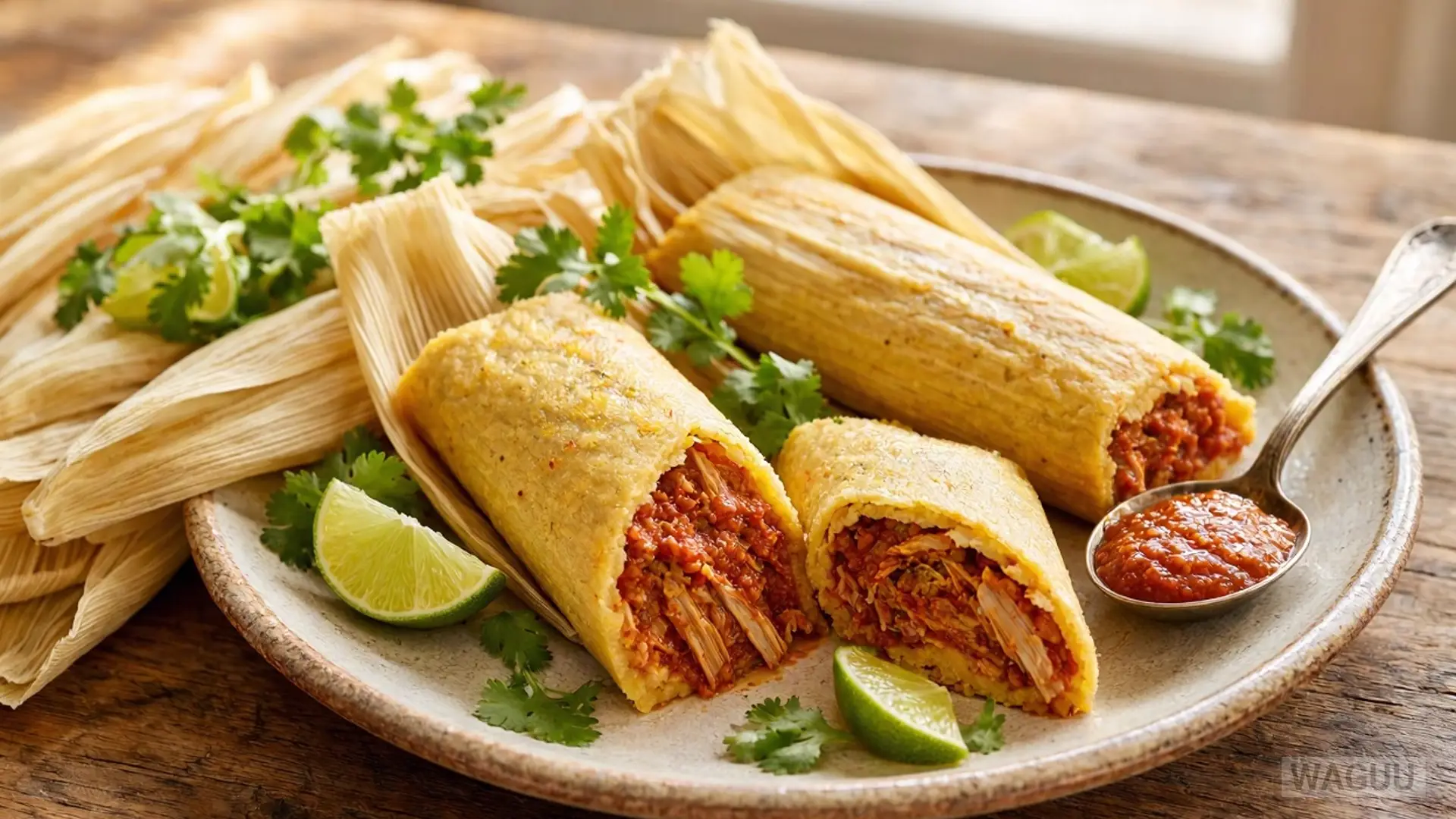
Tamales represent one of the most ancient, labor-intensive, and culturally significant culinary traditions in Mexico, dating back thousands of years to the Aztec and Mayan civilizations. Preparing tamales is traditionally a communal family event known as a tamalada, where generations gather in the kitchen to mix masa, prepare savory fillings, and wrap hundreds of parcels destined for the steamer. The foundation of any great tamale is the masa, a specialized corn dough beaten with lard, broth, and spices until light and fluffy enough to float in a glass of water, ensuring a tender texture after cooking. This seasoned masa is spread evenly across a soaked corn husk or banana leaf, then topped with a spoonful of savory filling such as slow-cooked shredded pork in salsa verde, chicken in mole, or sweet corn and raisins. The husks or leaves are then folded carefully around the filling and secured, creating neat little packets that are stacked vertically in a large steamer pot. As the tamales steam for hours, the corn dough cooks gently in its wrapper, absorbing rich aromas while retaining incredible moisture and a delightfully tender, cake-like consistency. Unwrapping a hot tamale at the table reveals a steaming fragrant parcel that can be enjoyed plain or smothered in extra salsa, hot sauce, and Mexican crema. Tamales are a mandatory fixture during major winter holidays, Christmas Eve celebrations, and Day of the Dead festivities, symbolizing warmth, family unity, and ancestral heritage. Mastering the art of tamale making requires patience and practice, but the reward is an authentic culinary masterpiece that connects you directly to the heart of indigenous Mexican history.
- Masa harina (corn flour dough)
- Lard or vegetable shortening
- Chicken or vegetable broth
- Dried corn husks
- Shredded meat filling
- Salsa verde or red chili sauce
- Spices (cumin, garlic, salt)
- Whip lard or shortening until fluffy, then gradually beat in masa harina and warm broth to create a smooth, light dough.
- Soak dried corn husks in warm water until soft and pliable, then pat them dry with a clean kitchen towel.
- Spread a thin layer of masa onto each corn husk, add a spoonful of savory meat filling in the center, and fold the edges securely.
- Arrange the tamales upright in a large steamer pot and steam over medium-high heat for about 90 minutes until the masa pulls away cleanly from the husk.
Tamales – corn dough filled with meat, chilies, cheese, or other fillings, wrapped in corn husks or banana leaves and steamed.
Pozole
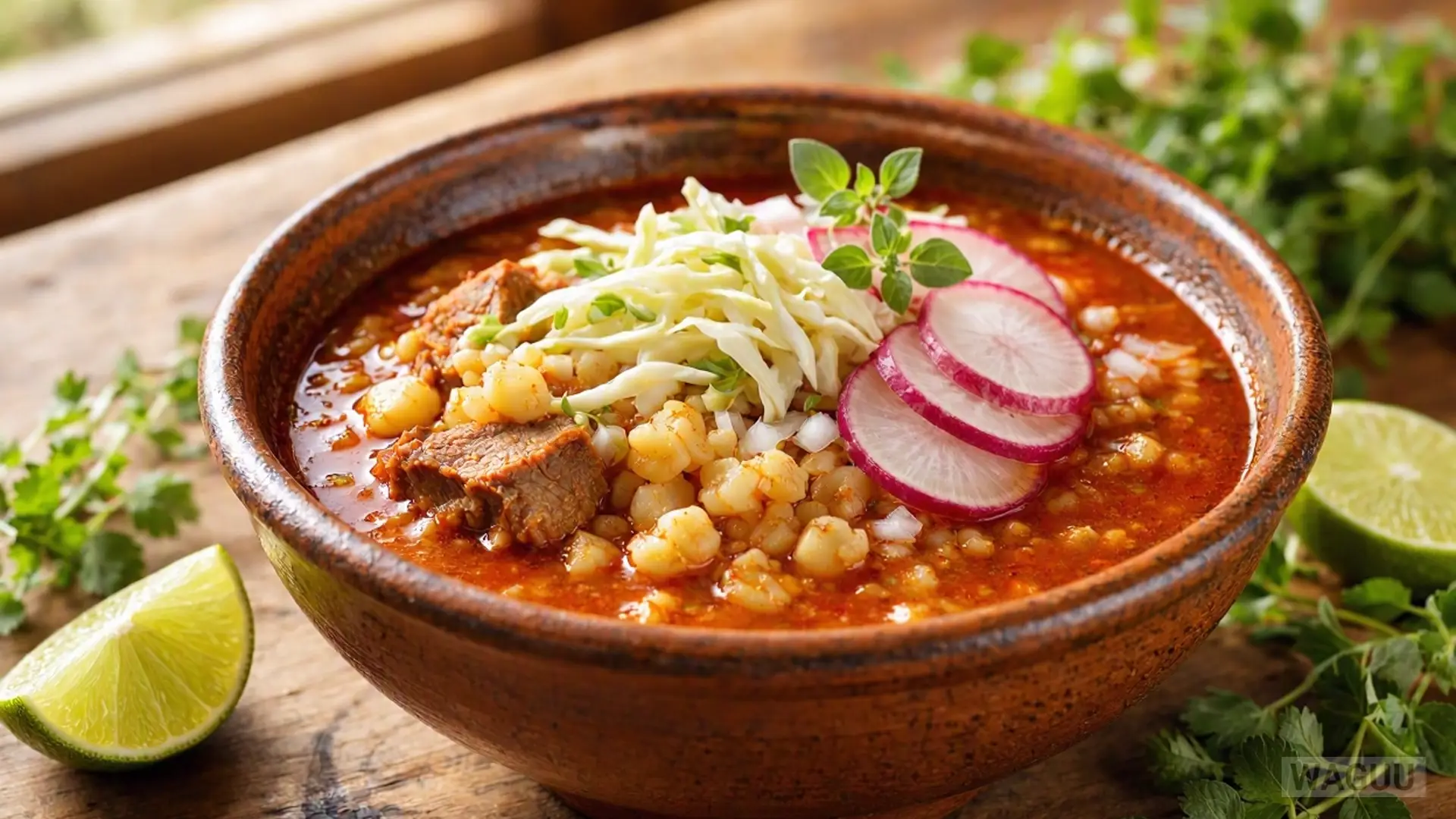
Pozole is a deeply traditional, hearty, and spiritually significant soup deeply rooted in pre-Hispanic Aztec culture, where it was originally prepared for sacred rituals and celebrations. The star ingredient of this magnificent soup is cacahuazintle, a special variety of large hominy corn kernels that have been treated with lime water through a process called nixtamalization, causing them to puff up dramatically during cooking. When simmered for hours with pork shoulder, garlic, onions, and aromatic herbs, the corn kernels burst open and release starches that give the rich broth its uniquely comforting and velvety body. Pozole is traditionally categorized into three distinct varieties based on the color of the salsa used to season the broth: blanco (clear), verde (green with tomatillos and pumpkin seeds), and rojo (red with dried guajillo and ancho chilis). What truly elevates pozole into an interactive dining experience is the elaborate spread of fresh garnishes served alongside the steaming bowls for each guest to add according to their personal preference. These traditional toppings include crisp shredded cabbage, thinly sliced radishes, diced white onion, fresh cilantro, dried oregano, crushed red pepper flakes, and vibrant wedges of fresh lime. Served with crispy tostadas topped with crema and refried beans, pozole is a celebratory dish that brings families together on New Year’s Eve, weddings, and cold winter evenings. The combination of the tender, chewy hominy, rich savory pork broth, and crisp, acidic toppings creates an unforgettable sensory experience that showcases the brilliant complexity of traditional Mexican comfort food.
- Large hominy corn kernels
- Pork shoulder or chicken
- Dried chilis (guajillo and ancho)
- Garlic and onions
- Shredded cabbage
- Fresh radishes
- Fresh limes and cilantro
- Simmer pork shoulder and hominy corn kernels in a large stockpot with garlic and onions for several hours until the meat is tender and the corn has burst.
- Prepare a red sauce by rehydrating dried chilis and blending them with garlic and broth, then strain the mixture into the soup pot.
- Simmer the pozole for another thirty minutes to allow all the rich flavors to meld together harmoniously.
- Serve piping hot in large bowls, accompanied by bowls of shredded cabbage, sliced radishes, diced onions, oregano, and lime wedges for customized garnishing.
Pozole – a traditional hearty soup made from large hominy corn kernels, most commonly prepared with pork or chicken and served with cabbage, radish, lime, and chili.
Chiles en Nogada
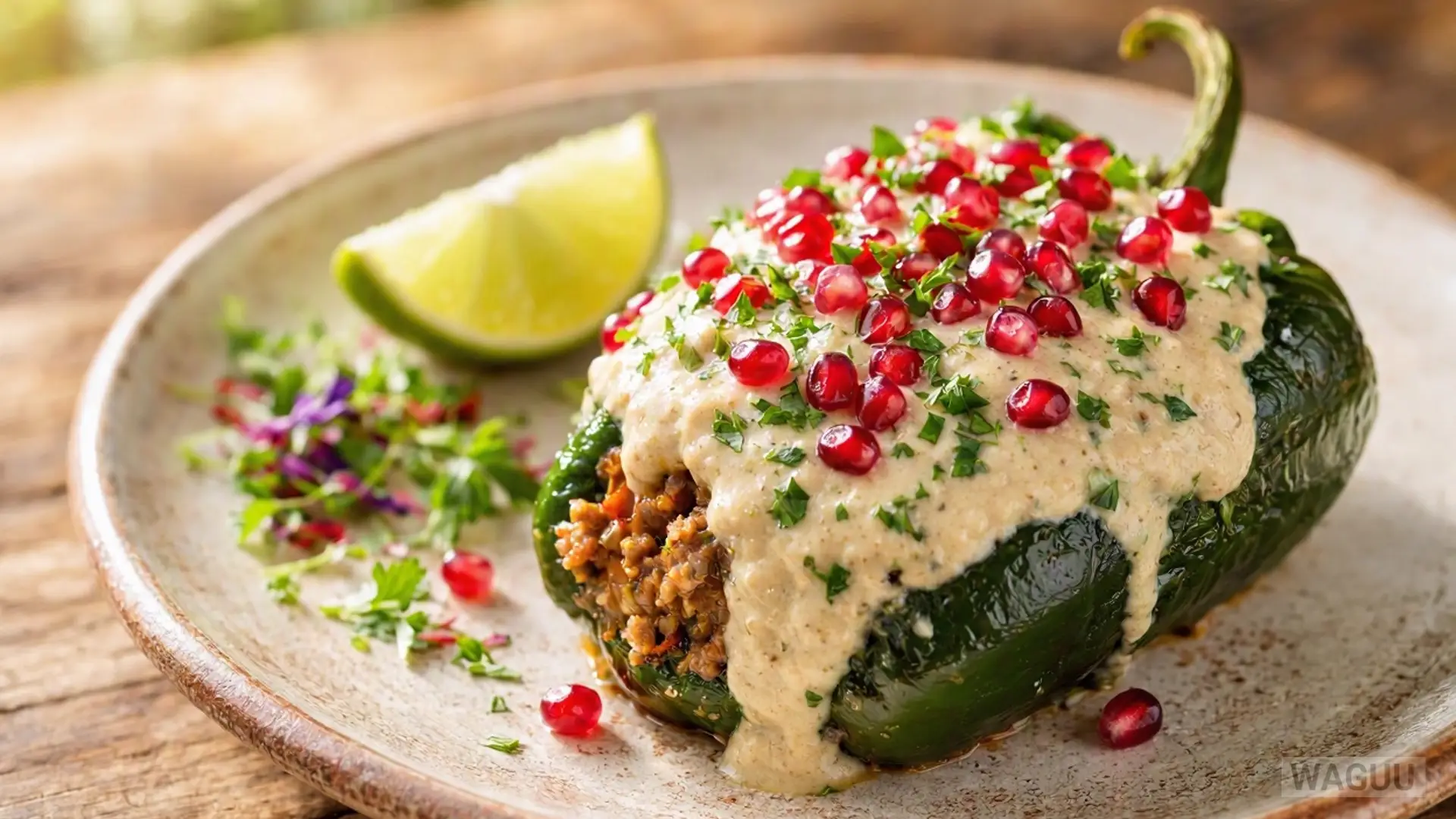
Chiles en Nogada is widely celebrated as Mexico’s most patriotic and visually stunning dish, proudly displaying the red, white, and green colors of the Mexican flag. Invented in Puebla in 1821 by Augustinian nuns to honor Agustín de Iturbide following the signing of the Declaration of Independence, this dish is traditionally served during the late summer months when fresh walnuts and pomegranates are harvested. The recipe features large, fresh poblano chili peppers that are roasted, peeled, and stuffed with picadillo—a savory mixture of shredded pork or beef, chopped fruits like apples, pears, and peaches, raisins, and aromatic spices. Unlike many stuffed chili dishes, Chiles en Nogada are often served at room temperature or cool, rather than piping hot, allowing the delicate flavors of the filling and sauce to shine. The crowning glory of the dish is the nogada, a luxurious, velvety sauce made from freshly peeled walnuts blended with Mexican crema, fresh goat cheese, a splash of sherry, and a hint of sugar. Once the stuffed poblano is generously coated in this creamy white walnut sauce, it is garnished meticulously with brilliant red pomegranate seeds and finely chopped fresh parsley. This stunning color combination pays direct tribute to the Mexican army while offering an extraordinary flavor profile that balances savory meat, sweet autumn fruits, rich nutty cream, and tart fruit seeds. Preparing Chiles en Nogada is a true labor of love reserved for special patriotic celebrations, showcasing the sophisticated elegance and historical depth of traditional Mexican high cuisine.
- Fresh poblano peppers
- Ground pork or beef
- Apples, pears, and peaches
- Fresh peeled walnuts
- Mexican crema and goat cheese
- Pomegranate seeds
- Fresh parsley
- Roast poblano peppers over an open flame until charred, sweat them in a covered bowl, then peel off the skin and remove the seeds carefully.
- Sauté minced meat with onions, garlic, chopped seasonal fruits, raisins, and spices to create the sweet and savory picadillo filling.
- Stuff the prepared poblano peppers generously with the picadillo mixture and set them aside on a platter.
- Blend fresh walnuts with Mexican crema, goat cheese, sherry, and a touch of sugar to create the nogada sauce, then pour over the peppers and garnish with pomegranate seeds and parsley.
Chiles en Nogada – poblano peppers stuffed with a mixture of meat, fruit, and spices, covered in a creamy walnut sauce and garnished with pomegranate seeds and parsley.
Cochinita Pibil
Cochinita Pibil is a culinary masterpiece originating from the Yucatán Peninsula, reflecting a unique blend of ancient Mayan cooking techniques and Spanish colonial ingredients. The word pibil derives from the Mayan word pib, meaning an underground pit oven where food is wrapped in banana leaves and slow-cooked over hot stones covered with earth. In this traditional recipe, a whole suckling pig or pork shoulder is thoroughly marinated in a vibrant paste made from achiote seeds, earthy spices, and sour orange juice, which provides both a striking reddish-orange color and a bright citrus tang. The marinated pork is wrapped securely in fragrant banana leaves, which impart a subtle smoky herbal aroma to the meat as it slow-roasts for hours until meltingly tender. Traditionally buried in a backyard earth pit, modern home cooks can easily replicate this exceptional tenderness by slow-roasting the wrapped pork in a low oven or Dutch oven for several hours. Once cooked, the pork is shredded easily with a fork, absorbing all the savory juices trapped inside the banana leaf parcel. Cochinita Pibil is traditionally served plated alongside pickled red onions infused with habanero chili, warm corn tortillas, and fresh lime wedges to cut through the rich meat. The combination of earthy achiote, tart citrus, and fiery habanero pickled onions creates a flavor explosion that transports diners straight to the sun-drenched coast of the Yucatán.
- Pork shoulder
- Achiote paste
- Sour orange juice (or lime and orange mix)
- Banana leaves
- Red onions
- Habanero chilis
- Spices (oregano, cumin, black pepper)
- Blend achiote paste with sour orange juice, garlic, oregano, cumin, and salt to create a smooth, vibrant marinade.
- Coat the pork shoulder thoroughly with the achiote marinade and let it rest in the refrigerator for at least six hours.
- Wrap the marinated pork securely in pliable banana leaves, place in a roasting pan, and slow-cook in a low oven for four hours until fork-tender.
- Shred the tender pork and serve with warm corn tortillas and freshly pickled red onions infused with habanero chili.
Cochinita Pibil – Yucatecan pork marinated in achiote and citrus juice, slow-roated until tender and served with pickled red onion and tortillas.
Chilaquiles
Chilaquiles are a beloved Mexican comfort food classic traditionally enjoyed for breakfast or brunch, designed brilliantly to make use of leftover tortillas and salsas. The dish traces its origins back to Aztec times, serving as a hearty, satisfying way to repurpose stale tortillas by cutting them into triangles, frying them until crispy, and simmering them briefly in flavorful chili salsa. Depending on regional traditions and personal preference, chilaquiles are prepared either as chilaquiles rojos, using a rich tomato and red chili salsa, or chilaquiles verdes, using a tangy tomatillo and green chili salsa. The secret to perfect chilaquiles lies in timing: the crispy tortilla chips are tossed into the simmering hot salsa just long enough to soften slightly on the edges while retaining a pleasant crunch in the center. Once coated in the vibrant sauce, the dish is typically topped with crumbled queso fresco, Mexican crema, sliced white onion, fresh cilantro, and shredded chicken or fried eggs. The eggs add a rich, runny yolk that mingles luxuriously with the spicy salsa and softened tortilla chips, creating an unbeatable morning meal. Chilaquiles are also renowned across Mexico as the ultimate hangover cure, offering a comforting combination of carbohydrates, protein, and spicy warmth to revive the spirit. Preparing chilaquiles at home is quick, easy, and endlessly customizable, allowing you to utilize whatever ingredients you have in your refrigerator while delivering authentic Mexican flavor.
- Corn tortilla chips (totopos)
- Red or green salsa
- Shredded chicken or eggs
- Queso fresco
- Mexican crema
- Diced white onion
- Fresh cilantro
- Heat homemade or store-bought corn tortilla chips in a skillet with your choice of warm red or green salsa.
- Toss gently for one to two minutes until the chips are partially softened but still retain some crunch.
- Plate the chilaquiles and top immediately with shredded chicken, fried eggs, crumbled queso fresco, and a drizzle of crema.
- Garnish with diced onions and fresh cilantro before serving hot.
Chilaquiles – crispy corn tortilla pieces briefly simmered in red or green salsa, served with cheese, crema, onion, and often with eggs or chicken.
Quesadillas
Quesadillas are one of the most popular, quick, and satisfying antojos (street snacks) in Mexican cuisine, prized for their comforting simplicity and endless adaptability. The name itself comes from a combination of the Spanish word queso (cheese) and the diminutive suffix -illa, reflecting its historical roots as a folded corn tortilla filled with melted cheese. In traditional central Mexican markets, authentic quesadillas are made from freshly pressed masa dough that is filled with cheese and savory ingredients before being cooked on a hot comal (griddle), often resulting in a deep-fried treat in certain regions. While Americanized versions often rely on large flour tortillas, traditional Mexican quesadillas frequently use corn tortillas or handmade masa turnovers stuffed with delicious fillings like huitlacoche (corn smut), squash blossoms, sautéed mushrooms, spicy chorizo, or shredded tinga chicken. As the quesadilla toasts on the hot griddle, the cheese melts into a gooey, savory layer that binds the tortilla and fillings together perfectly. Served piping hot alongside a bright, fresh salsa verde or salsa roja, quesadillas make an ideal light lunch, appetizer, or snack for any occasion. The key to making an exceptional quesadilla lies in choosing a good melting cheese that offers a rich, stretchy texture without overpowering the delicate flavors of the additional fillings. Whether you prefer them made with corn or flour tortillas, quesadillas remain a timeless favorite that highlights the brilliance of quick, fresh Mexican home cooking.
- Corn or flour tortillas
- Oaxaca or Chihuahua cheese
- Sautéed mushrooms or squash blossoms
- Cooked chicken or chorizo
- Fresh salsa
- Avocado slices
- Fresh cilantro
- Place a tortilla on a hot dry skillet or comal over medium heat.
- Sprinkle grated melting cheese evenly over the tortilla along with your choice of cooked fillings like mushrooms or chicken.
- Fold the tortilla in half and press down gently with a spatula to ensure even contact with the heat.
- Toast for two to three minutes per side until the tortilla is golden and crispy and the cheese is fully melted.
Quesadillas – corn or wheat tortillas filled with cheese, and optionally mushrooms, meat, or vegetables, toasted on a griddle and served with salsa.
Guacamole
Guacamole is undoubtedly one of Mexico’s most famous and beloved culinary exports, tracing its origins back to the ancient Aztecs who cultivated avocados and mashed them with wild herbs and chilis. The word guacamole stems from the Nahuatl words ahuacatl (avocado) and molli (sauce), highlighting its traditional status as a rich, flavorful condiment accompanying various meals. Making authentic guacamole requires no complicated equipment—just a traditional volcanic stone mortar and pestle known as a molcajete, which helps grind the aromatics into a smooth paste before gently incorporating the ripe avocados. The foundation of great guacamole is perfectly ripe Hass avocados, mashed coarsely to maintain a pleasant, chunky texture rather than a baby-food-like puree. Fresh lime juice is added not only for its bright, zesty flavor but also for its citric acid, which slows down the oxidation process and keeps the avocado from turning brown too quickly. Finely diced white onion, minced jalapeño or serrano chilis for heat, chopped fresh cilantro, and salt complete the classic ingredient list, with diced tomatoes added optionally depending on regional preferences. Guacamole is traditionally served immediately in the molcajete alongside warm tortilla chips, or used as a cool, creamy topping for tacos, tostadas, and grilled meats. The key to perfection is simplicity: letting the fresh, natural flavor of the buttery avocado shine through without masking it with unnecessary commercial additives or heavy dairy products.
- Ripe Hass avocados
- Fresh lime juice
- White onion
- Jalapeño or serrano chilis
- Fresh cilantro
- Ripe tomatoes (optional)
- Sea salt
- Cut ripe avocados in half, remove the pits, and scoop the flesh into a mixing bowl or traditional molcajete.
- Mash the avocado roughly with a fork or pestle, leaving some pleasant chunks for texture.
- Add freshly squeezed lime juice, finely diced white onion, minced chili, chopped cilantro, and salt to taste.
- Stir gently to combine all ingredients, garnish with a sprig of cilantro, and serve immediately with tortilla chips.
Guacamole – a fresh avocado dip with lime juice, onion, chili, and cilantro, served with tortilla chips or as a side dish to other Mexican meals.
Huevos Rancheros
Huevos Rancheros is a classic Mexican breakfast dish steeped in rural tradition, originally served to farmworkers and ranch hands as a hearty, energizing start to the working day. The dish embodies the rustic charm of Mexican country cooking, featuring lightly fried corn tortillas topped with freshly fried eggs and smothered in a vibrant, savory tomato-chili salsa. The preparation begins by quickly frying corn tortillas in a little oil until they are warm and pliable, serving as the edible base for the entire plate. Over each tortilla rests a freshly fried egg, cooked sunny-side up so that the warm, golden yolk runs deliciously over the plate when cut, mingling with the surrounding salsa. The salsa ranchera is typically made from fresh tomatoes, onions, garlic, and hot chili peppers simmered together until rich and fragrant, providing a wonderful kick of warmth and acidity. Huevos Rancheros are traditionally served accompanied by refried beans, sliced avocado, crumbled queso fresco, and fresh cilantro, creating a balanced and satisfying meal packed with protein and fiber. This comforting breakfast favorite has transcended its rural Mexican roots to become a beloved weekend brunch staple around the world. Preparing huevos rancheros at home is remarkably simple, yet it delivers an authentic explosion of vibrant colors, comforting textures, and bold traditional flavors that will brighten any morning.
- Fresh eggs
- Corn tortillas
- Salsa ranchera (tomato and chili sauce)
- Refried beans
- Avocado slices
- Queso fresco
- Fresh cilantro
- Lightly warm corn tortillas in a skillet with a small amount of oil until soft and pliable.
- Fry eggs sunny-side up in a separate skillet, keeping the yolks soft and runny.
- Place the warm tortillas on a plate, spread a spoonful of warm refried beans on top, and top each with a fried egg.
- Ladle hot salsa ranchera generously over the eggs and garnish with avocado slices, crumbled cheese, and cilantro.
Huevos Rancheros – fried eggs served on corn tortillas with tomato-chili salsa, often accompanied by beans and avocado and fresh cilantro.
Fajitas
Fajitas are a sizzling favorite of Tex-Mex and Northern Mexican cuisine, celebrated for their theatrical presentation and mouthwatering blend of grilled meats, sweet peppers, and onions. The term fajita originates from the Spanish word faja, meaning girdle or belt, referring to the cut of beef traditionally used by Mexican vaqueros (cowboys) in Texas—skirt steak. Over the decades, fajitas evolved from campfire cowboy fare into a globally adored restaurant classic, with chicken, shrimp, and vegetarian variations joining the original beef staple. The preparation involves marinating strips of beef skirt steak or chicken breast in a zesty blend of lime juice, garlic, chili powder, cumin, and cilantro to tenderize the meat and infuse it with bold flavor. The marinated meat is then seared rapidly over high heat in a smoking-hot cast-iron skillet alongside thick slices of bell peppers and onions, allowing the vegetables to caramelize while retaining a pleasant crisp-tender bite. When served tableside on a sizzling hot cast-iron platter, fajitas release an irresistible aroma that instantly turns heads across the room. Diners assemble their own warm flour or corn tortillas with the sizzling meat and vegetables, garnishing them with guacamole, salsa, sour cream, and shredded cheese. This interactive dining style makes fajitas an exceptionally fun and festive meal for family dinners and social gatherings. Mastering fajitas at home simply requires a very hot pan, properly marinated meat, and a willingness to embrace the delicious sizzle of authentic outdoor-style cooking indoors.
- Beef skirt steak or chicken breast
- Bell peppers (mixed colors)
- Yellow and red onions
- Lime juice and garlic
- Chili powder and cumin
- Flour tortillas
- Guacamole and sour cream
- Slice beef skirt steak or chicken breast into thin strips and marinate in lime juice, garlic, cumin, and chili powder for at least two hours.
- Slice bell peppers and onions into uniform strips.
- Heat a cast-iron skillet over high heat until smoking hot, then sear the marinated meat quickly until charred and cooked through; remove and set aside.
- Sauté the peppers and onions in the same skillet until tender and slightly charred, return the meat to toss, and serve sizzling hot with warm tortillas and accompaniments.
Fajitas – strips of grilled beef or chicken with sautéed bell peppers and onions, served with tortillas and accompaniments such as salsa, guacamole, and sour cream.
Mastering Mexican cuisine requires an appreciation for fresh ingredients, traditional spice combinations, and time-honored cooking techniques that have been passed down through generations. Each of the twelve dishes explored in this guide offers a unique window into the rich cultural tapestry and diverse regional flavors of Mexico, from the smoky street-side charm of Tacos al Pastor to the majestic festive elegance of Mole Poblano.
By understanding the underlying culinary principles—such as the importance of acid balance, proper meat marination, and the skillful use of native chilis—you can successfully recreate these beloved masterpieces in your own home kitchen. Whether you are planning a casual weeknight dinner with cheesy enchiladas and guacamole or hosting an elaborate weekend tamalada with family and friends, these authentic recipes provide everything you need to impress your guests and elevate your cooking skills to new heights.
Essential Techniques for Authentic Mexican Cooking
Achieving truly authentic flavors in Mexican cuisine goes beyond simply following a recipe; it requires mastering a few foundational techniques. First, learning how to properly toast and rehydrate dried chili peppers unlocks deep, smoky flavor profiles without introducing excessive harsh bitterness. Second, understanding the process of nixtamalization—treating corn with alkaline solutions—explains why traditional corn tortillas and masa dough possess their unique aroma, texture, and nutritional superiority. Finally, balancing flavors with fresh citrus juice, sea salt, and aromatic herbs at the final moment of plating elevates home-cooked dishes to restaurant-quality masterpieces.
| Technique / Ingredient | Culinary Purpose and Effect |
|---|---|
| Dry Roasting Chilis | Releases essential oils, enhancing smoky notes and reducing harsh bitterness before blending into sauces. |
| Nixtamalization | Treats corn with lime water, improving nutritional value, aroma, and dough binding properties. |
| Citrus Acid Balancing | Fresh lime or sour orange juice cuts through rich fats and brightens heavy braised meats. |
| Slow Braising in Leaves | Banana or corn husks trap moisture and infuse subtle herbal aromas into slow-roasted meats. |
WAGUU Pro Tip: Always warm your corn tortillas on a dry comal or skillet for 30 seconds per side until flexible and slightly puffed; wrapping them in a clean cloth keeps them soft and prevents tearing while rolling.
Frequently asked questions
What is the difference between corn and flour tortillas in Mexican cooking?
Corn tortillas are the traditional foundation of Mexican cuisine, made from nixtamalized corn masa and prized for their earthy flavor and flexibility. Flour tortillas, made from wheat flour, lard, and water, are more common in Northern Mexico and are typically used for burritos and fajitas.
Are all Mexican dishes extremely spicy?
No, authentic Mexican cuisine is not inherently burning hot. While chili peppers are used extensively for their distinct regional flavors and aromatic profiles, the heat level is often balanced by creamy cheeses, fresh citrus, avocados, and mild sauces, with fiery salsas usually served on the side.
Can I make vegetarian versions of traditional Mexican dishes?
Absolutely. Many traditional Mexican dishes easily adapt to vegetarian diets by substituting mushrooms, squash blossoms, black beans, sweet potatoes, or jackfruit for the meat, while still maintaining the authentic spices and flavor profiles.
How do I keep guacamole from turning brown?
To prevent guacamole from oxidizing and turning brown, squeeze fresh lime juice directly over the surface and press plastic wrap firmly down onto the guacamole to eliminate air contact before storing it in the refrigerator.
Also known as: Mexican food recipes, traditional Mexican dishes, popular Mexican cuisine, authentic Mexican meals
Author: WAGUU Petr & Team • Published: 26 Aug 2026 • Updated: 31 Oct 2026
Conclusion
Mexican cuisine offers a breathtaking world of flavor, history, and culinary tradition that rewards home cooks willing to explore its vibrant ingredients and techniques. From the comforting warmth of a steaming bowl of pozole to the celebratory elegance of Chiles en Nogada, these twelve favorite dishes represent the absolute pinnacle of Mexican gastronomy. By embracing fresh herbs, traditional chili peppers, and patient cooking methods, you can bring the authentic warmth and soul of Mexico into your own home kitchen. Whether you start with a simple bowl of fresh guacamole or tackle an intricate mole from scratch, every dish tells a story of heritage, community, and culinary passion.
Choose your recipe
Ready to start cooking? Explore our complete collection of traditional Mexican recipes featured in this guide and choose your next culinary adventure:
Tacos al Pastor – corn tortillas filled with marinated pork roasted on a vertical spit, topped with pineapple, onion, cilantro, and salsa.
Mole Poblano – a famous Mexican sauce made from chili peppers, spices, nuts, seeds, and other ingredients, with chocolate also included in some traditional variations. It is served, for example, with chicken or turkey.
Enchiladas – corn tortillas stuffed with meat, cheese, or vegetables, smothered in chili sauce and often baked with cheese.
Tamales – corn dough filled with meat, chilies, cheese, or other fillings, wrapped in corn husks or banana leaves and steamed.
Pozole – a traditional hearty soup made from large hominy corn kernels, most commonly prepared with pork or chicken and served with cabbage, radish, lime, and chili.
Chiles en Nogada – poblano peppers stuffed with a mixture of meat, fruit, and spices, covered in a creamy walnut sauce and garnished with pomegranate seeds and parsley.
Cochinita Pibil – Yucatecan pork marinated in achiote and citrus juice, slow-roasted until tender and served with pickled red onion and tortillas.
Chilaquiles – crispy corn tortilla pieces briefly simmered in red or green salsa, served with cheese, crema, onion, and often with eggs or chicken.
Quesadillas – corn or wheat tortillas filled with cheese, and optionally mushrooms, meat, or vegetables, toasted on a griddle and served with salsa.
Guacamole – a fresh avocado dip with lime juice, onion, chili, and cilantro, served with tortilla chips or as a side dish to other Mexican meals.
Huevos Rancheros – fried eggs served on corn tortillas with tomato-chili salsa, often accompanied by beans and avocado.
Fajitas – strips of grilled beef or chicken with sautéed bell peppers and onions, served with tortillas and accompaniments such as salsa, guacamole, and sour cream.
Other possible variations
Fish Tacos al Pastor
This coastal variation replaces traditional pork with flaky white fish marinated in achiote and citrus juice, making it lighter and ideal for seafood lovers. It is especially popular in seaside regions of Mexico, offering a refreshing twist while retaining the classic spiced marinade flavor profile.
Vegan Tacos al Pastor
Replacing pork with marinated king oyster mushrooms or jackfruit, this plant-based version captures the exact smoky and citrusy flavor of the classic recipe. It is suitable for vegans seeking traditional street food flavors without animal products, utilizing the same achiote seasoning and pineapple garnish.
Chicken Mole Verde
This vibrant variation swaps the dark chocolate and red chili sauce for a bright green mole made from tomatillos, green chilis, pumpkin seeds, and fresh herbs. It is lighter and herbaceous, perfect for pairing with tender chicken breast and summer vegetables.
Vegan Nut-Free Mole
Designed for individuals with tree nut allergies or plant-based dietary preferences, this variation uses roasted pumpkin seeds and plant-based broth to achieve a rich, velvety texture. It preserves the complex spiced chocolate flavor of traditional mole while ensuring complete dietary safety.
Vegetarian Black Bean Enchiladas
This meatless variation stuffs corn tortillas with seasoned black beans, roasted corn, and bell peppers, smothered in green tomatillo salsa and melted cheese. It provides a hearty, fiber-rich alternative to chicken or beef enchiladas without sacrificing any flavor.
Seafood Enchiladas Suizas
Featuring succulent shrimp or white fish wrapped in tortillas and smothered in a creamy, tangy tomatillo and sour cream sauce, this Swiss-inspired variation is rich and luxurious. It is ideal for special dinner parties and seafood enthusiasts looking for an elegant twist.
Sweet Dessert Tamales
Unlike savory meat versions, these sweet tamales feature corn masa sweetened with cinnamon, vanilla, and sugar, filled with raisins, pineapple, or chocolate chips. They are enjoyed as a comforting dessert or breakfast treat alongside hot Mexican chocolate or coffee.
Vegetarian Black Bean Tamales
This plant-based variation replaces lard with vegetable shortening and fills the corn husks with spiced black beans, roasted corn, and mild green chilis. It is suitable for vegetarians and vegans who want to enjoy the traditional holiday experience of unwrapping homemade tamales.
Chicken Pozole Verde
Replacing pork with shredded chicken and incorporating a bright green tomatillo and cilantro broth, this variation is lighter yet equally comforting. It is ideal for home cooks looking for a quicker, poultry-based soup with a refreshing herbal twist.
Vegetarian Mushroom Pozole
This plant-based version substitutes hearty wild mushrooms for meat, simmering them in a rich vegetable broth seasoned with toasted guajillo chilis and hominy corn. It provides a deeply savory, umami-rich soup suitable for vegetarians and vegans.
Vegetarian Cheese-Stuffed Chiles en Nogada
Replacing the traditional meat picadillo with a seasoned mixture of farmer’s cheese, dried fruits, and nuts, this variation is perfect for meatless days during the holiday season. It retains the iconic creamy walnut nogada sauce and pomegranate seed garnish.
Baked Chiles en Nogada
This modern variation lightly coats the stuffed poblano peppers in a delicate egg batter and bakes them until golden rather than serving them plain, adding a delightful crispy texture. It is suitable for home cooks wanting a slightly heartier presentation.
Chicken Cochinita Pibil
Substituting chicken thighs for pork shoulder, this variation cooks much faster while retaining the signature achiote marinade and citrus notes. It is ideal for weeknight dinners when slow-roasting pork is not practical.
Jackfruit Cochinita Pibil
Young green jackfruit is shredded and simmered in the traditional achiote and citrus marinade, offering a plant-based alternative that mimics the texture of pulled pork. It is perfect for vegans craving Yucatecan flavors.
Chilaquiles con Chorizo
This protein-packed variation adds crumbled spicy Mexican chorizo to the traditional salsa-simmered tortilla chips, enhancing the savory depth of the dish. It is ideal for hearty weekend breakfasts and brunch gatherings.
Verde Chilaquiles with Eggs
Using a zesty green tomatillo salsa instead of red tomato sauce, this crisp tortilla breakfast dish offers a tangy, vibrant flavor profile. Topped with fried eggs and queso fresco, it makes a refreshing morning meal.
Mushroom and Black Bean Quesadillas
Packed with earthy sautéed mushrooms and protein-rich black beans alongside melted cheese, this vegetarian quesadilla is hearty and satisfying. It is quick to prepare for a wholesome lunch or light dinner.
Shrimp and Cheese Quesadillas
Featuring succulent spiced shrimp combined with melted Oaxaca cheese in a toasted tortilla, this coastal variation is decadent and flavorful. It pairs wonderfully with a squeeze of fresh lime and cilantro salsa.
Spicy Mango Guacamole
Adding diced ripe mango to classic avocado guacamole introduces a sweet and tropical twist that balances the heat of serrano chilis. It is fantastic served with fish tacos or crispy tortilla chips during summer gatherings.
Bacon and Roasted Corn Guacamole
Incorporate crispy smoked bacon bits and charred sweet corn kernels into traditional guacamole for a rich, smoky, and textural upgrade. It makes an incredible appetizer for parties and barbecues.
Huevos Motuleños
Originating from Yucatán, this elaborate breakfast features fried eggs on tortillas layered with refried beans, ham, peas, plantains, and tomato sauce. It is a colorful and festive alternative to classic rancheros.
Huevos Divorciados
Featuring two fried eggs on tortillas where one is covered in red salsa and the other in green salsa, separated by a line of refried beans. It is a playful and delicious variation for brunch.
Shrimp Fajitas
Replacing beef or chicken with succulent spiced shrimp seared with bell peppers and onions, this variation cooks in minutes. It is light, flavorful, and perfect for seafood lovers seeking a quick meal.
Portobello Mushroom Fajitas
Thick-cut meaty portobello mushrooms replace the meat in this savory vegetarian variation, absorbing the garlic and lime marinade brilliantly. Sautéed with peppers and onions, they offer a satisfying plant-based fajita experience.
Know another variation? Add your own suggestion below.
Missing a recipe?
Tell us what recipe you would like us to add. We will do our best to publish it soon!
Frequently asked questions about other variations
- Can I substitute fish for pork in Tacos al Pastor? Yes, flaky white fish marinated in achiote and citrus juice makes a wonderful coastal variation.
- Is vegan mole authentic? While traditional mole uses animal broths and occasionally chocolate with dairy traces, plant-based broths and dark dairy-free chocolate create an authentic flavor profile.
- How do I prevent gluten in enchiladas? Always ensure you use 100% pure corn tortillas and verify that your enchilada sauce thickeners are gluten-free.
- Can sweet tamales be served as dessert? Yes, sweet tamales filled with raisins and cinnamon are traditionally enjoyed as a dessert or breakfast treat.
- What is the difference between Pozole Rojo and Verde? Pozole Rojo uses a red chili broth made from guajillo and ancho chilis, while Pozole Verde uses a tangy green tomatillo and pumpkin seed broth.
- Can Chiles en Nogada be served hot? Traditionally, Chiles en Nogada are served at room temperature or cool, which highlights the delicate balance of the cold walnut sauce.
- How do I keep banana leaves from breaking when wrapping Cochinita Pibil? Gently passing the banana leaves over an open flame for a few seconds makes them pliable and prevents tearing.
- What makes chilaquiles a hangover cure? The combination of carbohydrates from tortilla chips, sodium in the salsa, and rehydrating properties provides instant relief.
Contact: 12-most-popular-mexican-dishes-favorite-mexican-cuisine-reci-us@waguu.online