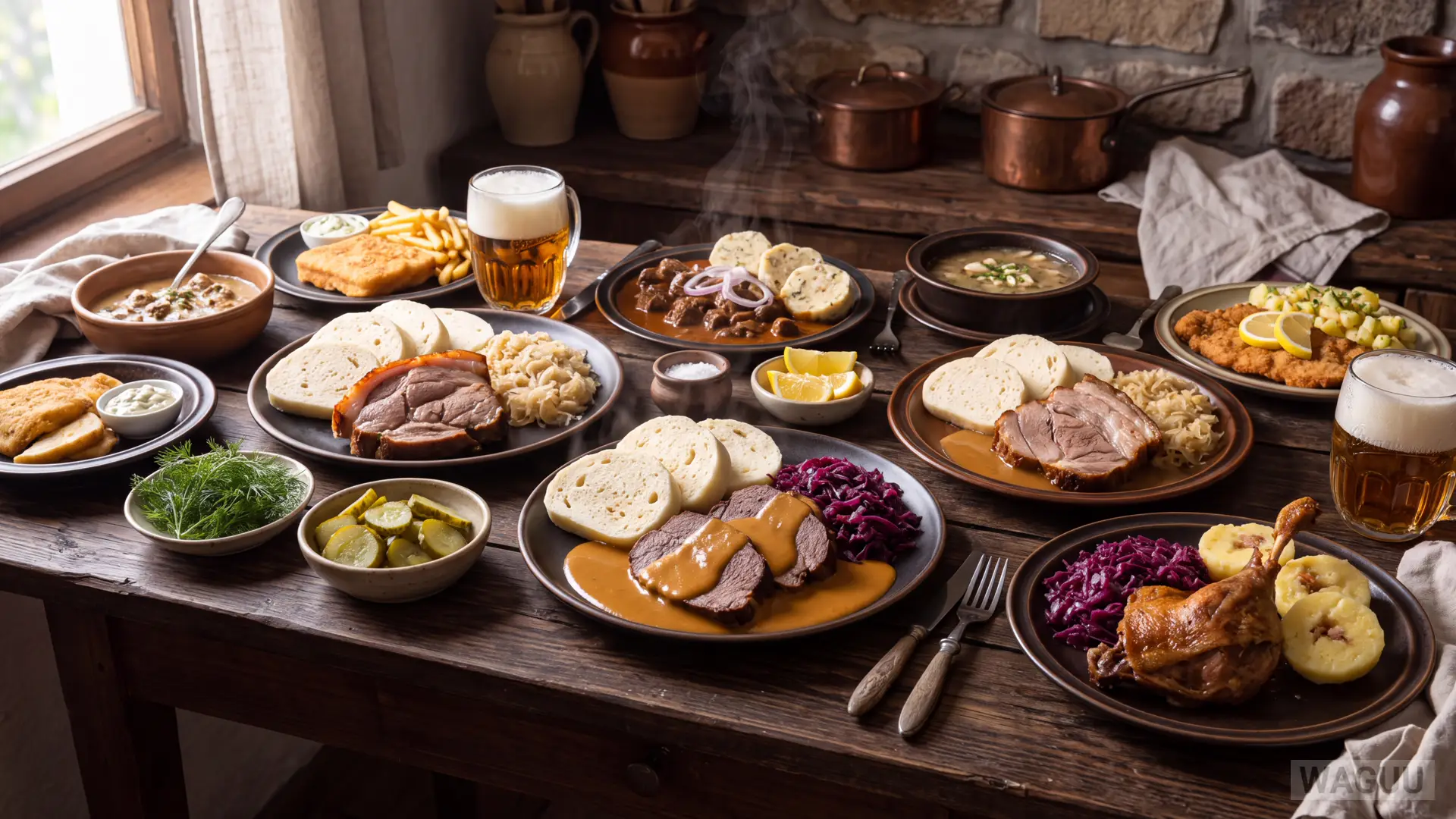
Summary: Discover the twelve most celebrated dishes of Czech cuisine, featuring traditional techniques, rich flavor profiles, and detailed breakdowns of classic meals. Designed for home cooks and culinary enthusiasts seeking authentic Central European recipes, this comprehensive guide offers a reading time of approximately twenty minutes.
Category: Articles |
Reading time: 20 minutes
Step-by-step photo gallery
Did you cook any of the variations? Share a photo in the comments below the recipe, we’d love to add it to the gallery. Did you film a video tutorial? Post a link to YouTube, YouTube Shorts, TikTok, Instagram Reels, Facebook Reels, Pinterest, Vimeo, or X (Twitter) in the comments, we’d be happy to publish it.
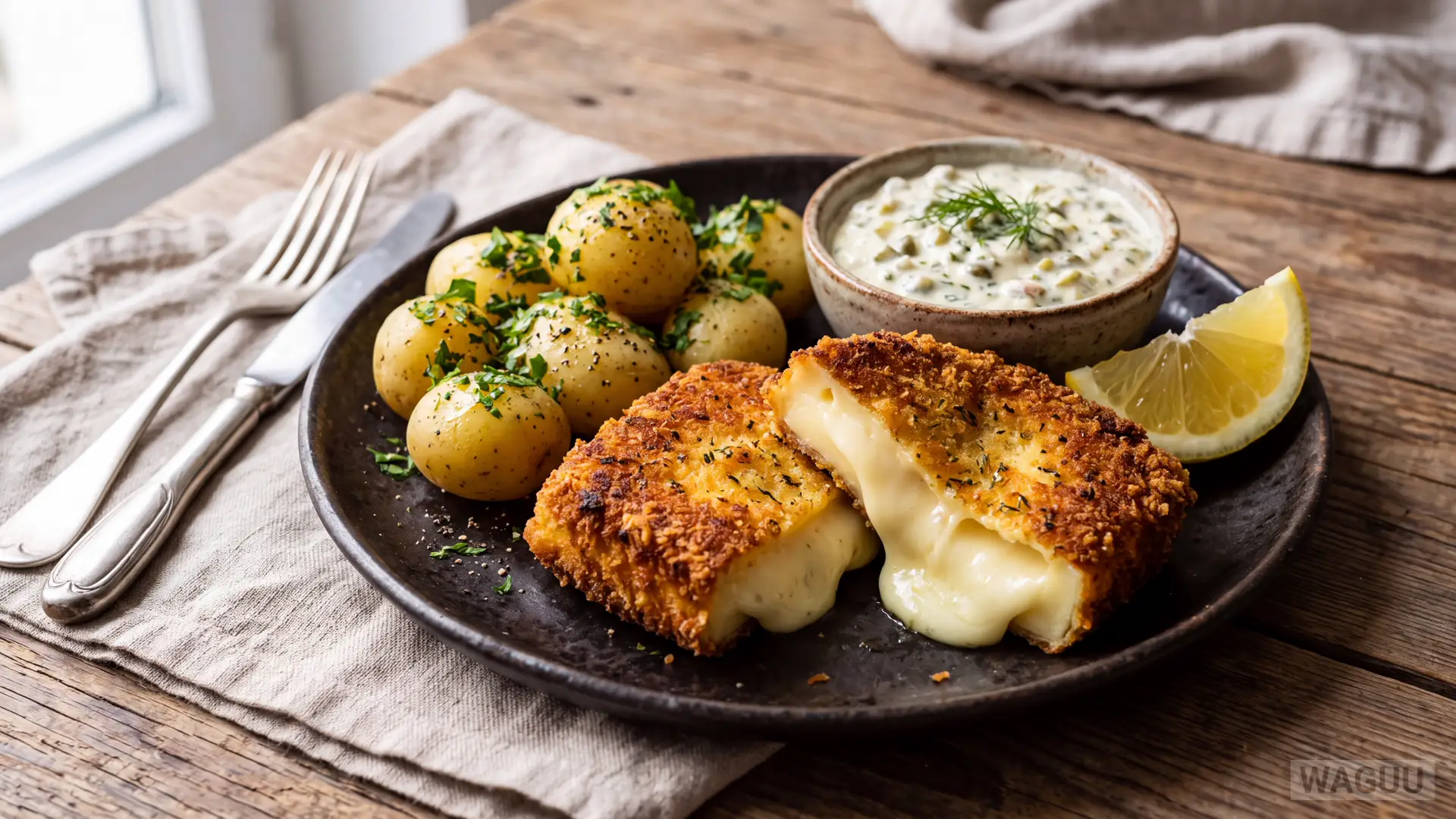
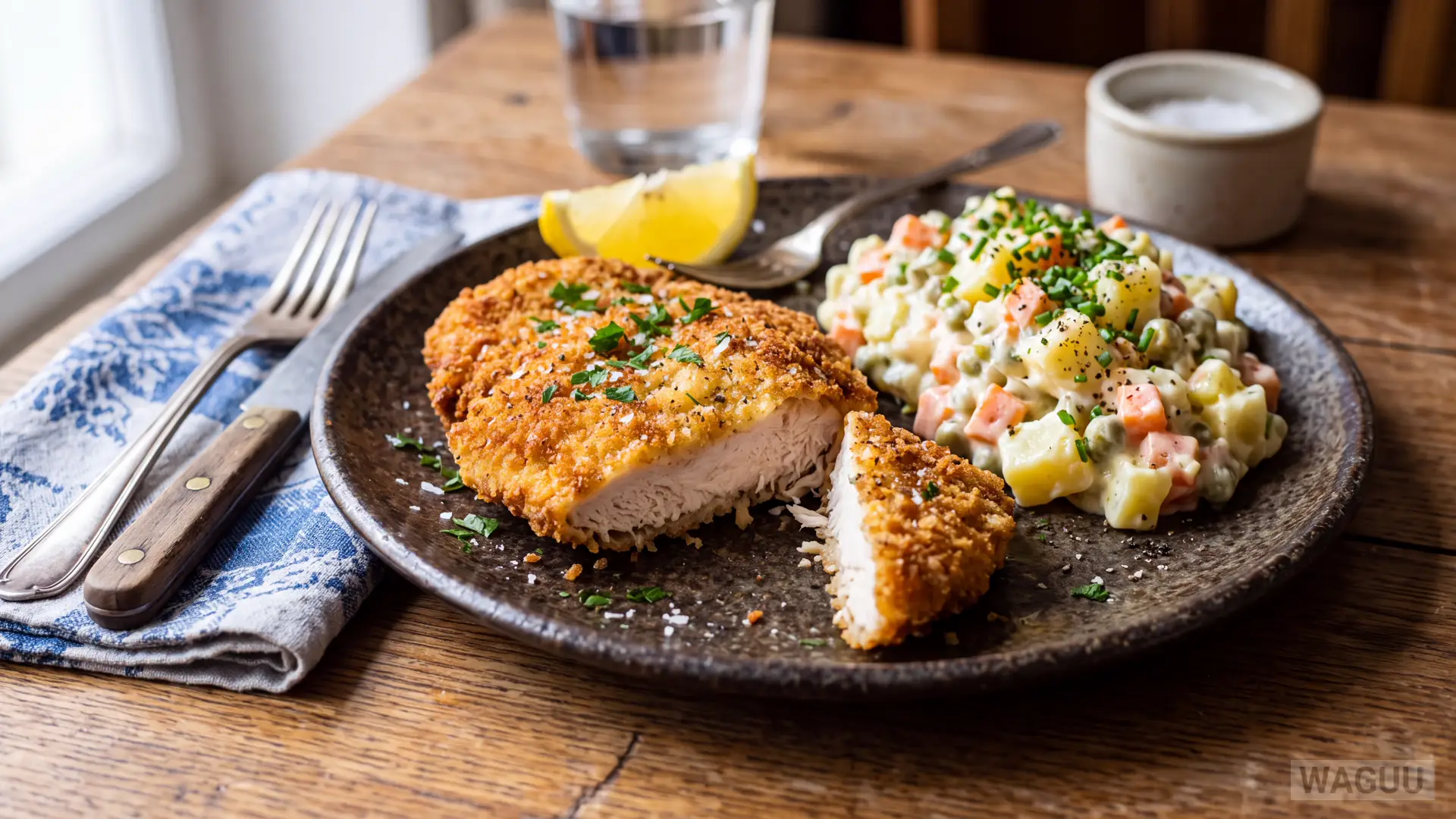
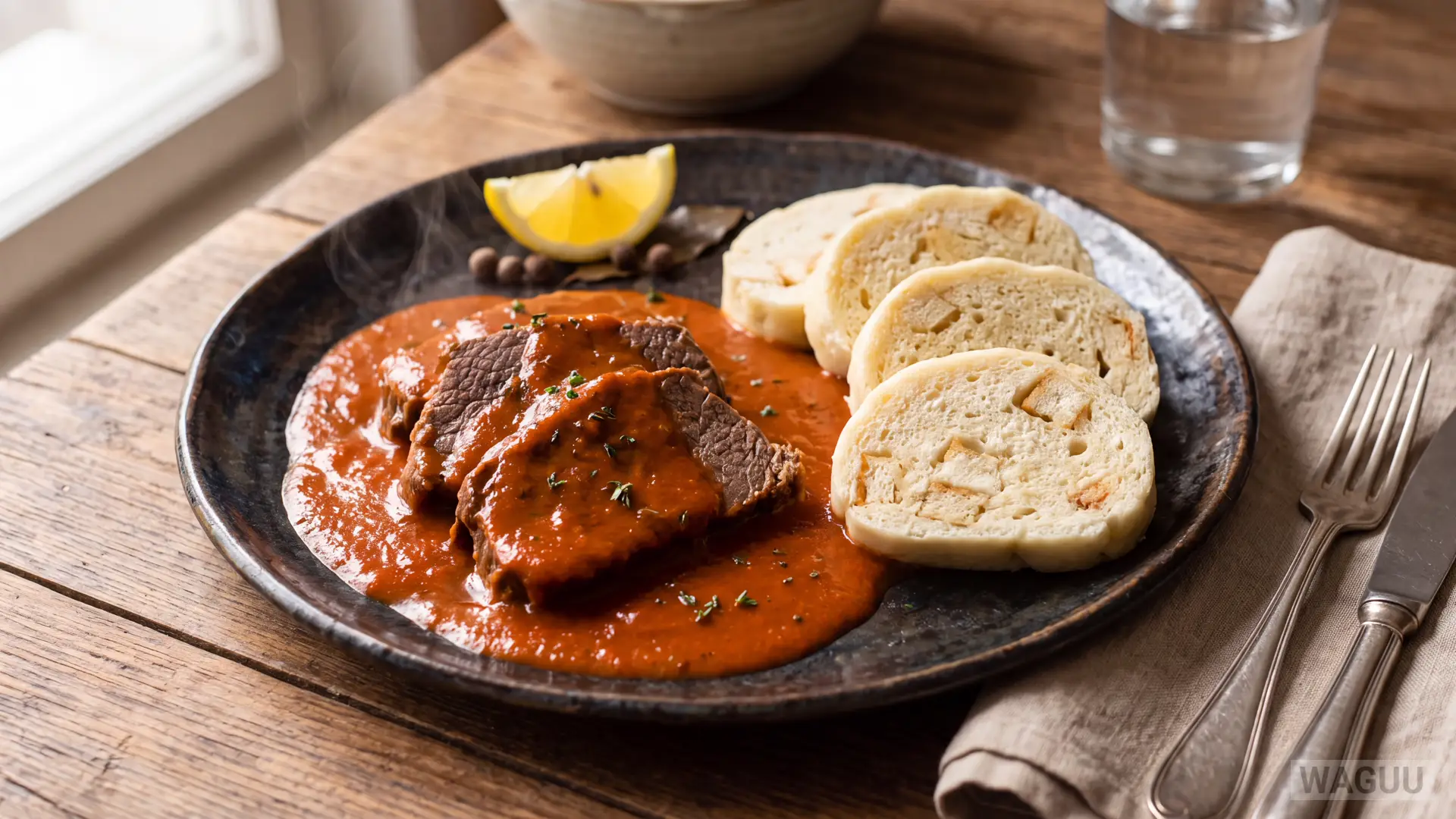
Embark on a flavorful culinary journey through the heart of Central Europe with twelve iconic dishes that define Czech gastronomy. From slow-roasted meats bathed in rich gravies to comforting soups and sweet fruit-filled dumplings, these recipes showcase the deep-rooted traditions and comforting flavors of Czech households. Whether you are looking to master the velvety cream sauce of beef sirloin, craft pillowy bread dumplings from scratch, or fry golden cheeses to crispy perfection, this guide provides all the technical insights and culinary background needed to bring these beloved favorites to your home kitchen.
Quick overview
- Topic / Dish: Czech Culinary Classics
- Categories: Main Dishes, Cuisines
- Cuisine: Czech
- Included variations: Beef sirloin in cream sauce with bread dumplings, Roast pork with dumplings and cabbage, Czech goulash with bread dumplings, Fried cheese with tartar sauce, Breaded chicken cutlet with potato salad, Tomato sauce with beef and dumplings, Dill sauce with egg or beef, Roast duck with cabbage and dumplings, Potato pancakes, Garlic soup, Kulajda, Fruit dumplings
- Key techniques: Slow roasting, emulsifying cream sauces, yeast dough preparation, pan frying
- Physical and chemical background: Collagen breakdown, Maillard reaction, starch gelatinization
- Common mistakes: Overcooking lean meats, curdling cream sauces, under-kneading dumpling dough
- In a nutshell: Twelve essential recipes representing the pillars of traditional Czech comfort food, complete with ingredients, methods, and expert tips.
- Last updated: September 21, 2026
WAGUU says: “Czech cuisine is a masterclass in transforming humble, hearty ingredients into extraordinary culinary experiences through patience, precise seasoning, and time-honored techniques.”
Key facts
| Prep time: | Varies by dish (30–60 minutes) |
| Cook time: | Varies by dish (30 minutes to 3 hours) |
| Main ingredient: | Beef, pork, root vegetables, potatoes |
| Servings: | 6 servings per recipe |
| Difficulty: | Moderate |
Procedure at a glance
- Select your desired dish from the comprehensive collection of twelve classic recipes.
- Review the ingredient list, ensuring all American measurements and cuts are prepared.
- Follow the step-by-step cooking techniques, paying close attention to temperature and timing.
- Prepare accompanying side dishes such as bread dumplings or potatoes in parallel.
- Plate the dish generously, garnish appropriately, and serve immediately while hot.
In a nutshell
- Variety: Covers twelve foundational recipes spanning braised meats, soups, and sweet specialties.
- Technique: Focuses on slow braising, root vegetable blending, and traditional dumpling making.
- Flourish: Emphasizes rich, velvety sauces and balanced flavor profiles featuring sweet, savory, and tangy notes.
- Adaptability: Easily scaled for family dinners, festive gatherings, or Sunday feasts.
- Authenticity: Translated and adapted for American kitchens using standard ingredients and units.
- Result: Deeply comforting, restaurant-quality meals that celebrate Central European heritage.
Who this guide is for: Beginner – Home cooks looking to explore traditional European comfort food with clear, step-by-step guidance. Intermediate – Culinary enthusiasts wanting to master classic techniques like bread dumpling preparation and velvety cream sauces. Pro – Professional chefs and experienced foodies seeking precise measurements, scientific backgrounds, and refined presentation standards.
The 12 Essential Dishes of Czech Cuisine
Beef sirloin in cream sauce with bread dumplings
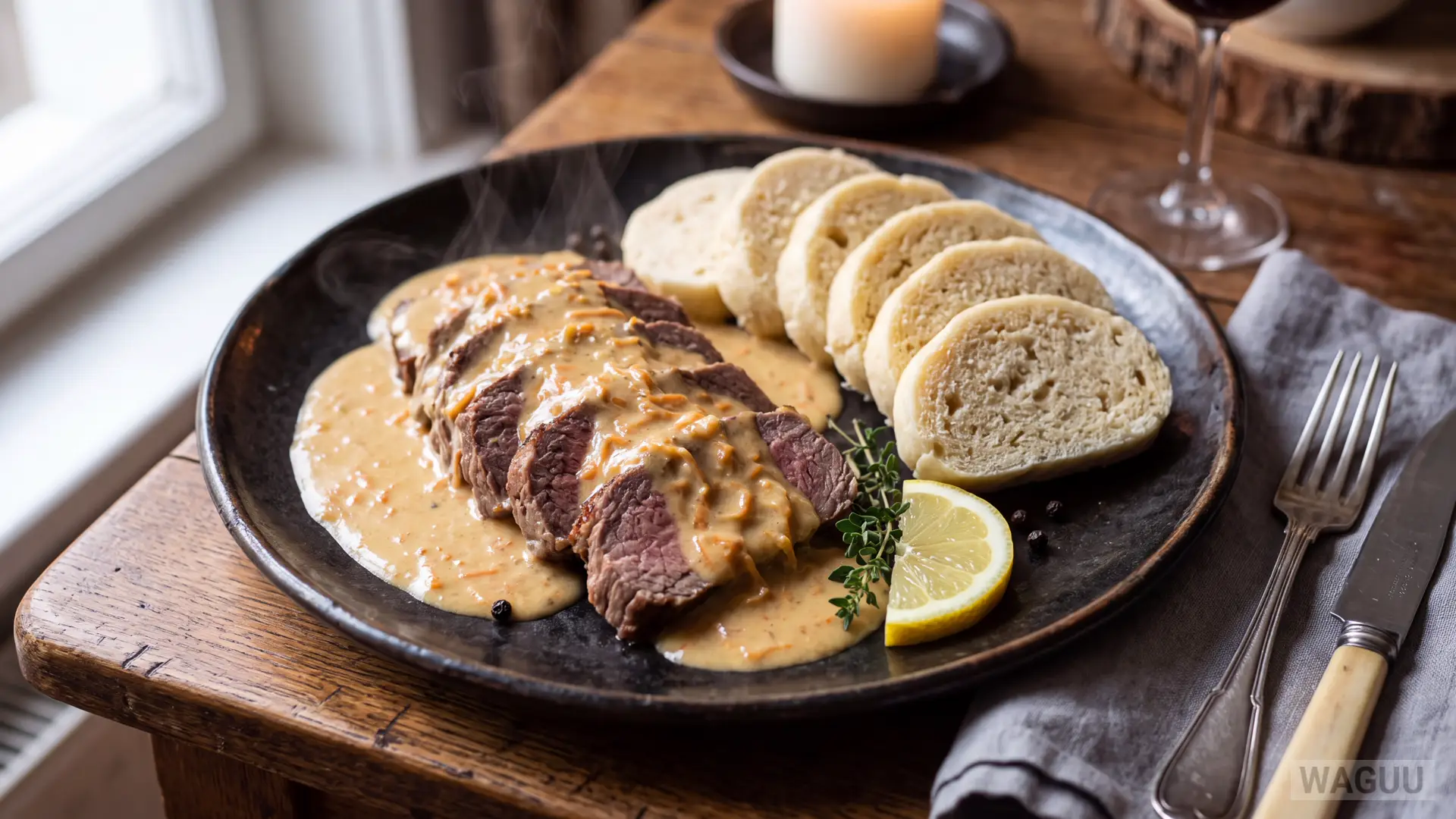
Beef sirloin in cream sauce, universally known as the crown jewel of Czech gastronomy, represents a harmonious blend of tender beef, sweet root vegetables, and a luxurious, velvety cream sauce. This iconic dish begins by searing a choice cut of beef chuck or sirloin, which is then braised alongside a rich mirepoix of carrots, parsnips, and celery root infused with warm spices like allspice, juniper berries, and bay leaves. The magic of the recipe lies in the sauce preparation: once the meat is tender, the braising vegetables are blended with rich heavy cream and finished with a touch of lemon juice and a spoonful of tart cranberry sauce. Served alongside pillowy, homemade bread dumplings, this dish delivers a symphony of textures and flavors that balances earthy sweetness with bright acidity. Mastering this recipe requires patience during the slow braising phase and careful attention to emulsifying the cream into the blended vegetable base without curdling. It stands as a mandatory centerpiece for celebratory Sunday dinners, family gatherings, and anyone wishing to experience the pinnacle of Central European comfort food.
To achieve restaurant-quality results in your home kitchen, source a well-marbled beef chuck roast and allow it to brown thoroughly to build a deep foundational flavor. The root vegetables should be diced uniformly to ensure even softening during the braising process. When incorporating the heavy cream, temper it gently to prevent separation caused by thermal shock. Garnish the finished plate with a dollop of whipped cream, a spoonful of tart lingonberry or cranberry preserves, and a fresh lemon wheel. The resulting dish offers a tender, fork-cut protein draped in a glossy, golden-orange gravy that clings luxuriously to every slice of yeast-leavened bread dumpling.
- Beef chuck roast (2 lb)
- Carrots, parsnips, and celery root (1 lb total)
- Yellow onion (1 large)
- Heavy cream (1 cup)
- All-purpose flour (2 tbsp)
- Whole milk, dry bread cubes, and active dry yeast (for dumplings)
- Cranberry preserves and lemon for garnish
- Sear the seasoned beef chuck in butter and oil until deeply browned on all sides, then remove from the pot.
- Sauté the diced onions and root vegetables with whole spices until caramelized and fragrant.
- Return the meat to the pot, add broth, cover, and braise in the oven at 325 °F until fork-tender.
- Remove the meat, blend the braising vegetables with heavy cream and flour slurry, and simmer into a velvety sauce.
- Slice the rested beef, portion the homemade bread dumplings, and serve generously draped in the rich cream sauce.
Roast pork with dumplings and cabbage
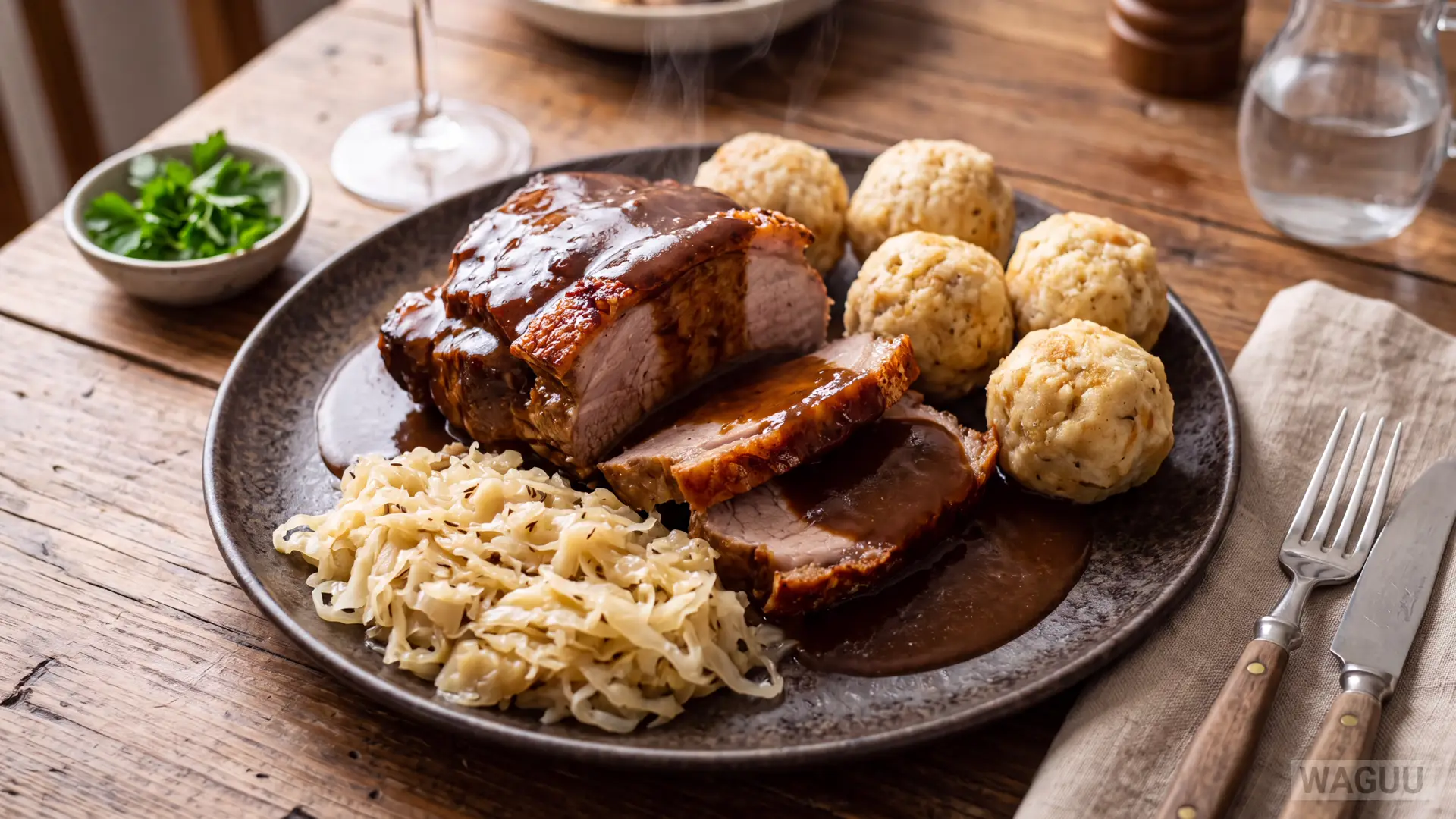
Roast pork with dumplings and cabbage is the ultimate expression of rustic, hearty home cooking in Czech culture. This trio of savory roasted pork shoulder, tender bread or potato dumplings, and tangy stewed cabbage creates a balanced plate where rich, fatty meats meet bright, acidic fermented flavors. The pork shoulder is seasoned generously with caraway seeds, garlic, and coarse salt, then roasted slowly until the skin turns golden and crisp while the interior remains succulent and meltingly tender. Alongside the meat, white or red cabbage is braised with onions, a touch of sugar, vinegar, and grated apple, creating a sweet-and-sour condiment that cuts through the richness of the pork drippings. This dish is deeply rooted in agricultural traditions where farm-raised pork and root cellar vegetables formed the backbone of everyday nourishment. Preparing this meal fills the kitchen with the aromatic warmth of toasted caraway and roasting pork, evoking memories of large family feasts and cozy Sunday afternoons.
Achieving the perfect balance in this traditional feast relies on contrasting temperatures and textures. The pork should be allowed to rest before slicing to retain its natural juices, while the pan drippings are transformed into a simple, flavorful jus that ties the entire plate together. The cabbage should retain a slight textural integrity, avoiding a mushy consistency through careful monitoring of cooking times. Served hot with freshly steamed dumplings, this dish provides an invigorating, deeply satisfying meal that warms you from the inside out. It is an approachable yet impressive project for home cooks looking to explore authentic roasting techniques.
- Pork shoulder roast (3 lb)
- Caraway seeds (1 tbsp)
- Garlic cloves (6 large)
- Green cabbage (1 head, shredded)
- Apple cider vinegar (¼ cup)
- Granulated sugar (2 tbsp)
- Yellow onions (2 medium)
- Rub the pork shoulder with crushed garlic, salt, and generous amounts of caraway seeds.
- Roast the pork uncovered at 350 °F for 2 hours, basting periodically with pan juices until the crust is crisp.
- Sauté sliced onions and shredded cabbage in a separate pot, adding vinegar, sugar, and water to braise until tender.
- Prepare and steam light bread dumplings until fluffy and cooked through.
- Slice the resting roast pork, plate alongside the warm braised cabbage and dumplings, and spoon pan juices over the meat.
Czech goulash with bread dumplings
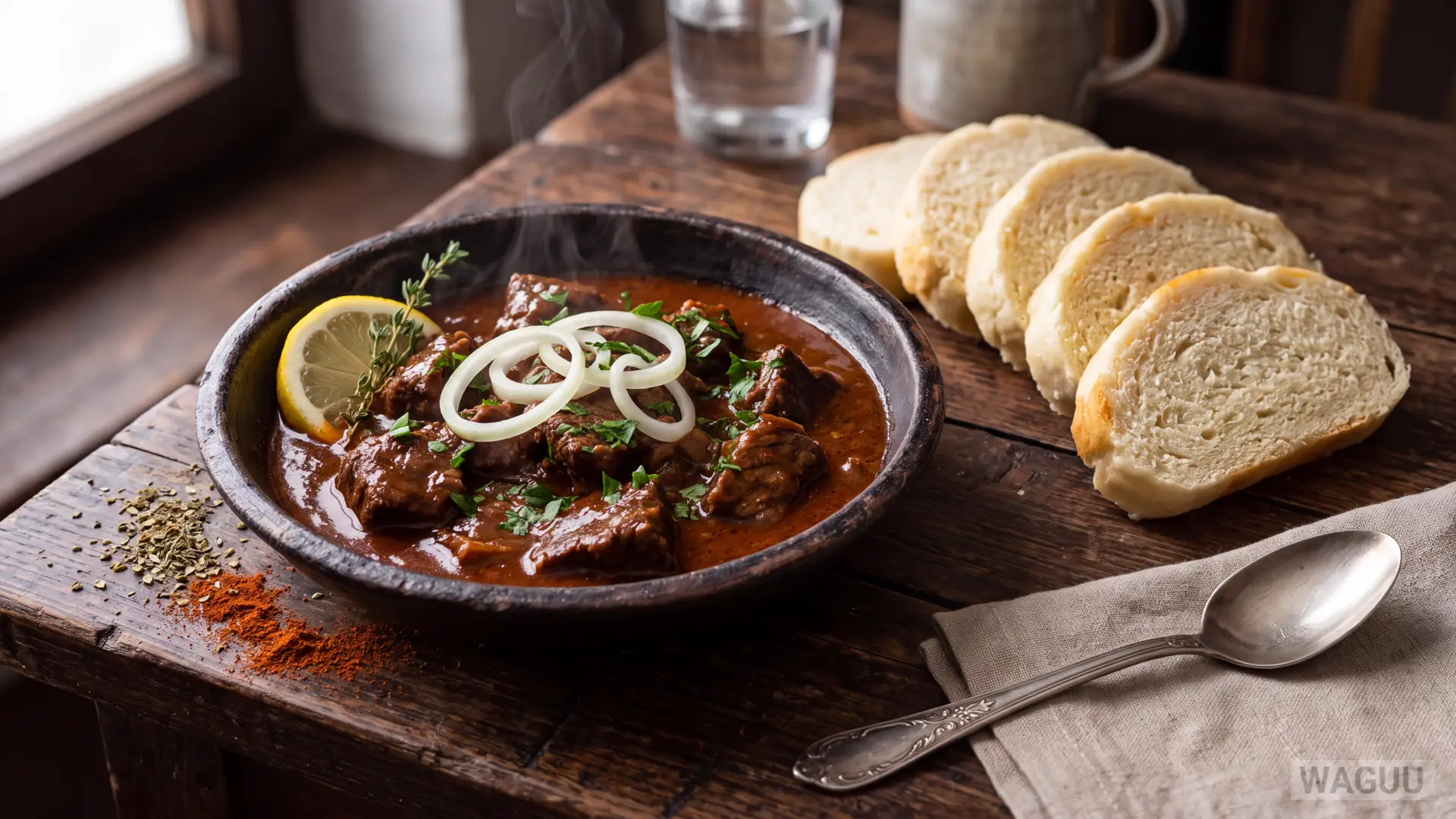
Czech goulash stands apart from its Hungarian cousin through its preparation method and accompaniment, utilizing an equal weight of onions to beef and avoiding heavy tomato pastes or root vegetables in favor of a rich, unctuous onion-and-paprika gravy. Tender chunks of beef chuck are slowly simmered in rendered lard with an abundance of finely minced onions, sweet Hungarian paprika, marjoram, and caraway seeds. As the onions break down completely over hours of gentle simmering, they form a thick, glossy sauce that coats the back of a spoon without requiring excessive thickening agents. This hearty stew is traditionally served with thick slices of steamed bread dumplings designed specifically to absorb every drop of the flavorful paprika gravy. Garnished with freshly sliced raw onions and sometimes a pickled pepper, Czech goulash is a masterclass in flavor extraction, demonstrating how patience and simple, high-quality ingredients can create profound culinary depth.
The secret to an authentic Czech goulash lies in the onion-to-meat ratio and the blooming of the paprika in warm fat. Rushing the onion-browning stage will result in a thin broth rather than the characteristic thick, velvety sauce. Simmering the beef on low heat ensures that connective tissues break down into gelatin, yielding ultra-tender meat that practically melts upon contact. This dish tastes even better when prepared a day in advance, allowing the complex notes of smoked paprika, garlic, and dried marjoram to fully meld. Serve steaming hot with plenty of fresh dumplings for an unforgettable dining experience.
- Beef chuck, cut into 1.5-inch cubes (2 lb)
- Yellow onions, finely diced (2 lb)
- Sweet Hungarian paprika (3 tbsp)
- Lard or vegetable oil (3 tbsp)
- Beef broth (4 cups)
- Dried marjoram (1 tsp)
- Garlic cloves (4 minced)
- Sauté the finely diced onions in lard over medium heat until deeply golden brown and caramelized.
- Stir in the sweet paprika and minced garlic for 30 seconds until aromatic, taking care not to burn the spices.
- Add the cubed beef chuck and sear until browned on all sides.
- Pour in the beef broth, add caraway and marjoram, cover, and simmer on low heat for 2.5 hours until the meat is tender.
- Adjust seasoning, thicken gravy if needed, and serve hot over freshly sliced bread dumplings with raw onion garnish.
Fried cheese with tartar sauce
Fried cheese is a beloved pub classic and comfort food icon across the Czech Republic, prized for its delightful contrast between an ultra-crispy outer crust and a warm, gooey, molten interior. Traditionally made using blocks of mild semi-firm cheese such as Edam or Gouda, the dish relies on a meticulous double-breading technique that seals the cheese securely inside its coating. The cheese block is dredged in flour, dipped in beaten eggs, and coated in fine breadcrumbs before being fried in hot oil until golden brown. Because cheese expands as it melts, the double-breading process is crucial to prevent leaks and ensure the cheese remains encased in its crispy shell. Served alongside boiled potatoes or French fries and a generous dollop of tangy homemade tartar sauce, fried cheese offers a decadent, indulgent culinary experience that delights cheese lovers of all ages.
Executing this recipe successfully requires attention to oil temperature and breading integrity. If the oil is too cool, the cheese will melt and leak out before the crust sets; if too hot, the breadcrumbs will burn before the interior warms through. Using a neutral high-smoke-point oil like canola ensures clean frying without unwanted flavors. The accompanying tartar sauce, made with mayonnaise, finely minced pickles, capers, and a squeeze of fresh lemon juice, provides a creamy, acidic counterpoint that cuts through the rich, fried exterior. Enjoy immediately while the cheese is at its peak stretchiness.
- Edam or Gouda cheese blocks, ½-inch thick (1 lb)
- All-purpose flour (½ cup)
- Large eggs (2 beaten with 2 tbsp milk)
- Fine breadcrumbs (1.5 cups)
- Canola oil for frying (3 cups)
- Mayonnaise, pickles, and lemon juice (for tartar sauce)
- Salt and black pepper to taste
- Set up a standard breading station with flour, beaten eggs, and breadcrumbs.
- Coat each cheese block in flour, dip in egg, and coat with breadcrumbs, then repeat the egg and breadcrumb steps for a double seal.
- Chill the breaded cheese in the refrigerator for 30 minutes to firm up.
- Heat canola oil to 375 °F in a deep skillet or fryer and fry the cheese blocks for 2–3 minutes until golden and crisp.
- Drain on paper towels and serve hot with tartar sauce and boiled potatoes.
Breaded chicken cutlet with potato salad
Breaded chicken cutlet paired with creamy potato salad is a staple of festive weekend lunches and family celebrations throughout the Czech lands. The chicken breasts are tenderized to an even thickness, lightly seasoned, and coated in a classic triple-layer breading of flour, egg, and crisp breadcrumbs before being pan-fried in clarified butter or oil until golden brown and exceptionally juicy. This crispy cutlet is paired with a traditional Czech potato salad, which differs from American potato salads by featuring waxy potatoes, finely diced root vegetables, pickles, hard-boiled eggs, and a creamy mayonnaise-mustard dressing without vinegar sharpness. The combination of piping hot, crispy poultry and cool, tangy potato salad creates a brilliant temperature and texture contrast that makes this dish an enduring favorite.
Preparation of the potato salad should ideally happen a few hours or even a day in advance, allowing the potatoes to absorb the dressing and harmonize the flavors of peas, carrots, pickles, and onions. When frying the chicken cutlets, ensure the pan has enough fat to submerge the lower half, allowing the breadcrumbs to puff up slightly and create a delicate, shatteringly crisp crust. Garnish with a lemon wedge for a bright citrus burst that enhances the savory poultry. This dish exemplifies how simple ingredients, when treated with care and precise technique, transform into a masterpiece of comfort food.
- Chicken breasts, pounded thin (1.5 lb)
- Waxy potatoes, boiled and diced (2 lb)
- Carrots and peas, boiled and diced (1 cup)
- Dill pickles, finely diced (½ cup)
- Mayonnaise and yellow mustard (for salad dressing)
- All-purpose flour, eggs, and breadcrumbs for breading
- Clarified butter or vegetable oil for frying
- Prepare the potato salad by combining diced boiled potatoes, carrots, peas, pickles, eggs, and mayonnaise; chill in the fridge.
- Season pounded chicken cutlets with salt and pepper.
- Dredge cutlets in flour, dip in beaten eggs, and coat thoroughly with breadcrumbs.
- Pan-fry the breaded cutlets in hot oil and butter over medium heat for 4 minutes per side until golden and cooked through.
- Serve hot crispy cutlets alongside a generous scoop of chilled potato salad and a lemon wedge.
Tomato sauce with beef and dumplings
Tomato sauce with beef and dumplings, fondly remembered by generations of Czech children from school canteens and family kitchens alike, is a sweet-and-savory comfort food classic. Unlike Italian marinara or quick pasta sauces, Czech tomato sauce is a velvety, slow-simmered velouté-based sauce enriched with tomato paste, root vegetables, whole spices like allspice and cinnamon, and a balanced amount of sugar and vinegar. Tender chunks of beef chuck are simmered separately in a fragrant broth until yielding, then served over soft bread dumplings and generously bathed in the bright, comforting tomato sauce. The flavor profile walks a delightful tightrope between sweet and tangy, making it uniquely appealing and deeply nostalgic for anyone raised on Central European home cooking.
The foundation of this sauce begins with a light roux made from butter and flour, into which beef broth, aromatic vegetables, and quality tomato paste are whisked. Simmering whole spices such as cloves, allspice berries, and a small cinnamon stick infuses the sauce with warming aromatic notes that elevate it far beyond a basic tomato puree. After simmering, the sauce is strained to achieve a perfectly smooth, silky texture before being adjusted with sugar and lemon juice to achieve the signature sweet-and-sour harmony. Served over warm bread dumplings with tender beef, it is a comforting dish that warms the soul on chilly days.
- Beef chuck roast (2 lb)
- Tomato paste (6 oz)
- Unsalted butter and all-purpose flour (for roux)
- Beef broth (4 cups)
- Granulated sugar (¼ cup)
- Whole allspice berries, cloves, and bay leaf
- Bread dumplings for serving
- Braise the beef chuck in seasoned beef broth with whole spices until fork-tender, then slice.
- Melt butter in a saucepan, whisk in flour to make a light blond roux, and cook for 2 minutes.
- Whisk in beef broth and tomato paste, add spices, and simmer the sauce for 30 minutes.
- Strain the sauce to remove solids, then season with sugar, salt, and lemon juice to achieve a sweet-tangy balance.
- Serve sliced beef and warm bread dumplings smothered in the velvety tomato sauce.
Dill sauce with egg or beef
Dill sauce, celebrated in Czech culinary traditions as koprová omáčka, is a polarizing yet deeply cherished dish that showcases the aromatic vibrancy of fresh dill. This creamy, pale-green sauce is crafted by building a roux with butter and flour, whisking in rich beef broth and heavy cream, and simmering until velvety. A generous handful of finely chopped fresh dill is folded into the sauce at the very end of cooking, preserving its bright green color and herbaceous, slightly anise-like aroma. Traditionally served with tender slices of boiled beef or hard-boiled eggs and steamed bread dumplings, dill sauce offers a comforting, herbaceous flavor profile that is unlike any other sauce in European cuisine.
Success in preparing dill sauce relies on timing and ingredient freshness. Dried dill should never be used; only vibrant, freshly harvested dill will impart the characteristic aromatic punch required for an authentic result. Adding a splash of white wine vinegar or lemon juice balances the richness of the heavy cream and butter base, accentuating the natural brightness of the herb. Whether paired with tender boiled beef or simple hard-boiled eggs for a lighter weeknight meal, this dish delivers a unique and comforting culinary experience that highlights the versatility of fresh garden herbs in traditional cooking.
- Fresh dill, finely chopped (1 cup)
- Unsalted butter (4 tbsp)
- All-purpose flour (¼ cup)
- Beef broth and heavy cream (2 cups each)
- Granulated sugar and white vinegar (to taste)
- Boiled beef or hard-boiled eggs for protein
- Bread dumplings for serving
- Melt butter in a saucepan, stir in flour to create a blond roux, and cook for 2 minutes.
- Gradually whisk in warm beef broth and heavy cream, bringing the mixture to a gentle simmer.
- Simmer for 15 minutes until thickened, stirring frequently to prevent scorching.
- Stir in chopped fresh dill, sugar, and vinegar to taste, removing from heat immediately to preserve herb freshness.
- Serve warm over sliced boiled beef or hard-boiled eggs with bread dumplings.
Roast duck with cabbage and dumplings
Roast duck with cabbage and dumplings is the quintessential festive meal in Czech households, traditionally prepared for St. Martin’s Day, name days, and autumn Sunday feasts. A whole duck is seasoned with salt and an abundance of crushed caraway seeds, stuffed with tart apples or onions, and roasted slowly until the skin is shatteringly crisp and the rich fat has rendered away from the succulent meat. The rendered duck fat is utilized to braise shredded red or white cabbage with sugar, vinegar, and grated apples, creating a sweet-and-sour side dish that perfectly complements the rich poultry. Served alongside fluffy potato dumplings or bread dumplings, roast duck is a celebratory masterpiece that rewards patience with magnificent flavors and textures.
Achieving a crispy skin without drying out the duck breast requires a two-stage roasting approach: starting covered to render the fat, then uncovering and increasing the temperature for the final hour to crisp the skin. Pricking the skin around the thighs allows trapped fat to escape efficiently. The braised cabbage, slow-cooked in duck drippings, absorbs savory depth while retaining a bright, acidic tang that cleanses the palate between rich bites of poultry. Plated together, this dish represents the pinnacle of festive Central European hospitality.
- Whole duck (5–6 lb)
- Caraway seeds (1 tbsp)
- Tart apples, quartered (2 apples)
- Red cabbage, shredded (1 head)
- Apple cider vinegar and sugar (¼ cup each)
- Potato or bread dumplings for serving
- Kosher salt and black pepper
- Prick the duck skin all over, rub generously with salt and caraway seeds, and stuff cavity with quartered apples.
- Roast covered at 325 °F for 1.5 hours, draining excess fat periodically.
- Uncover, increase heat to 375 °F, and roast for another hour until the skin is golden and crispy.
- Braised shredded red cabbage in rendered duck fat with vinegar, sugar, and water until tender.
- Carve the roast duck and serve alongside warm braised cabbage and freshly steamed dumplings.
Potato pancakes
Potato pancakes, known traditionally as bramboráky, are rustic, savory fritters made from grated raw potatoes, garlic, marjoram, and smoked pork fat, pan-fried until golden brown with crispy, lace-like edges. Unlike latkes, which often incorporate grated onions and flour binders, authentic Czech potato pancakes rely on the natural starch released by freshly grated potatoes combined with eggs and a dusting of flour to hold their shape. A generous addition of crushed garlic and dried marjoram gives these pancakes their signature aromatic profile, making them irresistible straight from the skillet. Eaten as a satisfying snack on chilly autumn days or served as a hearty side dish alongside roasted meats and soups, bramboráky embody the comforting, unpretentious soul of Czech country cooking.
The key to successful potato pancakes lies in managing excess moisture. After grating starchy baking potatoes, squeeze out excess liquid through a clean kitchen towel while allowing the potato starch at the bottom of the bowl to be mixed back into the batter. Frying in lard or vegetable oil over medium-high heat ensures the exterior achieves a deep, crunchy crust while the interior remains soft and tender. Serve piping hot, optionally rubbed with a raw garlic clove for an extra kick of pungent flavor.
- Russet potatoes, peeled and grated (2 lb)
- Garlic cloves, minced (4 cloves)
- Dried marjoram (1 tbsp)
- Large eggs (2 eggs)
- All-purpose flour (3 tbsp)
- Lard or vegetable oil for pan-frying
- Salt and black pepper to taste
- Grate peeled potatoes coarsely and squeeze out excess moisture using a clean towel, reserving settled starch.
- Combine grated potatoes, reserved starch, minced garlic, marjoram, eggs, flour, salt, and pepper in a large bowl.
- Heat generous oil or lard in a heavy skillet over medium-high heat.
- Drop ladlefuls of batter into the hot pan, flattening into thin circles.
- Fry for 3–4 minutes per side until deeply golden and crispy, then drain on paper towels and serve hot.
Garlic soup
Garlic soup, affectionately known as česnečka, is a powerful, restorative broth prized across the Czech Republic as a remedy for colds, winter chills, and the morning after festive celebrations. This robust soup starts with a clear, flavorful meat or bone broth simmered with dozens of sliced and crushed garlic cloves, caraway seeds, and diced potatoes. Just before serving, beaten eggs are drizzled into the hot broth to create delicate strands, and the soup is ladled over toasted bread croutons topped with grated cheese and fresh marjoram. The garlic undergoes a transformation during simmering, losing its aggressive raw bite while imparting a deep, warming pungency that invigorates the senses and comforts the body.
To achieve the best flavor profile, use a mix of freshly grated garlic added at the beginning for depth and a clove of garlic added right at the end for aromatic punch. The croutons should be cubed stale bread toasted in butter until crunchy and golden, providing a delightful textural contrast to the silky broth and soft potatoes. Garnishing with freshly chopped parsley and marjoram adds herbal freshness to balance the rich garlic intensity. Česnečka is a testament to the healing, comforting power of simple pantry ingredients in traditional gastronomy.
- Fresh garlic cloves, sliced and minced (10–12 cloves)
- Rich beef or vegetable broth (6 cups)
- Waxy potatoes, peeled and diced (1 cup)
- Caraway seeds (1 tsp)
- Large eggs (2 eggs, beaten)
- Stale bread cubes and butter for croutons
- Dried marjoram and salt to taste
- Sauté half of the minced garlic in butter for 1 minute without browning.
- Pour in broth, add diced potatoes, caraway seeds, and remaining garlic, then simmer for 20 minutes until potatoes are tender.
- Toast bread cubes in butter until golden croutons are formed.
- Drizzle beaten eggs into the simmering soup while stirring gently to form delicate strands.
- Ladle hot soup over buttery croutons in bowls, garnish with marjoram, and serve immediately.
Kulajda
Kulajda is a rich, velvety soup originating from the forested regions of South Bohemia, featuring a unique combination of wild mushrooms, potatoes, fresh dill, heavy cream, and poached eggs. Unlike clear broths, kulajda is thickened with a sour cream and flour liaison that imparts a pleasant tang, perfectly balancing the earthy umami of wild porcini or chanterelle mushrooms. Tender potato cubes and finely chopped fresh dill are simmered in a fragrant vegetable or mushroom broth before heavy cream and soured dairy are whisked in to create a luxurious texture. Topped with a perfectly poached egg whose runny yolk enriches the soup as you eat, kulajda is a decadent, satisfying meal in a bowl that celebrates the bounty of Central European forests.
When preparing kulajda, rehydrated dried wild mushrooms or fresh chanterelles work best to infuse the broth with deep woodland aroma. Tempering the sour cream and heavy cream mixture with hot broth prevents curdling when introduced to the simmering pot. A splash of white wine vinegar provides the necessary acidity to lift the heavy cream base. Poaching the eggs separately and placing one in each bowl just before serving ensures a stunning visual presentation and an unctuous texture enhancement.
- Fresh or dried wild mushrooms, sliced (2 cups)
- Waxy potatoes, peeled and diced (2 cups)
- Vegetable or mushroom broth (4 cups)
- Heavy cream and sour cream (1 cup each)
- Fresh dill, chopped (½ cup)
- All-purpose flour (2 tbsp)
- Eggs for poaching (6 eggs)
- Simmer sliced mushrooms and diced potatoes in broth for 15 minutes until tender.
- Whisk flour, sour cream, and heavy cream together in a bowl.
- Temper the cream mixture with hot soup broth, then pour back into the pot while whisking continuously.
- Simmer gently for 5 minutes until thickened, then stir in fresh chopped dill and a splash of vinegar.
- Poach eggs separately and place one egg into each bowl before ladling hot kulajda around it.
Fruit dumplings
Fruit dumplings, known as ovocné knedlíky, are a beloved summer treat in the Czech Republic, transforming seasonal harvests of fresh plums, strawberries, or apricots into delightful sweet main courses or desserts. These dumplings can be made with a yeasted dough, a potato dough, or a quick quark-cheese dough, encasing whole fresh fruits before being gently simmered in boiling water until cooked through. Once floating and tender, the hot dumplings are rolled in melted butter and dusted generously with grated curd cheese, powdered sugar, and sometimes toasted breadcrumbs or cocoa powder. The juxtaposition of tart, juicy summer fruit encapsulated within a soft, pillowy dough creates a nostalgic flavor experience that defines warm-weather dining in Central Europe.
Working with fruit dumplings requires care when wrapping the dough around the fruit to ensure no gaps remain for juices to leak out during boiling. If using firm plums or apricots, pitting them while leaving them whole or stuffed with a sugar cube ensures maximum moisture retention and flavor concentration. The traditional toppings—especially dry grated cottage cheese (tvaroh) and powdered sugar drizzled with browned butter—provide a nutty, sweet finish that contrasts beautifully with the tart fruit center. Serve immediately while piping hot for an unforgettable treat.
- Fresh plums, strawberries, or apricots, pitted (1.5 lb)
- All-purpose flour (2 cups)
- Farmer’s cheese or quark (8 oz)
- Large egg (1 egg)
- Unsalted butter, melted (½ cup)
- Grated dry curd cheese and powdered sugar for topping
- Pinch of salt
- Mix flour, farmer’s cheese, egg, and salt into a smooth, pliable dough.
- Roll dough out and divide into portions large enough to wrap around each piece of fruit.
- Encase each fruit completely in dough, sealing edges tightly with your fingers.
- Drop dumplings into a large pot of gently boiling salted water for 8–10 minutes until they float to the surface.
- Remove with a slotted spoon, toss in melted butter, and serve dusted with grated curd cheese and powdered sugar.
OBSAH_ODSTAVCE_2
Culinary Traditions and Techniques
Czech gastronomy has evolved over centuries, influenced by neighboring Germanic, Austrian, and Hungarian culinary traditions while maintaining a distinct identity centered around hearty comfort foods. The emphasis on slow-braised meats, rich root vegetable sauces, and various styles of dumplings reflects a history rooted in agricultural rhythms and resourcefulness. Modern interpretations of these classics continue to honor traditional flavor profiles while incorporating contemporary plating standards and lighter execution methods.
| Dish Category | Key Characteristics |
|---|---|
| Braised Meats & Sauces | Slow-cooked chuck or pork with blended root vegetable gravies |
| Dumplings (Knedlíky) | Pillowy bread, potato, or sweet fruit-filled varieties |
| Soups (Polévky) | Rich garlic broths, wild mushroom cream soups, and hearty stews |
WAGUU Pro Tip: When preparing traditional Czech sauces thickened with root vegetables and cream, always strain the blended vegetable base through a fine-mesh sieve to achieve a velvety, restaurant-quality gloss without lumps.
Frequently asked questions
What is the most iconic dish in Czech cuisine?
Beef sirloin in cream sauce served with bread dumplings is widely considered the national dish of the Czech Republic.
Are bread dumplings difficult to make at home?
Not at all! While they require yeast dough preparation and steaming or boiling, following a tested recipe yields fluffy, professional results.
How do Czech goulash and Hungarian goulash differ?
Czech goulash uses an equal weight of onions to beef, creating a thick onion-paprika gravy without bell peppers or heavy tomato paste.
Can these dishes be prepared ahead of time?
Yes, braised dishes like goulash and beef sirloin often taste even better when reheated the next day after flavors have melded.
Also known as: Czech recipes, Bohemian comfort food, traditional Czech meals
Author: WAGUU Petr & Team • Published: 21 Sep 2026 • Updated: 29 Oct 2026
Conclusion
Exploring Czech cuisine opens up a world of comforting flavors, time-honored techniques, and deeply satisfying meals. Whether you choose to recreate the velvety cream sauce of beef sirloin, fry up crispy potato pancakes, or indulge in sweet fruit dumplings, these twelve recipes provide everything you need to bring authentic Central European culinary traditions to your home table.
Choose your recipe
Select one of the classic Czech dishes below to view the full ingredient list, step-by-step instructions, and expert tips:
Beef sirloin in cream sauce with bread dumplings – Tender beef in a velvety root vegetable cream sauce served with pillowy dumplings.
Roast pork with dumplings and cabbage – Succulent roasted pork shoulder paired with tangy braised cabbage and dumplings.
Czech goulash with bread dumplings – Rich beef stew simmered with caramelized onions and sweet paprika.
Fried cheese with tartar sauce – Crispy double-breaded cheese served with creamy homemade tartar sauce.
Breaded chicken cutlet with potato salad – Golden crispy poultry cutlet paired with creamy traditional potato salad.
Tomato sauce with beef and dumplings – Sweet-and-tangy slow-simmered tomato sauce served over tender beef.
Dill sauce with egg or beef – Herbaceous cream sauce infused with fresh dill and served with beef or eggs.
Roast duck with cabbage and dumplings – Festive whole roast duck with crispy skin and braised red cabbage.
Potato pancakes – Crispy rustic fritters made from grated potatoes, garlic, and marjoram.
Garlic soup – Robust, restorative garlic broth served with crispy croutons and melted cheese.
Kulajda – Velvety South Bohemian mushroom soup with dill and a poached egg.
Fruit dumplings – Sweet dumplings encasing fresh seasonal fruit, dusted with curd cheese and sugar.
Other possible variations
Venison Sirloin in Cream Sauce
This variation substitutes beef with lean venison, offering a deeper, more robust game flavor that pairs exceptionally well with juniper-infused cream sauce. It is ideal for autumn game season and sophisticated dinner parties, utilizing wild game cuts instead of standard beef chuck.
Game Roast with Bread Dumplings
Replacing pork with wild boar or venison roast, this hearty adaptation brings forest flavors to the traditional Sunday feast. It suits experienced home cooks looking to experiment with game meats while keeping the classic caraway-and-cabbage accompaniment.
Chicken Goulash
A lighter, faster-cooking version of the classic beef stew, substituting poultry thighs for beef chuck to reduce simmering time. Perfect for weeknight dinners, this variation maintains the signature caramelized onion and sweet paprika base.
Hermelín Fried Cheese
This gourmet twist uses Czech Camembert-style mold-ripened cheese instead of Edam, resulting in a rich, runny interior with earthy mushroom notes. It is tailored for cheese enthusiasts seeking a bolder, creamier fried cheese experience.
Pork Schnitzel
Swapping chicken for tenderized pork loin creates the traditional Bohemian schnitzel, offering a richer flavor profile that pairs wonderfully with potato salad. It is the classic choice for traditional Sunday family lunches.
Meatball Tomato Sauce
Instead of braised beef chuck, this variation features tender spiced meatballs simmered directly in the sweet-and-tangy tomato sauce. It is especially popular with children and offers a quicker preparation time.
Vegetarian Dill Sauce
Replacing beef broth with rich vegetable stock and serving exclusively with hard-boiled eggs makes this creamy dill sauce entirely vegetarian. It provides a lighter spring meal without sacrificing the signature herbaceous flavor.
Goose with Red Cabbage
Substituting duck with whole roast goose creates the ultimate St. Martin’s Day feast, featuring an even richer fat render and deeper savory notes. It is suited for large holiday gatherings and celebratory banquets.
Zucchini Potato Pancakes
Incorporating grated zucchini alongside potatoes lightens the traditional fritter batter and adds extra moisture. This modern variation is perfect for summer gardens and those looking for a slightly lighter vegetable pancake.
Smoked Meat Garlic Soup
Adding diced smoked pork ribs or shoulder to the garlic broth introduces a smoky depth of flavor. It is ideal for winter days when extra heartiness and warmth are desired.
Creamy Forest Mushroom Kulajda
This variation doubles down on wild chanterelles and porcini mushrooms, reducing potato content for an intensely earthy flavor profile. It is designed for mushroom foragers and gourmet soup lovers.
Plum Dumplings with Poppy Seeds
Swapping curd cheese topping for freshly ground sweet poppy seeds and melted butter creates a classic regional variation for plum dumplings. It offers a nutty, aromatic alternative to traditional dairy dustings.
Pork Sirloin in Cream Sauce
Utilizing tender pork tenderloin instead of beef offers a leaner, more budget-friendly alternative that cooks faster while retaining the classic root vegetable cream sauce. Great for weeknight dinner parties.
Turkey Roast with Cabbage
Replacing heavy pork with a seasoned turkey breast roast provides a lighter poultry alternative served with traditional caraway cabbage and dumplings. Suitable for health-conscious diners wanting traditional flavors.
Mushroom Goulash
A completely vegetarian goulash substituting hearty portobello and button mushrooms for beef, while maintaining the rich caramelized onion and paprika base. Perfect for plant-based diets.
Smoked Gouda Fried Cheese
Using smoked Gouda cheese adds a distinct smoky aroma to the molten interior of the fried cheese. It is ideal for those who enjoy bold, savory flavor combinations.
Turkey Schnitzel
Pounded turkey breast cutlets breaded and fried until golden offer a lean alternative to classic chicken or pork cutlets. Excellent for lighter frying preferences.
Vegetarian Tomato Sauce
Simmering the sweet-and-tangy tomato sauce with rich vegetable stock and serving with roasted root vegetables instead of beef. Tailored for vegetarian diets.
Salmon with Dill Sauce
Pairing pan-seared salmon fillets with the creamy dill sauce creates a modern seafood fusion dish. Ideal for fish lovers seeking sophisticated weeknight dinners.
Chicken with Cabbage and Dumplings
Roasting chicken quarters with caraway and garlic instead of duck provides a faster, lighter poultry feast. Great for family dinners.
Sweet Potato Pancakes
Incorporating grated sweet potatoes into the traditional garlic and marjoram batter introduces a subtle sweetness and vibrant color. Perfect for autumn menus.
Clear Vegetable Garlic Soup
A lighter, meat-free version of česnečka utilizing intense vegetable broth and olive oil instead of butter and animal fats. Ideal for fasting days and light lunches.
Vegan Kulajda
Replacing dairy cream with cashew cream and omitting the poached egg while retaining wild mushrooms and dill. Designed for plant-based diets.
Strawberry Quark Dumplings
Using fresh summer strawberries encased in quark dough and topped with sweet butter and breadcrumbs. A delightful summer dessert variation.
Know another variation? Add your own suggestion below.
Missing a recipe?
Tell us what recipe you would like us to add. We will do our best to publish it soon!
Frequently asked questions about other variations
- Can beef dishes be easily adapted for game meats? Yes, substituting beef chuck with venison or wild boar works wonderfully in braised dishes like goulash and cream sauces, provided cooking times are adjusted for leaner game cuts.
- Are vegetarian versions of traditional Czech sauces authentic? While traditional recipes rely on meat broths and pan drippings, modern variations using rich vegetable stocks and plant-based creams offer delicious alternatives for dietary preferences.
- What is the best cheese for frying? Semi-firm cheeses like Edam and Gouda or mold-ripened cheeses like Hermelín provide the best melting texture and structural integrity for frying.
- How do potato dough dumplings differ from yeast dumplings? Potato dough uses cooked riced potatoes and flour, resulting in a denser, chewer texture compared to light, airy yeast-leavened bread dumplings.
- Can fruit dumplings be frozen? Yes, unboiled fruit dumplings can be frozen on a tray before transferring to freezer bags; cook directly from frozen in boiling water, adding a few extra minutes to cooking time.
- What herbs are most essential in Czech cooking? Fresh dill, dried marjoram, flat-leaf parsley, and caraway seeds form the primary herbaceous and spice foundation of traditional Bohemian gastronomy.
- How do I prevent fried cheese from leaking during cooking? Ensure a rigorous double-breading technique (flour, egg, breadcrumbs, egg, breadcrumbs) and chill the cheese thoroughly before frying.
- Can potato salad be made without mayonnaise? Traditional Czech potato salad relies on mayonnaise, but lighter regional variations sometimes incorporate sour cream or yogurt dressings.
Contact: the-12-most-popular-czech-dishes-favorite-recipes-of-czech-cuisine-us@waguu.online