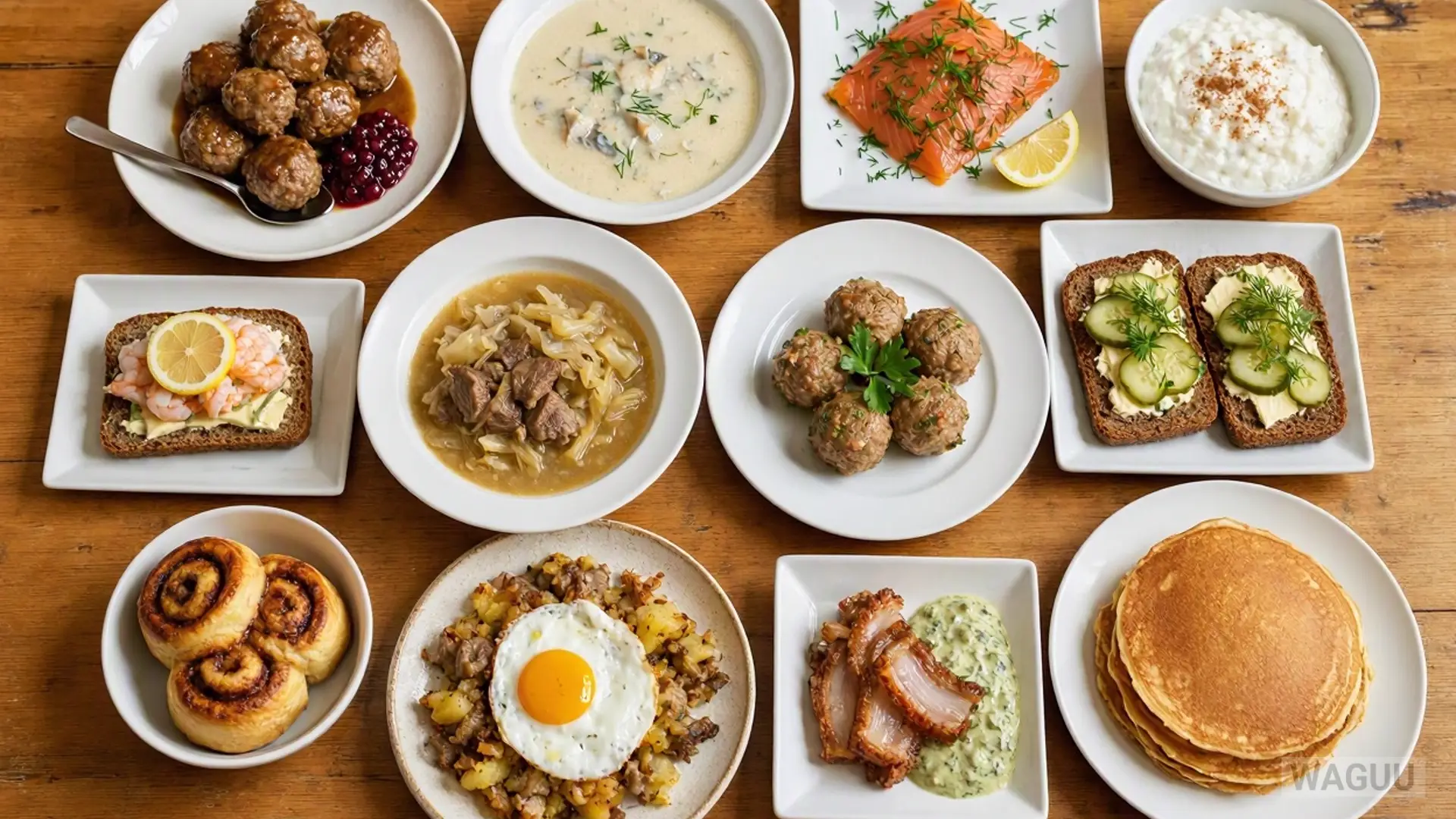
Summary: Explore the rich culinary traditions of Northern Europe with this comprehensive guide to 12 most popular Scandinavian dishes, featuring detailed breakdowns, traditional ingredients, and favorite recipes of Scandinavian cuisine. Designed for food enthusiasts and home cooks alike, reading time is approximately 12 minutes.
Category: Articles |
Reading time: 12 minutes
Step-by-step photo gallery
Did you cook any of the variations? Share a photo in the comments below the recipe, we’d love to add it to the gallery. Did you film a video tutorial? Post a link to YouTube, YouTube Shorts, TikTok, Instagram Reels, Facebook Reels, Pinterest, Vimeo, or X (Twitter) in the comments, we’d be happy to publish it.
Scandinavian cuisine is celebrated for its deep connection to nature, featuring seasonal harvesting, preservation techniques like curing and smoking, and wholesome, comforting flavors that warm the soul during long northern winters. From coastlines brimming with fresh fish to forests yielding tart berries and game, these dishes reflect a heritage built on resourcefulness, community, and respect for raw ingredients. Whether you are looking to recreate a classic holiday feast or simply want to introduce wholesome Nordic flavors to your weekly meal rotation, understanding these twelve signature specialties will open the door to a world of rich culinary traditions.
Quick overview
- Topic / Dish: 12 Most Popular Scandinavian Dishes: Favorite Recipes of Scandinavian Cuisine
- Categories: Articles, Scandinavian Cuisine
- Cuisine: Scandinavian
- Included variations: Swedish meatballs made from minced meat, served with a creamy sauce, mashed potatoes, pickled cucumbers, and lingonberry jam., Scandinavian salmon cured in salt, sugar, and dill, sliced thin and served with mustard sauce and bread., Danish open-faced rye sandwiches with various combinations of ingredients, such as pickled herring, roast beef, egg, shrimp, or remoulade., Norwegian traditional dish of lamb and cabbage, slow-cooked with whole black pepper and served with boiled potatoes.
- Key techniques: Curing, slow-cooking, braising, fermenting, baking
- Physical and chemical background: Protein denaturation through acid and salt curing, gelatinization of starches in traditional porridges, Maillard reaction in meat frying and baking.
- Common mistakes: Overcooking cured fish, overworking meatball mixtures resulting in a tough texture, rushing the long braise of lamb and cabbage.
- In a nutshell: Nordic food relies on minimal interference with high-quality ingredients, emphasizing preservation, natural sweetness, and comforting savory depths.
- Last updated: September 21, 2026
WAGUU says: “True Scandinavian cooking honors the ingredients provided by land and sea, balancing simplicity with profound depth of flavor.”
Key facts
| Prep time: | 30 minutes |
| Cook time: | 45 minutes |
| Main ingredient: | Minced meat, fish, rye, dairy |
| Servings: | 4 servings |
| Difficulty: | Intermediate |
Procedure at a glance
- Select fresh, high-quality local ingredients suited for the traditional recipe.
- Prepare preservation elements such as salt cures, quick pickles, or rich stocks.
- Execute foundational cooking techniques including gentle pan-searing or long braising.
- Combine primary components with authentic traditional side dishes and sauces.
- Garnish simply with fresh herbs or seasonal berries and serve warm or chilled.
In a nutshell
- Heritage: Rooted in ancient preservation and seasonal harvesting methods across the Nordic countries.
- Flavors: Balances earthy root vegetables, rich creams, tart lingonberries, and fresh dill.
- Technique: Focuses on respect for raw materials, gentle curing, and slow simmering.
- Variety: Spans comforting meat dishes, delicate seafood, open-faced sandwiches, and sweet pastries.
- Culture: Emphasizes communal dining, cozy hospitality, and a deep appreciation for nature.
- Result: Hearty, balanced meals that celebrate authentic Scandinavian culinary traditions.
Who this guide is for: Beginner – home cooks wanting to explore traditional Scandinavian recipes with easy-to-follow steps. Intermediate – culinary enthusiasts seeking to master authentic Nordic techniques and flavor pairings. Pro – chefs looking for inspiration to incorporate genuine Scandinavian preservation and plating methods into modern menus.
Classic Scandinavian Recipes
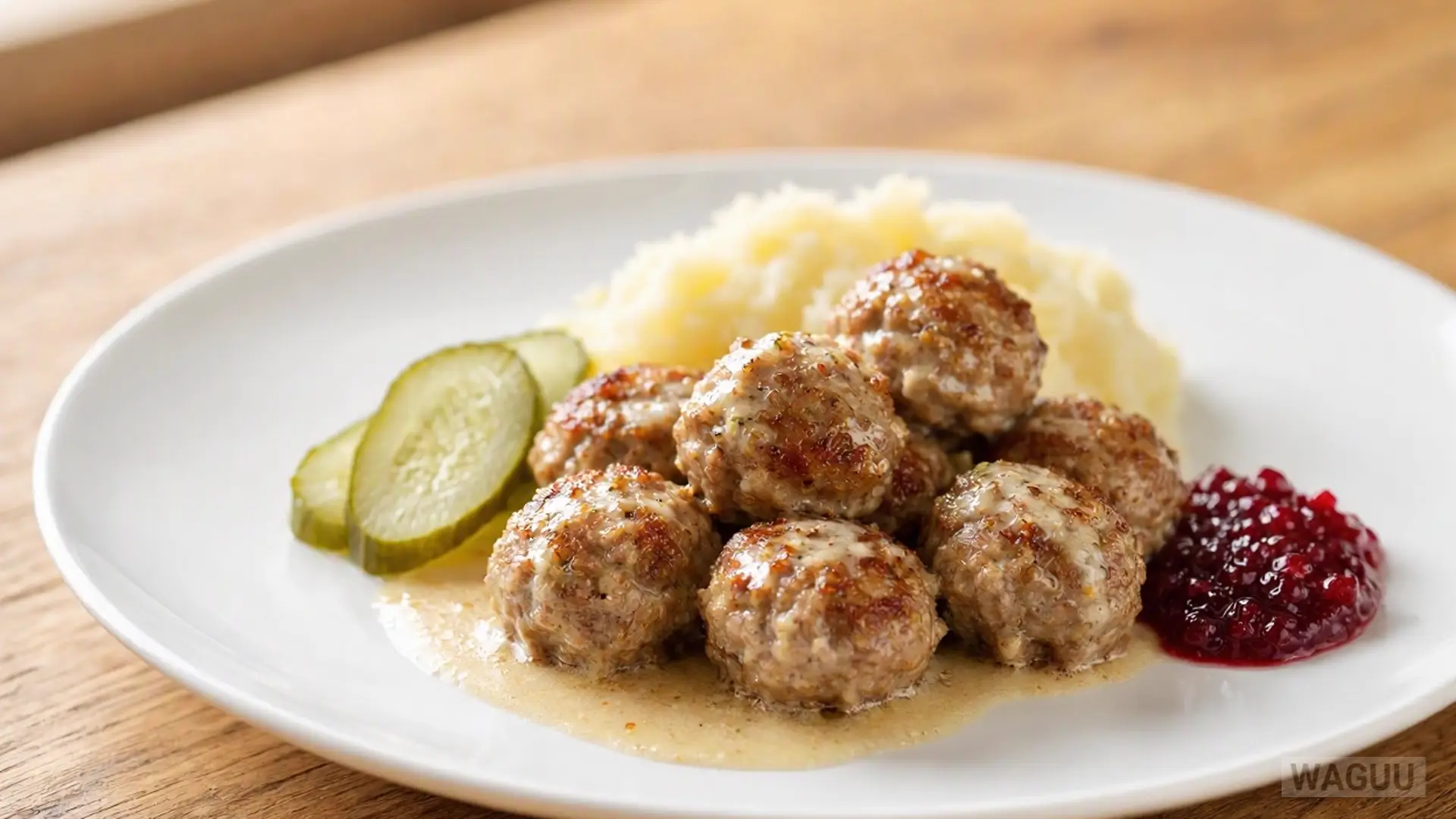
Swedish meatballs made from minced meat, served with a creamy sauce, mashed potatoes, pickled cucumbers, and lingonberry jam.
Swedish meatballs represent the ultimate comfort food across Scandinavia, embodying the warmth of home-cooked meals. Preparing these iconic spheres requires a careful balance of minced beef and pork, moistened with breadcrumbs soaked in heavy cream or milk, and delicately seasoned with allspice and white pepper. The meat mixture is thoroughly combined to create a tender texture that melts in the mouth, then carefully rolled into bite-sized portions. Sautéing them in clarified butter ensures a deeply golden, savory exterior while keeping the inside succulent and juicy. The magic of this dish truly comes alive when paired with its velvety cream sauce, made from pan drippings, rich beef stock, and heavy cream. Traditionally served alongside buttery mashed potatoes, thin slices of house-made pickled cucumbers, and a dollop of tart lingonberry jam, every single bite offers a harmonious contrast of savory richness and bright, acidic sweetness. This timeless recipe connects generations of families around dinner tables throughout Sweden and beyond.
- 1 lb minced beef and pork blend
- 1/2 cup breadcrumbs soaked in cream
- 1 small onion, finely grated
- 1 tsp ground allspice
- 2 cups beef broth and heavy cream for sauce
- Mashed potatoes for serving
- Lingonberry jam and pickled cucumbers
- Mix minced meats, soaked breadcrumbs, onion, and spices thoroughly in a bowl.
- Shape the mixture into small, uniform meatballs and chill briefly to firm up.
- Pan-fry the meatballs in butter over medium heat until browned and cooked through.
- Simmer pan drippings with beef broth and heavy cream to create a rich gravy.
- Serve warm meatballs coated in sauce with mashed potatoes and lingonberry jam.
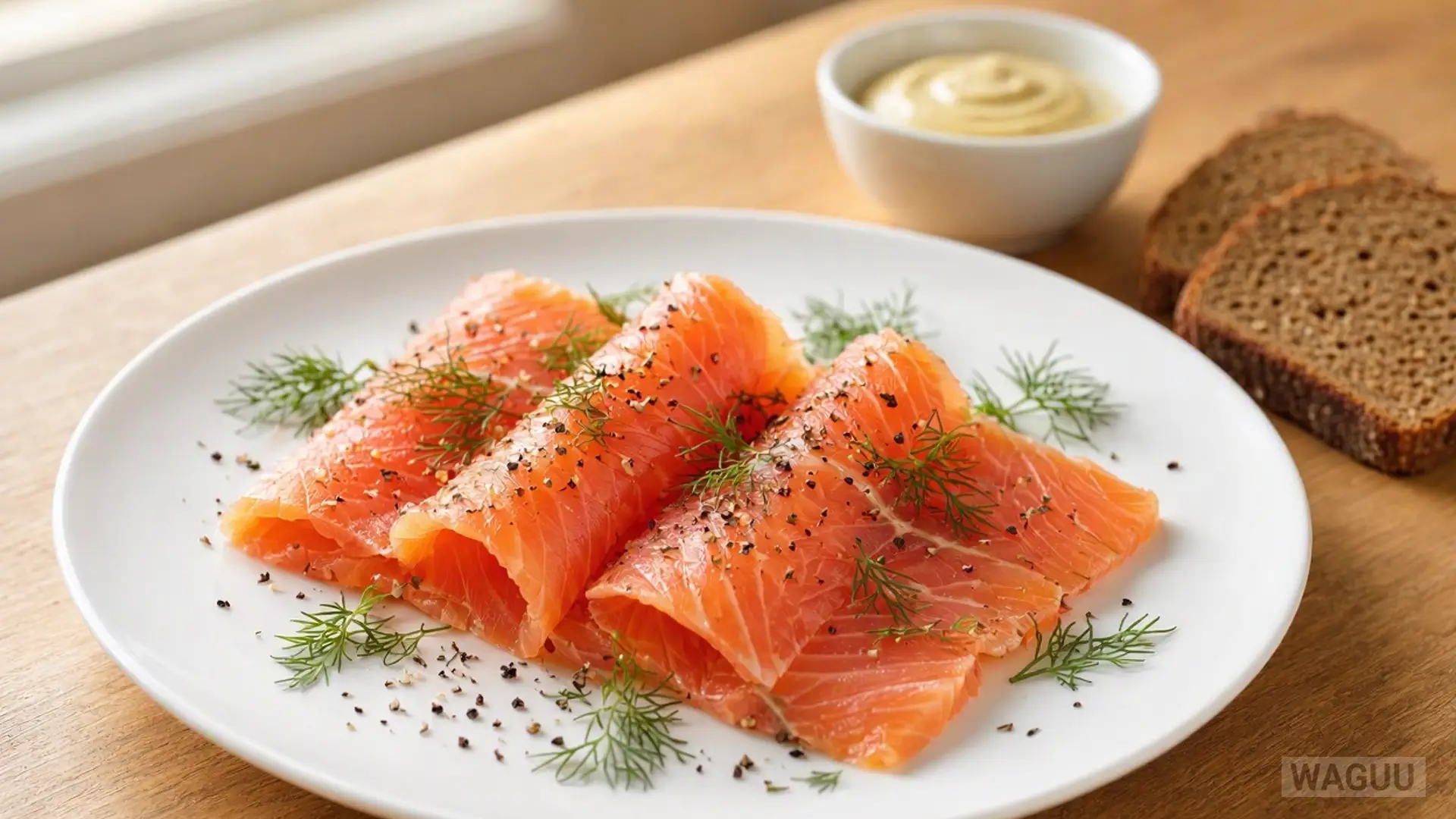
Scandinavian salmon cured in salt, sugar, and dill, sliced thin and served with mustard sauce and bread.
Gravlax stands as a masterpiece of Nordic culinary preservation, transforming fresh salmon into a delicate, silky delicacy through dry curing. Originating from medieval fishermen who salted and buried fish in the sand above the high-tide line, modern preparation utilizes refrigeration alongside a precise mixture of coarse sea salt, granulated sugar, crushed white peppercorns, and an abundance of fresh dill. As the salmon cures over forty-eight hours, the osmosis process draws out excess moisture, concentrating the rich flavors and firming the flesh into a translucent, ruby-red masterpiece. Slicing the fillet paper-thin reveals its luxurious texture, which is traditionally accompanied by a tangy, sweet mustard-dill sauce and crisp artisanal rye bread. This exquisite dish highlights the pristine quality of Scandinavian seafood, making it an indispensable centerpiece for celebratory smorgasbords and festive gatherings across the region.
- 2 fresh salmon fillets with skin
- 1/4 cup coarse sea salt
- 1/4 cup granulated sugar
- 1 large bunch fresh dill, chopped
- 1 tbsp crushed white peppercorns
- Sweet mustard-dill sauce for serving
- Sliced artisanal rye bread
- Combine salt, sugar, and crushed peppercorns in a small bowl.
- Coat salmon flesh generously with the cure mixture and fresh dill.
- Press fillets together, wrap tightly in plastic wrap, and refrigerate for 48 hours.
- Unwrap, scrape away excess herbs, and slice the salmon paper-thin.
- Serve immediately with mustard sauce and fresh rye bread.
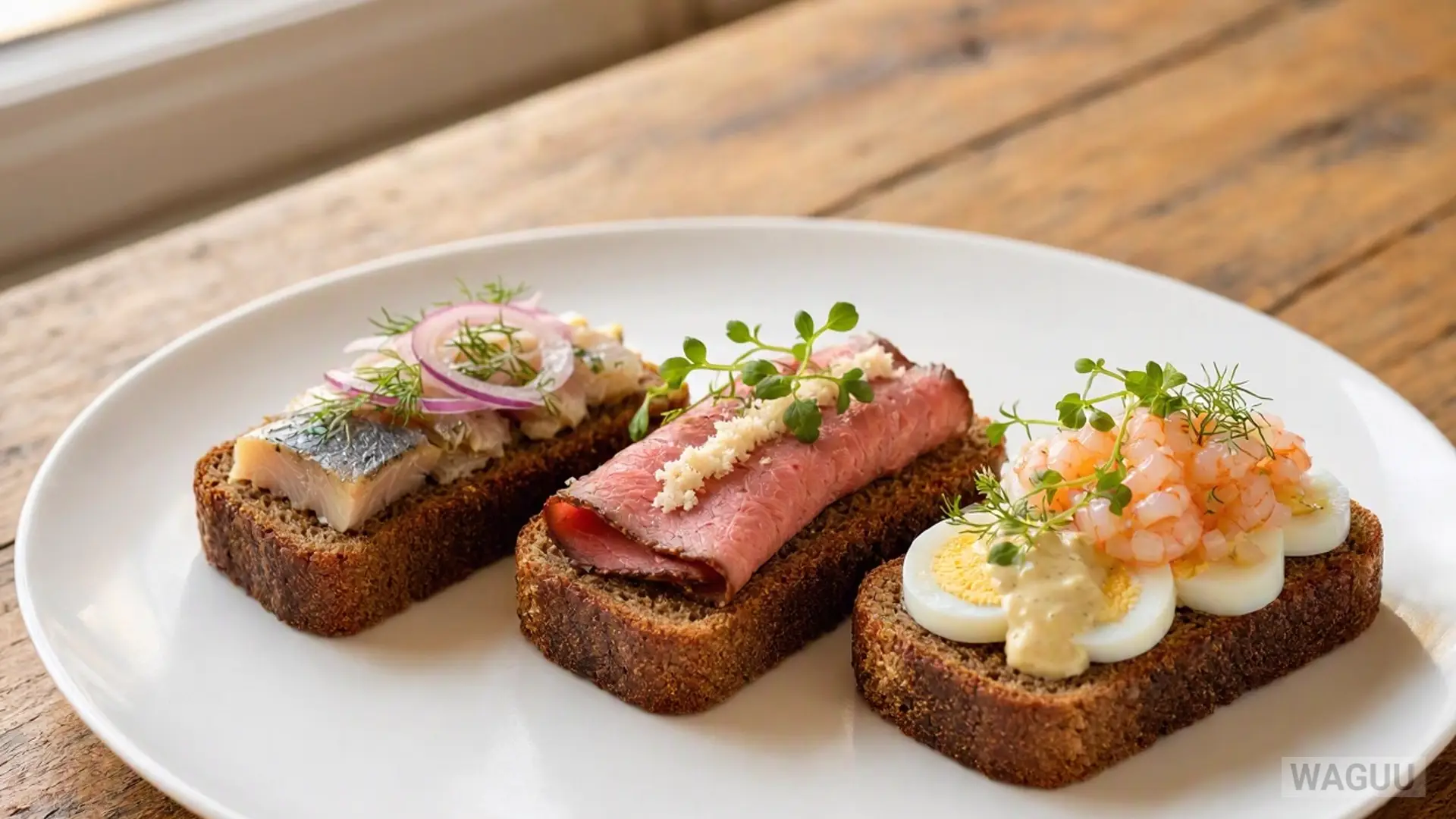
Danish open-faced rye sandwiches with various combinations of ingredients, such as pickled herring, roast beef, egg, shrimp, or remoulade.
Smørrebrød represents the pinnacle of Danish culinary artistry, transforming a simple slice of dense, dark rye bread into an architectural marvel of flavor and visual appeal. The tradition dates back to agricultural workers who used thick bread as an edible plate for leftover meats and spreads. Today, crafting these open-faced sandwiches is an esteemed culinary craft that balances contrasting textures and vibrant colors. A foundation of buttered rugbrød is meticulously layered with toppings ranging from pickled herring and remoulade to tender slices of roast beef crowned with crispy onions, soft-boiled eggs, and hand-peeled fjord shrimp. Every component is thoughtfully placed and garnished with fresh herbs, microgreens, or citrus wedges, resulting in a dish that engages all the senses and reflects Denmark’s deep appreciation for aesthetic dining.
- Thick slices of Danish dark rye bread
- High-quality butter or remoulade
- Pickled herring fillets
- Tender roast beef slices
- Soft-boiled eggs and small shrimp
- Fresh dill and parsley for garnish
- Spread butter or remoulade evenly over a slice of dark rye bread.
- Arrange your chosen protein neatly on top of the spread foundation.
- Add complementary garnishes such as sliced eggs, pickles, or fresh herbs.
- Repeat layering with care to achieve an appealing visual height and balance.
- Serve immediately as a light lunch or elegant appetizer.
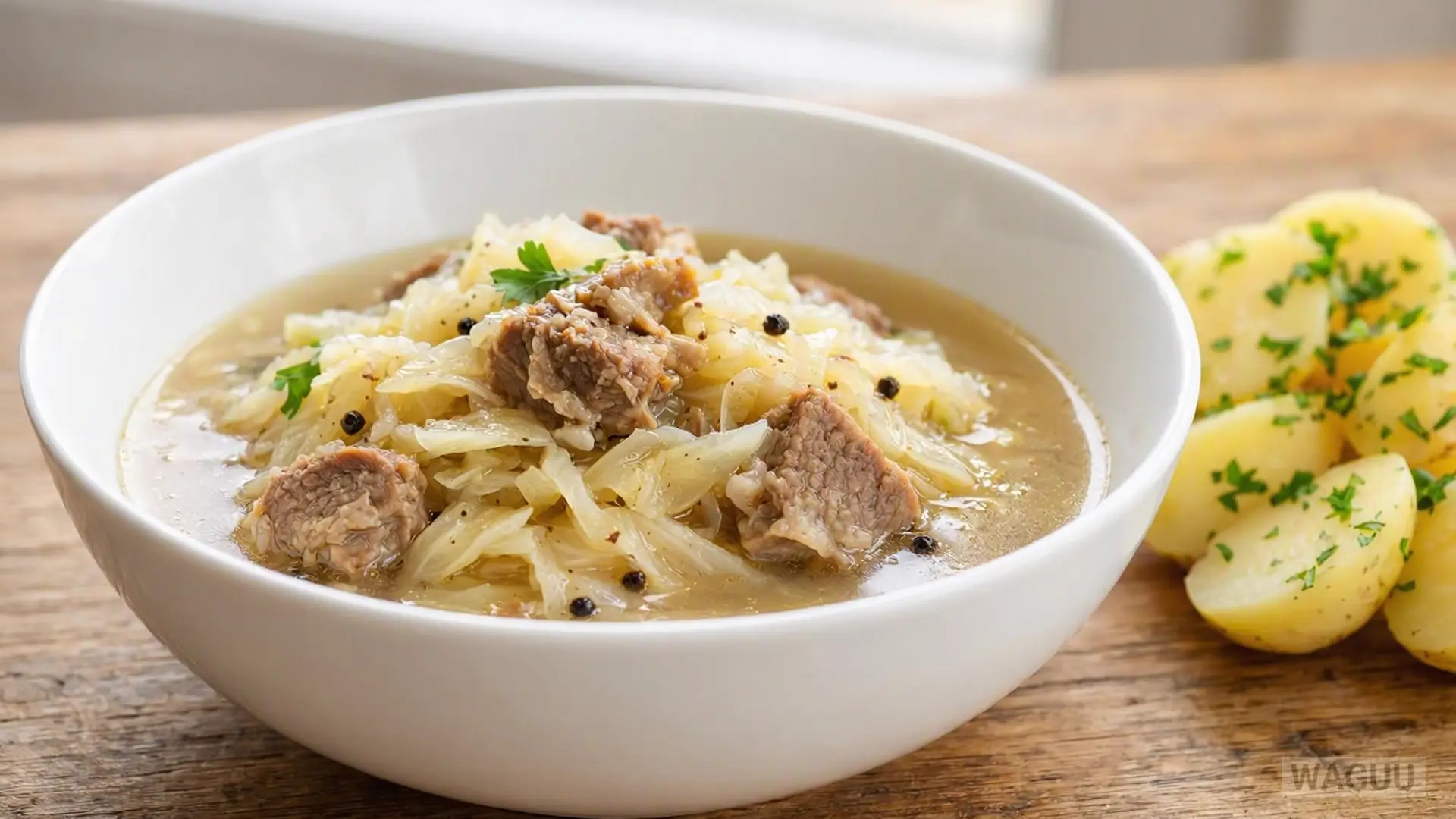
Norwegian traditional dish of lamb and cabbage, slow-cooked with whole black pepper and served with boiled potatoes.
Fårikål holds the proud title of Norway’s national dish, celebrated every autumn when fresh lamb and cabbage flood local markets. This comforting, rustic stew relies on extreme simplicity and patience rather than complex seasoning. Layers of bone-in lamb shoulder, thick wedges of white cabbage, whole black peppercorns, and a dusting of flour are stacked neatly in a heavy-bottomed pot, sprinkled with salt, and covered with water. Simmered very slowly over low heat for several hours, the meat becomes meltingly tender while the cabbage breaks down into a sweet, velvety broth infused with savory warmth. Served steaming hot alongside simple boiled potatoes cooked in their skins, this hearty dish provides ultimate solace during chilly autumn evenings in the Norwegian fjords.
- 3 lbs bone-in lamb neck or shoulder pieces
- 1 large head of white cabbage, cut into wedges
- 1 tbsp whole black peppercorns
- 2 tbsp all-purpose flour
- Coarse sea salt to taste
- Water for simmering
- Boiled potatoes for serving
- Layer lamb pieces and cabbage wedges alternately in a large Dutch oven.
- Sprinkle flour, salt, and whole black peppercorns between each layer.
- Add enough water to come halfway up the ingredients in the pot.
- Bring to a gentle boil, then cover and simmer on low heat for 2.5 hours.
- Serve piping hot in deep bowls alongside freshly boiled potatoes.
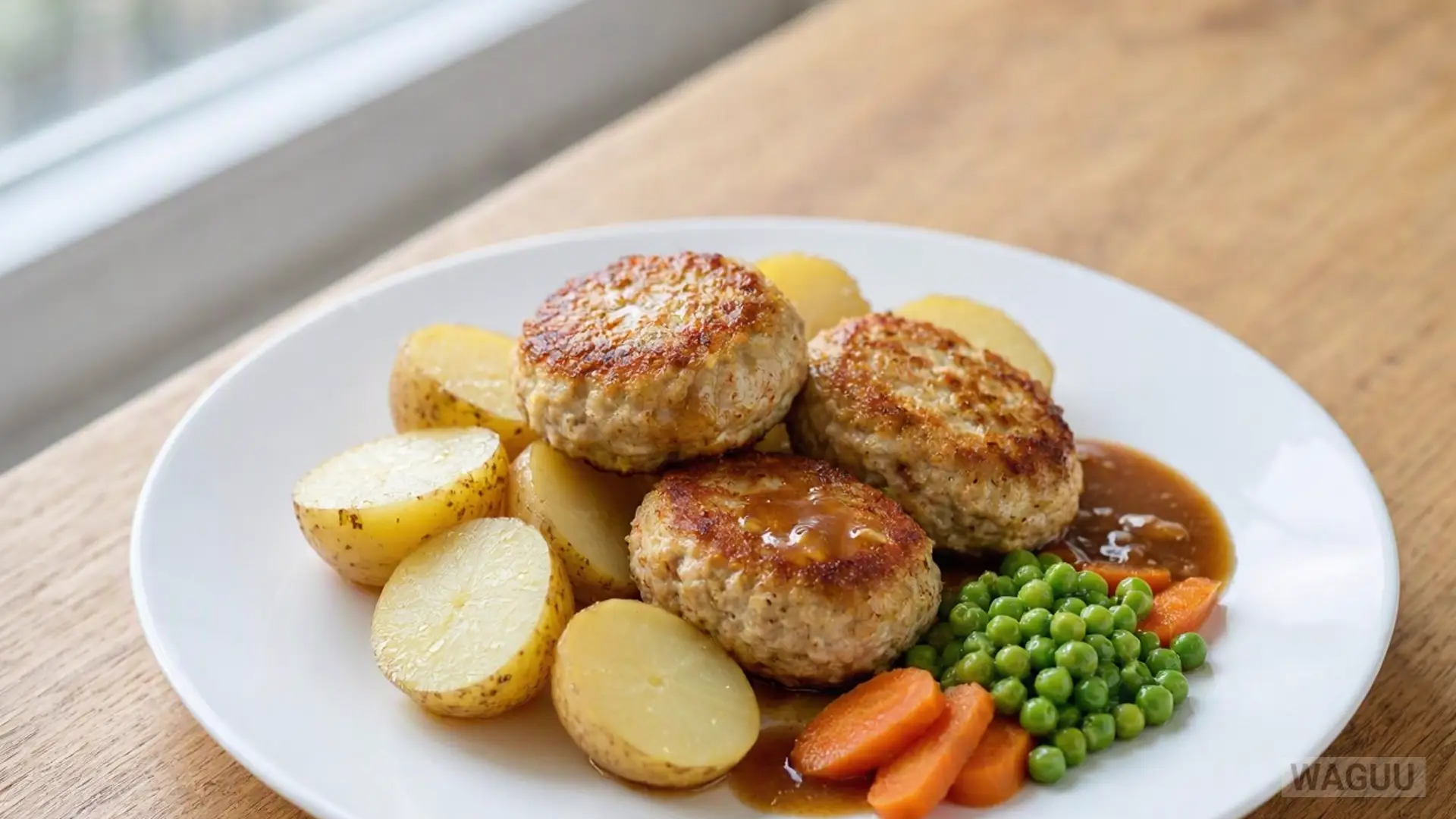
Danish fried meatballs made from minced pork or a meat mixture, often served with potatoes, gravy, and vegetables.
Frikadeller are a staple of traditional Danish home cooking, offering a savory, rustic charm that warms the table. Unlike their Swedish counterparts, these patties are traditionally flattened rather than spherical and feature a coarsely textured mixture of ground pork, finely minced onions, eggs, milk or water, and flour or breadcrumbs. Seasoned with salt, freshly ground pepper, and sometimes a hint of nutmeg, the mixture is shaped with a spoon dipped in cold water and pan-fried in lard or butter until wonderfully crispy and golden brown on the outside while remaining juicy within. Served alongside buttery boiled potatoes, rich brown gravy, and pickled red beets or braised red cabbage, frikadeller represent the epitome of cozy Danish hospitality and comforting everyday dining.
- 1 lb ground pork or pork-veal blend
- 1 small onion, grated finely
- 1/4 cup milk or water
- 3 tbsp all-purpose flour or breadcrumbs
- 1 large egg
- Salt, pepper, and ground nutmeg
- Butter or lard for frying
- Combine ground meat, onion, milk, flour, egg, and seasonings in a bowl.
- Beat the mixture vigorously until it develops a sticky, cohesive consistency.
- Form oval patties using a spoon dipped in cold water.
- Fry in a skillet with melted butter over medium heat until deeply golden.
- Serve hot with potatoes, rich gravy, and seasonal vegetables.
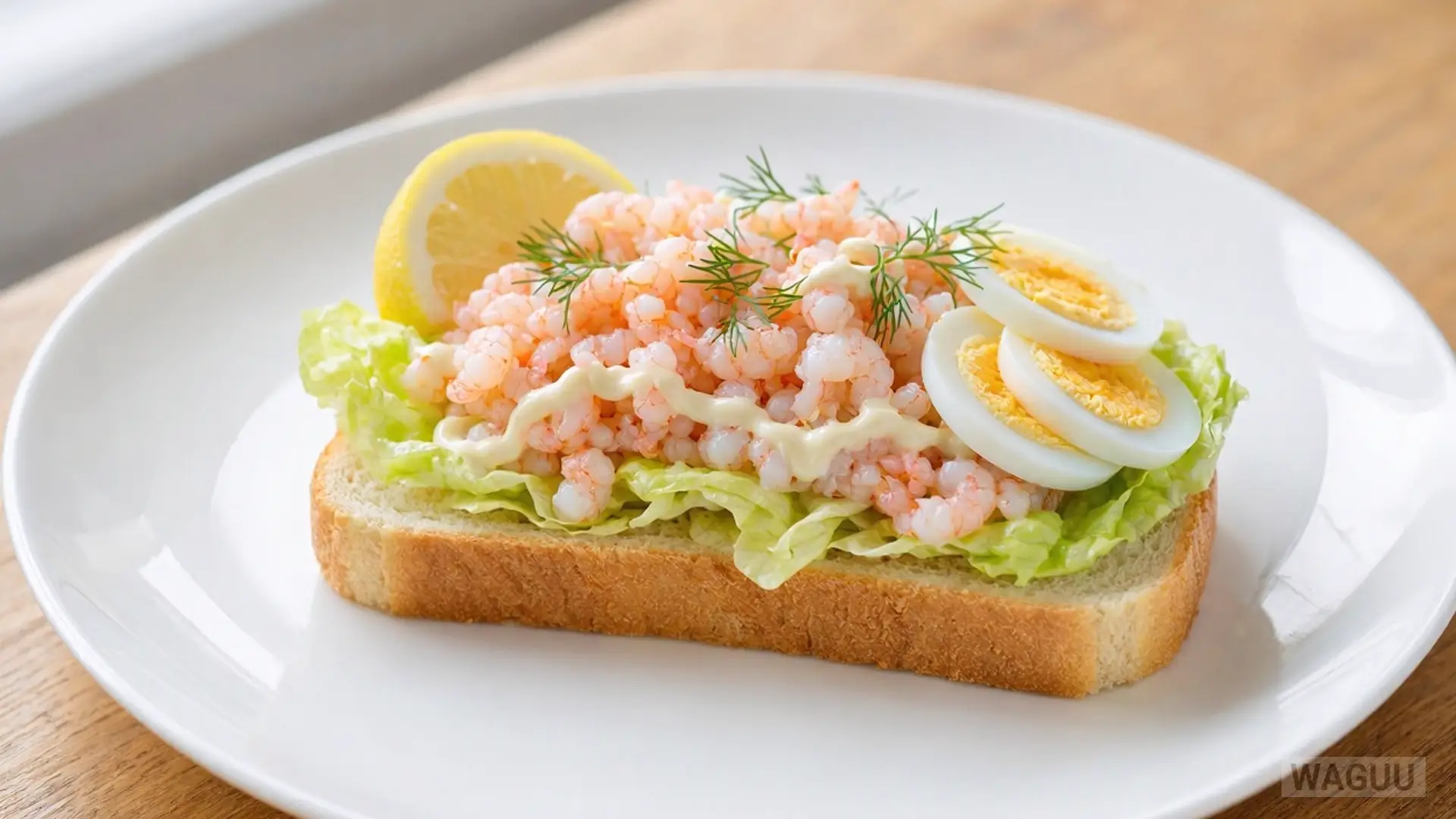
Swedish open-faced sandwich with a rich layer of shrimp, egg, lettuce, lemon, and mayonnaise dressing.
Räkmacka is a magnificent Swedish culinary creation that elevates the humble sandwich into a luxurious feast from the sea. Piled high with sweet, tender northern shrimp over a bed of crisp lettuce, sliced hard-boiled eggs, and a generous dollop of creamy mayonnaise dressing, this open-faced delicacy is a tribute to Sweden’s abundant coastal waters. Finished with fresh dill, cucumber ribbons, and a juicy lemon wedge, every bite delivers a refreshing burst of oceanic flavor balanced by creamy richness and citrus brightness. Whether enjoyed in a seaside café in Gothenburg or prepared at home for a summer lunch, the räkmacka remains an enduring symbol of Swedish culinary elegance and casual sophistication.
- 1 thick slice of white or sourdough bread
- 1/2 lb peeled northern shrimp
- 2 hard-boiled eggs, sliced
- Crisp lettuce leaves
- Quality mayonnaise dressing
- Lemon wedges and fresh dill
- Toast the bread slice lightly and butter it if desired.
- Arrange fresh lettuce leaves as a lush foundation on the bread.
- Layer sliced hard-boiled eggs neatly over the greens.
- Pound a generous heap of peeled shrimp over the eggs.
- Garnish with mayonnaise, fresh dill, and a lemon wedge.
Norwegian creamy fish soup with pieces of fish, shrimp, root vegetables, and herbs, the style of which varies by region.
Fiskesuppe is a comforting Norwegian classic that captures the essence of the country’s thriving coastal communities. This rich, velvety soup begins with a fragrant fish stock simmered with root vegetables like carrots, leeks, and celery, then enriched with heavy cream and butter. Tender chunks of fresh white fish, succulent salmon, and delicate shrimp are gently poached in the broth just until cooked through, ensuring a delicate texture that melts on the tongue. Finished with a squeeze of lemon and chopped fresh dill or flat-leaf parsley, fiskesuppe provides warmth and nourishment against the brisk sea breezes, showcasing the incredible bounty of the North Atlantic.
- 1 lb mixed white fish and salmon chunks
- 1/2 lb peeled shrimp
- Carrots, leeks, and celery, diced
- 2 cups rich fish stock and heavy cream
- 2 tbsp butter and flour for thickening
- Fresh dill and lemon juice
- Sauté diced root vegetables in butter until tender.
- Add fish stock and simmer until vegetables are soft.
- Pour in heavy cream and thicken lightly with a butter-flour paste.
- Add fish chunks and simmer gently for 5 minutes until cooked.
- Stir in shrimp, fresh herbs, and lemon juice before serving.
Swedish dish of diced potatoes, meat, and onions pan-fried, traditionally served with a fried egg and pickled beets.
Pytt i panna is Sweden’s ultimate comfort dish born from culinary resourcefulness and thrift. Translating literally to “small pieces in a pan,” this savory hash combines diced potatoes, leftover roasted meats, and onions fried together in butter until crispy and golden. Traditionally served with a sunny-side-up fried egg on top and vibrant pickled red beets on the side, it offers an unbeatable combination of textures and flavors. The crispy edges of the potatoes contrast beautifully with the rich, runny egg yolk, while the tartness of the beets cuts through the savory richness of the meat. It remains a beloved weeknight favorite for families seeking a quick, hearty, and satisfying meal.
- 3 cups cooked potatoes, diced small
- 2 cups leftover roast beef or ham, diced
- 1 large onion, finely chopped
- Butter and oil for frying
- Fresh eggs for frying
- Pickled beets for serving
- Dice potatoes, meat, and onions into uniform small cubes.
- Heat butter and oil in a large skillet over medium-high heat.
- Add potatoes and onions, cooking until golden and crispy.
- Stir in diced meat and heat through until thoroughly browned.
- Serve topped with a fried egg and pickled beets on the side.
Danish specialty of crispy fried pork belly, served with boiled potatoes and parsley sauce.
Stegt flæsk med persillesovs is proudly crowned as Denmark’s national dish, celebrating the rich agricultural heritage of the country. Thick slices of pork belly are pan-fried slowly until the fat renders out and the exterior achieves an exceptionally crispy, crackling texture. This savory indulgence is traditionally served alongside steaming boiled potatoes smothered in a velvety, vibrant green parsley sauce (persillesovs). The creamy herbal sauce provides a wonderful counterbalance to the rich, salty crunch of the pork belly, creating a timeless flavor combination that has warmed Danish hearts for generations. It is a hearty, comforting masterpiece that remains a fixture in traditional restaurants across Denmark.
- 1.5 lbs thick-cut pork belly slices
- Boiled potatoes for serving
- 2 cups milk for parsley sauce
- 2 tbsp butter and 2 tbsp flour
- 1/2 cup fresh flat-leaf parsley, chopped
- Coarse salt to taste
- Pan-fry pork belly slices in a skillet over medium heat until very crispy.
- Drain excess fat on paper towels and keep warm.
- Melt butter in a saucepan, stir in flour, and whisk in milk to form a roux.
- Simmer until thickened, then fold in chopped fresh parsley.
- Serve crispy pork belly with boiled potatoes and generous parsley sauce.
Danish specialty of crispy fried pork belly, served with boiled potatoes and parsley sauce.
Swedish cinnamon rolls made from yeast dough with a buttery cinnamon filling, often sprinkled with pearl sugar and served with coffee.
Kanelbullar are an iconic Swedish institution, central to the beloved cultural ritual of fika—a social coffee break shared with colleagues and friends. These soft, fragrant yeast buns feature a rich dough delicately spiced with crushed cardamom, rolled up with a luscious filling of butter, cinnamon, and brown sugar. Unlike some sweeter international variations, Swedish cinnamon rolls balance their sweetness with aromatic spices and are traditionally topped with crunchy pearl sugar rather than heavy icing. Baking them fills the home with an irresistible aroma, and they are best enjoyed fresh from the oven alongside a hot cup of strong coffee.
- 4 cups all-purpose flour
- 1/2 cup warm milk and active yeast
- 1/3 cup melted butter and sugar
- 1 tsp ground cardamom
- Butter, cinnamon, and sugar filling
- Swedish pearl sugar for sprinkling
- Mix milk, yeast, sugar, flour, and cardamom to form a smooth dough.
- Allow the dough to rise in a warm place until doubled in size.
- Roll out into a rectangle, spread with butter, cinnamon, and sugar.
- Roll up, slice into individual rounds, and place on a baking sheet.
- Top with pearl sugar and bake until golden brown.
Norwegian thick porridge made from sour cream, flour, and milk, traditionally served with butter, cinnamon, and sugar.
Rømmegrøt is a traditional Norwegian delicacy that transforms heavy sour cream into a rich, luxurious custard-like porridge. Historically reserved for festive occasions and celebrations, this comforting dish is made by simmering full-fat sour cream with wheat flour and milk until the rich butterfat separates and rises to the surface. The separated butter is carefully skimmed off and drizzled over the top before serving. Dusting the porridge with a generous mixture of cinnamon and sugar creates a delightful contrast between rich savory dairy and sweet spice. It is a deeply comforting dish that showcases the incredible heritage of Norwegian dairy craftsmanship.
- 4 cups full-fat sour cream
- 1 cup all-purpose flour
- 2 cups whole milk, warmed
- Melted butter for drizzling
- Ground cinnamon and sugar for topping
- Simmer sour cream in a heavy pot for 10 minutes until butterfat separates.
- Skim off the excess butterfat and reserve it for serving.
- Whisk flour and warm milk into the remaining cream mixture.
- Cook while stirring continuously until smooth and thickened.
- Serve warm drizzled with reserved butter, cinnamon, and sugar.
Danish fluffy round pancakes prepared in a special pan, served especially at Christmas with powdered sugar and jam.
Æbleskiver are beloved Danish treats that bring warmth and cheer during the dark winter months and Christmas season. Prepared in a distinctive cast-iron pan with hemispherical molds, these fluffy round pastries start with a light batter made from flour, buttermilk, eggs, and a touch of cardamom or lemon zest. As the batter cooks, it is turned using a knitting needle or wooden skewer to form perfectly spherical golden globes. Traditionally served piping hot dusted with powdered sugar and accompanied by fruit jam, æbleskiver are a festive favorite enjoyed with mulled gløgg among family and friends during holiday gatherings.
- 2 cups all-purpose flour
- 2 cups buttermilk
- 3 eggs, yolks and whites separated
- 1 tsp baking powder and cardamom
- Butter for frying in special pan
- Powdered sugar and fruit jam
- Whisk flour, buttermilk, egg yolks, and leavening agents into a smooth batter.
- Whip egg whites stiffly and fold gently into the batter.
- Heat the special æbleskiver pan and melt butter in each hemispherical mold.
- Fill molds with batter and turn with a skewer as they cook to form spheres.
- Serve hot dusted with powdered sugar and accompanied by jam.
OBSAH_ODSTAVCE_1
OBSAH_ODSTAVCE_2
Mastering Nordic Flavors
Understanding the core techniques of Scandinavian cooking allows home cooks to recreate authentic flavors with confidence. Focus on sourcing fresh, high-quality proteins and dairy, and respect the natural balance of acidity, salt, and fat that defines this culinary tradition.
| Technique | Application |
|---|---|
| Salt & Sugar Curing | Preserving salmon and other fish for delicate texture. |
WAGUU Pro Tip: Always use coarse sea salt when curing fish to ensure an even draw of moisture without over-salting the exterior.
Frequently asked questions
What makes Scandinavian cuisine unique?
It relies heavily on fresh seasonal produce, preservation techniques like curing and smoking, and clean, natural flavors.
Can I substitute lingonberries in Swedish meatball recipes?
Yes, tart cranberry sauce or red currant jelly makes a suitable alternative.
How long does cured salmon keep in the refrigerator?
Properly cured salmon can be stored for up to three to four days when wrapped tightly.
What is the cultural significance of fika?
Fika is a daily coffee and pastry break that fosters social connection and relaxation in Sweden.
Also known as: Nordic Cuisine, Scandinavian Recipes, Northern European Food
Conclusion
Exploring Scandinavian cuisine offers a wonderful journey into a world of balanced flavors, wholesome ingredients, and rich traditions. Whether you try your hand at crafting delicate gravlax or simmering a comforting pot of fårikål, these twelve dishes provide an inspiring introduction to the culinary wonders of the North.
Choose your recipe
Select from our curated collection of authentic Scandinavian recipes below:
Swedish meatballs made from minced meat, served with a creamy sauce, mashed potatoes, pickled cucumbers, and lingonberry jam. – Classic savory meatballs with rich cream sauce and jam.
Scandinavian salmon cured in salt, sugar, and dill, sliced thin and served with mustard sauce and bread. – Tender cured salmon with dill and mustard sauce.
Danish open-faced rye sandwiches with various combinations of ingredients, such as pickled herring, roast beef, egg, shrimp, or remoulade. – Artistic rye sandwiches with diverse savory toppings.
Norwegian traditional dish of lamb and cabbage, slow-cooked with whole black pepper and served with boiled potatoes. – Slow-cooked Norwegian lamb and cabbage stew.
Danish fried meatballs made from minced pork or a meat mixture, often served with potatoes, gravy, and vegetables. – Flat spiced pork patties with rich gravy.
Swedish open-faced sandwich with a rich layer of shrimp, egg, lettuce, lemon, and mayonnaise dressing. – Open sandwich piled with northern shrimp and eggs.
Norwegian creamy fish soup with pieces of fish, shrimp, root vegetables, and herbs, the style of which varies by region. – Rich creamy fish soup with fresh seafood.
Swedish dish of diced potatoes, meat, and onions pan-fried, traditionally served with a fried egg and pickled beets. – Crispy pan-fried potato and meat hash.
Danish specialty of crispy fried pork belly, served with boiled potatoes and parsley sauce. – Crispy pork belly with parsley sauce.
Swedish cinnamon rolls made from yeast dough with a buttery cinnamon filling, often sprinkled with pearl sugar and served with coffee. – Fragrant cardamom-spiced cinnamon rolls.
Norwegian thick porridge made from sour cream, flour, and milk, traditionally served with butter, cinnamon, and sugar. – Rich sour cream porridge with cinnamon.
Danish fluffy round pancakes prepared in a special pan, served especially at Christmas with powdered sugar and jam. – Festive round holiday pancakes with jam.
Other possible variations
Chicken Meatballs with Herb Cream Sauce
This lighter poultry alternative substitutes minced beef and pork with lean ground chicken, offering a reduced-fat option without sacrificing tenderness. It is ideal for health-conscious diners looking for a milder flavor profile while maintaining the comforting cream sauce tradition.
Glazed Beetroot Cured Salmon
Incorporating grated raw beetroot into the salt and sugar cure infuses the salmon with a vibrant magenta hue and earthy sweetness. This visually stunning variation is perfect for festive dinner parties where presentation is paramount.
Vegetarian Smørrebrød with Avocado and Radish
Replacing traditional fish and meats with creamy sliced avocado, crunchy radishes, and fresh sprouts creates a modern plant-based open-faced sandwich. It suits vegetarian diets perfectly while retaining the classic artistic presentation on dark rye bread.
Venison and Root Vegetable Stew
Swapping lamb for lean game venison and adding parsnips brings a deeper, forest-inspired richness to the traditional cabbage braise. This variation is well-suited for autumn game seasons and provides an intensely robust flavor profile.
Turkey Frikadeller with Herbs
Using lean minced turkey instead of pork creates a lighter patty that cooks quickly and pairs wonderfully with fresh chopped herbs. It is an excellent choice for anyone seeking traditional Danish comfort food with fewer calories.
Smoked Salmon Open-Faced Toast
Replacing boiled shrimp with delicate cold-smoked salmon offers a quicker alternative while keeping the classic egg, lettuce, and mayonnaise foundation. It is ideal for sophisticated weekend brunches.
Clear Broth Seafood Soup
Omitting heavy cream in favor of a delicate, clear white wine and fish stock base results in a lighter soup that highlights pure seafood flavors. This variation is fantastic as a refreshing starter for heavier multi-course meals.
Vegetable Root Pytt i Panna
Substituting meat entirely with diced celeriac, carrots, and mushrooms creates a hearty vegetarian hash that is pan-fried to crispy perfection. It is a wonderful way to utilize leftover root vegetables from previous meals.
Crispy Baked Pork Belly
Baking the pork belly on a wire rack in the oven instead of pan-frying reduces splattering while delivering an evenly crispy crackling. It is a convenient method for preparing larger batches for family dinners.
Cardamom Morning Buns
Doubling the amount of freshly ground cardamom in the dough and omitting cinnamon creates an intensely aromatic pastry that highlights traditional Swedish spice preferences. They are especially wonderful served alongside morning coffee.
Oatmilk Porridge Alternative
Replacing heavy sour cream with thick oat-based fermented dairy alternatives provides a lactose-free option while maintaining a similar creamy texture. It is tailored for diners with dietary restrictions who still love traditional porridges.
Apple-Filled Holiday Æbleskiver
Dropping a tiny piece of spiced apple filling into the center of each batter sphere before turning creates a delightful surprise inside. This fruity variation adds extra festive cheer to holiday celebrations.
Vegan Lentil Swedish Meatballs
Replacing minced meat with mashed brown lentils and mushrooms creates a plant-based version that pairs seamlessly with dairy-free cream sauce and lingonberry jam. It accommodates vegan diets without losing traditional flavor.
Citrus Herb Gravlax
Adding grated orange and lemon zest to the standard salt and dill cure introduces a bright citrus note that complements the rich salmon. This is an exceptional twist for spring and summer dining.
Smoked Eel Smørrebrød
Featuring delicate smoked eel and scrambled eggs on dark rye offers a traditional gourmet alternative to herring. It is prized for special celebratory occasions and festive feasts.
Beef and Cabbage Casserole
Layering beef chuck with cabbage in a baking dish and oven-roasting provides a variation on fårikål for regions where lamb is less common. It delivers the same comforting slow-cooked warmth.
Pork and Herb Frikadeller
Blending finely chopped fresh chives and parsley directly into the pork mixture adds a fresh herbaceous dimension to classic fried meatballs. They are fantastic served with cold cucumber salad.
Smoked Whitefish Open Sandwich
Using flaky smoked whitefish instead of shrimp creates a rich, smoky variation that pairs exceptionally well with horseradish cream. It is a wonderful twist for seafood lovers.
Lobster Bisque Style Fish Soup
Enhancing the fish soup stock with a splash of cognac and tomato paste yields an ultra-rich bisque style that feels remarkably luxurious. It is suited for formal dinner parties.
Sausage and Potato Pytt i Panna
Swapping traditional roast meat for diced smoked Scandinavian sausage brings a savory, spiced depth to the potato hash. It is a quick and flavorful weeknight dinner option.
Honey Glazed Pork Belly
Brushing the crispy pork belly with a touch of honey near the end of cooking adds a subtle caramelized sweetness that balances the savory parsley sauce. It offers a delightful flavor twist.
Chocolate Chip Cinnamon Buns
Sprinkling mini chocolate chips alongside the cinnamon and butter filling creates a decadent treat that children and chocolate lovers will adore. It is a fun modern adaptation of the classic roll.
Goat Cheese Sour Cream Porridge
Mixing a small amount of tangy goat cheese into the sour cream base provides an earthy, complex tang for adventurous palates. It elevates the rustic porridge to gourmet status.
Chocolate Coated Æbleskiver
Dipping freshly baked spherical pancakes halfway into melted dark chocolate provides a decadent modern twist on the holiday favorite. It is an irresistible treat for dessert tables.
Vegan Mushroom Gravlax
Thinly sliced king oyster mushrooms cured in salt, sugar, and dill mimic the texture and appearance of traditional gravlax. It offers a stunning plant-based appetizer.
Smoked Trout Open-Faced Toast
Using delicate smoked trout instead of salmon on rye bread delivers a rich and earthy flavor profile. It is a fantastic variation for seafood enthusiasts.
Know another variation? Add your own suggestion below.
Missing a recipe?
Tell us what recipe you would like us to add. We will do our best to publish it soon!
Frequently asked questions about other variations
- Can I use chicken instead of pork in meatballs? Yes, lean chicken or turkey makes a lighter, delicious alternative.
- Is beetroot curing safe for all fish? Yes, when fresh salmon is used and cured properly in refrigeration.
- What bread is best for vegetarian smørrebrød? Traditional dense Danish dark rye bread works best.
- Can venison replace lamb in stews? Yes, venison brings a wonderful rich flavor to slow-cooked dishes.
- How do I prevent meatballs from falling apart? Ensure eggs and binders are mixed thoroughly until sticky.
- What is the best herb for fish soup? Fresh dill and parsley are classic choices.
- Can pytt i panna be made vegetarian? Yes, diced root vegetables and mushrooms make an excellent hash.
- How do I achieve crispy pork crackling? Pan-fry slowly over medium heat until the fat renders completely.
Contact: 12-most-popular-scandinavian-dishes-favorite-recipes-of-scan-us@waguu.online