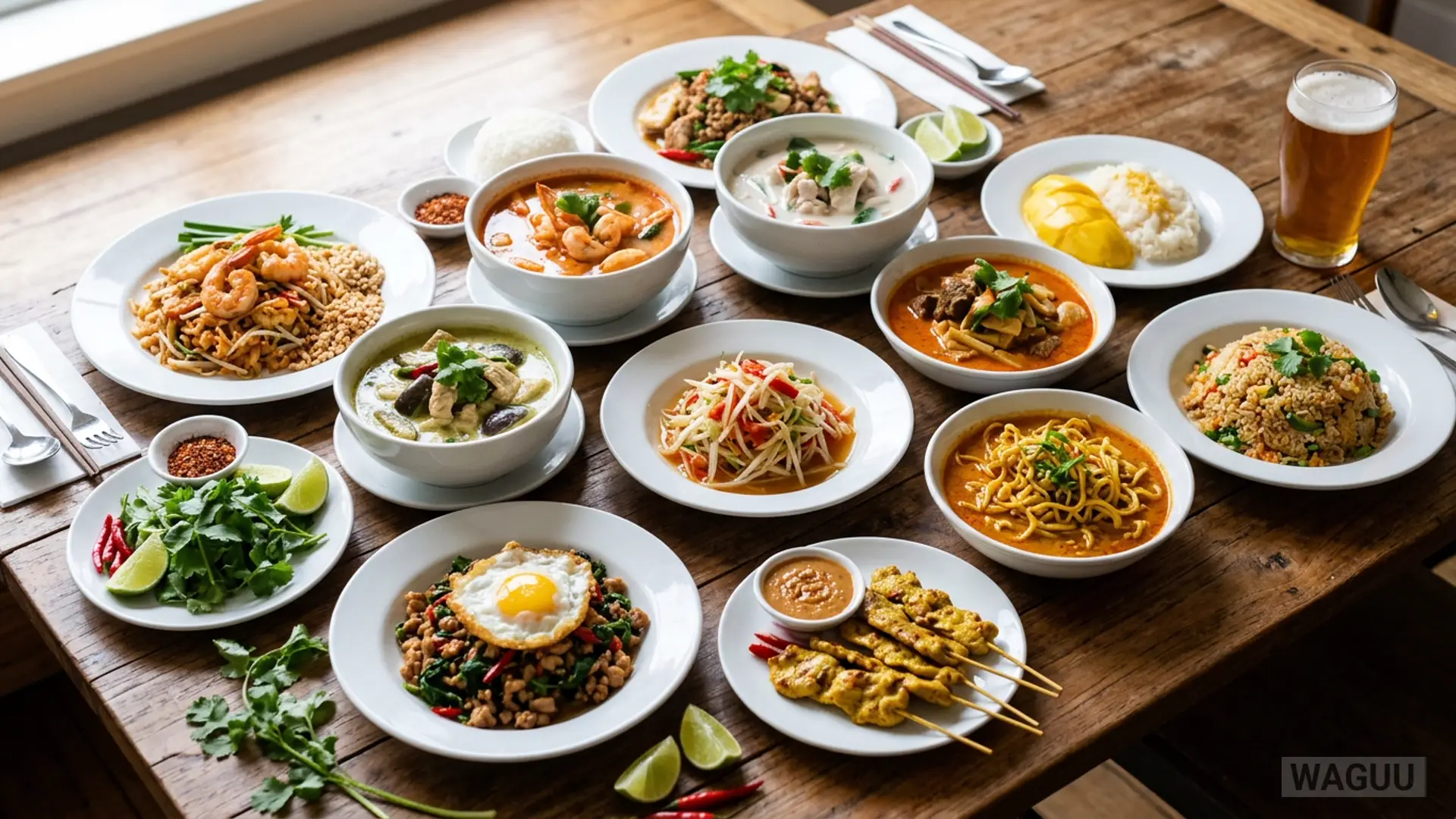
Summary: Explore the 12 most popular Thai dishes with authentic recipes, cooking techniques, culinary history, and tips for home preparation. Discover noodle staples, aromatic coconut soups, fiery curries, and refreshing salads designed for food enthusiasts of all skill levels, featuring an estimated reading time of 15 minutes.
Category: Thai Cuisine |
Reading time: 15 minutes
Step-by-step photo gallery
Did you cook any of the variations? Share a photo in the comments below the recipe, we’d love to add it to the gallery. Did you film a video tutorial? Post a link to YouTube, YouTube Shorts, TikTok, Instagram Reels, Facebook Reels, Pinterest, Vimeo, or X (Twitter) in the comments, we’d be happy to publish it.
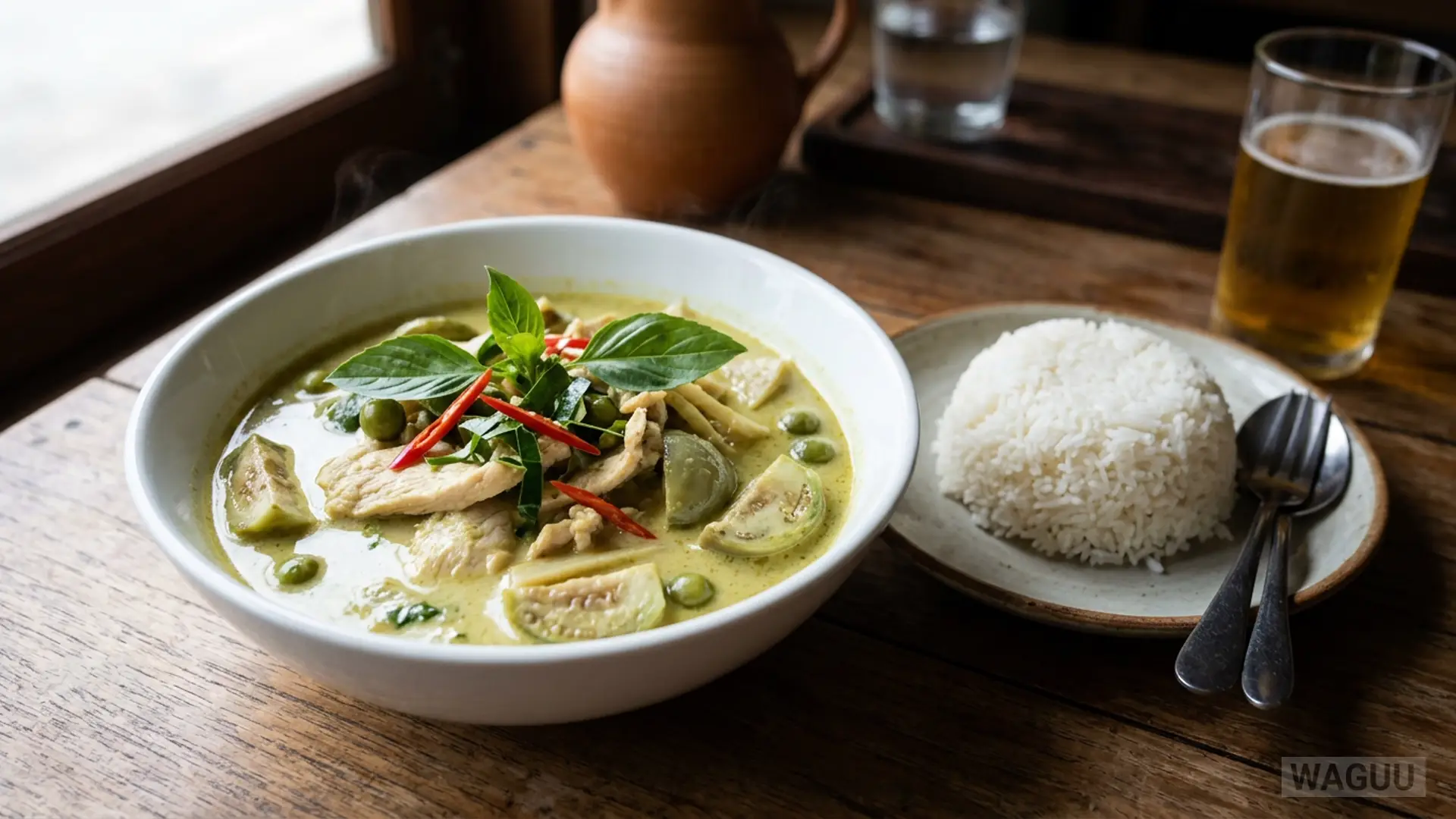
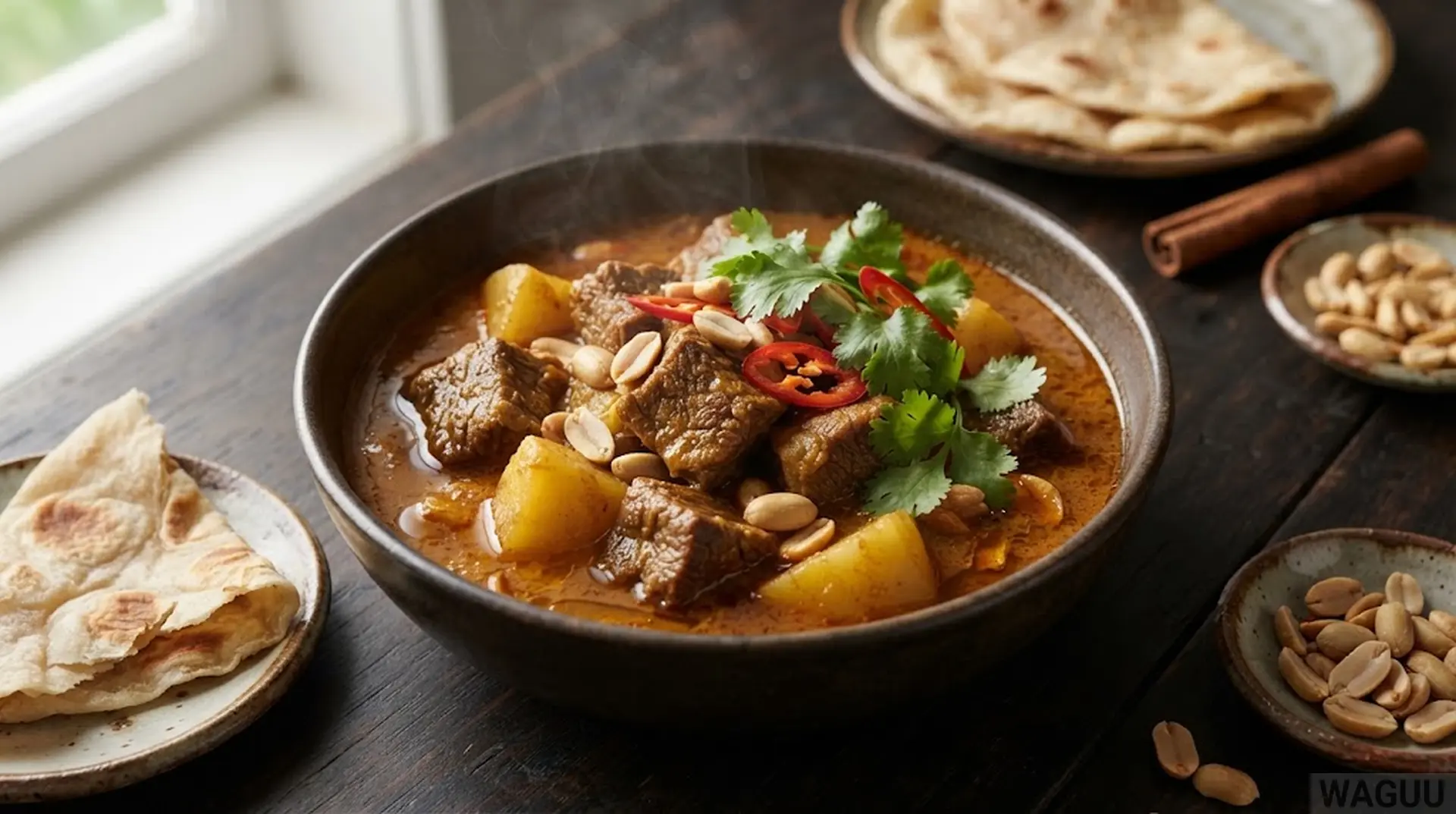
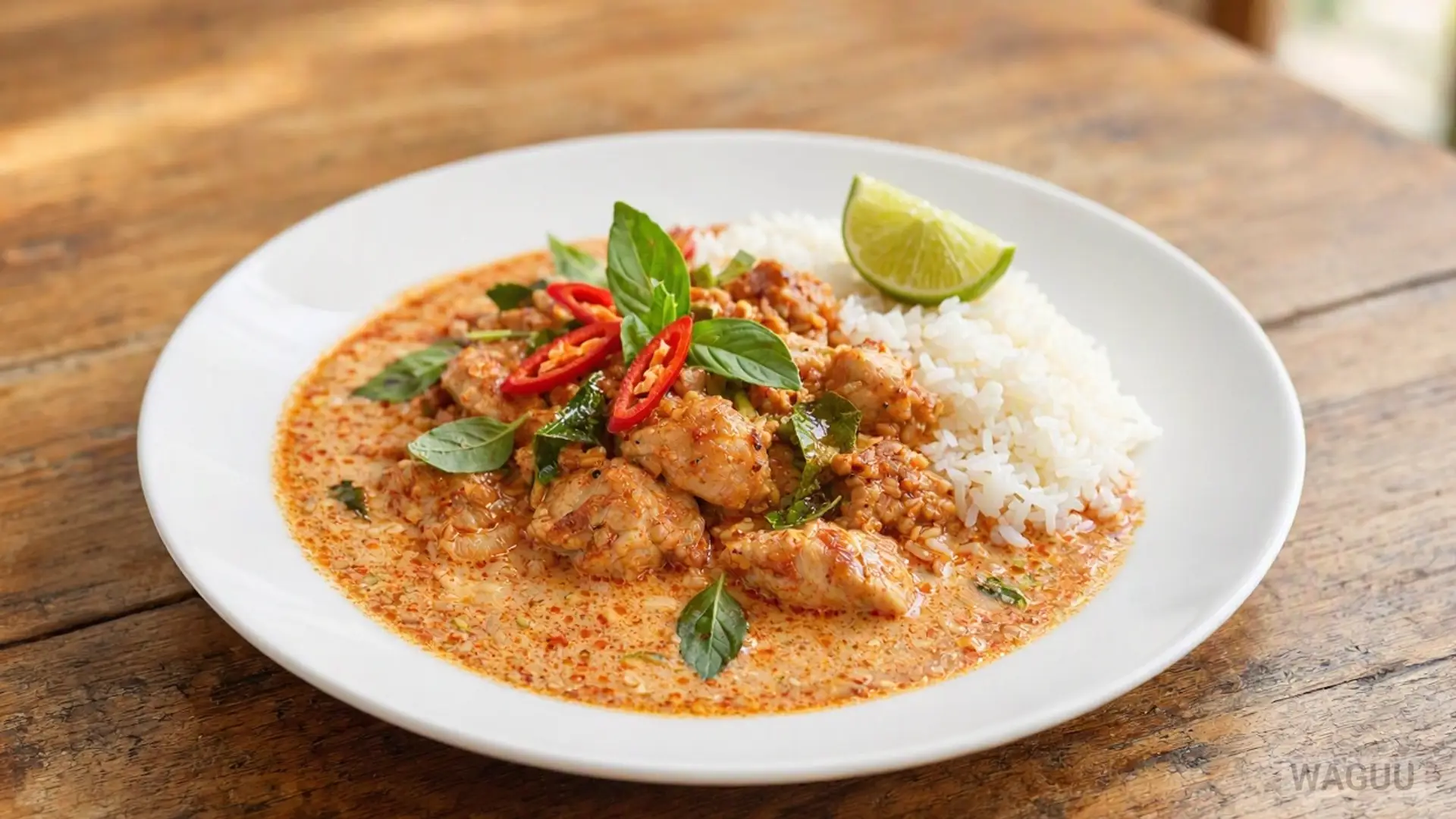
Thai cuisine is celebrated worldwide for its vibrant balance of sweet, sour, salty, and spicy flavors. This comprehensive guide delves into twelve iconic dishes that define the rich culinary heritage of Southeast Asia, offering detailed insights into ingredients, historical backgrounds, and professional preparation methods.
Quick overview
- Topic / Dish: 12 Most Popular Thai Dishes: Favorite Thai Cuisine Recipes
- Categories: Thai Cuisine, Main Dishes
- Cuisine: Thai
- Included variations: Pad Thai, Tom Yum Goong, Tom Kha Gai, Green Curry (Gaeng Keow Wan), Massaman Curry, Red Curry (Gaeng Phed)
- Key techniques: Stir-frying, Curry paste blending, Simmering coconut milk, Balancing flavor profiles
- Physical and chemical background: Emulsification of coconut fats, Maillard reactions in wok cooking, Acid-base flavor neutralization
- Common mistakes: Overcrowding the wok, boiling coconut milk too aggressively, using incorrect rice varieties
- In a nutshell: A complete exploration of Thailand’s most beloved street foods and royal court dishes
- Last updated: September 21, 2026
WAGUU says: “Mastering Thai cooking requires an understanding of how individual taste buds interact with dynamic aromatic compounds found in fresh lemongrass, galangal, and bird’s eye chilies.”
Key facts
| Prep time: | 20 minutes |
| Cook time: | 15 minutes |
| Main ingredient: | Rice noodles, coconut milk, jasmine rice |
| Servings: | 4 servings |
| Difficulty: | Intermediate |
Procedure at a glance
- Prepare and organize all fresh herbs, aromatics, and proteins before turning on the heat.
- Heat the wok or soup pot to the correct temperature depending on the specific dish requirements.
- Combine flavor bases, curries, or stir-fry sauces ensuring a harmonious balance of sweet, sour, and salty notes.
- Incorporate proteins and vegetables sequentially to prevent overcooking.
- Garnish generously with fresh herbs, crushed peanuts, or lime wedges before immediate serving.
In a nutshell
- Flavor Balance: Thai cuisine relies on the simultaneous presence of sweet, spicy, sour, and salty dimensions.
- Fresh Aromatics: Ingredients like galangal, lemongrass, and kaffir lime leaves form the aromatic backbone of soups and curries.
- Rice Staples: Jasmine rice and sticky rice accompany curries and stir-fries, serving as a neutral canvas for bold flavors.
- Wok Mastery: High-heat stir-frying ensures tender-crisp textures and smoky aromas in noodle and meat dishes.
- Regional Diversity: Dishes vary widely from the fiery salads of the Northeast to the rich, mild curries of the South.
- Result: An internationally acclaimed culinary tradition that delights the senses with vibrant colors and complex textures.
Who this guide is for: Beginner – home cooks looking to understand the fundamental building blocks of Thai flavor profiles without feeling overwhelmed. Intermediate – culinary enthusiasts eager to master authentic wok techniques and homemade curry pastes. Pro – professional chefs seeking deep historical context and precise ingredient ratios for classic Southeast Asian gastronomy.
The Twelve Pillars of Thai Cuisine
Pad Thai
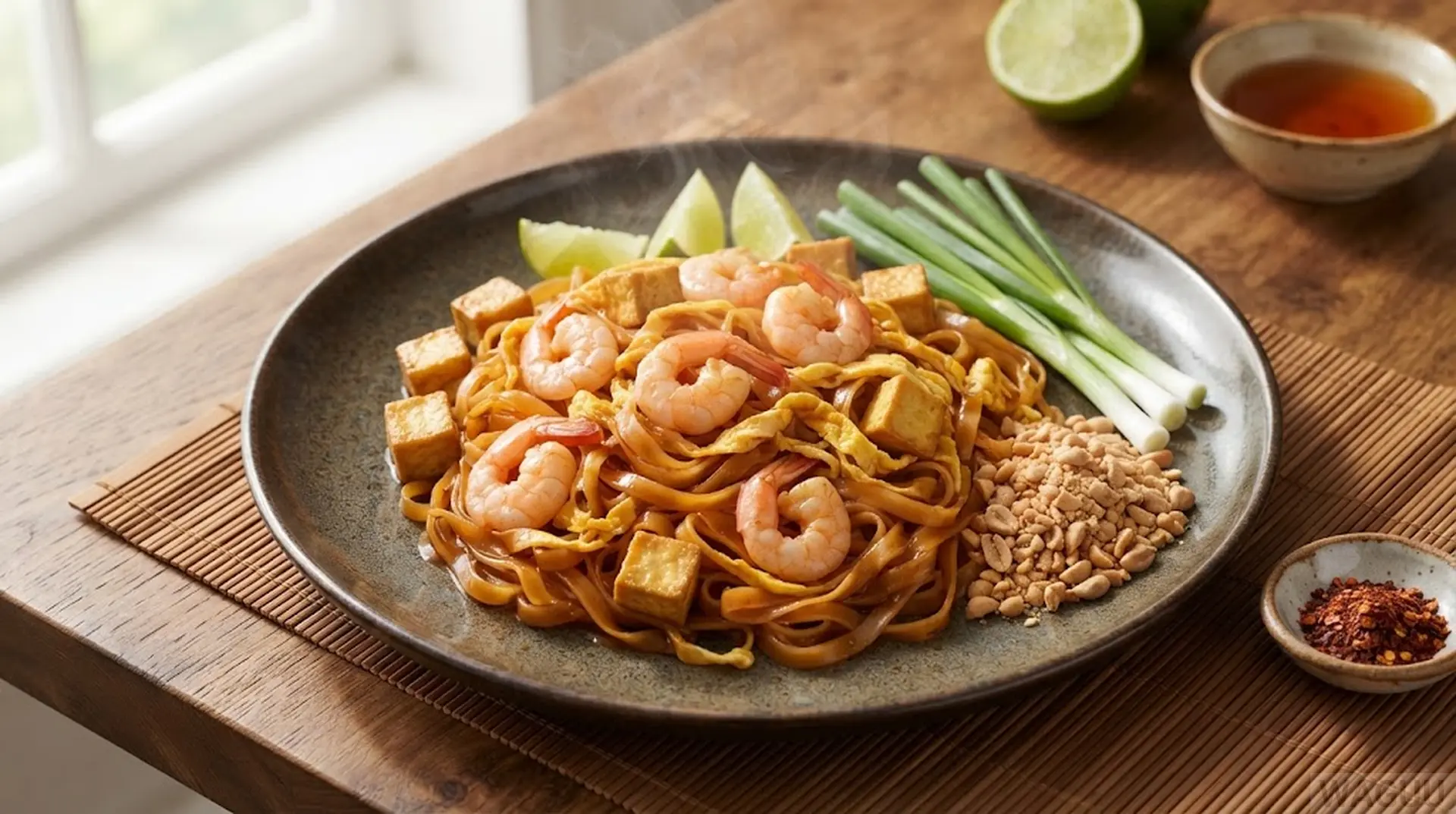
Pad Thai stands as arguably the most internationally recognized ambassador of Thai street food culture. This classic noodle dish transforms rehydrated dried rice noodles through a high-heat wok toss, marrying them with protein sources like succulent shrimp or tender chicken, firm pressed tofu, scrambled eggs, and crisp mung bean sprouts. The true soul of the dish lies in its meticulously concocted sauce, which blends tamarind paste for a sharp tang, fish sauce for umami depth, and palm sugar for a rounded sweetness. Garnished with crushed roasted peanuts and fresh lime wedges, it offers a brilliant textural interplay between chewy noodles, crunchy sprouts, and nutty toppings. Preparing authentic Pad Thai requires swift hand movements and precise heat control to ensure the noodles absorb the sauce without turning mushy. The inclusion of garlic chives and pickled radishes adds further regional complexity, making every single bite a masterclass in culinary balance. Whether enjoyed from a bustling Bangkok pavement cart or a refined home kitchen, Pad Thai remains an enduring favorite that captures the vibrant spirit of Thai gastronomy.
- Main ingredients: Rice noodles, shrimp, tofu, eggs, tamarind paste
- Prep time: 15 minutes
- Cook time: 10 minutes
- Servings: 4 servings
- Difficulty: Intermediate
- Soak the dried rice noodles in warm water until pliable but still firm to the bite.
- Heat oil in a wok over high heat, sauté garlic, tofu, and shrimp until fragrant.
- Push ingredients to the side, scramble the eggs in the center of the wok.
- Add drained noodles and sauce mixture, tossing vigorously until liquid is absorbed.
- Fold in bean sprouts and chives, then serve immediately with crushed peanuts and lime.
Tom Yum Goong
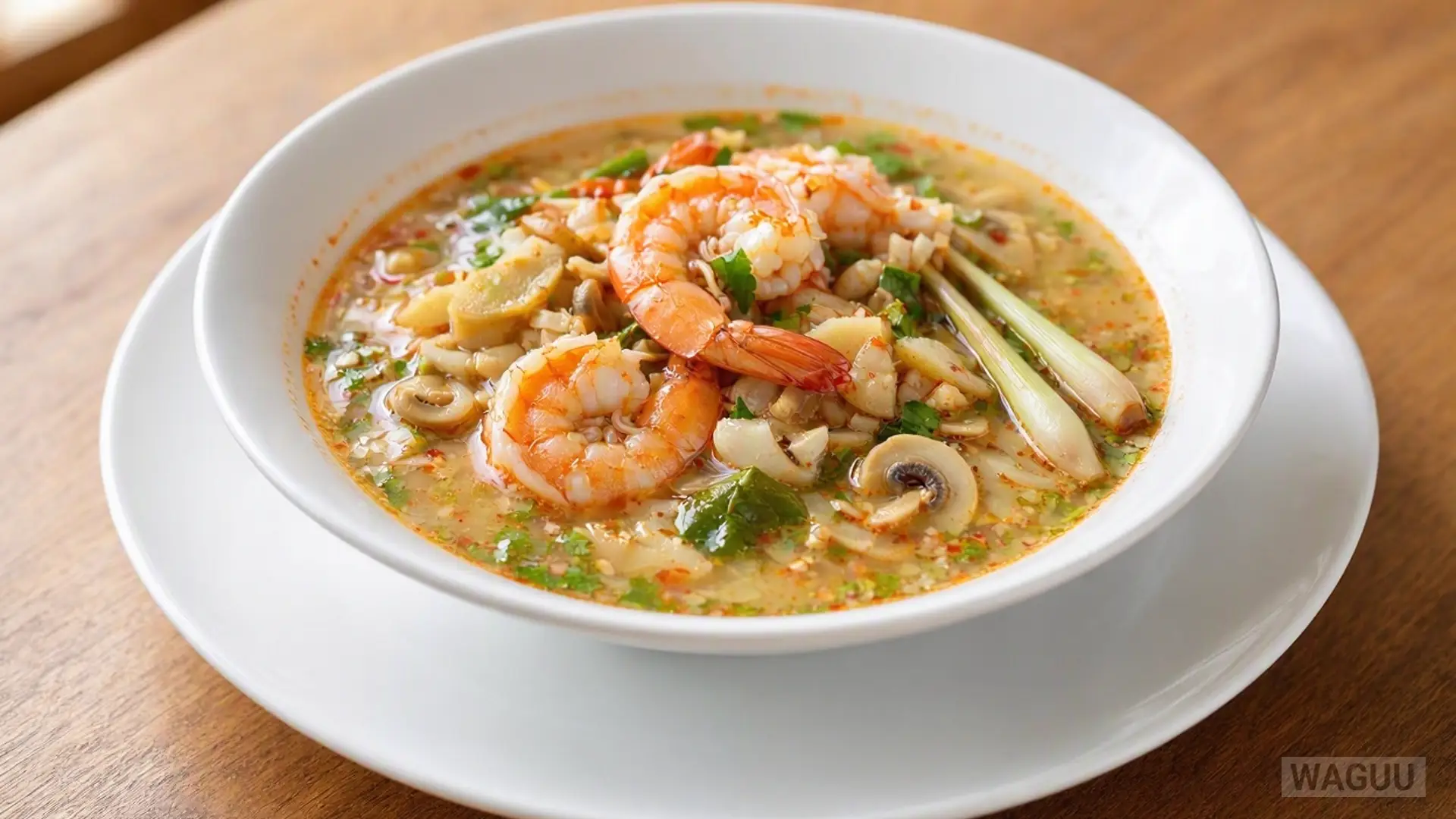
Tom Yum Goong is an iconic hot and sour soup that packs an aromatic punch capable of awakening every single palate receptor. This beloved preparation centers around fresh succulent shrimp simmered in a fragrant broth infused with bruised lemongrass stalks, sliced galangal root, torn kaffir lime leaves, crushed bird’s eye chilies, and freshly squeezed lime juice. The interplay of fiery chili heat and sharp citrus acidity creates an invigorating profile that is both comforting and electrifying. Mushrooms, often straw mushrooms or button varieties, soak up the intensely flavored liquid while providing a tender bite. Fish sauce adds a salty foundation that rounds out the sharper citrus notes, while fresh cilantro or culantro leaves provide an herbaceous finish. Traditionally served piping hot, Tom Yum Goong is enjoyed either as a standalone starter or paired alongside steamed jasmine rice as part of a multi-course family meal. Its reputation as a restorative elixir is well-earned, offering soothing warmth laced with exhilarating spice.
- Main ingredients: Shrimp, lemongrass, galangal, kaffir lime leaves, chili
- Prep time: 15 minutes
- Cook time: 15 minutes
- Servings: 4 servings
- Difficulty: Easy
- Bring chicken stock or water to a boil with bruised lemongrass, galangal, and lime leaves.
- Add sliced mushrooms and shrimp, simmering gently until the shrimp turn pink and opaque.
- Stir in roasted chili paste for color and depth, then remove the pot from the direct heat source.
- Season generously with fresh lime juice and premium fish sauce to taste.
- Garnish with chopped cilantro leaves and fresh bird’s eye chilies before serving hot.
Tom Kha Gai
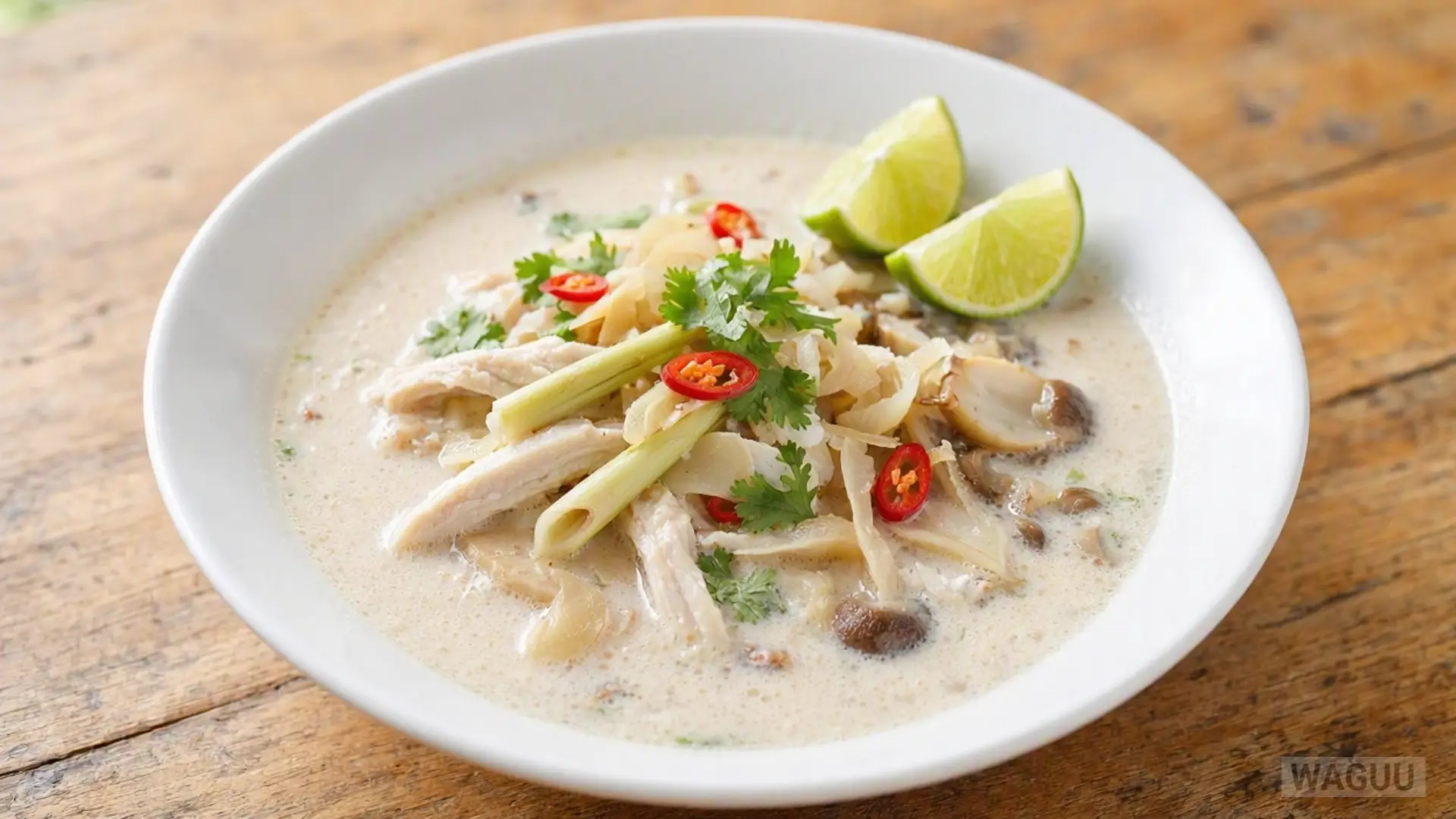
Tom Kha Gai offers a luxurious counterpart to its fiery cousin Tom Yum, utilizing rich coconut milk to temper the sharp edges of its aromatic ingredients. Tender pieces of chicken breast or thigh simmer slowly within a velvety coconut broth scented with thick slices of galangal, stalks of lemongrass, and earthy mushrooms. The word kha translates to galangal, highlighting the central role this citrusy, ginger-like root plays in defining the soup’s distinct character. Unlike clear broths, Tom Kha Gai achieves a harmonious creaminess that coats the palate without feeling overly heavy, balanced expertly by generous splashes of fresh lime juice and salty fish sauce. Roasted chili jam or crushed dried chilies can be added at the discretion of the diner to introduce a gentle warmth that contrasts beautifully with the sweet coconut base. Garnished with fragrant cilantro and scallions, this comforting soup provides an approachable yet deeply sophisticated introduction to the nuanced world of Thai flavor coordination.
- Main ingredients: Chicken, coconut milk, galangal, lemongrass, mushrooms
- Prep time: 15 minutes
- Cook time: 20 minutes
- Servings: 4 servings
- Difficulty: Easy
- Combine coconut milk and chicken stock in a pot, bringing to a gentle simmer over medium heat.
- Add sliced galangal, bruised lemongrass, and torn kaffir lime leaves to infuse the liquid.
- Incorporate diced chicken and mushrooms, cooking until the poultry is tender and fully cooked.
- Season with fish sauce and palm sugar, ensuring a balanced sweet and salty baseline.
- Turn off the heat, stir in fresh lime juice, and garnish with cilantro before serving.
Green Curry (Gaeng Keow Wan)
Green Curry, known in Thai as Gaeng Keow Wan, derives its vibrant hue and name from the generous incorporation of fresh green bird’s eye chilies pounded into its foundational curry paste. This aromatic paste is fried gently in rich coconut cream until the natural oils separate, releasing an intense wave of fragrance featuring lemongrass, galangal, kaffir lime peel, and fragrant coriander roots. Tender chunks of chicken, beef, or pork are subsequently simmered in the resulting emerald broth alongside traditional vegetables such as Thai round eggplants and pea eggplants. Sweet basil leaves tossed in at the very final stage impart an unmistakable anise-like aroma that defines the curry’s complex profile. Served alongside a steaming mound of jasmine rice, Green Curry delivers a spicy yet remarkably harmonious dining experience where creamy coconut milk softens the fiery impact of the green chilies. It represents a quintessential pillar of Thai curry artistry.
- Main ingredients: Coconut milk, green curry paste, chicken, Thai eggplant, basil
- Prep time: 20 minutes
- Cook time: 20 minutes
- Servings: 4 servings
- Difficulty: Intermediate
- Fry a portion of thick coconut cream in a wok until the oil begins to separate.
- Add green curry paste and fry until aromatic, stirring constantly to prevent burning.
- Incorporate sliced protein and continue cooking until sealed and coated in the paste.
- Pour in remaining coconut milk, add Thai eggplants, and simmer until tender.
- Season with fish sauce, palm sugar, and finish with fresh sweet basil leaves.
Massaman Curry
Massaman Curry stands apart from other Thai curries due to its distinct historical influences, drawing heavily from Indian and Malay trade routes that introduced warm, dry spices to southern Thailand. Unlike its fiery green and red counterparts, Massaman is characterized by a comforting, mild warmth derived from roasted spices such as cinnamon, cardamom, cloves, and star anise blended into a rich paste. Tender chunks of beef or chicken are braised for hours in thick coconut milk alongside soft potatoes and crunchy roasted peanuts until the meat practically melts on the tongue. A careful touch of tamarind paste provides a subtle tang that cuts through the rich, unctuous sauce, while palm sugar contributes a deep caramel sweetness. Often garnished with crispy fried shallots, Massaman Curry offers a deeply soothing and aromatic culinary experience that showcases the multicultural history woven into Thai gastronomy.
- Main ingredients: Coconut milk, potatoes, beef, peanuts, warm spices
- Prep time: 25 minutes
- Cook time: 90 minutes
- Servings: 4 servings
- Difficulty: Advanced
- Sauté thick coconut cream with Massaman curry paste until fragrant and oils separate.
- Add beef chunks, searing them gently before pouring in stock and remaining coconut milk.
- Simmer on low heat until the meat begins to tenderize, then add peeled potato chunks.
- Stir in roasted peanuts, tamarind paste, and palm sugar, simmering until potatoes are cooked.
- Garnish with crispy fried shallots and serve warm with jasmine rice.
Red Curry (Gaeng Phed)
Red Curry, known locally as Gaeng Phed, derives its striking crimson appearance and robust flavor from dried red spur chilies incorporated generously into its foundational paste. This versatile curry is slightly more fiery than Massaman yet approachable compared to jungle curries, utilizing a balanced base of garlic, shallots, galangal, lemongrass, and toasted cumin and coriander seeds. Slices of tender meat, duck, or firm tofu simmer in coconut milk alongside bamboo shoots, bell peppers, and fresh Thai basil leaves. The crimson sauce clings invitingly to every ingredient, delivering a complex wave of savory, sweet, and moderately spicy notes with each mouthful. Traditionally spooned generously over fluffy jasmine rice, Red Curry represents a cornerstone of everyday Thai cooking, offering endless adaptability through seasonal vegetables and preferred protein choices.
- Main ingredients: Coconut milk, red curry paste, meat, bamboo shoots, basil
- Prep time: 20 minutes
- Cook time: 25 minutes
- Servings: 4 servings
- Difficulty: Intermediate
- Heat coconut cream in a wok and fry red curry paste until deeply aromatic.
- Add sliced meat and stir-fry until coated and sealed by the fragrant paste.
- Pour in remaining coconut milk, add bamboo shoots and sliced bell peppers.
- Simmer until vegetables are tender and meat is fully cooked through.
- Season with fish sauce and palm sugar, finish with fresh Thai basil leaves, and serve.
Som Tam
Som Tam is a vibrant, refreshing green papaya salad originating from the northeastern region of Isan, renowned for its explosive combination of sharp, sour, sweet, and spicy elements. Unripe green papaya is shredded into crisp, crunchy matchsticks and pounded in a traditional clay mortar alongside garlic, bird’s eye chilies, roasted peanuts, dried shrimp, cherry tomatoes, and long beans. The dressing consists of freshly squeezed lime juice, pungent fish sauce, and palm sugar, which meld together when pounded with the solid ingredients. Every bite delivers a brilliant contrast between the neutral crunch of the papaya and the intense dressing flavors. Often accompanied by sticky rice and grilled chicken, Som Tam serves as an invigorating palate cleanser that highlights the lighter, herb-forward side of Thai culinary art.
- Main ingredients: Green papaya, chili, garlic, lime, fish sauce, peanuts
- Prep time: 20 minutes
- Cook time: 0 minutes
- Servings: 4 servings
- Difficulty: Easy
- Pound garlic and bird’s eye chilies in a mortar until coarsely crushed.
- Add long beans and roasted peanuts, bruising them gently to release flavors.
- Toss in halved cherry tomatoes and shredded green papaya, mixing thoroughly.
- Drizzle with lime juice, fish sauce, and palm sugar syrup, pounding gently to absorb.
- Transfer to a serving plate and garnish with extra peanuts and fresh lime wedges.
Pad Kra Pao
Pad Kra Pao is the ultimate Thai comfort food, a lightning-fast stir-fry featuring minced or finely chopped pork, chicken, or beef tossed with an abundance of garlic, fiery bird’s eye chilies, and peppery holy basil. The dish relies on high-heat wok cooking where the meat absorbs a savory blend of soy sauce, oyster sauce, and fish sauce. Holy basil, distinct from sweet basil with its spicy, clove-like edge, is tossed in at the absolute last second to wilt in the residual heat, imparting an unmistakable aroma. Traditionally served over white jasmine rice and crowned with a crispy-edged fried egg whose runny yolk enriches the savory meat, Pad Kra Pao is a staple lunch choice across Thailand.
- Main ingredients: Ground meat, garlic, chili, holy basil, fried egg
- Prep time: 10 minutes
- Cook time: 8 minutes
- Servings: 2 servings
- Difficulty: Easy
- Mince garlic and bird’s eye chilies together into a coarse paste.
- Heat oil in a wok until smoking hot, add garlic and chili paste, and stir-fry briefly.
- Add ground meat, breaking it apart, and cook until browned through.
- Season with soy sauce, oyster sauce, and a pinch of sugar, tossing until combined.
- Turn off heat, stir in fresh holy basil leaves, and serve over rice with a fried egg.
Khao Pad
Khao Pad, or traditional Thai fried rice, is a masterclass in utilizing leftover cooked rice to create a satisfying, savory meal. Unlike heavier Chinese fried rice variations, Thai fried rice typically features jasmine rice tossed over high heat with garlic, onions, Chinese kale or tomatoes, and a choice of protein such as chicken, pork, or shrimp. Seasoned simply with fish sauce, light soy sauce, and white pepper, the grains achieve a light, separated texture without heavy greasiness. It is invariably served with cucumber slices, cilantro garnish, and a side of prik nam pla—fish sauce laced with sliced chilies—allowing diners to customize their seasoning.
- Main ingredients: Jasmine rice, egg, vegetables, meat, soy sauce
- Prep time: 10 minutes
- Cook time: 10 minutes
- Servings: 3 servings
- Difficulty: Easy
- Heat oil in a wok, add minced garlic and sliced meat, cooking until sealed.
- Push meat aside, crack eggs directly into the wok, and scramble softly.
- Add day-old cooked jasmine rice, breaking up any clumps with a spatula.
- Season with soy sauce, fish sauce, and white pepper, tossing until grains are hot and coated.
- Fold in diced tomatoes and green onions, then serve with cucumber and lime wedges.
Khao Soi
Khao Soi is a celebrated specialty of Northern Thailand, featuring flat yellow wheat noodles submerged in a rich, spiced coconut curry broth infused with influences from Myanmar and China. Tender braised chicken legs or beef sit within the aromatic soup, which balances creaminess with complex curry paste flavors. The dish’s hallmark feature is its dual texture: half the noodles are boiled softly in the broth, while the other half are deep-fried until golden and crispy, serving as a crunchy crown atop the bowl. Accompanied by pickled mustard greens, shallots, lime wedges, and chili oil, Khao Soi offers an unforgettable exploration of northern culinary traditions.
- Main ingredients: Egg noodles, coconut milk, curry broth, chicken, crispy noodles
- Prep time: 25 minutes
- Cook time: 40 minutes
- Servings: 4 servings
- Difficulty: Advanced
- Sauté Khao Soi curry paste in coconut milk until oils separate and fragrance releases.
- Add chicken pieces and chicken stock, simmering until the meat is fork-tender.
- Boil a portion of egg noodles until tender, and fry a separate portion until crispy.
- Combine boiled noodles and broth in a bowl, topping with the braised chicken.
- Garnish with crispy noodles, pickled mustard greens, shallots, and lime.
Satay Gai
Satay Gai consists of tender strips of chicken skewered on bamboo sticks, marinated in a fragrant blend of coconut milk, turmeric, cumin, and lemongrass, then grilled over charcoal until lightly charred. The golden skewers deliver a juicy interior complemented by smoky exterior notes. Central to the experience is the accompanying rich peanut sauce, crafted from ground peanuts, coconut milk, red curry paste, and tamarind, providing a creamy, nutty counterpart. A small side of cucumber relish—crisp cucumber cubes marinated in sweet vinegar—cuts through the richness, making Satay Gai an irresistible appetizer.
- Main ingredients: Chicken skewers, coconut milk, turmeric, peanut sauce
- Prep time: 30 minutes
- Cook time: 15 minutes
- Servings: 4 servings
- Difficulty: Intermediate
- Slice chicken breast into thin strips and thread onto soaked bamboo skewers.
- Marinate skewers in coconut milk, turmeric, coriander, and garlic for at least 30 minutes.
- Grill over medium-high heat, basting with remaining marinade until golden and cooked.
- Prepare peanut sauce by simmering ground peanuts, coconut milk, and curry paste.
- Serve hot grilled skewers alongside peanut sauce and cucumber relish.
Mango Sticky Rice (Khao Niao Mamuang)
Mango Sticky Rice, or Khao Niao Mamuang, is Thailand’s most beloved dessert, capturing the essence of tropical indulgence during peak mango season. Glutinous rice is soaked and steamed until translucent and tender, then enriched with a warm, sweetened coconut milk mixture that infuses every grain. Accompanied by slices of perfectly ripe, honey-sweet yellow mango, the warm rice is drizzled with a slightly salted coconut cream sauce that provides a magnificent flavor contrast. Topped with toasted mung beans or sesame seeds for a subtle crunch, this dessert is a harmonious celebration of contrasting temperatures and textures.
- Main ingredients: Sticky rice, coconut milk, ripe mango, sugar, salt
- Prep time: 4 hours
- Cook time: 30 minutes
- Servings: 4 servings
- Difficulty: Intermediate
- Soak glutinous rice in water for at least 4 hours, then steam until soft and tender.
- Warm coconut milk with sugar and salt until dissolved, reserving a small portion for topping.
- Mix warm sweetened coconut milk into the freshly steamed sticky rice, cover, and let absorb.
- Slice ripe mangoes into neat wedges and arrange alongside the warm sticky rice.
- Drizzle with remaining salted coconut cream and garnish with toasted sesame seeds.
Mango Sticky Rice (Khao Niao Mamuang)
The culinary landscape of Thailand offers an extraordinary journey through diverse regional flavors, aromatic herbs, and precise cooking techniques. Whether preparing a fiery wok-tossed noodle dish or a comforting coconut broth, understanding these foundational recipes empowers home cooks to recreate authentic tastes.
By respecting ingredient origins and balancing the fundamental pillars of sweetness, acidity, saltiness, and heat, anyone can successfully bring the spirit of Thai street markets and royal kitchens into their own dining room.
Mastering Thai Kitchen Essentials
Equipping your kitchen with the correct tools and pantry staples is essential for successful Thai cooking. A seasoned carbon steel wok ensures optimal heat distribution for high-heat stir-fries, while a heavy granite mortar and pestle remains unmatched for releasing aromatic oils from lemongrass, galangal, and chilies. Stocking fish sauce, palm sugar, tamarind paste, and canned coconut milk guarantees you are always ready to execute authentic recipes.
| Ingredient | Culinary Function |
|---|---|
| Fish Sauce (Nam Pla) | Provides foundational umami and saltiness |
| Palm Sugar | Adds rounded caramel sweetness to balance heat |
| Tamarind Paste | Introduces natural tartness and fruity acidity |
| Kaffir Lime Leaves | Imparts distinctive citrus aroma to soups and curries |
WAGUU Pro Tip: When using dried kaffir lime leaves, fold them in half and tear out the center stem before shredding or dropping them into your soup to release maximum essential oils.
Frequently asked questions
What makes Thai food spicy?
Thai cuisine utilizes various chili peppers, most notably bird’s eye chilies (prik ki nu), which contain capsaicin that stimulates heat receptors on the tongue.
Can I substitute dried herbs for fresh in Thai recipes?
While fresh lemongrass, galangal, and kaffir lime leaves yield the best authentic flavor, frozen or dried alternatives can be used if fresh ingredients are unavailable.
How do I store leftover curry paste?
Homemade or opened store-bought curry paste can be stored in an airtight container in the refrigerator for up to two weeks or frozen in portions for several months.
Is Thai food naturally gluten-free?
Many Thai dishes are naturally gluten-free as they rely on rice noodles and rice, but caution is needed with soy sauces and certain commercial curry pastes containing wheat derivatives.
Also known as: Thai Gastronomy, Siamese Cooking, Southeast Asian Cuisine
Author: WAGUU Petr & Team • Published: 24 Aug 2026 • Updated: 31 Oct 2026
Conclusion
Exploring the twelve most popular Thai dishes opens up a world of culinary excitement, balancing vibrant aromas and complex flavor combinations. By practicing essential techniques and utilizing authentic ingredients, home cooks can successfully recreate these beloved culinary masterpieces.
Choose your recipe
Select from our curated collection of authentic Thai recipes to start cooking today:
Pad Thai – Famous Thai stir-fried rice noodles with shrimp, egg, and tamarind sauce.
Tom Yum Goong – Spicy and sour shrimp soup with lemongrass and galangal.
Tom Kha Gai – Aromatic coconut soup with chicken and mushrooms.
Green Curry (Gaeng Keow Wan) – Vibrant green curry with coconut milk and chicken.
Massaman Curry – Rich, mild curry with potatoes, peanuts, and warm spices.
Red Curry (Gaeng Phed) – Flavorful red curry prepared with meat and Thai basil.
Som Tam – Fresh and spicy green papaya salad with peanuts and lime.
Pad Kra Pao – Quick stir-fried minced meat with garlic, chili, and holy basil.
Khao Pad – Traditional Thai fried rice seasoned with soy and fish sauce.
Khao Soi – Northern Thai egg noodle soup in spiced coconut curry broth.
Satay Gai – Grilled marinated chicken skewers served with peanut sauce.
Mango Sticky Rice (Khao Niao Mamuang) – Popular dessert made with sticky rice and ripe mango.
Other possible variations
Vegetarian Pad Thai
This plant-based adaptation replaces fish sauce with soy sauce or mushroom vegetarian sauce and omits shrimp entirely, relying on extra firm tofu and shiitake mushrooms for savory depth while maintaining the signature tamarind flavor profile suitable for vegetarians.
Seafood Tom Yum
Expanding beyond standard shrimp, this variation incorporates a mixed medley of squids, mussels, and white fish fillets, offering a richer marine flavor profile that is ideal for seafood enthusiasts seeking a more robust, protein-dense soup experience.
Tom Kha Hed
Replacing chicken with a rich assortment of wild mushrooms such as king oyster and shiitake, this vegetarian adaptation preserves the velvety coconut broth and aromatic galangal notes while offering a lighter, earthy alternative for meatless diets.
Vegetarian Green Curry
Designed for plant-based diets, this version substitutes animal protein with an array of crisp vegetables like bamboo shoots, baby corn, and tofu puffs, utilizing vegetarian curry paste to ensure the iconic green flavor remains uncompromised.
Chicken Massaman Curry
Substituting beef with tender chicken thighs or drumsticks, this variation reduces cooking time while retaining the warm spiced coconut sauce and tender potatoes, making it a faster weeknight option for families.
Pork Red Curry
Replacing chicken with thinly sliced pork belly or tenderloin, this robust adaptation brings extra richness to the crimson coconut broth, pairing exceptionally well with bamboo shoots and fresh Thai sweet basil.
Som Tam Thai with Salted Egg
Incorporating cured salted duck egg wedges into the classic green papaya salad, this variation introduces a rich, savory contrast that balances the tart lime juice and spicy chilies with remarkable complexity.
Seafood Pad Kra Pao
Swapping minced meat for mixed prawns and squid, this variation delivers a seafood twist on the classic quick stir-fry, utilizing the same fiery garlic, chili, and holy basil aromatic base.
Pineapple Khao Pad
Featuring chunks of sweet fresh pineapple and cashews tossed directly into the fried jasmine rice, this variation introduces a tropical sweetness and textural crunch that appeals to fans of sweet-and-savory flavor combinations.
Beef Khao Soi
Replacing chicken with slow-braised beef shank, this northern Thai noodle soup variation offers a deeply beefy broth infused with warm spices and coconut milk, topped with crispy egg noodles.
Pork Satay
Utilizing marinated pork shoulder instead of chicken, these grilled skewers offer a slightly higher fat content that keeps the meat exceptionally juicy over charcoal flames, paired with standard peanut sauce.
Black Sticky Rice with Mango
Using nutritious black glutinous rice instead of white sticky rice, this rustic variation provides a nutrier flavor and striking visual contrast while retaining the sweet coconut cream and fresh mango pairing.
Shrimp Pad Thai
Focusing exclusively on plump freshwater prawns, this variation elevates the classic noodle dish with premium seafood sweetness, making it a favorite in coastal Thai restaurants.
Chicken Tom Yum
Substituting chicken pieces for shrimp in the clear hot and sour broth, this variation offers poultry lovers a lighter, aromatic soup option packed with lemongrass and galangal.
Tom Kha Pla
Featuring tender chunks of firm white fish instead of chicken, this seafood coconut soup variation provides a delicate alternative that absorbs the rich galangal and lemongrass broth effortlessly.
Duck Green Curry
Replacing standard chicken with roasted duck breast, this luxurious variation combines rich poultry flavor with sweet pineapple chunks and green curry paste for a banquet-style dish.
Lamb Massaman Curry
Using tender lamb shoulder chunks braised in spiced coconut milk, this variation offers a richer, gamey depth that pairs exceptionally well with potatoes and roasted peanuts.
Vegetable Red Curry
A purely vegetarian red curry featuring pumpkin, zucchini, and bell peppers simmered in coconut milk and red curry paste, delivering rich flavor without meat.
Som Tam Lao
Featuring fermented fish paste (pla ra) instead of standard fish sauce, this rustic papaya salad variation offers a much bolder, pungent flavor profile beloved in northeastern regions.
Crispy Pork Pad Kra Pao
Replacing minced meat with crispy Chinese pork belly (moo krob), this decadent stir-fry adds incredible crunch and rich pork flavor to the garlic, chili, and basil base.
Crab Khao Pad
Elevating standard fried rice with sweet lump crab meat, this luxurious variation is often served at celebratory gatherings and upscale coastal dining establishments in Thailand.
Vegetarian Khao Soi
A plant-based adaptation of the northern noodle soup, utilizing vegetable broth, fried tofu, and mushrooms while maintaining the spiced coconut curry base and crispy noodle topping.
Tofu Satay
Swapping chicken for firm marinated tofu cubes, this vegetarian satay variation provides a protein-packed grilled skewer option served alongside the traditional peanut dipping sauce.
Durian Sticky Rice
Replacing ripe mango with creamy segments of fresh durian fruit, this seasonal variation offers adventurous dessert lovers a rich, custard-like alternative to the classic sticky rice treat.
Know another variation? Add your own suggestion below.
Missing a recipe?
Tell us what recipe you would like us to add. We will do our best to publish it soon!
Frequently asked questions about other variations
- Are vegetarian Thai variations authentic? Yes, many Thai recipes have vegetarian roots, especially during Buddhist observance periods, using tofu and mushrooms for protein.
- Can I freeze leftover curry sauces? Most coconut-based curries can be frozen for up to one month, though potato textures may soften slightly upon thawing.
- What is the best rice for Thai dishes? Jasmine rice is ideal for curries and stir-fries, while glutinous (sticky) rice is reserved for specific regional dishes and desserts.
- How do I adjust spice levels in Thai cooking? Control heat by reducing the number of bird’s eye chilies or removing their seeds before pounding into pastes.
- Is holy basil interchangeable with sweet basil? They have distinct flavor profiles; holy basil offers a peppery, clove-like kick, whereas sweet basil tastes anise-like.
- Can I make curry pastes in advance? Absolutely, homemade pastes store well in airtight jars in the refrigerator for two weeks or frozen for longer shelf life.
- Why did my coconut milk separate? Simmering coconut milk too rapidly causes fats to separate from water, which is actually desirable when frying curry pastes.
- What substitute works for fish sauce? Tamari or soy sauce combined with a pinch of sea salt can substitute fish sauce in vegetarian adaptations.
Contact: 12-most-popular-thai-dishes-favorite-thai-cuisine-recipes-us@waguu.online