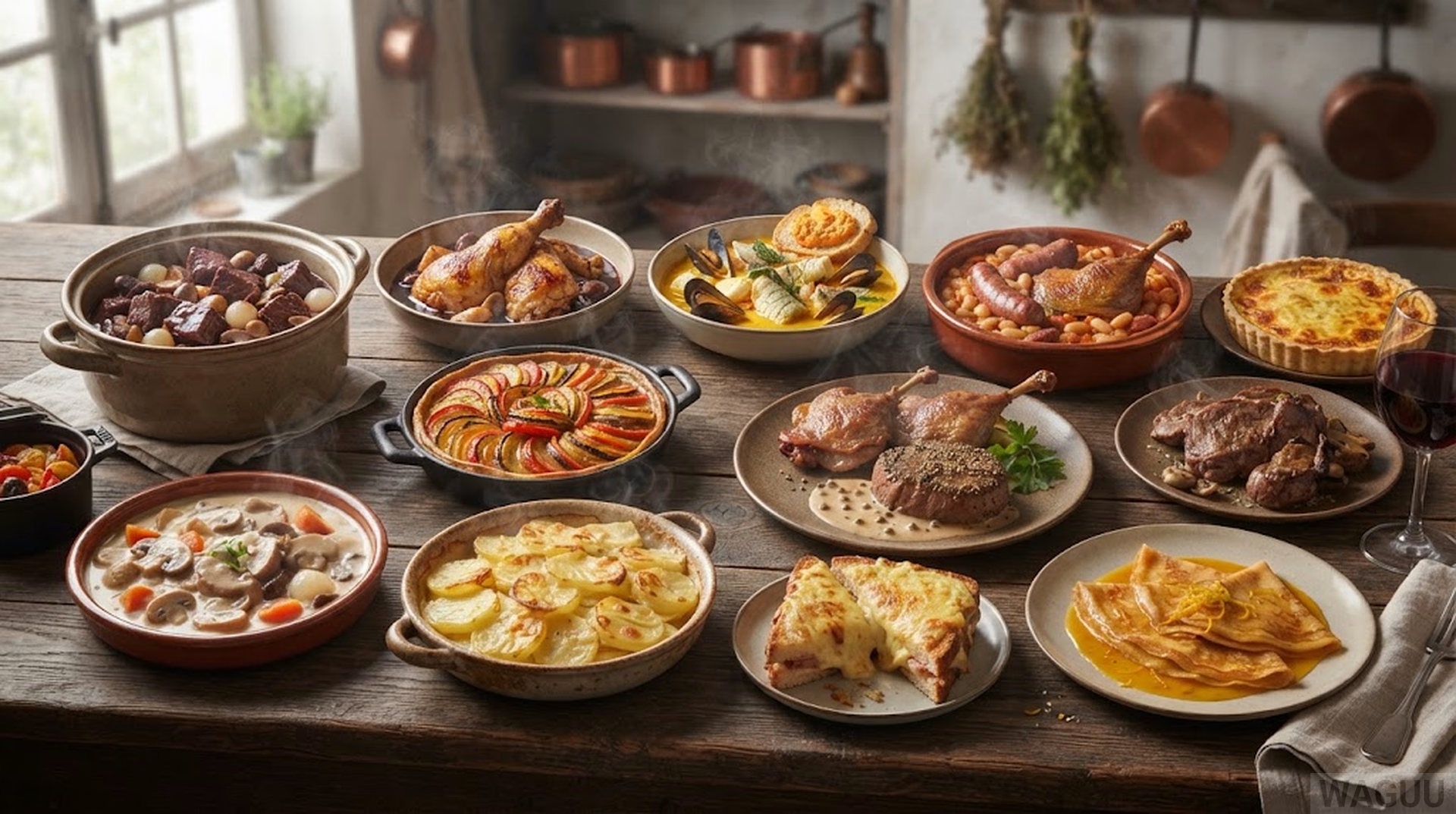
Summary: A complete guide to the twelve most famous dishes of French cuisine – from slow-braised Boeuf Bourguignon to delicate Crêpes Suzette. Each dish is explained with its history, key ingredients, and cooking techniques. For anyone who wants to understand French cooking beyond the clichés.
Category: Articles |
Reading time: 18 minutes
Photo gallery from the process
Have you cooked any of these dishes? Share a photo in the comments under the recipe – we will add it to the gallery. Did you film a video? Paste a link to YouTube, YouTube Shorts, TikTok, Instagram Reels, Facebook Reels, Pinterest, Vimeo or X (Twitter) in the comments and we will publish it.
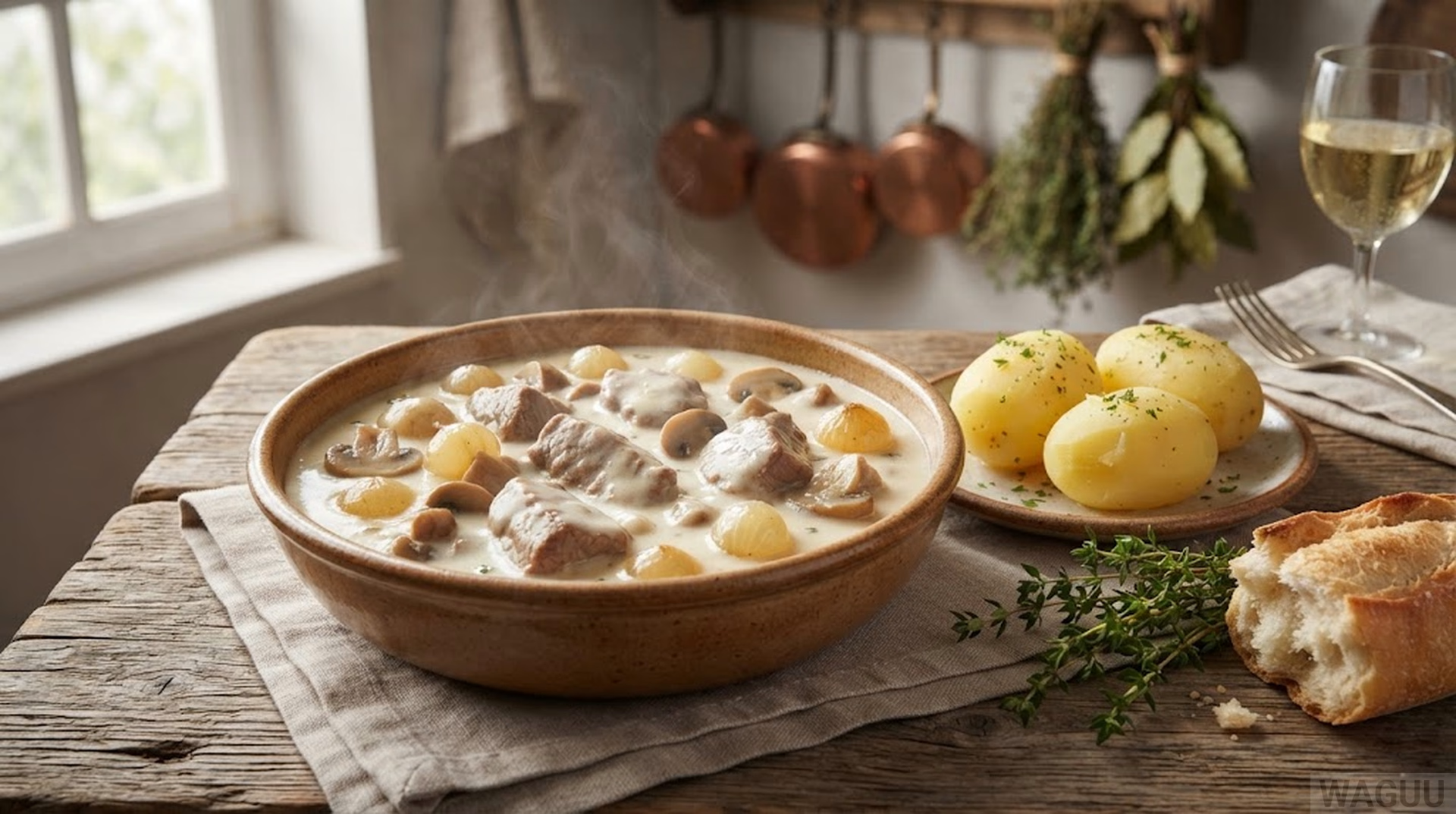
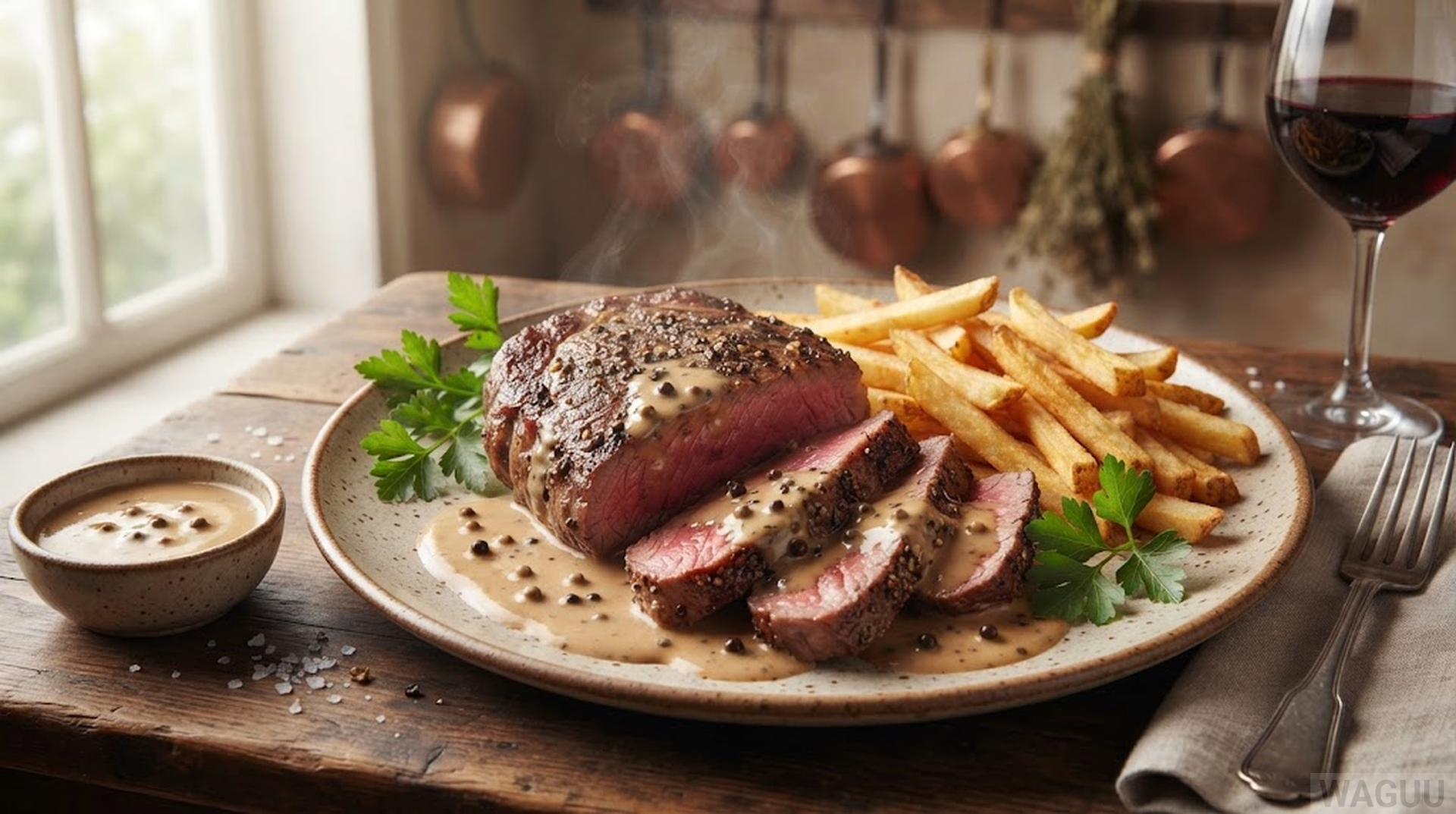
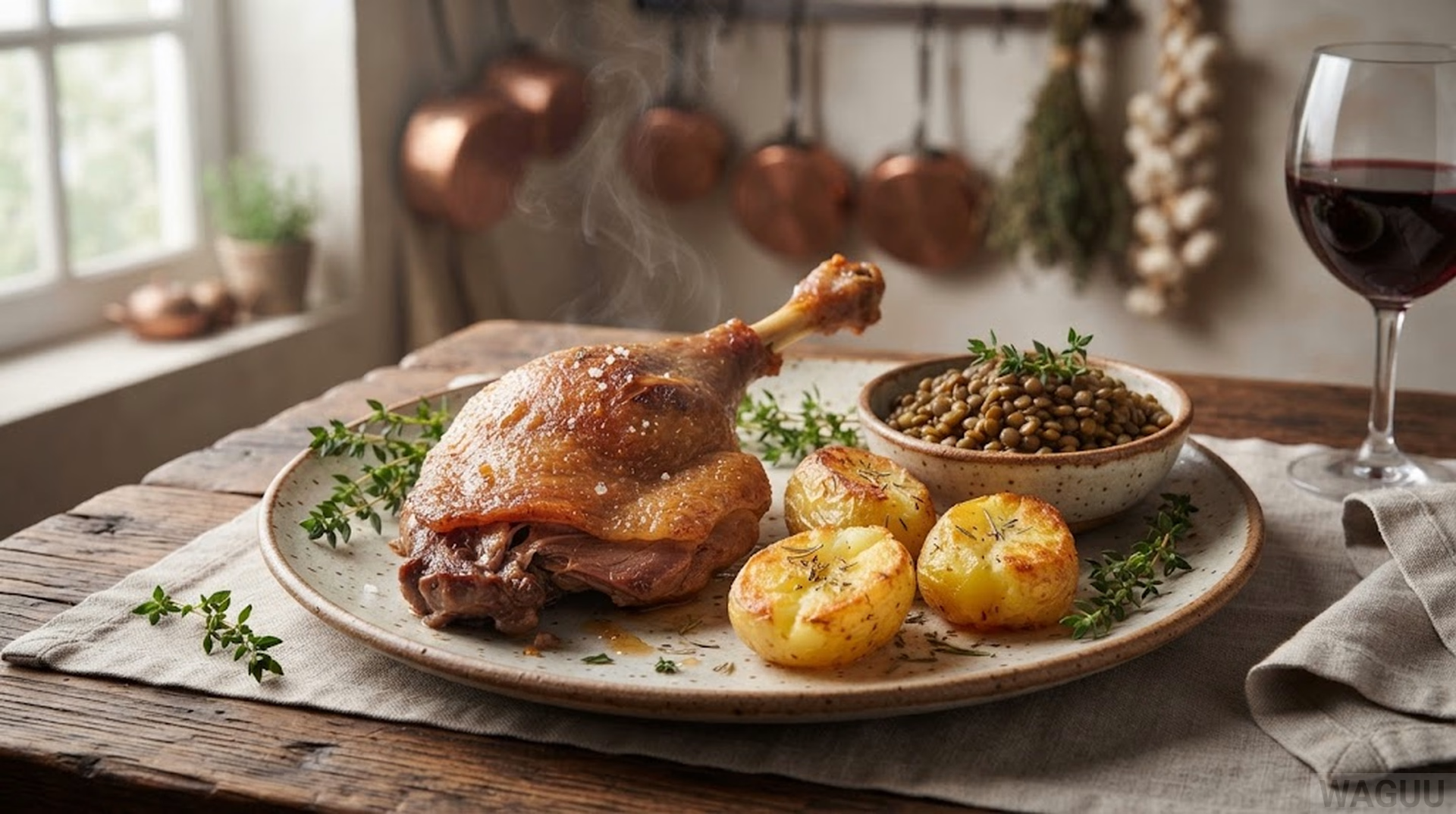
French cuisine has shaped Western cooking more than any other tradition. Its techniques – the mother sauces, the precise knife work, the patience of slow braising – form the foundation of professional kitchens worldwide. But behind the technique lies something simpler: a respect for ingredients and a refusal to rush. This guide presents twelve dishes that define French cooking, each with its own character, region, and story.
Quick overview
- Topic / Dish: Twelve iconic French dishes
- Category: Main dishes, desserts, soups
- Cuisine: French
- Included recipes: Boeuf Bourguignon, Coq au Vin, Bouillabaisse, Cassoulet, Ratatouille, Quiche Lorraine, Confit de Canard, Steak au Poivre, Blanquette de Veau, Gratin Dauphinois, Croque Monsieur, Crêpes Suzette
- Key techniques: Slow braising, confit, poaching, gratinating, flambéing
- Physico-chemical background: Collagen conversion during slow braising, Maillard reactions during searing, starch gelatinisation in gratins
- Common mistakes: Rushing the braise, using the wrong cut of meat, overcrowding the pan, skipping the rest
- In short: French cooking is not complicated – it is patient.
- Last updated: 24. 9. 2026
WAGUU says: “French cuisine is built on technique, but it is remembered for flavour. Learn the technique once and you will cook French food for life.”
Key facts
| Prep time: | Varies by dish (20–60 minutes) |
| Cooking time: | Varies by dish (30 minutes – 4 hours) |
| Main ingredient: | Beef, chicken, fish, vegetables, duck |
| Servings: | 6 per recipe |
| Difficulty: | Medium to advanced |
Process in short
- Choose your dish – meat, fish, vegetable, or dessert.
- Prepare the base – sear the meat, sweat the vegetables, build the sauce.
- Cook slowly – braise, poach, or bake according to the dish.
- Rest and finish – let the meat rest, adjust the seasoning, add the final touch.
- Serve – with the right side dish and a glass of wine.
At a glance
- Region: Each dish comes from a different region – Burgundy, Provence, Alsace, Languedoc, Normandy.
- Technique: French cooking relies on slow braising, precise heat control, and the mother sauces.
- Ingredients: Wine, butter, cream, shallots, garlic, herbs – the building blocks of French flavour.
- Patience: Most French dishes cannot be rushed. The best results come from slow cooking.
- Seasonality: French cuisine respects the seasons – spring vegetables, autumn game, winter braises.
- Result: Dishes that taste of place, technique, and time.
Who is this guide for: Beginner – Learn the basic techniques of French cooking through simple dishes like Quiche Lorraine or Ratatouille. Intermediate – Master the braises and sauces with Boeuf Bourguignon or Coq au Vin. Professional – Refine your technique with Confit de Canard or Blanquette de Veau.
The twelve dishes
Each dish below represents a different region, technique, and aspect of French cooking. Together they form a complete picture of what French cuisine is – not just the food, but the approach.
Boeuf Bourguignon – Slow-braised beef in red wine
Boeuf Bourguignon comes from Burgundy, a region known for its red wines. The dish is simple in concept: beef braised slowly in red wine with onions, mushrooms, and bacon. The wine does the work – its acidity breaks down the meat fibres while its tannins add depth. The key is patience. Two to three hours of gentle simmering transforms tough cuts into fork-tender meat. The sauce is not thickened with flour but reduced naturally. Serve with boiled potatoes, crusty bread, or buttered noodles.
Coq au Vin – Chicken braised in red wine
Coq au Vin is the chicken version of the same technique – slow braising in red wine with bacon, onions, and mushrooms. The name means “rooster in wine”, and originally it was made with an older bird, which required long cooking. Today, a good free-range chicken works perfectly. The dish is finished with a knob of butter and a splash of cognac, which adds warmth and complexity. The sauce should be glossy, not thick. Serve with mashed potatoes or fresh bread.
Bouillabaisse – Provençal fish stew
Bouillabaisse comes from Marseille and is a fish stew made with at least four different types of fish and seafood. The broth is flavoured with saffron, fennel, garlic, and orange peel. Traditionally, the broth is served first with croutons and rouille, then the fish is served separately. The key is to use fresh fish and not overcook it – each type of fish has its own cooking time. The broth should be rich and slightly spicy. Serve with toasted bread rubbed with garlic.
Cassoulet – White bean and meat stew
Cassoulet comes from the south-west of France, near Toulouse. It is a rich, slow-cooked stew of white beans, duck or goose confit, and pork. The dish is named after the cassole, the deep earthenware pot it is traditionally cooked in. The beans absorb the flavours of the meat and the stock, becoming creamy and rich. The top is often covered with breadcrumbs and grilled until golden. It is a winter dish – heavy, warming, and deeply satisfying.
Ratatouille – Provençal vegetable stew
Ratatouille is a vegetable dish from Nice, made with aubergine, courgette, tomato, pepper, onion, and herbs. Each vegetable is traditionally cooked separately before being combined, which preserves its texture and flavour. The result is a dish where each element is distinct, not a mush. It can be served hot, warm, or cold, and it tastes better the next day. Serve with crusty bread, rice, or as a side dish to grilled meat.
Quiche Lorraine – Bacon and egg tart
Quiche Lorraine comes from the Lorraine region and is the original quiche – a shortcrust pastry case filled with an egg and cream custard and smoked bacon. The key is the custard: it should be just set, not rubbery. The bacon provides salt and smoke, so no additional seasoning is needed. Some versions add cheese, but the classic does not. Serve warm or at room temperature with a green salad.
Confit de Canard – Duck legs preserved in duck fat
Confit de Canard is a traditional speciality of south-west France. Duck legs are cured in salt, then cooked slowly in duck fat at a low temperature until tender. The meat becomes rich and silky, almost falling off the bone. The fat can be reused. After cooking, the duck can be stored in the fat for weeks. To serve, the skin is crisped in a hot pan. Serve with potatoes sautéed in duck fat, or with a sharp salad.
Steak au Poivre – Pepper steak
Steak au Poivre is a bistro classic – a beef steak coated in crushed peppercorns and seared in a hot pan. The pepper forms a crust and releases its heat into the sauce. The sauce is made with cream, cognac, and the pan juices. The key is to use a good cut of beef – sirloin or fillet – and not to overcook it. The pepper should be crushed, not ground, so it does not burn. Serve with chips or sautéed potatoes.
Blanquette de Veau – Veal in white cream sauce
Blanquette de Veau is a delicate stew of veal in a white sauce, made without browning the meat. The veal is poached gently with carrots, onions, and mushrooms, then the stock is thickened with a roux and enriched with cream and egg yolk. The result is pale, creamy, and mild. The dish is often served with rice or boiled potatoes. It is a classic of French home cooking – comforting and elegant at the same time.
Gratin Dauphinois – Potato and cream gratin
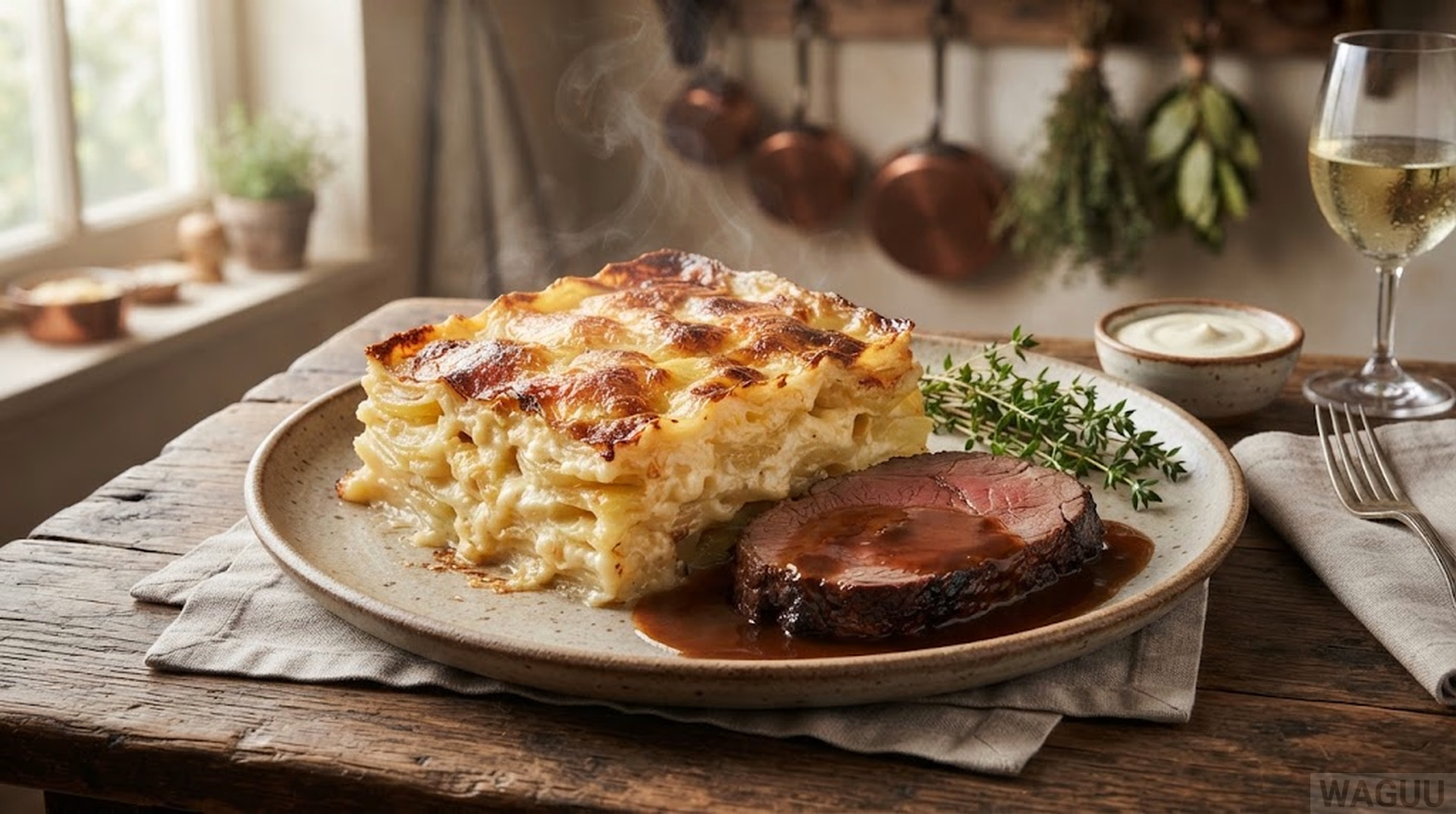
Gratin Dauphinois comes from the Dauphiné region and is made with thinly sliced potatoes baked in cream and garlic. The potatoes release their starch, which thickens the cream into a rich sauce. The top becomes golden and crisp. The dish is simple but requires patience – the potatoes must be sliced thinly and evenly. It is the perfect side dish for roasted meat or a simple green salad.
Croque Monsieur – Grilled ham and cheese sandwich
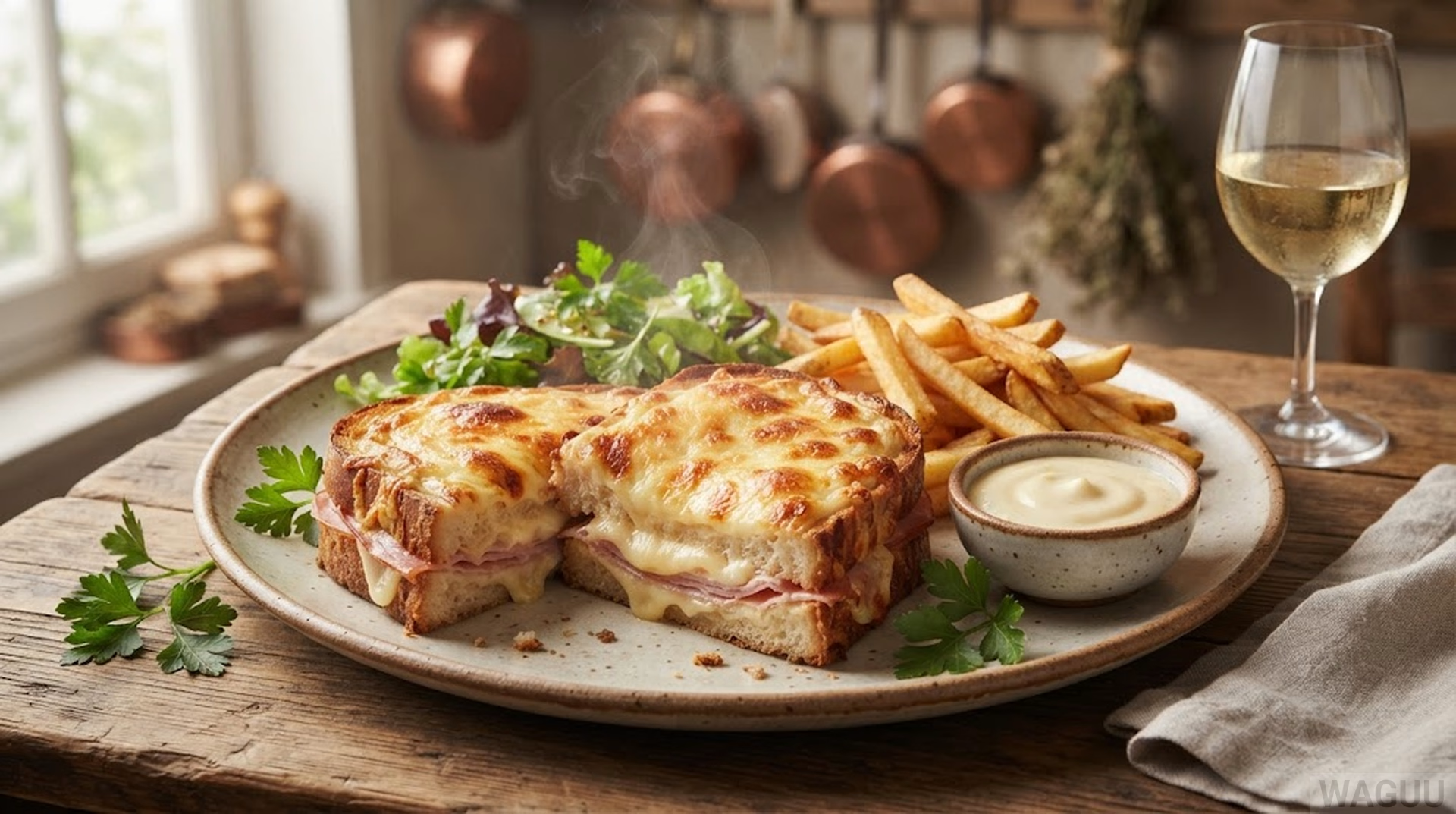
Croque Monsieur is a bistro classic – a grilled sandwich with ham and cheese, often topped with béchamel. The name means “mister crunch”, referring to the toasted bread. The cheese is usually Gruyère or Emmental. The sandwich is grilled or baked until the cheese melts and the top is golden. A fried egg on top makes it a Croque Madame. Serve with a green salad and a glass of cold beer.
Crêpes Suzette – Orange pancakes flambéed
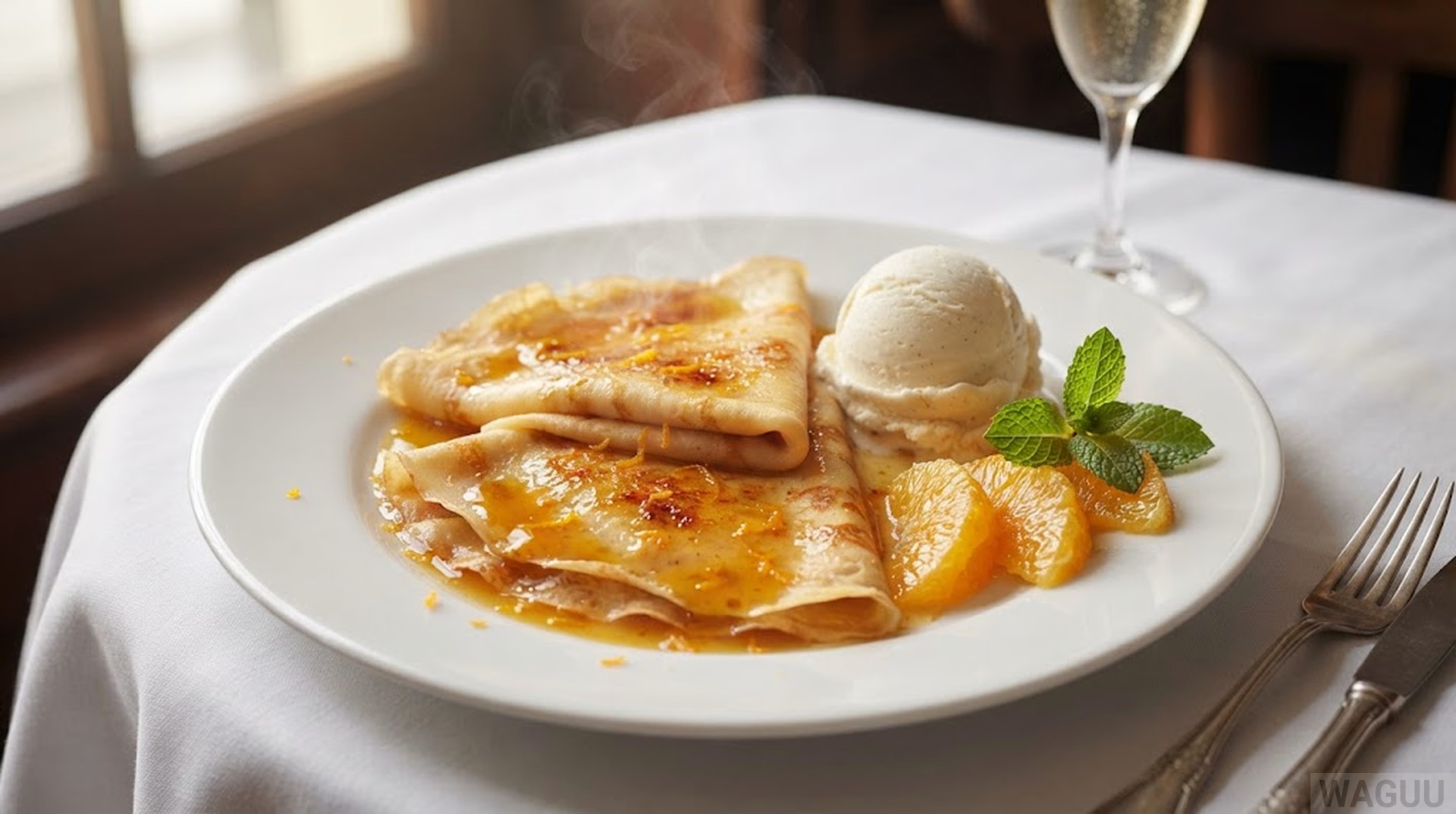
Crêpes Suzette are thin French pancakes served with a warm orange sauce made from butter, sugar, orange juice, and zest. The dish is traditionally flambéed with Grand Marnier or Cointreau at the table, which adds drama and a subtle caramel flavour. The pancakes should be thin and delicate. The sauce should be glossy and slightly thick. Serve immediately, as the dish is best when hot.
Regional map of French cuisine
Each region of France has its own specialities, shaped by climate, terrain, and history. The north is known for butter, cream, and apples. The south for olive oil, tomatoes, and herbs. The west for seafood and salt. The east for charcuterie and wine. Understanding these regional differences helps you understand the dishes themselves.
| Region | Key ingredients | Representative dish |
|---|---|---|
| Burgundy | Red wine, beef, mushrooms | Boeuf Bourguignon |
| Provence | Olive oil, tomatoes, herbs | Ratatouille, Bouillabaisse |
| Languedoc | White beans, duck, pork | Cassoulet |
| Alsace-Lorraine | Bacon, cream, eggs | Quiche Lorraine |
| South-West | Duck fat, garlic, potatoes | Confit de Canard |
| Normandy | Cream, butter, apples | Blanquette de Veau |
| Dauphiné | Potatoes, cream, garlic | Gratin Dauphinois |
WAGUU Pro Tip: When cooking French food, taste as you go. French cuisine is about balance – salt, acid, fat, and sweetness. A dish that tastes flat usually needs a squeeze of lemon or a pinch of salt, not more cream.
Frequently asked questions
What makes French cuisine different from other cuisines?
French cuisine is built on technique – the mother sauces, precise heat control, and slow cooking. But it is also about respect for ingredients. French cooks do not mask flavours; they enhance them.
Which dish should I start with as a beginner?
Start with Quiche Lorraine or Ratatouille. Both are forgiving, use simple ingredients, and teach you the basics of French cooking – custard and vegetable cookery.
Do I need special equipment?
No. A heavy casserole dish, a good knife, and a frying pan are enough for most dishes. A cast-iron pot is useful for braises, but any heavy pot works.
Can I make these dishes ahead of time?
Yes. Braises like Boeuf Bourguignon and Coq au Vin taste better the next day. Confit de Canard can be stored for weeks. Quiche can be served warm or at room temperature.
Also known as: French cooking, cuisine française, classic French dishes
Author: WAGUU Petr & Team • Published: 25 Sep 2026
Conclusion
French cuisine is not about complexity – it is about patience and respect. The dishes in this guide have survived for centuries because they work. They are not difficult, but they cannot be rushed. Choose one, cook it slowly, and you will understand why French cooking remains the benchmark for Western cuisine.
Choose your recipe
Each recipe below is a complete guide with precise quantities, step-by-step instructions, and professional tips.
Boeuf Bourguignon – Slow-braised beef in red wine with onions, mushrooms, and bacon.
Coq au Vin – Chicken braised in red wine with bacon, onions, and mushrooms.
Bouillabaisse – Provençal fish stew with saffron, fennel, and garlic.
Cassoulet – White bean stew with duck confit and pork.
Ratatouille – Provençal vegetable stew with aubergine, courgette, and tomato.
Quiche Lorraine – Shortcrust pastry tart with bacon and egg custard.
Confit de Canard – Duck legs slowly cooked in duck fat.
Steak au Poivre – Pepper-crusted steak with creamy pepper sauce.
Blanquette de Veau – Veal in white cream sauce with mushrooms.
Gratin Dauphinois – Sliced potatoes baked in cream and garlic.
Croque Monsieur – Grilled ham and cheese sandwich with béchamel.
Crêpes Suzette – Thin pancakes with orange sauce, flambéed.
Other possible variations
Boeuf Bourguignon Blanc
A white wine version from the Jura region. Use a dry white wine instead of red, and add mushrooms and cream at the end. The result is lighter and more delicate, but still rich. Perfect for those who find red wine braises too heavy.
Coq au Riesling
The Alsatian version of Coq au Vin, made with Riesling instead of red wine. The sauce is cream-based and slightly sweeter. It pairs beautifully with the region’s charcuterie and sauerkraut. A good introduction to Alsatian cooking.
Bouillabaisse with Rouille
The classic Marseille version, served with rouille – a garlic and saffron mayonnaise – and toasted bread. The rouille is stirred into the broth at the table, adding richness and heat. Some versions also include potatoes and mussels.
Cassoulet de Castelnaudary
Considered by many to be the original cassoulet, made with pork and sausages but no duck or goose. The beans are cooked until creamy and the top is crusted with breadcrumbs. A simpler, more rustic version.
Ratatouille Confite
A slow-cooked version where the vegetables are cooked separately and then baked together for hours. The result is a concentrated, almost jam-like ratatouille. Serve cold as a spread on toast or as a side dish.
Quiche aux Poireaux
A leek version of the classic quiche, without bacon. The leeks are slowly cooked in butter until sweet and soft, then combined with the custard. A vegetarian alternative that is just as satisfying.
Confit de Canard with Honey
A modern variation where the duck legs are glazed with honey and soy sauce before crisping. The sweetness balances the richness of the duck. Serve with sautéed potatoes and a sharp salad.
Steak au Poivre Vert
Made with green peppercorns instead of black. The heat is milder and the flavour is fresher. The sauce is often finished with cream and a splash of brandy. A good choice for those who find black pepper too strong.
Blanquette de Veau with Mushrooms
A version that adds wild mushrooms – ceps, chanterelles, or morels – to the stew. The mushrooms add depth and earthiness. Soak dried mushrooms and use the soaking liquid as part of the stock.
Gratin Dauphinois with Cheese
A variation that adds Gruyère or Comté between the layers of potato. The cheese melts into the cream, creating a richer, more decadent dish. Not traditional, but delicious.
Croque Madame
The same sandwich topped with a fried egg. The runny yolk adds richness and makes the dish more substantial. Often served for lunch with a green salad and a glass of white wine.
Crêpes Suzette with Grand Marnier
The classic version uses Grand Marnier or Cointreau for flambéing. The alcohol burns off, leaving a subtle orange flavour. Some versions add a little grated orange zest to the batter.
Do you know another variation? Add your own suggestion below.
Missing a recipe?
Tell us what recipe you would like us to add. We will do our best to publish it soon!
Frequently asked questions about other variations
- Can I use white wine instead of red in Boeuf Bourguignon? Yes. Use a dry white wine from the Jura region and add cream at the end. The result is lighter but still rich.
- What is the difference between Coq au Vin and Coq au Riesling? Coq au Vin uses red wine and bacon. Coq au Riesling uses white wine and cream. The technique is the same.
- Can I make Bouillabaisse without saffron? Saffron is essential for the colour and flavour. If you cannot find it, use a pinch of turmeric for colour and a little extra fennel for flavour.
- Is Cassoulet always made with duck? No. The Castelnaudary version uses only pork. The Toulouse version adds duck or goose confit.
- Can I serve Ratatouille cold? Yes. It is often served at room temperature or cold the next day. The flavours deepen overnight.
- What is the difference between Quiche Lorraine and Quiche aux Poireaux? Quiche Lorraine contains bacon. Quiche aux Poireaux contains leeks and no bacon. Both use the same custard base.
- Can I reuse the duck fat from Confit de Canard? Yes. Strain it and store it in the fridge. It can be reused for roasting potatoes or making confit again.
- What is the best cut of beef for Steak au Poivre? Sirloin or fillet. Both are tender and cook quickly. Ribeye also works but has more fat.
- Can I make Blanquette de Veau with chicken? Yes. Use chicken thighs and reduce the cooking time. The result is lighter but still creamy.
- Can I add cheese to Gratin Dauphinois? Yes, but it is not traditional. Gruyère or Comté works well. Add it between the layers.
- What is the difference between Croque Monsieur and Croque Madame? Croque Madame has a fried egg on top. Croque Monsieur does not.
- Can I flambé Crêpes Suzette without alcohol? No. The flambé is part of the dish. If you cannot use alcohol, make the sauce without flambéing and add a little orange extract.
Contact: 12-most-famous-french-dishes-traditional-recipes@waguu.online