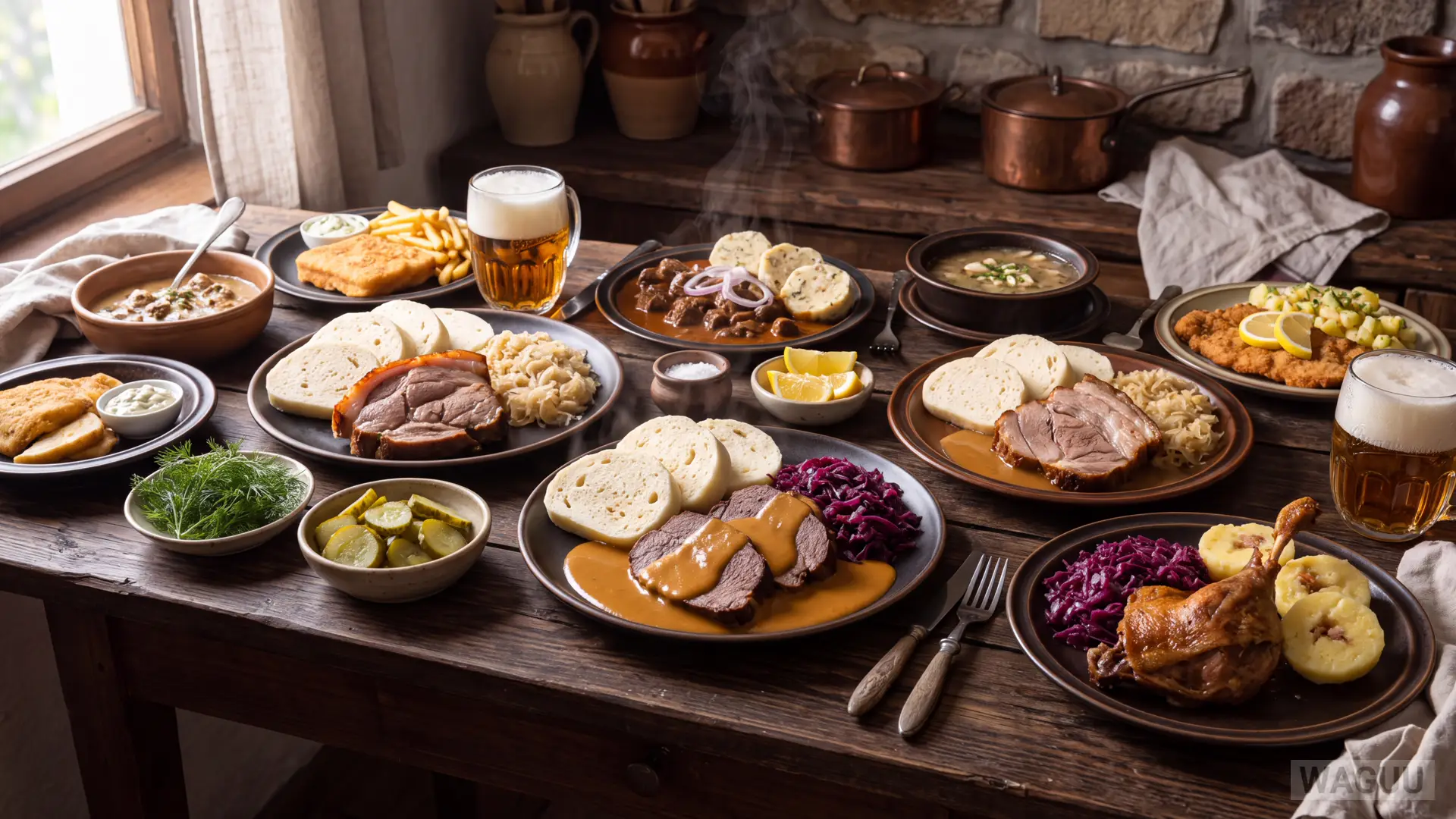
Summary: Explore the rich culinary heritage of Central Europe through twelve iconic dishes that define Czech gastronomy. This comprehensive guide is designed for home cooks, food enthusiasts, and anyone eager to master authentic dishes ranging from slow-cooked meats to comforting soups and sweet dumplings. Reading time: 22 minutes.
Category: Articles |
Reading time: 22 minutes
Step-by-step photo gallery
Did you cook any of the variations? Share a photo in the comments under the recipe; we would love to add it to the gallery. Did you film a video tutorial? Insert a link to YouTube, YouTube Shorts, TikTok, Instagram Reels, Facebook Reels, Pinterest, Vimeo, or X (Twitter) in the comments; we would be happy to publish it.
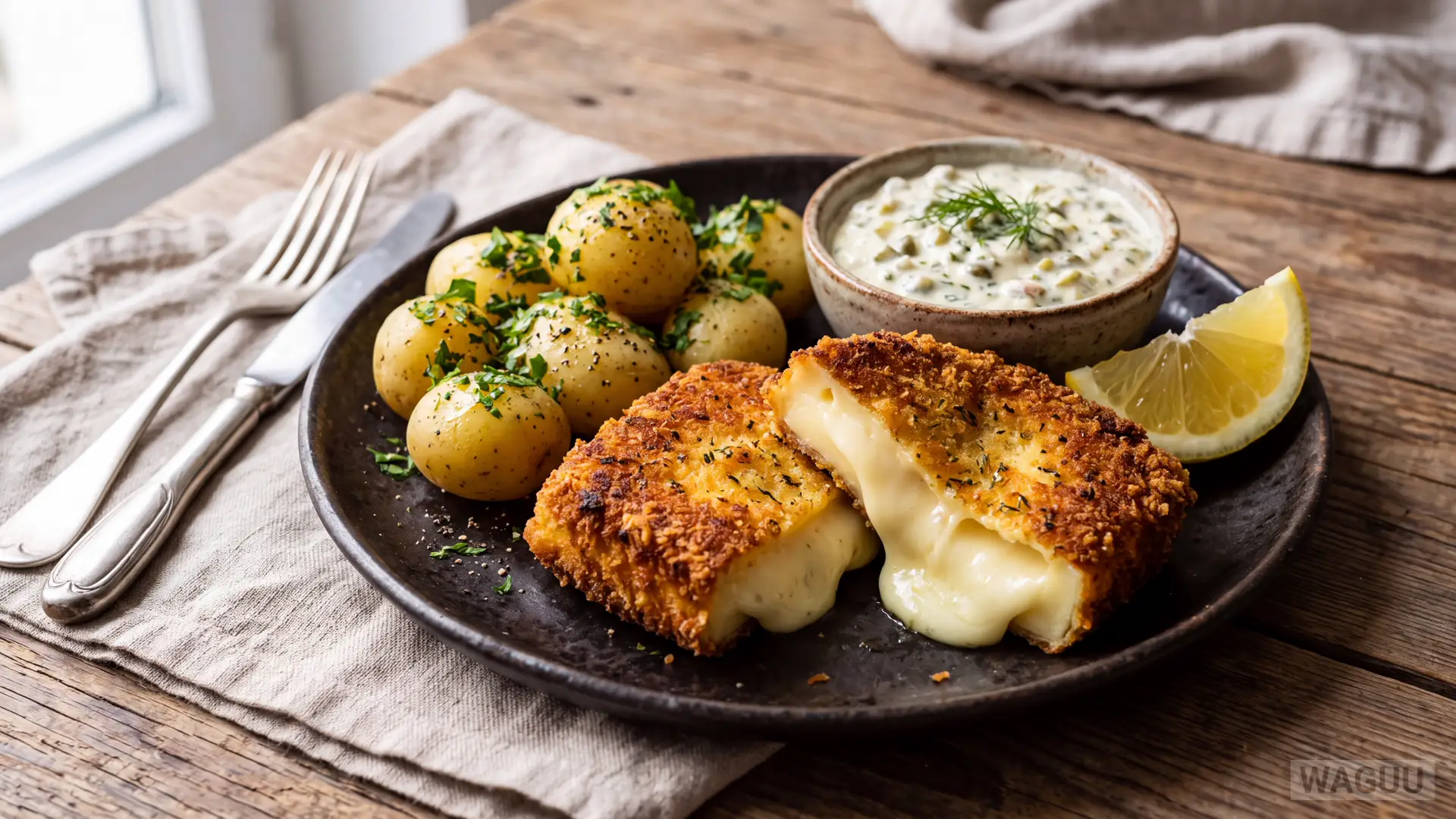
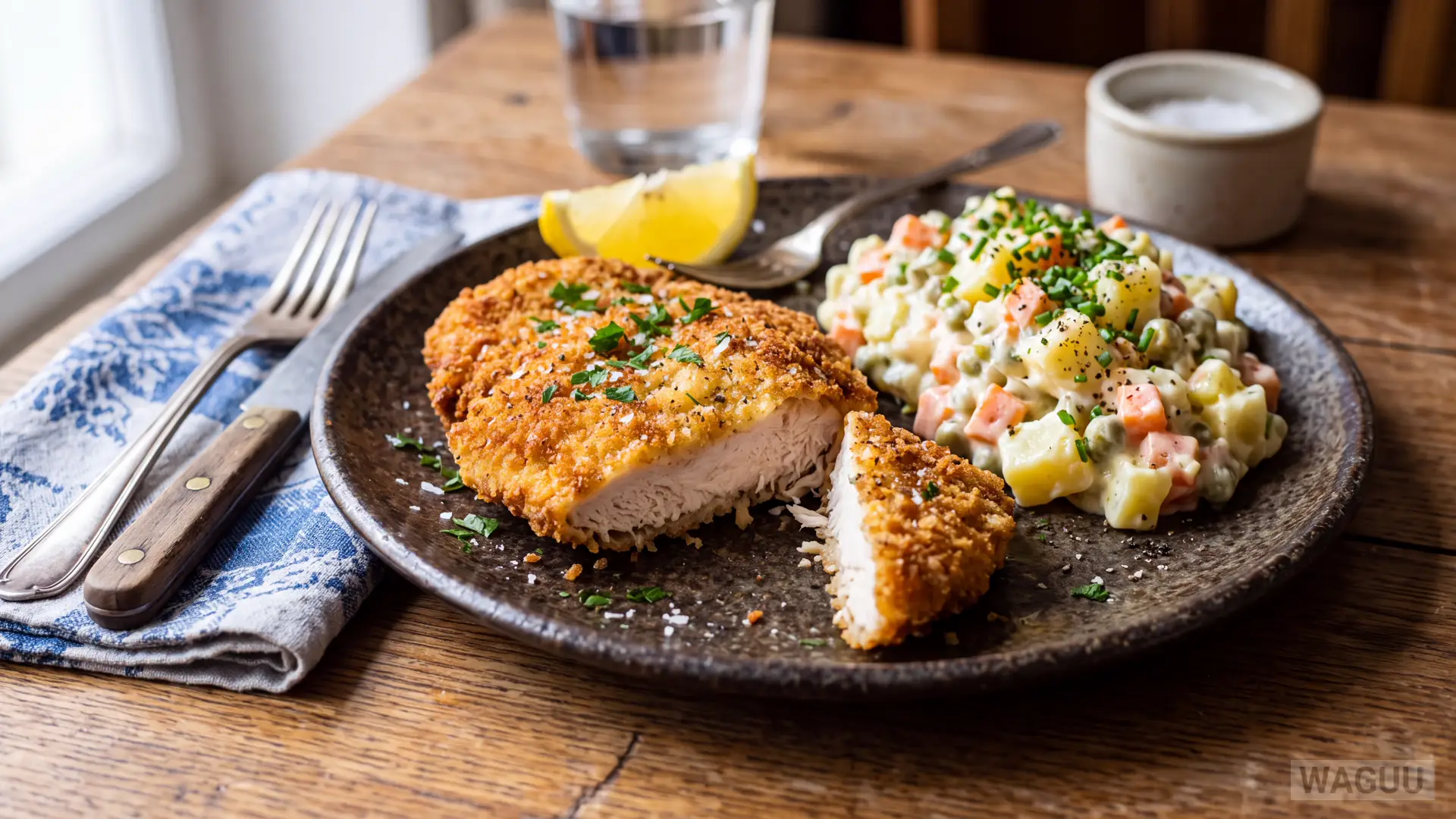
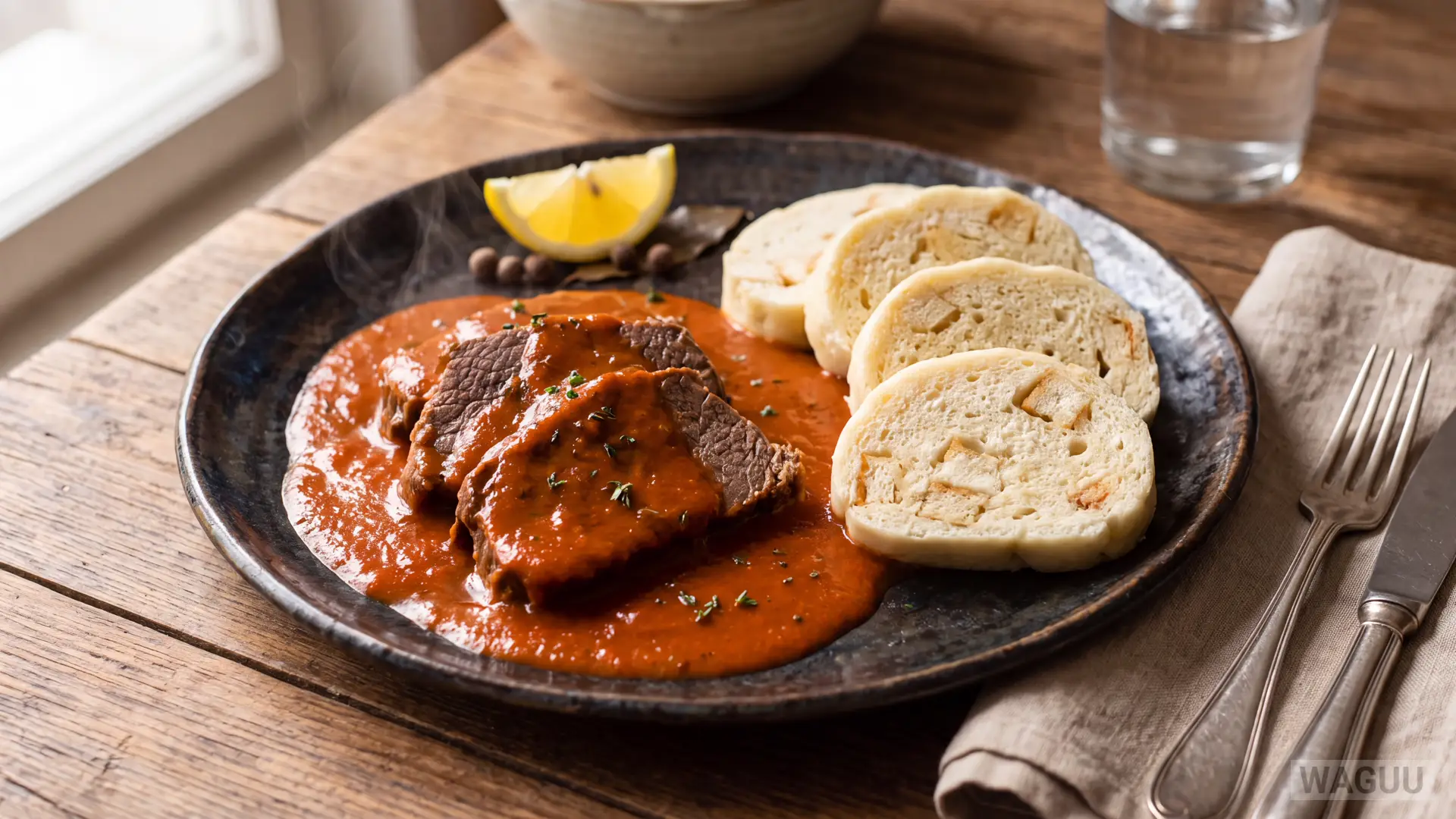
Discover the heart and soul of traditional Central European cooking through twelve master recipes that have shaped generations of family dining. From velvety cream sauces and slow-roasted meats to crisp golden fritters and pillowy sweet dumplings, this collection brings time-honoured techniques directly to your kitchen with clarity and precision.
Quick overview
- Topic / Dish: Traditional Czech Gastronomy
- Categories: Main Dishes, Cuisines
- Cuisine: Czech
- Included variations: Beef sirloin in cream sauce with bread dumplings, Roast pork with dumplings and cabbage, Czech goulash with bread dumplings, Fried cheese with tartare sauce, Breaded chicken schnitzel with potato salad, Tomato sauce with beef and dumplings, Dill sauce with egg or beef, Roast duck with cabbage and dumplings, Potato pancakes, Garlic soup, Kulajda, Fruit dumplings
- Key techniques: Slow roasting, Emulsification, Dumpling steam-baking, Roux preparation, Broth reduction
- Physical and chemical background: Collagen hydrolysis, Maillard reaction, Starch gelatinisation
- Common mistakes: Rushing sauce reduction, incorrect flour-to-liquid ratios, inadequate resting times for meat
- In short: A definitive masterclass in twelve classic Czech recipes featuring precise measurements, professional insights, and complete step-by-step guidance.
- Last updated: 21 September 2026
WAGUU says: “Mastering traditional Czech cooking relies entirely on patience, quality ingredients, and respect for classic foundational techniques.”
How to take it further: Use homemade bone broths for all braised dishes; clarify your butter before making roux-based sauces.
Key facts
| Preparation time: | Varies by recipe (30–90 minutes) |
| Cooking time: | Varies by recipe (20–240 minutes) |
| Main ingredient: | Beef, pork, poultry, root vegetables, potatoes |
| Number of servings: | 6 portions per recipe |
| Difficulty: | Moderate to Advanced |
Method in brief
- Select high-quality local ingredients and prepare precise measurement scales.
- Execute foundational techniques such as root vegetable roasting and roux creation.
- Simmer, braise, or fry components following strict temperature controls.
- Assemble dishes with traditional side items such as bread dumplings or potato salad.
- Garnish with fresh herbs, cranberries, and citrus slices as specified in individual guides.
In a nutshell
- Culinary Heritage: Twelve defining dishes representing centuries of Central European gastronomy.
- Technique Focus: Deep exploration of braising, pan-frying, emulsification, and yeast dough preparation.
- Balanced Flavours: Harmonious combinations of earthy root vegetables, rich gravies, and tangy accompaniments.
- Professional Standards: Exact ingredient ratios and professional temperature markers for consistent results.
- Adaptability: Detailed guidelines for dietary variations and regional adaptations.
- Result: Masterful plates that bring restaurant-quality traditional dining into your home kitchen.
Who this guide is for: Beginner – Home cooks looking to understand the fundamentals of hearty Central European cooking through structured, reliable instructions. Intermediate – Culinary enthusiasts wanting to refine traditional techniques such as emulsion sauces and yeast dumpling preparation. Pro – Professional chefs seeking precise baseline formulas for classic regional dishes and historical gravies.
The Twelve Pillars of Czech Cuisine
Beef sirloin in cream sauce with bread dumplings
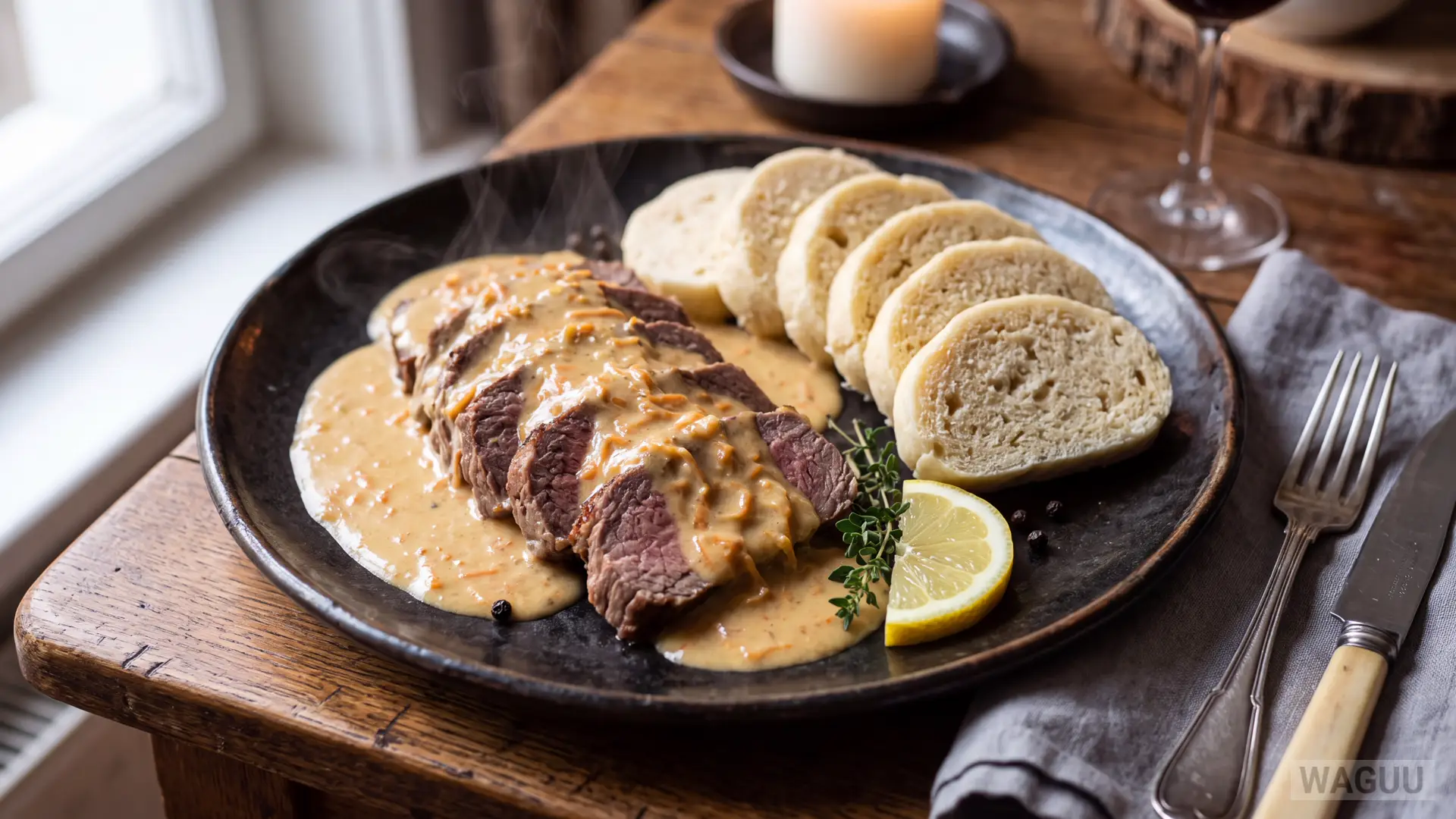
Beef sirloin in cream sauce with bread dumplings stands as the crowning achievement of festive dining in Central Europe. This magnificent dish combines tender beef topside braised alongside a rich mirepoix of root vegetables—carrots, parsnips, and celeriac—infused with fragrant spices including juniper berries, allspice, and bay leaves. The vegetables are subsequently blended into a velvety cream sauce that balances natural sweetness with a sharp tartness achieved through a final splash of lemon juice. Preparing this masterpiece requires patience, particularly during the initial searing phase where the beef develops a deep, caramelised crust that forms the flavour foundation of the entire sauce. The sauce itself undergoes a careful reduction process before double cream is whisked in, creating a luxurious texture that coats the back of a spoon effortlessly. Served alongside sliced bread dumplings, whipped cream, lingonberry preserves, and a slice of lemon, this dish offers a masterclass in flavour equilibrium, contrasting rich dairy fats with bright acidity and gamey spice notes.
The technical execution of the sauce dictates the ultimate success of the meal. After roasting the beef and vegetables with lard, onions, and smoked bacon strips, everything is simmered in rich beef stock until the meat reaches absolute tenderness. The solids are then passed through a fine food mill or blended and strained to ensure a completely silky consistency free of any vegetable fibres. Incorporating the double cream requires careful temperature management to prevent curdling, while the final seasoning relies on precision measurements of salt and white pepper. Bread dumplings, crafted from diced white rolls, flour, milk, and eggs, provide the ideal sponge to absorb every drop of the aromatic gravy. This dish exemplifies the historical influence of Austro-Hungarian royal courts on local culinary development, transforming humble root vegetables and inexpensive cuts into a sophisticated dining experience.
- Beef topside
- Carrots, parsnips, celeriac
- Double cream
- Smoked bacon
- Juniper berries and allspice
- Bread dumplings
- Lingonberry preserves
- Sear beef topside with lard and bacon until golden brown.
- Braise vegetables and spices with beef stock until tender.
- Blend vegetables into a smooth base and enrich with double cream.
- Slice and steam-heat bread dumplings before plating.
Roast pork with dumplings and cabbage
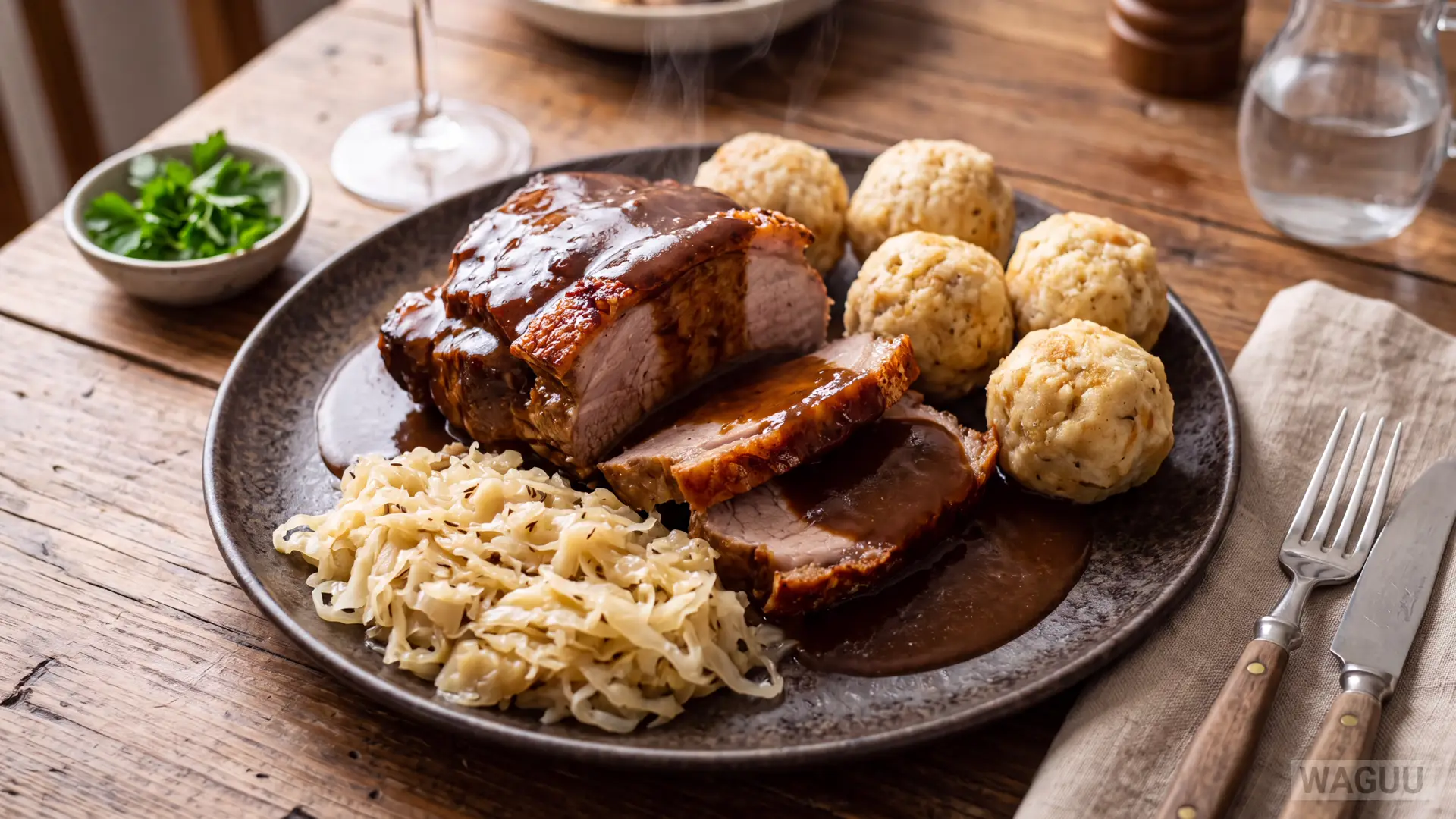
Roast pork with dumplings and cabbage is the undisputed national dish of everyday celebration, beloved for its comforting heartiness and harmonious combination of savoury, sweet, and sour flavor profiles. The foundation of the recipe is a well-marbled cut of pork shoulder or collar, generously seasoned with caraway seeds, garlic, and coarse sea salt. Slow-roasted alongside sliced onions until the meat falls apart effortlessly under a fork, the pork develops a glistening exterior and releases abundant pan juices that form an intensely savoury roasting gravy. The accompanying white or red cabbage is gently braised with grated onion, caraway, a touch of vinegar, and grated apple, creating a tender side dish that cuts through the richness of the pork. Bread or potato dumplings complete the triumvirate, acting as the perfect vehicle for soaking up the delicious pan drippings.
Achieving the perfect roast pork requires meticulous attention to oven temperatures and moisture management. The pork is initially roasted covered with aromatics to retain internal hydration, then uncovered during the final stages to crisp the exterior skin and fat cap. Caraway seeds play a crucial structural role, not only imparting an unmistakable earthy aroma but also aiding digestion of the rich pork fats. The cabbage undergoes slow simmering until the liquid reduces completely, allowing the natural sugars in the onions and apples to caramelise slightly. When served hot on pre-warmed plates, this dish delivers an authentic taste of traditional country kitchens, reflecting generations of culinary wisdom dedicated to making hearty sustenance deeply pleasurable.
- Pork shoulder
- Caraway seeds
- Garlic cloves
- White cabbage
- Onions
- Bread dumplings
- Lard
- Season pork with salt, garlic, and crushed caraway seeds.
- Roast slowly with onions and water until tender and golden.
- Braise shredded cabbage with caraway, onion, and vinegar.
- Slice pork and serve alongside warm dumplings and cabbage.
Czech goulash with bread dumplings
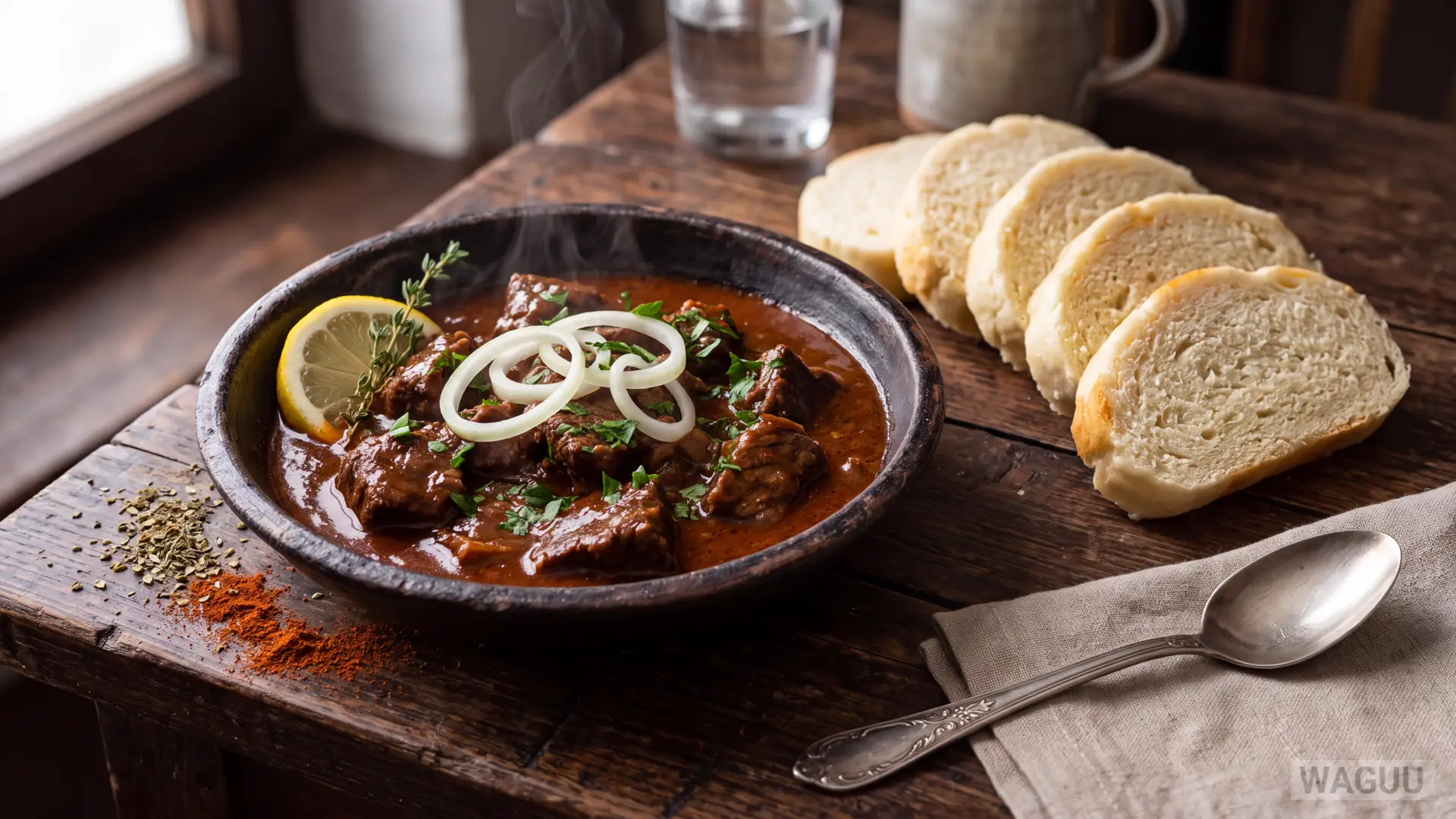
Czech goulash with bread dumplings is a rich, robust stew that differs significantly from its Hungarian predecessor through its reliance on an equal weight of onions to beef and the exclusion of potatoes and paprika pastes. The process begins by caramelising a massive quantity of finely chopped onions in lard until they reach a deep mahogany brown, which serves as the natural thickening agent for the dark, glossy gravy. Cubes of beef shin or chuck are then seared in the onion base, seasoned with sweet Hungarian paprika, marjoram, garlic, and caraway seeds, and simmered slowly in rich beef broth for several hours until the collagen breaks down completely into gelatin. The result is a deeply savory, aromatic sauce that clings lovingly to every piece of meat, served piping hot with sliced bread dumplings and raw onion rings.
The culinary chemistry of goulash hinges on the Maillard reaction during the initial onion-browning stage. If the onions are rushed, the sauce loses its characteristic depth and natural sweetness. Marjoram is rubbed between the palms just before adding to release its essential oils, providing a distinct herbal note that cuts through the rich beef fat. Unlike quick stews, authentic goulash benefits immensely from resting and reheating, allowing the complex flavor compounds to marry fully. Paired with pillowy bread dumplings, it provides a profoundly satisfying dining experience that warms the soul on chilly winter evenings.
- Beef shin
- Yellow onions
- Sweet paprika
- Marjoram
- Caraway seeds
- Beef stock
- Bread dumplings
- Caramelise finely diced onions in lard until deep brown.
- Add beef cubes and sear until browned on all sides.
- Stir in paprika, garlic, caraway, and stock, then simmer until tender.
- Season with marjoram and serve with bread dumplings.
Fried cheese with tartare sauce
Fried cheese with tartare sauce is a beloved pub classic that transforms a humble block of semi-hard cheese into a decadent, golden-crusted delicacy. Typically prepared using Edam or Gouda cheese, the block is cut into thick slices, coated in standard breading procedure using plain flour, beaten eggs, and fine breadcrumbs, and then deep-fried in hot oil until the exterior turns crisp and golden while the interior melts into a gooey, flowing state. The crucial secret to preventing the cheese from leaking into the fryer is the double-breading technique, which creates an impermeable barrier around the dairy core. Served alongside boiled potatoes or golden chips, a wedge of lemon, and a generous dollop of homemade mayonnaise-based tartare sauce spiked with finely minced pickles and capers, this dish represents the ultimate comfort food indulgence.
The texture contrast is the defining characteristic of this dish: the shattering crunch of the breadcrumbs yields immediately to the rich, creamy molten cheese within. Tartare sauce provides a necessary acidic and herbal counterpoint that cuts through the high fat content of the fried dairy. Temperature control of the frying oil is paramount; if the oil is too cool, the cheese melts before the crust sets, while oil that is too hot burns the breadcrumbs before the interior warms through. Executed correctly, fried cheese offers a luxurious sensory experience that has captivated generations of diners across pubs and household dining tables alike.
- Edam cheese blocks
- Plain flour
- Beaten eggs
- Breadcrumbs
- Sunflower oil for frying
- Mayonnaise
- Pickled gherkins
- Cut cheese into even slabs and chill in the refrigerator.
- Dredge cheese in flour, dip in beaten egg, and coat in breadcrumbs twice.
- Fry in hot oil at 170 °C until golden and crispy.
- Serve immediately with homemade tartare sauce and boiled potatoes.
Breaded chicken schnitzel with potato salad
Breaded chicken schnitzel with potato salad is a celebratory Sunday lunch staple found in households across the country. Tender chicken breasts are butterflied, gently pounded to an even thickness, seasoned with sea salt, and coated in a delicate layer of flour, egg, and airy breadcrumbs. Shallow-fried in a generous mixture of clarified butter and lard, the schnitzel develops a gorgeous golden crust with a delightfully bumpy, rippled surface known locally as soufflé coating. This crispy cutlet is paired with a traditional potato salad made from waxy boiled potatoes, finely diced pickled cucumbers, boiled eggs, carrots, peas, and a creamy mayonnaise and mustard dressing that has been allowed to rest and mature in the refrigerator for several hours before serving.
The magic of a superior schnitzel lies in the thermal expansion of the breadcrumb crust during frying, which occurs when steam forms between the meat and the coating, lifting it slightly into a crisp shell. Frying in clarified butter imparts a nutty, luxurious aroma that vegetable oil alone cannot replicate. The potato salad provides a cool, tangy contrast to the piping-hot, crunchy poultry, creating a balanced meal where temperature and texture play equal roles. Garnished with a slice of fresh lemon, this dish remains an enduring favourite for family gatherings and festive milestones.
- Chicken breasts
- Waxy potatoes
- Mayonnaise and mustard
- Plain flour and eggs
- Breadcrumbs
- Clarified butter
- Pickled gherkins
- Pound chicken breasts evenly and season with salt.
- Coat in flour, egg, and breadcrumbs using standard breading procedure.
- Pan-fry in clarified butter until golden and cooked through.
- Mix boiled potatoes, vegetables, and dressing to create potato salad.
Tomato sauce with beef and dumplings
Tomato sauce with beef and dumplings is a nostalgic favourite, particularly cherished by children and families for its comforting, slightly sweet profile. The sauce begins by creating a light roux with butter and flour, into which rich beef stock, tomato purée, whole tomatoes, onions, carrots, and warm spices such as cinnamon, cloves, and allspice are simmered gently. After the vegetables release their natural sweetness and meld with the spices, the sauce is strained until silky, then balanced with a touch of sugar and butter for a glossy finish. Tender boiled beef brisket and fluffy slices of bread dumplings complete the composition, offering a harmonious blend of savoury meat, spiced tomato richness, and soft carbohydrate pillows.
The unique character of this traditional tomato sauce distinguishes it from Italian pasta sauces through its incorporation of aromatic baking spices like cinnamon and cloves, which impart a warm, festive aroma. Simmering the beef separately in salted water with root vegetables yields both tender meat and a robust stock that forms the liquid base of the sauce. The final mounting with cold butter gives the sauce a velvety sheen and softens the acidity of the tomatoes. Served steaming hot, it represents home-style cooking at its most welcoming and nostalgic.
- Beef brisket
- Tomato purée and canned tomatoes
- Butter and plain flour
- Beef stock
- Cinnamon stick and cloves
- Caster sugar
- Bread dumplings
- Simmer beef brisket in salted water with root vegetables until tender.
- Prepare a light roux, whisk in stock, tomato purée, and spices.
- Simmer sauce, strain until smooth, and season with sugar and butter.
- Slice tender beef and dumplings, then ladle hot tomato sauce over top.
Dill sauce with egg or beef
Dill sauce with egg or beef is a sublime cream-based sauce that showcases the delicate, herbaceous aroma of fresh dill in all its glory. Crafted from a butter-and-flour blond roux whisked with rich beef stock and heated cream, the sauce is infused with finely chopped fresh dill stems during simmering to extract maximum herbal essence. Just before serving, a generous quantity of freshly minced dill leaves is folded in alongside a splash of vinegar or lemon juice to brighten the flavor profile. Traditionally served with tender slices of boiled beef or hard-boiled eggs and accompanied by steamed bread dumplings or boiled potatoes, this dish offers a refreshing departure from heavier tomato and brown gravies.
The success of dill sauce depends heavily on the timing of herb addition. Boiling dill for too long destroys its volatile aromatic compounds, turning the flavor dull and medicinal; therefore, the bulk of the fresh dill is added at the very end of cooking off the heat. The gentle tang of vinegar balances the richness of the double cream and butter, creating a sophisticated sauce that highlights seasonal garden produce. When paired with simple protein sources like hard-boiled eggs or lean beef, it makes for a deeply satisfying and elegant meal.
- Fresh dill bunches
- Butter and plain flour
- Beef stock
- Double cream
- White wine vinegar
- Hard-boiled eggs or boiled beef
- Bread dumplings
- Create a blond roux with butter and flour, then whisk in warm stock.
- Simmer with cream and dill stems to infuse herbal flavour.
- Stir in finely minced fresh dill and vinegar to taste.
- Serve warm over sliced beef or hard-boiled eggs with dumplings.
Roast duck with cabbage and dumplings
Roast duck with cabbage and dumplings is the quintessential festive feast, traditionally prepared for autumn celebrations, patron saint feast days, and family reunions. A whole duck is seasoned inside and out with coarse salt and an abundance of crushed caraway seeds, then stuffed with tart apples or placed directly in a roasting pan with onions. Slow-roasted over several hours, the duck renders its copious layers of fat, leaving the skin exceptionally crisp and amber-coloured while keeping the breast and leg meat meltingly tender. The rendered duck fat is used to caramelise shredded red cabbage cooked with grated apples, red wine, and sugar, creating a sweet and sour accompaniment that cuts through the rich poultry fats. Fluffy potato dumplings complete this magnificent feast.
The roasting technique requires careful management of fat accumulation; periodically draining excess fat from the pan ensures the skin fries rather than stews. Pricking the skin during the initial stages allows trapped subcutaneous fat to escape efficiently. Red cabbage pairs exceptionally well with duck because its anthocyanin pigments and acidity balance the high lipid content of the bird. Served family-style on a large platter, roast duck represents the pinnacle of hospitality and celebratory dining.
- Whole duck
- Caraway seeds
- Cooking apples
- Red cabbage
- Red wine
- Potato dumplings
- Onions
- Season whole duck with salt and caraway seeds, stuffing cavity with apples.
- Roast slowly at moderate temperature, basting and draining fat regularly.
- Braise shredded red cabbage with onions, apples, and red wine.
- Carve crisp duck and serve with red cabbage and potato dumplings.
Potato pancakes
Potato pancakes are beloved rustic fritters crafted from grated raw potatoes, garlic, marjoram, eggs, and flour, fried until wonderfully crisp and golden brown. Unlike potato cakes made from leftover mash, authentic potato pancakes rely on freshly grated raw waxy potatoes combined with minced garlic and bruised marjoram. The grated potatoes release starch, which acts as a natural binder when mixed with an egg and a dusting of flour. Cooked in hot lard or oil in a heavy cast-iron skillet, they develop an exceptionally lacy, crunchy perimeter while retaining a soft, savory interior infused with pungent garlic notes.
The technical challenge of making potato pancakes involves managing the moisture released by raw potatoes. Excess starchy liquid is poured off after settling, ensuring the batter does not become too watery during frying. Frying in generous amounts of lard is traditional, yielding an authentic depth of flavor and superior crispness that vegetable oils struggle to match. Enjoyed either as a standalone vegetarian meal or as a hearty side dish accompanying smoked meats, these pancakes are a testament to the ingenuity of peasant cooking.
- Waxy potatoes
- Garlic cloves
- Dried marjoram
- Eggs
- Plain flour
- Lard for frying
- Salt and black pepper
- Peel and grate raw potatoes, draining excess liquid.
- Mix grated potatoes with minced garlic, marjoram, eggs, flour, salt, and pepper.
- Drop spoonfuls of batter into hot lard in a skillet.
- Pan-fry until deeply golden and crispy on both sides.
Garlic soup
Garlic soup is a powerful, restorative broth renowned for its therapeutic properties and robust, pungent flavor profile. Built upon a clear, strong beef or vegetable stock simmered with copious amounts of crushed and sliced garlic, caraway seeds, and diced potatoes, this soup is designed to warm the body and clear the senses. Just before serving, a beaten egg is drizzled into the hot broth to create delicate ribbons of protein, and the soup is ladled over bowls containing fried bread cubes (croutons) and grated smoked cheese that melts into gooey pockets of richness upon contact with the steaming liquid.
The culinary secret to a great garlic soup lies in adding garlic in two stages: part of the garlic is simmered gently from the beginning to mellow its harsh bite into a sweet background note, while a second batch of freshly minced garlic is stirred in right at the end of cooking to deliver an aromatic punch. Caraway seeds provide an earthy counterpoint that elevates the broth beyond simple garlic water. Combined with crunchy fried bread cubes and smoky cheese, this humble soup offers an explosion of contrasting textures and comforting warmth.
- Fresh garlic cloves
- Beef or vegetable stock
- Diced potatoes
- Caraway seeds
- Eggs
- Stale bread for croutons
- Smoked cheese
- Simmer stock with potatoes, caraway, and half of the minced garlic until tender.
- Stir in remaining fresh garlic and season with salt and pepper.
- Drizzle beaten eggs into simmering soup to form egg ribbons.
- Serve over fried bread cubes and grated smoked cheese.
Kulajda
Kulajda is a rich, creamy forest mushroom soup originating from the southern regions of the country, celebrated for its complex interplay of earthy fungi, tart buttermilk, fresh dill, and poached eggs. The foundation consists of wild mushrooms—ideally freshly foraged porcini or chanterelles—simmered with diced potatoes in a rich broth infused with caraway seeds and butter. A thickening mixture of sour cream and flour is whisked in to create a velvety body, followed by a generous addition of chopped fresh dill and a splash of vinegar that provides a refreshing sour tang. The soup is finished by gently poaching an egg directly in each bowl just before serving, creating a luxurious runny yolk that enriches the broth further.
Balancing acidity and dairy richness is the critical technique in preparing Kulajda. Sour cream must be tempered with warm broth before adding to the pot to prevent curdling. The earthy profile of wild mushrooms harmonises perfectly with the pungent bite of fresh dill and the comforting starch of potatoes. As a complete meal in a bowl, Kulajda showcases the seasonal bounty of Central European forests and the traditional mastery of dairy fermentation.
- Wild mushrooms (porcini or chanterelles)
- Waxy potatoes
- Sour cream
- Fresh dill
- Caraway seeds
- Eggs for poaching
- Vegetable stock
- Sauté sliced mushrooms in butter with caraway seeds until fragrant.
- Add diced potatoes and stock, simmering until tender.
- Whisk sour cream with flour and temper into soup, then simmer until thickened.
- Stir in fresh dill, vinegar, and finish with a poached egg in each bowl.
Fruit dumplings
Fruit dumplings are a beloved summer treat that bridges the gap between savoury main course and indulgent dessert. Encased in a tender yeast or quark dough, seasonal fruits such as fresh plums, strawberries, or apricots are wrapped securely, gently boiled in salted water until floating, and then served smothered in melted butter, grated curd cheese (quark), powdered sugar, and toasted breadcrumbs. The dough acts as a pillowy blanket that absorbs the sweet juices released by the steaming fruit during cooking, creating a magnificent burst of flavor upon the first bite.
The primary technical hurdle in making fruit dumplings is sealing the dough around the fruit securely to prevent bursting during boiling. Using quark dough offers a quicker alternative to yeast dough while maintaining exceptional tenderness. The finishing toppings provide critical textural contrast: the crispy, buttery breadcrumbs and tart grated curd cheese balance the intense sweetness of the cooked fruit and powdered sugar. Enjoyed as a midday meal during harvest season, these dumplings embody wholesome, fruit-forward home cooking.
- Fresh seasonal fruit (plums or strawberries)
- Quark cheese
- Plain flour
- Eggs
- Melted butter
- Grated curd cheese for topping
- Powdered sugar
- Mix quark, flour, eggs, and a pinch of salt to form pliable dough.
- Roll out dough, cut into squares, and enclose whole fruits securely.
- Simmer dumplings in gently boiling salted water until they rise to the surface.
- Serve smothered in melted butter, quark cheese, and powdered sugar.
OBSAH_ODSTAVCE_1
OBSAH_ODSTAVCE_2
Culinary Heritage and Regional Diversity
Traditional Czech cooking reflects a rich synthesis of influences from neighbouring Austria, Germany, and Hungary, adapted over centuries to local agricultural conditions. The reliance on root vegetables, pork, beef, potatoes, and wheat flour stems from the temperate Central European climate, where preservation techniques like pickling, smoking, and fermenting ensured year-round nourishment. Modern interpretations continue to honour these foundational roots while incorporating lighter plating and contemporary dietary adjustments.
| Dish Category | Primary Ingredients & Techniques |
|---|---|
| Festive Braised Meats | Beef topside, root vegetables, cream sauces, long braising |
| Everyday Comfort Roasts | Pork shoulder, caraway, fermented cabbage, bread dumplings |
| Fried Fritters & Cheese | Edam cheese, raw potatoes, double breading, deep frying |
| Soups & Seasonal Broths | Garlic, wild mushrooms, cultured cream, poached eggs |
WAGUU Pro Tip: Always allow braised beef and goulash dishes to rest off the heat for at least twenty minutes before slicing or serving to ensure maximum moisture retention.
Frequently asked questions
What is the secret to making light and fluffy bread dumplings?
The key lies in folding whipped egg whites into the dough just before shaping and allowing the diced white rolls to dry out slightly before mixing so they absorb liquid evenly without becoming heavy.
Why do Czech goulash recipes use so many onions?
Finely chopped onions used in equal weight to the beef caramelise completely during the long braising process, creating a rich, natural gravy thickener without the need for flour or starch.
How can I prevent fried cheese from leaking during frying?
Always apply a double-breading coat—flour, egg, breadcrumbs, egg, breadcrumbs—ensuring no gaps exist in the crust, and fry in oil heated precisely to 170 °C.
What kind of potatoes are best for traditional potato salad?
Waxy potato varieties work best because they hold their shape during boiling and dicing, preventing the salad from becoming mushy when mixed with dressing.
Also known as: Czech national dishes, traditional Central European recipes, classic Bohemian cuisine
Author: WAGUU Petr & Team • Published: 21 Sep 2026 • Updated: 29 Oct 2026
Conclusion
Mastering these twelve classic recipes opens the door to a rich culinary tradition rooted in comforting flavors and precise technical execution. Whether you begin with a velvety cream sauce or a crisp potato pancake, each dish offers a rewarding journey into the heart of Central European gastronomy.
Choose your recipe
Select any of the twelve master recipes below to view complete ingredient lists, precise measurements, and step-by-step instructions:
Beef sirloin in cream sauce with bread dumplings – Tender beef braised with root vegetables and finished in a luxurious velvety cream sauce.
Roast pork with dumplings and cabbage – Slow-roasted pork shoulder seasoned with caraway and garlic, served with braised cabbage.
Czech goulash with bread dumplings – Rich beef stew thickened with caramelised onions and seasoned with paprika and marjoram.
Fried cheese with tartare sauce – Double-breaded semi-hard cheese fried golden and crisp, served with homemade tartare sauce.
Breaded chicken schnitzel with potato salad – Crispy pan-fried chicken cutlet paired with creamy traditional potato salad.
Tomato sauce with beef and dumplings – Sweet and savoury spiced tomato sauce served with tender boiled beef and bread dumplings.
Dill sauce with egg or beef – Velvety cream sauce infused with fresh garden dill, served with beef or hard-boiled eggs.
Roast duck with cabbage and dumplings – Festive whole roasted duck paired with sweet-and-sour red cabbage and potato dumplings.
Potato pancakes – Rustic fritters made from grated raw potatoes, garlic, and marjoram, pan-fried in lard until crispy.
Garlic soup – Robust broth infused with garlic and caraway, served over fried bread croutons and smoked cheese.
Kulajda – Rich forest mushroom soup with potatoes, cultured cream, fresh dill, and a poached egg.
Fruit dumplings – Quark dough dumplings filled with seasonal fruit, served with melted butter, curd cheese, and sugar.
Other possible variations
Venison Sirloin in Cream Sauce
This game-meat variation substitutes traditional beef topside with tender venison loin, offering a deeper, more robust flavour profile. It is particularly suitable for festive autumn dinners and game enthusiasts seeking an elevated dining experience. The preparation incorporates crushed juniper berries and a splash of red wine to complement the gamey notes.
Smoked Pork Neck Roast
Replacing fresh pork shoulder with cured and smoked pork neck introduces an intense smoky aroma and savoury depth to the classic roast. It is ideal for those who prefer bolder, cured meat flavours without altering the traditional accompaniment of cabbage and dumplings. The cooking time is slightly reduced due to the pre-curing process of the meat.
Venison Goulash with Bread Dumplings
This variation swaps beef for diced venison shoulder, creating a luxurious game stew enriched with red wine, juniper, and dark chocolate. It is perfect for winter gatherings and refined dinner parties where a heavier, more aromatic stew is desired. The cooking method remains similar, though longer simmering is required to tenderise the lean game meat.
Hermelin Fried Cheese
Substituting standard Edam with traditional Czech white-mould Camembert-style cheese (Hermelin) delivers a runny, earthy interior with a rich mushroom-like aroma. It is tailored for cheese connoisseurs looking for a gourmet pub-style indulgence. The cheese is marinated in garlic and oil before breading to enhance its distinct profile.
Pork Loin Schnitzel
This version replaces poultry with lean pork loin cutlets, providing a traditional tavern-style crispness that pairs brilliantly with potato salad. It is suitable for traditionalists who prefer the firmer texture of pork over chicken. The frying technique and breading procedure remain identical to the classic recipe.
Roasted Pepper Tomato Sauce
Incorporating oven-roasted red bell peppers into the tomato base adds a sweet, smoky complexity to the traditional sauce. It is ideal for summer dining when sweet peppers are in peak season and pair well with boiled beef. The peppers are blended directly into the roux-based sauce before straining.
Dill Sauce with Smoked Salmon
Replacing boiled beef with delicate slices of warm smoked salmon transforms the herbaceous cream sauce into a modern seafood dish. It is perfect for spring dinner parties and pescatarian diners seeking a lighter meal. The salmon is gently warmed in the finished dill sauce just before plating.
Roast Goose with Red Cabbage
This grand variation substitutes duck with a whole roasting goose, offering an exceptionally rich and festive holiday meal. It is designed for large family celebrations and Martinmas feasts where indulgence is paramount. The roasting time is extended significantly to render the heavy fat layers properly.
Zucchini and Potato Pancakes
Blending grated fresh zucchini with raw potatoes lightens the heavy starch content and introduces a delicate garden freshness. It is suitable for health-conscious diners and summer vegetable harvesting. The grated zucchini must be salted and drained thoroughly to prevent a soggy batter.
Onion and Bacon Garlic Soup
Adding rendered smoked bacon lardons and caramelised onions to the traditional garlic broth enhances its umami depth significantly. It is perfect for hearty winter lunches and meat lovers seeking an extra layer of savory flavor. The bacon is crisped separately and added as a garnish over the cheese and croutons.
Forest Chanterelle Kulajda
Focusing exclusively on golden chanterelle mushrooms elevates this creamy soup into a gourmet mushroom showcase. It is tailored for autumn foragers and fine dining enthusiasts who appreciate intense forest aromas. The chanterelles are sautéed in butter with fresh thyme before joining the broth.
Yeast-Dough Plum Dumplings
Replacing quark dough with traditional fermented yeast dough creates exceptionally airy, pillow-soft fruit dumplings. It is ideal for experienced bakers willing to invest time in dough proofing for authentic texture. The wrapped plums steam-cook to a meltingly tender consistency inside the fluffy yeast shell.
Root Vegetable Beef Sirloin Variation
Increasing the proportion of roasted parsnips and celeriac in the vegetable mirepoix deepens the natural sweetness of the cream sauce. It is suitable for those wanting a richer vegetable profile without artificial sweeteners. The roasted roots are puréed thoroughly for ultimate silkiness.
Garlic Herb Roast Pork
Embedding fresh rosemary and sage sprigs alongside caraway and garlic infuses the roasting pork shoulder with Mediterranean herbal notes. It is perfect for spring celebrations where fresh garden herbs take precedence. The herbs are tucked under the twine before roasting.
Beer-Braised Beef Goulash
Replacing part of the beef stock with dark Czech lager beer introduces a malty bitterness that cuts through the rich onion gravy. It is ideal for beer aficionados and pub-style dining enthusiasts. The alcohol simmers off completely, leaving a complex malt aroma.
Smoked Gouda Fried Cheese
Using smoked Gouda instead of standard Edam imparts a distinct campfire smokiness to the fried dairy centre. It is tailored for cheese lovers seeking bolder, aged flavour profiles. The double-breading technique remains essential to contain the melting cheese.
Turkey Schnitzel with Herb Salad
Substituting lean turkey breast for chicken creates a lighter, slightly leaner schnitzel paired with a fresh herb dressing. It is suitable for health-conscious poultry lovers wanting a crisp cutlet. The turkey must be pounded very evenly to ensure uniform cooking.
Creamy Roasted Garlic Tomato Sauce
Blending roasted garlic cloves directly into the spiced tomato sauce adds a rich, mellow background sweetness. It is perfect for garlic enthusiasts looking to upgrade the classic pasta and meat accompaniment. The garlic roasts alongside the tomatoes for deeper caramelisation.
Dill Sauce with Poached White Fish
Pairing the classic dill cream sauce with gently poached white fish fillets creates a refined coastal-inspired variation. It is ideal for seafood lovers and lighter summer suppers. The fish is poached separately in court bouillon before being coated in the sauce.
Orange and Honey Roast Duck
Glazing the duck skin with honey and fresh orange juice during the final roasting stages creates a sticky, citrus-infused crust. It is suitable for festive winter dinners where sweet and savoury fruit pairings shine. The orange zest is added to the roasting pan juices.
Sweet Potato and Garlic Pancakes
Substituting half of the white potatoes with grated sweet potato introduces a vibrant orange hue and natural sweetness. It is perfect for modern fusion cooking and autumn harvest meals. The sweet potato provides a softer texture balanced by crisp potato edges.
Clear Garlic Broth with Meat Pellets
Adding tiny minced pork meatballs to the garlic soup transforms it into a substantial main-course broth. It is tailored for hungry diners needing extra protein in their comforting soup. The meatballs simmer directly in the garlic broth until cooked.
Mushroom and Bacon Kulajda
Incorporating crispy smoked bacon bits alongside wild mushrooms and dill adds an intense smoky dimension to the creamy soup. It is ideal for meat lovers who enjoy layered umami flavors in cultured cream soups. The bacon is sprinkled over the poached egg at service.
Strawberry Quark Fruit Dumplings
Enclosing fresh summer strawberries in quark dough offers a bright, berry-forward variation on the traditional plum sweet dumpling. It is perfect for early summer dessert tables when fresh strawberries peak. The warm berries release fragrant juices inside the soft dough casing.
Do you know another variation? Add your own suggestion below.
Missing a recipe?
Tell us what recipe you would like us to add. We will do our best to publish it soon!
Frequently asked questions about other variations
- Can venison replace beef in traditional cream sauces? Yes, venison loin provides a wonderful gamey depth that pairs exceptionally well with root vegetable cream sauces and juniper berries.
- Is smoked meat suitable for traditional pork roasts? Cured and smoked pork neck adds an intense smoky aroma, though cooking times may need slight adjustment.
- How does Hermelin cheese behave when deep-fried? Hermelin melts into a rich, creamy consistency with a distinctive white-mould earthy aroma, requiring careful double-breading.
- Can wild mushrooms be substituted with cultivated varieties? Button mushrooms or cremini work well if wild porcini or chanterelles are unavailable, though the earthy forest aroma will be milder.
- What is the advantage of quark dough over yeast dough for fruit dumplings? Quark dough is much faster to prepare as it requires no proofing time while yielding a tender, delicate casing.
- Does dark beer alter the cooking time of goulash? Using dark lager adds malty complexity without significantly changing the braising time required for beef shin.
- Can sweet potatoes be used in traditional potato pancakes? Sweet potatoes introduce natural sweetness and vibrant color, though extra liquid may need to be drained from the grated mix.
- How should leftover bread dumplings be stored? Sliced dumplings can be stored in an airtight container in the refrigerator for up to three days and reheated via steaming.
Contact: the-12-most-popular-czech-dishes-the-favourite-recipes-of-czech-cuisine-en@waguu.online