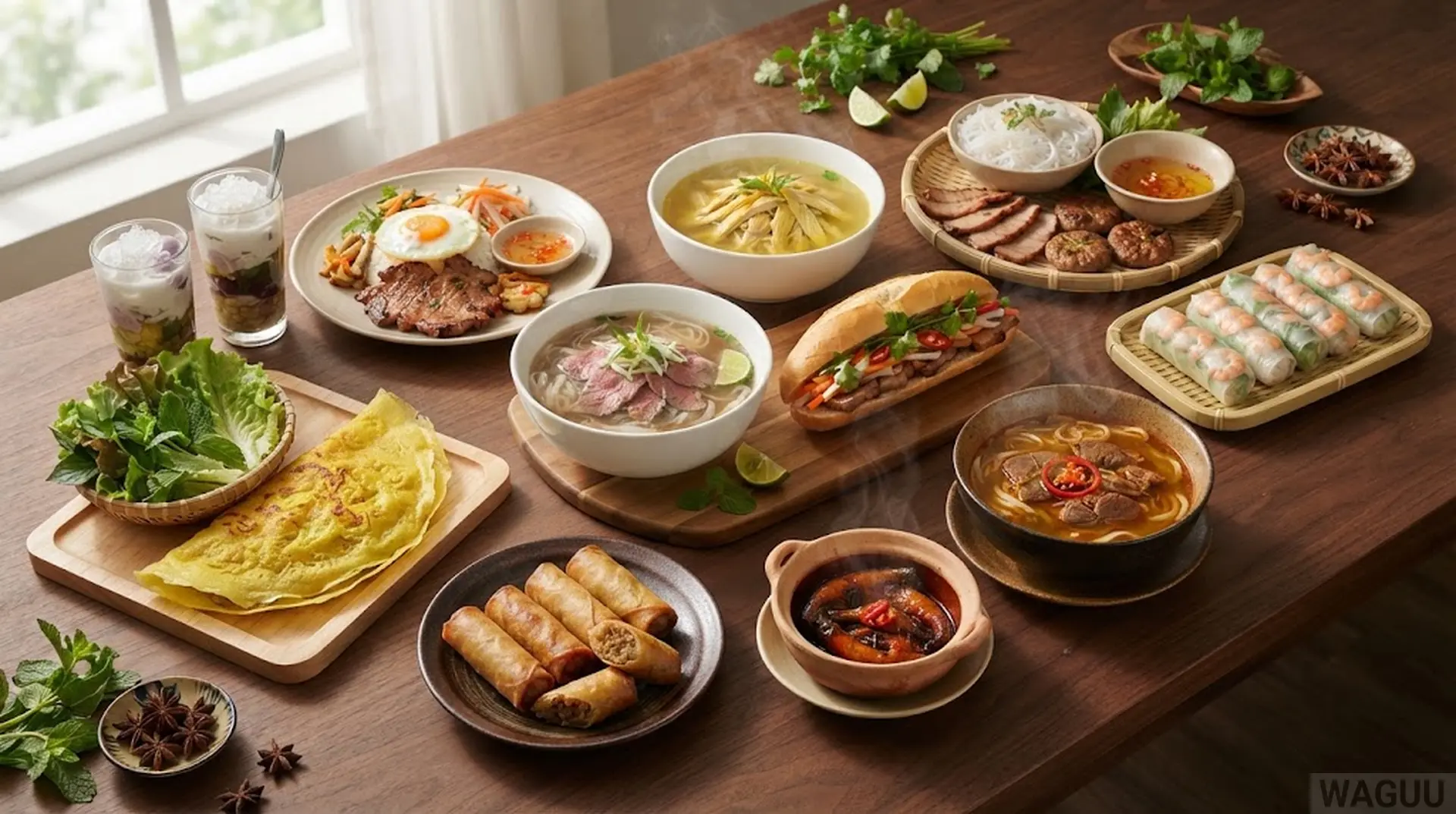
Summary: Twelve Vietnamese dishes cooked across the country – from beef phở and grilled bún chả to caramelised fish and sweet chè. This guide explains the techniques, ratios and ingredients behind each one, with links to twelve separate recipes. For beginners and experienced cooks alike, 26 minutes reading time
Category: Articles · Vietnamese Cuisine | Reading time: 26 minutes
Photo gallery from the process
Have you cooked one of the variations? Share a photo in the comments under the recipe, we’ll be happy to add it to the gallery. Filmed a video of the process? Post a link to YouTube, YouTube Shorts, TikTok, Instagram Reels, Facebook Reels, Pinterest, Vimeo or X (Twitter) in the comments, we’ll be happy to publish it.
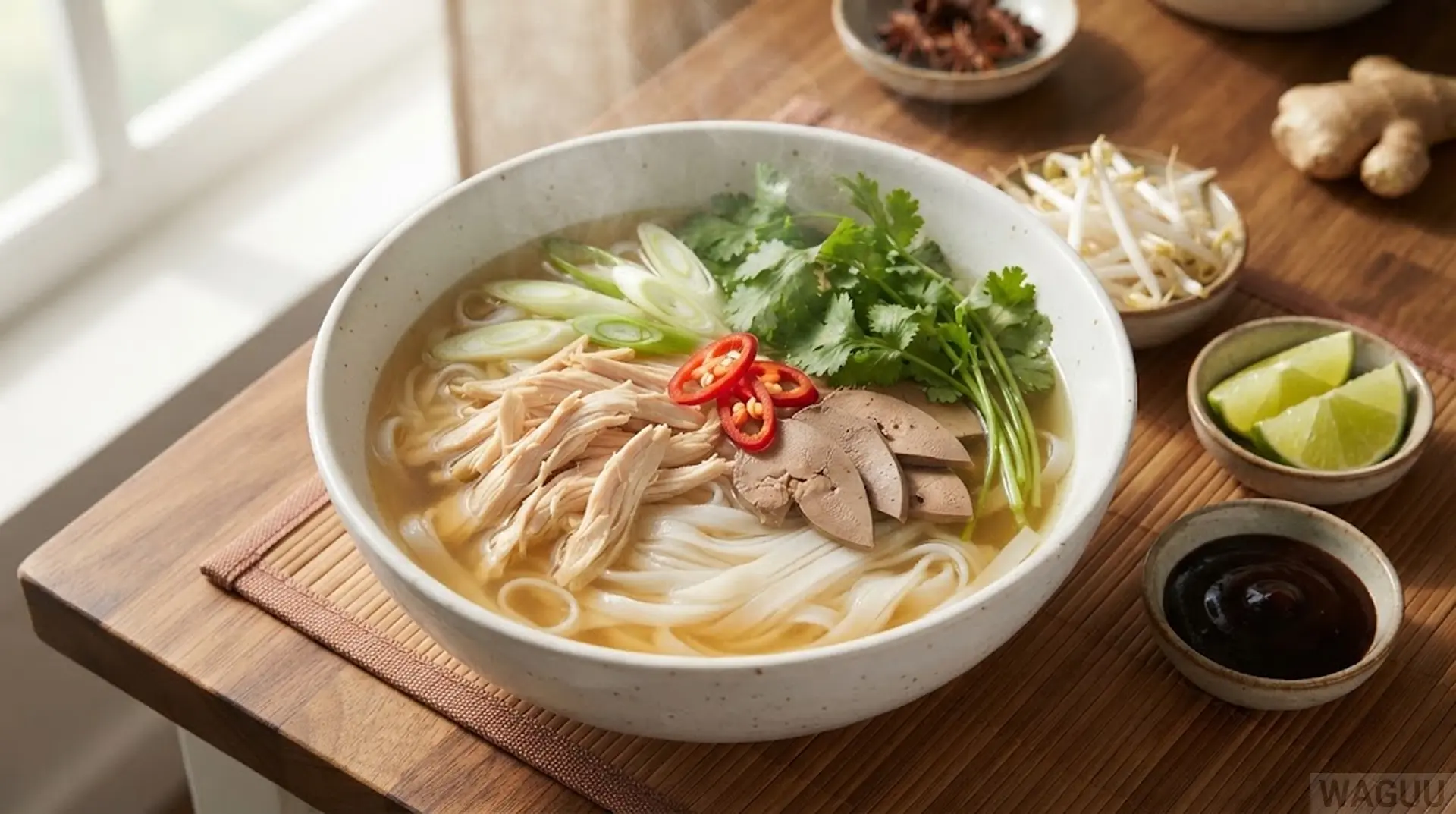
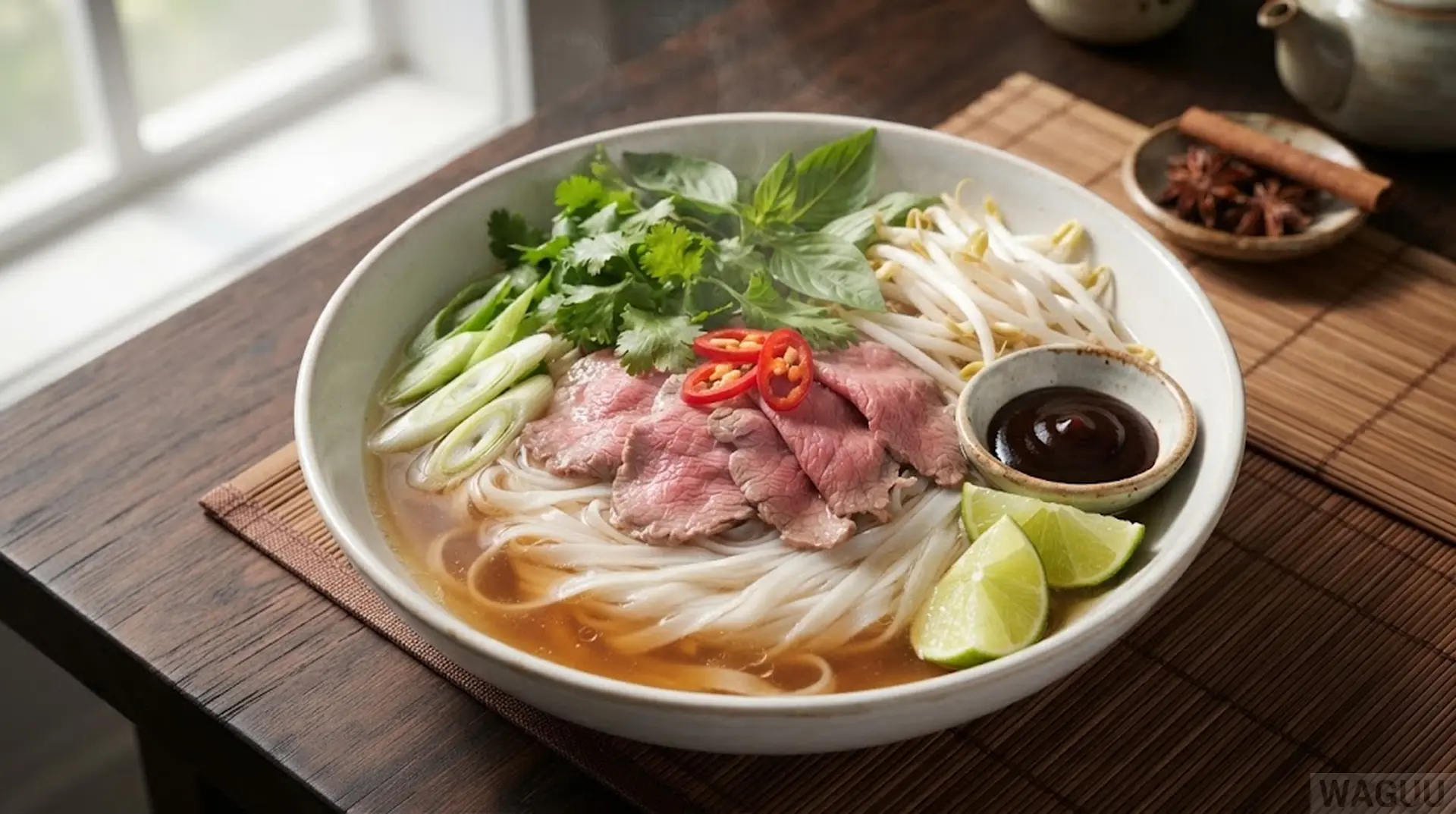
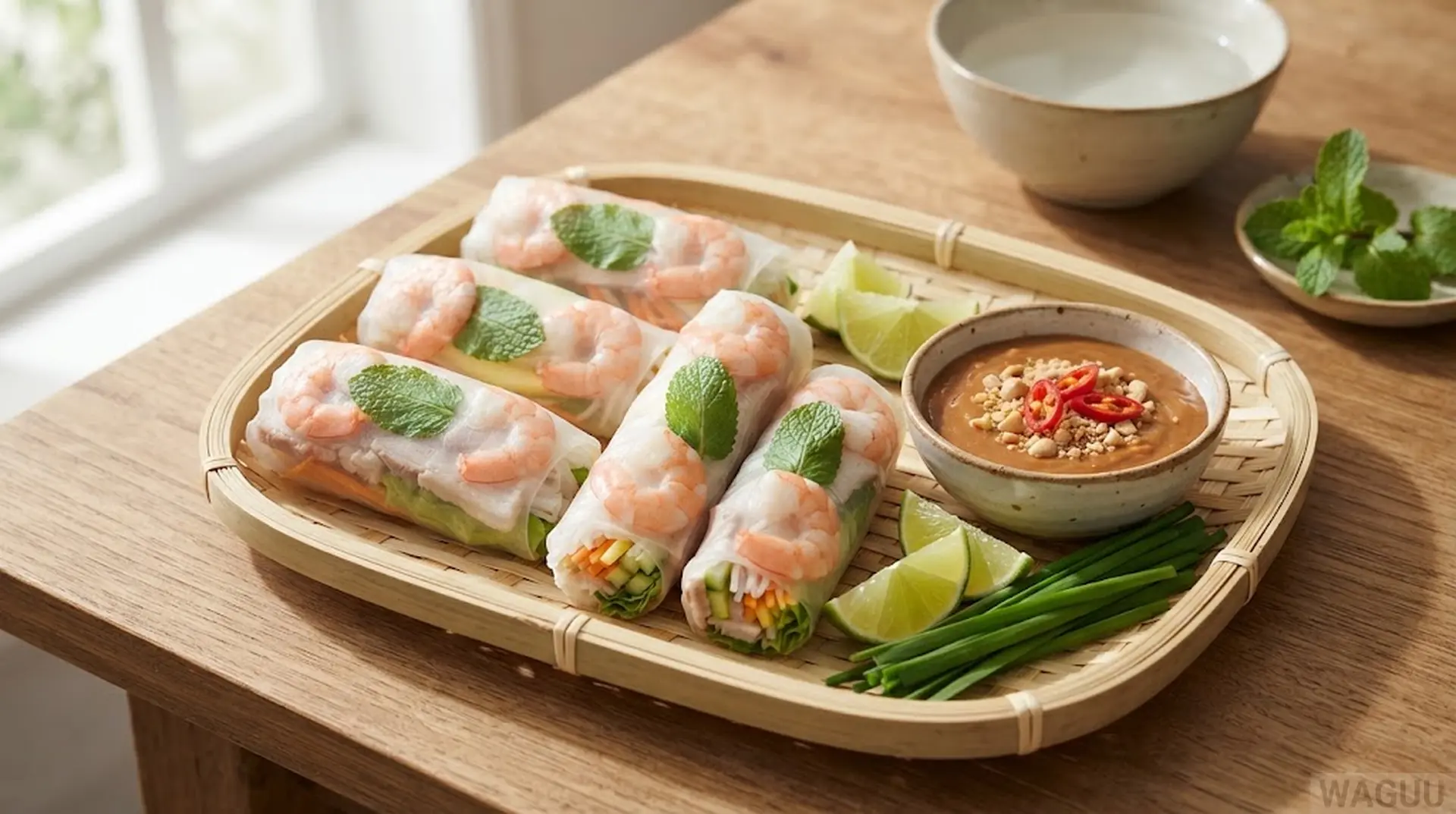
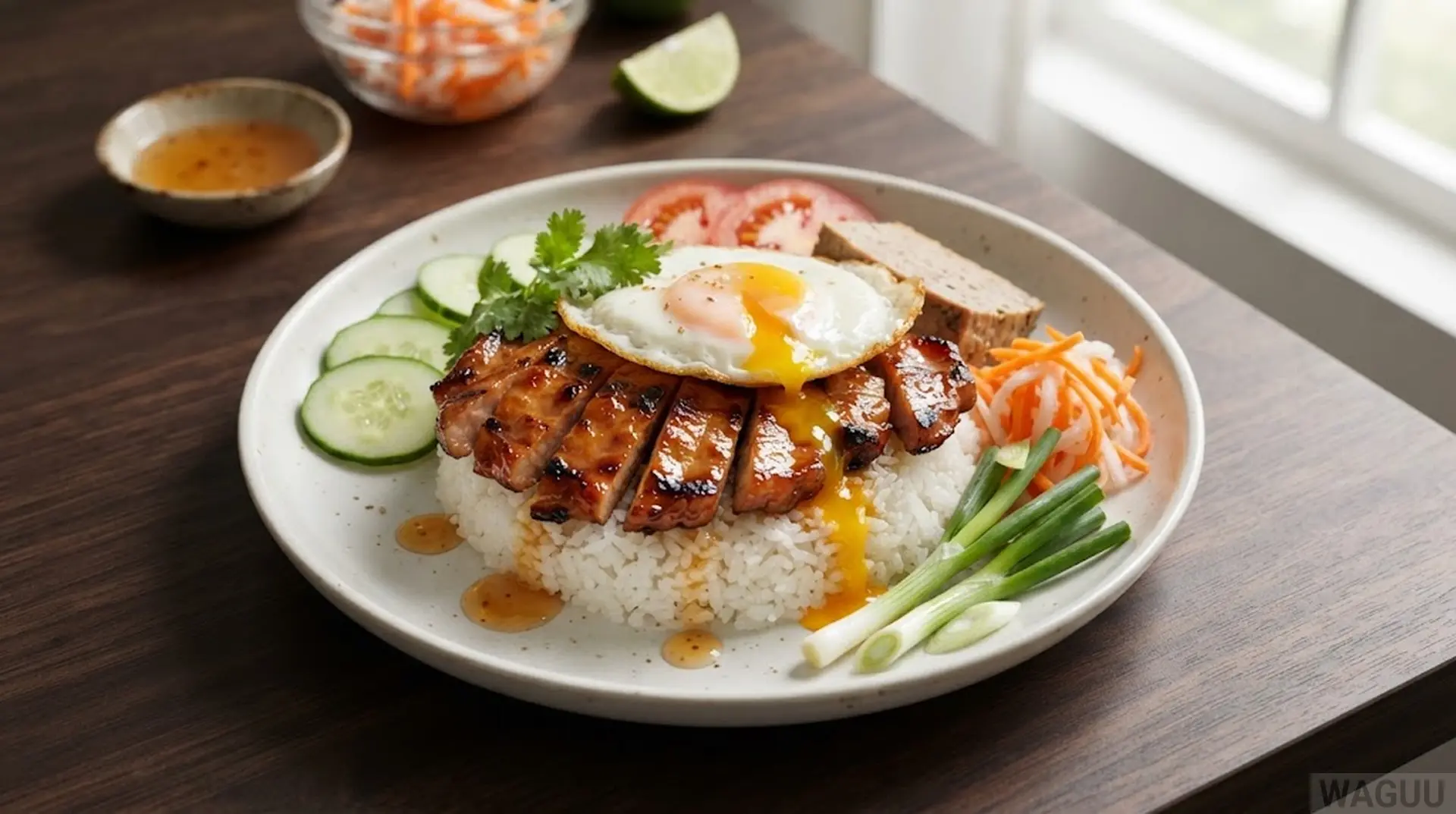
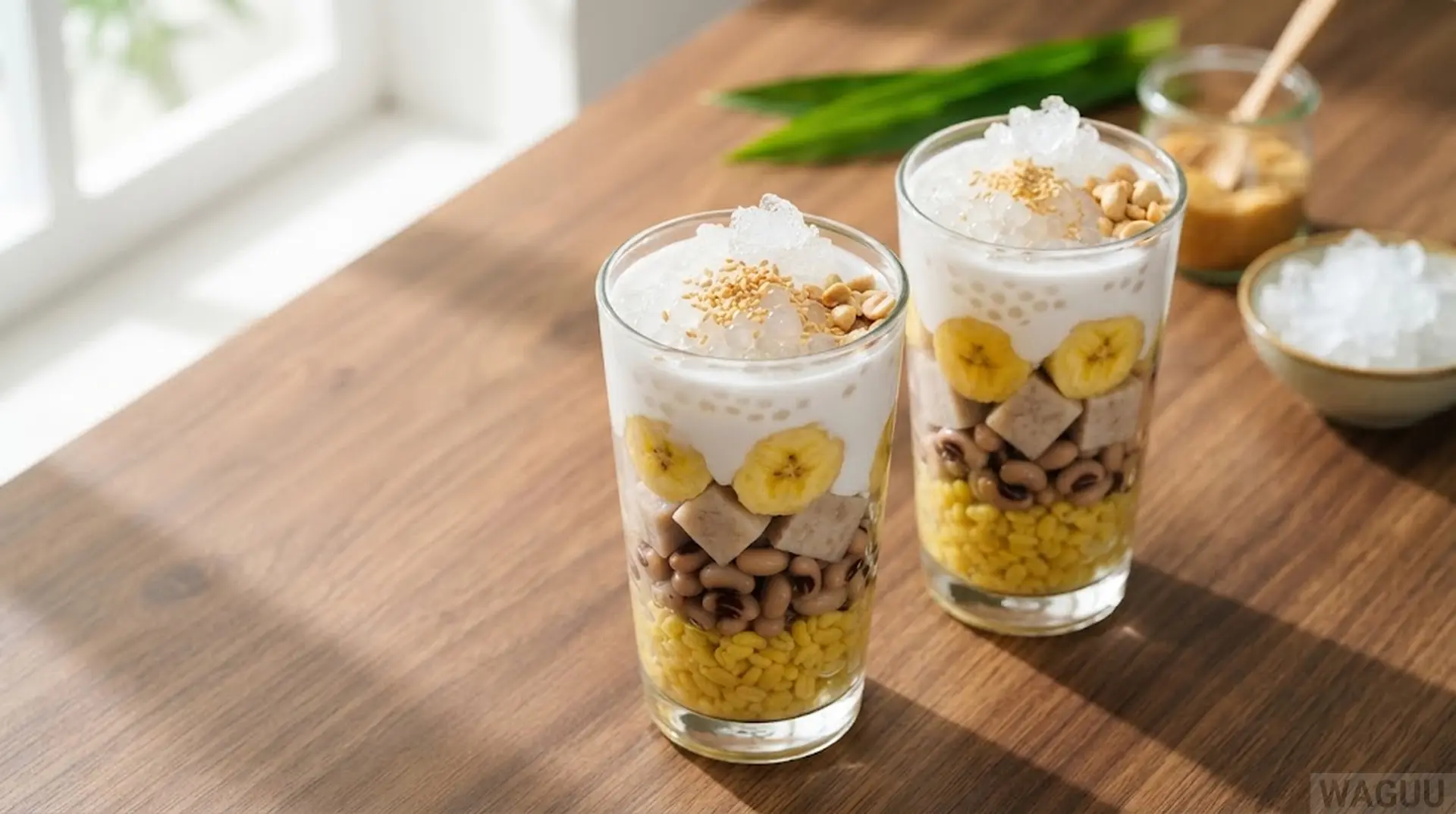
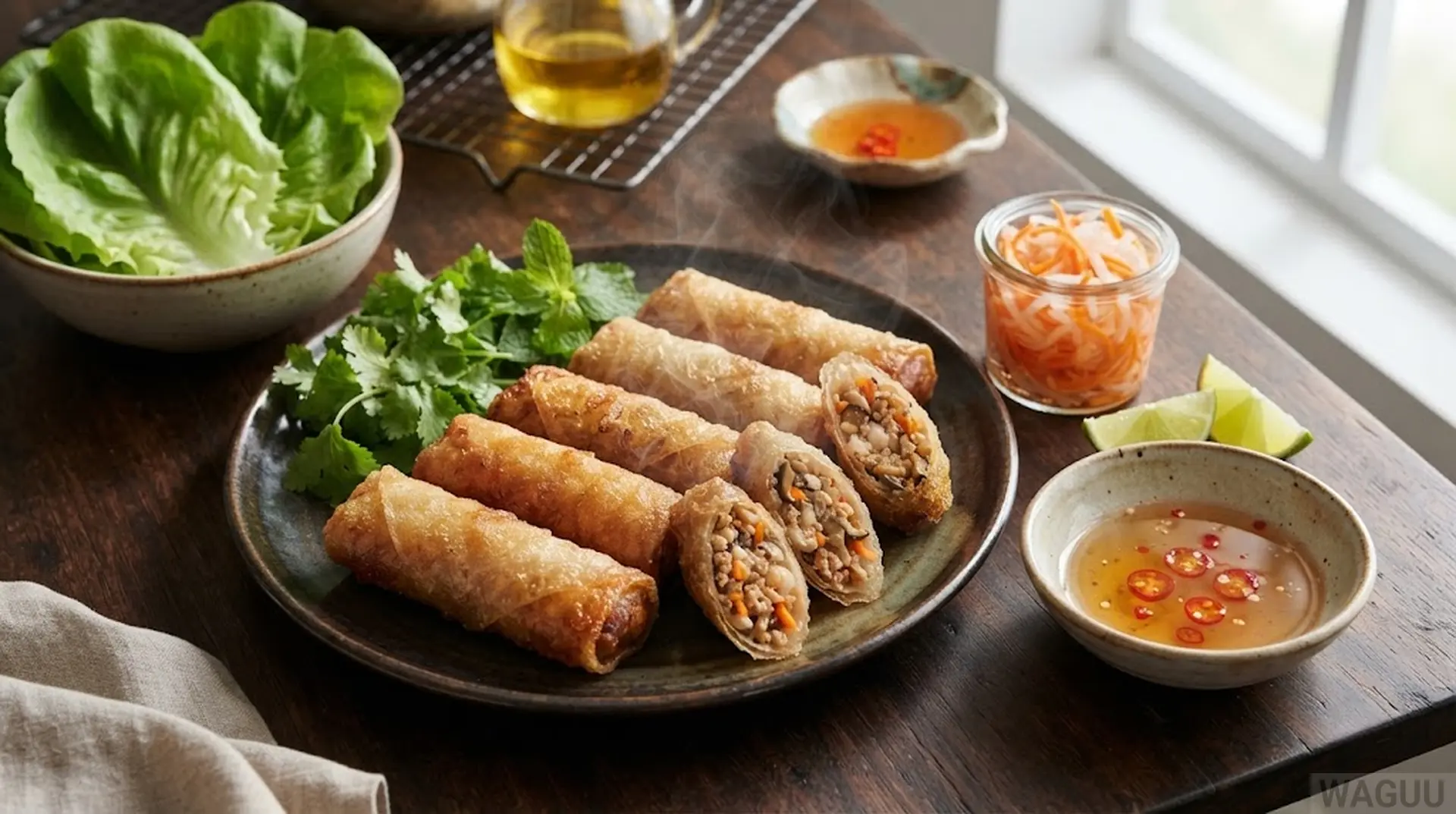
Vietnamese cooking is defined by one thing: it builds flavour on contrasts. Salty fish sauce against fresh lime, sweet caramel against sharp chilli, and soft noodles against crunchy vegetables. This is not a cuisine of spices, but a cuisine of balance. This guide walks through twelve dishes where you can learn that balance from the ground up: from a clear broth that simmers for three hours to a dessert assembled right in the glass. For each recipe you’ll find what determines the result, the key technique, and what to serve with it.
Quick overview
- Topic / Dish: 12 Most Famous Vietnamese Dishes: Traditional Recipes of Vietnamese Cuisine
- Category: Articles · Vietnamese Cuisine
- Cuisine: Vietnamese
- Variants included: Phở Bò – beef noodle soup with star anise, cinnamon and charred ginger, cinnamon and charred ginger, cinnamon and charred ginger, Phở Gà – chicken noodle soup with a delicate broth, star anise and fresh herbs, star anise and fresh herbs, star anise and fresh herbs,
- Key techniques: Simmering broth below boiling point, dry-roasting spices, marinating in fish sauce, grilling thin slices, cold rolling, double-frying, caramelising sugar and braising in a clay pot
- Physicochemical background: Collagen turns into gelatine at around 90°C, giving the broth body. Rice starch swells in warm water and hardens into a crisp layer on a hot pan. Sugar breaks down above 170°C, creating a brown caramel mass
- Common mistakes: Boiling broth instead of simmering, leaving spices in the broth until the end, thick slices of meat, wet vegetables in rolls, burnt caramel and coconut milk brought to the boil
- In a nutshell: Flavour base:
- Last updated: Can
WAGUU says: “‘Vietnamese cooking isn’t recognised by what’s in the pot, but by what’s added at the table. Fish sauce, lime, chilli and herbs are at everyone’s own bowl.'”
Key facts
| Preparation time: | 20–40 min |
| Cooking time: | 20–220 min |
| Main ingredient: | Beef rump steak, 400 g (thinly sliced across the grain, for raw topping) |
| Servings: | 6 |
| Difficulty: | Demanding, Moderately demanding, Easy |
Method at a glance
- Grilling thin slices on a dry griddle and frying rice with crackling paste
- Rolling the rolls in rice paper and frying in two stages at different oil temperatures
- Simmering broth from a whole chicken below boiling point and seasoning with fish sauce only at the end
- Simmering the broth with lemongrass and seasoning with shrimp paste and chilli oil at the end
- Swirling the batter in a hot high-sided pan and covering with a lid for a crisp shell
In a nutshell
- Phở Bò – beef noodle soup with star anise, cinnamon and charred ginger: Phở Bò stands on two things: a broth that is clear and smells of star anise, and meat that is placed raw into the bowl and cooked through by the hot broth. Patience with the broth and a sharp knife for the rump steak are what decide the result. Anyone who boils the broth over a fierce flame or cuts the meat thick will end up with a cloudy soup and tough slices
- Phở Gà – chicken noodle soup with a delicate broth, star anise and fresh herbs: Phở Gà is the gentler sister of beef phở. It relies on a broth from a whole chicken that simmers slowly and is seasoned only at the end. The ratio of ginger to star anise matters, as does removing the meat from the broth before it falls apart. Anyone who simmers the broth too long ends up with cloudy soup and overcooked meat
- Gỏi Cuốn – fresh summer rolls in rice paper with prawns and herbs: Gỏi cuốn is a cold roll that is neither cooked nor fried. The temperature of the water used to soak the rice paper and the order of layers are crucial: prawn and herb go on the translucent side, rice and meat in the middle. If you soak the paper in boiling water or roll too loosely, you get a broken or rubbery roll
- Cơm Tấm – broken rice with grilled pork, egg and fish sauce: Cơm tấm is a dish built on the plate: rice, meat, egg, vegetables and dressing. The rice, cooked in an exact water ratio, and the meat marinade with lemongrass and sugar are what matter. If you stir the rice while it cooks or leave it standing in the pot too long, you’ll get porridge instead of separate grains. The grilled slices shouldn’t overlap, or the meat will steam in its own juices
- Cao Lầu – a speciality from Hoi An with firm rice noodles and crispy chips: Cao lầu differs from other noodle dishes in two ways: the noodles are cooked in alkaline water so they stay firm, and instead of a sauce, a few tablespoons of seasoned broth are poured over. The braising time of the meat and the oil temperature for the crispy noodles are crucial. If you overcook the noodles or add too much broth, you end up with noodle soup instead of cao lầu
- Chả Giò – fried Vietnamese spring rolls with meat, vegetables and noodles: Chả giò are judged by a thin crust that still crackles once cooled and a filling that stays juicy. The oil temperature is what matters, along with frying twice: first at a lower temperature so the filling heats through, then briefly at a higher temperature so the crust firms up. Fry them only once, or roll them too thick, and you get a soft roll with a watery filling
- Chè – Vietnamese sweet desserts made from beans, tapioca and coconut milk: Chè is a group of desserts, not one recipe. What they have in common is that the legumes are cooked separately because each needs a different time, and that the sweet mixture is assembled only in the glass. The ratio of sugar to coconut milk matters, and the milk is not boiled, only warmed through. Anyone who cooks all the legumes together or brings the milk to the boil will end up with a mushy porridge with separated fat
- Result: Twelve dishes you can learn to cook in one sequence – from the simplest chè to the most complex phở bò.
Who this guide is for: Beginner – start with chè, gỏi cuốn and bánh mì, where only slicing and assembly matter. Intermediate – move on to bún chả, cơm tấm and cá kho tộ, where you work with marinade, grill and caramel. Advanced – take on phở bò, bún bò huế, cao lầu and chả giò, where temperature, time and patience are key.
Vietnamese Cuisine in a nutshell
Flavour base:
Fish sauce brings salt and umami, sugar sweetness, lime acidity, chilli heat and herbs freshness. The ratio varies by dish, but all four components are always present.
Two temperatures in one dish:
Hot meat or broth meets cold vegetables and herbs. This contrast is intentional, not accidental.
Rice starch instead of gluten:
Vietnamese cooking is built on rice. Rice noodles, rice paper and rice flour hold their shape thanks to starch, which behaves differently from wheat.
Technique before ingredients:
With phở, broth temperature matters; with bánh xèo, pan temperature; with chả giò, oil temperature. The same ingredients at the wrong temperature give a different dish.
Flavour deepens with resting:
Cá kho tộ, bún chả and nước chấm are more pronounced the next day. These dishes can be made ahead.
Result:
Twelve dishes you can learn to cook in one sequence – from the simplest chè to the most complex phở bò.
Who this guide is for:
Beginner – start with chè, gỏi cuốn and bánh mì, where only slicing and assembly matter. Intermediate – move on to bún chả, cơm tấm and cá kho tộ, where you work with marinade, grill and caramel. Advanced – take on phở bò, bún bò huế, cao lầu and chả giò, where temperature, time and patience are key.
Vietnamese cooking in a nutshell
Vietnamese cooking is divided into three main regions. The north is cooler, so it builds on clear broths and delicate flavours. The central region, which includes Hue and Hoi An, works with smaller portions, sharper chilli and thicker sauces. The south is warm and fertile, so it adds coconut milk, sugar and more herbs. But all three regions follow the same principle: flavour is assembled at the table, not in the pot.
Rice is the foundation. From rice come noodles, rolling paper, pancake flour and sticky rice for desserts. The second pillar is nước chấm, a sauce of fish sauce, sugar, lime, garlic and chilli. The third is nước dùng, a broth simmered from bones with spices and charred onion and ginger. Master these three things and you can cook any dish in this guide.
The three pillars of Vietnamese cooking and what determines the result
Rice is used raw, cooked and ground. Rice noodles are soaked or boiled, never fried unless making chips. Rice paper is soaked only in warm water, because it would fall apart in boiling water. Rice flour with turmeric and coconut milk makes a pancake that puffs into a crisp layer on a hot pan. Nước chấm is mixed in a ratio of one part fish sauce, one part sugar, two parts water and the juice of half a lime, then adjusted to taste for the dish. Nước dùng is simmered below boiling point to stay clear, and spices are dry-roasted in a pan to release their aroma.
Pillar
What determines the result
Rice and rice starch
The water temperature for soaking and the pan temperature. Starch swells in warm water and hardens on a dry hot surface.
Nước chấm sauce
The ratio of fish sauce, sugar and lime. Taste by the spoonful until no single component dominates.
Nước dùng broth
Temperature below boiling point, blanching the bones and simmering time. A clear broth is the base of both soups.
Phở Bò – beef noodle soup with star anise, cinnamon and charred ginger
Beef broth slowly simmered from bones and meat with charred ginger, onion, star anise and cinnamon, served with rice noodles and thin slices of raw rump steak. Total time 260 minutes, makes 6 servings
Phở Gà – chicken noodle soup with a delicate broth, star anise and fresh herbs
Chicken broth simmered from a whole bird and giblets with charred ginger, star anise and cinnamon, served with rice noodles and shredded chicken. Total time 135 minutes, makes 6 servings
Bánh Mì – crispy Vietnamese baguette with meat, pâté and pickled vegetables
A crisp baguette spread with pâté and mayonnaise, filled with marinated pork, pickled carrot and daikon, cucumber, herbs and chilli. Total time 70 minutes, makes 6 servings
Bún Chả – grilled pork slices and patties with rice noodles and a sweet-and-sour sauce
Grilled marinated pork tenderloin slices and minced pork patties, served with rice noodles, herbs, pickled vegetables and a sweet-sour nước chấm dipping sauce. Total time 75 minutes, makes 6 servings
Gỏi Cuốn – fresh summer rolls in rice paper with prawns and herbs
Fresh summer rolls made with rice paper, filled with cooked prawns, pork belly, rice noodles, herbs and crunchy vegetables, served with peanut sauce. Total time 55 minutes, makes 12 rolls for 6 servings
Bún Bò Huế – spicy noodle soup from Hue with lemongrass and chilli
A spicy noodle soup from the city of Hue with beef broth, lemongrass, chilli oil and shrimp paste, served with rice noodles, beef and pork trotter. Total time 230 minutes, makes 6 servings
Cơm Tấm – broken rice with grilled pork, egg and fish sauce
Broken rice with grilled pork shoulder in lemongrass marinade, fried egg, pickled vegetables, cucumber and a fish sauce dressing. Total time 70 minutes, serves 6
Cao Lầu – a speciality from Hoi An with firm rice noodles and crispy chips
A Hoi An speciality with firm rice noodles, sliced braised pork, herbs, crispy fried noodles and a small amount of broth instead of sauce. Total time 135 minutes, makes 6 servings
Bánh Xèo – crispy rice pancake with turmeric, prawns and bean sprouts
A crisp Vietnamese rice flour pancake with turmeric and coconut milk, filled with prawns, pork, beansprouts and spring onion, served with lettuce leaves and nước chấm dipping sauce. Total time 65 minutes, makes 6 pancakes
Chả Giò – fried Vietnamese spring rolls with meat, vegetables and noodles
Fried Vietnamese rice paper rolls filled with minced pork, prawns, glass noodles, carrot and mushrooms, served with lettuce leaves, herbs and nước chấm dipping sauce. Total time 75 minutes, makes 18 rolls for 6 servings
Cá Kho Tộ – caramelised braised fish in a sweet and savoury sauce
Catfish braised in a clay pot in a caramel sauce made from fish sauce, palm sugar and coconut water, seasoned with garlic, shallots and chilli, served with jasmine rice. Total time 105 minutes, makes 6 servings
Chè – Vietnamese sweet desserts made from beans, tapioca and coconut milk
Vietnamese sweet dessert of mung beans, black-eyed peas and tapioca pearls in coconut milk, flavoured with pandan leaves and palm sugar, served cold with crushed ice. Total time 100 minutes, makes 6 servings
WAGUU Pro Tip: Before you start cooking phở or bún bò huế, blanch the bones twice. The first water is discarded and only the second forms the base of the broth. You’ll save an hour of skimming foam and the broth will stay clear.
Frequently asked questions
Which dish should I start with if I am new to Vietnamese cooking?
Start with chè or bánh mì. With chè, only cooking the beans and assembling the glass matter; with bánh mì, slicing and filling. Only then move on to soups, where you need to monitor the broth temperature for several hours.
What can I use instead of fish sauce?
Dark soy sauce with a teaspoon of salt. The flavour will be less pronounced and lacks the umami from fermented fish, but the sweet-savoury balance of the dishes remains. For soups, add an extra tablespoon more than the recipe states.
Why is sugar used so much in Vietnamese cooking?
Sugar does not make the dish sweet, but balances the salt from fish sauce and the acidity from lime. In marinades, it also breaks down during grilling and creates a glossy crust that keeps the juices inside the meat.
Which herbs belong in Vietnamese dishes?
Coriander, mint, Thai basil, perilla and Chinese chives. They are always added to the finished dish or served separately at the table. Heat makes them lose their aroma and wilt.
How much chilli should I add for children?
Chilli and chilli oil are added to the bowl in Vietnamese cooking, not to the pot. So children can take broth or noodles without heat and adults can adjust their bowl at the table.
Where can I buy rice paper and rice noodles?
In Asian food shops or in the world food section of larger supermarkets. Rice paper is sold in packs of twenty to thirty sheets, noodles in packs of four as needed.
Can I prepare Vietnamese dishes in advance?
Yes, broths, marinades, pickled vegetables and caramel sauces. Only do not prepare ahead what quickly goes soft: fried noodles, filled baguettes, rolled spring rolls and blanched noodles in soup.
Also known as: Vietnamese cuisine, cuisine of Vietnam, phở, bánh mì, bun cha, Vietnamese noodles, Hue dishes, Hoi An dishes
Author: WAGUU Petr & Team • Published: 9 Oct 2026 • Updated: 10 Oct 2026
Conclusion
The twelve dishes in this guide are not a random selection. Each teaches a different skill: working with broth, slicing thinly, marinating, grilling, rolling, frying, caramelising and layering in a glass. Start with what you have time for and gradually add more. Once you master the ratio of fish sauce, sugar and lime, you will eventually cook everything.
More recipe variations
Bún Bò Huế
– spicy noodle soup from Hue with lemongrass and chilli
Cơm Tấm
– broken rice with grilled pork, egg and fish sauce
Cao Lầu
– Hoi An speciality with firm rice noodles and crunchy chips
Bánh Xèo
– crispy rice pancake with turmeric, prawns and sprouts
Chả Giò
– fried Vietnamese spring rolls with meat, vegetables and noodles
Cá Kho Tộ
– caramelised braised fish in a sweet-savoury sauce
Chè
– Vietnamese sweet desserts with beans, tapioca and coconut milk
What rice should I serve with Thai food?
Other possible variations
Phở Bò with beef rib
Instead of sirloin, thicker slices of meat from cooked rib are placed in the bowl. The meat is fattier, so the broth gains a fuller flavour and the soup is suitable for cold days.
Phở Bò with beef fillet
Fillet is sliced thinly and added raw to the bowl just like sirloin. The cut is leaner, so this version is lighter and suitable for an evening meal.
Phở Gà with chicken thighs
Replace the whole chicken with thighs and wings, which simmer for ten minutes longer. The broth is fuller and the meat juicier; the soup is suitable for a larger number of diners.
Phở Gà without offal
Omit the liver and heart and season the broth with two extra tablespoons of fish sauce. The soup is simpler and suitable for those who do not eat offal.
Bánh Mì with crispy pork belly
Instead of leg, use belly roasted until crispy. The baguette gains extra texture and the meat stays juicy even after cooling, so this version is good for travel.
Bánh Mì with grilled tofu
Replace the meat with slices of firm tofu, dried and grilled until crispy. The filling is meat-free, but the layers of pâté, vegetables and herbs remain the same.
Bún Chả with chicken
Swap pork tenderloin for boneless chicken thighs, which grill for two minutes longer. The dish is lighter and suitable for those who do not eat pork.
Bún Chả in a pan
Instead of grilling, sear the meat in a cast-iron pan and bake the patties in the oven. The flavour is not smoky, but the dish can be prepared even in a kitchen without a balcony.
Gỏi Cuốn with chicken
Replace pork belly with cooked chicken breast cut into thin slices. The rolls are lighter and the colour remains paler, so they are suitable as a light supper.
Gỏi Cuốn with roasted tofu
Omit both prawns and meat and replace with roasted tofu with fish sauce. The rolls are fully meat-free but remain firm and can be eaten by hand.
Bún Bò Huế with sirloin
Replace shin with sirloin, which simmers for a shorter time and the slices are added raw to the bowl. The soup is more delicate and ready about an hour earlier.
Bún Bò Huế with prawns
Replace half the meat with prawns, briefly cooked directly in the broth. The soup is lighter and sweeter; the heat of the chilli oil remains the same.
Cơm Tấm with pork rib
Swap pork shoulder for thin slices of pork rib, which grill for three minutes longer. The meat is juicier and the flavour more pronounced; suitable for summer grilling.
Cơm Tấm with chicken
Replace pork with boneless chicken thighs in a lemongrass marinade. The dish is lighter and takes a few minutes less to prepare.
Cao Lầu with crispy belly
Replace shoulder with belly roasted until crispy and sliced. The crispy skin adds extra texture and the meat stays juicy.
Cao Lầu with chicken
Replace pork with boneless chicken thighs, which braise for a shorter time. The dish is lighter and suitable for those who do not eat pork.
Bánh Xèo with chicken
Replace pork shoulder with chicken thighs cut into strips. The pancake is lighter and the filling heats through faster, so it is suitable for beginners.
Know another variation? Add your own suggestion below.
Missing a recipe?
Tell us what recipe you would like us to add. We will do our best to publish it soon!
Frequently asked questions about the variations
- Which phở variation is lighter? Chicken, because the broth simmers for a shorter time and does not contain fat from beef bones.
- Can
- What is the difference between
- Can I wrap gỏi cuốn a day ahead? No, the paper hardens within an hour. Prepare the filling in advance and roll just before serving.
- Is
- Why isn’t cao lầu served with sauce? Instead of a sauce, two to three tablespoons of broth are ladled over the noodles so they stay loose rather than swimming in liquid.
- Can
- Can chả giò be cooked in an air fryer? Yes, but the casing will be less crisp, as the rice paper needs oil to harden.
- Is
- Can chè be served warm? Yes, in cold weather it is served warm and thinner, in hot weather chilled with crushed ice.
- Which option is quickest? Chè and gỏi cuốn, both are ready within an hour including preparing the ingredients.
- Which option is the most demanding? Phở bò, because the broth simmers for three hours and every minute at the hob counts.