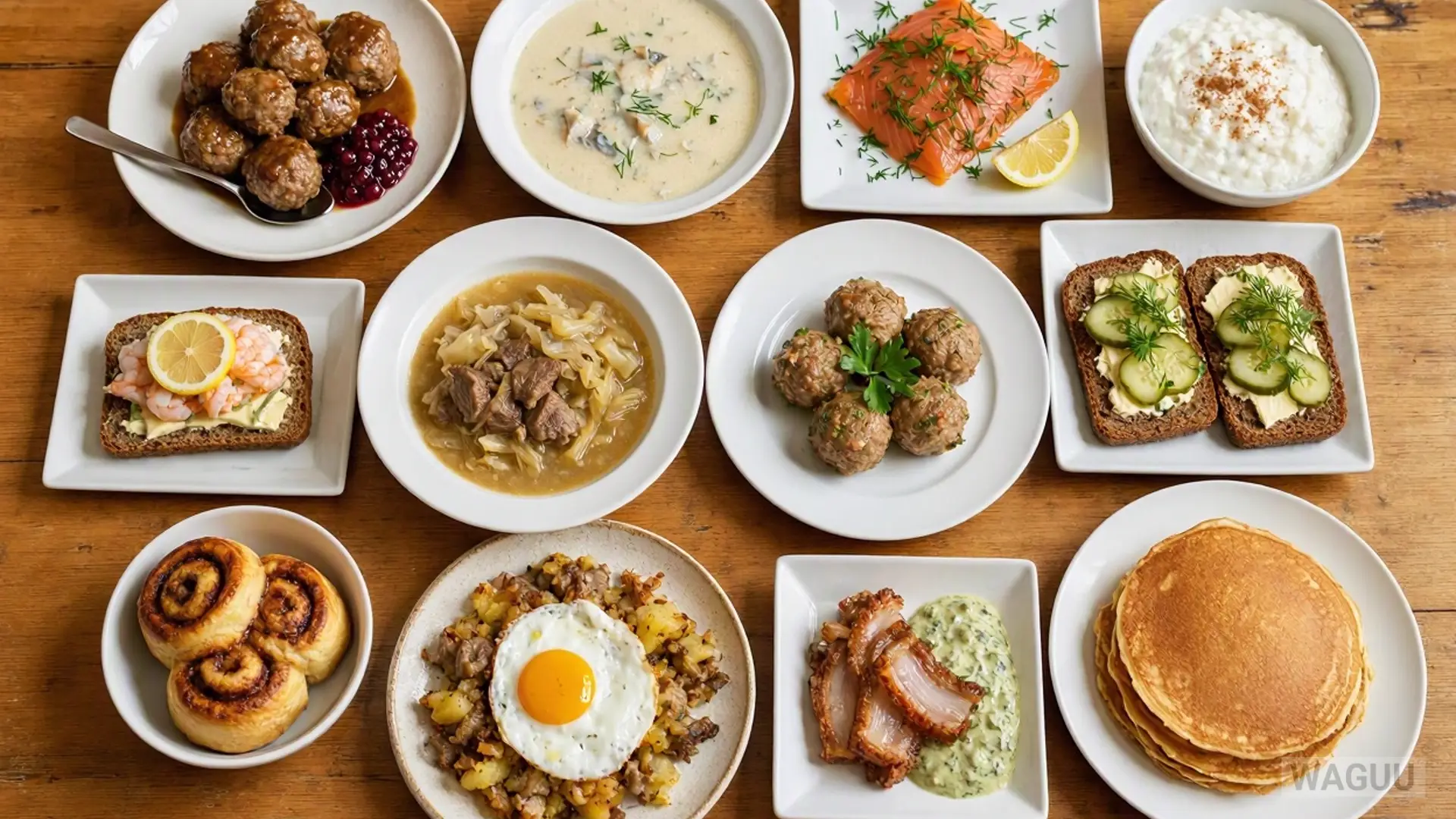
Summary: Explore the rich culinary heritage of Northern Europe with our comprehensive guide to 12 most popular Scandinavian dishes: favourite recipes of Scandinavian cuisine. Designed for home cooks and food enthusiasts alike, this guide provides detailed preparation insights, historical context, and step-by-step methods for mastering iconic Nordic delicacies. Reading time: 14 minutes.
Category: Scandinavian Cuisine |
Reading time: 14 minutes
Step-by-step photo gallery
Did you cook any of the variations? Share a photo in the comments under the recipe; we would love to add it to the gallery. Did you film a video tutorial? Insert a link to YouTube, YouTube Shorts, TikTok, Instagram Reels, Facebook Reels, Pinterest, Vimeo, or X (Twitter) in the comments; we would be happy to publish it.
Scandinavian cuisine is celebrated for its deep-rooted connection to nature, utilizing fresh seasonal produce, pristine seafood, and time-honored preservation techniques such as curing, smoking, and pickling. From the bustling food markets of Stockholm and Copenhagen to the quiet fjords of Norway, Nordic food culture balances rustic comfort with refined culinary artistry. This comprehensive guide walks you through twelve iconic dishes that define the region, offering deep insights into traditional preparation methods, flavor profiles, and cultural significance. Whether you are seeking a hearty winter stew or a delicate open-faced sandwich, these recipes showcase the remarkable diversity and warmth of northern European gastronomy.
Quick overview
- Topic / Dish: 12 most popular Scandinavian dishes: favourite recipes of Scandinavian cuisine
- Categories: scandinavian-cuisine-en, main-dishes-en
- Cuisine: Scandinavian
- Included variations: Köttbullar, Gravlax, Smørrebrød, Fårikål, Frikadeller, Räkmacka, Fiskesuppe, Pytt i Panna, Stegt Flæsk med Persillesovs, Kanelbullar, Rømmegrøt, Æbleskiver
- Key techniques: Curing, slow-cooking, simmering, pan-frying, baking
- Physical and chemical background: Emulsification in sauces, protein denaturation during curing, gelatinization of starches in doughs
- Common mistakes: Overcooking lean fish, rushing the slow-cooking process for meats, using incorrect flour ratios in yeast doughs
- In short: A definitive guide to mastering twelve essential Scandinavian dishes with authentic ingredients and techniques.
- Last updated: 24 October 2023
WAGUU says: “Scandinavian cooking teaches us that the greatest flavors come from respecting the natural integrity of raw ingredients, transforming simple elements through patience, heritage techniques, and a profound love for the land and sea.”
Key facts
| Preparation time: | 30–60 minutes per dish |
| Cooking time: | 20–180 minutes depending on the dish |
| Main ingredient: | Fish, pork, beef, lamb, root vegetables, berries, dairy |
| Number of servings: | 4 servings |
| Difficulty: | Medium |
Method in brief
- Select authentic, high-quality ingredients native to the Nordic region.
- Prepare preservation components such as cured fish or pickled vegetables in advance.
- Execute foundational cooking techniques including gentle simmering, browning, and slow braising.
- Prepare traditional accompaniments like silky gravies, mashed potatoes, and fermented preserves.
- Assemble and serve dishes with meticulous attention to traditional presentation and temperature.
In a nutshell
- Heritage: Deeply connected to harsh northern climates and seasonal harvesting cycles.
- Techniques: Relies heavily on curing, smoking, pickling, and slow simmering to build rich flavor profiles.
- Seafood: Incorporates pristine fresh and cured fish, particularly salmon, herring, and cod.
- Meat: Features comforting combinations of pork, beef, lamb, and game paired with earthy root vegetables.
- Baking: Highlights aromatic spices like cardamom and cinnamon in comforting breads and pastries.
- Result: A well-rounded collection of twelve timeless Scandinavian masterpieces ready for your kitchen.
Who this guide is for: Beginner – Home cooks looking to explore traditional Nordic flavors with clear, step-by-step instructions. Intermediate – Culinary enthusiasts wanting to master classic Scandinavian techniques like curing fish and crafting authentic gravies. Pro – Professional chefs seeking reliable proportions and historical context for classic Scandinavian dishes.
The Twelve Pillars of Scandinavian Cuisine
Köttbullar
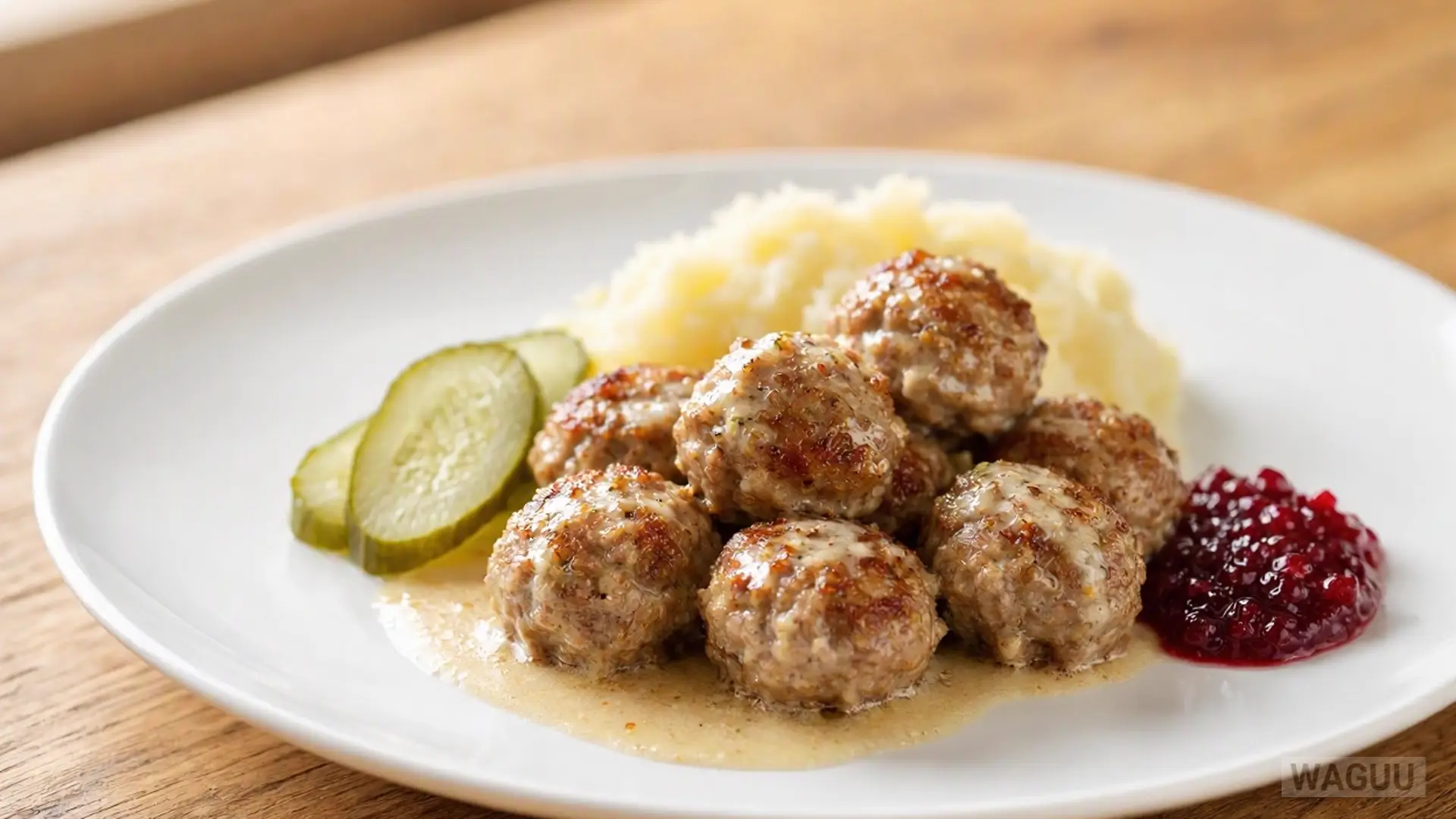
Köttbullar, universally known as Swedish meatballs, represent the ultimate comfort food of Sweden. This iconic dish brings together a finely balanced blend of minced beef and pork, moistened with breadcrumbs soaked in milk or cream, and delicately seasoned with allspice and white pepper. The secret to an authentic Swedish meatball lies in the meticulous shaping of small, uniform spheres and gentle pan-frying in butter until they achieve a rich, golden-brown crust on the outside while remaining exceptionally tender and juicy within. Traditionally, these savory morsels are accompanied by a velvety, rich cream sauce made from pan drippings, heavy cream, and beef stock. They are served alongside buttery mashed potatoes or boiled potatoes, tangy pickled gherkins that cut through the richness of the meat, and a generous dollop of tart lingonberry jam. The interplay of savory meat, unctuous sauce, creamy potatoes, and sweet-tart berries creates a symphony of flavors that has captivated palates far beyond the borders of Scandinavia. Making these meatballs at home allows you to experience a cherished Swedish tradition that has been refined over centuries, offering warmth and satisfaction with every single bite.
The preparation requires patience and attention to ingredient ratios to ensure the mixture holds together without becoming dense. By incorporating finely minced onions sautéed until translucent, you add a subtle sweetness and moisture that elevates the texture. Serving them piping hot with freshly chopped parsley adds a vibrant pop of color and herbaceous freshness to the plate. Whether prepared for a cozy weeknight family dinner or a festive gathering, Köttbullar remains an enduring symbol of hospitality and culinary heritage.
Main ingredients: Minced beef, minced pork, breadcrumbs, milk, onion, butter, allspice, heavy cream.
Method in brief: Mix meats with soaked breadcrumbs and seasonings, shape into small balls, pan-fry in butter until browned, prepare cream sauce in the same pan, and serve with potatoes and lingonberry jam.
View full recipe for Köttbullar
Gravlax
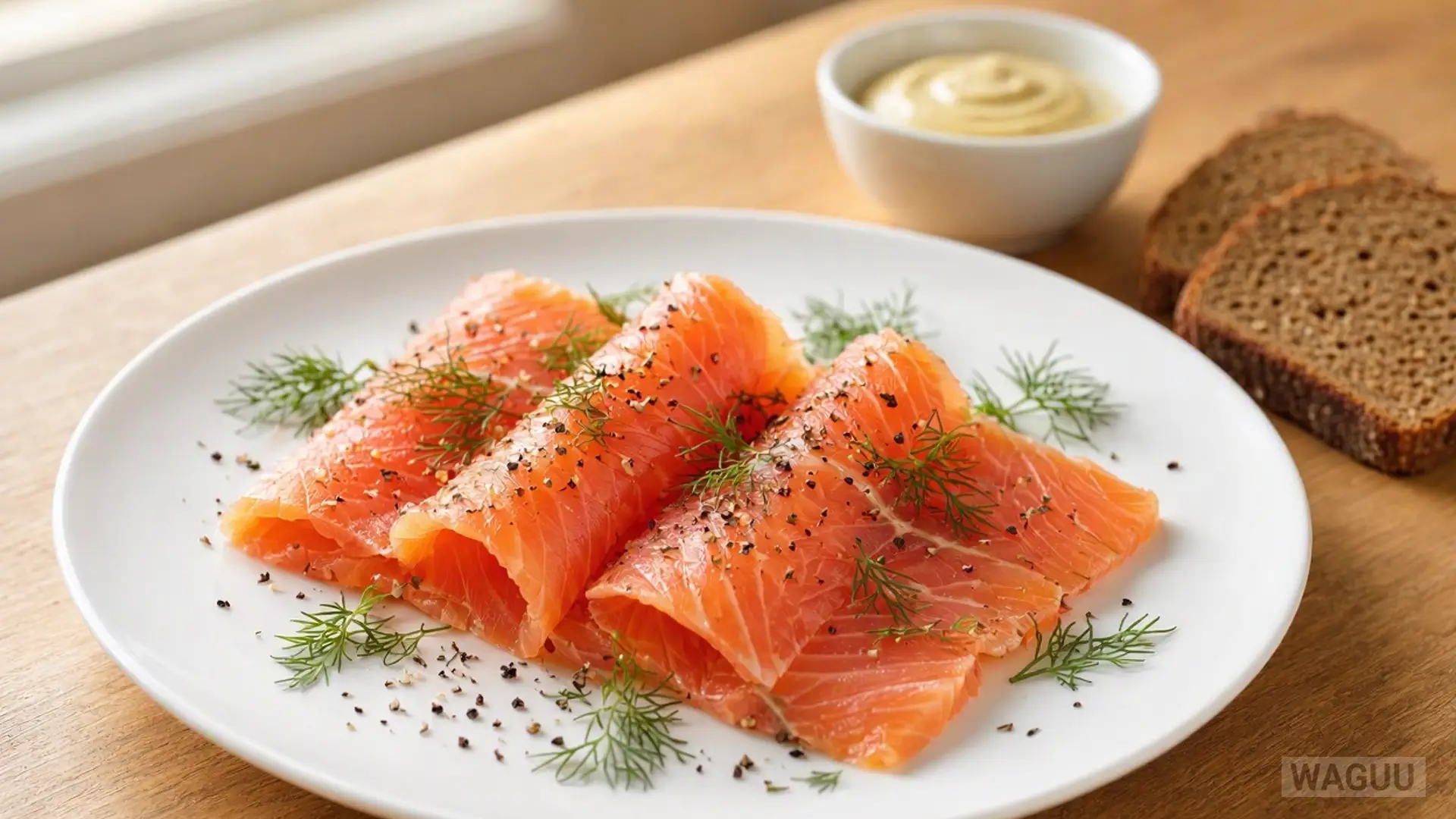
Gravlax is a magnificent Nordic delicacy consisting of fresh salmon that has been meticulously cured using a dry marinade of coarse salt, granulated sugar, crushed white peppercorns, and an abundance of fresh dill. The historical roots of this dish date back to medieval fishermen who buried salted salmon in sand above the high-tide line to ferment, a practice from which the name “gravlax,” meaning buried salmon, is derived. In modern culinary practice, the fish is cured in a refrigerated environment, allowing the osmotic pressure of the salt and sugar to draw out moisture while concentrating the rich, buttery flavor of the salmon and infusing it with aromatic dill. Once cured for twenty-four to forty-8 hours, the salmon is wiped clean of excess salt, sliced paper-thin on a bias, and arranged elegantly on platters. It is traditionally served with a luscious mustard-dill sauce, known as hovmästarsås, which features a harmonious blend of sweet mustard, vinegar, oil, and finely chopped fresh dill. Paired with crisp rye crispbread or freshly baked artisan bread, Gravlax offers a luxurious dining experience that highlights the pristine quality of Scandinavian seafood. Its silky texture and complex flavor profile make it an indispensable starter for festive Scandinavian celebrations.
Creating exceptional gravlax at home demands the freshest possible salmon, preferably sustainably caught and thoroughly inspected. Weighing down the curing fish with a moderate weight ensures even distribution of the cure and compacts the flesh for effortless slicing. The resulting delicacy is not only a feast for the eyes with its vibrant orange hue and green flecks of dill but also a testament to the brilliance of ancient preservation methods.
Main ingredients: Fresh salmon fillet, coarse sea salt, sugar, fresh dill, white peppercorns, mustard.
Method in brief: Coat salmon with salt, sugar, and dill mixture, wrap tightly, refrigerate with a weight on top for 48 hours, slice thin, and serve with mustard sauce.
Smørrebrød
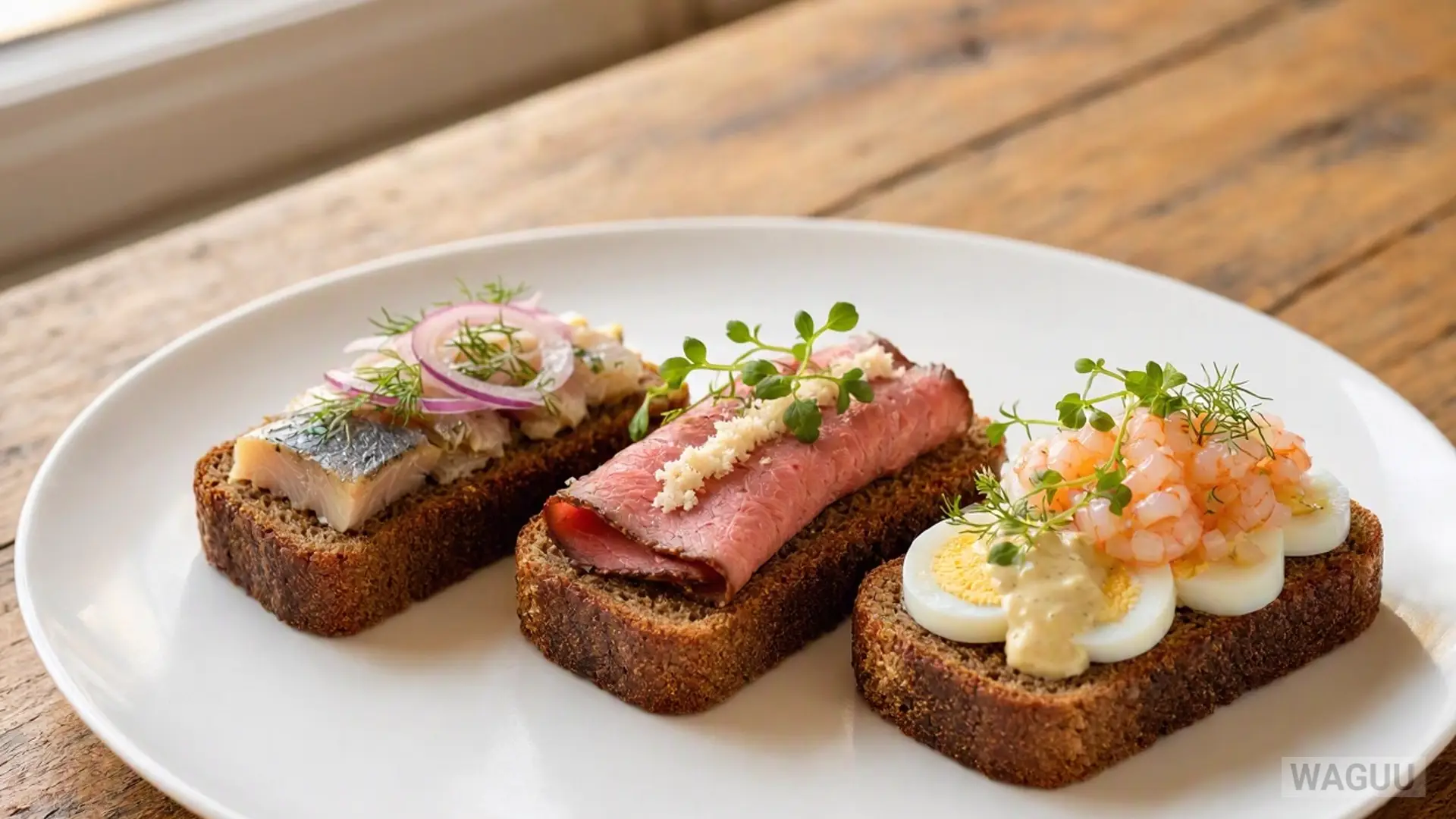
Smørrebrød represents the pinnacle of Danish culinary artistry, transforming humble slices of dense, dark rye bread into miniature works of edible architecture. The foundation of every authentic smørrebrød is rugbrød, a nutrient-dense sourdough rye bread loaded with whole grains and seeds, which is generously buttered to create a moisture barrier. Upon this sturdy base, an imaginative array of toppings is meticulously arranged, reflecting the seasonal bounty of land and sea. Traditional variations feature pickled herring glistening with spiced mustard or curry dressings, tender roast beef crowned with crispy onions, creamy remoulade, and freshly grated horseradish, or delicate cold-water prawns paired with hard-boiled eggs, lemon slices, and fresh dill. The presentation is governed by strict aesthetic principles, where colors, textures, and heights are balanced to create a visually stunning masterpiece that is as delightful to behold as it is to consume. Eating smørrebrød is an unhurried ritual, typically enjoyed with a knife and fork at lunchtime, often accompanied by a crisp aquavit and a cold Scandinavian lager. This culinary tradition embodies the Danish concept of hygge, celebrating comfort, craftsmanship, and the pleasure of sharing good food with loved ones.
Mastering smørrebrød requires attention to detail in layering ingredients to ensure structural integrity and a balanced bite. Spreads and moist ingredients are placed close to the bread, while garnishes and crisp elements crown the top. The endless possibilities for toppings allow home cooks to experiment with seasonal produce while honoring the timeless traditions of Danish gastronomy.
Main ingredients: Danish rye bread, butter, pickled herring, roast beef, prawns, eggs, remoulade, fresh herbs.
Method in brief: Butter slices of dense rye bread, layer with chosen proteins such as herring or roast beef, garnish elaborately with sauces, vegetables, and fresh herbs, and serve chilled.
View full recipe for Smørrebrød
Fårikål
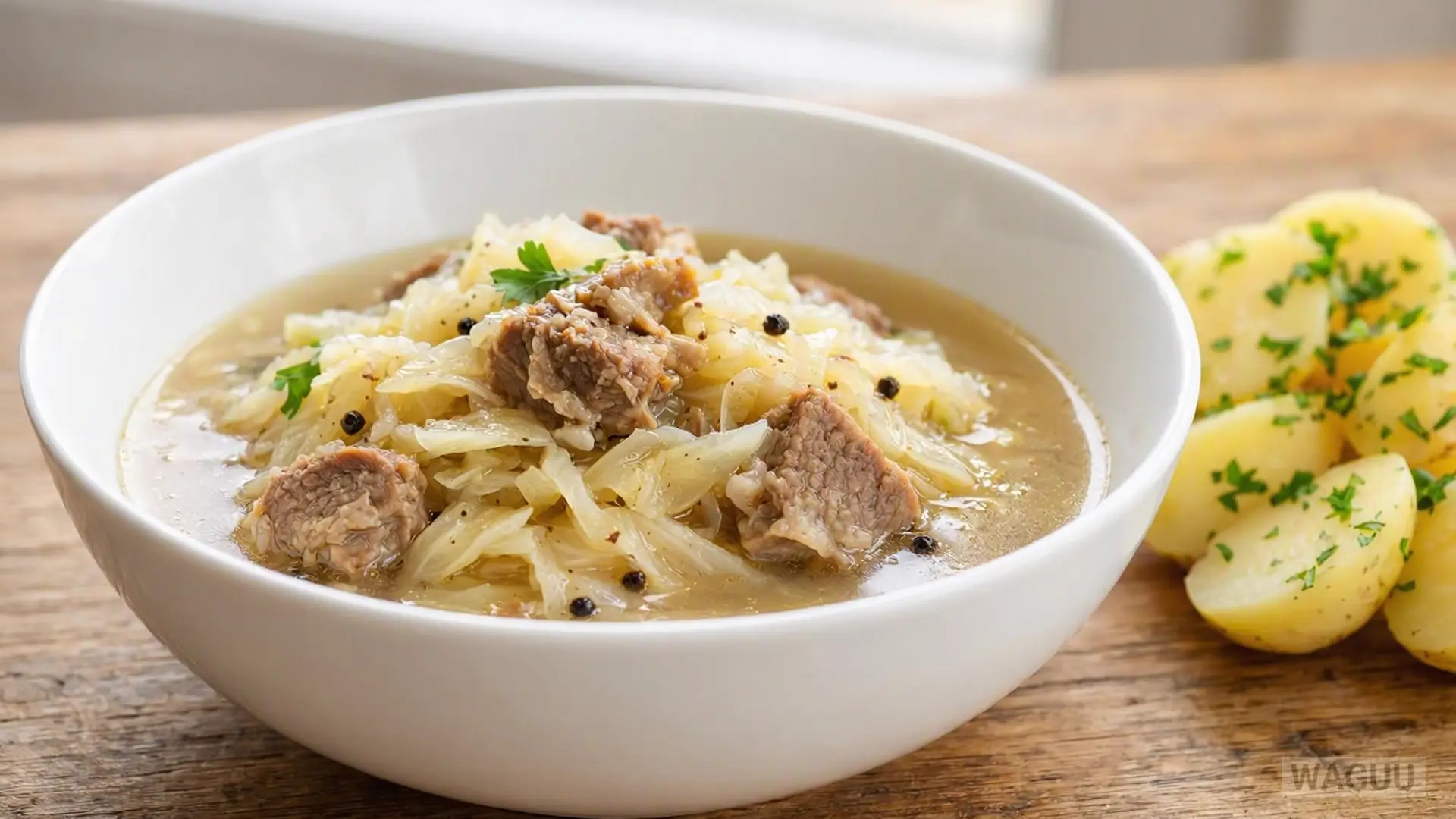
Fårikål holds the esteemed title of Norway’s national dish, celebrated for its comforting warmth and remarkable simplicity. Rooted in traditional Norwegian farmhouse cooking, this hearty stew combines cuts of mutton or lamb on the bone with generous wedges of white cabbage, layered in a heavy-bottomed pot with whole black peppercorns, a sprinkling of salt, and a light dusting of wheat flour to thicken the resulting broth. Covered with water, the ingredients are simmered very slowly over low heat for several hours until the lamb meat becomes meltingly tender and practically falls off the bone, while the cabbage absorbs the rich, savory juices and softens into a buttery texture. The beauty of fårikål lies in its minimalist ingredient list, which allows the natural, gamey flavor of the lamb to shine through without the distraction of heavy spices or complex seasonings. Traditionally served piping hot alongside boiled potatoes cooked in their skins, this dish is a staple of autumn dining in Norway, offering deep comfort during the chillier months of the year. Gathering around a steaming pot of fårikål brings warmth to the table and connects diners to the rich agricultural heritage of the Norwegian countryside.
Achieving perfection with fårikål requires patience, allowing the slow simmer to meld the flavors into a cohesive, soothing broth. Layering the meat and cabbage alternately with peppercorns ensures that every portion receives an even distribution of flavor. It is a dish that tastes even better when reheated the following day, making it an excellent choice for relaxed weekend gatherings.
Main ingredients: Lamb on the bone, white cabbage, whole black peppercorns, salt, wheat flour, water.
Method in brief: Layer lamb and cabbage alternately in a large pot, sprinkling with salt, flour, and peppercorns, add water, cover, and simmer gently for 2 to 3 hours until tender.
Frikadeller
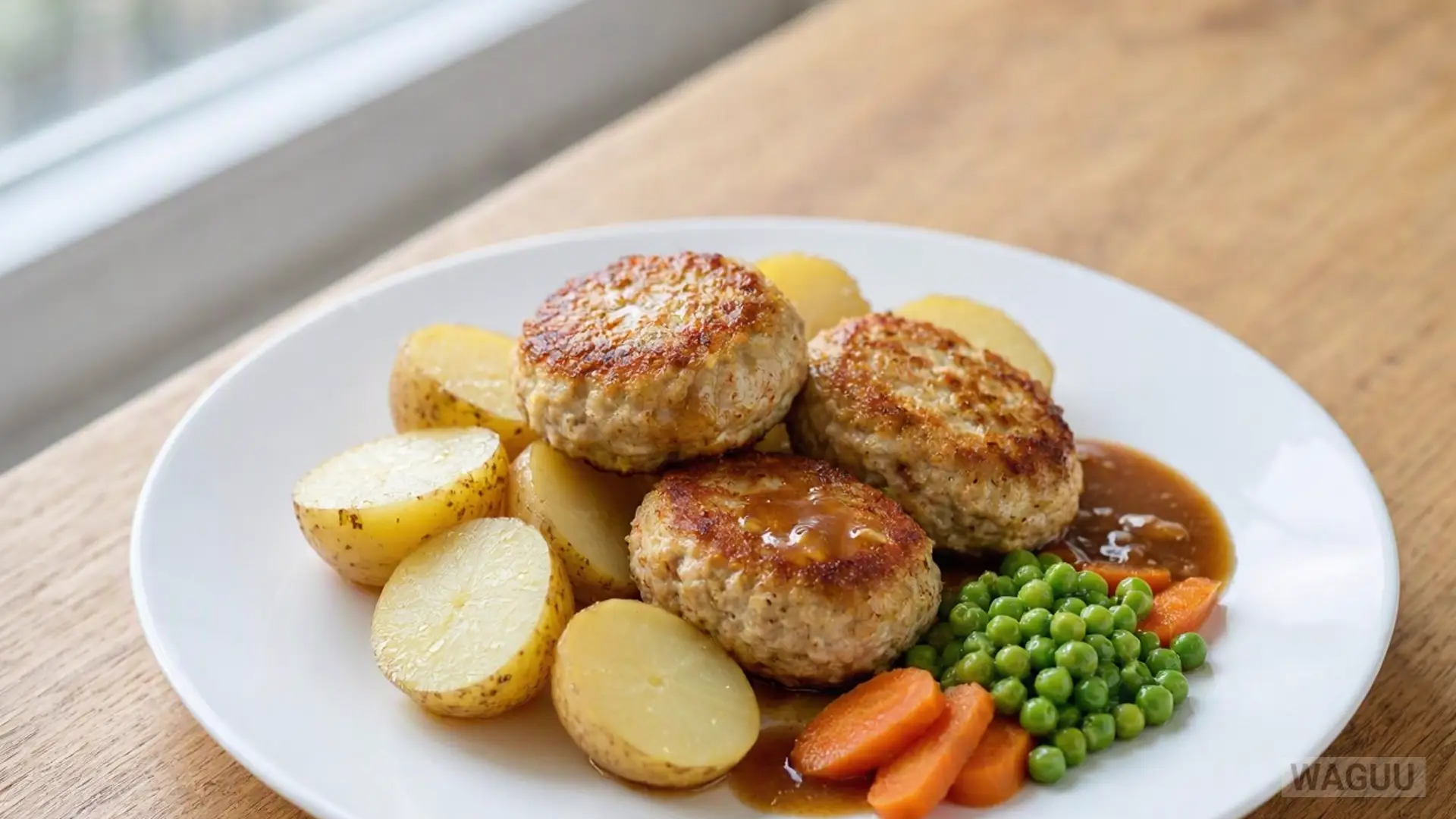
Frikadeller are beloved Danish pan-fried meat patties that occupy a cherished place in everyday Danish home cooking. Unlike their Swedish counterparts, frikadeller are typically flattened rather than spherical and are traditionally crafted from minced pork, or a wholesome blend of pork and veal, mixed with finely grated onions, milk, eggs, flour or breadcrumbs, salt, and freshly ground pepper. The mixture is beaten vigorously to create a light, springy texture that yields exceptionally succulent patties when cooked. Shaped using a spoon dipped in cold water and flattened directly in the hot frying pan, they develop a deliciously crispy, golden-brown exterior while retaining a juicy, flavorful interior. Frikadeller are incredibly versatile and can be served hot for dinner alongside boiled potatoes, rich brown gravy, and glazed carrots or stewed cabbage, or enjoyed cold sliced on rye bread with pickled beetroot and remoulade for lunch. This comforting dish embodies the cozy, unpretentious spirit of Danish cuisine, offering reliable satisfaction to diners of all ages. Making frikadeller at home fills the kitchen with the irresistible aroma of sizzling butter and savory spices.
The secret to achieving authentic Danish frikadeller lies in resting the meat batter in the refrigerator before frying, which allows the proteins to bind and enhances the texture. Frying them in a generous amount of butter or clarified butter ensures a rich, nutty crust that elevates the humble pork patty into a gourmet experience. They are a staple of traditional family dinners across Denmark.
Main ingredients: Minced pork, milk, onion, eggs, flour, butter, salt, pepper.
Method in brief: Combine minced pork with grated onion, milk, eggs, flour, and seasonings, chill the mixture, shape into oval patties with a spoon, and pan-fry in butter until golden and cooked through.
View full recipe for Frikadeller
Räkmacka
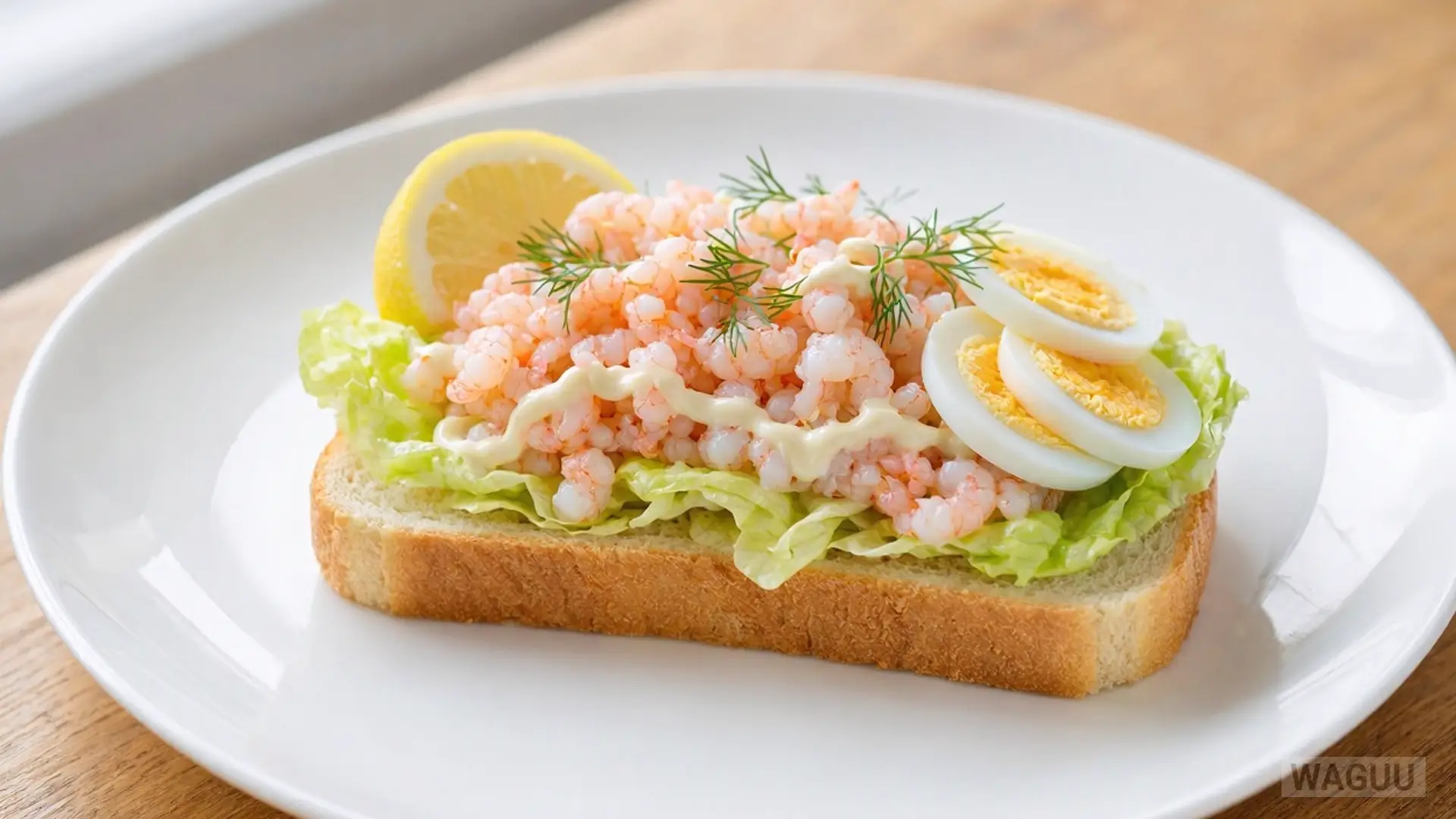
Räkmacka, the magnificent Swedish prawn sandwich, is a towering masterpiece of Scandinavian open-faced sandwich culture. Found in virtually every café, bakery, and restaurant across Sweden, this luxurious snack starts with a thick slice of soft white or sourdough bread, lightly buttered and layered with crisp lettuce leaves. Upon this foundation rests a staggering mountain of cold-water northern prawns, prized for their sweet, firm flesh and intense marine flavor. The mountain of prawns is meticulously adorned with slices of hard-boiled eggs, fresh cucumber ribbons, juicy tomato wedges, a dollop of creamy mayonnaise or homemade dill aioli, a squeeze of fresh lemon juice, and a generous sprinkling of freshly chopped dill. Some variations also include dollops of lumpfish roe or hand-picked salad greens, adding extra layers of texture and visual appeal. Räkmacka is more than just a sandwich; it is a celebration of Sweden’s deep coastal heritage and a staple of summer festivities, afternoon coffee breaks, and casual lunches. Eating one requires a knife and fork, turning a simple meal into an indulgent culinary experience.
The success of a räkmacka depends heavily on the quality of the seafood; freshly peeled cold-water prawns are vastly superior to larger warm-water varieties. Arranging the ingredients with care ensures that every bite delivers a harmonious balance of creamy mayonnaise, briny sweetness, and crisp freshness. It is an essential dish for anyone wishing to experience authentic Swedish coastal culture.
Main ingredients: Artisan bread, butter, cold-water prawns, hard-boiled eggs, lettuce, mayonnaise, lemon, dill.
Method in brief: Butter bread, lay down lettuce leaves, pile high with peeled prawns, garnish with sliced eggs, lemon, mayonnaise, and fresh dill, and serve immediately.
Fiskesuppe
Fiskesuppe is a rich, comforting Norwegian fish soup that showcases the bounty of the country’s icy coastal waters. Crafted with a deeply flavorful fish stock as its base, this velvety soup incorporates a luxurious blend of heavy cream, butter, and root vegetables such as carrots, leeks, and celery root cut into delicate julienne strips. Plump pieces of firm white fish, such as cod or haddock, along with succulent salmon chunks and tender prawns, are gently poached in the simmering broth until just cooked through, ensuring they remain tender and flaky. The soup is typically enriched with egg yolks and a splash of white wine or white wine vinegar, which imparts a subtle acidity that balances the richness of the dairy. Garnished with freshly chopped dill, chives, and sometimes a spoonful of trout roe, fiskesuppe offers a symphony of oceanic flavors wrapped in comforting warmth. It is a staple of coastal Norwegian dining, perfectly designed to ward off the chill of coastal winds and celebrate the pristine quality of Scandinavian seafood. Enjoyed with warm crusty bread, it makes for a complete and nourishing meal.
Preparing an exceptional fiskesuppe begins with simmering fish bones and aromatics to create a robust homemade stock. Adding the delicate fish and seafood near the very end of cooking prevents overcooking and ensures a velvety texture in the broth. This sophisticated yet comforting soup is a testament to Norway’s culinary mastery of seafood.
Main ingredients: Fish stock, white fish fillets, salmon, prawns, heavy cream, root vegetables, butter, fresh herbs.
Method in brief: Sauté root vegetables in butter, add fish stock and cream, simmer until tender, gently poach fish and prawns in the broth, and garnish with fresh herbs before serving.
View full recipe for Fiskesuppe
Pytt i Panna
Pytt i Panna is a beloved Swedish hash that exemplifies the resourceful and pragmatic nature of traditional Scandinavian home cooking. The name translates literally to “small pieces in a pan,” reflecting its historical origins as a clever way to utilize leftover roasted meats, potatoes, and onions from previous family meals. Today, while it is frequently made with diced raw potatoes, cubed beef, pork, or sausages, and finely chopped onions fried together in butter until crispy and golden, the spirit of resourcefulness remains intact. The key to an exceptional pytt i panna lies in dicing all the ingredients into uniform, bite-sized cubes so they cook evenly and develop a delightful crunch on the outside while remaining tender inside. Traditionally served piping hot, this hearty hash is crowned with a freshly fried sunny-side-up egg, whose runny yolk enriches the dish when pierced, alongside tangy pickled beetroot and pickled gherkins that provide a sharp, refreshing contrast. It is the ultimate comfort food for busy weeknights, offering a satisfying combination of textures and flavors that appeals to diners of all generations.
Achieving the perfect texture requires frying the potatoes and meats in a hot skillet with plenty of butter, resisting the urge to stir too frequently so a golden crust can form. Garnishing with freshly chopped parsley and serving alongside pickled beets completes this classic Swedish favorite. It is a quick, nourishing meal that honors the tradition of minimizing food waste.
Main ingredients: Potatoes, diced meat or sausages, onions, butter, eggs, pickled beetroot, parsley.
Method in brief: Dice potatoes, meat, and onions into small uniform cubes, pan-fry in butter until crisp and golden, top with a fried egg, and serve with pickled beetroot.
View full recipe for Pytt i Panna
Stegt Flæsk med Persillesovs
Stegt Flæsk med Persillesovs is proudly hailed as the national dish of Denmark, celebrated for its robust, unapologetic comfort and rich flavors. This traditional feast consists of thick slices of pork belly fried slowly in a pan or baked in the oven until they achieve an intensely crispy, crackling texture. The star accompaniment is persillesovs, a luscious, velvety white parsley sauce made from a roux of butter and flour, whisked with milk and loaded with finely chopped fresh curly parsley. This rich sauce blankets steamed boiled potatoes, which soak up the herbaceous, creamy goodness, while the crisp pork belly provides a magnificent textural contrast and deep savory flavor. Often served with pickled beetroot on the side to cut through the richness of the pork and dairy, this dish is a cornerstone of traditional Danish culinary culture. It represents a time when hearty, calorie-dense meals were essential for hardworking rural communities, and today it remains a beloved comfort food enjoyed in homes and traditional taverns across Denmark.
Preparing authentic stegt flæsk requires cooking the pork belly slowly so that the fat renders out completely, leaving behind shatteringly crisp strips of meat. The parsley sauce must be whisked continuously to achieve a smooth, glossy consistency without lumps. It is a hearty culinary tradition that brings warmth and satisfaction to the dining table.
Main ingredients: Pork belly slices, potatoes, butter, wheat flour, milk, fresh parsley, salt.
Method in brief: Fry pork belly slices until crispy and golden, boil potatoes, prepare a white roux-based parsley sauce with milk and chopped parsley, and serve together.
View full recipe for Stegt Flæsk med Persillesovs
Kanelbullar
Kanelbullar, the iconic Swedish cinnamon buns, are much more than a simple pastry; they are a cultural institution woven deeply into the fabric of Swedish daily life. The ritual of “fika”—taking a deliberate break for coffee and a sweet treat with colleagues or friends—is anchored by these fragrant, buttery buns. The enriched yeast dough is delicately spiced with freshly ground cardamom, imparting a warm, aromatic undertone characteristic of Nordic baking. Rolled out into a thin sheet, the dough is slathered with a rich filling of soft butter, dark brown sugar, and an abundance of ground cinnamon, then folded, cut into strips, and twisted into charming knot shapes. After a secondary rise, the buns are brushed with egg wash and sprinkled generously with crunchy pearl sugar before being baked to golden perfection. As they bake, the sweet aroma of cinnamon and cardamom fills the air, promising comfort and indulgence. Eating a warm kanelbulle straight from the oven, accompanied by a steaming cup of strong coffee, is one of life’s simple yet profound pleasures, reflecting the cozy elegance of Swedish culinary traditions.
Achieving the perfect kanelbular requires kneading the dough thoroughly to develop gluten structure, ensuring the buns maintain their shape while remaining soft and fluffy. Incorporating freshly ground cardamom into the dough adds an authentic touch that elevates the flavor profile beyond standard cinnamon rolls. They are a universal favorite that brings joy to every household.
Main ingredients: Wheat flour, milk, yeast, butter, sugar, ground cinnamon, cardamom, pearl sugar.
Method in brief: Prepare enriched yeast dough with cardamom, roll out, spread with butter, cinnamon, and sugar, twist into knots, sprinkle with pearl sugar, and bake until golden.
View full recipe for Kanelbullar
Rømmegrøt
Rømmegrøt is a traditional Norwegian sour cream porridge that holds a revered status in Nordic comfort food culture. Historically prepared for special occasions, weddings, and harvest celebrations, this rich and decadent dish is made by simmering full-fat sour cream with wheat flour and whole milk. As the sour cream is heated, the butterfat separates and rises to the surface, signaling the cook to skim off the precious liquid butter before whisking in the flour and milk to form a smooth, thick, comforting porridge. Served warm in bowls, rømmegrøt is traditionally drizzled with the reserved butter fat, then dusted generously with ground cinnamon and granulated sugar, creating a delightful contrast of savory, sweet, and spiced flavors. Its rich and comforting nature makes it a quintessential winter treat, traditionally enjoyed during festive gatherings and outdoor excursions in the mountains. This ancient recipe connects modern diners to the resourceful dairy traditions of rural Norway, offering an indulgent and nourishing culinary experience.
Mastering rømmegrøt requires careful temperature control during the simmering phase to allow the butterfat to separate cleanly without scorching the dairy solids. Skimming the butterfat and serving it pooled on top of each portion is an essential ritual that defines the dish. It is a unique and satisfying porridge unlike any other in European cuisine.
Main ingredients: Full-fat sour cream, wheat flour, whole milk, butter, cinnamon, sugar, salt.
Method in brief: Simmer sour cream until butterfat separates and skim it off, whisk flour and milk into the remaining base to form porridge, and serve topped with reserved butter, sugar, and cinnamon.
View full recipe for Rømmegrøt
Æbleskiver
Æbleskiver are delightful Danish fluffy round pancakes that occupy a special place in holiday traditions, particularly during the festive lead-up to Christmas. Despite their name, which translates literally to “apple slices,” traditional æbleskiver do not actually contain apples; the name is a historical relic from ancient times when pieces of apple were indeed dipped in batter and fried. Today, they are made using a specialized heavy cast-iron pan featuring several hemispherical molds, filled with a batter crafted from flour, buttermilk, eggs, melted butter, a touch of sugar, and leavening agents. As the batter cooks in the hot buttered molds, the pancakes are skillfully turned using a knitting needle or wooden skewer to form perfect golden spheres with a light, airy interior and a crisp exterior. Served piping hot in batches of several, æbleskiver are dusted generously with icing sugar and accompanied by sweet fruit jam, typically raspberry or strawberry, and sometimes mulled wine known as gløgg. They embody the warmth and joy of the holiday season in Denmark, bringing families and friends together around the stove on cold winter afternoons.
Mastering the art of turning æbleskiver requires practice and precise timing to ensure the batter forms spherical shapes rather than flat-bottomed fritters. Using buttermilk in the batter provides a tender crumb and subtle tang that balances the sweetness of the powdered sugar topping. They are an unforgettable festive treat for all ages.
Main ingredients: Wheat flour, buttermilk, eggs, butter, sugar, baking powder, cardamom, jam, icing sugar.
Method in brief: Whisk batter ingredients together, heat special rounded æbleskiver pan with butter, fill molds, turn balls continuously with a skewer until spherical and golden, and serve with jam and icing sugar.
View full recipe for Æbleskiver
Exploring Scandinavian cuisine reveals a culinary world built on deep respect for natural ingredients, seasonal harvesting, and heritage preservation techniques. Each of these twelve dishes tells a unique story of adaptation, survival, and celebration in the rugged landscapes of Northern Europe.
Whether you are recreating the cozy ambiance of a Swedish fika with freshly baked cinnamon buns or treating your family to a hearty pot of Norwegian lamb stew, these recipes offer an authentic taste of Nordic warmth and hospitality.
Culinary Characteristics of Nordic Gastronomy
The defining characteristics of Scandinavian cooking revolve around minimalism, purity, and functionality. Because winters were historically long and harsh, preservation techniques such as curing, smoking, pickling, and salting became essential for survival, ultimately shaping the distinctive flavor profiles of the region. Today, these ancient techniques are celebrated by modern chefs who combine heritage methods with contemporary presentation, resulting in food that is both deeply comforting and sophisticated. Dairy products, particularly butter, cream, and fermented milk, play a central role in enriching sauces and porridges, while berries like lingonberries, cloudberries, and bilberries provide essential acidity and sweetness to balance rich meats and fish.
| Country / Region | Signature Ingredients & Specialities |
|---|---|
| Sweden | Minced meatballs, cured salmon, cardamom pastries, open-faced shrimp sandwiches |
| Denmark | Rye bread sandwiches, crispy pork belly with parsley sauce, round holiday pancakes |
| Norway | Slow-cooked lamb and cabbage stews, creamy fish soups, rich sour cream porridges |
WAGUU Pro Tip: When sourcing ingredients for Scandinavian recipes, prioritize high-quality cultured butter, fresh dill, and sustainably caught fish to achieve the most authentic Nordic flavor profile.
Frequently asked questions
What makes Scandinavian cuisine unique?
Scandinavian cuisine is characterized by its reliance on fresh, seasonal ingredients, pristine seafood, and heritage preservation methods like curing, smoking, and pickling.
Are Scandinavian dishes difficult to prepare at home?
Most traditional dishes are straightforward and focus on quality ingredients rather than complex techniques, making them very accessible for home cooks.
What is the significance of fika in Swedish culture?
Fika is a daily ritual of taking a break for coffee and pastry, serving as an important social institution that fosters connection and relaxation.
Can I substitute fresh fish with frozen in Nordic recipes?
While fresh fish is always preferred—especially for raw dishes like gravlax—flash-frozen high-quality white fish can be used successfully in soups and stews.
Also known as: Nordic cuisine, Scandinavian food culture, traditional Northern European recipes
Author: WAGUU Petr & Team • Published: 26 Aug 2026 • Updated: 31 Oct 2026
Conclusion
Mastering the twelve essential dishes of Scandinavian cuisine opens the door to a rich tradition of comfort, craftsmanship, and natural flavors. From comforting meatballs and savory stews to elegant open-faced sandwiches and fragrant pastries, these recipes provide an unforgettable culinary journey across Northern Europe.
Choose your recipe
Select one of the featured Scandinavian recipes below to start your culinary adventure:
Köttbullar – Swedish minced meat balls served with a creamy sauce, mashed potatoes, pickled gherkins and lingonberry jam.
Gravlax – Scandinavian salmon cured in salt, sugar and dill, sliced thin and served with a mustard sauce and bread.
Smørrebrød – Danish open-faced rye bread sandwiches with various toppings, such as pickled herring, roast beef, egg, prawns or remoulade.
Fårikål – Traditional Norwegian dish of lamb and cabbage, slow-cooked with whole black pepper and served with boiled potatoes.
Frikadeller – Danish pan-fried minced pork or mixed meat patties, often served with potatoes, gravy and vegetables.
Räkmacka – Swedish open-faced sandwich with a generous layer of prawns, egg, lettuce, lemon and mayonnaise dressing.
Fiskesuppe – Norwegian creamy fish soup with pieces of fish, prawns, root vegetables and herbs, the style of which varies by region.
Pytt i Panna – Swedish dish of diced fried potatoes, meat and onion, traditionally served with a fried egg and pickled beetroot.
Stegt Flæsk med Persillesovs – Danish speciality of crispy fried pork belly served with boiled potatoes and parsley sauce.
Kanelbullar – Swedish yeast-dough cinnamon buns with a buttery cinnamon filling, often sprinkled with pearl sugar and served with coffee.
Rømmegrøt – Thick Norwegian sour cream porridge made with flour and milk, traditionally served with butter, cinnamon and sugar.
Æbleskiver – Danish fluffy round pancakes cooked in a special pan, served especially at Christmas with icing sugar and jam.
Other possible variations
Chicken Köttbullar
This lighter poultry variation replaces beef and pork with minced chicken breast, offering a lower-fat alternative while maintaining the classic spiced flavor profile. It is especially suitable for fitness enthusiasts and those avoiding red meat, substituting heavy cream in the sauce with a lighter chicken broth and yogurt blend.
Game Meatballs with Juniper
A rustic autumn variation utilizing minced venison or wild boar infused with crushed juniper berries and thyme. It appeals to adventurous home cooks looking for robust flavors, replacing standard spices with forest aromatics and serving with cloudberry jam.
Aquavit-Infused Gravlax
This spirited variation incorporates a shot of traditional Scandinavian aquavit into the salt and sugar curing mixture. It is ideal for festive dinner parties, adding a botanical herbal depth that enhances the natural richness of the cured salmon.
Beetroot-Cured Gravlax
A visually striking variation where grated raw beetroot is mixed into the salt and sugar cure, turning the outer edges of the salmon a brilliant ruby red. It is perfect for special occasions, adding an earthy sweetness and stunning presentation.
Vegetarian Smørrebrød with Avocado and Egg
A modern vegetarian variation replacing fish and meat with creamy mashed avocado, sliced hard-boiled eggs, and pickled radishes on dark rye bread. It is suitable for vegetarians seeking a nutrient-dense lunch packed with healthy fats and vibrant textures.
Smørrebrød with Smoked Trout and Cucumber
This refined seafood variation swaps herring for delicate smoked trout fillets paired with horseradish cream cheese and ribbons of fresh cucumber. It offers a milder seafood flavor profile that appeals to fish lovers seeking elegance.
Venison Fårikål
A hearty wilderness variation substituting traditional mutton with cuts of tender venison stewed with cabbage and juniper berries. It is designed for game enthusiasts looking for a deeper, earthier twist on Norway’s national dish.
Vegetarian Fårikål with Root Vegetables
A plant-based comfort variation replacing lamb with hearty chunks of celeriac, parsnip, and cabbage simmered with vegetable broth and whole peppercorns. It is perfect for vegetarians wanting to experience the slow-cooked comfort of the classic stew.
Beef and Pork Frikadeller
A popular mixed-meat variation combining equal parts minced beef and pork for a richer, beefier flavor profile. It is ideal for family dinners, offering a familiar texture similar to meat patties while maintaining traditional Danish seasoning.
Herbed Frikadeller with Fresh Chives and Parsley
This spring-inspired variation folds an abundance of freshly chopped chives, parsley, and dill directly into the pork mixture. It adds a vibrant green color and herbaceous freshness that brightens up the traditional fried patties.
Räkmacka with Spicy Chili Mayonnaise
A contemporary café variation replacing traditional mayonnaise with a zesty sriracha-infused chili mayo and lime juice. It is suited for diners who enjoy a mild kick of heat paired with sweet cold-water prawns.
Avocado and Egg Räkmacka
This nutrient-packed variation adds sliced ripe avocado beneath the layer of prawns, introducing creamy fats and a modern brunch aesthetic. It is a favorite among health-conscious food lovers.
Fiskesuppe with Lobster and Saffron
A luxurious festive variation incorporating tender lobster medallions and a pinch of aromatic saffron threads into the creamy fish broth. It is tailored for special celebratory dinners and gourmet gatherings.
Light Fiskesuppe with Fennel and White Wine
A lighter seafood variation replacing heavy cream with a broth enriched with sautéed fennel, leeks, and a splash of dry white wine. It is ideal for warm weather dining when a lighter soup is preferred.
Pytt i Panna with Smoked Sausage and Bacon
A smoky variation substituting leftover roast meat with diced smoked Polish sausage and crispy bacon bits fried with potatoes and onions. It offers a punchy, savory flavor profile favored by hearty appetites.
Vegetarian Pytt i Panna with Root Vegetables and Halloumi
A vegetarian twist replacing meat with cubed halloumi cheese and roasted root vegetables like parsnips and carrots. It provides a satisfying protein source and delightful salty chew.
Oven-Baked Stegt Flæsk
A modern kitchen variation where pork belly slices are baked on a wire rack in the oven rather than fried on the stovetop. It reduces stovetop splatter while yielding perfectly crisp, evenly rendered strips.
Stegt Flæsk with Chives and Mustard Sauce
This alternative variation substitutes the traditional parsley sauce with a zesty whole-grain mustard and chive cream sauce. It provides a sharper flavor profile that cuts through the rich pork belly.
Cardamom-Heavy Kanelbullar with Marzipan Filling
A decadent Swedish bakery variation incorporating a layer of almond paste (marzipan) mixed into the butter and cinnamon filling. It creates an exceptionally moist and rich pastry texture.
Blueberry and Cardamom Buns
A fruity variation replacing cinnamon filling with wild bilberry jam and crushed cardamom folded into the sweet yeast dough. It celebrates the abundant berry-picking traditions of Sweden.
Rømmegrøt with Brown Cheese (Brunost)
A decadent Norwegian mountain variation melting slices of sweet brown goat cheese into the warm sour cream porridge. It intensifies the caramel-like sweetness and creamy depth of the dish.
Rømmegrøt with Cloudberry Jam
This gourmet variation replaces standard sugar and cinnamon with wild cloudberry jam spooned over the rich sour cream porridge. It offers a tart and luxurious Nordic fruit contrast.
Æbleskiver Stuffed with Apple Compote
A traditional holiday variation where a small spoonful of spiced apple compote is hidden inside the batter as it cooks in the pan molds. It honors the historical fruit origins of the recipe.
Chocolate-Stuffed Æbleskiver
A modern children’s favorite variation adding a small piece of dark chocolate or Nutella into the center of each pancake sphere. It creates a molten chocolate surprise when bitten into warm.
Do you know another variation? Add your own suggestion below.
Missing a recipe?
Tell us what recipe you would like us to add. We will do our best to publish it soon!
Frequently asked questions about other variations
- Can I substitute chicken in traditional meatballs? Yes, minced chicken or turkey offers a leaner alternative while maintaining the spiced flavor profile.
- How does beetroot affect cured salmon? Beetroot adds an earthy sweetness and turns the outer edges of the fish a vibrant ruby red.
- Is vegetarian smørrebrød traditional? While classic toppings include meat and fish, modern Danish cafes frequently feature vegetable-forward variations.
- Can venison replace lamb in fårikål? Yes, venison provides a wonderful gamey twist on the classic Norwegian cabbage stew.
- What is the benefit of chilling frikadeller batter? Resting the batter allows the proteins to bind, resulting in a superior, springy texture when fried.
- Can frozen prawns be used for räkmacka? Fresh cold-water prawns are best, but properly thawed high-quality frozen prawns can also work well.
- How can I make fiskesuppe lighter? Substitute heavy cream with a blend of whole milk and white wine or vegetable broth for a lighter texture.
- Can pytt i panna be made without meat? Yes, vegetarian variations using root vegetables and halloumi cheese are delicious and satisfying.
Contact: 12-most-popular-scandinavian-dishes-favourite-recipes-of-sca-en@waguu.online