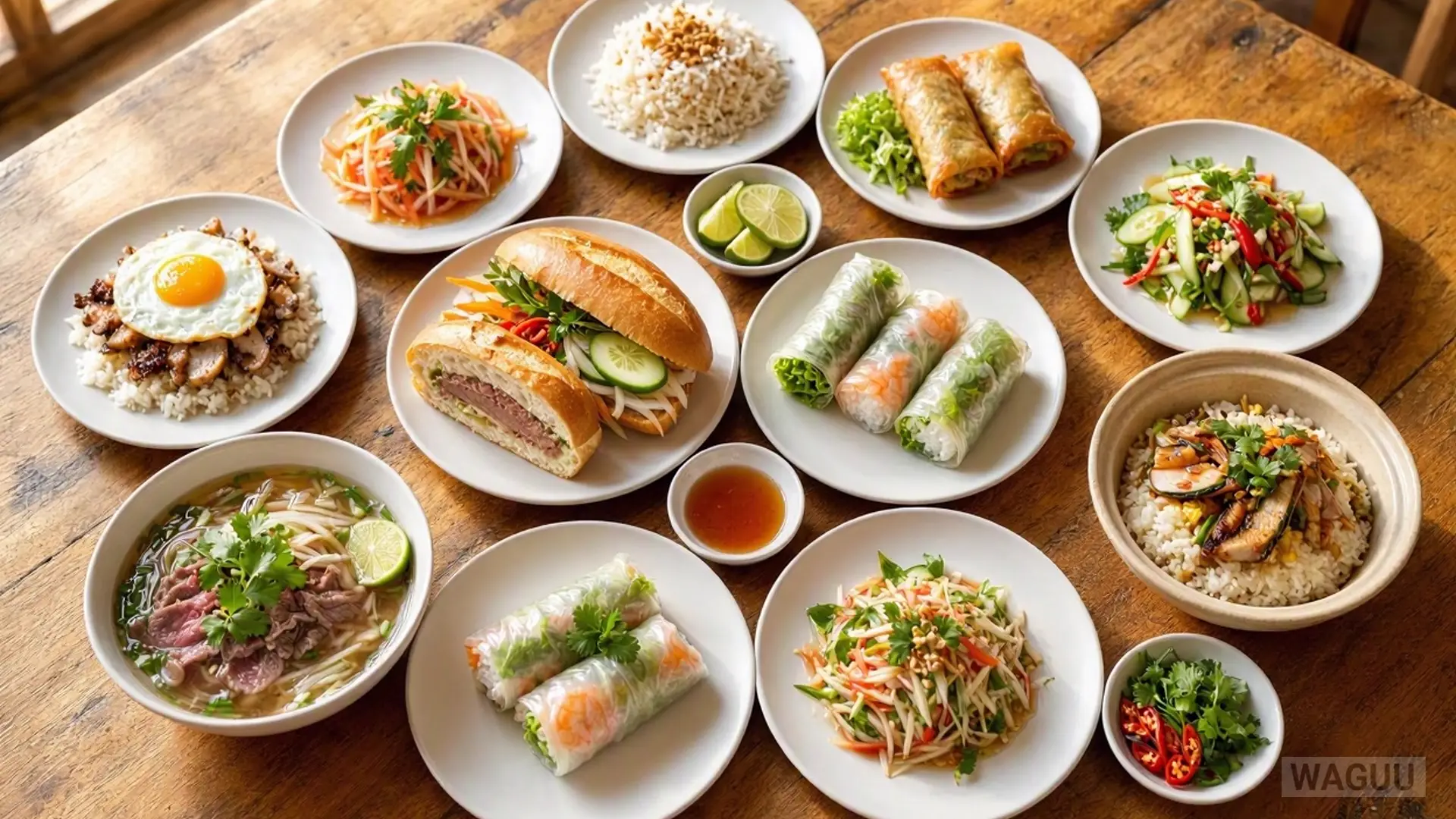
Summary: Explore the 12 most popular Vietnamese dishes, discovering their unique flavor profiles, traditional cooking techniques, and cultural roots. Intended for food enthusiasts and home cooks, this guide provides detailed overviews of iconic street food favorites and comforting home-cooked classics with a reading time of approximately 12 minutes.
Category: Vietnamese Cuisine |
Reading time: 12 minutes
Step-by-step photo gallery
Did you cook any of the variations? Share a photo in the comments under the recipe; we would love to add it to the gallery. Did you film a video tutorial? Insert a link to YouTube, YouTube Shorts, TikTok, Instagram Reels, Facebook Reels, Pinterest, Vimeo, or X (Twitter) in the comments; we would be happy to publish it.
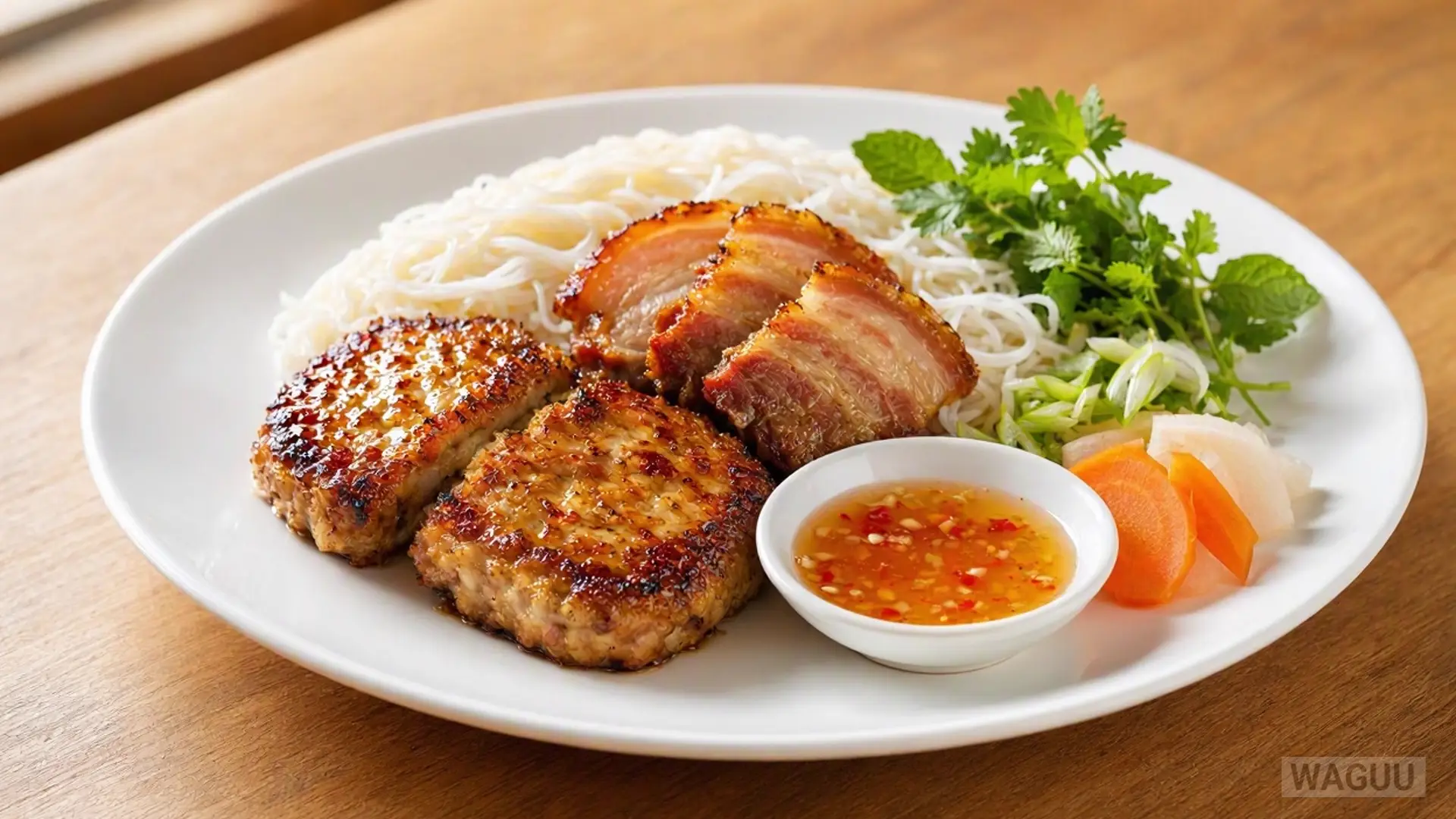
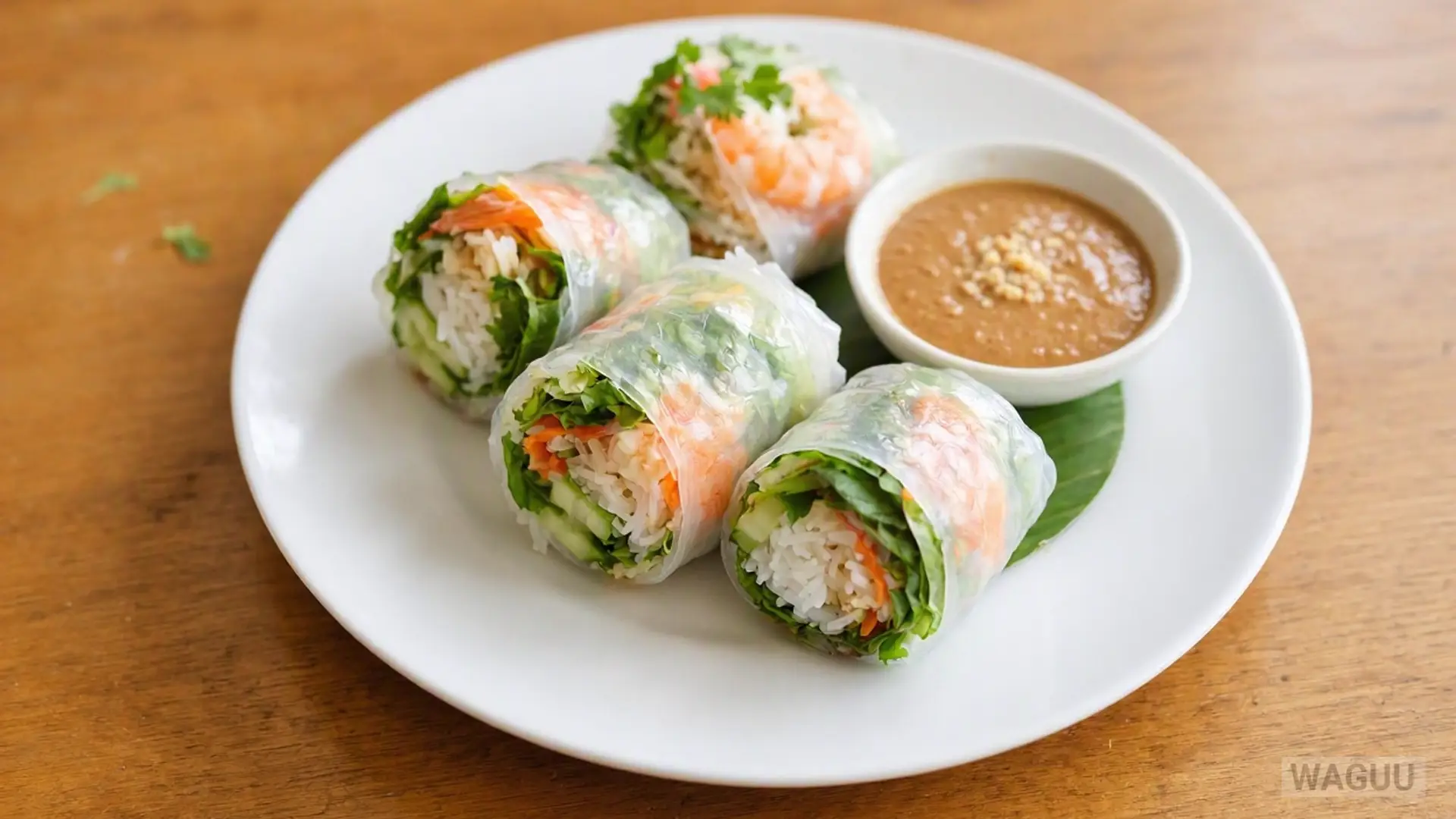
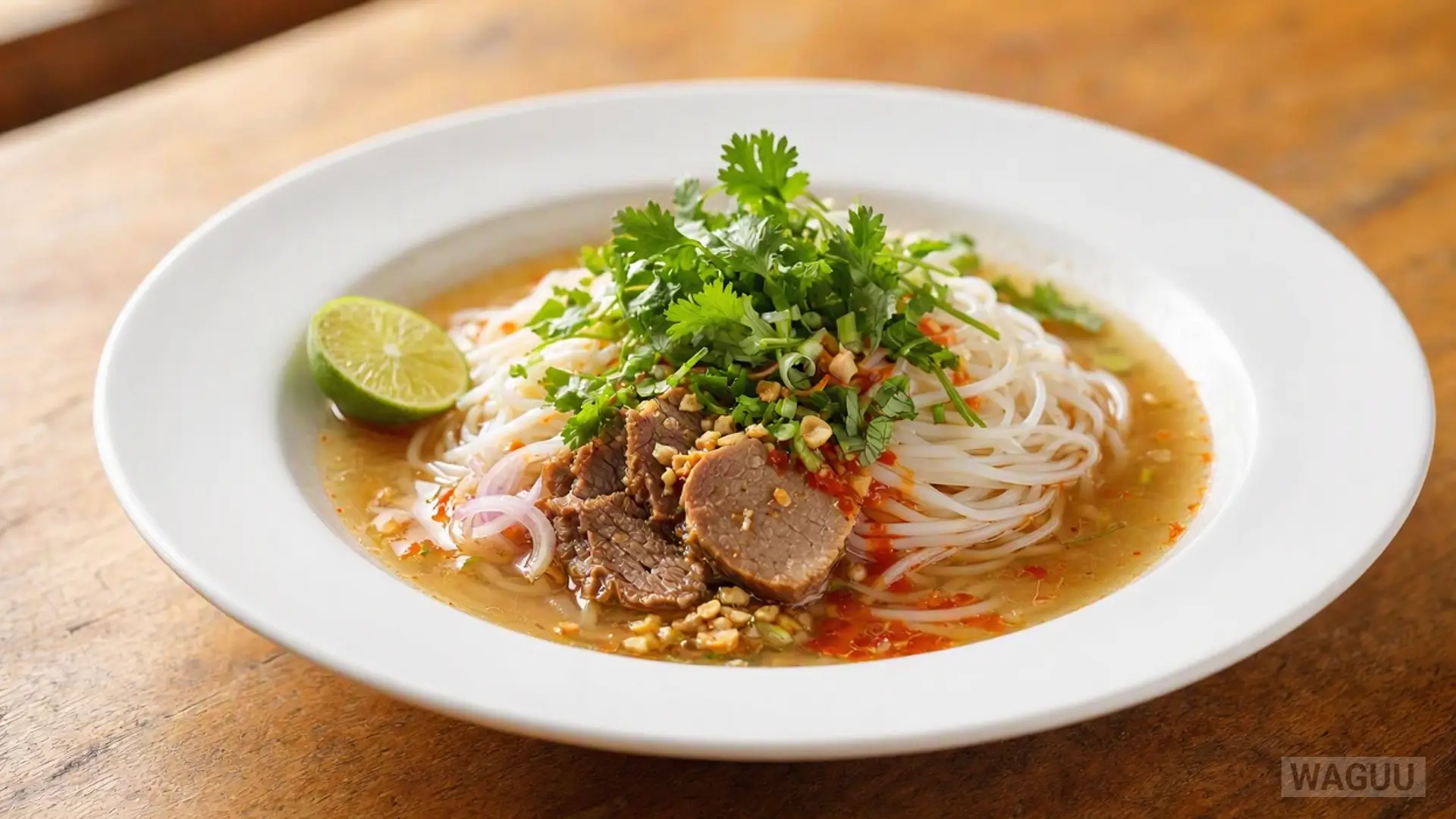
Vietnamese cuisine is celebrated worldwide for its vibrant balance of fresh herbs, complex broths, and harmonious textures. This comprehensive guide highlights the twelve most beloved dishes that define the culinary landscape of Vietnam, offering inspiration and practical insights for anyone eager to master these incredible flavors at home.
Quick overview
- Topic / Dish: 12 most popular Vietnamese dishes: favourite recipes of Vietnamese cuisine
- Categories: Vietnamese Cuisine, Main Dishes
- Cuisine: Vietnamese
- Included variations: Phở Bò, Phở Gà, Bánh Mì, Bún Chả, Gỏi Cuốn, Bún Bò Huế
- Key techniques: Broth simmering, dough rolling, quick pickling, high-heat grilling, clay pot braising
- Physical and chemical background: Extraction of aromatic compounds from spices, Maillard reaction in grilled meats, starch gelatination in rice noodles
- Common mistakes: Boiling broth too vigorously resulting in cloudiness, under-seasoning the dipping sauces, overcooking delicate herbs
- In short: Vietnamese cuisine masterclass focusing on the twelve foundational recipes that represent the heart of Southeast Asian gastronomy.
- Last updated: 2024-05-18
WAGUU says: “The true soul of Vietnamese cooking lies in the delicate balance of five fundamental elements that correspond to five organs, five tastes, and five colors.”
Key facts
| Preparation time: | 30–60 minutes |
| Cooking time: | 15 minutes to 8 hours |
| Main ingredient: | Rice noodles, rice, herbs, and proteins |
| Number of servings: | 4 servings |
| Difficulty: | Moderate |
Method in brief
- Prepare aromatic broths and simmering stocks using traditional spices and bone marrow.
- Source and prep ultra-fresh herbs, crisp vegetables, and high-quality rice papers or noodles.
- Execute precise cooking techniques such as rapid boiling, clay pot braising, or charcoal grilling.
- Mix complex dipping sauces balancing sweet, sour, salty, and spicy notes.
- Plate dishes thoughtfully with colorful garnishes and serve immediately while hot or fresh.
In a nutshell
- Flavor Harmony: Every meal blends contrasting tastes and textures for supreme satisfaction.
- Fresh Produce: Abundant use of raw herbs and crisp vegetables ensures lightness and vitality.
- Culinary Heritage: Centuries of regional traditions shape each distinct geographical specialty.
- Rice Versatility: Rice appears in countless forms from fluffy broken grains to delicate wrappers and noodles.
- Dipping Sauces: Nuoc cham and specialized sauces act as the ultimate flavor catalysts.
- Result: An immersive culinary journey through Vietnam’s most iconic and celebrated dishes.
Who this guide is for: Beginner – Home cooks looking to explore foundational Southeast Asian flavors with accessible ingredients. Intermediate – Culinary enthusiasts wanting to master authentic broths, rolling techniques, and complex sauce balancing. Pro – Professional chefs seeking detailed breakdowns of regional variations and traditional cooking methods.
Exploring the 12 pillars of Vietnamese cuisine
Phở Bò
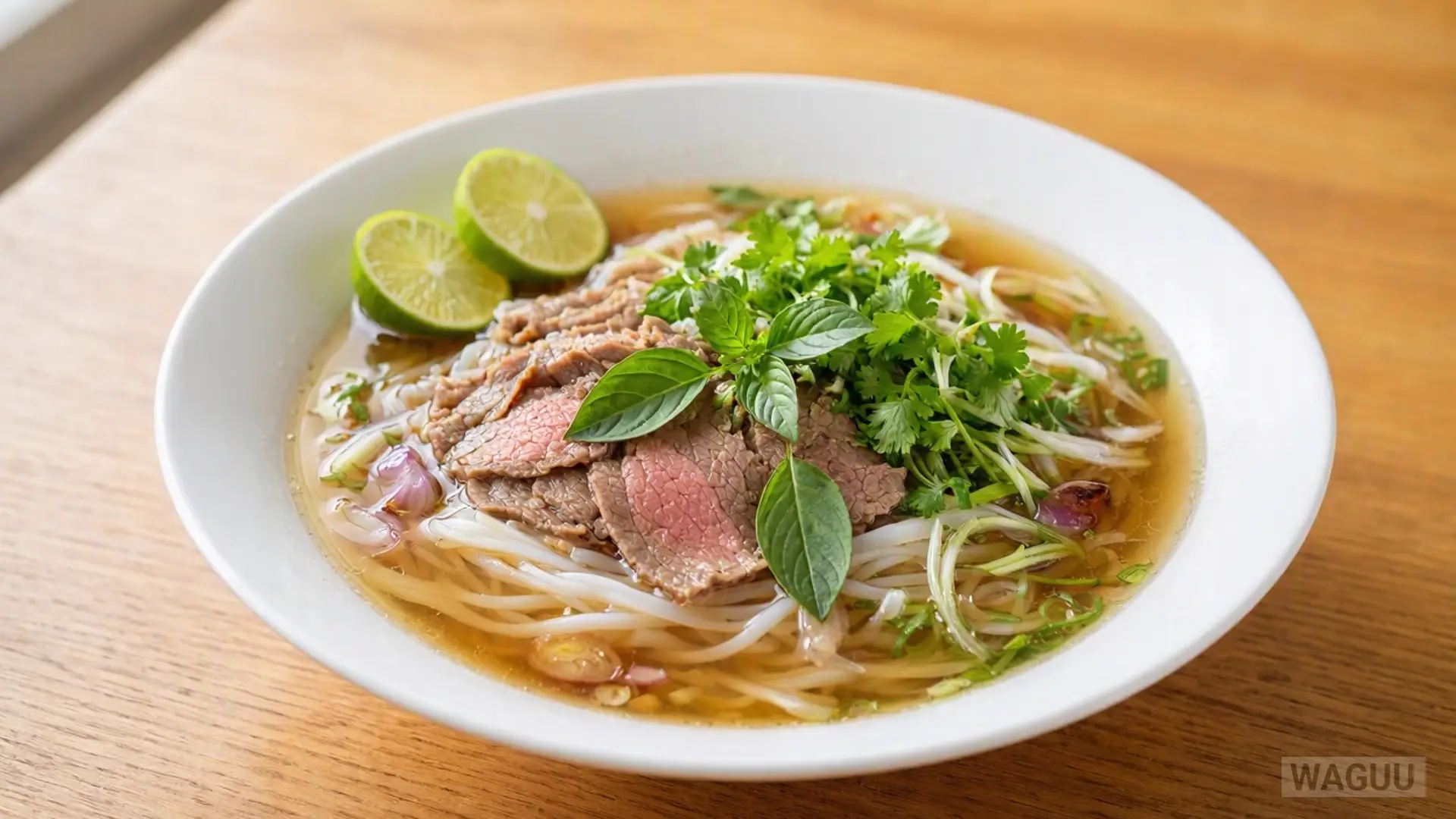
Phở Bò stands as the undisputed king of Vietnamese street food, an iconic noodle soup that has captured the hearts of food lovers across the globe. Preparing an authentic bowl requires patience, dedication, and a deep respect for traditional simmering methods. The foundational broth is crafted by slowly simmering beef marrow and knuckle bones for hours alongside charred onions, fresh ginger, and an aromatic blend of spices including star anise, cinnamon cloves, and cardamom. This gentle extraction process yields a crystal-clear, deeply savory liquid that carries the warm, comforting essence of the spices without ever feeling heavy on the palate. As the broth simmers, flat rice noodles are soaked and boiled just until tender, retaining a pleasant chewiness that contrasts beautifully with the liquid. Thinly sliced raw beef, often flank or brisket, is draped over the hot noodles just before serving, cooking instantly in the steaming broth. The dish is always presented alongside a generous platter of fresh herbs such as Thai basil, culantro, and mint, bean sprouts, lime wedges, and fiery bird’s eye chillies, allowing every diner to customize their bowl to personal perfection. The interplay between the rich beef broth, silky noodles, and vibrant herbal freshness creates a multisensory experience that warms the soul and awakens every taste bud. Whether enjoyed as a steaming breakfast on a chilly morning or as a comforting late-night supper, Phở Bò represents the ultimate expression of Vietnamese culinary artistry and cultural hospitality.
Main ingredients:
- Beef bones and marrow
- Flat rice noodles
- Thinly sliced beef flank
- Star anise and cinnamon
- Fresh ginger and onion
- Fresh herbs and bean sprouts
- Lime and chilli
Method in brief:
- Simmer beef bones with charred aromatics and spices for several hours to create a rich broth.
- Cook flat rice noodles separately until tender and divide among serving bowls.
- Top noodles with raw slices of beef and ladle boiling broth directly over the meat.
- Garnish with fresh herbs, bean sprouts, lime juice, and sliced chilli before serving.
Phở Gà
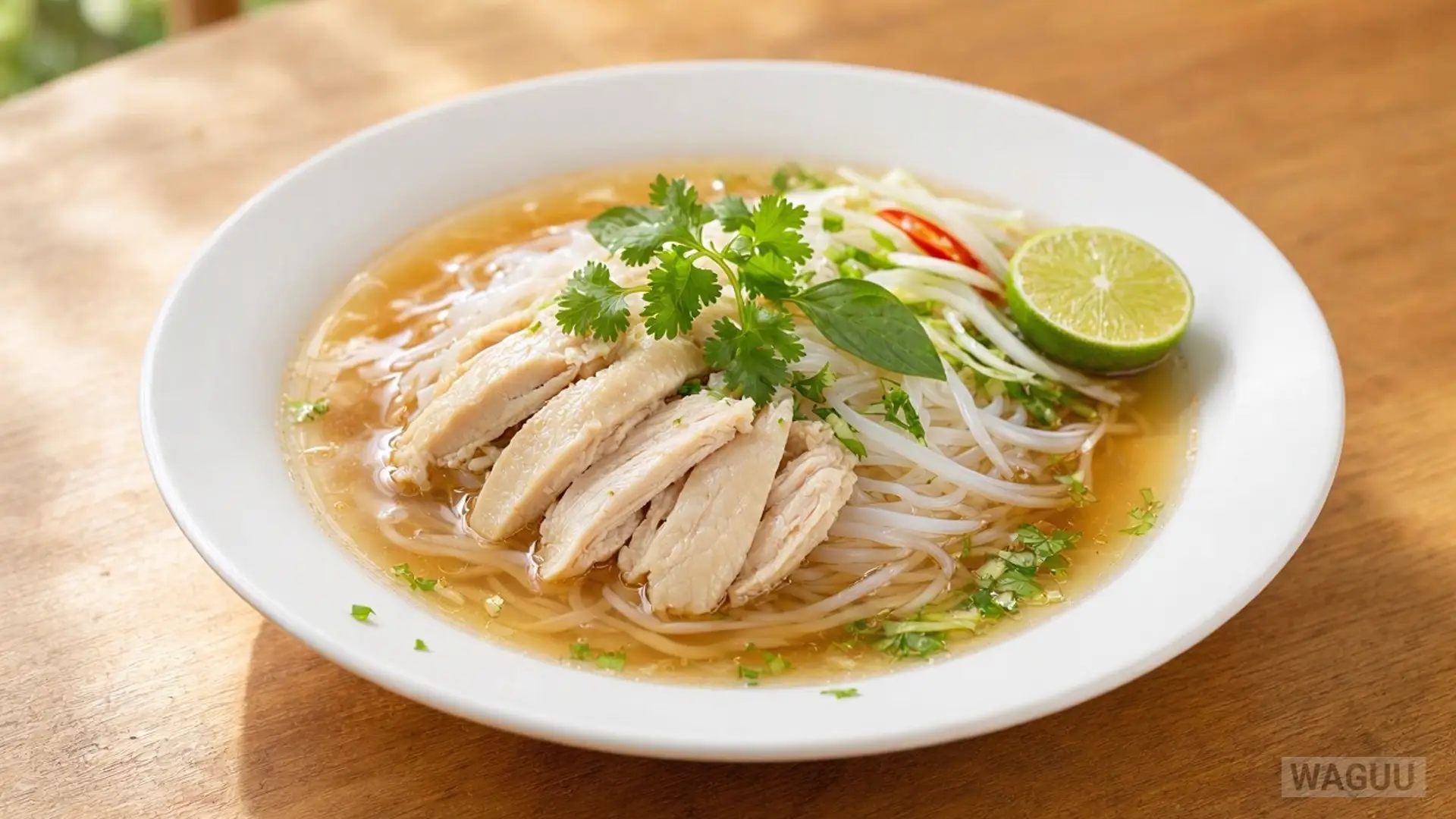
While beef noodle soup commands immense global recognition, Phở Gà offers a wonderfully comforting, lighter poultry-based alternative that holds a deeply cherished place in Vietnamese home cooking. This variation features a clear, golden broth simmered gently with whole chicken carcasses, fresh ginger, shallots, and subtle spices that impart a clean, soothing aroma. Unlike its beef counterpart, the broth for Phở Gà relies on the natural sweetness of chicken and slow-cooked root vegetables, resulting in a cleaner flavor profile that is exceptionally nourishing and easy to digest. Tender pieces of poached chicken meat, often shredded or sliced from a whole free-range bird, are layered generously over a bed of slippery flat rice noodles. The dish is finished with a scattering of freshly chopped scallions, coriander, and thinly sliced onion rings that add a crisp, pungent contrast to the velvety broth. Diners can enhance the soup with a dash of fish sauce, a squeeze of fresh lime juice, or a dollop of chili paste for an extra kick of heat and acidity. Phở Gà is frequently turned to as a restorative meal when recovering from an illness or simply when one seeks the comforting embrace of a warm, wholesome homemade soup. Its understated elegance highlights the brilliance of Vietnamese culinary philosophy, where simple, high-quality ingredients are transformed through attentive technique into something truly extraordinary and memorable.
Main ingredients:
- Whole chicken or chicken bones
- Flat rice noodles
- Fresh ginger and shallots
- Scallions and coriander
- Fish sauce
- Lime and chilli
- Black pepper
Method in brief:
- Poach whole chicken with ginger and shallots to create a clear, aromatic broth.
- Remove chicken, shred the meat, and set aside while straining the golden broth.
- Blanch rice noodles and place into bowls along with the shredded chicken meat.
- Ladle hot broth over the top and garnish with fresh herbs, scallions, and lime.
Bánh Mì
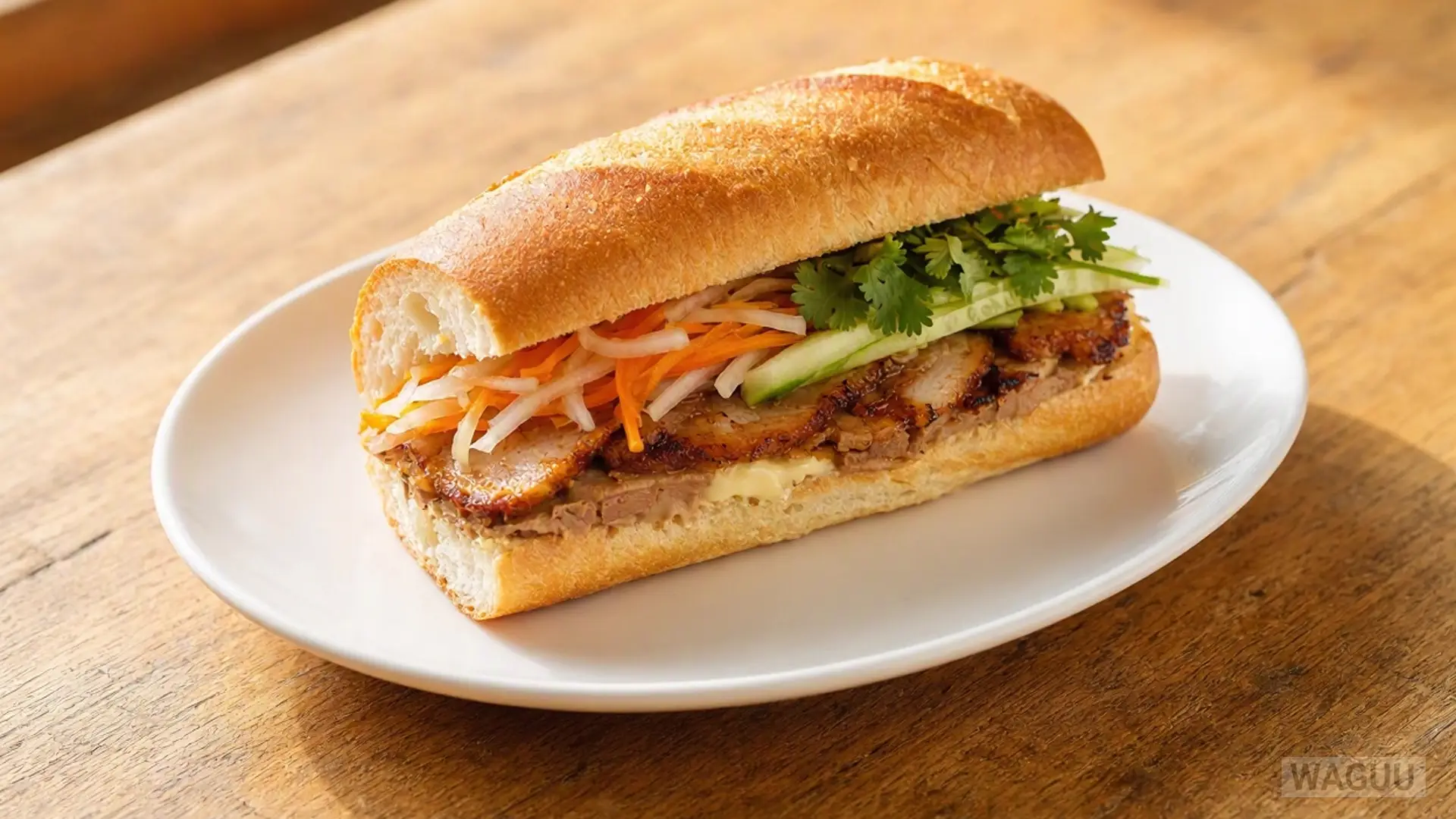
Bánh Mì represents the ultimate fusion of French colonial influence and indigenous Vietnamese street food culture, resulting in a sandwich that has conquered the culinary world. At the heart of an exceptional Bánh Mì is the baguette itself—light, airy, and shatteringly crisp on the outside with a soft, pillowy crumb inside, achieved through the clever incorporation of rice flour into the wheat dough. This golden vessel is generously smeared with creamy pork liver pâté and mayonnaise, providing a rich, savory foundation that anchors the bolder flavors. Layers of savory Vietnamese cold cuts, grilled pork, or lemongrass chicken are stacked alongside vibrant house-made pickles of crunchy carrot and daikon radish. Fresh cucumber strips add a cooling hydration, while a handful of fragrant coriander leaves and fiery bird’s eye chilli slices introduce aromatic punch and heat. A final drizzle of seasoned soy sauce or maggi seasoning ties all the disparate elements together into a cohesive, harmonious bite. Every mouthful offers an exhilarating contrast of textures—crunchy bread, tender meat, crisp vegetables, and velvety spreads—combined with a brilliant balance of savory, sweet, acidic, and spicy notes. Bánh Mì is not merely a sandwich; it is a masterclass in sandwich architecture and a testament to the adaptability and creative genius of Vietnamese street food vendors.
Main ingredients:
- Vietnamese crispy baguette
- Pork liver pâté
- Pickled carrot and daikon radish
- Grilled pork or cold cuts
- Fresh cucumber and coriander
- Mayonnaise
- Fresh chilli and soy sauce
Method in brief:
- Slice the airy baguette lengthwise without cutting all the way through.
- Spread a generous layer of pork liver pâté and mayonnaise on the interior.
- Stuff the baguette with seasoned meats, pickled vegetables, and fresh cucumber.
- Add fresh coriander leaves, sliced chilli, and a drizzle of savory soy sauce.
Bún Chả
Hailing from the vibrant capital of Hanoi, Bún Chả is an extraordinary culinary creation that famously seduced even the late Anthony Bourdain and former US President Barack Obama during their televised meal together. This northern specialty features two distinct preparations of pork: tender slices of pork belly and savory minced meat patties, both marinated in a fragrant blend of shallots, garlic, fish sauce, and caramel, then charred to smoky perfection over open charcoal grills. The grilled meats are submerged in a warm, sweet-and-sour fish sauce broth swimming with floating slices of green papaya and carrot pickles, imparting an addictive depth of flavor. Alongside this bowl of warm, aromatic liquid, diners are served a generous platter of cool, silky rice vermicelli noodles and an abundant mountain of fresh herbs, including perilla leaves, lettuce, Asian basil, and cilantro. To eat Bún Chả properly, one takes a small tangle of noodles and fresh herbs, dips them briefly into the warm, savory broth, and enjoys them alongside a piece of the smoky, caramelized pork. The temperature contrast between the cool noodles and the warm, smoky meat, combined with the bright acidity of the dipping sauce and the herbal freshness, creates an unforgettable symphony of flavors. Bún Chả captures the vibrant essence of Hanoi street life, inviting diners to actively participate in the assembly of every single delicious mouthful.
Main ingredients:
- Pork belly and minced pork
- Rice vermicelli noodles
- Fish sauce and vinegar
- Caramel sauce and garlic
- Green papaya and carrot
- Fresh aromatic herbs
- Charcoal for grilling
Method in brief:
- Marinate sliced pork belly and minced pork patties in fish sauce, garlic, and caramel.
- Grill the pork over hot charcoal until deeply charred and smoky.
- Prepare a warm sweet-and-sour dipping broth with pickled green papaya and carrots.
- Serve grilled pork in the warm broth alongside rice vermicelli noodles and fresh herbs.
Gỏi Cuốn
Gỏi Cuốn, widely known internationally as fresh spring rolls or summer rolls, is a masterclass in lightness, health, and vibrant visual appeal. These translucent rolls are constructed using delicate sheets of dried rice paper that are briefly dipped in warm water until pliable, creating a chewy, elastic wrapping. Inside this edible casing lies a meticulous arrangement of ingredients: succulent boiled prawns cut cleanly in half to showcase their vibrant red tails, lean slices of pork, soft rice vermicelli noodles, crisp iceberg lettuce, garlic chives, and an abundance of fresh aromatic herbs like mint and Thai basil. Rolling Gỏi Cuốn requires a gentle yet firm touch to ensure the ingredients are tightly packed without tearing the delicate rice paper wrapper. When bitten into, the roll delivers an immediate burst of herbaceous freshness followed by the tender snap of prawns and the comforting chew of rice noodles. Unlike fried spring rolls, Gỏi Cuốn is served unheated, accompanied by a rich, savory peanut dipping sauce spiked with hoisin, garlic, and crushed peanuts, or alternatively a sharp, translucent fish sauce dressing. This dish is celebrated for being virtually fat-free while offering complex textures and explosive botanical flavors, making it a beloved appetizer across Vietnamese households and restaurants worldwide. It represents the lighter, refreshing side of Vietnamese gastronomy that prioritizes wellness and natural ingredient integrity.
Main ingredients:
- Rice paper wrappers
- Boiled prawns and pork
- Rice vermicelli noodles
- Fresh lettuce and herbs
- Garlic chives
- Peanut dipping sauce
- Hoisin sauce
Method in brief:
- Soak dried rice paper sheets briefly in warm water until soft and pliable.
- Lay prawns, pork, noodles, lettuce, and herbs neatly in the center of the wrapper.
- Fold the sides inward and roll tightly into a neat cylinder shape.
- Serve immediately alongside a rich peanut hoisin dipping sauce.
Bún Bò Huế
Originating from the historic imperial city of Huế in central Vietnam, Bún Bò Huế is a bold, fiery, and deeply complex noodle soup that commands immense respect from spice lovers. Unlike the delicate harmony of northern phở, this central Vietnamese masterpiece is characterized by an assertive broth infused with fermented shrimp paste, lemongrass, annatto oil, and spicy chili oil, creating a rich, reddish-orange sheen on the surface. The broth is simmered for hours with beef bones, pork knuckles, and sometimes lemongrass stalks, extracting a robust umami foundation that effortlessly stands up to the intense seasonings. Thick round rice vermicelli noodles are used instead of flat ribbons, providing a sturdy texture that holds up against the powerful broth. The bowl is loaded with a variety of protein toppings, including slices of tender shank beef, unctuous pieces of pork knuckle, and slices of congealed pig’s blood, offering a truly traditional and rustic eating experience. To temper the bold heat and richness, Bún Bò Huế is served with an extensive plate of raw vegetables and herbs, including shredded banana blossom, mint, water spinach juliennes, and lime wedges. Every spoonful delivers a thrilling rollercoaster of lemongrass aroma, chili heat, fermented funk, and savory beefiness that leaves a lasting impression on anyone brave enough to dive in. It is a shining example of the adventurous and spicy palate unique to central Vietnamese culinary traditions.
Main ingredients:
- Thick round rice vermicelli noodles
- Beef shank and pork knuckle
- Lemongrass and shrimp paste
- Annatto oil and chili oil
- Banana blossom and herbs
- Lime and bean sprouts
- Fish sauce
Method in brief:
- Simmer beef and pork bones with lemongrass, chili oil, and fermented shrimp paste.
- Boil thick round rice vermicelli noodles until tender and place in bowls.
- Arrange sliced beef shank and pork knuckle meat over the noodles.
- Ladle spicy broth over the meat and serve with banana blossoms, herbs, and lime.
Cơm Tấm
Cơm Tấm
Cơm Tấm, famously known as broken rice, is a beloved southern Vietnamese comfort food born out of resourcefulness and culinary ingenuity. Historically, rice farmers and millers would gather the broken, fractured rice grains that were unsellable at market, cooking them into a distinctively textured meal that absorbs flavors remarkably well. Today, broken rice has transformed from a humble peasant meal into a nationwide delicacy, served as the centerpiece of elaborate street food plates. The star companion to the fluffy broken rice is a thick, succulent pork chop marinated in lemongrass, garlic, fish sauce, and sugar, then grilled over smoky coals until caramelized and tender. Accompanying the pork chop are various garnishes and side elements that elevate the plate, including a steamed egg meatloaf rich with wood ear mushrooms, shredded pork skin, scallion oil brushed over the rice, and house-made pickled vegetables. A small bowl of sweet-and-sour fish sauce loaded with chopped chilies is served on the side, intended to be drizzled over the rice and meat just before eating. The combination of the unique texture of broken rice, the smoky char of the grilled pork chop, and the rich umami of the accompaniments creates an addictive flavor profile. Cơm Tấm represents the vibrant street food culture of Saigon, offering a deeply satisfying and complete meal that appeals to all senses.
Main ingredients:
- Broken rice grains
- Grilled pork chop
- Steamed egg meatloaf
- Scallion oil
- Pickled vegetables
- Fish sauce dressing
- Coriander and cucumber
Method in brief:
- Steam broken rice until fluffy and translucent.
- Grill marinated pork chop over hot coals until charred and juicy.
- Prepare accompaniments including scallion oil and pickled vegetables.
- Plate broken rice with the grilled pork chop, meatloaf, and drizzle with fish sauce.
Cao Lầu
Cao Lầu
Cao Lầu is an extraordinary and fiercely guarded culinary treasure exclusive to the ancient riverside town of Hội An in central Vietnam. What makes authentic Cao Lầu legendary is its noodles: the rice used to make them must be soaked in water drawn exclusively from the ancient local Ba Le well, mixed with alkaline ash harvested from specific trees on nearby Cham islands. This meticulous process yields noodles that are remarkably thick, chewy, and yellowish, possessing a distinct texture unlike any other noodle variety in Vietnam. The noodles are topped with slices of intensely savory, five-spice-marinated barbecued pork that resembles Japanese char siu, reflecting the town’s historical roots as a bustling international trading port. A handful of crispy fried square wonton skin pieces are scattered over the top to provide an addictive crunch, alongside a mountain of fresh local herbs, water spinach sprouts, and bean sprouts. Instead of a large volume of broth, Cao Lầu features only a few spoonfuls of concentrated, highly spiced pork dripping and soy sauce ladled into the bottom of the bowl, allowing the diner to toss everything together like a dry noodle salad. Every bite is a harmonious blend of chewy noodles, savory pork, fragrant herbs, and crispy crunch that tells the rich historical story of Hội An. Enjoying Cao Lầu in an open-air balcony overlooking the lantern-lit streets of the ancient town is an unforgettable pilgrimage for any dedicated food traveler.
Main ingredients:
- Special alkaline Cao Lầu noodles
- Five-spice barbecued pork
- Crispy fried dough croutons
- Fresh herbs and bean sprouts
- Concentrated pork sauce
- Lime and chilli
- Fresh water spinach
Method in brief:
- Prepare alkaline rice noodles using traditional methods and blanch until chewy.
- Slice spiced barbecued pork and fry small squares of dough until crispy.
- Place noodles in a bowl with concentrated pork dripping and soy sauce.
- Top with sliced pork, crispy croutons, fresh herbs, and bean sprouts before tossing.
Bánh Xèo
Bánh Xèo
Bánh Xèo is a visually stunning and delightfully crispy Vietnamese pancake whose name translates poetically to sizzling cake, referencing the loud, appetizing sound the batter makes when hitting a hot skillet. The bright yellow batter is crafted from rice flour, coconut milk, and turmeric, which imparts both a gorgeous golden hue and a subtle earthy sweetness. This batter is swirled into a sizzling hot, oiled skillet where it cooks rapidly, developing an impossibly crisp, lace-like outer crust while remaining slightly tender in the center. Before folding the crepe in half, the cook fills it with a savory mixture of sliced pork belly, succulent prawns, mung bean sprouts, and sometimes sliced onions or green beans. Eating Bánh Xèo is an interactive, tactile experience that involves traditional dining etiquette: one breaks off a piece of the crispy crepe, wraps it tightly inside a fresh mustard leaf or rice paper sheet along with an assortment of mint, perilla, and lettuce, and dips the entire bundle into a tangy fish sauce dressing. The contrast between the shattering crunch of the golden crepe, the savory seafood and pork filling, and the refreshing botanical bite of the raw herbs creates a magical culinary harmony. Bánh Xèo showcases the brilliant balance of textures and temperatures that defines southern Vietnamese cuisine, making it an absolute favorite at family gatherings and street food stalls alike.
Main ingredients:
- Rice flour and coconut milk
- Ground turmeric powder
- Pork belly and prawns
- Mung bean sprouts
- Fresh herbs and mustard leaves
- Nước chấm dipping sauce
- Vegetable oil for frying
Method in brief:
- Whisk rice flour, coconut milk, and turmeric to create a smooth, golden batter.
- Pour batter into a sizzling hot oiled skillet to form a crisp, thin pancake.
- Add pork, prawns, and mung bean sprouts, then fold the crepe in half.
- Serve hot with fresh mustard leaves, herbs, and tangy dipping sauce.
Chả Giò
Chả Giò
Chả Giò, universally celebrated as fried Vietnamese spring rolls, represents the pinnacle of crispy indulgence in Vietnamese gastronomy. Unlike fragile fresh summer rolls, Chả Giò is wrapped in delicate wheat or rice paper wrappers and deep-fried until the exterior transforms into a golden, shatteringly crisp cylinder. The savory filling is a meticulously balanced mixture of minced pork, rehydrated glass noodles, wood ear mushrooms, finely minced shallots, and shredded root vegetables, seasoned with fish sauce and freshly cracked black pepper. Achieving the perfect Chả Giò requires frying at a moderate temperature initially to cook the interior filling thoroughly, followed by a quick blast of high heat to crisp up the exterior without burning the delicate wrapper. When served piping hot, these golden rolls are traditionally wrapped inside crisp lettuce leaves along with fresh mint, cilantro, and perilla, then dipped generously into a bowl of sweet-and-sour Nước Chấm sauce. The interplay of textures is phenomenal: the aggressive crunch of the fried wrapper gives way to a tender, savory, and aromatic meat filling that is instantly cooled and balanced by the crisp freshness of the herbs and lettuce. Chả Giò is a mandatory fixture at celebrations, family banquets, and casual gatherings, offering irresistible comfort food appeal that satisfies diners of all ages.
Main ingredients:
- Rice paper or pastry wrappers
- Minced pork and prawns
- Glass noodles and wood ear mushrooms
- Shallots and garlic
- Fresh lettuce and herbs
- Nước Chấm dipping sauce
- Vegetable oil for frying
Method in brief:
- Mix minced pork, soaked glass noodles, mushrooms, and seasonings in a bowl.
- Wrap portions of the filling tightly into cylinder shapes using rice paper sheets.
- Deep-fry the rolls in hot oil until golden brown and shatteringly crisp.
- Serve hot wrapped in lettuce leaves with fresh herbs and dipping sauce.
Cá Kho Tộ
Cá Kho Tộ
Cá Kho Tộ is the epitome of homestyle Vietnamese comfort food, representing the art of slow-braising fish in a traditional clay pot. Most commonly prepared with catfish steaks or fillets, this dish relies on a rich, caramelized sauce made by melting sugar until it turns a deep amber color, then combining it with pungent fish sauce, garlic, shallots, and cracked black pepper. The fish is placed directly into the earthenware clay pot—known as a tộ—along with the caramel-fish sauce mixture and simmered over low heat for an extended period. As it braises, the clay pot retains and distributes heat evenly, allowing the liquid to reduce slowly into a thick, glossy, amber-colored glaze that penetrates deeply into the flaky fish flesh. Slices of fresh chili and green onions are often added toward the end of cooking to introduce a subtle kick and vibrant green garnish to the dish. Cá Kho Tộ is traditionally served piping hot right in its clay pot, accompanied simply by a large bowl of steaming white rice that acts as the perfect canvas for absorbing the rich, savory-sweet braising sauce. The profound depth of flavor—balancing intense saltiness, rich sweetness, and fiery warmth—demonstrates how simple, humble ingredients can be elevated through masterful technique into a profoundly satisfying meal that warms the heart of any Vietnamese household.
Main ingredients:
- Catfish steaks or fillets
- Fish sauce and sugar for caramel
- Garlic and shallots
- Black pepper and fresh chilli
- Clay pot (tộ)
- Spring onions
- Steamed white rice
Method in brief:
- Melt sugar in a pan to create a rich caramel, then mix with fish sauce and aromatics.
- Place fish steaks in a traditional clay pot and pour the caramel sauce over them.
- Simmer on low heat for 30–40 minutes until the sauce reduces to a glossy glaze.
- Garnish with sliced chilli and spring onions, then serve hot with white rice.
Chè
Chè
Chè is a collective term encompassing the vast, colorful universe of traditional Vietnamese sweet beverages, puddings, and dessert soups. These sweet treats can be served warm or ice-cold, making them versatile year-round favorites for soothing a sweet tooth after a savory meal. The foundation of Chè often features an imaginative combination of mung beans, black-eyed peas, red azuki beans, cassava, tapioca pearls, and gelatinous jelly cubes, all bathed in rich, sweet coconut milk or fragrant pandan-infused syrup. Varieties range from layered tri-color dessert drinks packed with crushed ice to warm, comforting puddings of taro and sticky rice drizzled with warm coconut cream. The preparation involves cooking each component separately to achieve its ideal texture—whether that is creamy, chewy, gelatinous, or silky—before assembling them into stunning, multi-textured glass bowls. Chè is celebrated for its playful contrasts, where chewy tapioca pearls meet creamy coconut milk and nutty beans, creating a dessert experience that is as textural as it is sweet. Whether enjoyed from a bustling street cart on a sweltering tropical afternoon or as the grand finale of a formal family dinner, Chè offers a delightful window into Vietnam’s penchant for creative sweetness. It provides a refreshing and vibrant conclusion to any culinary exploration of Vietnamese cuisine.
Main ingredients:
- Coconut milk and cream
- Mung beans and red beans
- Tapioca pearls and jellies
- Pandan leaves or extract
- Sugar and crushed ice
- Sticky rice or taro
- Fruit pieces
Method in brief:
- Boil beans, taro, and tapioca pearls separately until tender or chewy.
- Prepare sweet coconut milk syrup flavored with aromatic pandan leaves.
- Layer the cooked beans, jellies, and pearls in tall glasses or bowls.
- Pour sweet coconut syrup over the ingredients and top with crushed ice.
Mastering these twelve Vietnamese classics opens the door to a world of exquisite flavors, combining fresh botanicals with masterful culinary techniques.
Whether you choose to simmer a fragrant bone broth or roll fresh summer rolls, each recipe brings the vibrant spirit of Vietnam into your kitchen.
Mastering Vietnamese Flavor Profiles
Understanding the foundational principles of Vietnamese cooking allows home cooks to adapt traditional recipes with confidence, ensuring authentic taste and texture in every dish.
| Flavor Element | Common Source |
|---|---|
| Umami and Salty | Fish sauce, fermented shrimp paste |
| Acidic and Sour | Lime juice, tamarind, pickled vegetables |
| Sweet | Palm sugar, caramel, coconut milk |
| Spicy Heat | Bird’s eye chilli, chili oil, black pepper |
WAGUU Pro Tip: Always wash and thoroughly dry your fresh herbs before serving; excess moisture dilutes the delicate dipping sauces and affects the dining experience.
Frequently asked questions
What is the secret to achieving a crystal-clear phở broth?
Blanching the bones in boiling water for ten minutes and scrubbing them clean before simmering eliminates impurities, while maintaining a gentle simmer prevents the broth from turning cloudy.
Can I prepare Vietnamese rice paper rolls in advance?
Fresh spring rolls are best enjoyed immediately after rolling. If stored, wrap each roll individually in damp paper towels and plastic wrap to prevent the rice paper from drying out or sticking.
What is the difference between northern and southern Vietnamese cuisine?
Northern cuisine tends to be simpler and subtler with a strong Chinese influence, whereas southern cuisine embraces sweeter flavors, richer coconut milk, and a wider abundance of tropical herbs and spices.
Where can I find specialized ingredients like rice paper and fish sauce?
Most ingredients are readily available in well-stocked Asian grocery stores or specialized sections of major supermarkets, where you can find authentic Vietnamese fish sauce and quality rice noodles.
Also known as: Vietnamese cuisine guide, top Vietnamese recipes, popular Vietnamese street food
Author: WAGUU Petr & Team • Published: 25 Aug 2026 • Updated: 31 Oct 2026
Conclusion
Vietnamese cuisine offers an incredible culinary journey filled with vibrant herbs, harmonious broths, and exquisite textures. By exploring these twelve iconic dishes, you gain a deeper appreciation for the rich culinary heritage and cultural traditions of Vietnam. Whether cooking for family or hosting a dinner party, these recipes provide endless inspiration for creating unforgettable meals at home.
Choose your recipe
Select one of the featured recipes below to start your Vietnamese culinary adventure today:
Phở Bò – Iconic Vietnamese noodle soup with aromatic beef broth and rice noodles.
Phở Gà – Comforting chicken noodle soup with ginger and fresh herbs.
Bánh Mì – Crispy Vietnamese baguette filled with savory meats and pickled vegetables.
Bún Chả – Grilled pork patties and noodles served with aromatic dipping sauce.
Gỏi Cuốn – Fresh summer rolls packed with prawns, pork, and herbs.
Bún Bò Huế – Spicy and bold central Vietnamese beef noodle soup.
Cơm Tấm – Broken rice dish served with grilled pork chop and pickled vegetables.
Cao Lầu – Hội An specialty noodles with barbecued pork and crispy croutons.
Bánh Xèo – Crispy turmeric coconut pancake filled with prawns and pork.
Chả Giò – Crispy fried spring rolls filled with minced meat and glass noodles.
Cá Kho Tộ – Caramelized fish slow-braised in a traditional clay pot.
Chè – Refreshing sweet dessert soups and coconut beverages.
Other possible variations
Phở Bò Tái Chín
This popular variant combines both raw sliced beef flank and well-done brisket, offering diners a delightful contrast of textures within the same aromatic bowl. It is ideal for those who enjoy both the silky tenderness of rare meat and the hearty bite of fully cooked beef cuts. By utilizing both cuts, the broth absorbs complementary meaty nuances while maintaining its traditional spice profile.
Phở Sốt Vang
This unique fusion variation incorporates French red wine stew influences into the traditional beef noodle soup, featuring tender chunks of beef braised in wine and aromatic spices. It is particularly popular during cooler weather months when diners seek a richer, heartier broth with complex European undertones. The traditional clear beef broth is replaced with a luscious, tomato-infused red wine gravy that clings wonderfully to the rice noodles.
Phở Gà Đùi
This variation focuses specifically on succulent chicken drumsticks or thighs rather than shredded breast meat, providing a juicier and more decadent protein option. It is well-suited for poultry lovers who appreciate darker meat and its naturally richer fat content that enhances the soothing broth. The skin is typically left intact and slightly gelatinous, adding luxurious mouthfeel to every spoonful.
Phở Gà Trộn
Unlike the traditional soup version, this dry noodle variation tosses cooked rice noodles and shredded chicken in a tangy, savory soy-based dressing instead of serving them in broth. It is exceptionally refreshing during hot summer days when steaming soups feel too heavy for a light lunch. Garnished with crushed peanuts, fried shallots, and fresh herbs, it offers a wonderful crunch and concentrated flavor.
Bánh Mì Chay
This plant-based alternative replaces traditional meats with crispy fried tofu, seitan, or marinated mushrooms while retaining all the classic crisp vegetables and savory spreads. It is tailored for vegetarians and vegans who want to experience the iconic textures and flavors of Vietnamese street food without animal products. Rich mushroom pâté and vegan mayonnaise substitute traditional spreads to maintain the signature creamy depth.
Bánh Mì Heo Quay
This decadent sandwich variation features chunks of crispy Chinese-style roast pork belly with crackling skin nestled inside the airy baguette. It is ideal for pork enthusiasts looking for an extra layer of crunch and rich fat that contrasts brilliantly with the sharp pickled vegetables. A drizzle of savory pan juices replaces standard soy sauce to maximize the deep, savory flavor profile.
Bún Chả Hà Nội Đặc Biệt
This deluxe northern style includes an expanded selection of grilled meats, adding crispy spring rolls directly into the broth alongside the pork patties and belly. It is designed for hearty appetites looking for the ultimate banquet-style street food experience in a single bowl. The addition of crispy spring rolls introduces an extra textural dimension that absorbs the sweet-and-sour broth deliciously.
Bún Chả Viên
This variation focuses exclusively on hand-formed minced pork meatballs wrapped in betel leaves or banana leaves before grilling over open coals. It is perfect for those who prefer uniform, tender bites of spiced meat infused with herbal aromas from the wrapping leaves. The leaves impart a subtle earthy bitterness that cuts through the rich pork fat magnificently.
Gỏi Cuốn Tôm Thịt Chay
A plant-based spin on traditional summer rolls, replacing prawns and pork with seasoned king oyster mushrooms, firm tofu strips, and shredded jackfruit. It is an excellent option for health-conscious diners and vegetarians seeking a light, refreshing appetizer packed with fiber and protein. Served with a customized peanut dipping sauce made with tamari instead of fish sauce.
Gỏi Cuốn Xoài
This tropical summer roll variation incorporates julienned green mango alongside herbs and vermicelli noodles to introduce an intense, fruity tartness. It is exceptionally popular in southern Vietnam during hot weather for its cooling and palate-cleansing properties. The natural acidity of the mango reduces the need for heavy dipping sauces, allowing the fresh herbs to shine.
Bún Bò Huế Chay
A vegetarian adaptation of the fiery central soup, utilizing a rich vegetable and pineapple broth seasoned with lemongrass, chili, and vegan mushroom powder instead of shrimp paste. It is created for spice lovers following a meatless diet who still crave the bold, aromatic profile of Huế cuisine. Loaded with fried tofu puffs, shiitake mushrooms, and fresh banana blossoms.
Bún Bò Huế Khô
This dry noodle version reimagines the spicy soup into a tossed noodle dish coated in a concentrated, pungent lemongrass and chili sauce. It is suited for adventurous eaters who want the iconic bold flavors of central Vietnam without consuming a large volume of hot soup. Tossed with herbs, crushed peanuts, and thin slices of beef shank.
Cơm Tấm Sườn Bì Chả
The ultimate triple-meat combination plate featuring a grilled pork chop, shredded pork skin, and steamed egg meatloaf over broken rice. It is the definitive feast for hearty appetites who want to sample every classic accompaniment in a single sitting. Drizzled with scallion oil and sweet fish sauce for maximum flavor.
Cơm Tấm Gà Nướng
A poultry-based alternative to the classic pork chop dish, featuring a lemongrass-marinated grilled chicken thigh served over broken rice. It is ideal for diners who prefer chicken over pork while still enjoying the signature broken rice textures and pickled sides. The chicken skin chars beautifully over hot coals, imparting an irresistible smoky aroma.
Cao Lầu Chay
A vegetarian version of Hội An’s famous specialty, swapping barbecued pork for savory braised shiitake mushrooms and tofu slices while keeping the authentic alkaline noodles. It allows plant-based travelers to experience this protected culinary heritage dish without compromising dietary preferences. Garnished with the traditional crispy wonton skins and fresh local herbs.
Cao Lầu Gà
This poultry variation replaces pork with shredded free-range chicken tossed in aromatic five-spice and soy-based drippings over the characteristic alkaline noodles. It offers a lighter protein profile while maintaining the chewy texture and herbal complexity of the classic dish. Finished with crispy dough croutons and fresh bean sprouts.
Bánh Xèo Miền Trung
The central Vietnamese style of sizzling pancake, which is noticeably smaller, thicker, and softer than its southern counterpart, often cooked in small individual cast-iron molds. It is perfect for those who prefer a chewier pancake texture loaded with baby squid, prawns, and pork belly. Wrapped in rice paper with fresh herbs and dipped in a rich peanut sauce.
Bánh Xèo Chay
A vegetarian pancake variation filled with sliced mushrooms, tofu cubes, jicama, and mung bean sprouts inside the crispy turmeric coconut crust. It provides a light, plant-based option that retains the signature crunch and vibrant flavors of the original dish. Served with fresh lettuce leaves and a tangy vegan dipping sauce.
Chả Giò Chay
A meatless spring roll variation packed with taro shreds, mung beans, glass noodles, carrots, and wood ear mushrooms inside a golden, crispy wrapper. It is a staple during Buddhist vegetarian festivals and a favorite appetizer for plant-based diners. The grated taro melts into a creamy interior texture that contrasts wonderfully with the crunchy exterior.
Chả Giò Rế
This premium spring roll variation uses a delicate, net-like woven rice paper wrapper that results in an exceptionally light and lacy crunch upon frying. It is often served at wedding banquets and upscale restaurants for its sophisticated visual presentation and delicate mouthfeel. The pork and taro filling remains juicy and tender inside the airy lattice crust.
Cá Kho Tiêu
A close relative of classic clay pot fish, this variation leans heavier on crushed black peppercorns rather than caramel sweetness, resulting in a sharper, spicier profile. It is favored by those who enjoy a zesty, warming pepper kick that clears the sinuses during cooler weather. Traditionally simmered in a clay pot until the sauce coats the fish in a peppery glaze.
Cá Kho Dứa
This tropical braised fish variation incorporates chunks of fresh ripe pineapple into the clay pot alongside the fish, adding a bright fruity acidity that balances the rich caramel sauce. It is exceptionally popular in southern Vietnam where tropical fruits frequently mingle with savory proteins. The pineapple softens during braising, absorbing the savory fish sauce while releasing its sweet juices.
Chè Ba Màu
Chè Ba Màu
The famous three-color dessert drink featuring layers of golden mung bean paste, red azuki beans, and green pandan jelly topped with coconut milk and crushed ice. It is a visual and textural masterpiece that offers a delightful cooling treat on hot tropical days. Each spoonful delivers a different combination of earthy beans, aromatic pandan, and creamy coconut.
Chè Trôi Nước
Chè Trôi Nước
A traditional warm dessert featuring chewy glutinous rice spheres filled with sweetened mung bean paste, floating in a fragrant ginger syrup and coconut cream. It is traditionally served during family celebrations and winter festivals to symbolize togetherness and warmth. The spicy ginger broth cuts through the rich sweetness of the rice dumplings wonderfully.
Do you know another variation? Add your own suggestion below.
Missing a recipe?
Tell us what recipe you would like us to add. We will do our best to publish it soon!
Frequently asked questions about other variations
- Can vegetarian phở achieve the same depth of flavor as traditional meat broths? Yes, by charring onions and ginger, and simmering daikon, carrots, shiitake mushrooms, and spices for several hours, you can create a rich, aromatic broth.
- What is the best way to reheat leftover crispy spring rolls? Reheat them in an air fryer or oven at 180 °C for 5–7 minutes to restore their shattering crunch without making them greasy.
- How do I keep rice paper wrappers from tearing when making summer rolls? Dip the rice paper into warm water for only 2–3 seconds; it should feel slightly firm when laid out, as it will continue softening while you add the fillings.
- Can broken rice be substituted with regular white jasmine rice? While texture will differ slightly, medium-grain white rice or jasmine rice can be used in a pinch when making Cơm Tấm.
- What gives Cao Lầu noodles their unique chewy texture? The traditional recipe requires soaking local rice in well water mixed with alkaline wood ash from nearby islands, creating a distinct starch structure.
- How long can homemade fish sauce dipping sauce be stored in the refrigerator? Stored in an airtight container, Nước Chấm can last for up to one week due to the preservative nature of lime juice, vinegar, and sugar.
- Is coconut milk essential for authentic Bánh Xèo batter? Coconut milk adds richness and helps develop a golden, crispy crust, though thin rice milk or water can be used as lighter substitutes.
- What is the purpose of adding pineapple to Cá Kho Tộ? Pineapple introduces a natural fruity acidity that balances the intense sweetness of the caramel braising sauce and tenderizes the fish.
Contact: 12-most-popular-vietnamese-dishes-favourite-recipes-of-vietn-en@waguu.online