Summary: 12 Most Famous Indian Dishes: Traditional Recipes from Indian Cuisine
Category: Articles · Indian Cuisine | Reading time: 12 minutes
Photo gallery from the process
Did you cook any of the dishes? Share a photo in the comments on the recipe, we’ll be happy to add it to the gallery.
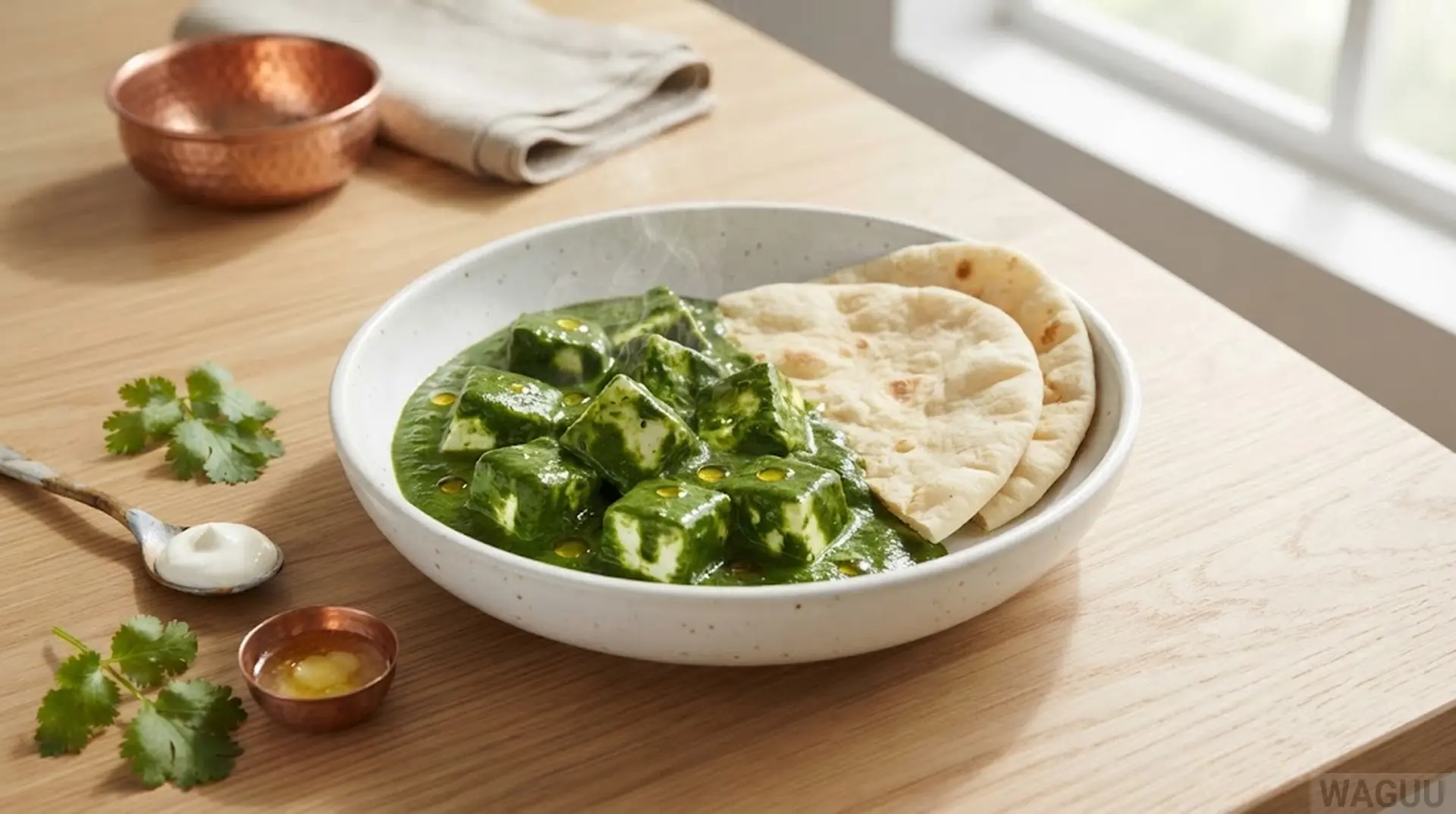
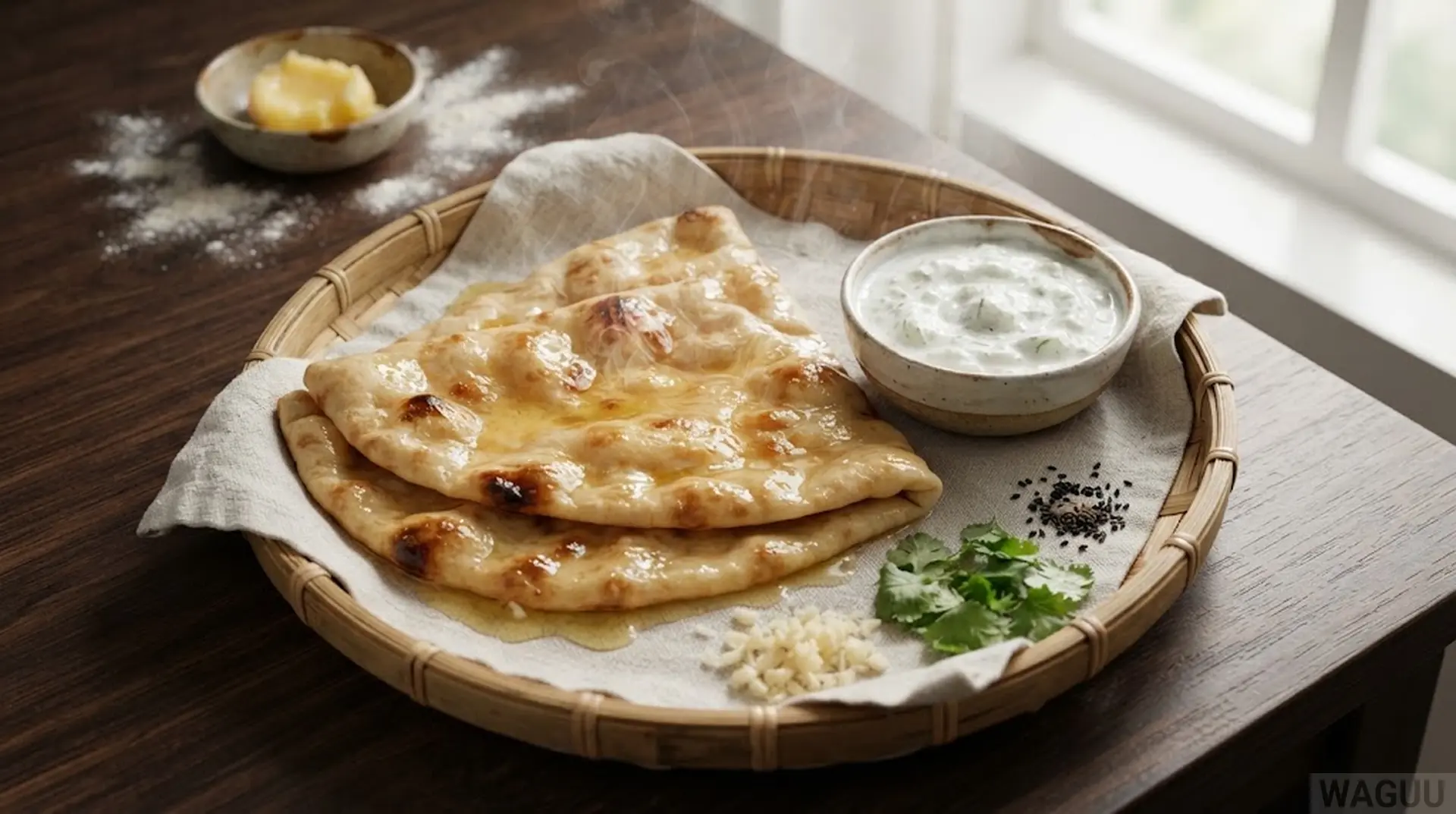
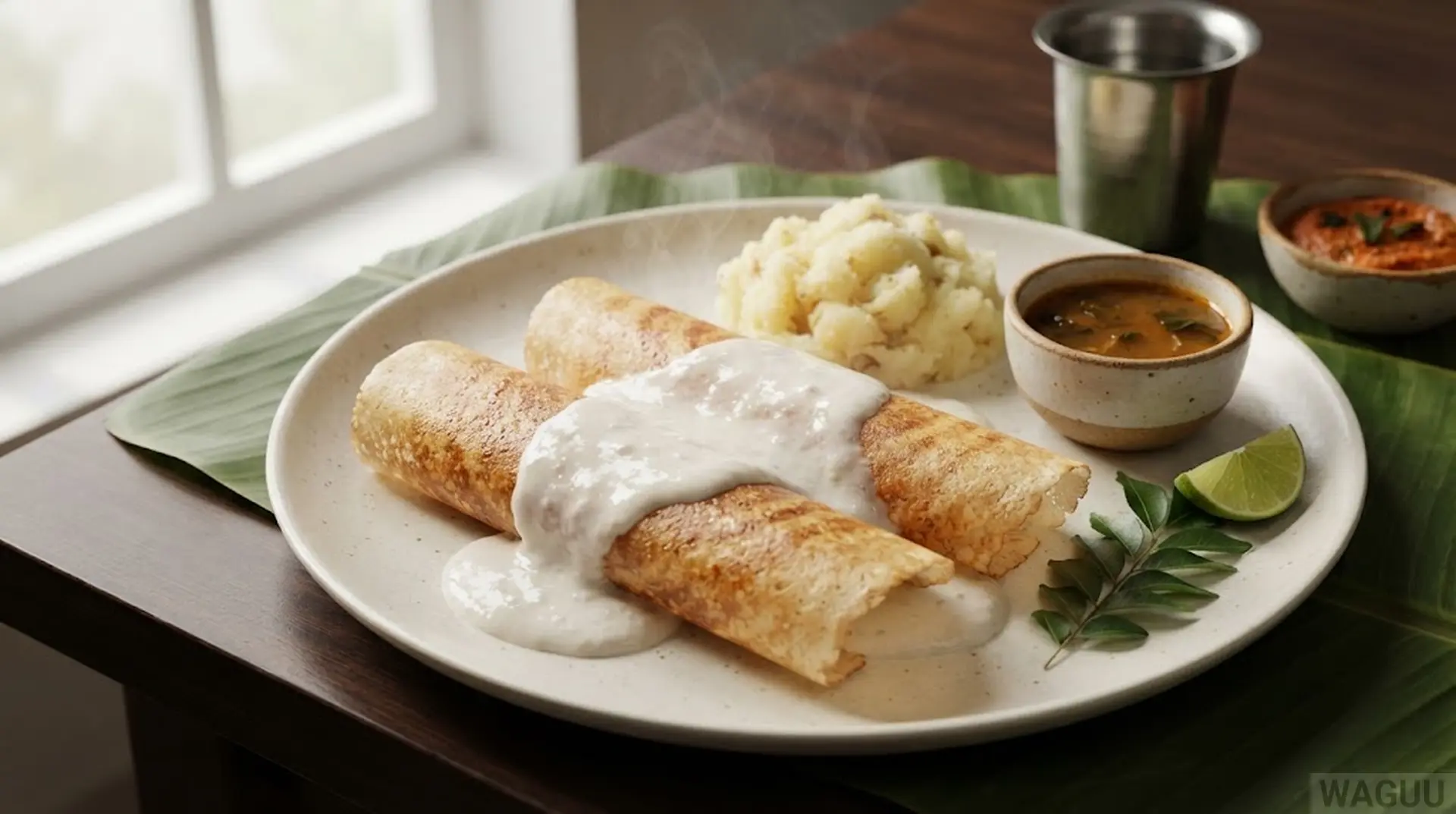
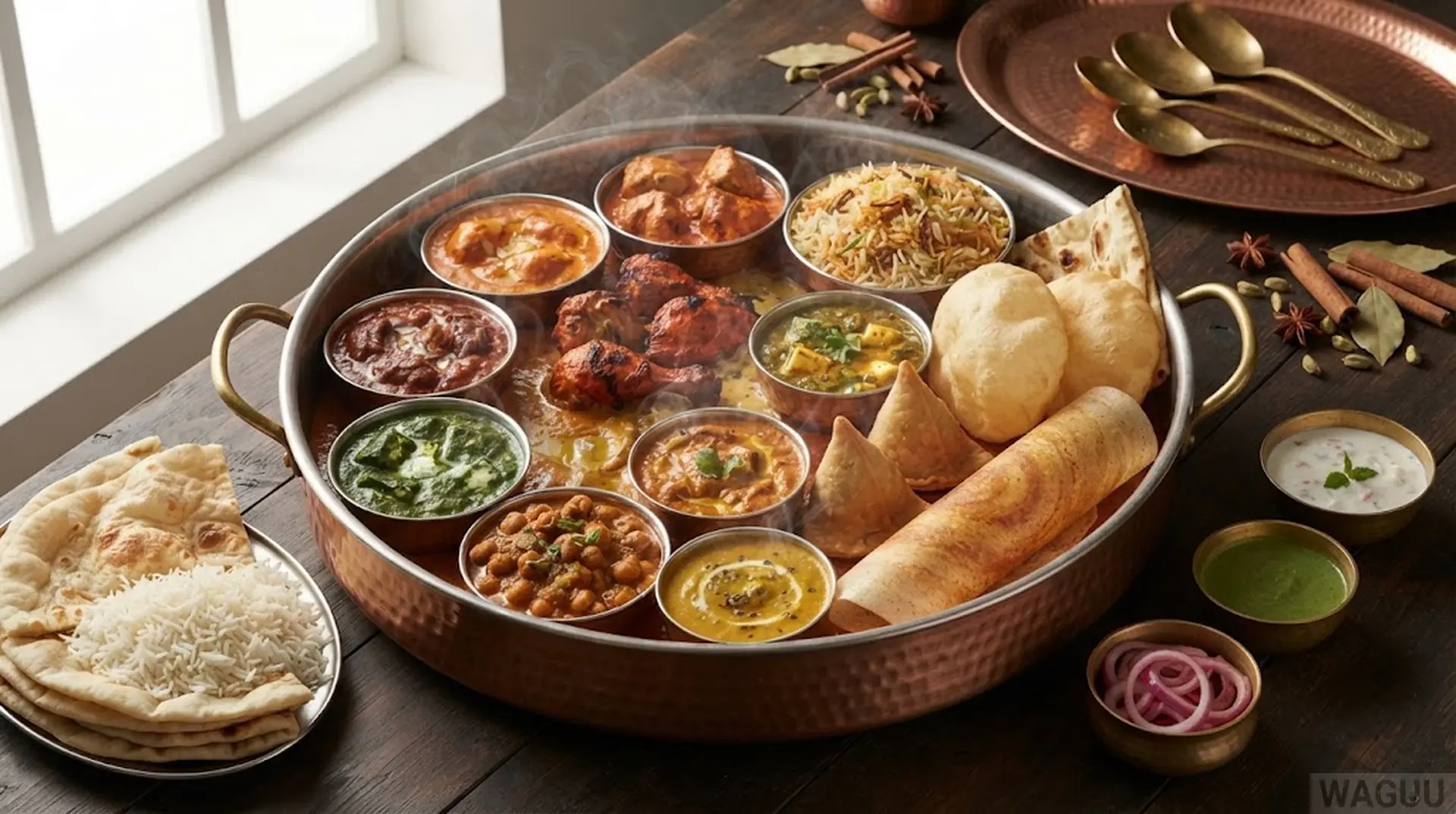
Indian cuisine isn’t one cuisine, but several at once. The North cooks curries with yogurt and cream, the South builds on rice, lentils, and fermented batter, the West on chickpeas and wheat. What connects them is masala – a spice blend that is fried in fat before anything else goes into the pot. This guide takes you through twelve dishes from tomato-based butter chicken to crispy samosas and teaches you three techniques that all of Indian cooking rests on: blooming spices, simmering below a boil, and layering rice.
Quick overview
- Topic / Dish: 12 Most Famous Indian Dishes: Traditional Recipes of Indian Cuisine
- Category: Articles · Indian Cuisine
- Cuisine: Japanese
- Variations included: Butter Chicken – chicken in a smooth creamy tomato sauce with butter and aromatic spices, Chicken Tikka Masala – pieces of marinated chicken in a spiced tomato-cream sauce, Tandoori Chicken – chicken marinated in yogurt and spices and baked at high temperature, Biryani – aromatic layered rice with meat, saffron, and a blend of spices, saffron, and a blend of spices, Rogan Josh – slow-braised lamb in an aromatic sauce with Kashmiri spices, Palak Paneer – Indian paneer cheese in a mildly spiced spinach base, Chana Masala – chickpeas simmered in a spicy sauce of tomatoes, onions, and aromatic spices, onions, and aromatic spices, Dal Tadka – lentils seasoned with fried spices, garlic, onion, and chilli, garlic, onion, and chilli, Masala Dosa – thin crispy fermented crepe made from rice and lentils with spiced potatoes, Samosa – fried triangular pastries filled with potatoes, peas, and spices, peas, and spices, Chole Bhature – spiced chickpeas with large fried leavened flatbreads called bhature, Naan – traditional Indian flatbread baked at high temperature in a tandoor
- Key techniques: Indian light lager, dry Riesling, coconut water
- Physicochemical background: Family dinner, dinner with friends, a festive multi-course table, and making ahead for several days. Find the full recipe here:
- Common mistakes: Samosa – fried triangular pastries filled mainly with potatoes, peas, and spices
- In short: Twelve recipes from North Indian curries to South Indian flatbreads: butter chicken, tikka masala, tandoori chicken, biryani, rogan josh, palak paneer, chana masala, dal tadka, masala dosa, samosa, chole bhature, and naan
- Last updated: Pairing:
WAGUU says: “Indian cuisine isn’t spicy. It’s layered – heat is just one of the layers.”
Key facts
| Prep time: | 10–40 min |
| Cook time: | 40–600 min |
| Main ingredient: | Chicken thighs, 2.2 lb (boneless, skinless, cubed) (quality specification) |
| Servings: | 6 |
| Difficulty: | Moderately challenging, Easy, Challenging |
Method at a glance
- Searing marinated meat until charred and simmering tomato-cream sauce
- Shaping triangular parcels from stiff dough and frying in oil
- Partially sealed layered cooking of rice with meat and saffron milk
- Blooming spices in fat and simmering chickpeas in tomato base
- Blanching spinach and briefly simmering paneer cheese in the spinach base
In a nutshell
- Butter Chicken – chicken in a smooth creamy tomato sauce with butter and aromatic spices: Butter chicken has two layers: the charred flavor of marinated meat and the velvety tomato sauce where butter must not burn. Order matters – spices must bloom in fat, tomatoes must cook down to sweetness, and butter goes in at the end when the sauce is no longer boiling. Adding butter at the start gives a greasy sauce with a bitter aftertaste
- Chicken Tikka Masala – pieces of marinated chicken in a spiced tomato-cream sauce: Tikka masala relies on two steps that cannot be combined: the meat must get a char from high heat, and the sauce must be made separately. The color of the char is key – dark spots carry flavor that the sauce alone never provides. If you put raw meat into the sauce, you get chicken in tomatoes, not tikka masala
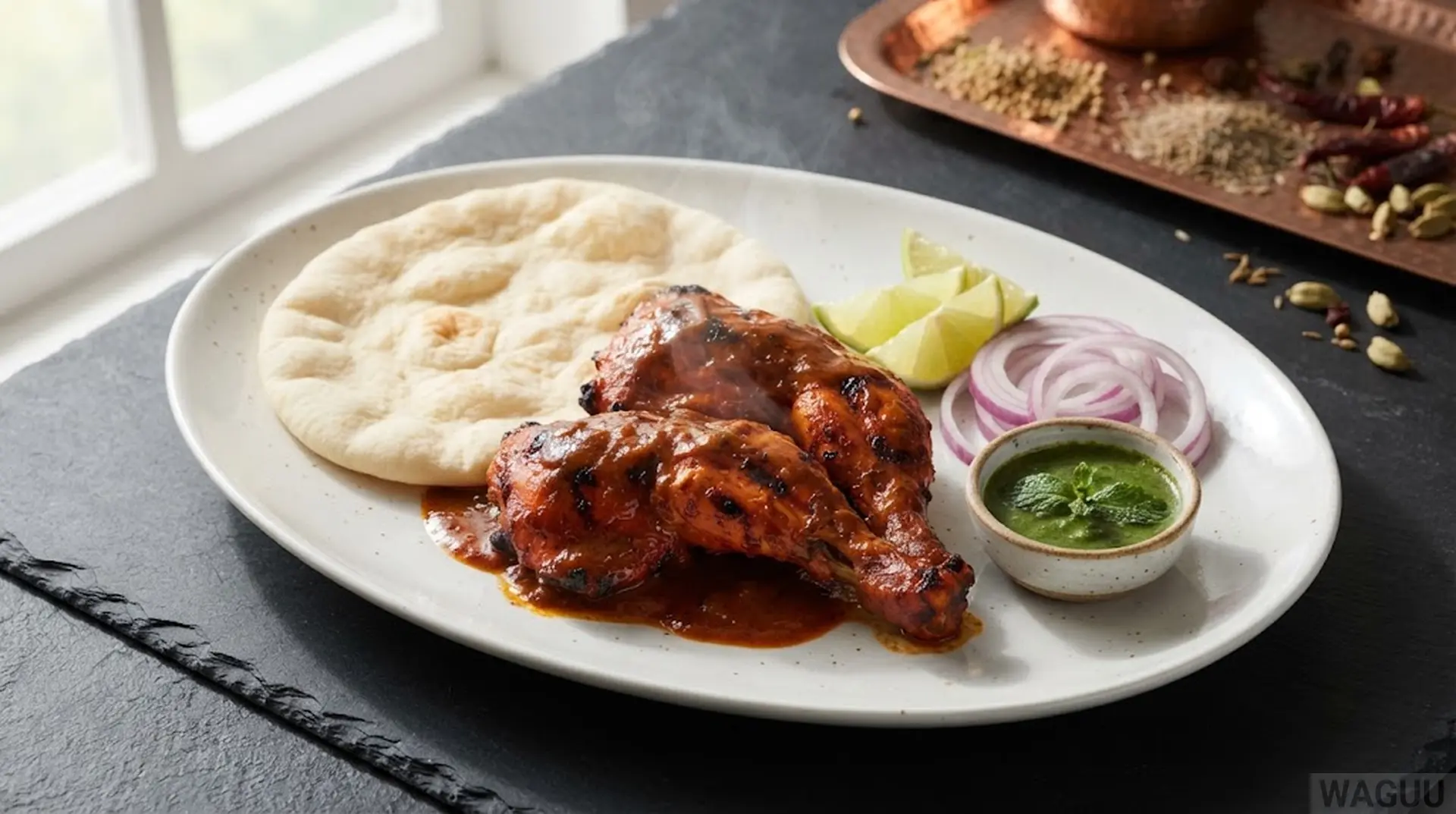
- Tandoori Chicken – chicken marinated in yogurt and spices and baked at high temperature: Tandoori chicken is made by the marinade and the heat – nothing else. Yogurt slightly tenderizes the meat surface, spices penetrate the fibers, and high heat pulls the color to deep red. What matters is marinating time and drying the meat surface before putting it in the oven. If you marinate for only an hour and put the meat in wet, you get pale chicken without a crust
- Biryani – aromatic layered rice with meat, saffron, and a blend of spices: Biryani is judged by the grain: the rice must be fluffy, each grain separate yet coated with the meaty flavor base. The partially sealed pot and dough seal that traps steam are crucial. Anyone who stirs biryani with a spoon during steaming ends up with rice porridge with meat
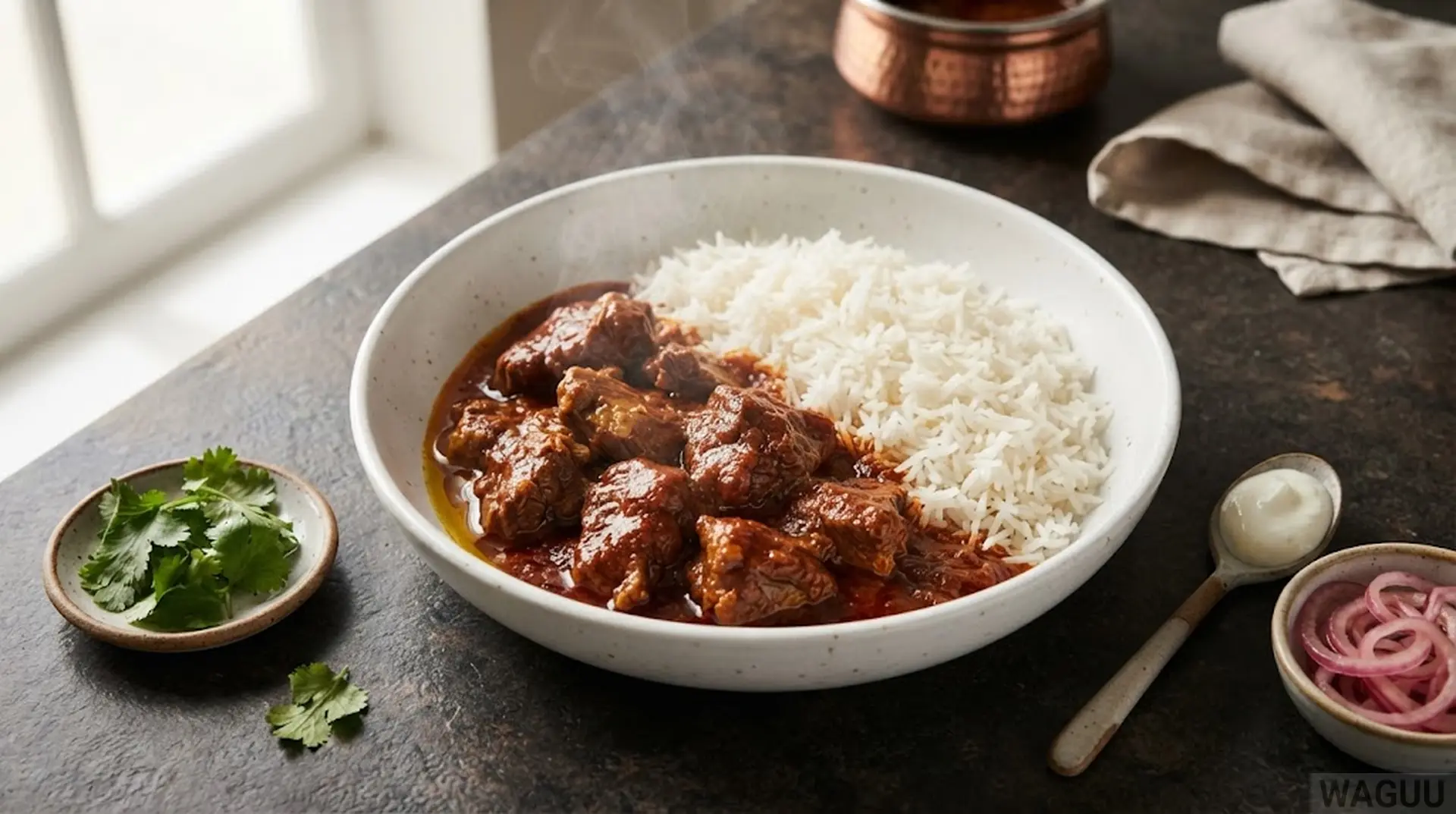
- Rogan Josh – slow-braised lamb in an aromatic sauce with Kashmiri spices: You can recognize rogan josh by its color: deep red, glossy, with fat that has separated to the surface. Long braising over gentle heat is what matters, along with adding the yogurt to the pot by the spoonful, not all at once. If you pour the yogurt into a boiling base, you get a grainy sauce and tough meat
- Palak Paneer – Indian paneer cheese in a mildly spiced spinach base: Palak paneer is about color and texture: spinach must stay bright green and cheese soft, not overcooked. Short blanching and rapid cooling of spinach preserve chlorophyll. Long cooking yields a dark mass where flavor is lost
- Chana Masala – chickpeas simmered in a spicy sauce of tomatoes, onions, and aromatic spices: Chana masala hinges on one thing: spices must be bloomed in fat, otherwise they stay raw and the dish tastes like powder. Order matters – first dry spices in oil, then onions, then tomatoes. If you dump everything into the pot at once, you get chickpeas in watery tomato juice
- Dal Tadka – lentils seasoned with fried spices, garlic, onion, and chilli: Dal tadka is a two-step dish and the second step is decisive: hot fat with spices poured into the cooked lentils right at the table. The oil temperature is crucial–it must be hot enough for the spices to sizzle but not so hot that the garlic burns. If you add the tadka to the pot at the beginning, you get lentils with a flat taste
- Masala Dosa – thin crispy fermented crepe made from rice and lentils with spiced potatoes: Dosa is made from a batter that does the work itself – fermentation creates acid and bubbles that make the crepe crispy. Griddle temperature and batter thickness are what matter: batter that’s too thick makes a pancake, too thin and it tears. Skip the fermentation and you get a soft, bland crepe with no crisp crust
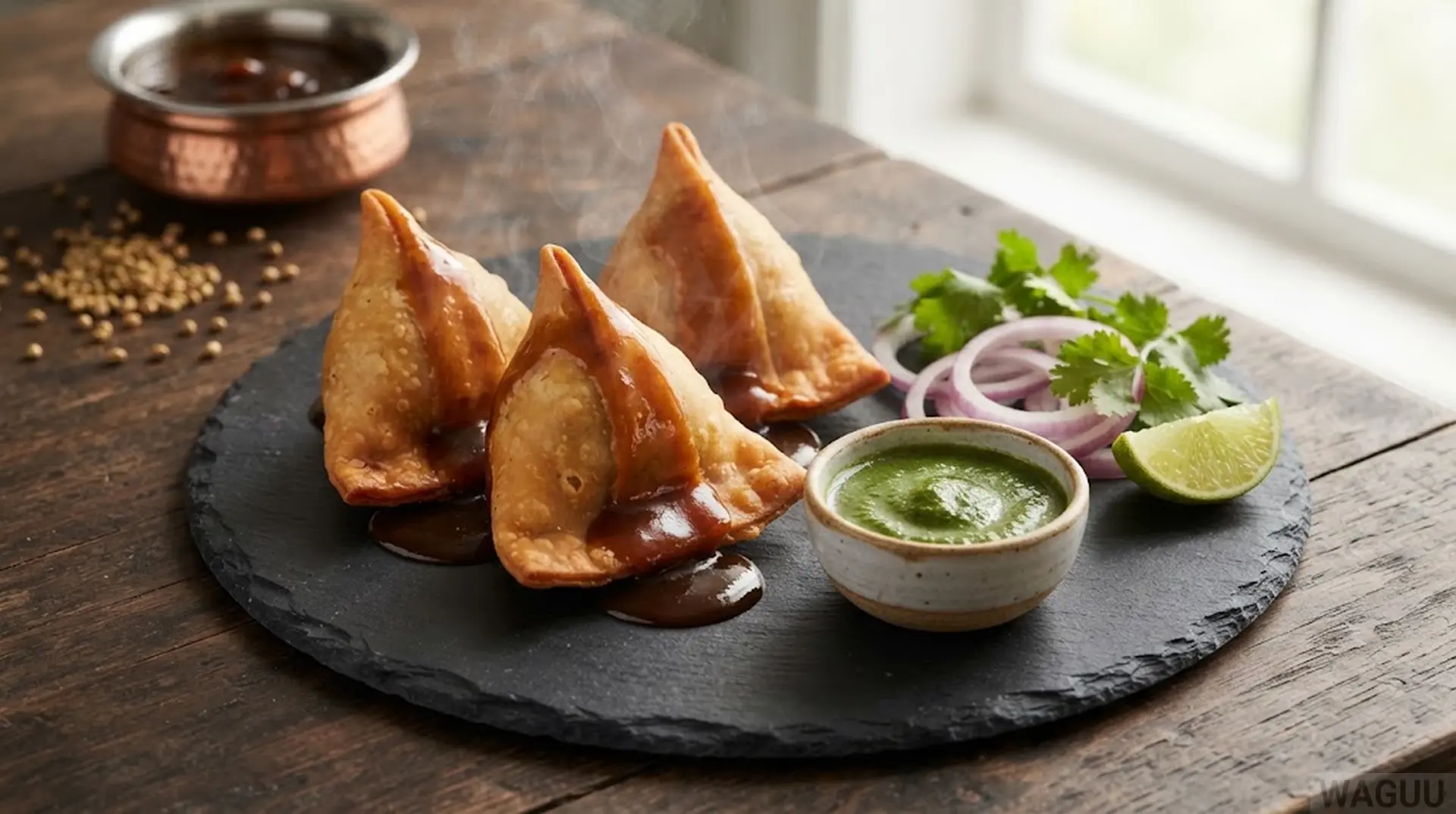
- Samosa – fried triangular pastries filled with potatoes, peas, and spices: Samosa has three conditions: the dough must be stiff so it doesn’t tear, the filling must be cooled so it doesn’t steam the dough, and the oil must be at the right temperature so the parcel cooks through inside. Oil temperature is decisive – oil that’s too hot burns the surface and leaves the dough raw. Anyone frying in overheated oil gets a dark shell with pale dough inside
- Chole Bhature – spiced chickpeas with large fried leavened flatbreads called bhature: Chole bhature has two halves that must be ready at the same moment: dark, thick chickpeas and a puffed flatbread from leavened dough. The oil temperature for the flatbreads is decisive – oil that’s too cool lets them soak up grease, too hot burns the surface and the flatbread won’t puff. Fry them in overheated oil and you get hard flatbreads with no air inside
- Naan – traditional Indian flatbread baked at high temperature in a tandoor: Naan is recognized by its spots: dark brown in places, light in others, soft on the surface and airy inside. The griddle temperature and dough thickness are key – thin naan stays dry, thick naan doesn’t cook through. If the dough isn’t risen enough, you get a flatbread hard as a cracker
- Result: Once you’ve mastered masala, layering biryani, and fermenting dosa batter, the whole world of Indian cooking opens up – no tandoor required.
Who this guide is for: Beginner – start with dal tadka, chana masala, and naan: short process and clear checkpoints. Advanced – reach for butter chicken, palak paneer, and samosa, where the marinade and frying in oil make the difference. Pro – biryani, tandoori chicken, and masala dosa, techniques where layering, dough fermentation, and tandoor temperature make the difference.
Indian Cuisine in a nutshell
India is a union of cuisines, not one cuisine. The Northwest uses yogurt, cream, and butter and builds on wheat and the tandoor oven. The South cooks with coconut, tamarind, and curry leaves, and the base is rice and lentils. The East adds mustard oil and fish, the West chickpeas and wheat. What’s common is masala: dry spices that are dissolved in fat until the aroma appears. The second common thing is the pair of bases – masala (onion, ginger, garlic, tomatoes) and tadka (hot fat with spices at the end). Anyone who masters these two bases can cook half the recipes in this article. Indian cuisine is a union of cuisines, not one cuisine. The Northwest cooks from wheat and milk, the South from rice, coconut, and tamarind, the East from fish and mustard oil, the West from chickpeas and millet. What connects them is the work with spices: Indian food isn’t spicy as a whole, it’s layered. Sweet, sour, salty, bitter, and spicy should be recognizable one after another in a single bite. The oldest layer of the cuisine is cooking from legumes and grains – lentils, chickpeas, barley, and rice. The second layer is milk: yogurt as a marinade and sauce base, ghee as a fat for sautéing, and paneer cheese as a protein that holds its shape. The third layer is spices from the spice trade – cinnamon, cardamom, cloves, and nutmeg, which left their mark mainly on Kashmiri cuisine. The last major layer is the Mughal court cuisine, from which biryani, korma, and tandoori come: dishes with yogurt marinades, butter, and almonds. Six spices appear in almost every recipe: ground cumin, ground coriander, turmeric, ground paprika, garam masala, and whole cumin seeds for blooming in fat. Along with that go whole spices depending on the dish – cinnamon and cardamom for rice and meat, cloves and bay leaf for dark sauces, dried chili and tamarind for sour dishes. Garam masala is added only at the end of cooking, because its job is aroma, not heat. Fresh herbs (cilantro, mint, curry leaves) are added off the heat, otherwise they turn bitter. Whole spices last twice as long as ground ones, and you can grind them fresh in seconds. Three techniques hold up all of Indian cooking. The first is blooming spices in fat (tempering, called tadka in Hindi): dry spices are poured into hot fat and stirred for a few seconds until the aroma appears. The second is building the base step by step (bhuna): onions are sautéed until golden brown, ginger and garlic are added, and finally tomatoes, and everything is cooked until the fat separates from the base and stands on the surface in a thin layer. The third is steaming in a sealed pot (dum): meat or rice is sealed in a pot with a dough seal and steamed until the flavors meld. The tandoor is a clay or metal oven fired with charcoal, and the temperature inside exceeds 300 degrees. Meat is hung on metal skewers, so it roasts in dry heat and its surface tightens into a dark crust while staying juicy inside. At home, you can achieve the same result with a grill, a cast-iron skillet heated in the oven, or an oven with a baking stone. What matters is a dry meat surface and high heat at the start of cooking – wet meat steams in the oven and won’t form a crust. The most common beginner mistakes are four. Fat that’s too low when blooming spices, which makes the food taste like powder. Salt added at the beginning, which draws water out of meat and slows down the softening of legumes. Yogurt poured into a boiling sauce, where the milk protein curdles into grains – yogurt belongs in the pot by spoonfuls and away from a hard boil. And a covered pot for a sauce, which traps water and prevents the flavor from concentrating. The last common mistake is too many spices: Indian food shouldn’t be bitter or pungent, but balanced. When you’re starting out, begin with legumes and rice – dal tadka or chana masala with basmati rice. These dishes are hard to ruin, mistakes can be fixed on the plate with a spoonful of yogurt or a wedge of lime, and they’re done within an hour. The second step is a dish with a yogurt or cream sauce (palak paneer, butter chicken), where you learn to keep the sauce below a boil. Only then come dishes that require precise temperature: marinated grilled meat, fried flatbreads, and layered rice. Heat control in Indian cooking is a matter of time, not strength. Sauces are kept below a boil because a hard boil breaks the emulsion of milk fat and the sauce separates into fat and water. Legumes are cooked uncovered and stirred along the bottom so the starch doesn’t scorch. Rice is parboiled in plenty of water and finished with steam in a covered pot. Meat is first seared over high heat to seal the surface, then finished in liquid over low heat. If you swap these two temperatures, you get either meat without a crust or a sauce without body. Fat in Indian cooking isn’t just a carrier of flavor, but also a tool. Ghee can take higher heat than butter, so it’s used for blooming spices and frying flatbreads. Coconut milk and cream are added at the end so they don’t break. Frying oil must be clean and deep enough to submerge the pastry or flatbread completely – in a shallow layer, the dough absorbs fat and stays raw inside. Used oil is never poured back into the bottle, because particles from previous frying remain in it. Dairy behaves differently in Indian cooking than in European. Yogurt is used as a marinade and as a sauce base, but it’s never boiled hard. Paneer cheese is made by curdling milk with acid and pressing it, so it holds its shape even in a thick sauce; but when boiled it releases water and hardens, so it’s added to the sauce only at the end. Ghee is used instead of butter where high heat is needed, because it contains no water or milk protein that burn easily. Vegetables in Indian cooking aren’t boiled until soft, but sautéed until golden brown. Cauliflower, potatoes, eggplant, and okra are first roasted in fat or in the oven, and only then added to the sauce. Potatoes are boiled in their skins and peeled only after cooking, so they don’t soak up water. Spinach and other leafy greens are blanched briefly and immediately cooled to keep their color. Okra is dried before cooking and sautéed dry, otherwise it releases slime that thickens the sauce in an unwanted way. Rice has the same weight in Indian cooking as the sauce. Basmati is rinsed until the water is clear, then soaked so the grain stays long and fluffy. It’s cooked in plenty of water and drained the moment the grain is soft at the edge and firm inside. Jasmine rice, which is lighter and more fragrant, is served with sautéed dishes; sticky rice, which is eaten by hand, goes with salads and North Indian dishes. Rice is never stirred with a spoon in the pot, but fluffed with a fork so the grains don’t get crushed. Flatbreads are made from three different doughs, and each has a different use. Unleavened wheat dough (roti, chapati) is cooked on a dry griddle and eaten with everything. Leavened dough (naan, bhature) needs time and is baked or fried at high heat. Fermented rice and lentil batter (dosa, idli) ferments overnight and its flavor is slightly tangy. The dough is always made from soft flour and water, salt is added only to the finished dough, and fat (ghee or oil) is worked into the flour before the water – only then does the flatbread stay flaky and not tear when rolled. Legumes in Indian cooking aren’t just boiled any old way. Lentils are rinsed until the water is clear and cooked without salt, because salt prolongs softening. The foam that appears during cooking is skimmed off with a spoon. Canned chickpeas are rinsed and added only at the end so they don’t fall apart. Beans and peas are soaked overnight and cooked in unsalted water. Cooked legumes should be soft but hold their shape – when they fall apart into mush, the sauce loses body and the dish turns into soup. Spices are never added whole to a finished dish. Whole seeds are bloomed in fat, ground spices are sprinkled into the base, and blends like garam masala belong only in the finished dish. The order matters: first whole seeds, then ground spices, finally blends and herbs. When a spice darkens by two shades, it’s burnt and the food will be bitter; when it stays light and doesn’t smell, there was too little fat or the heat was too low. Tasting the base before adding liquid is the best way to tell if the spices are properly bloomed.
Butter Chicken – chicken in a smooth creamy tomato sauce with butter and aromatic spices
Chicken pieces are seared in a yogurt marinade, then simmered in a tomato base with butter, cream, and garam masala. The sauce is sweetened only slightly and enriched with butter added at the end. Total time 75 minutes, base 6 servings
Chicken Tikka Masala – pieces of marinated chicken in a spiced tomato-cream sauce
Chicken cubes are marinated in spiced yogurt, seared until charred, then simmered in a tomato-cream sauce with garam masala. The char from the grill is what sets this dish apart from ordinary curry. Total time 80 minutes, serves 6
Tandoori Chicken – chicken marinated in yogurt and spices and baked at high temperature
Chicken thighs are marinated in a spiced yogurt mixture and rested in the refrigerator. Then they are roasted at high heat until deeply red and served with onions and lime. Total time 570 minutes including marinating, base 6 servings
Biryani – aromatic layered rice with meat, saffron, and a blend of spices
Basmati rice is parboiled until half-cooked, the meat is simmered in a spiced yogurt base, and both are layered with fried onions, mint, and saffron milk. The pot is sealed and the biryani steams to finish. Total time 105 minutes, base 6 servings
Rogan Josh – slow-braised lamb in an aromatic sauce with Kashmiri spices
Lamb shoulder is seared in yogurt with Kashmiri spices, then slowly braised in a tomato base with cumin, coriander, and ground paprika. The color and aroma come from the meat itself, not from added dye. Total time 110 minutes, makes 6 servings
Palak Paneer – Indian paneer cheese in a mildly spiced spinach base
Spinach is briefly blanched, blended, and simmered with onion, ginger, and spices. At the end, cubes of paneer cheese are added and just heated through. Total time 60 minutes, base 6 servings
Chana Masala – chickpeas simmered in a spicy sauce of tomatoes, onions, and aromatic spices
Onions are sautéed with spices until dark, then tomatoes are added and the base is simmered into a thick sauce. Chickpeas are stewed in it, and garam masala and cilantro are stirred in at the end. Total time 55 minutes, base serves 6
Dal Tadka – lentils seasoned with fried spices, garlic, onion, and chilli
Red lentils simmer with tomatoes, ginger, and turmeric into a thick porridge. At the end, a tadka is poured in–hot oil with cumin, garlic, onion, and chili that sizzles and releases its aroma. Total time 60 minutes, base 6 servings
Masala Dosa – thin crispy fermented crepe made from rice and lentils with spiced potatoes
Rice and lentils are soaked, blended, and left to ferment overnight. The batter is then spread on a dry hot griddle into a thin crepe that cooks until crisp and is filled with spiced potatoes. Total time 620 minutes including fermentation, makes 6 servings
Samosa – fried triangular pastries filled with potatoes, peas, and spices
A stiff dough made from flour and ghee is rolled into thin sheets, which are folded into cones and filled with spiced potatoes and peas. The parcels are fried in oil at the right temperature until golden brown. Total time 90 minutes, makes 6 servings
Chole Bhature – spiced chickpeas with large fried leavened flatbreads called bhature
Chickpeas simmer in a dark base of onion, tomato, and spices with a tea decoction that gives them their color. Alongside, fluffy leavened bhature are fried and served hot. Total time 100 minutes, base 6 servings
Naan – traditional Indian flatbread baked at high temperature in a tandoor
Dough made from flour, yogurt, and yeast is left to rise until doubled. Portions are rolled into ovals, cooked on a scorching hot griddle until dark spots appear, and brushed with ghee. Total time 120 minutes including rising, makes 6 servings
WAGUU Pro Tip: Prepare two things ahead: the dry masala in a small bowl and the tadka in a small pot. Blooming spices takes thirty seconds and burnt spices can’t be saved. When the spices start to smell, they’re done – brown already means bitterness.
Frequently asked questions
What rice to use for sushi?
Short-grain variety, preferably koshihikari. It contains a higher proportion of amylopectin, so it holds its shape after cooking but is sticky on the surface. Long-grain rice becomes fluffy after seasoning with vinegar and the roll doesn’t hold.
Also known as: Indian cuisine, North Indian and South Indian cooking, Mughlai cuisine, traditional Indian recipes
Author: WAGUU Petr & Team • Published: 9 Oct 2026 • Updated: 10 Oct 2026
Conclusion
The twelve recipes in this article cover what is cooked most often in India: three curries from a tomato base, two dishes from a yogurt marinade, three meatless legume dishes, two fried flatbreads, and a flatbread. Together they form a table where you can set both a weekday lunch and a festive dinner. Start with the simplest and add one dish at a time–spices are not learned from a recipe but from repetition.
More recipe variations
Starch from the noodles is released into the water and would cloud a clear broth. So cook the noodles in a separate pot and add them to the broth only in the bowl.
Why isn’t the batter stirred until smooth?
Long stirring creates a gluten network in the flour that absorbs oil during frying and the coating darkens. That’s why it’s stirred only with chopsticks and dry spots remain in the batter.
Why panko and not regular breadcrumbs?
Panko has large dry flakes that create an airy coating when fried. Fine breadcrumbs let the fat penetrate deeper and the coating becomes heavy, dark, and soft.
Why is meat cut to the same weight?
Pieces of the same weight heat through at the same time. When pieces of different sizes are on one skewer, the small one dries out and the large one stays raw inside.
Why is there so much cabbage in okonomiyaki?
Cabbage keeps the pancake fluffy and moist inside. The batter is just a binder that holds the shreds together. If you use less cabbage, you get a heavy pancake that doesn’t heat through inside.
Conclusion
The twelve recipes in this article cover what is cooked most often in India: three curries from a tomato base, two dishes from a yogurt marinade, three meatless legume dishes, two fried flatbreads, and a flatbread. Together they form a table where you can set both a weekday lunch and a festive dinner. Start with the simplest and add one dish at a time–spices are not learned from a recipe but from repetition.
Beginner – dal tadka, chana masala, and palak paneer. They require no marinating or long simmering, and mistakes can be fixed on the plate. Intermediate – butter chicken, tikka masala, and rogan josh. You will learn to keep the sauce below a boil and add yogurt by the spoonful. Advanced – biryani, masala dosa, and samosa. Fermentation, layering, sealing the pot, and oil temperature make the difference.
Choose Your Recipe
Choose based on how much time you have and what you have on hand. Dal tadka, chana masala, and palak paneer are ready within an hour. Butter chicken, tikka masala, or masala dosa take an hour and a half. Biryani and rogan josh need an afternoon, and samosa or naan go with any meal as a side.
Butter Chicken – chicken in a mild creamy tomato sauce with butter and aromatic spices, a North Indian classic
The key is marinating the meat in yogurt and slowly simmering the tomato base with butter. Butter chicken has two layers: the charred flavor of the marinated meat and the velvety tomato sauce in which the butter must not burn. Order matters–the spices must bloom in the fat, the tomatoes must cook down until sweet, and the butter goes in at the end, when the sauce is no longer boiling. If you add butter at the beginning, you get a greasy sauce with a bitter aftertaste.
Pairing:
Indian light lager, dry Riesling, salted lassi.
Good for:
Family dinner, dinner with friends, a festive multi-course table, and making ahead for several days. Find the full recipe here:
Butter Chicken
Chicken Tikka Masala – pieces of marinated chicken in a spiced tomato-cream sauce
The key is searing the marinated meat to a crust and simmering the tomato-cream sauce. Tikka masala relies on two steps that cannot be combined: the meat must get a crust from high heat, and the sauce must be made separately. The color of the crust matters–the dark spots carry a flavor the sauce alone will never provide. If you put raw meat into the sauce, you get chicken in tomatoes, not tikka masala.
Pairing:
Indian light lager, dry Riesling, salted lassi.
Good for:
Family dinner, dinner with friends, a festive multi-course table, and making ahead for several days. Find the full recipe here:
Chicken Tikka Masala
Tandoori Chicken – chicken marinated in yogurt and spices and roasted at high heat
The key is a long marinade in yogurt and roasting at high heat until a dark crust forms. Tandoori chicken is made by the marinade and the heat–nothing else. The yogurt’s acid tenderizes the meat’s surface, the spices penetrate the fibers, and the high heat pulls the color to deep red. The marinating time and drying the meat’s surface before it goes into the oven matter. If you marinate for only an hour and put the meat in wet, you get pale chicken without a crust.
Indian light lager, Riesling, salted lassi.
Family dinner, dinner with friends, a festive multi-course table, and making ahead for several days. Find the full recipe here:
Tandoori Chicken
Biryani – aromatic layered rice with meat, saffron, and a blend of spices
The key is partially sealed cooking of rice in layers with meat and saffron milk. Biryani is judged by the grain: the rice must be fluffy, each grain separate yet coated with the flavor base from the meat. The partially sealed pot and dough seal that trap steam inside make the difference. If you stir biryani with a spoon during simmering, you get rice porridge with meat.
Pairing:
Good for:
Biryani
Rogan Josh – slow-braised lamb in an aromatic spiced sauce, typical of Kashmiri cuisine
The key is marinating the meat in yogurt with spices and slow-simmering it into a dark sauce. You can recognize rogan josh by its color: deep red, glossy, with fat that has separated to the surface. Long simmering over low heat and adding yogurt by the spoonful, not all at once, make the difference. If you pour yogurt into a boiling base, you get a grainy sauce and tough meat.
Indian light lager, Shiraz, salted lassi.
Family dinner, dinner with friends, a festive multi-course table, and making ahead for several days. Find the full recipe here:
Rogan Josh
Palak Paneer – Indian paneer cheese in a mildly spiced spinach base
The key is blanching the spinach and briefly simmering the paneer in the spinach base. Palak paneer is about color and texture: the spinach must stay bright green and the cheese soft, not overcooked. Brief blanching and quickly cooling the spinach, which preserves chlorophyll, make the difference. If you cook spinach for a long time, you get a dark mass in which the flavor is lost.
Pairing:
Know another variation? Add your own suggestion below.
Missing a recipe?
Tell us what recipe you would like us to add. We will do our best to publish it soon!
Frequently asked questions about the variations
- Missing a recipe? Write to us and tell us which recipe you would like to add. We will try to publish it as soon as possible!