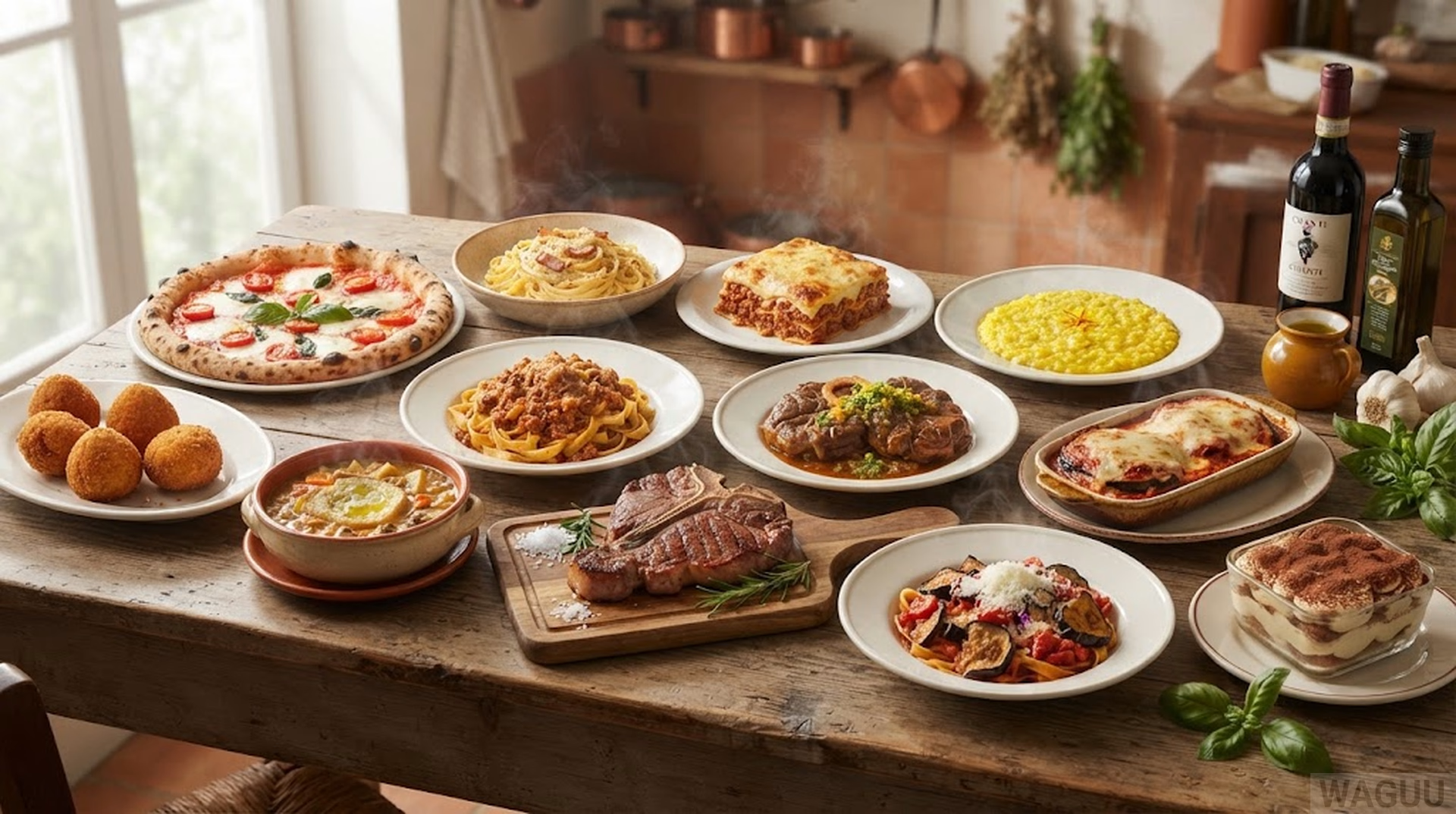
Summary: Twelve dishes that define Italian cooking – from Neapolitan pizza to Roman carbonara and Tuscan ribollita. Each recipe comes with a complete method, portion calculator and nutrition profile. For anyone who wants to cook Italian food properly, not just approximately. Reading time: 18 minutes.
Category: Articles |
Reading time: 18 minutes
Photo Gallery from Cooking
Have you cooked any of these dishes? Share a photo in the comments and we will add it to the gallery. Did you film a video method? Paste the link from YouTube, YouTube Shorts, TikTok, Instagram Reels, Facebook Reels, Pinterest, Vimeo or X (Twitter) into a comment and we will publish it.
Italian cooking is not complicated. It rests on a small number of techniques repeated with good ingredients: a base of soffritto, the right starch, the patience to reduce, and the discipline not to overload. The twelve dishes below are the ones the world knows – but each one is cooked properly, with exact ratios, visual control points and precise numbers. Not an approximation.
Quick Overview
- Topic / Cuisine: 12 classic Italian dishes
- Category: Articles, Italian Cuisine
- Cuisine: Italian
- Included dishes: Pizza Napoletana, Spaghetti alla Carbonara, Lasagne alla Bolognese, Risotto alla Milanese, Tagliatelle al Ragù, Ossobuco alla Milanese, Parmigiana di Melanzane, Ribollita, Bistecca alla Fiorentina, Arancini, Pasta alla Norma, Tiramisù
- Key techniques: Slow braising, reduction, emulsification, dough hydration, starch thickening
- Physico-chemical background: Maillard reactions, starch gelatinisation, protein denaturation, fat emulsification
- Common mistakes: Overloading the pasta water, skipping the soffritto, breaking the cream, adding cold fat to a hot sauce
- In brief: Twelve Italian dishes cooked properly – each with a full method, nutrition profile and precise ratios.
- Last updated: 23. 9. 2026
WAGUU says: “Italian cooking is not a list of ingredients. It is a way of handling them.”
Key Facts
| Number of dishes: | 12 |
| Main ingredients: | Tomatoes, pasta, rice, beef, veal, eggplant, bread, cheese, eggs |
| Techniques used: | Slow braising, reduction, baking, frying, emulsifying |
| Servings per recipe: | 6 (or 8 for Tiramisù) |
Quick Summary
- Each recipe below is a standalone method with exact ratios and visual control points.
- All twelve are Italian classics – dishes that define the cuisine.
- Every recipe lists allergens, nutrition per portion and portion weight.
- All recipes make six servings and can be scaled in the portion calculator.
- No foreign ingredients are used in place of authentic ones.
At a Glance
- For beginners: Start with Pizza Napoletana or Pasta alla Norma. Both are forgiving.
- For intermediate cooks: Spaghetti alla Carbonara, Risotto alla Milanese, Arancini.
- For advanced cooks: Ossobuco alla Milanese and Bistecca alla Fiorentina – both require patience and the right temperature.
- For a full Italian dinner: Start with Arancini, then Ribollita, then Ossobuco with Risotto, finish with Tiramisù.
- For a quick weeknight dinner: Spaghetti alla Carbonara or Pasta alla Norma – both under 45 minutes.
- Result: Twelve Italian dishes you can cook with confidence, each one tested and explained.
Who this guide is for: Beginner – start with Pizza Napoletana or Pasta alla Norma, both forgiving and easy to master. Intermediate – try Spaghetti alla Carbonara, Risotto alla Milanese or Arancini, all of which develop technique. Advanced – Ossobuco alla Milanese and Bistecca alla Fiorentina require patience and confidence with temperature.
The Dishes
Pizza Napoletana – the Neapolitan standard
Pizza Napoletana is not just a dough with toppings. It is a specific product protected by EU law, with a defined dough hydration, a specific flour type and a cooking time of around 90 seconds at 800–900 °F. The base is thin in the middle, slightly puffed at the rim. The toppings are simple: San Marzano tomatoes, fior di latte or buffalo mozzarella, fresh basil, olive oil. Nothing else belongs on a true Napoletana.
Spaghetti alla Carbonara – Roman technique
Carbonara is an emulsion of egg yolk, Pecorino Romano, guanciale fat and starchy pasta water. The technique is to combine the ingredients off the heat so the eggs thicken without scrambling. Guanciale is cured pork jowl – not bacon, not pancetta – and it is what gives the dish its specific savory depth. Black pepper is added generously and freshly ground.
Lasagne alla Bolognese – layered comfort
Lasagne alla Bolognese is a baked dish built from three components: sheets of egg pasta, slow-cooked ragù alla bolognese and béchamel. The layers are alternated and topped with Parmigiano Reggiano. The ragù itself cooks for at least three hours so the meat breaks down and the sauce thickens. Béchamel replaces ricotta in the authentic version – it is what makes the dish silky rather than heavy.
Risotto alla Milanese – the saffron classic
Risotto alla Milanese is a creamy risotto colored and flavored with saffron. The rice is Carnaroli or Vialone Nano – starchy varieties that release enough starch to create the characteristic wave (all’onda). The key is to add hot stock gradually and stir consistently. In the classic Milanese version, beef bone marrow is added at the end for extra depth.
Tagliatelle al Ragù – the Bolognese original
Tagliatelle al Ragù is the original Bolognese. The ragù is made with a mix of beef and pork, a small amount of tomato, wine and milk. The pasta is fresh egg tagliatelle – never spaghetti. The sauce clings to the flat noodles and the dish is finished with Parmigiano Reggiano. It is a slow dish; the ragù simmers for hours, not minutes.
Ossobuco alla Milanese – slow-braised veal shank
Ossobuco is a cross-cut veal shank braised slowly with white wine, stock and vegetables. The bone marrow is the signature – it melts into the sauce and gives it a rich, glossy body. The Milanese version is finished with gremolata: a mix of lemon zest, garlic and parsley, added at the very end to lift the dish. It is served with risotto alla Milanese.
Parmigiana di Melanzane – layered eggplant bake
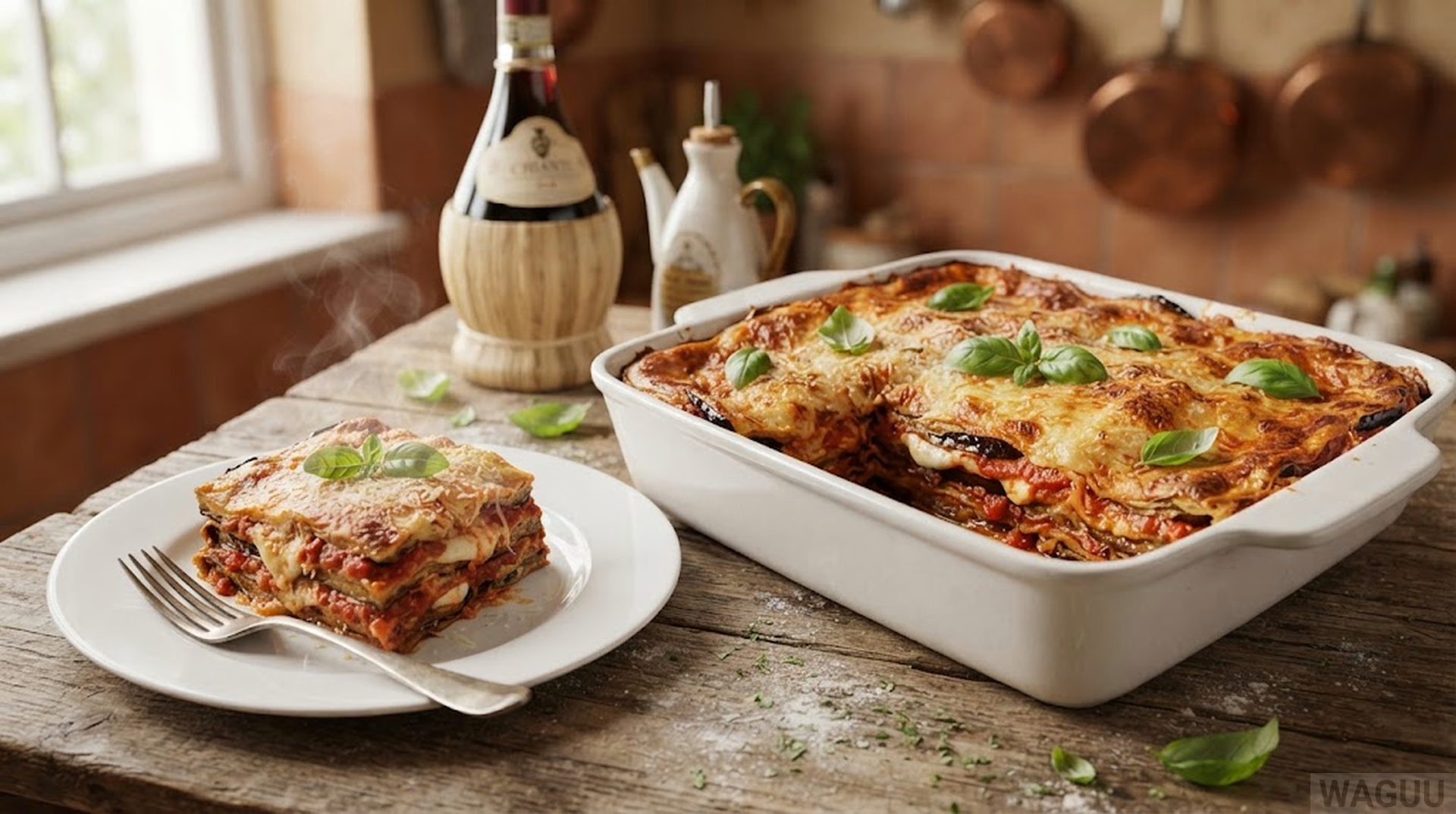
Parmigiana di Melanzane is a Southern Italian bake of fried eggplant slices, tomato sauce, mozzarella and Parmigiano. The eggplant is salted and drained first to remove excess water, then fried or baked. The layers are built like a lasagne and baked until the cheese is golden. It is a vegetarian dish and one of the most satisfying in Italian cooking.
Ribollita – Tuscan bread soup
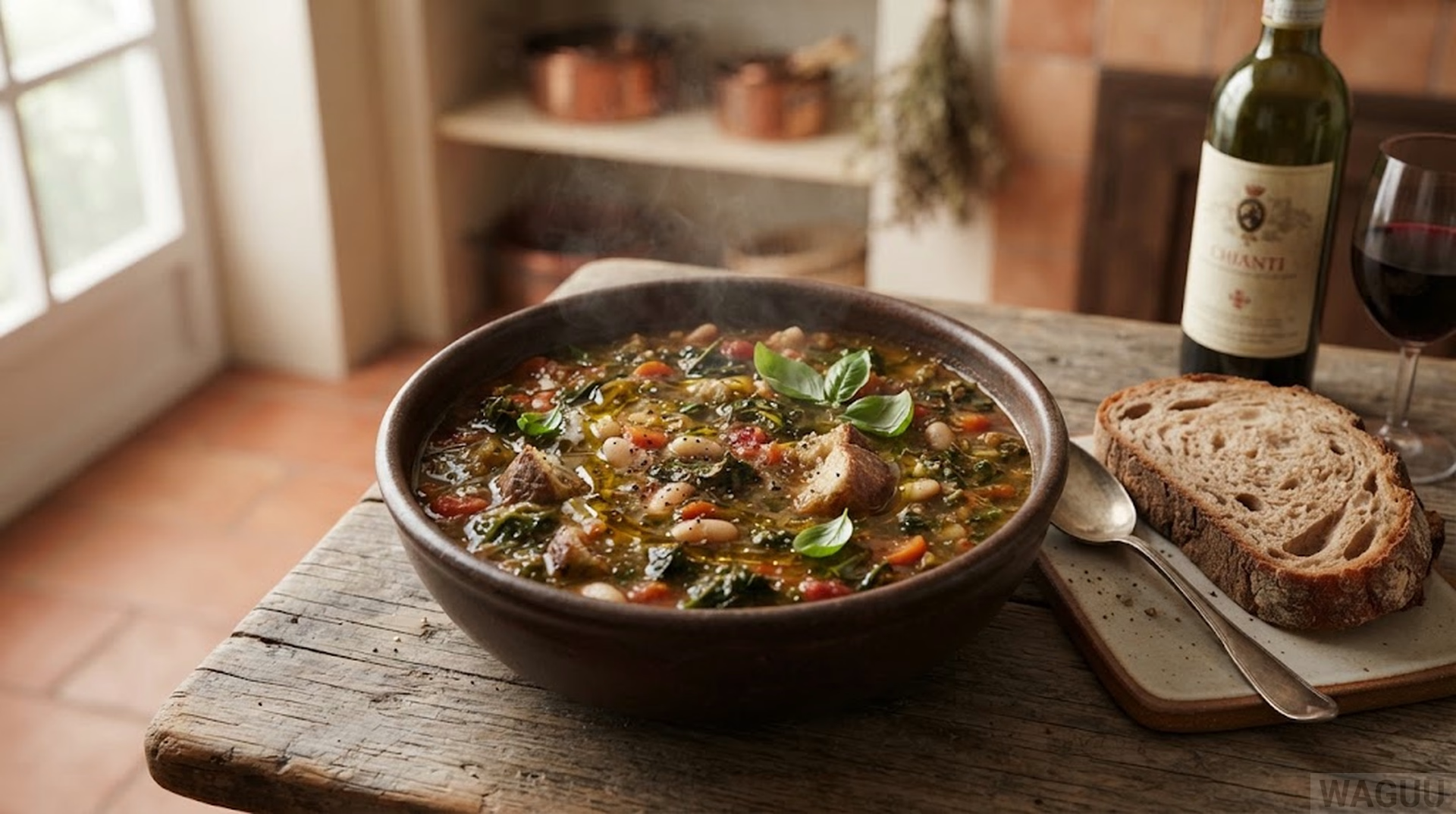
Ribollita literally means “reboiled”. It is a thick Tuscan soup made from cannellini beans, kale, stale bread and vegetables. The bread is cooked into the soup until it breaks down and thickens the whole thing. It is peasant food in the best sense: cheap, filling and deeply savory. Traditionally made a day ahead and reheated.
Bistecca alla Fiorentina – the Florentine T-bone
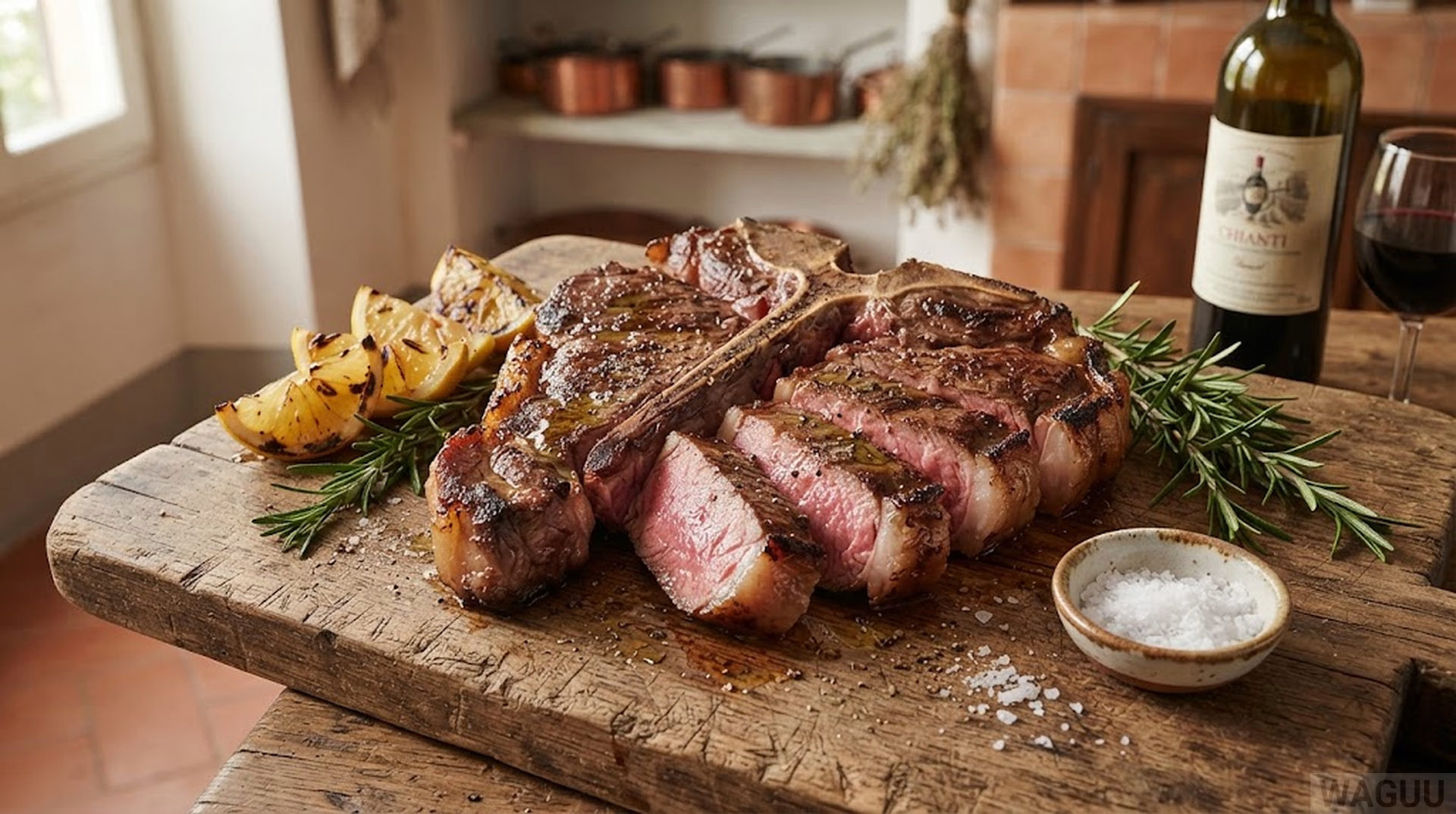
Bistecca alla Fiorentina is a thick T-bone steak from Chianina cattle, grilled over high heat and served rare. The steak is at least 1.5 inches thick and weighs 2.5–3 lb. It is seasoned only with salt and olive oil after grilling. No marinade, no pepper during cooking. The char outside and the red interior are the whole point.
Arancini – Sicilian fried rice balls
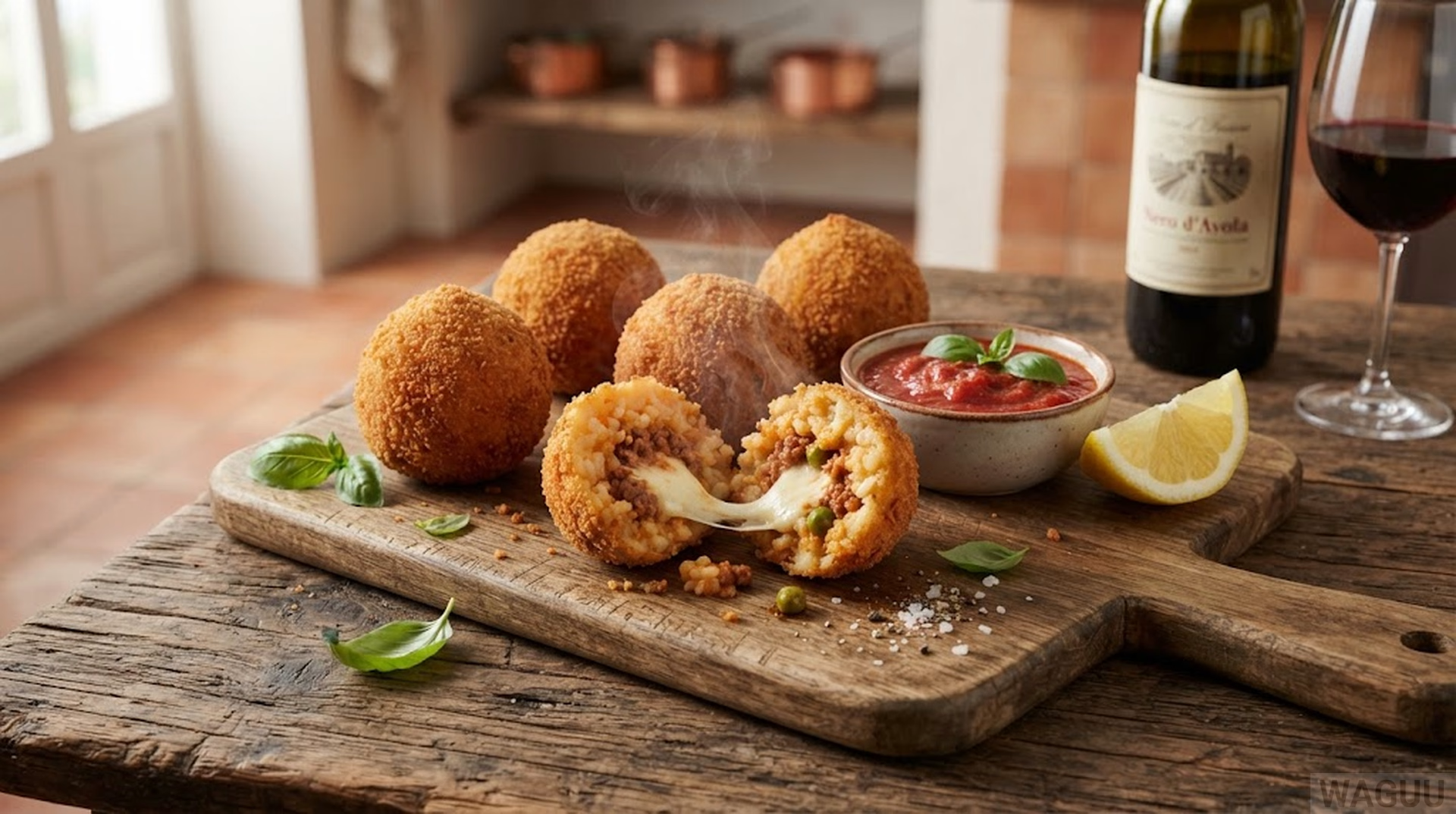
Arancini are Sicilian rice balls filled with ragù, mozzarella or peas, breaded and deep-fried. The rice is cooked like a risotto, cooled completely, then shaped around the filling. They are crispy outside, creamy inside, and always served hot. In Sicily they are a street food and a home dish at the same time.
Pasta alla Norma – Sicilian eggplant pasta
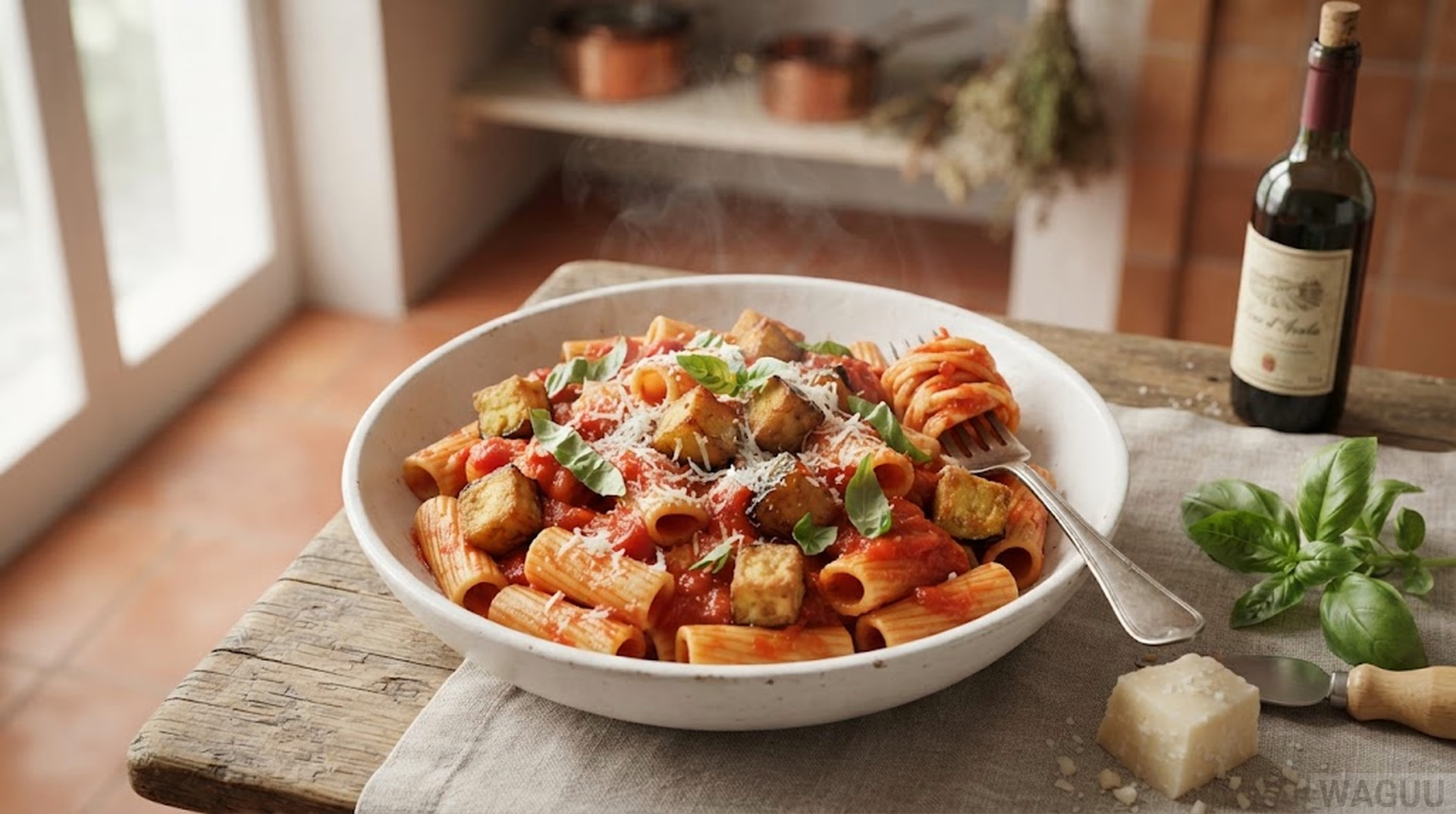
Pasta alla Norma is a Sicilian dish of pasta with fried eggplant, tomato sauce, ricotta salata and basil. The name comes from Bellini’s opera “La Norma” – the dish is supposedly as perfect as the opera. The eggplant is fried separately so it stays firm, and the ricotta salata is grated on top just before serving.
Tiramisù – coffee and mascarpone dessert
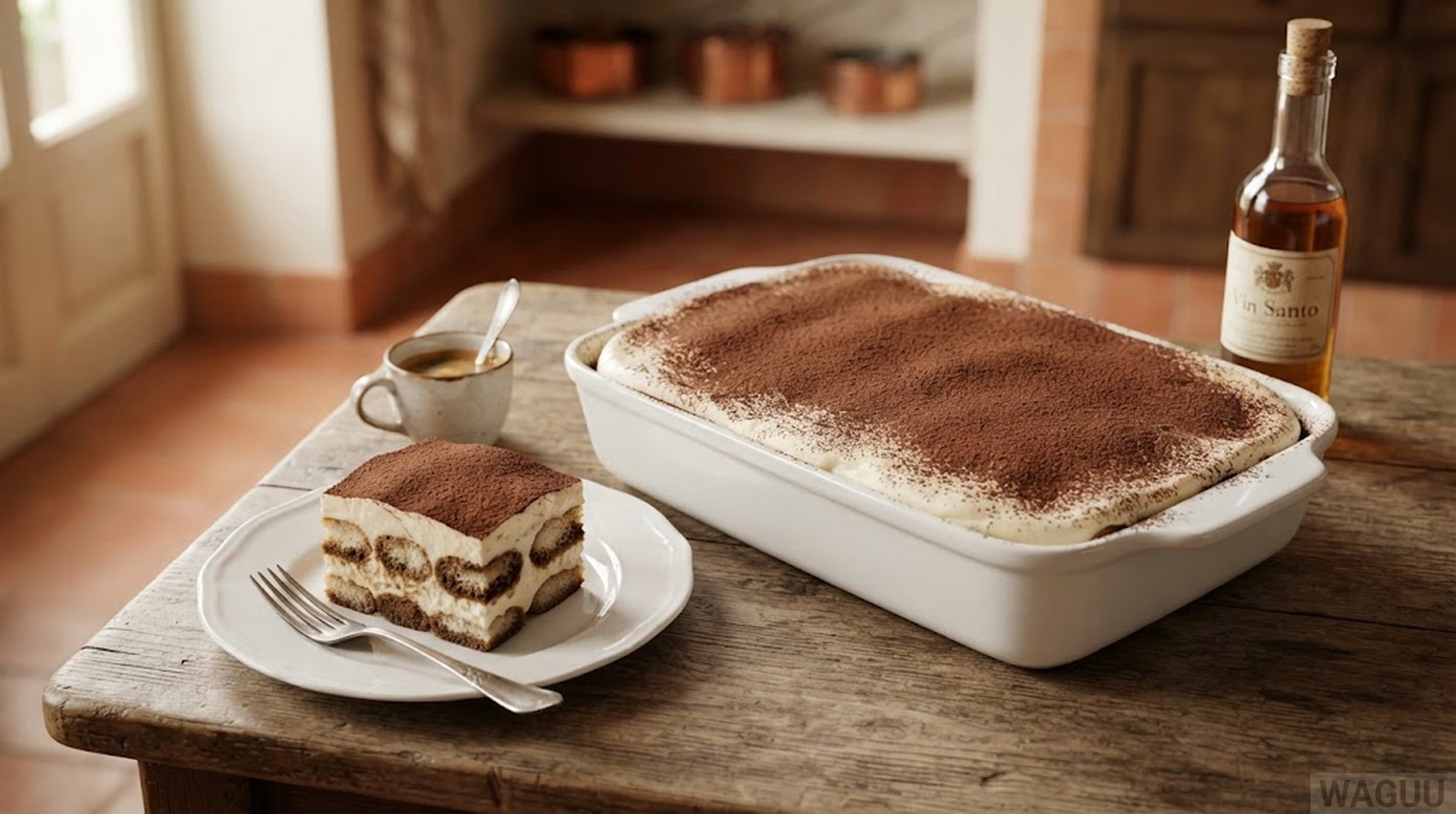
Tiramisù is a layered dessert of savoiardi biscuits soaked in espresso, mascarpone cream, eggs and sugar, dusted with cocoa. There is no cream in the authentic version, and no alcohol is required. The dish is assembled cold and rested in the fridge for at least four hours so the biscuits soften and the layers set. It is served cold, in slices.
What Italian cooking is built on
All twelve dishes use a small number of techniques repeatedly. Soffritto – the base of finely diced onion, carrot and celery cooked slowly in olive oil – starts many of them. Reduction thickens sauces without flour. Emulsification turns egg yolk, cheese and pasta water into a sauce. Starch gelatinisation gives risotto its creaminess and ribollita its body. Once you understand these four techniques, you understand Italian cooking.
| Technique | Where it is used |
|---|---|
| Soffritto | Ragù, ribollita, ossobuco, parmigiana |
| Reduction | Tomato sauces, wine in ossobuco |
| Emulsification | Carbonara, béchamel |
| Starch gelatinisation | Risotto, ribollita, pasta water |
WAGUU Pro Tip: Learn soffritto first. It appears in six of the twelve dishes below. A good soffritto is cooked on low heat for at least 10 minutes, until the vegetables are soft and sweet, not browned.
Frequently Asked Questions
Do I need special equipment for these recipes?
No. A heavy pan, a sharp knife, a wooden spoon and an oven are enough. A pizza stone helps for Pizza Napoletana, but a preheated baking sheet works too.
Which dishes are suitable for vegetarians?
Parmigiana di Melanzane, Ribollita, Pasta alla Norma and Pizza Napoletana (without meat toppings) are all vegetarian.
Can I make these dishes ahead of time?
Yes. Ragù, béchamel and ribollita are better the next day. Lasagne can be assembled a day ahead and baked from cold. Tiramisù needs at least four hours in the fridge before serving.
Do I need Italian ingredients?
For the best result, yes – San Marzano tomatoes, Pecorino Romano, Parmigiano Reggiano, buffalo mozzarella. Substitutes exist but the flavor changes. Each recipe lists acceptable alternatives.
Also known as: Italian classics, traditional Italian recipes, twelve Italian dishes
Author: WAGUU Petr & Team • Published: 23 Sep 2026
Conclusion
Italian cooking rewards patience more than skill. Twelve dishes, four techniques, one principle: cook slowly where it matters and fast where it counts. Start with the dish that suits your kitchen best, and let the recipe do the rest.
Choose Your Recipe
Each recipe below is a standalone method with exact ratios, visual control points and a full nutrition profile. Choose one and cook it today.
Pizza Napoletana – thin center, puffed rim, San Marzano tomatoes and fior di latte.
Spaghetti alla Carbonara – Roman emulsion of egg, Pecorino Romano and guanciale.
Lasagne alla Bolognese – layered egg pasta, slow ragù and béchamel.
Risotto alla Milanese – saffron risotto with beef bone marrow.
Tagliatelle al Ragù – fresh egg tagliatelle with a slow beef and pork ragù.
Ossobuco alla Milanese – slow-braised veal shank with gremolata.
Parmigiana di Melanzane – layered eggplant bake with tomato and cheese.
Ribollita – Tuscan bread soup with cannellini beans and kale.
Bistecca alla Fiorentina – thick T-bone steak grilled over high heat, served rare.
Arancini – Sicilian fried rice balls filled with ragù and mozzarella.
Pasta alla Norma – Sicilian pasta with fried eggplant, tomato and ricotta salata.
Tiramisù – mascarpone and espresso layered dessert with cocoa.
Other Possible Variations
Pizza Marinara
The original pizza – no cheese at all. San Marzano tomatoes, garlic, oregano and olive oil. Suitable for vegans and lighter than a margherita. It relies entirely on the quality of the tomato, so use the best you can find.
Pizza Diavola
A pizza with spicy salami (salame piccante) on top of tomato and mozzarella. The chili and fat from the salami spread during baking. Not for anyone avoiding spice, but a classic in Italian pizzerias.
Rigatoni alla Carbonara
The same carbonara sauce with rigatoni instead of spaghetti. The tubes catch more sauce, which makes the dish heavier but more satisfying. Some cooks prefer this version.
Lasagne with Ricotta
A southern Italian variation that replaces béchamel with ricotta. The result is denser and more savory. Traditionally served at Easter in some regions of Italy.
Mushroom Risotto
A risotto with dried porcini and fresh mushrooms instead of saffron. The technique is the same; only the flavoring changes. Soak the dried porcini first and use the soaking liquid as part of the stock.
Pappardelle al Ragù
Wider ribbons than tagliatelle. The ragù clings even more. A good alternative if you want a heavier sauce-to-pasta ratio.
Ossobuco with Gremolata
The classic finishing touch. Gremolata – lemon zest, garlic and parsley – is added at the very end. It lifts the dish and cuts through the fat. Without it, the ossobuco is heavier.
Zucchini Parmigiana
Same technique, zucchini instead of eggplant. Lighter but still satisfying. Suitable for anyone who finds eggplant too bitter.
Pappa al Pomodoro
A Tuscan tomato and bread soup, closely related to ribollita. It uses ripe tomatoes instead of beans and kale. Lighter, but still thick with bread.
Porterhouse Steak
The American cousin of Bistecca alla Fiorentina. A larger T-bone with more tenderloin. Same technique, longer cooking time because of the size.
Arancini with Mushrooms
A vegetarian version of the classic, filled with sautéed mushrooms and mozzarella. Lighter but still creamy inside. Popular in northern Italy.
Eggplant Rollatini
Eggplant slices rolled around ricotta and baked with tomato sauce. A more elegant way to serve the same ingredients as parmigiana.
Pasta alla Norma with Ricotta Salata
The authentic version uses ricotta salata, not fresh ricotta. It is salted and aged, which makes it firmer and sharper. Do not substitute if you can find the real thing.
Tiramisù with Marsala
The traditional version from Treviso adds Marsala wine to the mascarpone cream. It deepens the flavor and cuts through the richness. Optional but classic.
Know of another variation? Add your own suggestion below.
Missing a recipe?
Tell us what recipe you would like us to add. We will do our best to publish it soon!
Frequently Asked Questions about Other Variations
- Which dish is the easiest to cook at home? Pizza Napoletana or Pasta alla Norma. Both forgiving and ready in under 60 minutes (plus dough rest for pizza).
- Which dish takes the longest? Lasagne alla Bolognese – the ragù alone needs at least three hours.
- Can I make risotto without saffron? Yes. Use mushroom stock and parmesan – the technique stays the same.
- Do I need a pizza oven? No. A preheated stone or baking sheet at 500 °F works for home versions.
- Which recipe is the most budget-friendly? Ribollita. Bread, beans, kale and vegetables – nothing expensive.
- Which is the most impressive to serve? Ossobuco alla Milanese with risotto. Both slow and traditional.
- Are these dishes gluten-free? Risotto and Bistecca are gluten-free by default. Others contain pasta, bread or flour – substitutes are listed in each recipe.
- Can I cook any of these in advance? Yes – ragù, béchamel and ribollita are best made a day ahead. Tiramisù must be made at least four hours before serving.
Contact: 12-most-famous-italian-dishes-traditional-recipes-us@waguu.online