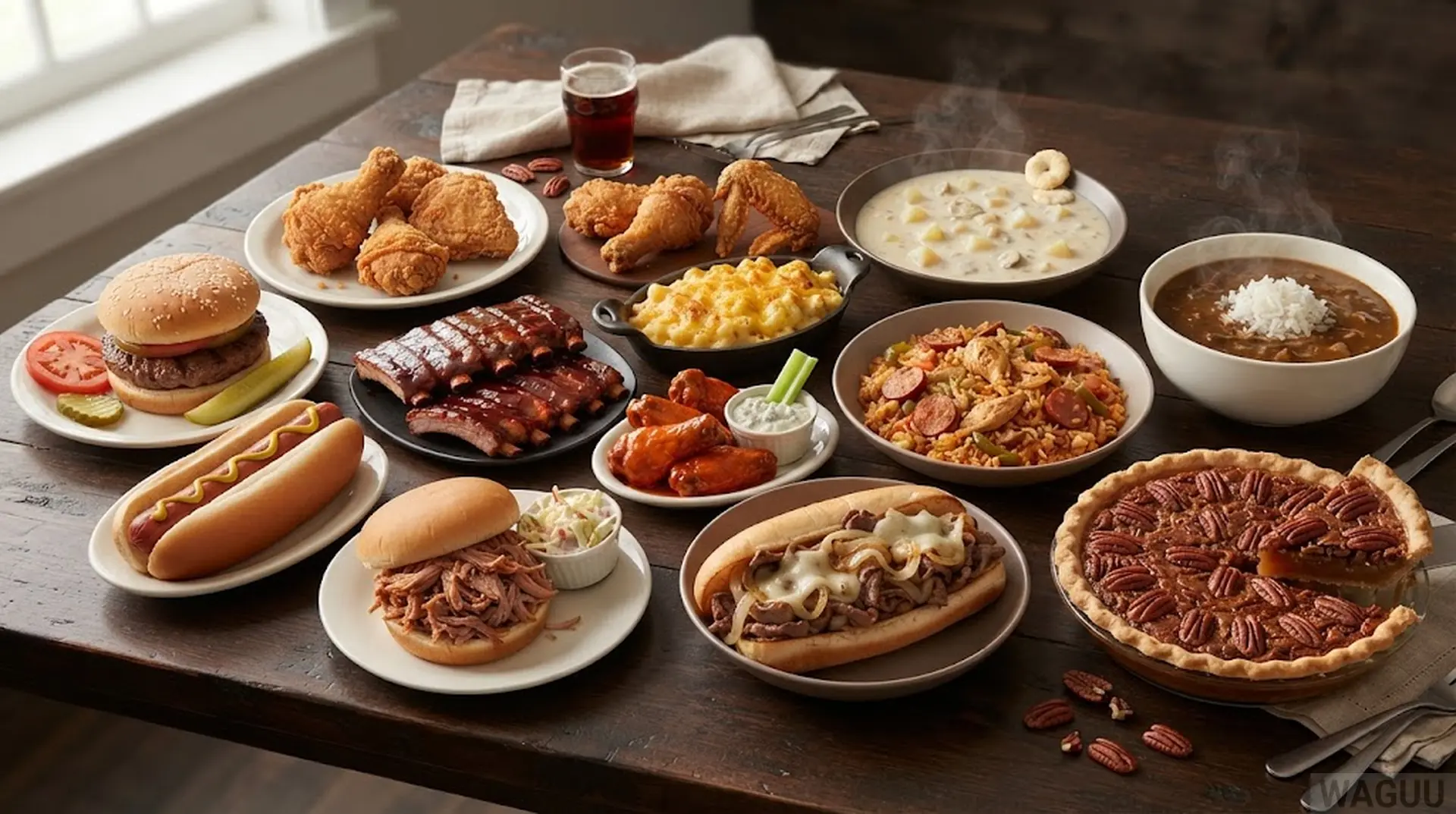
Summary: A guide to twelve of the most famous dishes in American cooking – from hamburgers and barbecue ribs to fried chicken and pecan pie. This article explains what each dish is, what ingredients go into it, what techniques it requires, and how it is traditionally served. For beginners and advanced cooks who want to make American classics at home. Reading time: 15 minutes.
Category: Articles |
Reading time: 15 minutes
Photo gallery from the process
Did you cook any of these dishes? Share a photo in the comments on the recipe, and we’ll be happy to add it to the gallery. Did you film a video of the process? Post a link to YouTube, YouTube Shorts, TikTok, Instagram Reels, Facebook Reels, Pinterest, Vimeo, or X (Twitter) in the comments, and we’ll be happy to publish it.
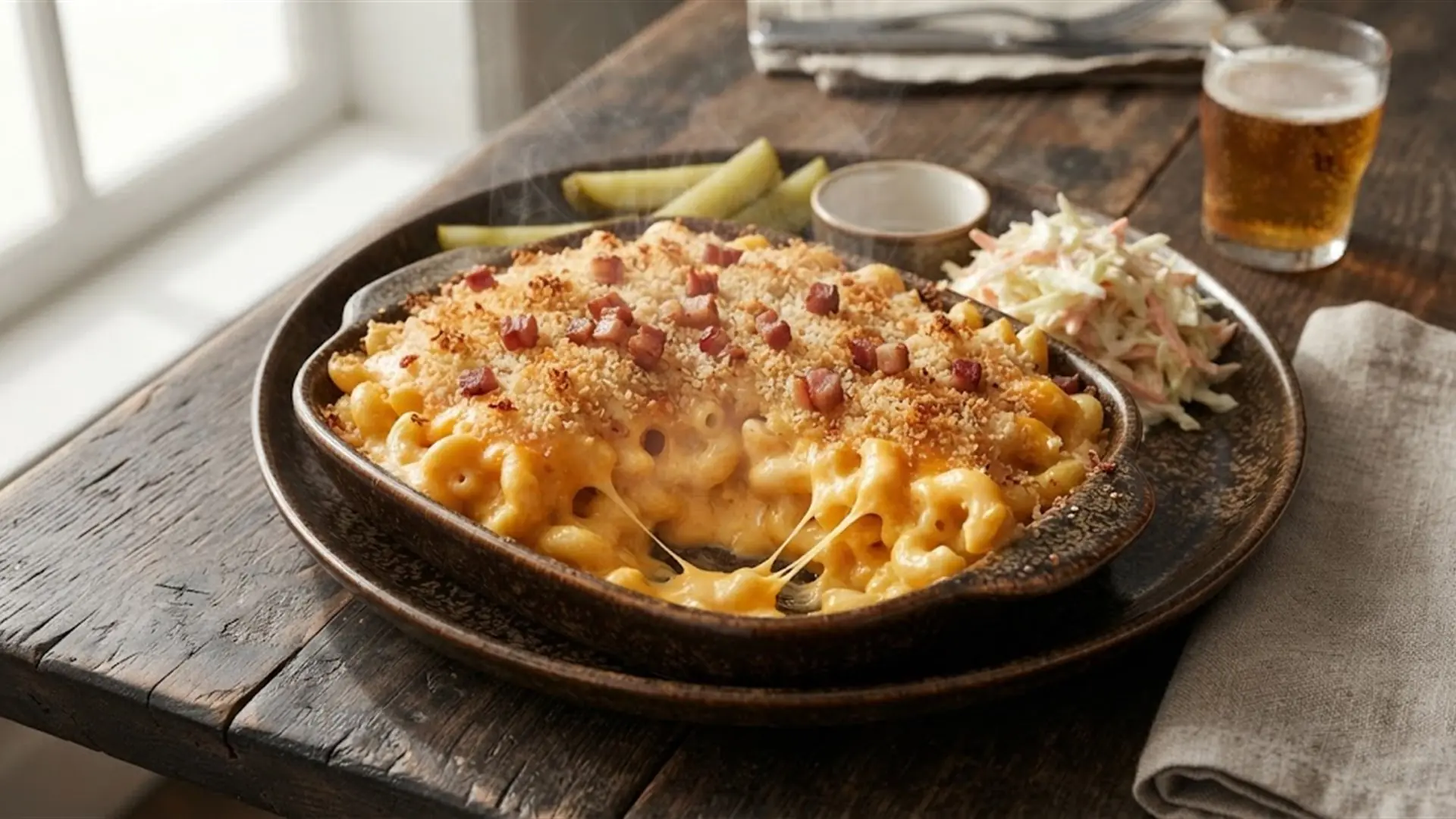
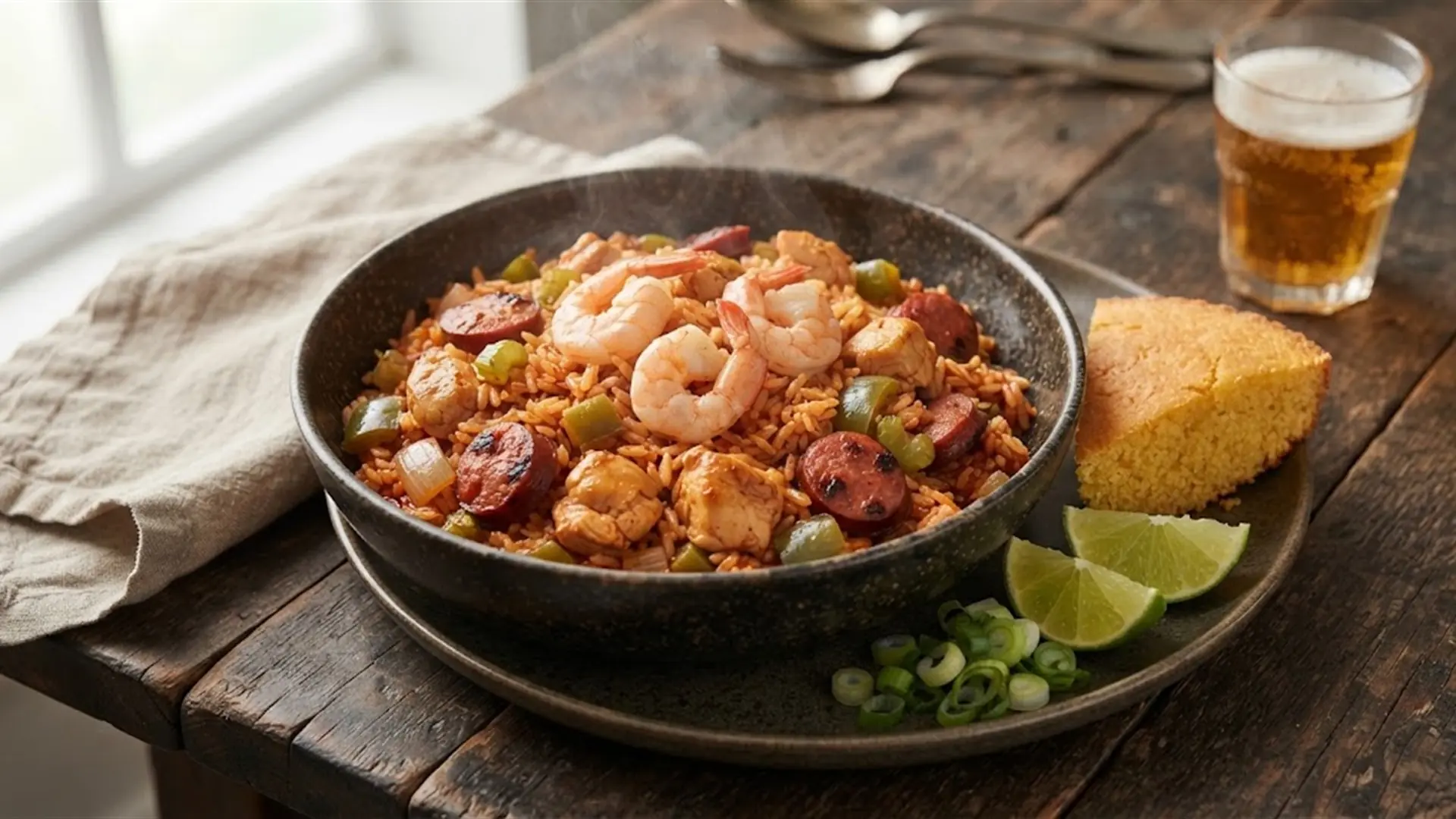
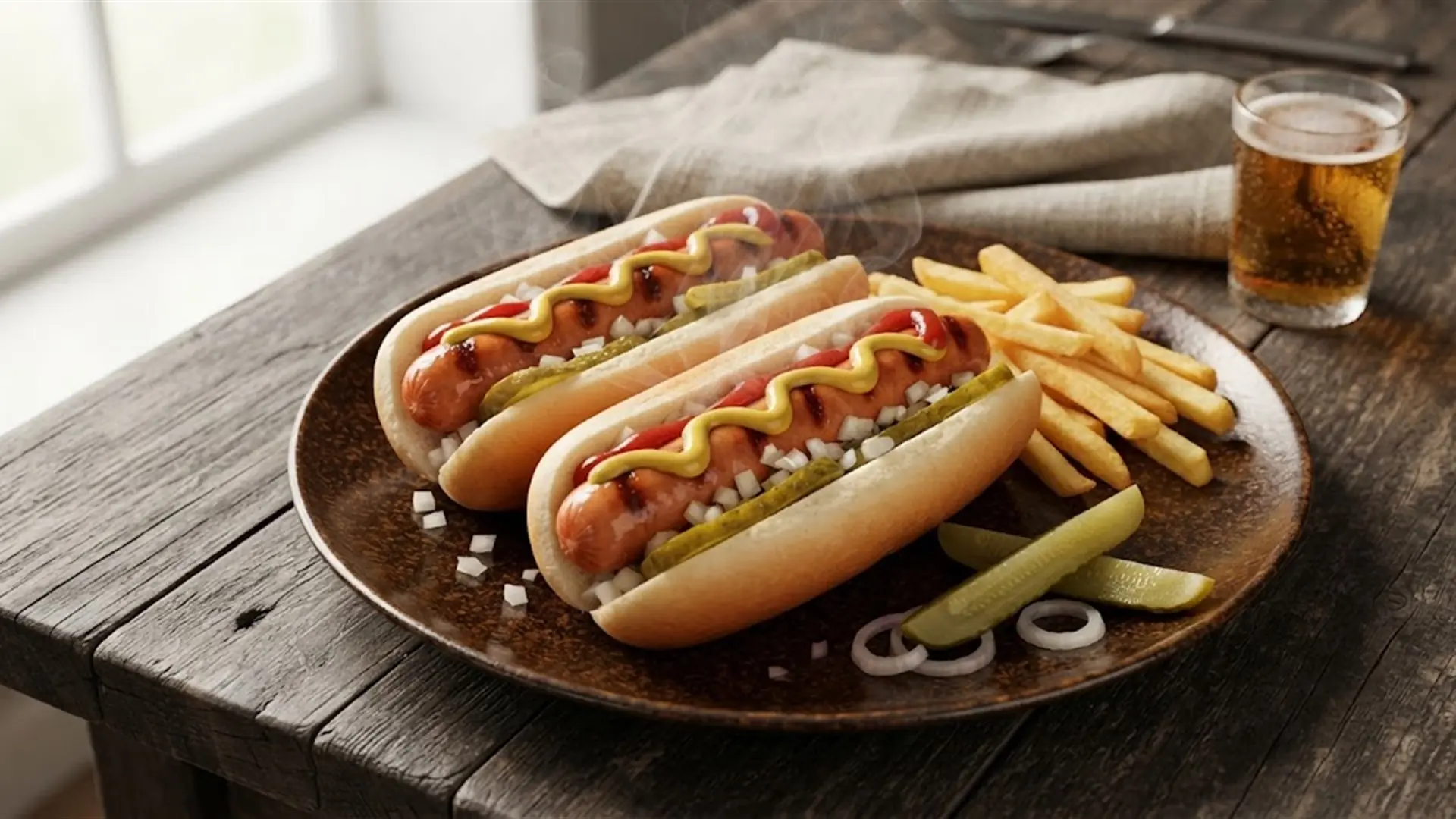
American cooking has a reputation for being fast food from chain restaurants. That’s not the whole truth. Behind hamburgers, smoked ribs, gumbo, and pecan pie are three distinct traditions: ingredients of Native American origin – corn, beans, squash, and pecans; European techniques brought by settlers – baking, braising, smoked meats, and pan gravies; and African and Caribbean influences from Louisiana – rice, okra, and seasoned vegetable bases. The twelve dishes in this guide show that American classics aren’t about the amount of seasoning, but about specific techniques: low-temperature smoking, deep frying, long braising, and working with smoke and vinegar.
Quick overview
- Topic / Dish: Twelve most famous American dishes
- Category: Main dishes, Soups, Risottos and grains, Desserts
- Cuisine: American
- Variations included: Hamburger, Hot Dog, Barbecue Ribs, Pulled Pork, Fried Chicken, Mac and Cheese, Buffalo Wings, Philly Cheesesteak, Clam Chowder, Jambalaya, Gumbo, Pecan Pie
- Key techniques: Deep frying, pan frying, low-temperature smoking, oven baking, braising, making roux and sauces, working with smoke and vinegar
- Physicochemical background: Maillard reactions when searing meat, conversion of collagen to gelatin during slow smoking, emulsification of cheese sauce, caramelization of sugars in pecan filling
- Common mistakes: Oil not hot enough for frying, meat not rested, too much smoke when smoking, cheese sauce without a stabilizer
- In short: American cooking stands on smoke, fat, and time – three things that decide flavor more than the amount of seasoning.
- Last updated: 6. 10. 2026
WAGUU says: “American cooking was born from what was on hand: corn, beans, pork, and fire. From those four things came twelve dishes that the whole world knows.”
Key facts
| Prep time: | 15–45 minutes depending on the dish |
| Cook time: | 20 minutes – 6 hours depending on the dish |
| Main ingredient: | Beef and pork, chicken, corn, beans, rice, Cheddar cheese, pecans |
| Servings: | 6 (base for each recipe) |
| Difficulty: | Easy to medium |
Quick steps
- Choose a dish based on the occasion – quick bite, grilling, weekend cooking, or dessert.
- Salt and season the meat ahead of time; ribs and pulled pork can be done a day in advance.
- Heat the smoker, fryer, or oven to the right temperature before adding the meat.
- Cook in stages, watch the internal temperature, and let the meat rest after cooking.
- Adjust the sauce at the end – salt, vinegar, and smoke come through after simmering.
At a glance
- Hamburger: Ground beef seared in a pan and placed in a split bun.
- Hot Dog: A sausage in an elongated bun with mustard, onion, and pickled vegetables.
- Barbecue Ribs: Pork ribs smoked at low temperature and brushed with barbecue sauce.
- Pulled Pork: Pork shoulder smoked until it can be shredded into strands.
- Fried Chicken: Chicken in a seasoned coating fried in deep oil.
- Mac and Cheese: Short pasta in a cheese sauce made from a roux, baked until golden.
- Buffalo Wings: Fried chicken wings coated in a sauce of hot pepper and butter.
- Philly Cheesesteak: Thin slices of beef with melted cheese in an elongated bun.
- Clam Chowder: Creamy soup with clams, potatoes, and bacon.
- Jambalaya: Rice cooked together with meat, sausage, and vegetables.
- Gumbo: A dark roux-based stew with meat or seafood, served with rice.
- Pecan Pie: A pie with a filling of pecans and caramel syrup.
- Result: Twelve dishes from three traditions – native ingredients, European techniques, and the cooking of the American South.
Who this guide is for: Beginner – gets an overview of American cooking and learns the basics of frying, making sauce, and braising. Advanced – finds specific recipes with precise ratios, temperatures, and visual checkpoints. Professional – appreciates the scientific background, fine dining techniques, and substitution catalog.
American cooking in a nutshell
American cooking is not one cuisine. It’s several traditions that met on one continent. From the East and Midwest came settler cooking – roasted meats, bread, pies, and pan gravies. From the South came cooking built on rice, okra, corn, and slow one-pot meals, influenced by African and Caribbean cuisines. From the Southwest came corn tortillas, beans, and chili. Added to that were ingredients no one in Europe knew: pecans, squash, sweet potatoes, and tomatoes. The result is a cuisine that looks simple but stands on solid techniques.
For American classics, most ingredients are easy to find in regular grocery stores – beef chuck and top round, pork shoulder, chicken, Cheddar or aged Gouda, corn syrup in international food aisles. The specific ones are mainly pecans, liquid smoke, and andouille sausage. Pecans can be replaced with walnuts, liquid smoke with smoked paprika, and andouille with a good-quality smoked sausage with a coarse texture. The difference from other cuisines is in the balance of smoke, sweetness, and vinegar – American classics are bolder in all three directions.
Hamburger – beef burger in a bun
A hamburger is a patty of ground beef seared in a pan or on a grill and placed in a split bun. The base is meat with about 20% fat – a lean patty dries out in the pan and falls apart when flipped. Technique is key: form the meat loosely, make a dimple in the center, let the pan get hot enough, and flip the patty only once. Typical is the combination of warm meat, toasted bun, and cold toppings – lettuce, tomato, onion, pickles, and sauce. Flavor comes from salt, pepper, and the order of layers. A beginner can make it, but the difference between a good and average burger is in a hot pan and resting the meat. Serve with fries, potato salad, or pickles.
Hot Dog – sausages in an elongated bun
A hot dog is a boiled, grilled, or pan-seared sausage in an elongated bun. The quality of the sausage matters – pork with a high meat content instead of starch and fillers. Heat the sausage in water just below boiling so it doesn’t split, or grill it for a smoky flavor. Split the bun, toast it lightly inside, and spread with condiments. Classic is mustard and chopped onion, plus ketchup, pickle, pickled peppers, Cheddar, or chili. It’s the fastest dish of all twelve – ready in ten minutes. Suitable for beginners and parties. Serve standing up, with a paper napkin, and maybe fries.
Barbecue Ribs – pork ribs with barbecue sauce
Barbecue Ribs are pork ribs cooked or smoked slowly at low temperature and brushed with barbecue sauce. Use loin back ribs, which are leaner, or spare ribs, which have more fat and stay juicier. The key is the low-and-slow method: two to five hours at 225–250°F, until the meat starts to pull away from the bone. Before cooking, remove the membrane from the back and rub with a dry spice mix – paprika, brown sugar, garlic, cumin, and chili. Apply sauce only in the last half hour, because the sugar in it burns at high heat. The result is a dark crust outside and tender, moist meat inside. Suitable for weekend cooking and those with time. Serve with corn, coleslaw, and bread.
Pulled Pork – shredded pork
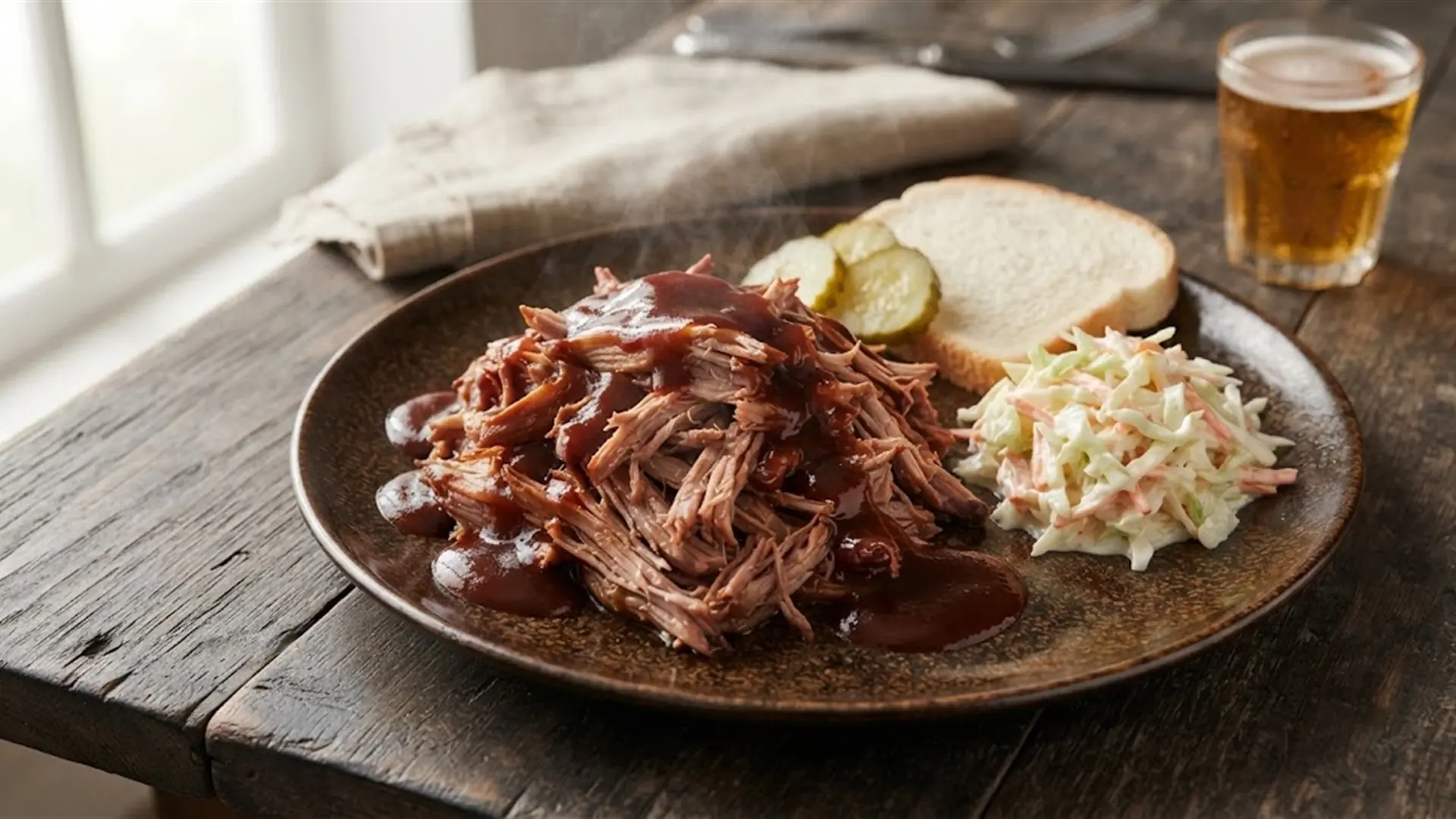
Pulled Pork is pork shoulder or fresh ham smoked or roasted at low temperature until the meat can be pulled apart with a fork. Rub the meat with a dry spice mix and refrigerate overnight. Smoke at 225–250°F for several hours, until the internal temperature reaches about 195°F – at that point the collagen has converted and the meat is tender. During smoking, baste with sauce or mop with juice to keep the surface from drying out. Once done, shred the meat, mix with some pan drippings or vinegar sauce, and serve on a bun with coleslaw. It’s a dish for the patient – it takes most of the day, but there’s little active work. Suitable for advanced cooks who have experience with long cooking.
Fried Chicken – fried chicken in a seasoned coating
Fried Chicken is chicken coated in seasoned flour or batter and fried in deep oil until golden. Use thighs, drumsticks, and breast cutlets – dark meat tolerates higher heat better than white. First salt the pieces or marinate in buttermilk; the acid on the surface helps the coating stick. The coating is smooth flour with paprika, garlic, pepper, and a pinch of baking powder; double-dipping creates a thicker crust. Fry at 325–350°F so the meat cooks through before the coating darkens. The difference from European schnitzel is the thickness of the coating and the amount of seasoning in it. Suitable for more experienced cooks. Serve with mashed potatoes, corn, or pickles.
Mac and Cheese – pasta with cheese sauce
Mac and Cheese is short pasta, usually macaroni, in a thick cheese sauce, often baked with breadcrumbs until golden. The sauce is made from a roux – butter, flour, milk – into which cheese is melted off the heat. Use a combination of cheeses: Cheddar for flavor, Gouda or Edam for stretch; long-aged cheeses with high fat content can easily break in the sauce. Cook pasta just under al dente so it doesn’t get mushy in the oven. Baking creates a crust on top and keeps the sauce creamy inside. It’s the simplest dish of all twelve and also a good test of sauce technique. Serve as a main dish or as a side with meat.
Buffalo Wings – chicken wings in spicy sauce
Buffalo Wings are chicken wings fried or baked and coated in a sauce of hot pepper sauce and melted butter. Wings are separated into two parts – drumettes and flats – both cooked the same way. Before frying, dry them with paper towels, or coat in cornstarch for a crispier crust. Fry at 350–375°F until golden, then toss in the sauce. The butter in the sauce isn’t just for flavor – it emulsifies the hot sauce and helps it cling to the wing; without it, the sauce runs off. Traditionally served with blue cheese dip and celery sticks. Suitable for beginners and parties, eaten with hands.
Philly Cheesesteak – beef slices with cheese in a bun
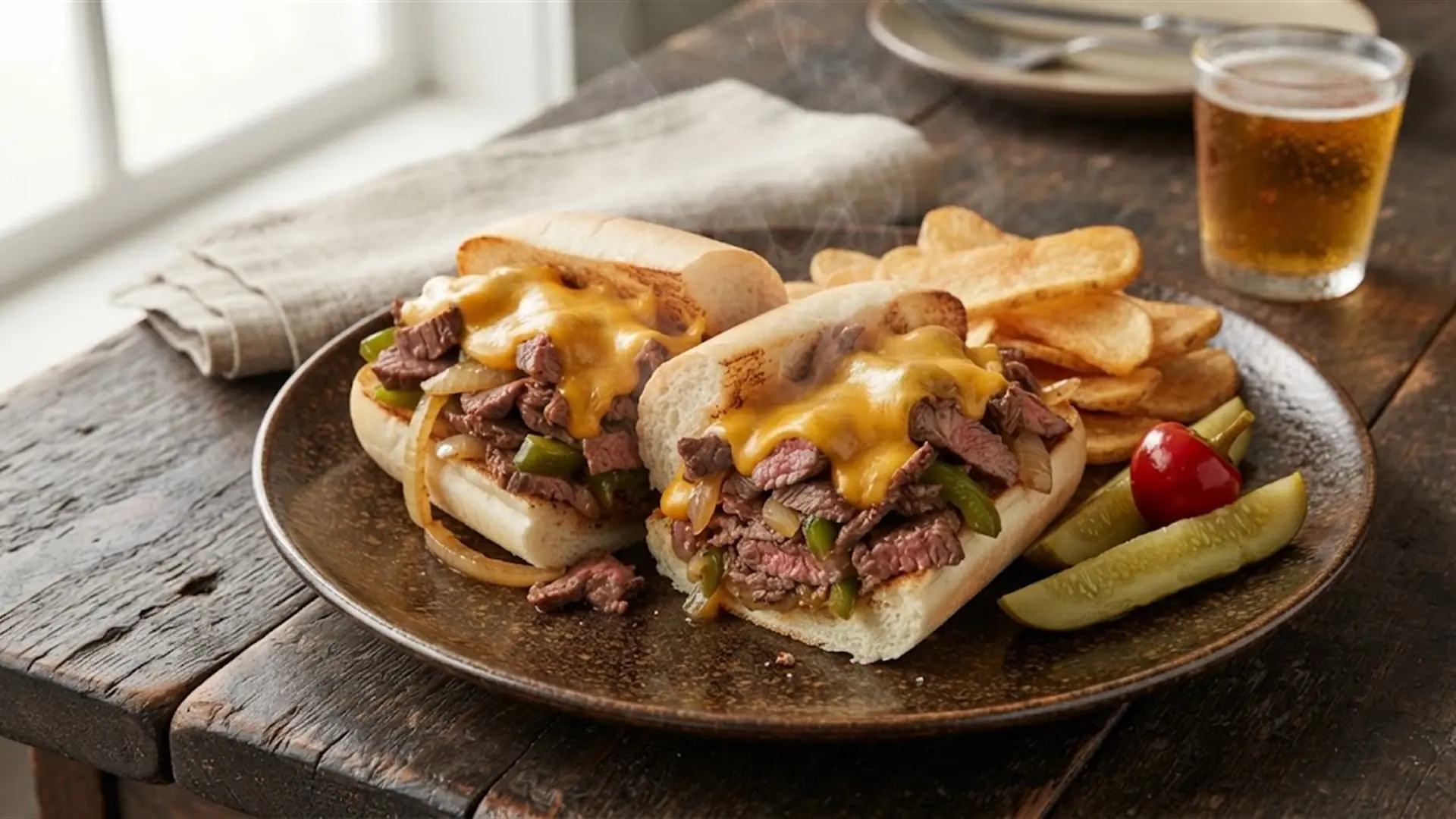
Philly Cheesesteak is an elongated bun filled with thin slices of beef and melted cheese. Use beef top round or sirloin cut into very thin slices – the thinner, the faster the meat cooks and stays juicy. Sear the meat on a griddle or in a pan with onions, optionally with peppers, then lay cheese slices on top and let them melt. Split the bun and scoop the meat into it along with the pan juices. Speed is key – the whole thing takes a few minutes and the meat isn’t cooked ahead. Suitable for beginners. Serve hot, preferably immediately.
Clam Chowder – creamy clam soup
Clam Chowder is a thick creamy soup with clams, potatoes, onion, celery, and bacon. The base is clam broth made from shells, wine, and aromatic vegetables. Cook bacon, sauté onion and celery in the fat, add flour and broth – this makes the base, to which potatoes are added and finally clams. Add cream at the end and do not boil hard, or the cream will curdle. The classic New England version is thick, with chunks of potato and white cream; the Manhattan version is tomato-based and thinner. Suitable for more experienced cooks. Serve with crackers or bread.
Jambalaya – rice dish with meat and sausage
Jambalaya is a seasoned rice dish from Louisiana with chicken or pork, smoked sausage, and vegetables. The flavor base is a mix of onion, celery, and bell pepper, which the local cuisine uses as the foundation for most dishes. Brown the meat and sausage, add rice and broth, and cook everything together until the rice absorbs the liquid. The ratio of rice to broth determines the outcome – too much liquid makes it mushy. There are two main versions: Creole, which includes tomatoes, and Cajun, which doesn’t and is darker. Suitable for advanced cooks who can handle seasoning. Serve in one bowl, with cold beer or iced tea.
Gumbo – thick stew from Louisiana
Gumbo is a thick, dark stew from Louisiana, served with rice. The base is a roux of flour and fat cooked to a dark brown – the darker it is, the stronger the flavor, but also the greater the risk of burning. Add the vegetable base, broth, and meat or seafood to the roux; thickening also comes from okra or filé powder. Gumbo simmers slowly so the flavors meld, and is served in a deep bowl with a mound of rice in the center. Unlike jambalaya, the rice is cooked separately, not with the dish. Suitable for experienced cooks – the roux is the most challenging part of the whole process. Serve with rice and bread.
Pecan Pie – pecan pie
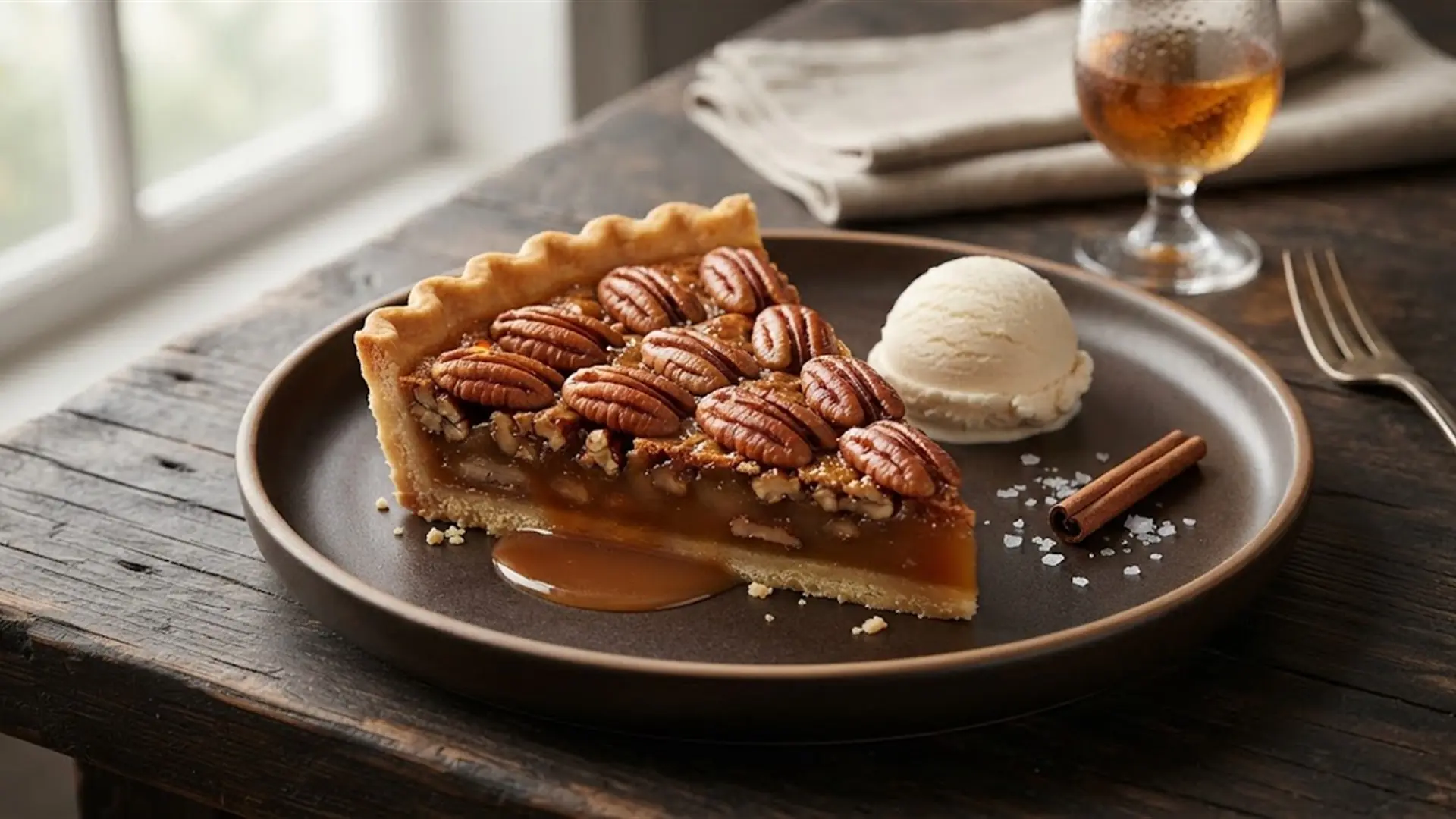
Pecan Pie is a sweet pie with a filling of pecans, eggs, butter, and sugar, baked in a flaky crust. The filling is made from corn syrup, eggs, and melted butter; pecans are placed on the bottom and the filling poured over, so they float to the top during baking. Bake at a lower temperature so the filling doesn’t curdle and the surface doesn’t crack. It’s done when the edges hold their shape and the center jiggles only slightly. The flavor is caramel, buttery, and nutty, the texture dense and moist. Suitable for slightly advanced bakers. Serve warm or cold, with whipped cream or a scoop of ice cream.
| Dish | Main ingredient | Key technique |
|---|---|---|
| Hamburger | Ground beef | Pan frying |
| Hot Dog | Pork sausage | Heating in water and grilling |
| Barbecue Ribs | Pork ribs | Low-temperature smoking |
| Pulled Pork | Pork shoulder | Low-temperature smoking |
| Fried Chicken | Chicken | Deep frying |
| Mac and Cheese | Pasta, Cheddar | Making roux and baking |
| Buffalo Wings | Chicken wings | Frying and tossing in sauce |
| Philly Cheesesteak | Beef top round | Quick searing on griddle |
| Clam Chowder | Clams, potatoes | Making creamy soup |
| Jambalaya | Rice, smoked sausage | Cooking rice with broth |
| Gumbo | Flour, meat, okra | Cooking dark roux |
| Pecan Pie | Pecans | Baking filling in flaky crust |
WAGUU Pro Tip: If you’re new to American cooking, start with Mac and Cheese, Buffalo Wings, and Hot Dogs. These three recipes teach you the basics – making a roux and cheese sauce, frying in oil, and working with a spicy sauce. Only then move on to pulled pork, ribs, and gumbo, where time and temperature are crucial.
Frequently asked questions
What makes American cuisine distinctive?
American cooking relies on smoke, fat, and time. Low-and-slow smoking, deep frying, and pan gravies are hallmarks. Indigenous ingredients like corn, beans, squash, and pecans also play a major role.
Which of these dishes is easiest to make?
For a beginner, Mac and Cheese and a Hot Dog are the easiest. Both take under 30 minutes and teach two basic techniques: making a roux and heating a sausage without splitting the casing. Only then does it make sense to tackle ribs or gumbo.
What cut of pork should I use for pulled pork?
Pork shoulder or fresh ham. Shoulder has more connective tissue and fat, so it stays moist even after hours of smoking. Fresh ham is leaner and needs basting with broth and mopping during cooking to keep it from drying out.
What can I use instead of liquid smoke?
Smoked paprika, smoked salt, or a spoonful of drippings from smoked bacon. The flavor won’t be the same—liquid smoke gives a strong smoke aroma, while smoked paprika adds more color and a mild smokiness. Liquid smoke is available at stores that sell grilling supplies and online retailers specializing in imported foods.
What cheese should I use for mac and cheese?
A combination of two cheeses. Cheddar or another aged cheese provides flavor; gouda, American, or mozzarella adds meltability. Long-aged cheeses can curdle in the sauce, so add them off the heat, in batches, not all at once.
Are gumbo and jambalaya the same thing?
No. Jambalaya is a rice dish where rice cooks together with meat and vegetables. Gumbo is a stew made with a dark roux, served with rice cooked separately. Both come from Louisiana and use a similar vegetable base, but the technique and final texture differ.
Also known as: American cuisine, U.S. cooking, American classics, American food
Author: WAGUU Petr & Team • Published: 6 Oct 2026 • Updated: 9 Oct 2026
Conclusion
American cooking isn’t about complicated techniques—it’s about patience and proper temperature. A screaming-hot skillet for burgers, a deep fryer for chicken, a roux for gumbo, and low heat for ribs: four techniques that repeat across all twelve recipes. Master them, and you can make all twelve. Pick one dish, cook it from the recipe, and move on to the next.
Choose your recipe
The twelve recipes from this article are available as separate pages with exact measurements, visual cues, and nutrition facts.
Hamburger – juicy beef patty on a toasted bun with cold toppings.
Hot Dog – sausage in a long bun with mustard, onion, and pickled vegetables.
Barbecue Ribs – pork ribs smoked low and slow with barbecue sauce.
Pulled Pork – pork shoulder smoked until tender and shredded.
Fried Chicken – chicken in a seasoned coating, deep-fried.
Mac and Cheese – pasta in a cheese sauce made from a roux, baked until golden.
Buffalo Wings – chicken wings in a hot sauce and butter sauce.
Philly Cheesesteak – thin slices of beef with melted cheese on a roll.
Clam Chowder – creamy soup with clams, potatoes, and bacon.
Jambalaya – rice cooked with meat, smoked sausage, and vegetables.
Gumbo – thick stew from a dark roux, served with rice.
Pecan Pie – pecan pie with a caramel filling in a flaky crust.
Other variations
Double cheeseburger
Two thinner patties instead of one thick one. Great for those who want a higher meat-to-cheese ratio. Patties are seared separately and stacked with cheddar slices in between.
Caramelized onion burger
Slowly cooked onions add sweetness that balances the saltiness of the meat and cheese. Great for those who like deeper flavor. Onions cook over medium-low heat for 30 to 40 minutes.
Chili cheese dog
The sausage is topped with thick chili con carne and shredded cheese. Great for a heartier version. Chili is made with ground beef, beans, and tomatoes and simmered until thick.
Hot dog with pickled vegetables
Instead of ketchup, use pickles, peppers, and onions. Great for those who like tangy flavors. The vegetables are pickled at least a day ahead to absorb flavor.
Barbecue ribs with apple cider
Ribs are mopped with apple cider or juice during cooking, adding fruity sweetness. Great for those who prefer a milder flavor. Cider is brushed on every hour.
Barbecue ribs with coffee rub
A dry rub made from ground coffee, brown sugar, paprika, and cumin. Great for those who like bold, dark flavors. The coffee doesn’t add bitterness but depth and color to the bark.
Slow cooker pulled pork
Use a slow cooker or oven at 225°F instead of a smoker. Great for those without a smoker. Liquid smoke or smoked paprika is added to the braising liquid to give a smoky note.
Pulled pork with apple coleslaw
Meat is served on a bun with coleslaw made from fresh cabbage and apples. Great for a refreshing contrast to smoked meat. The cabbage sits in dressing for at least an hour before serving.
Buttermilk fried chicken with hot sauce
Chicken marinates in buttermilk with hot sauce, so the coating sticks better. Great for those who want a spicier version. Marinate for at least four hours, ideally overnight.
Air fryer fried chicken
Pieces are coated and cooked in an air fryer instead of deep-fried. Great for those who want less oil. The coating is lightly brushed with oil to help it brown and stay crispy.
Mac and cheese with Parmesan crust
Grated Parmesan and breadcrumbs are added on top. Great for those who want a salty, crispy crust. Parmesan is mixed with breadcrumbs and melted butter and sprinkled on just before baking.
Mac and cheese with smoked bacon
Crispy bacon is added to the sauce. Great for a heartier version. Bacon is cooked ahead, and some of its fat is used instead of butter in the roux.
Oven-baked Buffalo wings
Wings are baked on a rack at 425°F. Great for those who avoid frying. Wings are patted dry and lightly oiled so the skin crisps.
Buffalo wings with honey and lime
The sauce is finished with honey and lime juice. Great for those who want a sweet-and-sour profile. Honey is stirred into the warm sauce off the heat so it doesn’t boil.
Philly cheesesteak with peppers and onions
Cooked peppers and onions are added to the meat. Great for those who want more vegetables. Vegetables are sautéed separately over higher heat to stay firm and not turn mushy.
Philly cheesesteak with provolone
Use provolone or another semi-hard cheese instead of cheddar. Great for those who prefer a milder flavor. Cheese is melted directly on the meat under a lid.
Clam chowder with corn
Corn is added to the soup. Great for those who want a sweeter, heartier version. Corn is added with the potatoes so it has time to cook through.
Clam chowder with thyme
The soup is seasoned with thyme and more bacon is added. Great for those who like bolder flavor. Thyme simmers in the soup from the start and is removed before serving.
Jambalaya with seafood
Shrimp and clams are added instead of chicken. Great for those who want a lighter version. Seafood goes in during the last five minutes so it doesn’t overcook.
Tomato-free jambalaya
A Cajun version without tomatoes, darker and spicier. Great for those who want a sharper flavor. The flavor comes from a toasted roux and cayenne pepper, not tomatoes.
Gumbo with chicken and smoked sausage
The classic combination of chicken and smoked sausage. Great as a first attempt with dark roux. Sausage is browned first, and its fat is used to make the roux.
Gumbo with okra
Okra thickens the dish, so no roux is needed. Great for those who want a lighter version. Okra is added at the start and simmers until it breaks down, thickening the dish.
Pecan pie with chocolate
Dark chocolate is added to the filling. Great for those who want a less sweet version. Chocolate is melted into the warm filling before baking.
Pecan pie with bourbon
A tablespoon of bourbon or dark rum is added to the filling. Great for a festive version. Alcohol partly evaporates during baking, leaving aroma and a subtle kick.
Know another variation? Add your own suggestion below.
Missing a recipe?
Tell us what recipe you would like us to add. We will do our best to publish it soon!
Frequently asked questions about variations
- What’s the difference between barbecue ribs and pulled pork? Ribs are smoked whole on the bone; pulled pork is smoked whole and then shredded. Both use the same low-temperature method, but different cuts and different ways of serving.
- Can I make pulled pork without a smoker? Yes. In the oven or a slow cooker at 225–250°F. Liquid smoke, smoked paprika, or a spoonful of bacon drippings adds a smoky note.
- Why does my cheese sauce curdle? Most often due to high heat or adding cheese too quickly. Add cheese off the heat, in batches, and don’t let the sauce boil vigorously.
- Is Buffalo sauce just hot sauce? No. Hot sauce is combined with melted butter, which emulsifies the sauce and helps it cling to the chicken skin. Without butter, the sauce runs off onto the plate.
- What can I use to thicken gumbo if I don’t have okra? A dark roux or filé powder (ground sassafras leaves). Filé is added to the finished dish off the heat, otherwise it gets stringy.
- How do I know when ribs are done? The meat starts to pull away from the bone, and the bone can be removed with slight resistance. If the meat falls apart on its own, it’s overcooked.
- Can I substitute the pecans? Yes, with walnuts. The flavor will be less sweet and slightly bitter, but the texture and method stay the same. Pecans are available at nut stores and larger supermarkets.
- Which variations are beginner-friendly? Mac and cheese with smoked bacon, hot dog with pickled vegetables, and oven-baked Buffalo wings. All three can be made without special equipment.