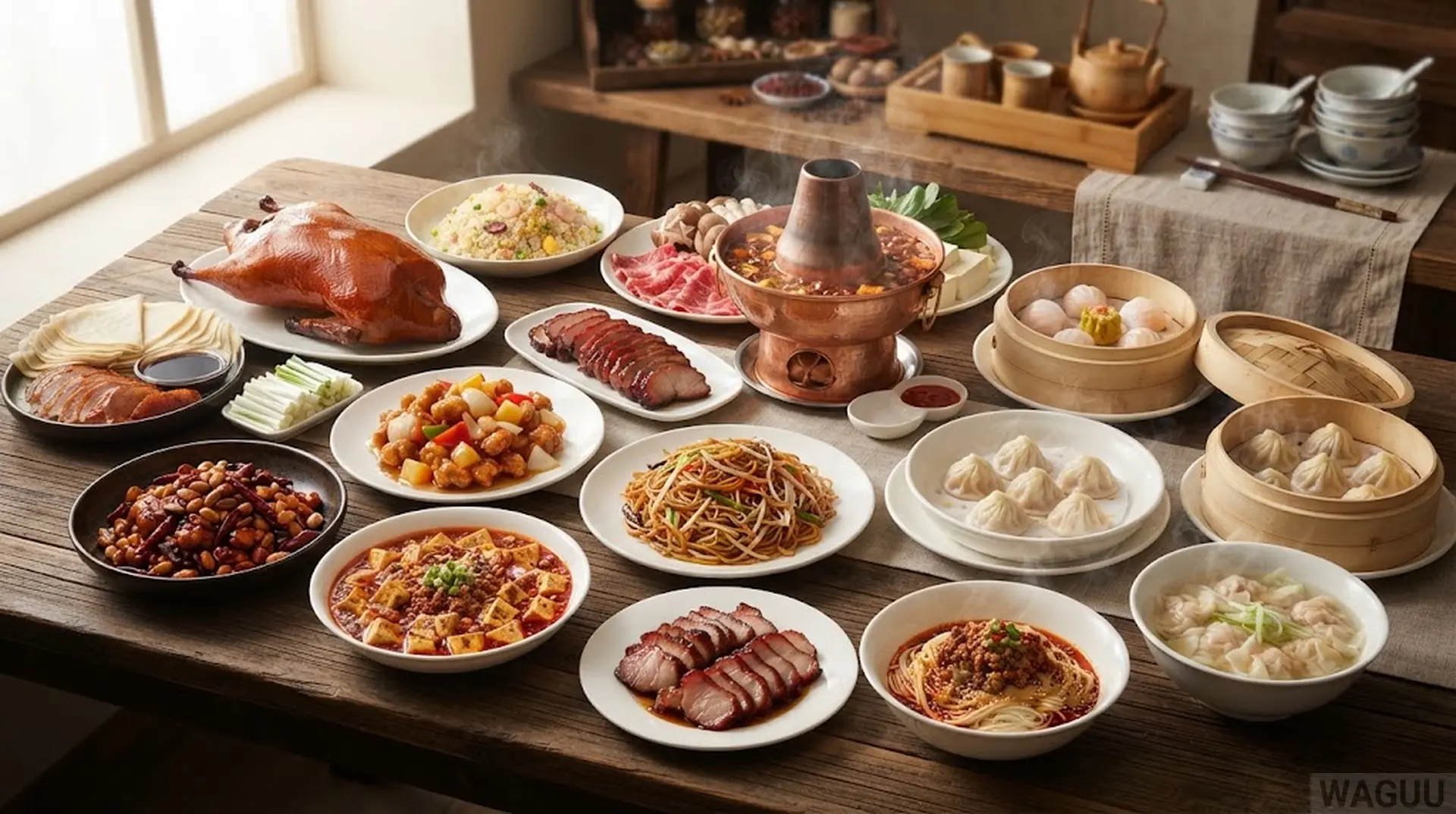
Summary: A guide to twelve dishes cooked most often in China and loved across the United States – from Peking duck and Sichuan favorites like Kung Pao chicken and mapo tofu to Cantonese dim sum and wonton soup. Each entry covers origin, key technique, main ingredients and a link to a tested recipe. Written for beginners and confident cooks alike. Reading time 13 minutes
Reading time: 13 minutes
Photo gallery from the process
Cooked any of these dishes? Share a photo in the comments under the recipe and we will gladly add it to the gallery. Filmed a video? Post a link to YouTube, YouTube Shorts, TikTok, Instagram Reels, Facebook Reels, Pinterest, Vimeo or X (Twitter) in the comments and we will publish it.
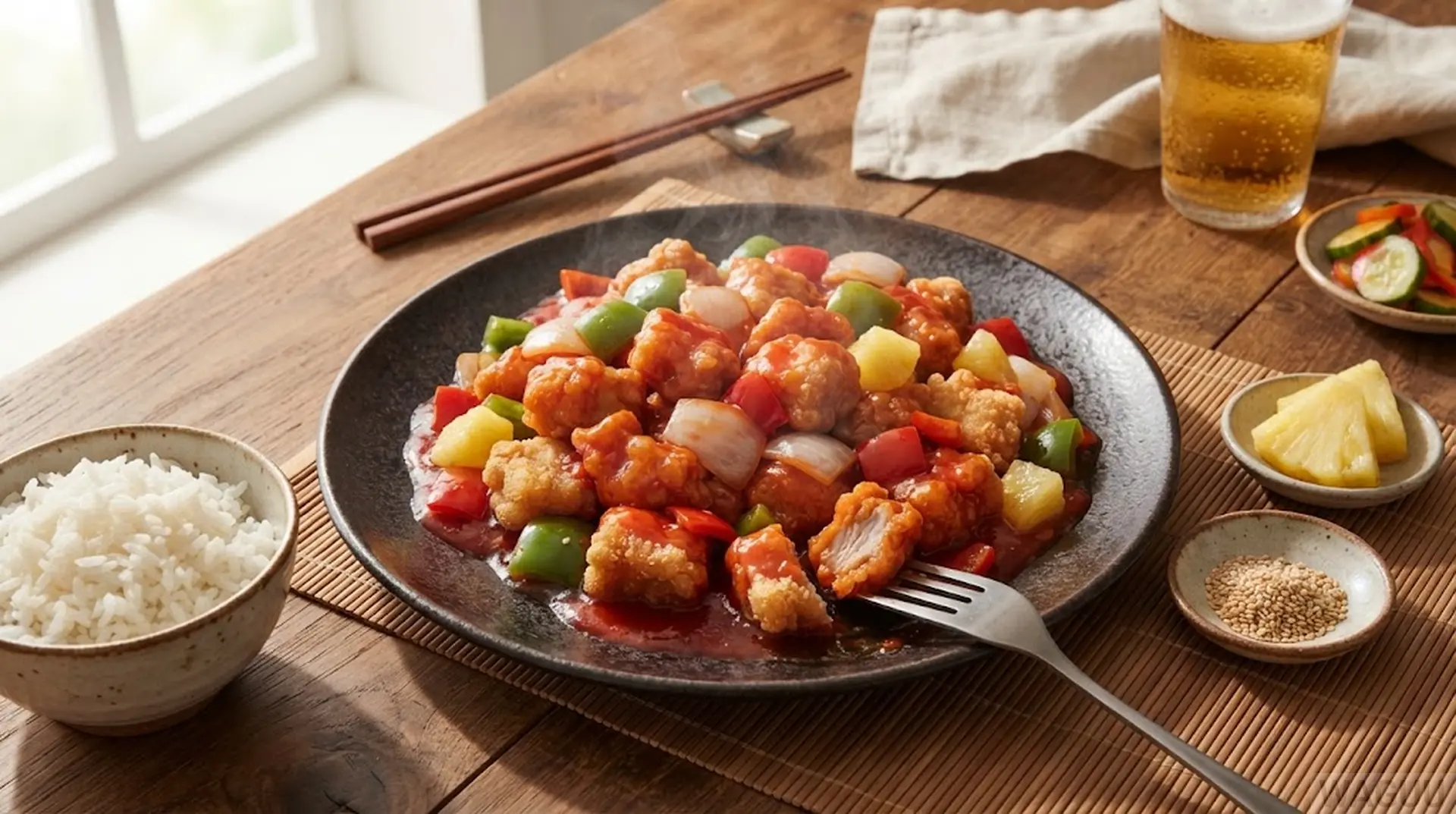
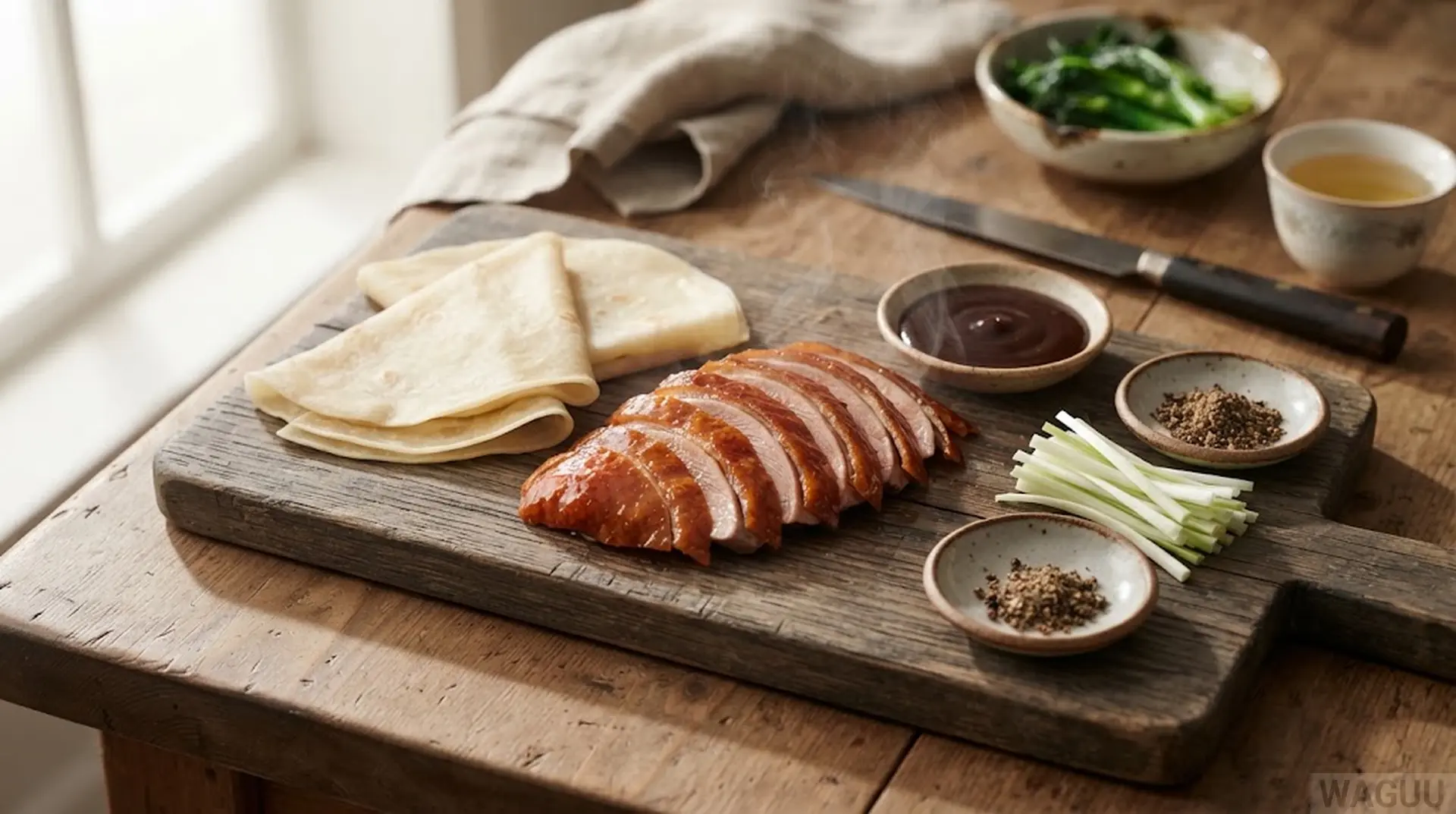
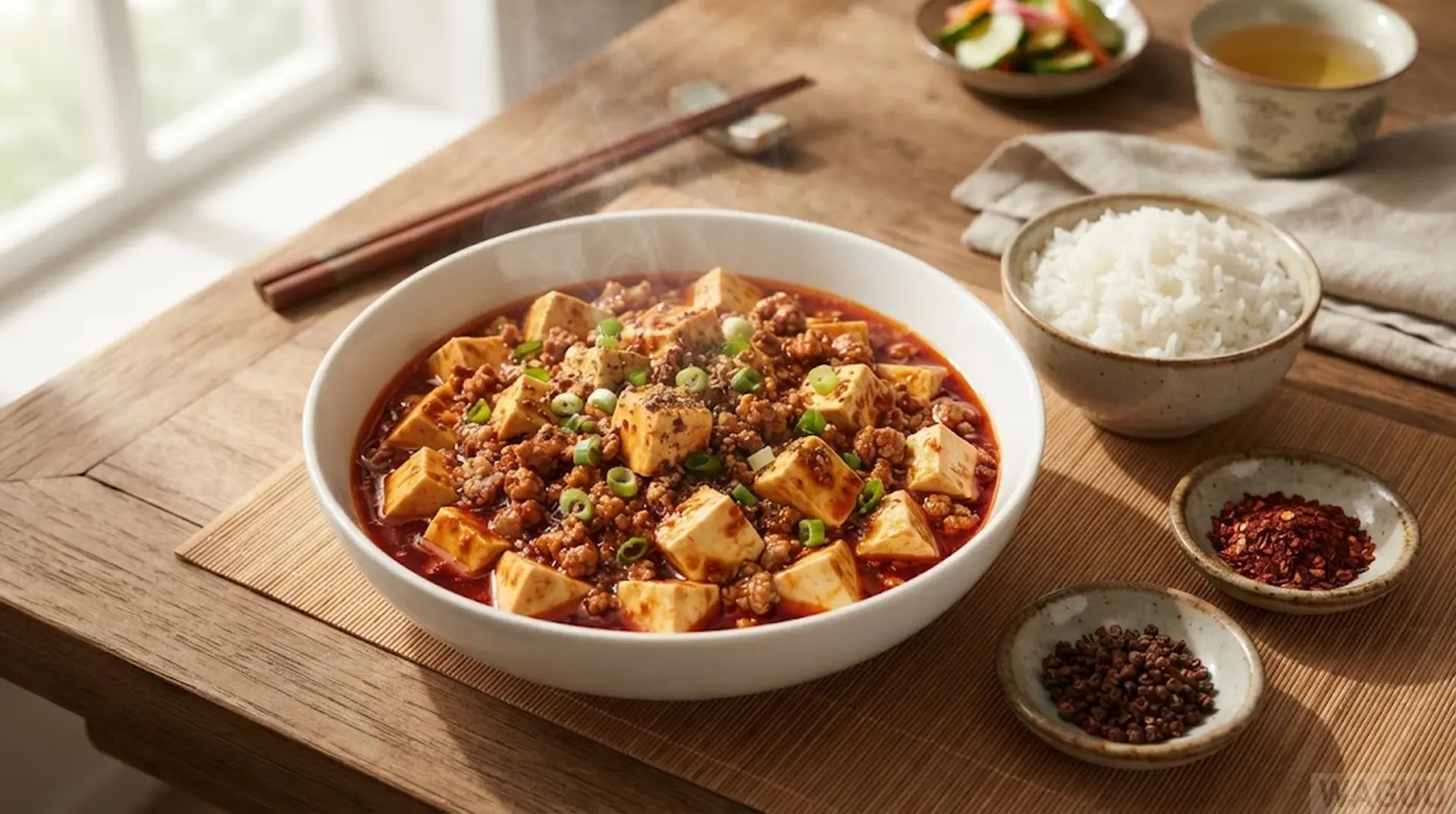
Chinese cooking is not one cuisine. It is eight large regional traditions that share a common base: rice or wheat, fermented soy products, garlic with ginger, and fast cooking over a very hot pan. Peking duck is about dry skin, not spice. Kung Pao and mapo tofu rest on Sichuan pepper and chile. Char siu, dim sum and wonton belong to the Cantonese tradition, which favors gentle flavors and steam. Whichever dish you start with, temperature, the order of ingredients and patience during prep decide the result.
Quick overview
- Topic / Dish: 12 most famous Chinese dishes: traditional recipes from Chinese cuisine
- Cuisine: Chinese
- Variations included: Peking duck – celebratory roast duck with crisp skin, thin pancakes and a sweet sauce, Kung Pao chicken – spicy Sichuan chicken with peanuts, chile and a sweet-savory sauce, Mapo tofu – tofu in a spicy Sichuan sauce with ground meat and Sichuan pepper, Sweet and sour pork – fried pork pieces in the classic sweet and sour sauce, Char siu – Cantonese roast pork with a glossy caramelized crust, Dim sum – small Cantonese dishes, especially steamed dumplings and parcels, Xiaolongbao – delicate Shanghai dumplings filled with pork and hot soup, Chow mein – stir-fried wheat noodles with vegetables, meat or seafood, Yangzhou fried rice – fried rice with egg, shrimp, ham and peas, Hot pot – a shared meal cooked in bubbling broth at the table, Dan dan noodles – Sichuan noodles with a spicy sauce and chile oil, Wonton soup – clear broth with filled wonton dumplings and scallions
- Key techniques: Stir-frying in a very hot wok, deep-frying, roasting on a rack, steaming, simmering in sauce, thickening with cornstarch
- Physicochemical background: Maillard browning on meat and pastry, starch gelatinization during thickening, sugar caramelization in glazes, aroma compounds dissolving in fat
- Common mistakes: a cold wok, damp skin, a crowded pan, cornstarch dumped into boiling sauce, chile burnt in oil
- In short: Chinese cooking starts from the base: fermented soy builds flavor, the wok builds texture, steam builds delicacy
- Last updated: 10. 10. 2026
WAGUU says: “Chinese cooking is decided not by how many ingredients you own but by the order they hit the pan and how hot the pan is before they do.”
Key facts
| Prep time: | 20–60 min |
| Cook time: | 15–105 min |
| Servings: | 6 |
| Difficulty: | Challenging, Medium, Easy |
Method at a glance
- Frying chilled rice in portions in a very hot wok
- Boiling the noodles to just underdone and stir-frying each component separately over the highest heat
- Double-frying the coated pork and adding the sauce at the last moment
- Steaming in a bamboo basket and sealing the wrappers without trapping air
- Cooking thin slices of raw ingredients in simmering flavored broth at the table
In a nutshell
- Kung Pao chicken – spicy Sichuan chicken with peanuts, chile and a sweet-savory sauce: Kung Pao rests on three things: cornstarch, heat and timing. Cornstarch seals the surface of the chicken so juices stay in while the outside browns; without it the meat releases water into the pan and starts to stew. The chiles and Sichuan pepper toast in oil for no more than twenty seconds, enough to release aroma but not to burn. The sauce is mixed in a glass beforehand because there is no time to measure once the wok is at temperature; cornstarch thickens it within seconds of contact, so the sauce clings instead of pooling. Peanuts go in at the end so they keep their crunch
- Mapo tofu – tofu in a spicy Sichuan sauce with ground meat and Sichuan pepper: Mapo tofu is built on fermented paste, not on chile heat alone. Doubanjiang is fried in oil until the oil turns red and separates from the paste; that step releases the aroma and removes the raw, beany taste. Tofu is poached in lightly salted water first, which firms the surface so it survives the sauce. Cornstarch goes in twice: the first addition thickens the sauce, the second – added after the sauce relaxes – gives the glossy coating that makes it cling to the tofu. Sichuan pepper is added at the very end, off the heat, so its tingle survives; cooked for minutes it turns bitter and flat
- Sweet and sour pork – fried pork pieces in the classic sweet and sour sauce: Sweet and sour pork depends on two temperatures and one timing decision. The first fry at 320 °F (320 °F) cooks the meat through and sets the coating; the second at 375 °F (375 °F) drives out the last of the water and makes the crust brittle. Between the two fries the pieces rest, which lets steam escape instead of being trapped under the crust. The sauce is built separately from ketchup, vinegar, sugar and pineapple juice, then thickened lightly with cornstarch so it coats rather than pools; it is poured over the pork off the heat because a long simmer would pull water back into the crust and make it soggy
- Char siu – Cantonese roast pork with a glossy caramelized crust: Char siu builds sweetness in two layers. The first sits in the marinade: honey and hoisin carry sugars that penetrate the surface and, over a long marinade, soften the outer fibers slightly. The second sits on the surface: a glaze of honey and strained pan juices goes on only in the last third of roasting, because sugar caramelizes above 300 °F (300 °F) and turns bitter if held there too long. The pork therefore roasts first at a gentler heat so it warms through to the center, and only then is the surface brought up to color. Five-spice adds star anise and cinnamon notes, and sesame paste helps the marinade cling to the fat in the meat
- Dim sum – small Cantonese dishes, especially steamed dumplings and parcels: Dim sum depends on two things that are easy to get wrong: the temperature of the filling and the tightness of the wrapper. The filling must be cold, because a cold mixture holds its shape and does not leak moisture into the wrapper as you pleat it. The wrapper is sealed with the air pressed out – trapped air expands in the steam and splits the dumpling. Bamboo shoots in the filling act like a sponge and soak up the juices released by the pork and shrimp, so the wrapper stays dry. The steamer is filled in a single layer so steam circulates around each dumpling
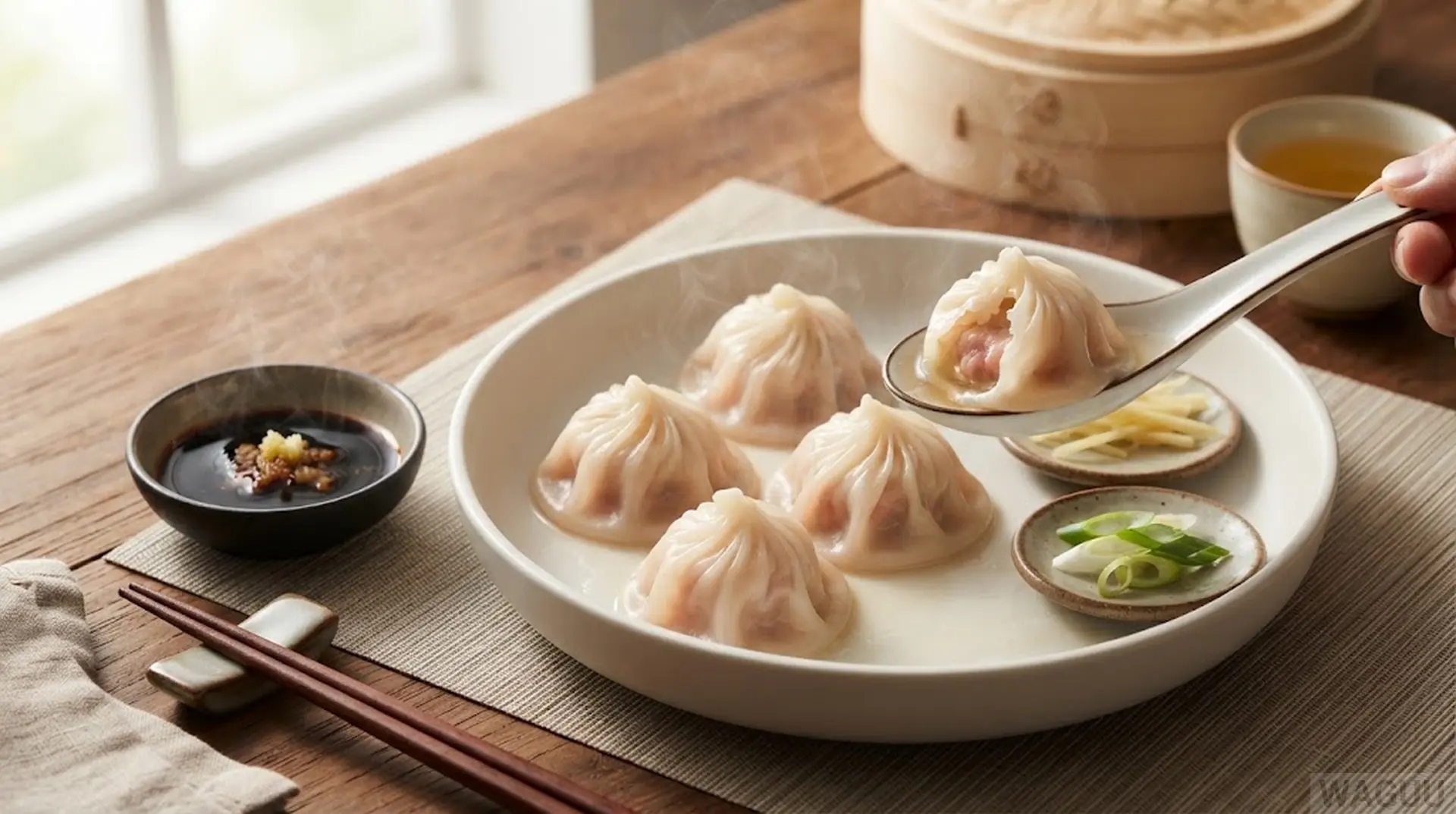
- Xiaolongbao – delicate Shanghai dumplings filled with pork and hot soup: Xiaolongbao is a technique for keeping water inside a dumpling. The stock is cooked from pork bones and skin, which are rich in collagen; once chilled, the collagen sets into gelatin and the stock becomes a jelly that can be diced and mixed into the meat. In the steamer the jelly melts above 140 °F (140 °F) and turns back into soup, and it stays inside only because the wrapper is thin, pliable and firmly sealed. The dough is therefore made with boiling water: part of the flour gelatinizes during mixing, the gluten network stays weak and the dough rolls to about a fiftieth of an inch without springing back. Starch in the filling absorbs the jelly and holds it until the heat arrives
- Chow mein – stir-fried wheat noodles with vegetables, meat or seafood: Chow mein rests on two techniques. The first is pre-cooking the noodles: they boil a minute less than the package says and then rinse in cold water, which washes off the surface starch so they do not clump in the pan. The second is frying on a dry, very hot surface: the noodles are left alone for a minute so brown spots form, and only then are they tossed. Aromas from the sauce arrive in the last stage. Meat and shrimp fry separately because they release water; cooked together with the noodles that water would drop the pan temperature and the noodles would steam instead of frying
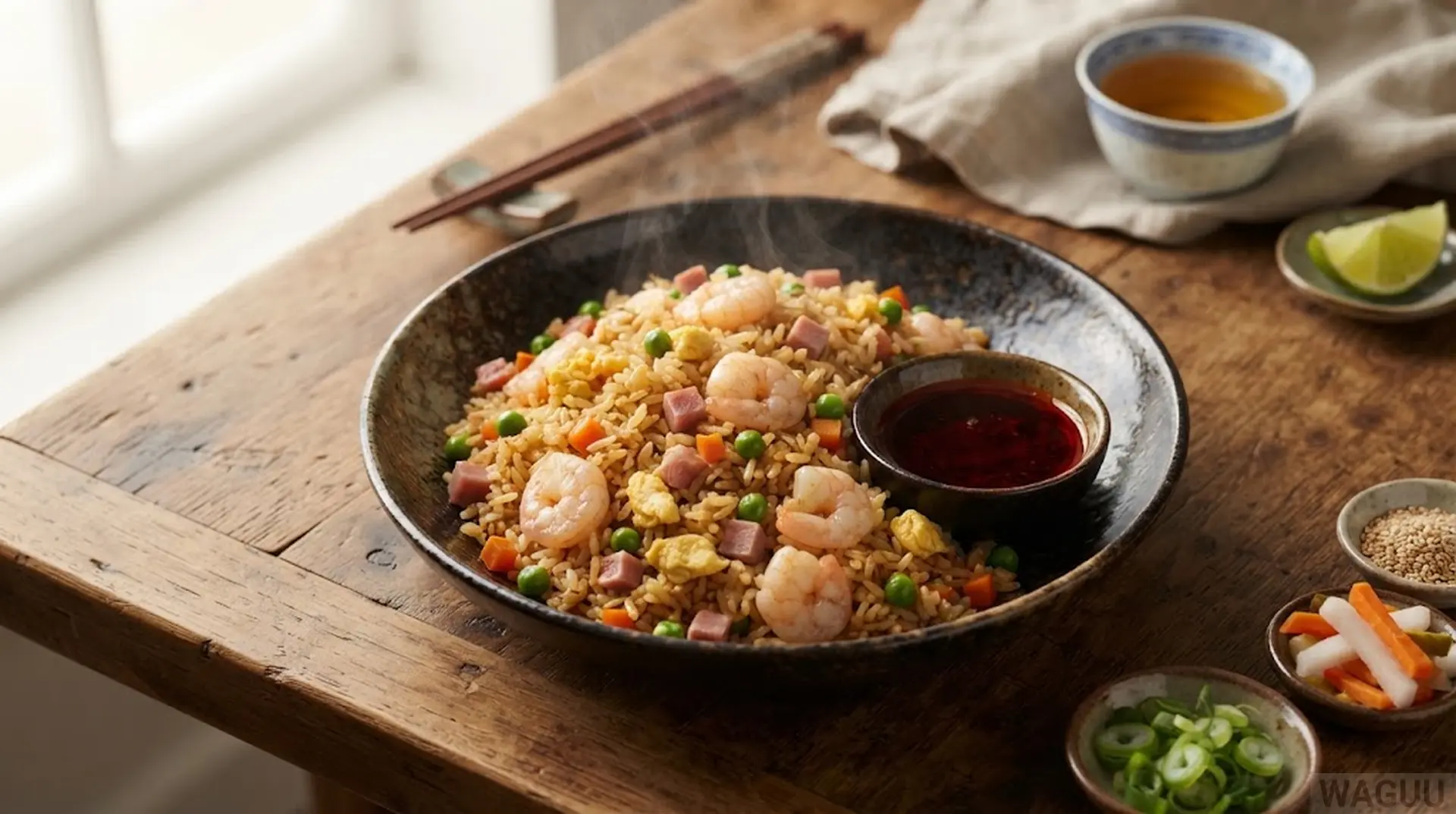
- Yangzhou fried rice – fried rice with egg, shrimp, ham and peas: Fried rice depends on dry grains and a very hot wok. Cooked rice holds water inside the starch granules; on chilling, that water migrates into the grains and the starch firms up, which is why cold rice does not turn to paste in the pan. The wok must be hot enough that the surface water on the grains evaporates instantly; a merely warm wok steams them instead. Every component is fried separately because each releases a different amount of water – eggs set at once, meat gives up juices, vegetables release more. Combining them only at the end gives a mixture in which every texture survives
- Hot pot – a shared meal cooked in bubbling broth at the table: Hot pot depends on two things: the flavor of the broth and the order in which ingredients enter it. The broth is first heated with ginger, star anise and Sichuan pepper so that the aromatic compounds move into the water. Meat is cut into slices a sixteenth of an inch thick, which heat through in twenty to thirty seconds; a thicker slice would stay raw in the middle. Ingredients that release starch, such as noodles and tofu, go in last so they do not cloud the broth. At the table the broth is kept just below a rolling boil, because a hard boil breaks the meat slices apart and evaporates the broth
- Dan dan noodles – Sichuan noodles with a spicy sauce and chile oil: Dan dan noodles rest on a thick sauce that clings to the noodles. Sesame paste and pork fried until dry form the base that binds liquid; soy sauce and black rice vinegar bring salt and acidity, and the chile oil ties the flavors together. The oil is heated to 300–320 °F (150–320 °F) so the aromatics of the chile and Sichuan pepper are released into the fat; hotter than that and the chile burns and turns bitter. The noodles are boiled to just done, rinsed only briefly and laid straight onto the sauce, so the whole flavor reaches each bowl individually and nothing is lost in the colander
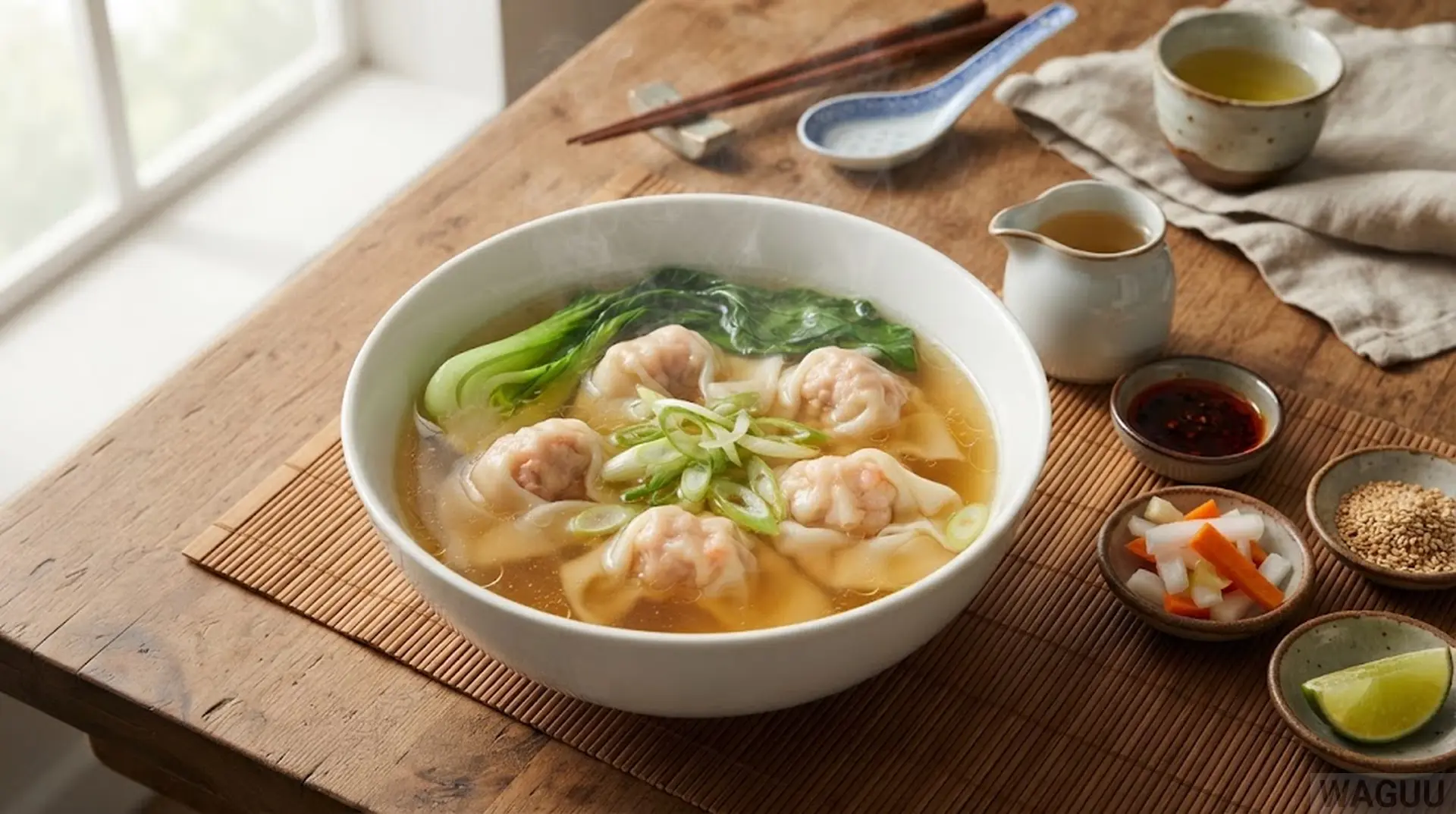
- Wonton soup – clear broth with filled wonton dumplings and scallions: Wonton soup separates two steps: the dumplings are pre-steamed and only go into the broth for the final minutes. In the steamer the wrapper sets and firms, so in the soup it absorbs flavor without falling apart. The filling must be cold, otherwise it holds its shape poorly and dampens the wrapper from the inside. Bamboo shoots in the filling soak up the extra juices from the pork and shrimp. The broth is kept at a gentle simmer, because a hard boil breaks the dumplings and clouds the soup; soy sauce, ginger and sesame oil carry the seasoning, so no salt is added
- Result: If you can master three basic techniques–stir-frying in a screaming-hot wok, thickening with starch, and steaming–the whole of Chinese cuisine opens up to you.
Who this guide is for: Beginners – start with Yangzhou fried rice or chow mein, where nothing is battered and nothing is deep-fried. Improvers – try Kung Pao chicken, char siu or mapo tofu, which teach you heat and starch. Confident cooks – take on Peking duck or xiaolongbao, where the day before matters as much as the day itself.
Chinese cuisine v kostce
What the dishes share:
Fermented soy for depth, fast cooking for texture, and a precise balance of salty, sweet and sour.
Easiest things to find:
Soy sauce, rice vinegar, cornstarch, ginger, garlic and scallions are stocked by most supermarkets and every Asian grocery.
Most expensive item:
A whole duck. Every other dish stays inexpensive per serving because meat is only part of the weight.
Fastest dish:
Yangzhou fried rice and chow mein take under half an hour with cooked rice or noodles on hand.
Most demanding dish:
Xiaolongbao. Thin wrappers with soup sealed inside take practice.
The payoff:
Master three techniques – stir-frying in a hot wok, thickening with cornstarch, and steaming – and the rest of the cuisine opens up.
Who this guide is for:
Beginners – start with Yangzhou fried rice or chow mein, where nothing is battered and nothing is deep-fried. Improvers – try Kung Pao chicken, char siu or mapo tofu, which teach you heat and starch. Confident cooks – take on Peking duck or xiaolongbao, where the day before matters as much as the day itself.
Chinese cooking divides into eight large regional traditions. Sichuan builds on chile and Sichuan pepper, which produces a gentle tingle on the tongue. Cantonese favors fresh ingredients, steam and delicate flavors, which is why dim sum and char siu come from there. Peking and Shandong lean on roasting, wheat pancakes and robust fermented sauces. Across every region, though, the foundation is the same: rice or wheat as the staple, fermented soy for depth, and fast cooking over high heat that preserves texture.
For an American kitchen, Chinese food is accessible for one simple reason: the ingredients keep. Soy sauce, rice vinegar, Shaoxing wine, cornstarch and sesame oil store for months in a cool dark cupboard. With those on the shelf you can cook two thirds of the recipes here without hunting for anything exotic. Only fermented pastes, dried seafood and whole duck take a trip to a specialty store.
The regions and what defines them
Knowing which region a dish comes from lets you predict its flavor before you open the recipe. Look west for hot, assertive cooking, south to the coast for gentle, sweeter food, and north for roasted, celebratory dishes.
Region
Character of flavor
Sichuan
Hot and bold, with the tingle of Sichuan pepper; fermented pastes and chile oil form the base
Canton
Delicate, fresh and sweeter; built on steam, seafood and roast meat glazed with honey
Peking and Shandong
Roast meat, wheat pancakes and hearty sauces made from fermented soybean paste
Shanghai and Jiangsu
Sweet, rich and savory; steaming, braising and dumplings with soup inside are typical
Hunan
Sharp, sour and dry; less oil, more dried chile and smoked ingredients
Fujian
Umami from fermented sauces and seafood, soups with a thick body
Anhui
Herbal and rustic; plenty of braised meat, mushrooms and mountain herbs
Zhejiang
Fresh and mildly sweet; fish, bamboo shoots and short cooking times
Peking duck – celebratory roast duck with crisp skin, thin pancakes and a sweet sauce
Kung Pao chicken – spicy Sichuan chicken with peanuts, chile and a sweet-savory sauce
Kung Pao rests on three things: cornstarch, heat and timing. Cornstarch seals the surface of the chicken so juices stay in while the outside browns; without it the meat releases water into the pan and starts to stew. The chiles and Sichuan pepper toast in oil for no more than twenty seconds, enough to release aroma but not to burn. The sauce is mixed in a glass beforehand because there is no time to measure once the wok is at temperature; cornstarch thickens it within seconds of contact, so the sauce clings instead of pooling. Peanuts go in at the end so they keep their crunch
Mapo tofu – tofu in a spicy Sichuan sauce with ground meat and Sichuan pepper
Mapo tofu is built on fermented paste, not on chile heat alone. Doubanjiang is fried in oil until the oil turns red and separates from the paste; that step releases the aroma and removes the raw, beany taste. Tofu is poached in lightly salted water first, which firms the surface so it survives the sauce. Cornstarch goes in twice: the first addition thickens the sauce, the second – added after the sauce relaxes – gives the glossy coating that makes it cling to the tofu. Sichuan pepper is added at the very end, off the heat, so its tingle survives; cooked for minutes it turns bitter and flat
Sweet and sour pork – fried pork pieces in the classic sweet and sour sauce
Sweet and sour pork depends on two temperatures and one timing decision. The first fry at 320 °F (320 °F) cooks the meat through and sets the coating; the second at 375 °F (375 °F) drives out the last of the water and makes the crust brittle. Between the two fries the pieces rest, which lets steam escape instead of being trapped under the crust. The sauce is built separately from ketchup, vinegar, sugar and pineapple juice, then thickened lightly with cornstarch so it coats rather than pools; it is poured over the pork off the heat because a long simmer would pull water back into the crust and make it soggy
Char siu – Cantonese roast pork with a glossy caramelized crust
Char siu builds sweetness in two layers. The first sits in the marinade: honey and hoisin carry sugars that penetrate the surface and, over a long marinade, soften the outer fibers slightly. The second sits on the surface: a glaze of honey and strained pan juices goes on only in the last third of roasting, because sugar caramelizes above 300 °F (300 °F) and turns bitter if held there too long. The pork therefore roasts first at a gentler heat so it warms through to the center, and only then is the surface brought up to color. Five-spice adds star anise and cinnamon notes, and sesame paste helps the marinade cling to the fat in the meat
Dim sum – small Cantonese dishes, especially steamed dumplings and parcels
Dim sum depends on two things that are easy to get wrong: the temperature of the filling and the tightness of the wrapper. The filling must be cold, because a cold mixture holds its shape and does not leak moisture into the wrapper as you pleat it. The wrapper is sealed with the air pressed out – trapped air expands in the steam and splits the dumpling. Bamboo shoots in the filling act like a sponge and soak up the juices released by the pork and shrimp, so the wrapper stays dry. The steamer is filled in a single layer so steam circulates around each dumpling
Xiaolongbao – delicate Shanghai dumplings filled with pork and hot soup
Xiaolongbao is a technique for keeping water inside a dumpling. The stock is cooked from pork bones and skin, which are rich in collagen; once chilled, the collagen sets into gelatin and the stock becomes a jelly that can be diced and mixed into the meat. In the steamer the jelly melts above 140 °F (140 °F) and turns back into soup, and it stays inside only because the wrapper is thin, pliable and firmly sealed. The dough is therefore made with boiling water: part of the flour gelatinizes during mixing, the gluten network stays weak and the dough rolls to about a fiftieth of an inch without springing back. Starch in the filling absorbs the jelly and holds it until the heat arrives
Chow mein – stir-fried wheat noodles with vegetables, meat or seafood
Chow mein rests on two techniques. The first is pre-cooking the noodles: they boil a minute less than the package says and then rinse in cold water, which washes off the surface starch so they do not clump in the pan. The second is frying on a dry, very hot surface: the noodles are left alone for a minute so brown spots form, and only then are they tossed. Aromas from the sauce arrive in the last stage. Meat and shrimp fry separately because they release water; cooked together with the noodles that water would drop the pan temperature and the noodles would steam instead of frying
Yangzhou fried rice – fried rice with egg, shrimp, ham and peas
Fried rice depends on dry grains and a very hot wok. Cooked rice holds water inside the starch granules; on chilling, that water migrates into the grains and the starch firms up, which is why cold rice does not turn to paste in the pan. The wok must be hot enough that the surface water on the grains evaporates instantly; a merely warm wok steams them instead. Every component is fried separately because each releases a different amount of water – eggs set at once, meat gives up juices, vegetables release more. Combining them only at the end gives a mixture in which every texture survives
Hot pot – a shared meal cooked in bubbling broth at the table
Hot pot depends on two things: the flavor of the broth and the order in which ingredients enter it. The broth is first heated with ginger, star anise and Sichuan pepper so that the aromatic compounds move into the water. Meat is cut into slices a sixteenth of an inch thick, which heat through in twenty to thirty seconds; a thicker slice would stay raw in the middle. Ingredients that release starch, such as noodles and tofu, go in last so they do not cloud the broth. At the table the broth is kept just below a rolling boil, because a hard boil breaks the meat slices apart and evaporates the broth
Dan dan noodles – Sichuan noodles with a spicy sauce and chile oil
Dan dan noodles rest on a thick sauce that clings to the noodles. Sesame paste and pork fried until dry form the base that binds liquid; soy sauce and black rice vinegar bring salt and acidity, and the chile oil ties the flavors together. The oil is heated to 300–320 °F (150–320 °F) so the aromatics of the chile and Sichuan pepper are released into the fat; hotter than that and the chile burns and turns bitter. The noodles are boiled to just done, rinsed only briefly and laid straight onto the sauce, so the whole flavor reaches each bowl individually and nothing is lost in the colander
Wonton soup – clear broth with filled wonton dumplings and scallions
Wonton soup separates two steps: the dumplings are pre-steamed and only go into the broth for the final minutes. In the steamer the wrapper sets and firms, so in the soup it absorbs flavor without falling apart. The filling must be cold, otherwise it holds its shape poorly and dampens the wrapper from the inside. Bamboo shoots in the filling soak up the extra juices from the pork and shrimp. The broth is kept at a gentle simmer, because a hard boil breaks the dumplings and clouds the soup; soy sauce, ginger and sesame oil carry the seasoning, so no salt is added
WAGUU Pro Tip: Before your first recipe, buy cornstarch and Shaoxing wine. Cornstarch decides the texture of the sauces and the wine suppresses the smell of the meat; without them the flavor falls flat even when the technique is right.
Frequently asked questions
Where should I start if I have never cooked Chinese food?
Yangzhou fried rice or chow mein. Nothing is battered, nothing is deep-fried and everything happens in one pan. You will learn pan temperature, the order of ingredients and how to handle soy sauce.
Do I need a wok?
No. A deep cast-iron or stainless skillet with a thick base works well. What matters is the mass of the base, which holds temperature when cold ingredients go in, not the shape of the pan.
Where can I buy Sichuan pepper and fermented pastes?
Asian groceries, larger supermarkets and online. Sichuan pepper is sold whole and ground; whole berries keep their aroma far longer, so grind them just before use.
Why do the recipes use sugar in meat dishes?
Sugar does not make a dish sweet; it balances the saltiness of soy sauce and the sharpness of vinegar. In sweet and sour sauces it also caramelizes during cooking and adds gloss.
Are these dishes hot and spicy?
Only some. Kung Pao chicken, mapo tofu, dan dan noodles and hot pot are spicy. Peking duck, char siu, dim sum, xiaolongbao, chow mein, fried rice and wonton soup are not spicy at all.
Can Chinese food be cooked gluten free?
Partly. Swap standard soy sauce for tamari, wheat noodles for rice noodles and coating mixtures for gluten-free flour. Mapo tofu, fried rice, hot pot and wonton soup with rice wrappers remain gluten free.
Also known as: Chinese cooking, the eight great traditions, Sichuan and Cantonese cuisine, traditional Chinese recipes
Author: WAGUU Petr & Team • Published: 8 Oct 2026 • Updated: 10 Oct 2026
Conclusion
The twelve dishes in this guide cover the range of Chinese cooking, from a quick weeknight supper to a celebratory Peking duck. The gentlest route in is to start with noodles and fried rice, then add wok-cooked dishes, and only then attempt techniques that need a day of prep – duck, char siu and dumplings. Once you can heat a pan properly, thicken a sauce with cornstarch and steam a batch of dumplings, the rest of the cuisine follows without any extra equipment.
Choose your recipe
Every recipe is written for six servings, with quantities that match the method, the shopping list and the print view.
Peking duck – celebratory roast duck with crisp skin, thin pancakes and a sweet sauce
Kung Pao chicken – spicy Sichuan chicken with peanuts, chile and a sweet-savory sauce – Kung Pao rests on three things: cornstarch, heat and timing. Cornstarch seals the surface of the chicken so juices stay in while the outside browns; without it the meat releases water into the pan and starts to stew. The chiles and Sichuan pepper toast in oil for no more than twenty seconds, enough to release aroma but not to burn. The sauce is mixed in a glass beforehand because there is no time to measure once the wok is at temperature; cornstarch thickens it within seconds of contact, so the sauce clings instead of pooling. Peanuts go in at the end so they keep their crunch
Mapo tofu – tofu in a spicy Sichuan sauce with ground meat and Sichuan pepper – Mapo tofu is built on fermented paste, not on chile heat alone. Doubanjiang is fried in oil until the oil turns red and separates from the paste; that step releases the aroma and removes the raw, beany taste. Tofu is poached in lightly salted water first, which firms the surface so it survives the sauce. Cornstarch goes in twice: the first addition thickens the sauce, the second – added after the sauce relaxes – gives the glossy coating that makes it cling to the tofu. Sichuan pepper is added at the very end, off the heat, so its tingle survives; cooked for minutes it turns bitter and flat
Sweet and sour pork – fried pork pieces in the classic sweet and sour sauce – Sweet and sour pork depends on two temperatures and one timing decision. The first fry at 320 °F (320 °F) cooks the meat through and sets the coating; the second at 375 °F (375 °F) drives out the last of the water and makes the crust brittle. Between the two fries the pieces rest, which lets steam escape instead of being trapped under the crust. The sauce is built separately from ketchup, vinegar, sugar and pineapple juice, then thickened lightly with cornstarch so it coats rather than pools; it is poured over the pork off the heat because a long simmer would pull water back into the crust and make it soggy
Char siu – Cantonese roast pork with a glossy caramelized crust – Char siu builds sweetness in two layers. The first sits in the marinade: honey and hoisin carry sugars that penetrate the surface and, over a long marinade, soften the outer fibers slightly. The second sits on the surface: a glaze of honey and strained pan juices goes on only in the last third of roasting, because sugar caramelizes above 300 °F (300 °F) and turns bitter if held there too long. The pork therefore roasts first at a gentler heat so it warms through to the center, and only then is the surface brought up to color. Five-spice adds star anise and cinnamon notes, and sesame paste helps the marinade cling to the fat in the meat
Dim sum – small Cantonese dishes, especially steamed dumplings and parcels – Dim sum depends on two things that are easy to get wrong: the temperature of the filling and the tightness of the wrapper. The filling must be cold, because a cold mixture holds its shape and does not leak moisture into the wrapper as you pleat it. The wrapper is sealed with the air pressed out – trapped air expands in the steam and splits the dumpling. Bamboo shoots in the filling act like a sponge and soak up the juices released by the pork and shrimp, so the wrapper stays dry. The steamer is filled in a single layer so steam circulates around each dumpling
Xiaolongbao – delicate Shanghai dumplings filled with pork and hot soup – Xiaolongbao is a technique for keeping water inside a dumpling. The stock is cooked from pork bones and skin, which are rich in collagen; once chilled, the collagen sets into gelatin and the stock becomes a jelly that can be diced and mixed into the meat. In the steamer the jelly melts above 140 °F (140 °F) and turns back into soup, and it stays inside only because the wrapper is thin, pliable and firmly sealed. The dough is therefore made with boiling water: part of the flour gelatinizes during mixing, the gluten network stays weak and the dough rolls to about a fiftieth of an inch without springing back. Starch in the filling absorbs the jelly and holds it until the heat arrives
Chow mein – stir-fried wheat noodles with vegetables, meat or seafood – Chow mein rests on two techniques. The first is pre-cooking the noodles: they boil a minute less than the package says and then rinse in cold water, which washes off the surface starch so they do not clump in the pan. The second is frying on a dry, very hot surface: the noodles are left alone for a minute so brown spots form, and only then are they tossed. Aromas from the sauce arrive in the last stage. Meat and shrimp fry separately because they release water; cooked together with the noodles that water would drop the pan temperature and the noodles would steam instead of frying
Yangzhou fried rice – fried rice with egg, shrimp, ham and peas – Fried rice depends on dry grains and a very hot wok. Cooked rice holds water inside the starch granules; on chilling, that water migrates into the grains and the starch firms up, which is why cold rice does not turn to paste in the pan. The wok must be hot enough that the surface water on the grains evaporates instantly; a merely warm wok steams them instead. Every component is fried separately because each releases a different amount of water – eggs set at once, meat gives up juices, vegetables release more. Combining them only at the end gives a mixture in which every texture survives
Hot pot – a shared meal cooked in bubbling broth at the table – Hot pot depends on two things: the flavor of the broth and the order in which ingredients enter it. The broth is first heated with ginger, star anise and Sichuan pepper so that the aromatic compounds move into the water. Meat is cut into slices a sixteenth of an inch thick, which heat through in twenty to thirty seconds; a thicker slice would stay raw in the middle. Ingredients that release starch, such as noodles and tofu, go in last so they do not cloud the broth. At the table the broth is kept just below a rolling boil, because a hard boil breaks the meat slices apart and evaporates the broth
Dan dan noodles – Sichuan noodles with a spicy sauce and chile oil – Dan dan noodles rest on a thick sauce that clings to the noodles. Sesame paste and pork fried until dry form the base that binds liquid; soy sauce and black rice vinegar bring salt and acidity, and the chile oil ties the flavors together. The oil is heated to 300–320 °F (150–320 °F) so the aromatics of the chile and Sichuan pepper are released into the fat; hotter than that and the chile burns and turns bitter. The noodles are boiled to just done, rinsed only briefly and laid straight onto the sauce, so the whole flavor reaches each bowl individually and nothing is lost in the colander
Wonton soup – clear broth with filled wonton dumplings and scallions – Wonton soup separates two steps: the dumplings are pre-steamed and only go into the broth for the final minutes. In the steamer the wrapper sets and firms, so in the soup it absorbs flavor without falling apart. The filling must be cold, otherwise it holds its shape poorly and dampens the wrapper from the inside. Bamboo shoots in the filling soak up the extra juices from the pork and shrimp. The broth is kept at a gentle simmer, because a hard boil breaks the dumplings and clouds the soup; soy sauce, ginger and sesame oil carry the seasoning, so no salt is added
More recipe variations
Peking Duck – crispy skin, thin pancakes, and sweet sauce
The whole duck is brushed with a honey-vinegar glaze, air-dried overnight in the refrigerator, then roasted low and slow before a final blast of high heat so the skin turns crisp and the meat stays juicy. Patience is key: if the skin is damp, it will never crisp. The meat is carved into thin slices and served with pancakes, scallions, cucumber, and sweet hoisin sauce.
Kung Pao chicken – spicy Sichuan chicken with peanuts, chile and a sweet-savory sauce
The chicken is marinated in soy sauce, rice wine, and cornstarch, then stir-fried in small batches in a screaming-hot wok. Order matters: first the chiles and Sichuan peppercorns bloom in the oil, then the meat goes in, and finally the sauce. Peanuts are added off the heat so they stay crunchy, and a touch of sugar and black vinegar keeps the sweet-sour balance.
Mapo tofu – tofu in a spicy Sichuan sauce with ground meat and Sichuan pepper
The tofu is first warmed in salted water to firm it up and keep it from releasing liquid, and the sauce is built from fermented bean paste, chiles, and Sichuan peppercorns. The double thickening with cornstarch is crucial: the sauce must cling to the tofu cubes and not pool at the bottom. Serve with rice to tame the heat.
Sweet and sour pork – fried pork pieces in the classic sweet and sour sauce
Cubes of pork shoulder are coated in cornstarch and flour, then fried twice–first at a lower temperature, then at high heat–so the coating stays crisp. Oil temperature and timing are everything: the sauce goes in off the heat, at the very end. The sauce, made with ketchup, vinegar, and pineapple, is served with bell peppers and onion.
Pork shoulder is marinated overnight in hoisin, honey, two kinds of soy sauce, and five-spice powder, then roasted on a rack. The glaze is key: honey is brushed on only during the last third of roasting, otherwise it burns. Slice against the grain and serve with rice and pickled vegetables.
Dim sum – small Cantonese dishes, especially steamed dumplings and parcels
Small bites are steamed in bamboo baskets, most often dumplings filled with pork and shrimp. Cold filling and tightly sealed wrappers are essential: warm filling makes the dough soggy and the pieces fall apart in the steamer. Serve with a dipping sauce of soy sauce and sesame oil.
Xiaolongbao – Shanghai soup dumplings
The dough is made with boiling water so it stays pliable and can be rolled very thin. What matters is the chilled stock, made from bones and skin, which sets and is then mixed into the meat, so it melts inside the dumpling. They are served in a steamer basket and eaten with a spoon so the broth doesn’t spill.
The noodles are cooked one minute less than the package says, then cooled and tossed with oil so they don’t stick. What matters is a hot wok and stir-frying in batches, because the meat, shrimp, and vegetables are cooked separately and combined with the sauce only at the end. It’s served with oyster sauce and soy sauce.
The base is day-old rice that is dry and fluffy on the surface. What matters is the wok temperature and the order: first the egg, then the shrimp with ham and vegetables, and finally the rice with sauce. It’s served as a main dish or as a side to meat.
In the center of the table, broth bubbles and each person cooks thin slices of meat, tofu, vegetables, and noodles in it. What matters is the broth temperature and the thickness of the slices, because just below boiling, the meat heats through in half a minute and stays juicy. The pieces are dipped in sesame sauce, and at the end the broth is drunk as soup.
The sauce, made from sesame paste, soy sauce, black vinegar, and chili oil, is built at the bottom of the bowl. What matters is the ground meat fried until dry and mixing at the table, because the noodles are lifted from the bottom and the sauce gets distributed. The dish is spicy, slightly sweet, and fragrant with Sichuan pepper.
The filling of ground pork and shrimp is stirred until it’s smooth and sticky, then wrapped in thin dough. What matters is using separate water, because the dumplings are cooked separately so the broth stays clear and doesn’t get cloudy from starch. It’s served with bok choy and scallions.
Other possible variations
Sheet-Pan Peking Duck with Pan Juices
The duck roasts on a rack set over a pan of water, so the meat stays moist even with a longer cook time. The skin does not get as crisp as in the classic version, so it is finished under the broiler. Good for home cooks without a large convection oven.
Peking Duck with Breast Only
Two boneless breasts are salted, brushed with honey and vinegar, and rest in the fridge for four hours. They are done in an hour and the skin is crisp, but there are no legs to make the sauce juices from. Ideal for two to three people.
Kung Pao with Chicken Breast
The breasts are sliced thinner and marinated ten minutes longer. The dish is leaner and cooks faster, but it can dry out, so stir-fry it for a shorter time. Good for those who do not like dark meat.
Kung Pao Without Peanuts
Replace the peanuts with toasted cashews or pumpkin seeds. The flavor is milder and the dish is free of one of the most common allergens. Good for school lunches and for people with allergies.
Mapo Tofu Without Meat
Replace the ground pork with chopped shiitake mushrooms and an extra tablespoon of soybean paste. The dish is lighter and fully meatless, but the mushrooms release water, so add five more grams of starch.
Mapo Tofu – tofu in spicy sauce with ground meat
The tofu is first warmed in salted water to firm it up and keep it from releasing liquid, and the sauce is built from fermented bean paste, chiles, and Sichuan peppercorns. The double thickening with cornstarch is crucial: the sauce must cling to the tofu cubes and not pool at the bottom. Serve with rice to tame the heat.
Sweet and Sour Pork from the Air Fryer
The coated pieces bake at 410°F for twenty minutes, turning halfway. The fat is much lower and the crust is drier, but even those afraid of deep-frying can make it.
Sweet and Sour Pork – fried pork in sweet and sour sauce
Cubes of pork shoulder are coated in cornstarch and flour, then fried twice–first at a lower temperature, then at high heat–so the coating stays crisp. Oil temperature and timing are everything: the sauce goes in off the heat, at the very end. The sauce, made with ketchup, vinegar, and pineapple, is served with bell peppers and onion.
Char Siu from Pork Shoulder
Pork shoulder has more fat and connective tissue, so the marinade penetrates deeper and the meat stays juicier. Roast it ten minutes longer and slice it thin against the grain.
Char Siu from Chicken Thighs
Boneless thighs marinate in the same mixture and roast at 400°F for twenty-five minutes. The result is cheaper and faster, but the crust is not as glossy as with pork.
Dim Sum with Shrimp Filling
Replace the pork filling with chopped shrimp, bamboo shoots, and sesame oil. The filling steams for a shorter time, so it stays juicy and pink.
Char Siu – Cantonese roast pork
Pork shoulder is marinated overnight in hoisin, honey, two kinds of soy sauce, and five-spice powder, then roasted on a rack. The glaze is key: honey is brushed on only during the last third of roasting, otherwise it burns. Slice against the grain and serve with rice and pickled vegetables.
Chicken Broth Xiaolongbao
The pork gelatin is replaced with chicken broth, which is lighter and more delicate. The filling is less pronounced, so a tablespoon of soy sauce and a pinch of sugar are added.
Dim Sum – Cantonese steamed dumplings
Small bites are steamed in bamboo baskets, most often dumplings filled with pork and shrimp. Cold filling and tightly sealed wrappers are essential: warm filling makes the dough soggy and the pieces fall apart in the steamer. Serve with a dipping sauce of soy sauce and sesame oil.
Chow Mein with Rice Noodles
The wheat noodles are replaced with rice noodles, which are soaked and blanched before stir-frying. The dish is naturally gluten-free and lighter, but the noodles break more easily.
Xiaolongbao – Shanghai soup dumplings
The dough is made with boiling water so it stays pliable and can be rolled very thin. What matters is the chilled stock, made from bones and skin, which sets and is then mixed into the meat, so it melts inside the dumpling. They are served in a steamer basket and eaten with a spoon so the broth doesn’t spill.
Chicken Fried Rice
The shrimp and ham are replaced with chicken thigh cut into small cubes. The rice is stir-fried the same way, but the meat is added a minute earlier to heat through.
Chow Mein – stir-fried wheat noodles
The noodles are cooked one minute less than the package says, then cooled and tossed with oil so they don’t stick. What matters is a hot wok and stir-frying in batches, because the meat, shrimp, and vegetables are cooked separately and combined with the sauce only at the end. It’s served with oyster sauce and soy sauce.
Beef Broth Hot Pot
The chicken broth is replaced with beef broth with star anise and cinnamon. The soup is darker and more robust, so less soy sauce is added.
Yangzhou Fried Rice – fried rice with egg and shrimp
The base is day-old rice that is dry and fluffy on the surface. What matters is the wok temperature and the order: first the egg, then the shrimp with ham and vegetables, and finally the rice with sauce. It’s served as a main dish or as a side to meat.
Meatless Dan Dan Noodles
The ground meat is replaced with finely chopped smoked tofu and a tablespoon of sesame paste. The dish is meatless and lighter, but the chili oil remains just as bold.
Hot Pot – communal cooking in hot broth
In the center of the table, broth bubbles and each person cooks thin slices of meat, tofu, vegetables, and noodles in it. What matters is the broth temperature and the thickness of the slices, because just below boiling, the meat heats through in half a minute and stays juicy. The pieces are dipped in sesame sauce, and at the end the broth is drunk as soup.
Dan Dan Noodles – Sichuan noodles with spicy sauce
The sauce, made from sesame paste, soy sauce, black vinegar, and chili oil, is built at the bottom of the bowl. What matters is the ground meat fried until dry and mixing at the table, because the noodles are lifted from the bottom and the sauce gets distributed. The dish is spicy, slightly sweet, and fragrant with Sichuan pepper.
Wonton Soup – clear broth with filled dumplings
The filling of ground pork and shrimp is stirred until it’s smooth and sticky, then wrapped in thin dough. What matters is using separate water, because the dumplings are cooked separately so the broth stays clear and doesn’t get cloudy from starch. It’s served with bok choy and scallions.
Chinese cuisine v kostce
Know another variation? Add your own suggestion below.
Missing a recipe?
Tell us what recipe you would like us to add. We will do our best to publish it soon!
Frequently asked questions about the variations
- Can Peking duck be roasted in one day? Yes, as long as the skin dries for at least twelve hours. A shorter drying time leaves part of the skin pale and soft after roasting.
- Why is Kung Pao not usually made with breast meat? It can be, but breast is leaner and dries out faster. If you use it, marinate longer and stir-fry for less time.
- Is vegetarian mapo tofu still authentic? Meat-free versions are cooked routinely in China, especially in monastery kitchens. The flavor comes from fermented paste and mushrooms rather than meat.
- Can sweet and sour pork be baked instead of fried? Yes, at 410 °F (410 °F) for twenty minutes. The coating is drier and more brittle, but the fat drops to about a third.
- What is the difference between char siu from shoulder and from leg? Shoulder is fattier and stays juicier; leg is leaner and holds its shape better when sliced thin.
- Why do dim sum fillings include bamboo shoots? They add crunch and soak up excess juices from the meat, so the wrapper does not go soggy.
- Can xiaolongbao be made ahead? Yes. Fill and shape them, freeze in a single layer, then steam straight from frozen for two minutes longer.
- Are rice noodles in chow mein gluten free? Yes, unless the manufacturer adds wheat starch. Always check the label, since cross-contamination is possible.