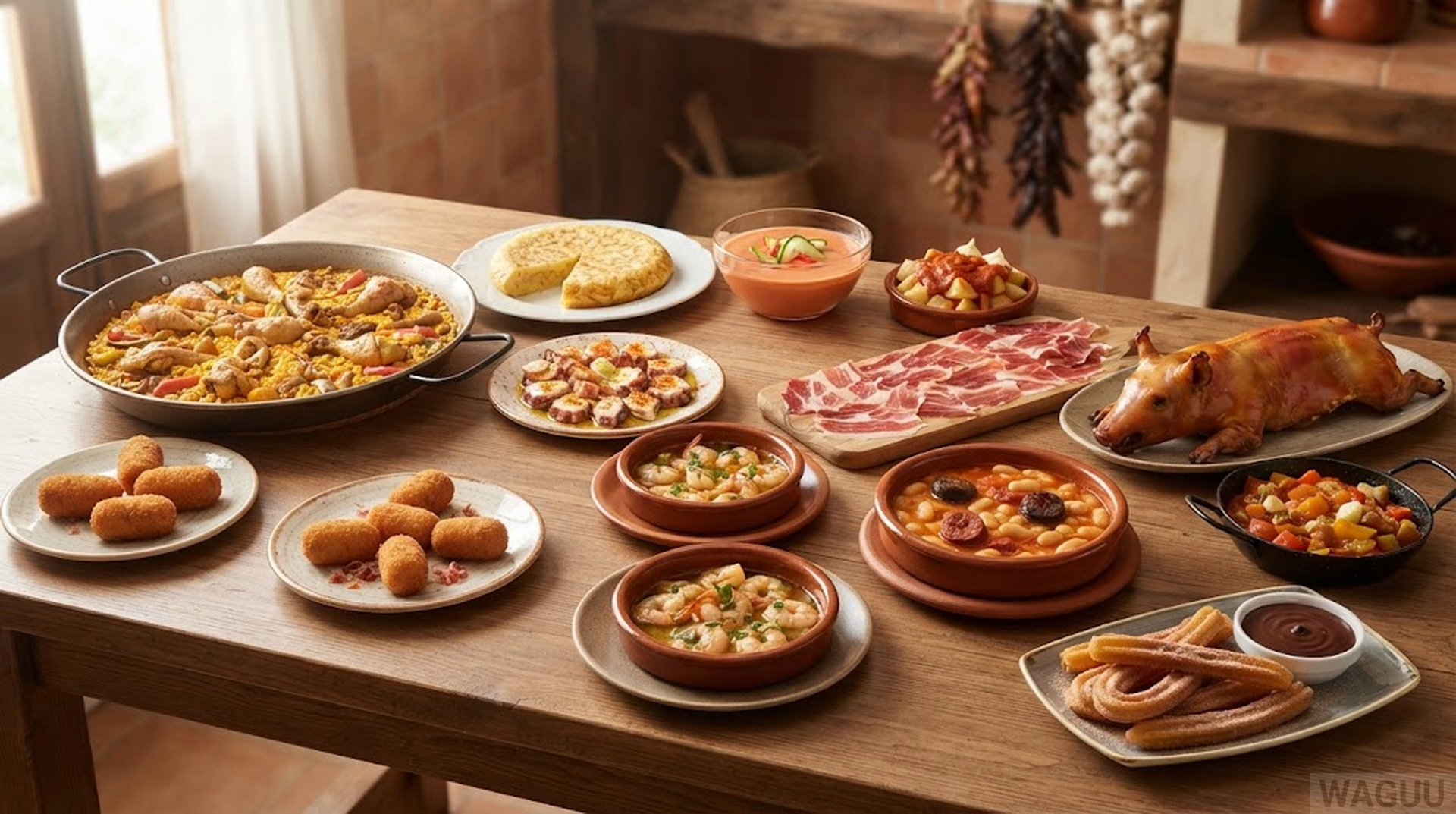
Summary: A complete guide to the twelve most famous dishes of Spanish cuisine – from Valencian paella and Andalusian gazpacho to Galician octopus and churros with chocolate. Each recipe includes precise ratios, visual control points and professional techniques. Reading time: 12 minutes.
Category: Articles |
Reading time: 12 minutes
Photo gallery from the process
Have you cooked any of the variations? Share a photo in the comments below the recipe – we will gladly add it to the gallery. Did you film a video tutorial? Post a link to YouTube, YouTube Shorts, TikTok, Instagram Reels, Facebook Reels, Pinterest, Vimeo or X (Twitter) in the comments – we will happily publish it.
Spanish cuisine is not just paella and tapas. It is a mosaic of regional traditions – from the aromatic saffron rice of Valencia to the cold tomato soup of Andalusia, from the hearty bean stews of Asturias to the delicate churros of Madrid. Each dish tells a story of its region, its people and its ingredients. This guide brings you the twelve most famous Spanish dishes, each with a detailed recipe, professional techniques and precise ratios. Whether you are a beginner or an experienced cook, you will find inspiration here.
Quick overview
- Topic / Dish: 12 Most Famous Spanish Dishes
- Category: Articles, Spanish Cuisine
- Cuisine: Spanish
- Included variations: Valencian Paella, Spanish Omelette, Andalusian Gazpacho, Patatas Bravas, Iberian Ham, Galician Octopus, Garlic Shrimp, Ham Croquettes, Asturian Bean Stew, Roast Suckling Pig, Manchego Pisto, Churros with Chocolate
- Key techniques: Sautéing, simmering, frying, roasting, curing
- Physico-chemical background: Maillard reaction, starch gelatinization, protein denaturation, emulsification
- Common mistakes: Overcooking rice, not drying potatoes, using cold water for gazpacho, overfrying croquettes
- In short: Twelve iconic Spanish dishes with precise recipes and professional tips
- Last updated: 25. 9. 2026
WAGUU says: “Spanish cuisine is honest, regional and full of flavor. It does not hide behind complexity – it shines through simplicity and quality ingredients.”
Key facts
| Prep time: | Varies by recipe (20–180 minutes) |
| Cooking time: | Varies by recipe (15–240 minutes) |
| Main ingredient: | Rice, eggs, tomatoes, potatoes, ham, octopus, shrimp, beans, pork, vegetables, dough |
| Servings: | 6 per recipe (unless otherwise stated) |
| Difficulty: | Easy to advanced |
Quick guide
- Choose a recipe from the twelve below.
- Read the detailed recipe with visual control points.
- Prepare the ingredients according to the exact ratios.
- Follow the phases and check the VCP (visual control points).
- Serve according to the recommendations and enjoy.
At a glance
- Regional diversity: Each dish comes from a different region – Valencia, Andalusia, Galicia, Asturias, Castile, Madrid.
- Simple ingredients: Spanish cuisine relies on quality produce, olive oil, garlic, paprika and saffron.
- Techniques: From slow simmering to high-heat frying, each dish teaches a different skill.
- For every occasion: Tapas, main courses, desserts – there is something for every meal.
- Professional tips: Each recipe includes WAGUU Pro tips for perfect results.
- Result: A complete guide to the most famous Spanish dishes you can cook at home.
Who this guide is for: Beginner – simple recipes with clear steps. Advanced – techniques and regional variations. Professional – precise ratios and scientific background.
Valencian Paella – Traditional Rice with Chicken and Rabbit
Paella Valenciana is the original paella from the Valencia region. Unlike the seafood versions popular elsewhere, this one uses chicken and rabbit, green beans, saffron and olive oil. The rice is cooked in a wide, shallow pan (paellera) and is never stirred after the liquid is added. The result is a layer of perfectly cooked rice with a crispy bottom layer called socarrat.
The key to a good paella is the rice – use Bomba or Calasparra, which absorbs liquid without becoming mushy. The sofrito (tomato, garlic, paprika) forms the base, and the saffron adds color and aroma. The cooking time is precise: 18 minutes of simmering, then 2 minutes of high heat for the socarrat.
Serve directly from the pan with a wedge of lemon. A green salad with olive oil and a glass of chilled rosé are the perfect accompaniments.
Spanish Omelette – Potato and Egg Tortilla
Tortilla Española is Spain’s most iconic tapa. It is a thick omelette made with potatoes, eggs and onions (optional). The potatoes are slowly poached in olive oil until tender, then mixed with beaten eggs and cooked in a pan until set. The result is a juicy, flavorful omelette that can be served warm or cold.
The secret is in the ratio: 6 eggs for 600 g of potatoes, and a generous amount of olive oil for poaching. The omelette should be slightly runny inside – the Spanish call this “jugosa”. If you prefer it fully set, cook it a little longer.
Serve as a tapa with bread, or as a main course with a simple tomato salad. It is also excellent in a bocadillo (sandwich).
Andalusian Gazpacho – Cold Tomato Soup
Gazpacho Andaluz is a cold soup made from raw tomatoes, peppers, cucumber, garlic, olive oil and vinegar. It is refreshing, tangy and perfect for hot summer days. The key is to use ripe, flavorful tomatoes and to blend the ingredients until smooth, then strain for a silky texture.
The traditional method uses a mortar and pestle, but a blender works well. The soup should be served very cold, with a drizzle of olive oil and a few diced vegetables as garnish. Some versions add bread for thickness, but the authentic Andalusian version is light and vibrant.
Serve as a starter or a light lunch with crusty bread. It pairs beautifully with a glass of fino sherry.
Patatas Bravas – Fried Potatoes with Spicy Sauce
Patatas Bravas are crispy fried potato cubes served with a spicy tomato sauce (salsa brava) and often aioli. The potatoes are parboiled, then fried until golden and crispy. The sauce is made with tomatoes, paprika, chili and a splash of vinegar.
The key to crispy potatoes is double frying: first at a lower temperature to cook the inside, then at a higher temperature to crisp the outside. The sauce should be thick and slightly spicy, with a deep red color from smoked paprika.
Serve as a tapa or side dish. They are perfect with a cold beer or a glass of red wine.
Iberian Ham – Cured Ham from Iberian Pigs
Jamón Ibérico is a cured ham from black Iberian pigs, renowned for its intense flavor and melt-in-the-mouth texture. The ham is salted, dried and aged for 12 to 48 months. The best grades are “de bellota” (acorn-fed) and “de cebo” (grain-fed).
Slicing the ham thinly by hand is an art. The ham should be served at room temperature, on a warm plate, so the fat glistens and the aroma is released. It is typically served as a tapa or starter, with bread and a drizzle of olive oil.
Pair with a glass of dry sherry or a light red wine. It is also delicious on its own, with a few olives and Manchego cheese.
Galician Octopus – Boiled Octopus with Potatoes and Paprika
Pulpo a la Gallega is a traditional Galician dish of boiled octopus served with potatoes, olive oil, sea salt and smoked paprika. The octopus is cooked until tender, then cut into slices and arranged over boiled potato rounds.
The key is to tenderize the octopus – some cooks dip it three times in boiling water before leaving it to simmer. The cooking time depends on the size: usually 40–50 minutes for a 1.5 kg octopus. The potato absorbs the flavors of the octopus and paprika.
Serve on a wooden board or a warm plate, with a sprinkle of coarse salt and a drizzle of extra virgin olive oil. A glass of Albariño wine is the classic pairing.
Garlic Shrimp – Shrimp Sautéed with Garlic and Chili
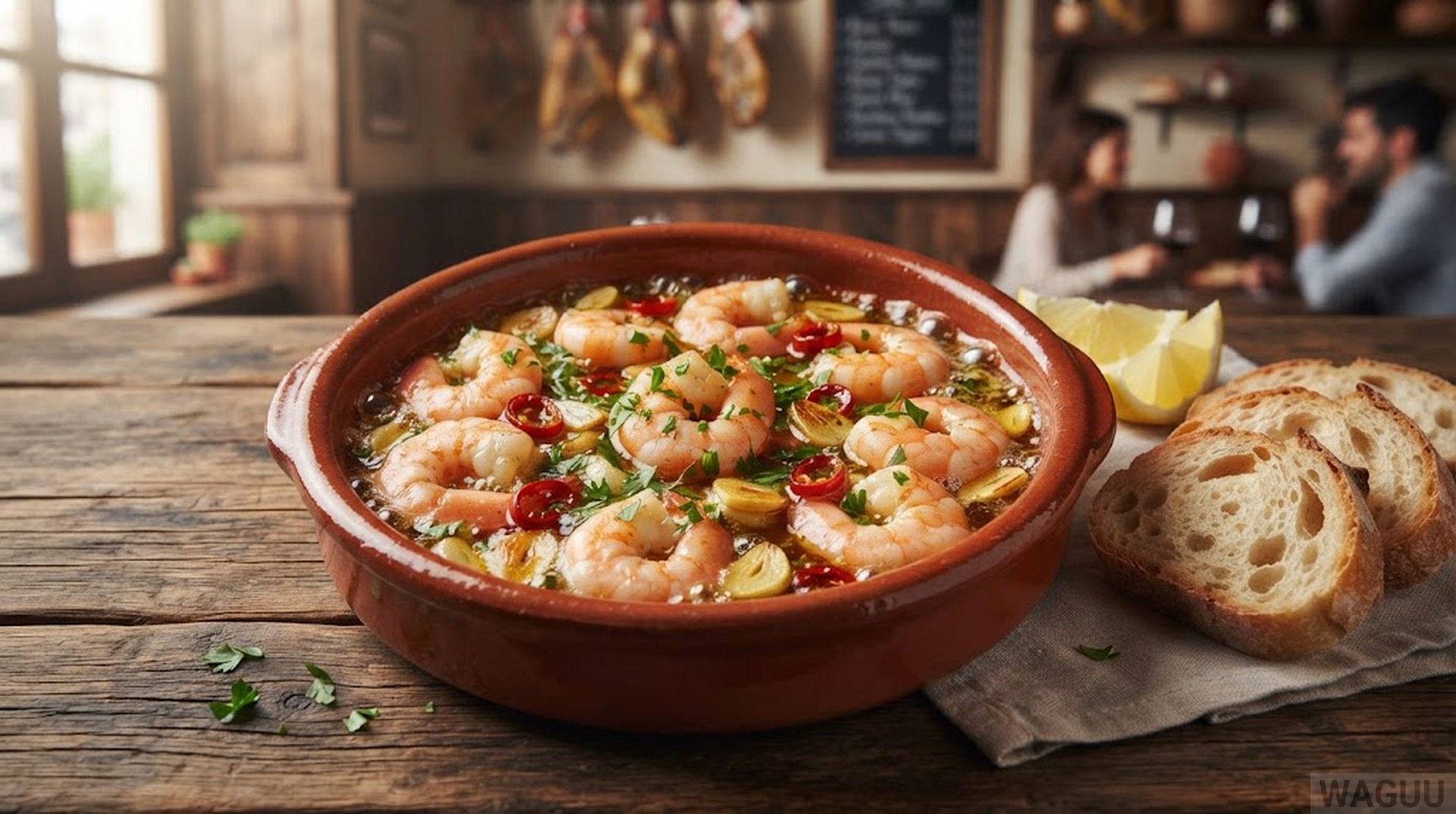
Gambas al Ajillo is a simple but spectacular tapa of shrimp cooked in olive oil with lots of garlic and a hint of chili. The shrimp are sautéed quickly over high heat, then served sizzling in the oil with crusty bread for dipping.
Use fresh shrimp if possible, but frozen ones work well too. The garlic should be sliced, not minced, so it doesn’t burn. The chili adds a gentle heat – adjust to your taste. A splash of dry sherry or white wine deglazes the pan and adds depth.
Serve immediately, with bread to soak up the garlicky oil. A cold beer or a glass of Manzanilla sherry is the perfect match.
Ham Croquettes – Crispy Croquettes with Bechamel and Ham
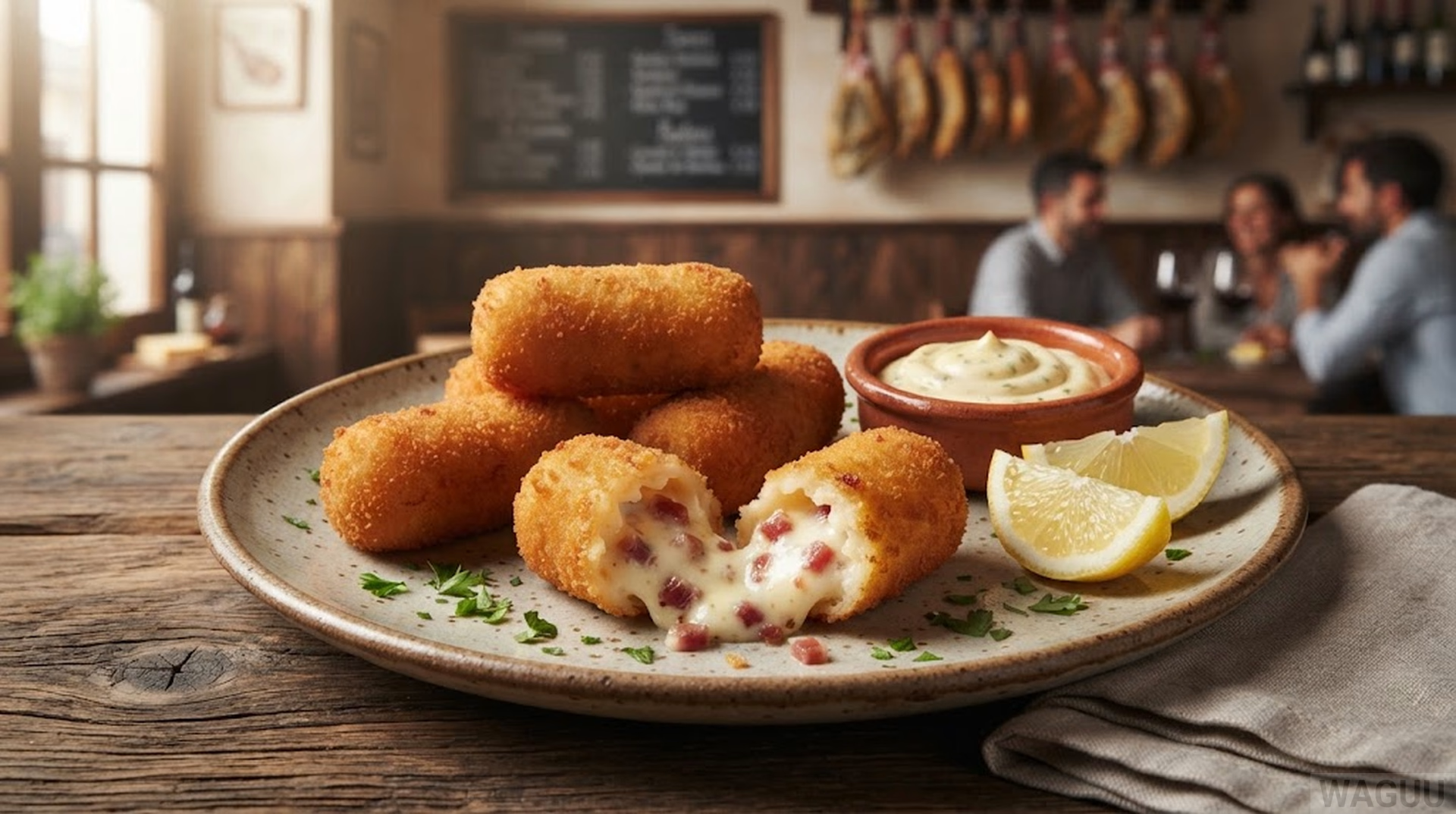
Croquetas de Jamón are creamy croquettes made with a thick bechamel sauce and diced Spanish ham, breaded and fried until golden. They are a staple of Spanish tapas bars and are often served as a starter or snack.
The bechamel must be thick enough to hold its shape – cook it until it pulls away from the pan. Chill the mixture for several hours or overnight before shaping. The breading station (flour, egg, breadcrumbs) ensures a crispy shell. Fry in hot olive oil until golden brown.
Serve warm as a tapa or party food. They are best eaten fresh, but can be reheated in the oven.
Asturian Bean Stew – Hearty Bean Stew with Chorizo and Morcilla
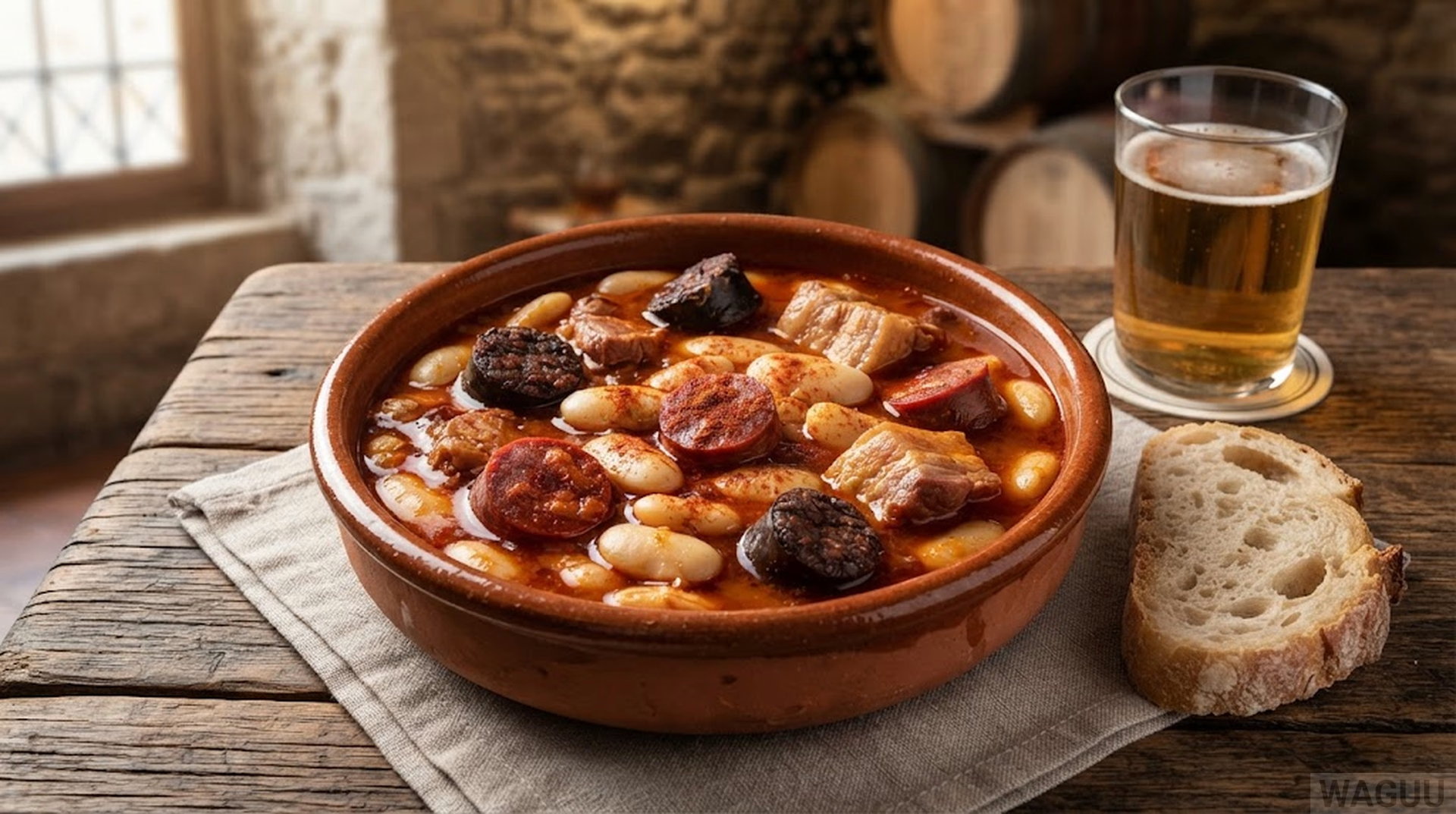
Fabada Asturiana is a rich, hearty stew from Asturias, made with large white beans (fabes), chorizo, morcilla (blood sausage), pork belly and paprika. It is slow-cooked until the beans are creamy and the broth is thick and flavorful.
The key is to soak the beans overnight, then simmer them gently with the meats and a sofrito of onion, garlic and paprika. The stew is traditionally served with crusty bread and a glass of cider. It is a winter warmer that fills the house with aroma.
For a lighter version, use less pork belly and more beans. The stew freezes well, so make a big batch.
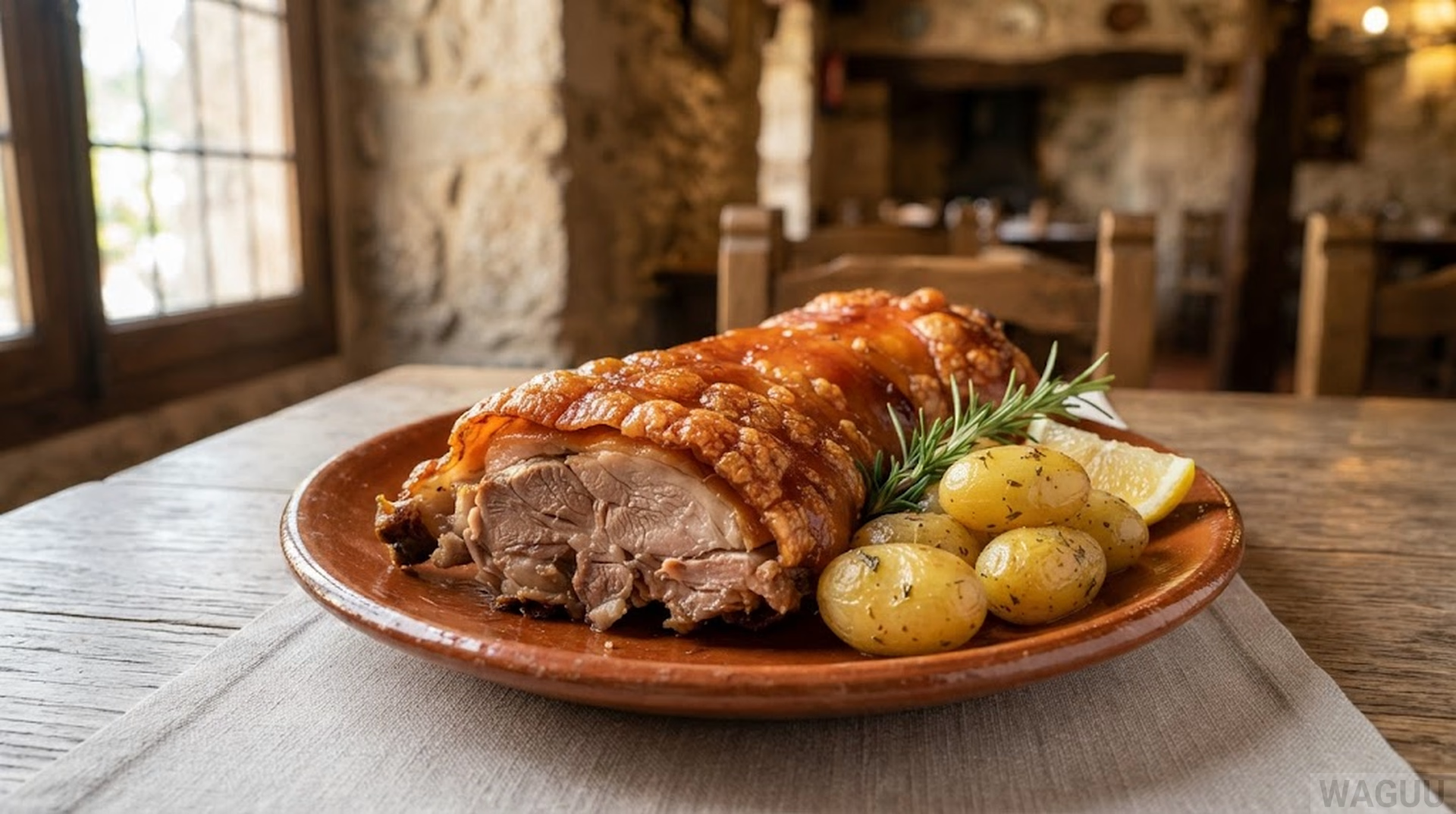
Roast Suckling Pig – Slow-Roasted Piglet with Crispy Skin
Cochinillo Asado is a speciality of Castile, particularly Segovia. A whole suckling pig is roasted slowly until the skin is crispy and the meat is tender and juicy. The traditional method uses a clay oven and a clay plate, but a home oven works well too.
The pig is seasoned with salt and sometimes garlic and herbs, then roasted at a low temperature for several hours. The skin is basted with its own fat and finally grilled at high heat to crisp. The meat should be so tender it can be cut with a plate – a traditional test of doneness.
Serve with roasted potatoes and a simple salad. A glass of Ribera del Duero red wine is the classic pairing.
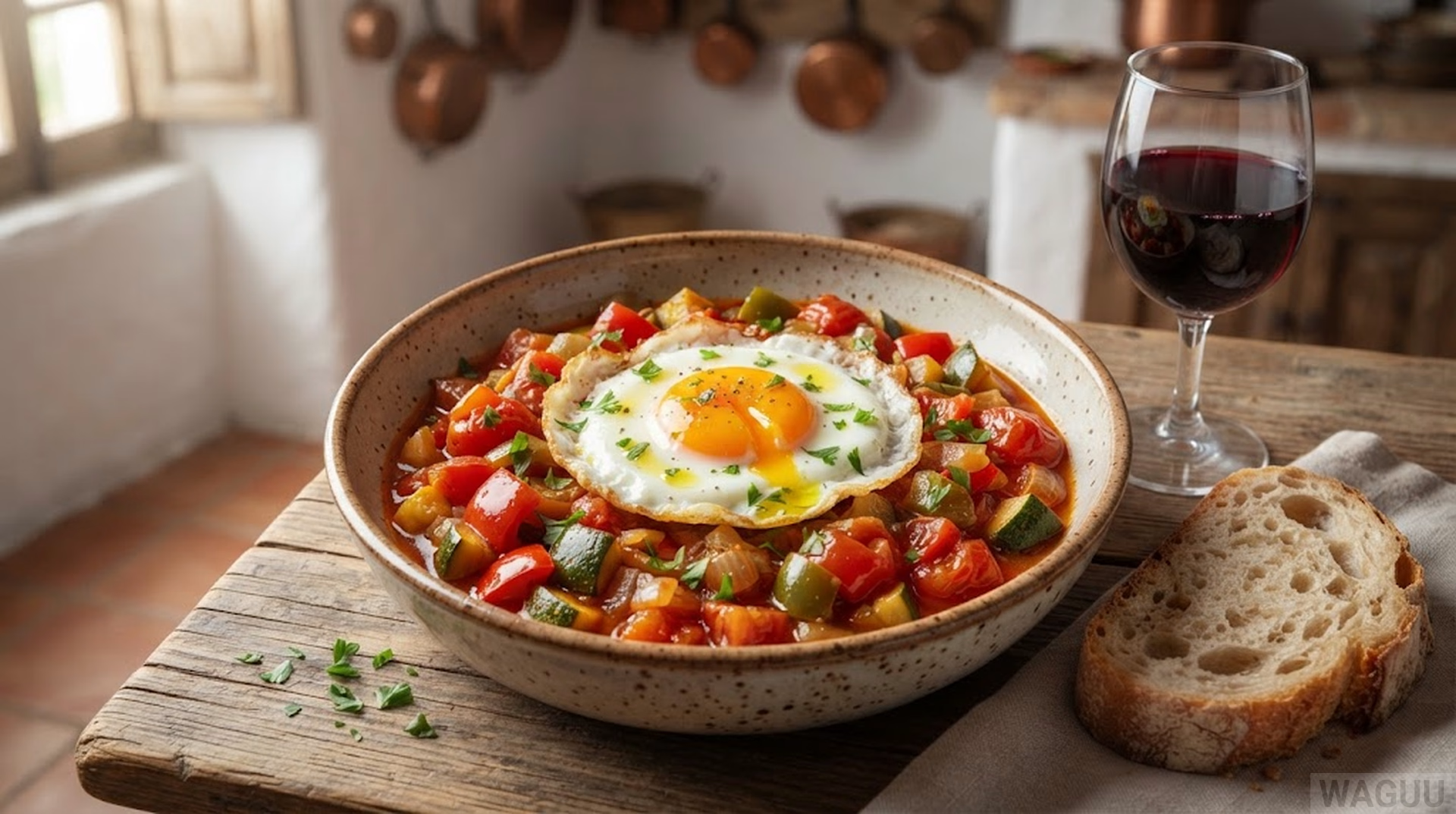
Manchego Pisto – Stewed Vegetable Medley
Pisto Manchego is a Spanish ratatouille from La Mancha. It is made with tomatoes, peppers, zucchini and onions, slowly stewed in olive oil until soft and sweet. It is often served with a fried egg on top or as a side dish with meat.
The vegetables are cut into small dice and cooked separately to preserve their texture, then combined and simmered with tomato. A pinch of sugar balances the acidity. The result is a colorful, flavorful dish that can be eaten warm or cold.
Serve as a tapa, a side dish, or a main course with crusty bread. It is also delicious with rice or pasta.
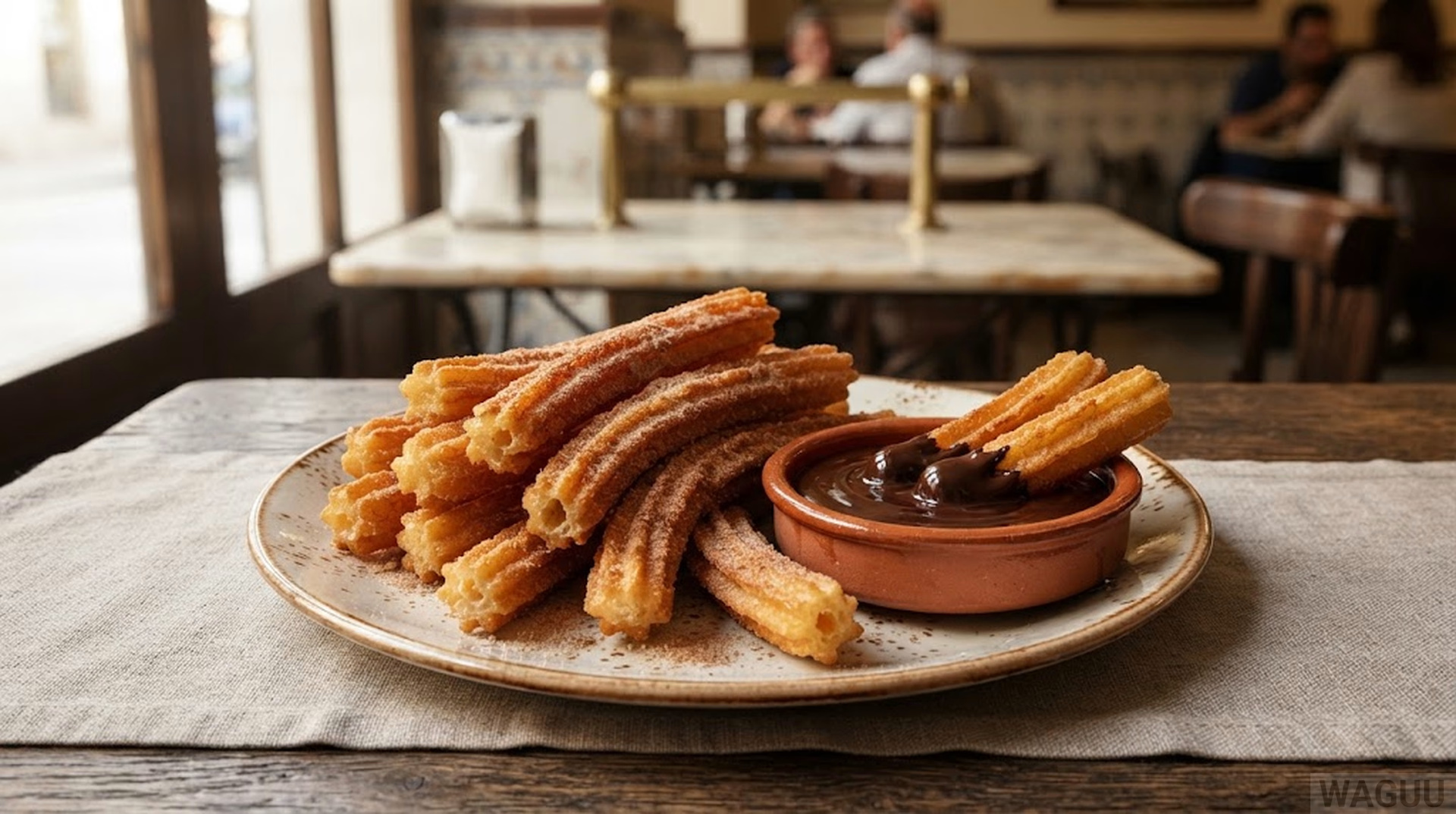
Churros with Chocolate – Fried Dough with Thick Hot Chocolate
Churros con Chocolate is a beloved Spanish breakfast or snack. Churros are ridged, fried dough sticks made from a simple choux-like dough, served with a cup of thick, rich hot chocolate for dipping. They are crispy on the outside and soft on the inside.
The dough is piped through a star nozzle into hot oil. The ridges help the churros crisp and hold the chocolate. The chocolate is made from dark chocolate melted with milk or cream, and is thick enough to coat the back of a spoon.
Serve immediately, sprinkled with sugar and cinnamon. They are best enjoyed fresh, with a cup of coffee or a glass of cold milk.
Frequently Asked Questions
What is the difference between paella and other rice dishes?
Paella is cooked in a wide, shallow pan and is not stirred after the liquid is added. This creates a crispy bottom layer called socarrat. Other rice dishes, like risotto, are stirred to release starch.
Can I make gazpacho without bread?
Yes. Traditional Andalusian gazpacho does not include bread. Bread is sometimes added for thickness, but the authentic version is light and refreshing.
How do I know when the octopus is cooked?
The octopus is ready when a knife slides easily into the thickest part of the tentacle. It should be tender but not mushy.
What is the best oil for frying churros?
Use a neutral oil with a high smoke point, such as sunflower or light olive oil. Extra virgin olive oil has a strong flavor that can overpower the churros.
Also known as: Spanish cuisine, Spanish recipes, tapas, paella, gazpacho, churros
Author: WAGUU Petr & Team • Published: 27 Sep 2026
Conclusion
Spanish cuisine is a treasure trove of flavors, techniques and traditions. From the saffron-scented rice of Valencia to the crispy churros of Madrid, each dish offers a taste of its region. We hope this guide inspires you to try these recipes at home. Remember: good food takes time, but the result is always worth it. ¡Buen provecho!
Choose Your Recipe
Pick one of the twelve classic Spanish dishes and cook it tonight.
Valencian Paella – Traditional rice with chicken and rabbit, green beans and saffron.
Spanish Omelette – Potato and egg tortilla, served warm or cold.
Andalusian Gazpacho – Cold tomato soup with peppers, cucumber and garlic.
Patatas Bravas – Crispy fried potatoes with spicy tomato sauce.
Iberian Ham – Cured ham from Iberian pigs, served thinly sliced.
Galician Octopus – Boiled octopus with potatoes, olive oil and paprika.
Garlic Shrimp – Shrimp sautéed with garlic and chili in olive oil.
Ham Croquettes – Crispy croquettes with bechamel and Spanish ham.
Asturian Bean Stew – Hearty bean stew with chorizo and morcilla.
Roast Suckling Pig – Slow-roasted piglet with crispy skin.
Manchego Pisto – Stewed vegetable medley with tomatoes and peppers.
Churros with Chocolate – Fried dough sticks with thick hot chocolate.
Other Possible Variations
Paella with Seafood
Instead of chicken and rabbit, use shrimp, mussels, clams and squid. The sofrito remains the same, but the seafood is added in the last minutes of cooking. This version is popular along the Spanish coast and is perfect for seafood lovers.
Vegetable Paella
For a vegetarian version, replace the meat with artichokes, red peppers, peas and green beans. Use vegetable stock instead of chicken stock. The saffron and smoked paprika still provide the characteristic flavor.
Tortilla with Chorizo
Add diced chorizo to the potato and egg mixture. The chorizo releases its paprika-infused oil, giving the tortilla a red color and a smoky flavor. This variation is popular in bars across Spain.
Gazpacho with Watermelon
Replace half of the tomatoes with ripe watermelon for a sweeter, fruitier gazpacho. This version is refreshing and perfect for hot summer days. Add a splash of lime juice for extra brightness.
Patatas Bravas with Aioli
Serve the potatoes with both salsa brava and garlic aioli. The creamy aioli balances the spicy tomato sauce. This combination is known as “bravas mixtas” and is a favorite in Madrid tapas bars.
Croquetas de Pollo
Replace the ham with shredded cooked chicken. The bechamel is made with chicken stock instead of milk for extra flavor. These croquettes are equally popular and a great way to use leftover roast chicken.
Fabada with Clams
Add a handful of clams to the stew in the last 10 minutes of cooking. The clams open and release their briny liquid, adding a new dimension to the dish. This variation is common in coastal areas of Asturias.
Pisto with Egg
Top the pisto with a fried egg or poached egg. The runny yolk mixes with the vegetables, creating a rich, comforting dish. This is a popular lunch in La Mancha, often served with crusty bread.
Churros with Dulce de Leche
Instead of chocolate, serve the churros with a bowl of warm dulce de leche (caramelized milk). This variation is popular in Argentina and Uruguay, where churros are a beloved treat. Sprinkle with cinnamon sugar.
Do you know another variation? Add your own suggestion below.
Missing a recipe?
Tell us what recipe you would like us to add. We will do our best to publish it soon!
Frequently Asked Questions about Other Variations
- Can I freeze paella? Yes, but the rice may become slightly mushy. Reheat gently in a pan with a splash of stock.
- How do I make aioli without eggs? Use garlic, olive oil, lemon juice and salt. Emulsify with a stick blender or mortar and pestle.
- What is the best substitute for saffron? Turmeric or annatto can provide color, but the flavor will be different. Saffron is unique.
- Can I make gazpacho ahead of time? Yes, it keeps in the fridge for up to 3 days. Serve very cold.
- How do I stop croquettes from bursting? Make sure the bechamel is thick and chilled thoroughly before shaping. Fry at a moderate temperature.
- What is the difference between chorizo and morcilla? Chorizo is a spicy pork sausage with paprika; morcilla is a blood sausage with rice or onion.
- Can I use a regular oven for suckling pig? Yes, roast at 325°F for 3 hours, then increase to 425°F for the last 15 minutes to crisp the skin.
- Are churros gluten-free? Traditional churros are made with wheat flour, but you can use a gluten-free flour blend. The texture will be slightly different.
Contact: 12-most-famous-spanish-dishes-traditional-recipes-us@waguu.online