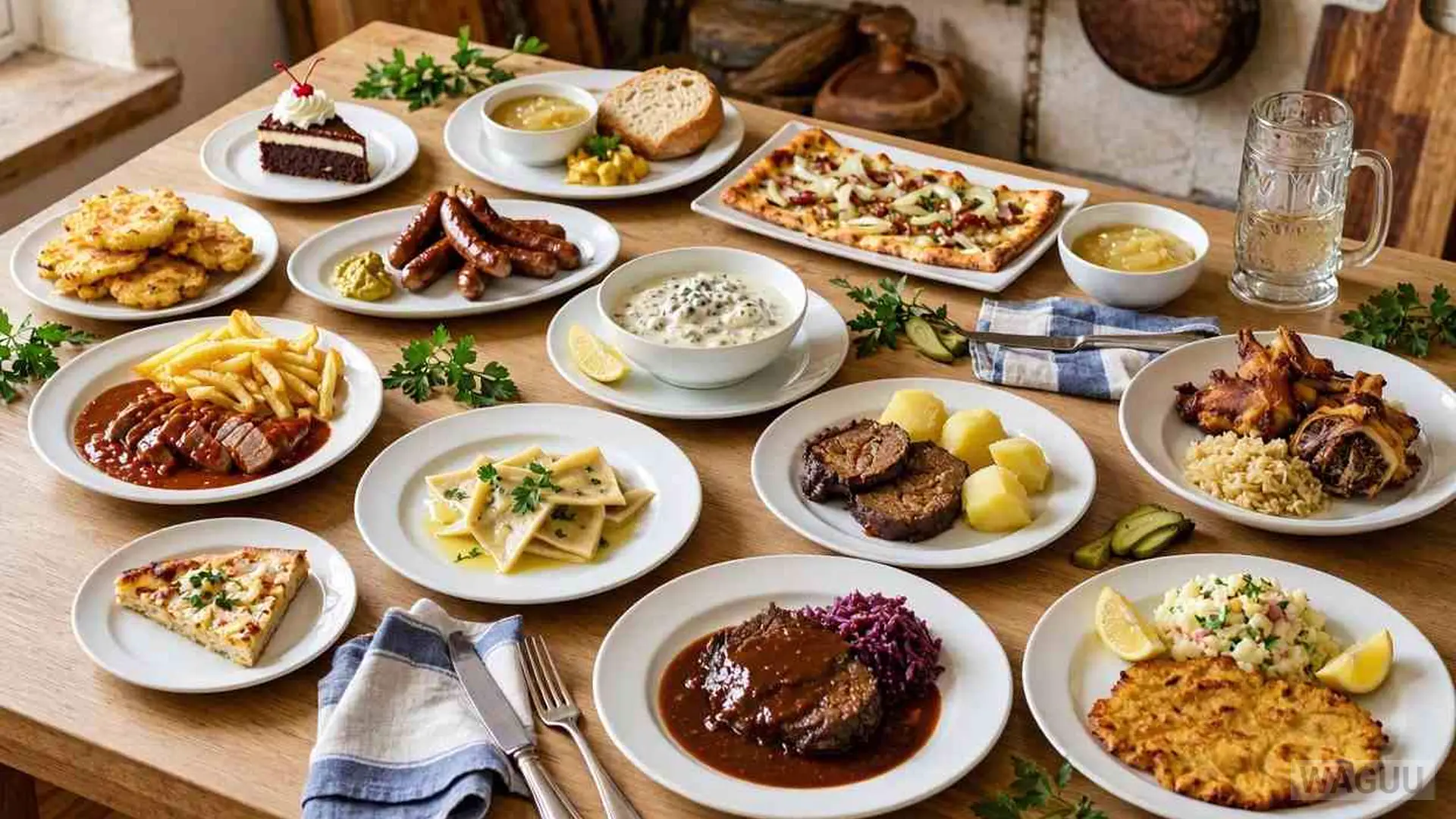
Summary: Explore the twelve most beloved and iconic dishes of German cuisine, ranging from crispy breaded cutlets and spiced sausages to slow-braised roasts, savory pastries, and decadent cakes. This comprehensive guide is designed for home cooks, food enthusiasts, and anyone eager to master traditional European cooking techniques over an engaging reading time of about 25 minutes.
Category: Articles |
Reading time: 25 minutes
Step-by-step photo gallery
Did you cook any of the variations? Share a photo in the comments below the recipe, we’d love to add it to the gallery. Did you film a video tutorial? Post a link to YouTube, YouTube Shorts, TikTok, Instagram Reels, Facebook Reels, Pinterest, Vimeo, or X (Twitter) in the comments, we’d be happy to publish it.
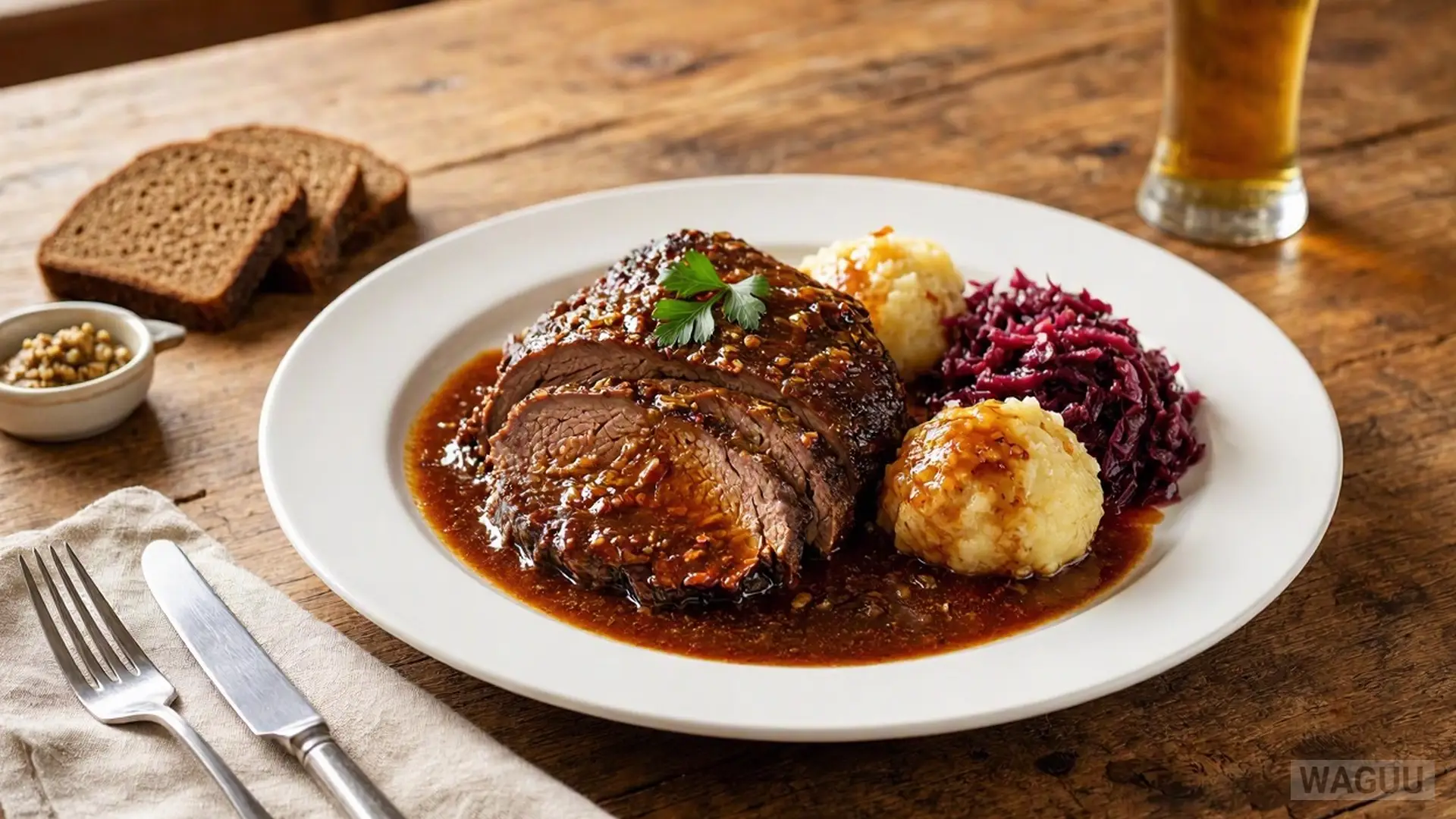
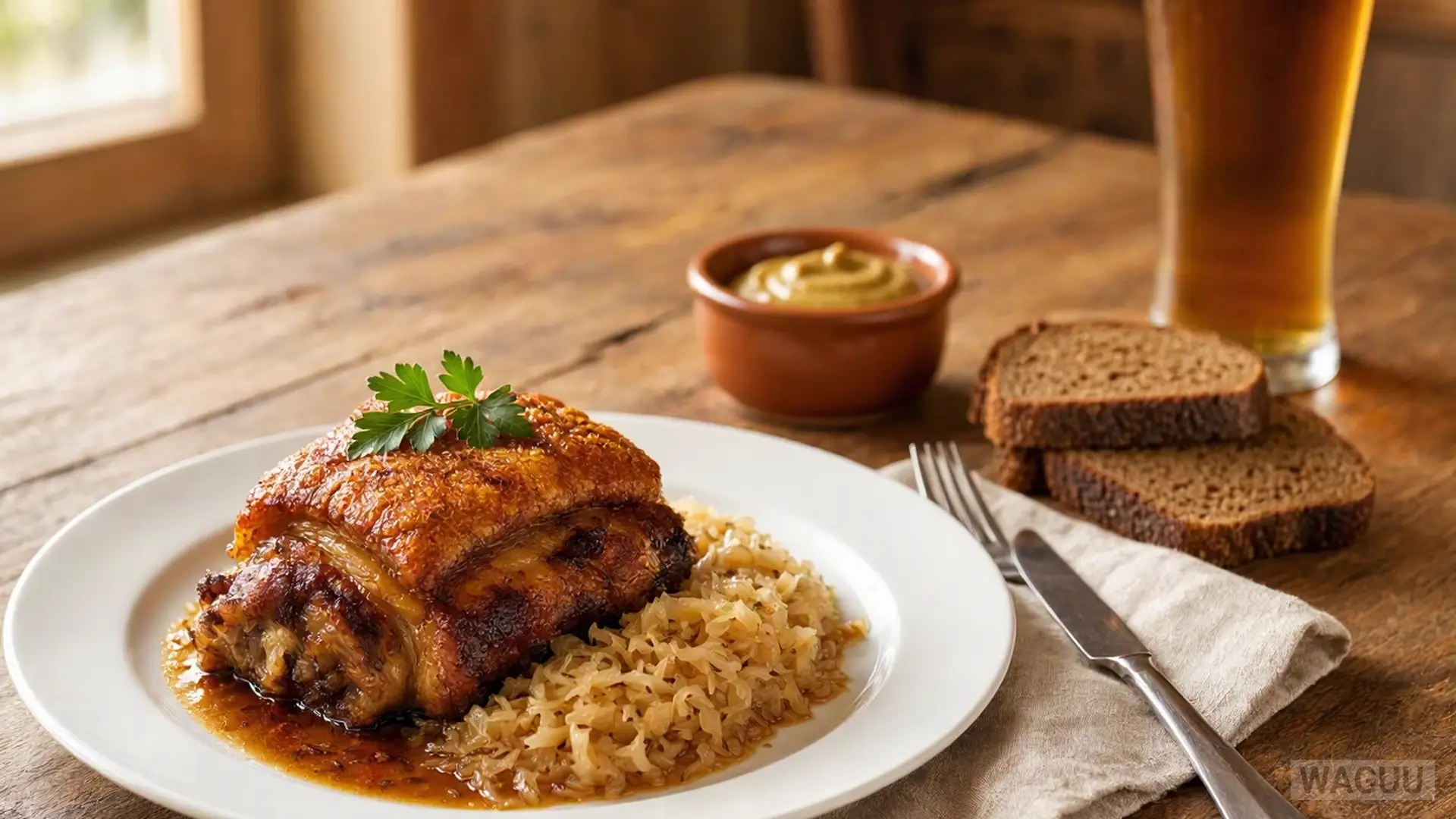
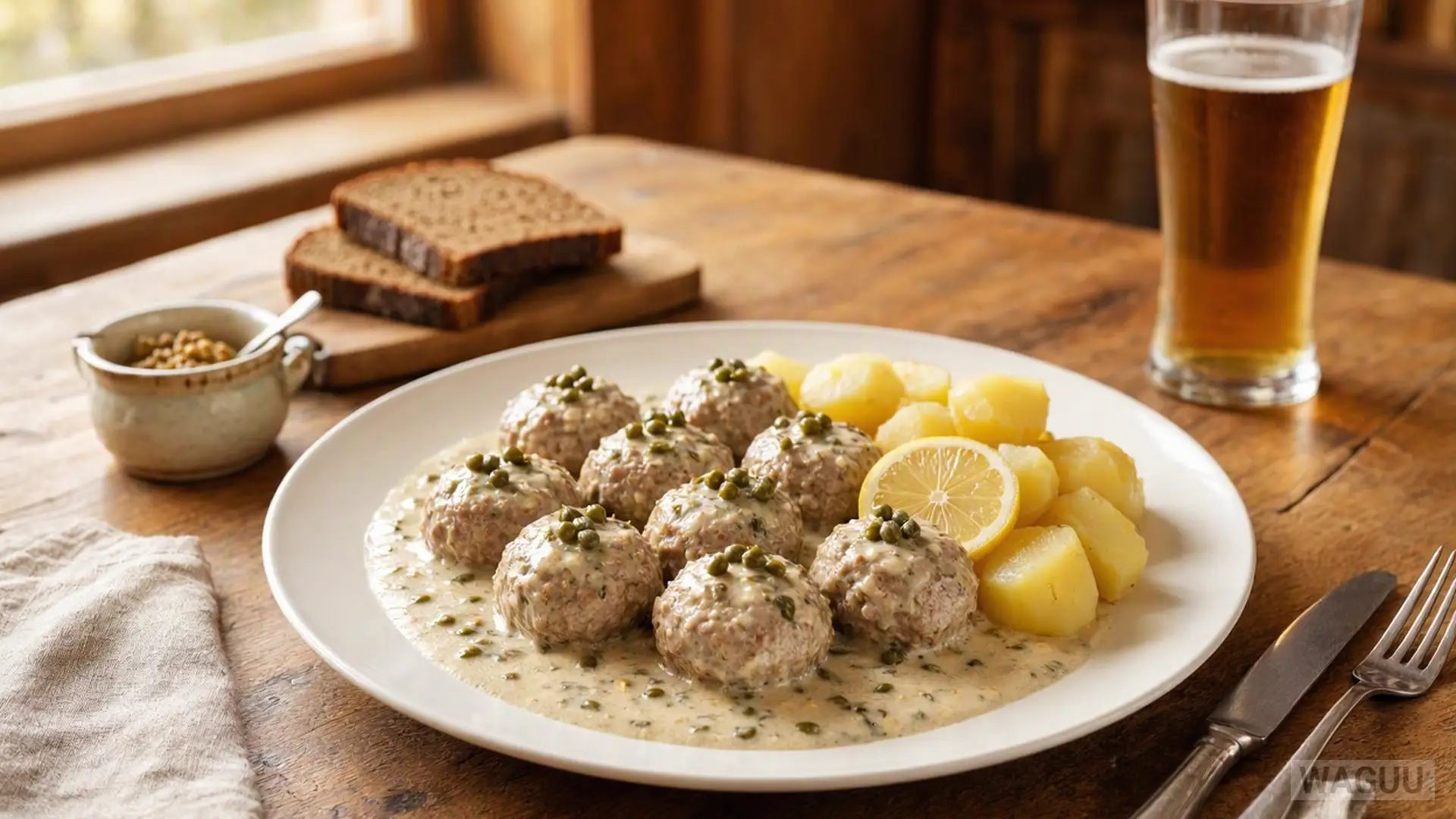
German cuisine is celebrated for its rich, comforting flavors, hearty meats, perfectly balanced starches, and time-honored preservation techniques. Across the country’s diverse culinary regions, from the alpine pastures of Bavaria to the maritime landscapes of the north, cooking is deeply rooted in local agriculture, seasonal harvesting, and centuries-old traditions. This guide takes you on a delicious journey through twelve essential German dishes, breaking down their culinary history, essential techniques, flavor profiles, and expert tips for recreating them in your own kitchen. Whether you are planning a festive weekend dinner or looking to expand your repertoire of classic European main courses, these recipes offer a rewarding gateway to the heart of German food culture.
Quick overview
- Topic / Dish: Popular German Cuisine Recipes
- Categories: Main Dishes, Cuisines
- Cuisine: German
- Included variations: Schnitzel with potato salad, Currywurst with french fries, Bratwurst with mustard and bread, Sauerbraten, Schweinshaxe with sauerkraut, Königsberger Klopse, Zwiebelkuchen, Maultaschen, Rouladen, Kartoffelpuffer, Flammkuchen, Black Forest cake
- Key techniques: Deep frying, breading, slow braising, roasting, rolling, fermentation
- Physical and chemical background: Maillard reaction, collagen hydrolysis, starch gelatinization, protein denaturation
- Common mistakes: Overcrowding pans, boiling instead of simmering, rushing meat tenderization, using high heat for delicate sauces
- In a nutshell: Master the twelve pillars of German cooking through precise temperature control, traditional flavor pairings, and authentic preparation methods.
- Last updated: September 21, 2026
WAGUU says: “Traditional German cooking relies on patience, high-quality ingredients, and respect for culinary heritage.”
How to take it further: Infuse pan drippings with fresh herbs, or incorporate rendered bacon fat into your doughs for enhanced depth of flavor.
Key facts
| Prep time: | Varies by dish (30–120 minutes) |
| Cook time: | Varies by dish (15–240 minutes) |
| Main ingredient: | Pork, beef, potatoes, cabbage, flour |
| Servings: | 6 servings per recipe |
| Difficulty: | Intermediate |
Procedure at a glance
- Prepare and marinate ingredients where required.
- Execute core thermal cooking techniques such as searing, braising, or baking.
- Prepare complementary starches, sauces, and garnishes.
- Combine components maintaining appropriate temperature contrasts.
- Plate with traditional accompaniments and serve immediately.
In a nutshell
- Variety: Covers meat, vegetarian, baked goods, and desserts.
- Technique: Focuses on browning, slow braising, and baking.
- Flavor: Balances savory, sweet, and sour elements.
- Accompaniments: Features potatoes, dumplings, cabbage, and bread.
- Tradition: Grounded in historical regional recipes.
- Result: Hearty, satisfying meals representing the best of German dining.
Who this guide is for: Beginner – home cooks exploring international culinary traditions. Intermediate – food lovers looking to refine specific braising and frying techniques. Pro – professional chefs seeking inspiration for traditional European menus.
Traditional Specialties of German Gastronomy
Schnitzel with potato salad
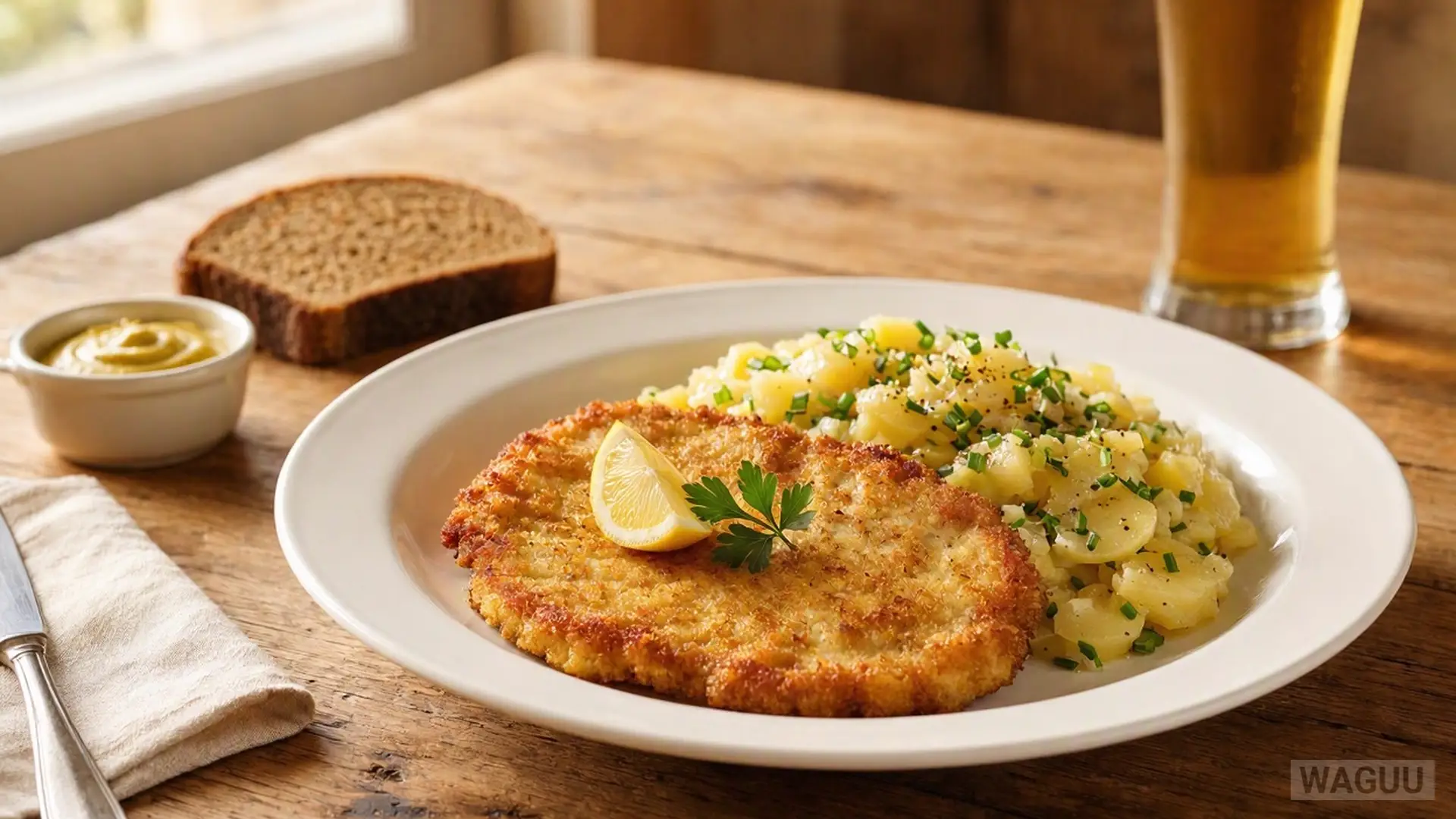
Schnitzel with potato salad stands as a cornerstone of central European comfort food, combining a delicate, ultra-crisp meat cutlet with a tangy, vinegar-dressed potato salad. The dish relies on precision and technique: a thin slice of pork or veal is gently pounded to an even thickness, lightly dusted in flour, dipped in beaten eggs, and coated in fine breadcrumbs. When fried in bubbling clarified butter or oil, the breading puffs up and creates a golden, crunchy armor around the succulent meat inside. In Germany, this preparation is a staple of both festive family gatherings and relaxed Sunday dinners. The choice of meat varies by region and personal preference, with pork being widely popular for its savory flavor and veal offering a more traditional, tender profile. Pairing the hot, crispy cutlet with a cold or lukewarm potato salad creates a delightful contrast in temperatures and textures that defines great European tavern cooking.
Achieving the perfect schnitzel requires strict attention to temperature control during frying. If the oil is too cold, the breading absorbs excessive fat and becomes heavy; if it is too hot, the exterior burns before the interior cooks through. Swirling the pan constantly ensures that hot fat washes over the top surface, creating the characteristic wavy, golden crust known as a soufflé effect. The accompanying potato salad avoids heavy mayonnaise in traditional German versions, opting instead for a vibrant dressing made from warm beef broth, sharp mustard, white wine vinegar, and finely diced onions that penetrate the tender potato slices.
- Thinly sliced pork loin or veal cutlets
- All-purpose flour for dusting
- Fresh eggs
- Fine breadcrumbs
- Waxy potatoes
- Beef broth and white wine vinegar
- Clarified butter for frying
- Pound the meat cutlets between plastic wrap until evenly thin.
- Set up a standard breading station with flour, beaten eggs, and breadcrumbs.
- Dredge the meat, dip in egg, and coat thoroughly with breadcrumbs without pressing too hard.
- Pan-fry in hot clarified butter until golden brown on both sides.
- Serve immediately alongside warm or cool potato salad dressed with broth and vinegar.
Currywurst with french fries
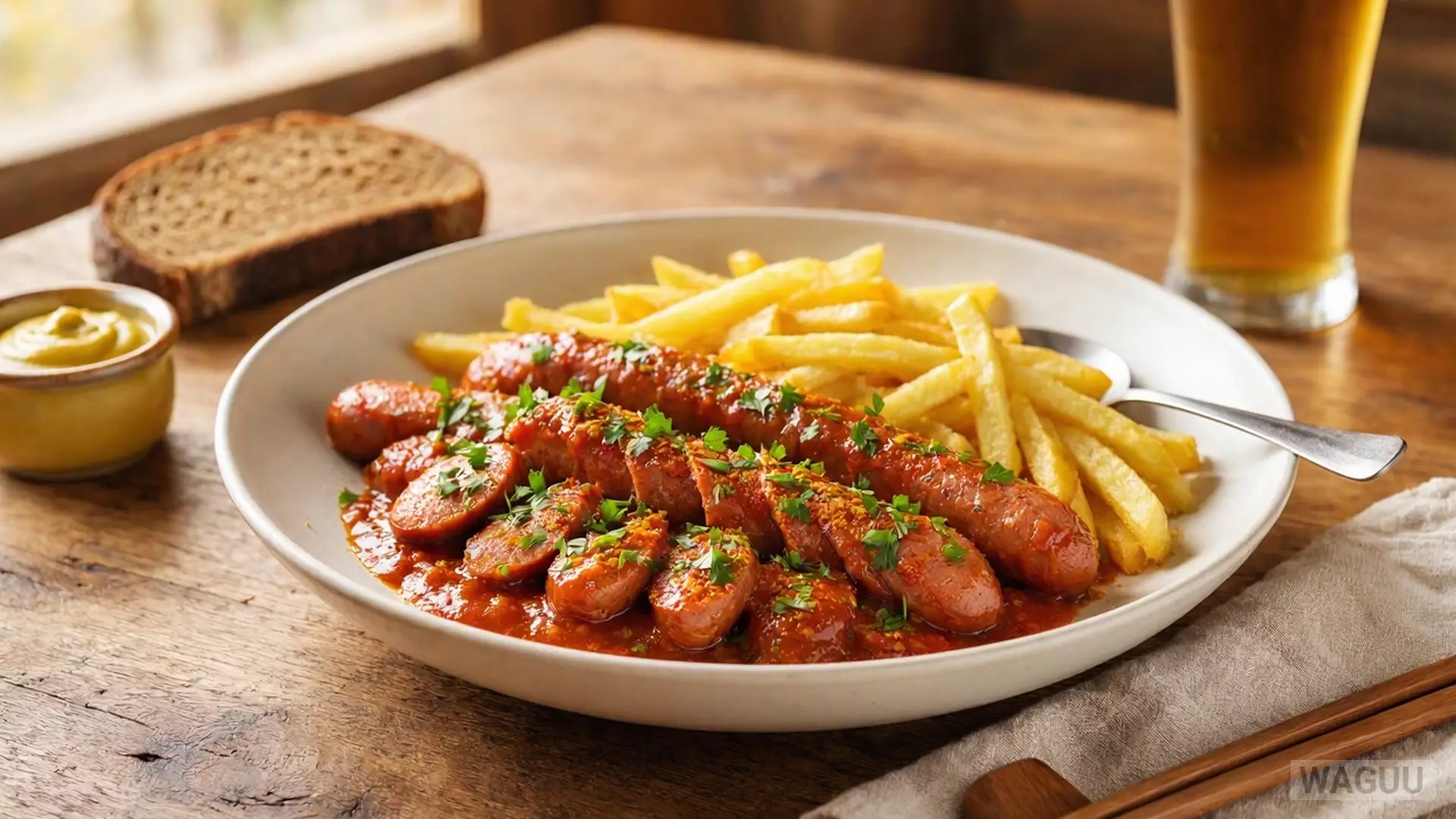
Currywurst with french fries is perhaps the ultimate icon of German urban street food culture, born in post-war Berlin and quickly spreading across the entire nation. This unpretentious yet immensely satisfying dish features a steamed and subsequently fried or grilled pork sausage, typically cut into bite-sized slices, which is then generously smothered in a spiced tomato sauce and dusted with aromatic curry powder. The genius of Currywurst lies in its harmony of smoky, savory sausage, sweet and tangy tomato fruitiness, and the warm, exotic spice notes of curry. Served alongside a generous portion of hot, crispy french fries, it provides an unbeatable combination of textures and flavors that has fueled generations of workers, students, and night-owl revelers.
The preparation starts with a quality pork sausage, often lightly spiced and casing-free or delicately smoked. The sausage is cooked through, sliced into neat rounds, and covered in a specialized sauce simmered from ketchup or tomato paste, Worcestershire sauce, paprika, and a carefully measured blend of yellow curry powders. The dusting of extra curry powder right before serving adds an intense aromatic punch that hits the senses immediately. Paired with golden french fries seasoned with fine salt, it represents the pinnacle of casual, comforting German fast food.
- Traditional German pork sausages (Bratwurst or Bockwurst)
- Tomato ketchup or passata
- Yellow curry powder and paprika
- Worcestershire sauce
- Russet potatoes for french fries
- Vegetable oil for frying
- Salt
- Cut potatoes into uniform strips and fry until golden and crispy.
- Steam and then pan-fry or grill the sausages until the skin is lightly browned.
- Slice the sausages into bite-sized rounds.
- Simmer tomato sauce ingredients with spices until well blended.
- Pour sauce over the sausage slices, dust heavily with curry powder, and serve with fries.
Bratwurst with mustard and bread
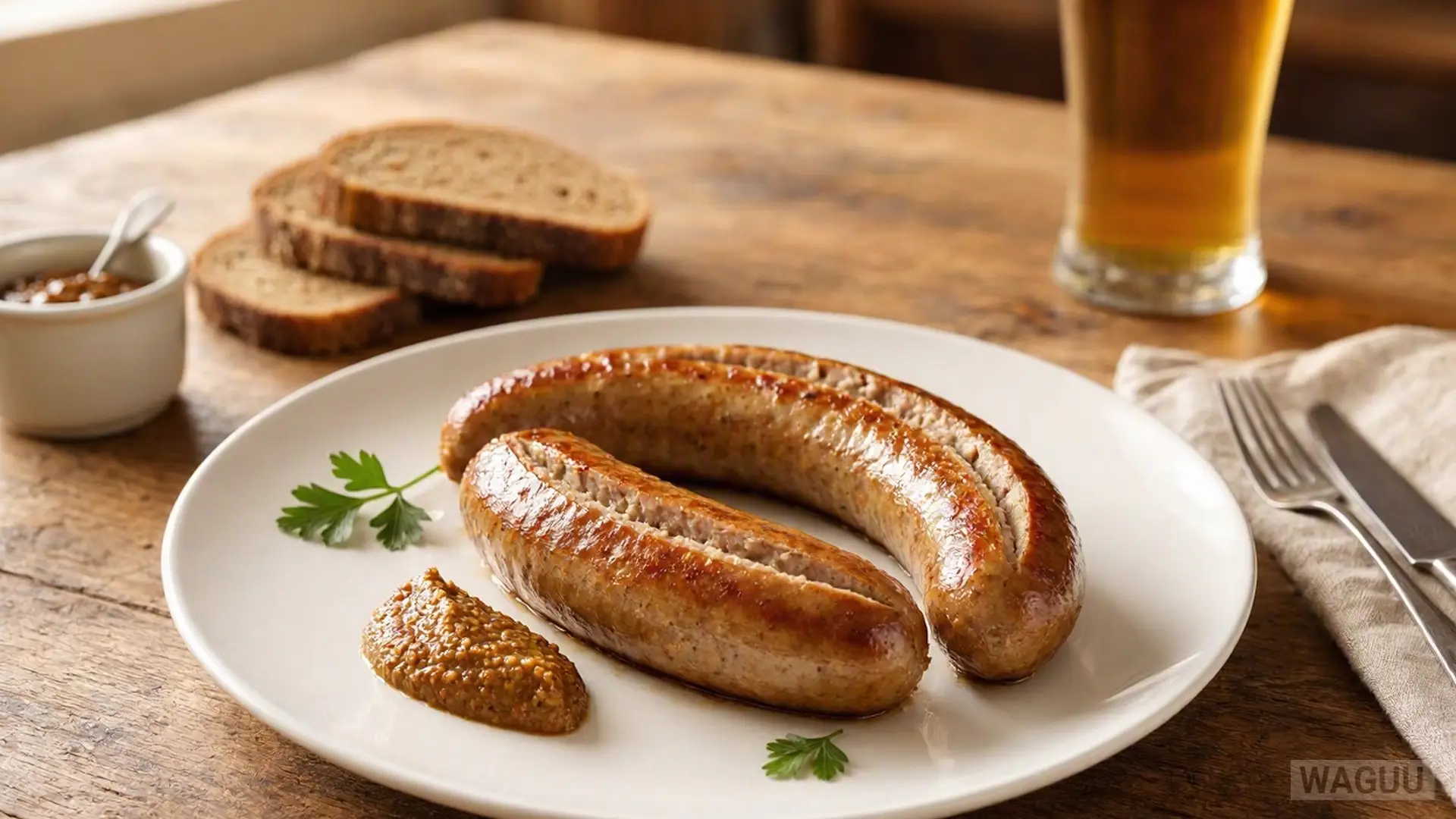
Bratwurst with mustard and bread is a quintessential German culinary tradition found at village fairs, beer gardens, and backyard grills across the country. The star of the dish is the artisan sausage, crafted from finely minced pork or veal seasoned with delicate spices such as white pepper, nutmeg, and fresh herbs like parsley or marjoram. When grilled over glowing coals or pan-seared in a touch of oil, the casing develops a delicious, savory char while keeping the interior juicy and aromatic. Served simply on a sturdy slice of crusty rye or white bread with a generous dollop of sharp Bavarian or medium-hot mustard, it is a masterclass in minimalist cooking where the quality of each individual component shines through without distraction.
The sensory experience of eating a classic bratwurst involves the snap of the natural casing, the burst of savory juices, and the sharp, clearing kick of mustard. The bread acts as an edible plate, absorbing the flavorful meat juices and mustard tang. This portable and satisfying meal has sustained travelers and laborers for centuries, reflecting the practical yet high-quality nature of German butchery and baking traditions.
- Fresh artisan pork bratwurst sausages
- German mustard (medium-hot or sharp)
- Crusty rye or sourdough bread slices
- Unsalted butter for the bread
- Pickled gherkins for serving
- Score the bratwurst lightly if desired to prevent bursting.
- Grill or pan-sear over medium heat until golden brown and cooked through.
- Slice fresh artisan bread and spread with butter if desired.
- Place hot sausages on or alongside the bread.
- Serve immediately with a generous side of mustard and pickles.
Sauerbraten
Sauerbraten is widely regarded as one of Germany’s national dishes, representing a masterpiece of slow cooking and flavor transformation. A sturdy cut of beef, typically chuck or rump roast, is submerged in an aromatic marinade of red wine vinegar, water, root vegetables, onions, and warm spices including juniper berries, cloves, bay leaves, and peppercorns. This prolonged immersion—often lasting several days—allows the acidic marinade to tenderize the connective tissues while infusing the meat with a complex, tangy profile. After marinating, the beef is seared and slowly braised for hours until it reaches fork-tender perfection. The resulting cooking liquid is strained and enriched with crumbled gingerbread or gingersnap cookies, which dissolve into the gravy to impart a subtle sweetness, rich color, and velvety body.
The interplay of sour vinegar, aromatic spices, and sweet gingerbread crumbs creates a deeply satisfying flavor profile that is uniquely comforting. Traditionally served with soft potato dumplings and sweet-and-sour red cabbage, Sauerbraten is the centerpiece of festive Sunday dinners and celebratory family feasts across Germany. The lengthy preparation process rewards the cook with melt-in-your-mouth meat and a glossy, luxurious gravy that ties the entire plate together.
- Beef chuck roast
- Red wine vinegar and water for marinating
- Onions, carrots, and celery
- Juniper berries, cloves, and bay leaves
- Crumbled gingerbread cookies for thickening
- Beef stock
- Salt and black pepper
- Submerge beef in vinegar, water, vegetables, and spices; marinate in the refrigerator for 3 to 5 days.
- Remove meat, pat dry, and sear on all sides in a heavy Dutch oven.
- Add strained marinade liquids and beef stock, cover, and braise in a 325 °F oven until tender.
- Remove meat, strain braising liquid, and thicken with crumbled gingerbread cookies.
- Slice roast, ladle rich gravy over top, and serve with dumplings and red cabbage.
Schweinshaxe with sauerkraut
Schweinshaxe, or roasted pork knuckle, is a magnificent Bavarian specialty that commands attention at any dining table. Featuring a generous cut of pork hock, the dish relies on a dual cooking process: long, gentle roasting or simmering in aromatic broth to render the internal fats and render the meat succulent and tender, followed by high-heat finishing to blister the outer skin into an ultra-crisp, crackling shell. The contrast between the crunchy exterior and the melt-in-your-mouth interior is nothing short of legendary. Traditionally accompanied by tangy fermented sauerkraut and dense potato dumplings, Schweinshaxe is a celebration of hearty, rustic German hospitality.
Preparing this dish requires patience and precision. Scoring the skin in a diamond pattern allows the rendering fat to escape while seasoning penetrates deep into the muscle fibers. Basting the knuckle with dark beer during the roasting process builds a deeply flavorful, caramelized crust that smells of malt and roasted pork. Paired with tart sauerkraut to cut through the rich fats, Schweinshaxe remains an unforgettable culinary experience.
- Fresh bone-in pork knuckle
- Coarse sea salt and caraway seeds
- Dark German beer for basting
- Onions and garlic
- Fermented sauerkraut
- Pork or chicken stock
- Score the pork skin in a crosshatch pattern and rub generously with salt and caraway.
- Place in a roasting pan with sliced onions and stock, then roast at 325 °F until tender.
- Increase oven temperature to 425 °F and baste with dark beer to crisp the skin.
- Prepare sauerkraut by simmering with caraway and a touch of onion.
- Serve the roasted knuckle hot alongside the warm sauerkraut.
Königsberger Klopse
Königsberger Klopse represents a refined classic of northern German cuisine, originating from the historical city of Königsberg. These tender, succulent meatballs are traditionally prepared from a blend of ground veal and pork, enhanced with finely minced onions, soaked breadcrumbs, and egg. What sets these meatballs apart is their distinctive poaching liquid and the iconic white sauce that envelops them. Simmered in a flavorful broth seasoned with onion, bay leaf, and allspice, the meatballs absorb subtle aromatic undertones before being coated in a velvety velouté enriched with heavy cream, egg yolk, briny capers, and a splash of freshly squeezed lemon juice.
The combination of rich, creamy sauce with the sharp, salty pop of capers and the bright acidity of lemon creates a sophisticated flavor profile that elevates humble meatballs into fine dining territory. Typically served with boiled potatoes or buttered rice, Königsberger Klopse offers a comforting yet elegant meal that showcases the lighter, sauce-forward side of traditional German cooking.
- Ground veal and ground pork mixture
- Breadcrumbs soaked in milk
- Minced anchovy fillets (traditional seasoning)
- Capers in brine
- Heavy cream and egg yolk
- Fresh lemon juice
- Beef or vegetable broth for poaching
- Mix meats, soaked breadcrumbs, minced onion, egg, and seasonings to form meatballs.
- Simmer meatballs gently in seasoned simmering broth until cooked through.
- Make a light roux, whisk in the poaching broth and heavy cream, and simmer until smooth.
- Stir in drained capers, lemon juice, and an egg yolk liaison off the heat.
- Coat meatballs in the creamy caper sauce and serve warm.
Zwiebelkuchen
Zwiebelkuchen is a savory German onion cake that heralds the arrival of autumn and the grape harvest season in wine-producing regions like the Palatinate and Franconia. Built on a yeasted dough or shortcrust base, this rustic pie features a generous filling of softly sautéed onions, smoky bacon lardons, and a rich custard made from sour cream, heavy cream, and eggs. As the cake bakes, the onions caramelize slowly, releasing their natural sugars and transforming into a sweet, tender mass that contrasts beautifully with the savory, salty bacon and the crisp, buttery crust.
Traditionally enjoyed straight from the oven while still warm, Zwiebelkuchen is paired by long-standing custom with a glass of Federweißer—a sweet, partially fermented young wine. The caraway seeds often sprinkled on top aid digestion and provide an aromatic herbal note that cuts through the rich dairy and bacon. It is a wonderful example of regional baking that turns simple pantry staples into a seasonal celebration.
- All-purpose flour, yeast, and butter for the dough
- Yellow onions, thinly sliced
- Smoked bacon lardons
- Sour cream and heavy cream
- Eggs
- Caraway seeds
- Salt and black pepper
- Prepare yeasted dough, let rise, and press into a baking pan.
- Sauté bacon lardons and sliced onions gently until soft and translucent without browning.
- Whisk together sour cream, heavy cream, eggs, salt, and pepper.
- Combine onions and bacon with the custard mixture, then pour over the prepared dough.
- Bake at 375 °F until the crust is golden and the filling is set.
Maultaschen
Maultaschen are large, savory filled pasta pockets originating from the Swabian region of southwestern Germany. Legend has it that inventive monks created these concealed parcels during Lent to hide meat from God, earning them the affectionate local nickname Herrgottsbescheißerle, meaning little God-cheaters. The pasta dough is rolled thin and folded around a hearty filling composed of minced meat, smoked sausage, spinach, breadcrumbs, onions, and fresh herbs. Unlike Italian ravioli, Maultaschen are traditionally substantial in size and can be served floating in a clear beef broth, sliced and pan-fried in butter with onions, or baked with cheese.
The versatility of Maultaschen makes them a beloved comfort food across Germany. The contrast of tender pasta wrapping and a savory, herb-infused filling provides a satisfying bite whether served as a warming soup or a browned, crispy pan-fried main course garnished with chives. Making them is a labor of love that brings families together in traditional kitchens.
- Pasta dough made from flour, eggs, and water
- Ground beef and pork filling
- Blanched spinach and soaked breadcrumbs
- Sautéed onions and fresh parsley
- Clear beef broth for serving
- Butter for pan-frying
- Roll pasta dough into thin sheets on a floured surface.
- Combine meat, spinach, breadcrumbs, onions, and herbs for the filling.
- Place spoonfuls of filling on dough, fold over, seal edges, and cut into pockets.
- Simmer Maultaschen in boiling water or rich beef broth until cooked.
- Serve in broth or crisp up in a skillet with melted butter and onions.
Rouladen
Rouladen represent the ultimate Sunday roast dinner in many German households. Large, thin slices of beef round are slathered with sharp mustard, layered with smoky bacon slices, raw onions, and crisp dill pickles, then rolled tightly into neat cylinders and secured with kitchen twine or metal pins. These beef rolls are first seared in a hot pan to develop a rich, caramelized crust, then slowly braised for hours in a savory red wine and vegetable gravy. As they simmer, the beef breaks down to become extraordinarily tender while absorbing the sharp, savory flavors of the pickle, mustard, and bacon filling.
The resulting sauce is a triumph of culinary chemistry, combining pan drippings, softened aromatics, and red wine into a velvety glaze that coats the back of a spoon. Sliced open on the plate, Rouladen reveal a colorful, aromatic spiral of ingredients that guarantees a complex flavor in every single bite. Served alongside bread dumplings and red cabbage, it is a masterclass in comforting European home cooking.
- Thin beef round cutlets
- German mustard
- Smoked bacon rashers
- Dill pickles cut into strips
- Yellow onions, sliced
- Beef broth and red wine
- Salt and black pepper
- Pound beef cutlets flat and season with salt and pepper.
- Spread mustard over each cutlet, then layer with bacon, onion slices, and pickle strips.
- Roll tightly and secure with kitchen twine or toothpicks.
- Sear rolls in a hot Dutch oven until browned on all sides.
- Add beef broth and red wine, cover, and braise at 325 °F until tender.
Kartoffelpuffer
Kartoffelpuffer, or crispy German potato pancakes, are a beloved street food and home-cooking classic found at autumn festivals, Christmas markets, and family tables across Germany. Made from finely grated starchy potatoes, onions, eggs, and a touch of flour or starch, the mixture is dropped into hot oil or clarified butter and fried until the edges turn impossibly lacy and golden brown. The key to success is extracting excess moisture from the grated potatoes, which allows the starch to bind the cakes and ensures maximum crispiness upon contact with the hot frying pan.
These savory pancakes bridge the gap between sweet and savory dining. While they are frequently enjoyed with savory accompaniments like smoked salmon, sour cream, or bacon, the most traditional German method pairs them with sweet, chunky applesauce. The interplay of hot, salty, crunchy potato and cold, sweet apple creates a comforting flavor combination that appeals to diners of all ages.
- Starchy Russet potatoes
- Small yellow onion
- Eggs
- All-purpose flour
- Vegetable oil or clarified butter for frying
- Salt and black pepper
- Applesauce for serving
- Peel and grate potatoes and onion, then squeeze out all excess liquid using a clean kitchen towel.
- Transfer grated mixture to a bowl and stir in eggs, flour, salt, and pepper.
- Heat oil or clarified butter in a skillet over medium-high heat.
- Drop spoonfuls of potato mixture into the pan, flattening into thin patties.
- Fry until deeply golden and crispy on both sides, then serve with applesauce.
Flammkuchen
Flammkuchen, originating from the border region of Alsace and southwestern Germany, is a delightfully thin flatbread that resembles a rustic pizza but possesses a character entirely its own. The dough is rolled out so thin that it becomes translucent, then spread with a smooth layer of tart sour cream or crème fraîche. It is traditionally topped with paper-thin slices of raw onion and smoky bacon lardons. Baked in an extremely hot oven, the edges blister and char slightly while the creamy topping bubbles and the onions sweeten, resulting in a remarkably crisp, light bite.
Because traditional wood-fired ovens reached scorching temperatures, bakers used Flammkuchen to test whether the oven was hot enough for bread baking—hence its name, which translates to flame cake. Today, it is enjoyed in wine taverns alongside a glass of local white wine. The absence of heavy tomato sauce allows the delicate balance of smoky bacon, sweet onion, and creamy dairy to take center stage.
- Unleavened dough made from flour, water, oil, and salt
- Sour cream or crème fraîche
- Thinly sliced yellow onions
- Smoked bacon lardons
- Fresh nutmeg and black pepper
- Roll out the unleavened dough as thin as possible on parchment paper.
- Spread an even layer of sour cream over the dough base.
- Scatter thinly sliced onions and raw bacon lardons across the cream.
- Season with black pepper and a pinch of nutmeg.
- Bake at 450 °F or higher until the edges are crispy and charred in spots.
Black Forest cake
Black Forest cake, known in Germany as Schwarzwälder Kirschtorte, is a world-renowned masterpiece of pastry art originating from the heavily wooded Black Forest mountain region. This celebratory dessert features rich chocolate sponge cake layers soaked in Kirschwasser, a clear tart cherry brandy that imparts a distinct aromatic warmth. Between the layers lie luscious clouds of freshly whipped cream and tart sour cherries, creating a harmonious balance of deep cocoa, sweet dairy, and fruit acidity. The exterior is coated in more whipped cream, decorated with chocolate shavings, and crowned with whole cherries.
Crafting an authentic Black Forest cake requires attention to detail, from baking a light, airy sponge to balancing the cherry brandy soaking so the cake remains moist without becoming soggy. It is a showstopping centerpiece for birthdays, anniversaries, and festive Sunday coffee gatherings, representing the pinnacle of German baking craftsmanship and confectionery tradition.
- Chocolate sponge cake layers
- Kirsch cherry brandy
- Heavy whipping cream and powdered sugar
- Tart sour cherries (pitted)
- Dark chocolate shavings for decoration
- Bake chocolate sponge cake layers and let cool completely.
- Whip heavy cream with powdered sugar until stiff peaks form.
- Brush each sponge layer generously with Kirsch cherry brandy.
- Layer whipped cream and cherries between the sponge layers.
- Frost the exterior with remaining cream, cover with chocolate shavings, and top with cherries.
Frequently asked questions
What defines traditional German cooking?
Traditional German cuisine emphasizes hearty ingredients such as pork, beef, potatoes, cabbage, and root vegetables, utilizing slow braising, roasting, and pickling techniques to build deep, comforting flavors.
Are German dishes very spicy?
No, German cuisine relies on aromatic herbs like parsley, marjoram, and chives, along with warming spices such as caraway, nutmeg, and cloves, rather than hot chili heat.
Can I make these German recipes without alcohol?
Yes, ingredients like wine, beer, and brandy can be omitted or substituted with flavored broths and fruit juices, though they do add traditional depth of flavor during long cooking processes.
What is the most popular side dish in Germany?
Potatoes in various forms—boiled, mashed, fried, or in salads—along with dumplings (Klöße) and fermented cabbage (sauerkraut) are the most common accompaniments.
Also known as: Deutsche Küche, German food, traditional German recipes, German culinary classics
Author: WAGUU Petr & Team • Published: 21 Sep 2026 • Updated: 30 Oct 2026
Conclusion
Exploring German cuisine opens up a world of comforting flavors, rigorous culinary techniques, and deep historical traditions. From the satisfying crunch of a well-made schnitzel to the complex, slow-braised depths of Sauerbraten and Rouladen, these twelve recipes provide a comprehensive overview of what makes German food so enduringly popular around the globe. By mastering these foundational dishes, home cooks can bring the warmth and heartiness of European taverns and family kitchens directly to their own dining tables.
Choose your recipe
Select one of the classic German dishes below to view the full step-by-step recipe with ingredients, timings, and professional culinary tips:
Schnitzel with potato salad – Thin slice of meat in a crispy three-part breading, served with potato salad or roasted potatoes.
Currywurst with french fries – Fried or grilled sausage cut into pieces, topped with a curry tomato sauce and served with french fries.
Bratwurst with mustard and bread – Traditional German sausage, most often grilled until golden brown and served with mustard, bread, or potato salad.
Sauerbraten – Marinated beef roast slowly braised until tender in an aromatic sweet and sour sauce, served with dumplings and red cabbage.
Schweinshaxe with sauerkraut – Roasted pork knuckle with crispy skin and juicy meat, traditionally accompanied by cabbage and potato dumplings.
Königsberger Klopse – Tender meatballs, usually made from veal or a mixture of ground meats, served in a creamy sauce with capers and lemon.
Zwiebelkuchen – German savory yeast cake with sautéed onions, cream, and bacon, served with young wine.
Maultaschen – Swabian filled pasta pockets with a meat or vegetable filling, served in broth or pan-fried in butter with onions.
Rouladen – Beef rolls stuffed with mustard, bacon, onion, and a pickle, slowly braised in a rich gravy and served with dumplings or red cabbage.
Kartoffelpuffer – Crispy potato pancakes made from grated potatoes, onions, and eggs, served savory or traditionally with applesauce.
Flammkuchen – Very thin, crispy pie from Alsace and southwestern Germany, spread with sour cream and topped with onions and bacon.
Black Forest cake – Famous Black Forest cake made with chocolate sponge layers, whipped cream, cherries, and Kirsch cherry brandy.
Other possible variations
Turkey Schnitzel
Turkey Schnitzel replaces traditional pork or veal with lean turkey breast, offering a lighter poultry flavor profile. It cooks slightly faster than pork and is ideal for diners seeking a lower-fat alternative while maintaining the signature crispy breaded coating.
Mini Cocktail Currywurst
Mini Cocktail Currywurst uses bite-sized cocktail sausages instead of full-length wursts, making it perfect for parties and gatherings. It is served with toothpicks and an extra-spicy curry tomato sauce for easy sharing.
Nuremberg Rostbratwurst
Nuremberg Rostbratwurst features much smaller, thumb-sized sausages heavily seasoned with fresh marjoram. Traditionally grilled over beechwood charcoal, they are served in sets of six with sauerkraut and horseradish.
Venison Sauerbraten
Venison Sauerbraten substitutes beef with game meat like wild deer or elk, marinating it in juniper-infused red wine vinegar. It yields a deeper, more robust earthy flavor that pairs exceptionally well with cranberry sauce and bread dumplings.
Beer-Braised Pork Hock
Beer-Braised Pork Hock incorporates a rich dark lager directly into the braising liquid throughout the cooking process. This infuses the meat with malty undertones and creates an even more luscious gravy before the final skin-crisping stage.
Fish Klopse in Dill Sauce
Fish Klopse replaces meat with finely minced white fish and herbs, poached gently in a seafood stock. It swaps the caper-lemon sauce for a fragrant creamy dill sauce, offering a lighter coastal variation.
Leek and Bacon Zwiebelkuchen
Leek and Bacon Zwiebelkuchen blends sliced leeks with the traditional onions for a milder, sweeter vegetable base. It provides a more delicateAllium flavor profile while retaining the rich sour cream custard and bacon topping.
Vegetarian Spinach Maultaschen
Vegetarian Spinach Maultaschen omits all meat from the filling, replacing it with a rich blend of ricotta cheese, sautéed spinach, and fresh herbs. It is suitable for vegetarians while maintaining the classic Swabian pasta pocket shape.
Vegetable Rouladen
Vegetable Rouladen replaces beef cutlets with roasted eggplant or cabbage leaves wrapped around mushroom stuffing. It offers a plant-based alternative that mimics the rich braised gravy experience of the original dish.
Zucchini Potato Pancakes
Zucchini Potato Pancakes incorporates grated zucchini alongside potatoes to reduce overall starch density and add moisture. They fry up into lighter, greener patties that pair wonderfully with herb sour cream dips.
Apple and Goat Cheese Flammkuchen
Apple and Goat Cheese Flammkuchen adds sweet apple slices and tangy goat cheese to the traditional sour cream base. It creates a gourmet sweet-and-savory flavor profile that bridges appetizer and dessert courses.
Cherry-Free Black Forest Cake
Cherry-Free Black Forest Cake substitutes raspberries or strawberries for the traditional sour cherries. It offers a fresh berry twist for those who prefer alternative summer fruit flavor combinations in their chocolate sponge cake.
Chicken Schnitzel
Chicken Schnitzel uses tender chicken breast fillets pounded thin and coated in the classic breadcrumb crust. It is a popular, family-friendly variation that cooks quickly and pairs well with lemon wedges and potato salad.
Spicy Fire Currywurst
Spicy Fire Currywurst amps up the heat by incorporating chili flakes, cayenne pepper, and hot chili sauce into the traditional tomato curry glaze. It is designed for thrill-seekers looking for extra spice.
Cheese-Stuffed Bratwurst
Cheese-Stuffed Bratwurst features pockets of melted Emmental or cheddar cheese embedded directly inside the pork sausage casing. When grilled, the cheese melts into a gooey interior pocket that complements the smoky exterior.
Apple Cider Sauerbraten
Apple Cider Sauerbraten replaces part of the vinegar marinade with fermented apple cider for a fruitier, slightly sweeter profile. It gives the braising gravy a wonderful orchard-fresh complexity.
Crispy Pork Belly Haxe
Crispy Pork Belly Haxe utilizes pork belly cutlets treated with the same roasting and cracking techniques as the traditional knuckle. It delivers concentrated crackling goodness in a smaller, easier-to-slice portion.
Salmon Klopse
Salmon Klopse uses fresh ground salmon blended with dill and lemon zest, poached in fish bouillon. It offers a modern, omega-3 rich twist on the traditional northern German meatball classic.
Gluten-Free Zwiebelkuchen
Gluten-Free Zwiebelkuchen replaces standard wheat flour with a certified gluten-free flour blend for the crust. It allows individuals with gluten sensitivities to enjoy the savory onion and bacon custard tart safely.
Mushroom-Stuffed Maultaschen
Mushroom-Stuffed Maultaschen incorporates finely chopped forest mushrooms and garlic into the meat filling for an earthy flavor boost. It enhances the depth of the broth when served as a warming soup.
Turkey Rouladen
Turkey Rouladen swaps heavy beef round for thin turkey breast cutlets, filled with herbs and bacon. It creates a lighter poultry roast that cooks faster while retaining the classic rolled gravy concept.
Sweet Potato Puffer
Sweet Potato Puffer substitutes orange sweet potatoes for traditional Russets, adding natural sweetness and vibrant color. They fry up crisp and pair wonderfully with spicy sour cream or guacamole.
Salmon and Herb Flammkuchen
Salmon and Herb Flammkuchen replaces bacon with smoked salmon strips and fresh dill over the sour cream base. It is a refined seafood variation popular in northern German coastal bistros.
White Chocolate Black Forest Cake
White Chocolate Black Forest Cake swaps dark chocolate sponge and shavings for white chocolate variations. It provides a creamy, sweet aesthetic while keeping the essential cherry and Kirsch brandy layers intact.
Know another variation? Add your own suggestion below.
Missing a recipe?
Tell us what recipe you would like us to add. We will do our best to publish it soon!
Frequently asked questions about other variations
- Can I substitute poultry for beef in traditional roasts? Yes, turkey or chicken cutlets work well in rolled and breaded dishes, though cooking times will adjust.
- Are vegetarian German dishes authentic? Modern interpretations incorporate vegetables and plant-based proteins while honoring classic regional flavor profiles.
- How do I keep potato pancakes crispy? Extract all moisture before frying and keep finished pancakes on a wire rack in a warm oven.
- What wine pairs best with savory onion cakes? Dry white wines such as Riesling or young sparkling wines complement the rich dairy and onion flavors.
- Can I freeze baked Maultaschen? Yes, cooked pasta pockets freeze exceptionally well and can be reheated directly in hot broth or buttered pans.
- What is the purpose of breadcrumbs in meatball mixtures? Breadcrumbs absorb juices released during cooking, ensuring the meatballs remain tender rather than dense.
- How long should Sauerbraten marinate? Between three to five days in the refrigerator is ideal for breaking down tough fibers and developing complex sour notes.
- Can I omit alcohol from pastry soakings? Yes, substitute fruit syrups or flavored extracts for brandy when serving children or avoiding alcohol.
Contact: 12-most-popular-german-foods-favorite-recipes-of-german-cuisine-us@waguu.online