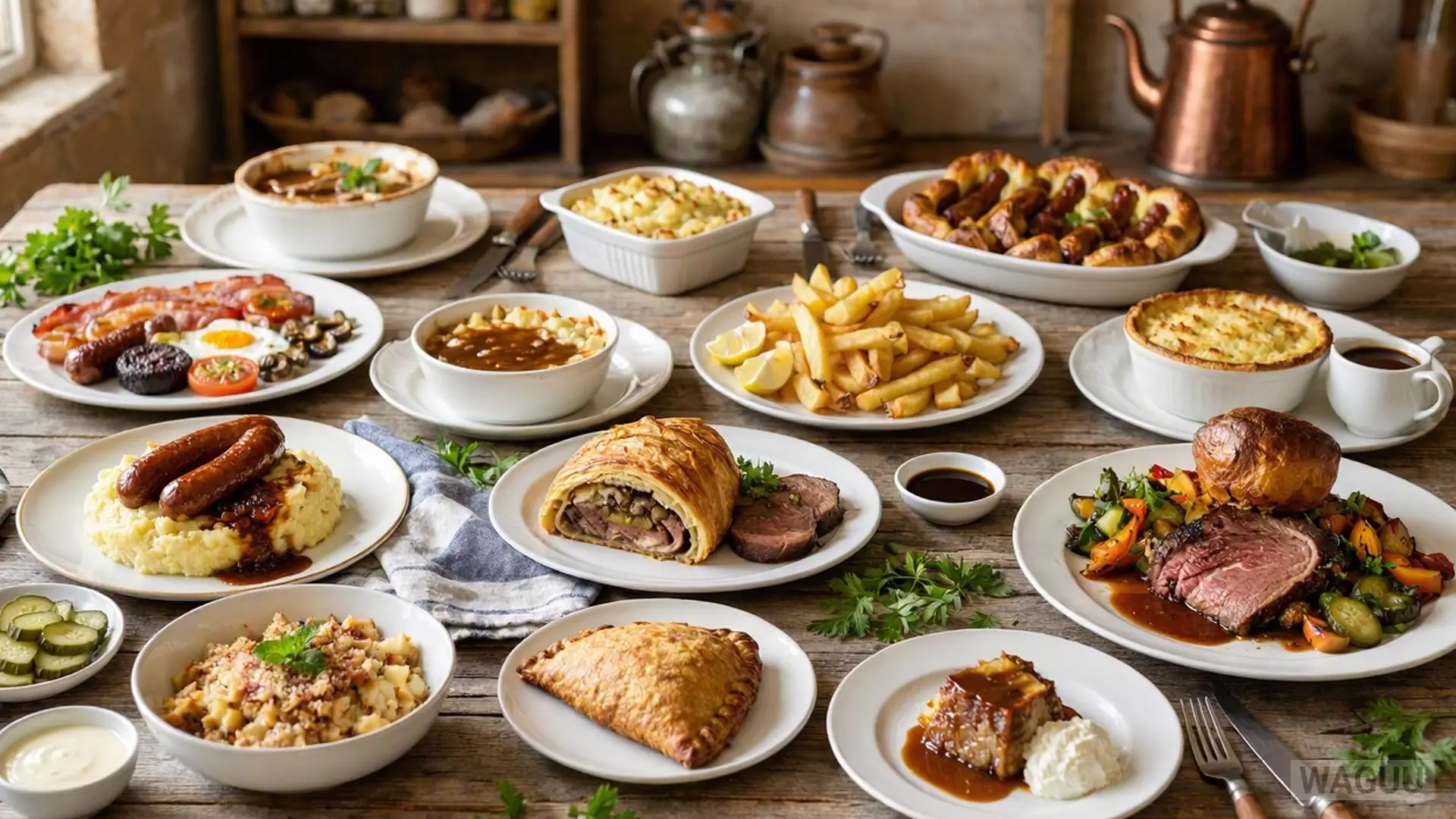
Summary: Explore the rich tradition of English cuisine with this guide to its 12 most iconic dishes. Perfect for home cooks interested in British culinary heritage, this article covers everything from hearty roasts to classic desserts, providing a comprehensive overview of techniques and flavors. Estimated reading time: 25 minutes.
Category: Articles |
Reading time: 25 minutes
Step-by-step photo gallery
Did you cook any of the variations? Share a photo in the comments below the recipe, we’d love to add it to the gallery. Did you film a video tutorial? Post a link to YouTube, YouTube Shorts, TikTok, Instagram Reels, Facebook Reels, Pinterest, Vimeo, or X (Twitter) in the comments, we’d be happy to publish it.
English cuisine is a testament to the country’s history, blending humble ingredients with hearty preparation methods to create soul-warming meals. Often misunderstood as merely plain, the traditional British kitchen offers a depth of flavor developed through slow roasting, careful pastry work, and the art of the perfect gravy. This article serves as your entry point into the world of English classics, helping you bring these timeless favorites to your own table.
Quick overview
- Topic / Dish: English Cuisine Classics
- Categories: Main Dishes, Desserts, Cuisines
- Cuisine: English / British
- Included variations: Fish and Chips, Sunday Roast with Yorkshire Pudding, Full English Breakfast, Shepherd’s Pie, Cottage Pie, Bangers and Mash, Sticky Toffee Pudding, Beef Wellington, Steak and Kidney Pie, Cornish Pasty, Toad in the Hole, Apple Crumble
- Key techniques: Roasting, Braising, Pastry Making, Batter Preparation
- Physical and chemical background: Maillard reaction, gelatinization of starches, emulsification of gravies
- Common mistakes: Overcooking meat, soggy pastry, improper batter consistency
- In a nutshell: A selection of 12 essential recipes representing the backbone of English culinary tradition.
- Last updated: September 21, 2026
WAGUU says: “English food is about comfort and quality; when you master the basics of a good roast or a proper pie, you hold the key to a timeless dining experience.”
Key facts
| Prep time: | Varies by dish |
| Cook time: | Varies by dish |
| Main ingredient: | Meat, Potatoes, Flour |
| Servings: | 6 |
| Difficulty: | Intermediate |
Procedure at a glance
- Select your recipe and gather high-quality ingredients.
- Prepare the base components, such as pastry or meat mixtures.
- Apply the specific cooking technique (roasting, frying, or baking).
- Allow the dish to rest or cool where appropriate.
- Serve with traditional accompaniments.
In a nutshell
- Heritage: English cuisine relies on local, seasonal produce and long-established cooking methods.
- Flavor Profile: Savory, hearty, and comforting, with a focus on natural meat flavors and rich textures.
- Technique: Mastery of oven roasting and pastry work is central to success.
- Versatility: Suitable for both family dinners and sophisticated gatherings.
- Consistency: The key is in the preparation of gravies and the quality of the fats used.
- Result: Satisfying, nutrient-dense meals that define British hospitality.
Who this guide is for: Beginner – Ideal for those new to English cooking looking for clear, foundational recipes. Intermediate – Great for home cooks wanting to refine their pastry and roasting techniques. Pro – A refresher on the classics that define the British culinary canon.
12 Classic English Dishes
Fish and Chips
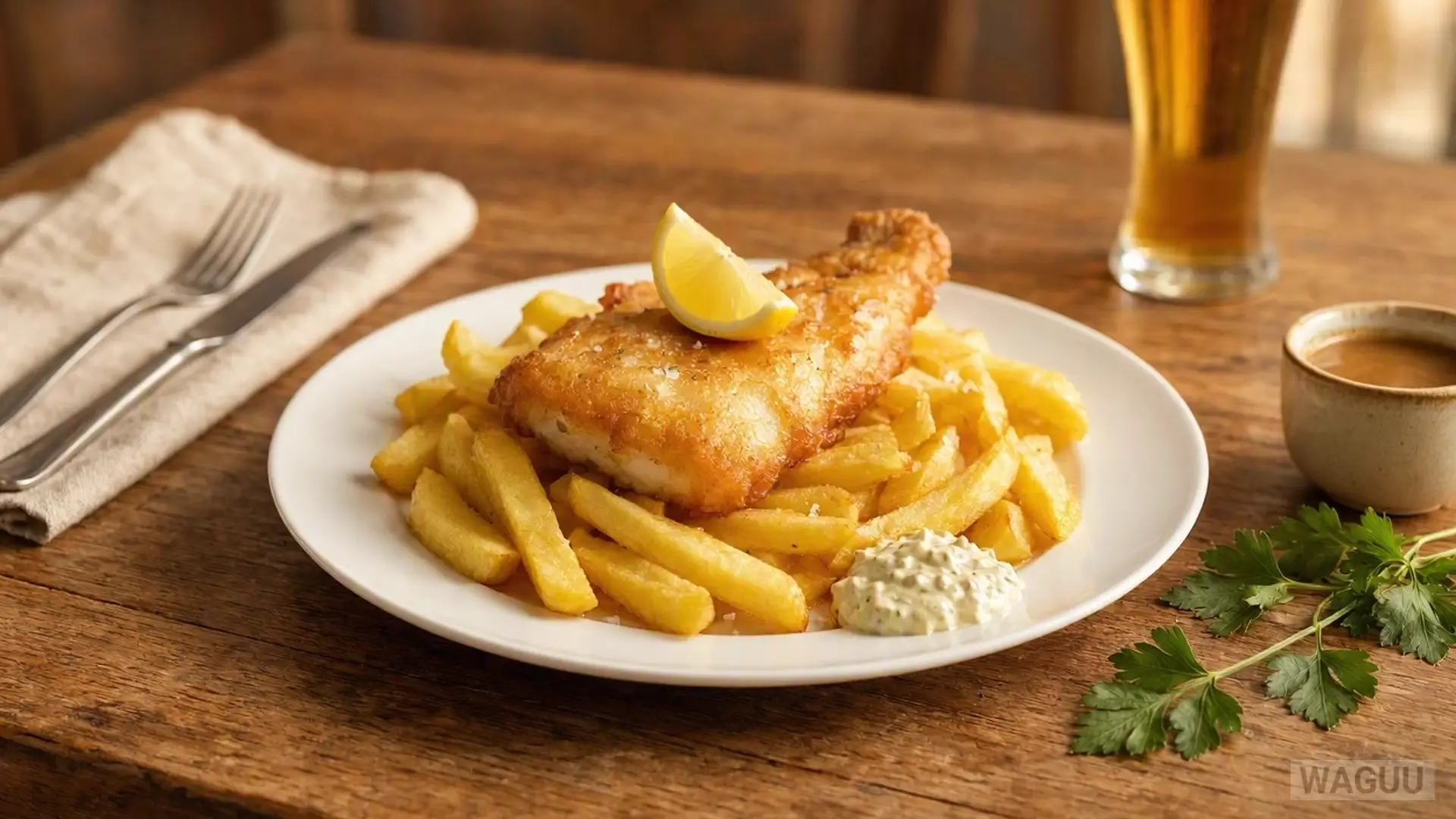
Fish and Chips is perhaps the most iconic representative of English takeaway culture. This dish relies on the stark contrast between the light, airy crunch of the beer-battered fish and the soft, fluffy interior of thick-cut fries. The secret to success lies in the temperature of the oil and the quality of the beer used in the batter, which introduces carbonation for a lighter texture. Traditionally served with mushy peas, a bright lemon wedge, and a tangy tartar sauce, it balances rich, fried flavors with acidity.
When preparing this at home, ensure the fish is patted completely dry before coating in flour and dipping into the batter. This step prevents the coating from sliding off during the fry. The beer should be cold, and the batter should be whisked just before use to maintain the bubbles that create the desired crispy crust. Serve immediately to ensure the best texture, as the steam within the fish will soften the crust if left to sit for too long.
- White fish fillets (Cod or Haddock)
- All-purpose flour
- Beer (Lager)
- Baking powder
- Russet potatoes
- Vegetable oil for frying
- Cut the potatoes into thick batons and soak in cold water.
- Whisk the flour, baking powder, and beer until a smooth batter forms.
- Pat the fish dry and dredge in flour before dipping into the batter.
- Deep-fry the fish and potatoes separately until golden and crisp.
Sunday Roast with Yorkshire Pudding
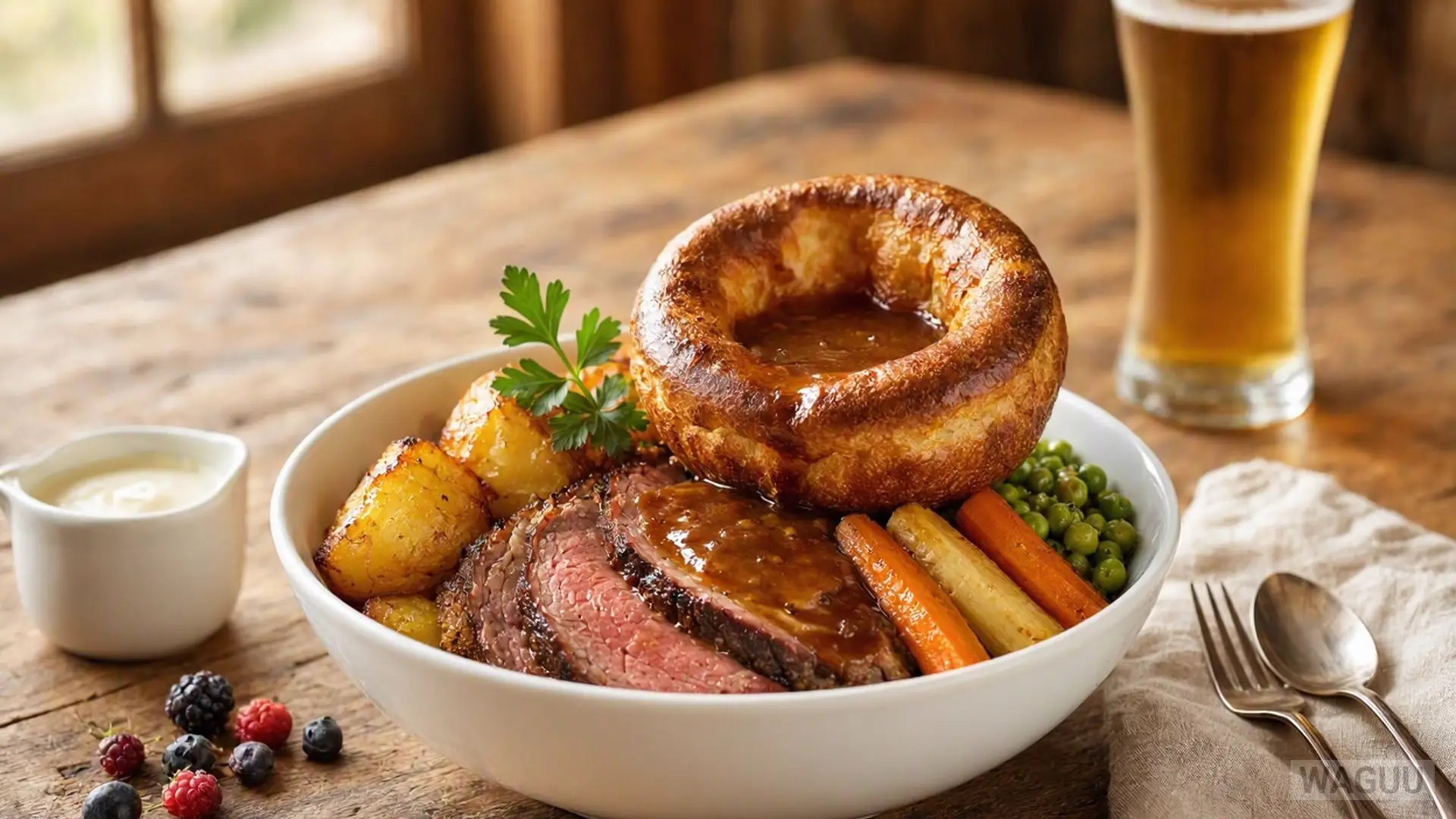
The Sunday Roast is the centerpiece of the British weekend, bringing families together for a meal centered around slow-roasted meat. Whether it is beef, pork, or chicken, the goal is succulent, tender flesh accompanied by the perfect gravy. The essential partner to this meal is the Yorkshire Pudding, a savory batter baked until it rises into a hollow, golden vessel designed to soak up the juices from the roasting pan. The combination of textures—crispy pudding, tender meat, and earthy roasted vegetables—creates a truly comforting experience.
Achieving a successful Yorkshire pudding requires the fat in the tin to be smoking hot before the batter is added. Do not open the oven door while they are rising, as this will cause them to collapse. The meat should be allowed to rest for at least 20 minutes before carving, which allows the juices to redistribute and ensures each slice is as moist as possible. Serve with a generous pour of homemade gravy made from the pan drippings.
- Beef roast (Sirloin or Rib)
- Potatoes for roasting
- Carrots and parsnips
- Beef stock
- Eggs, flour, and milk (for pudding)
- Season and roast the meat until it reaches your desired doneness.
- Roast vegetables in the same oven with a little fat.
- Prepare the Yorkshire pudding batter and let it rest.
- Bake puddings in smoking hot fat until risen and golden.
Full English Breakfast
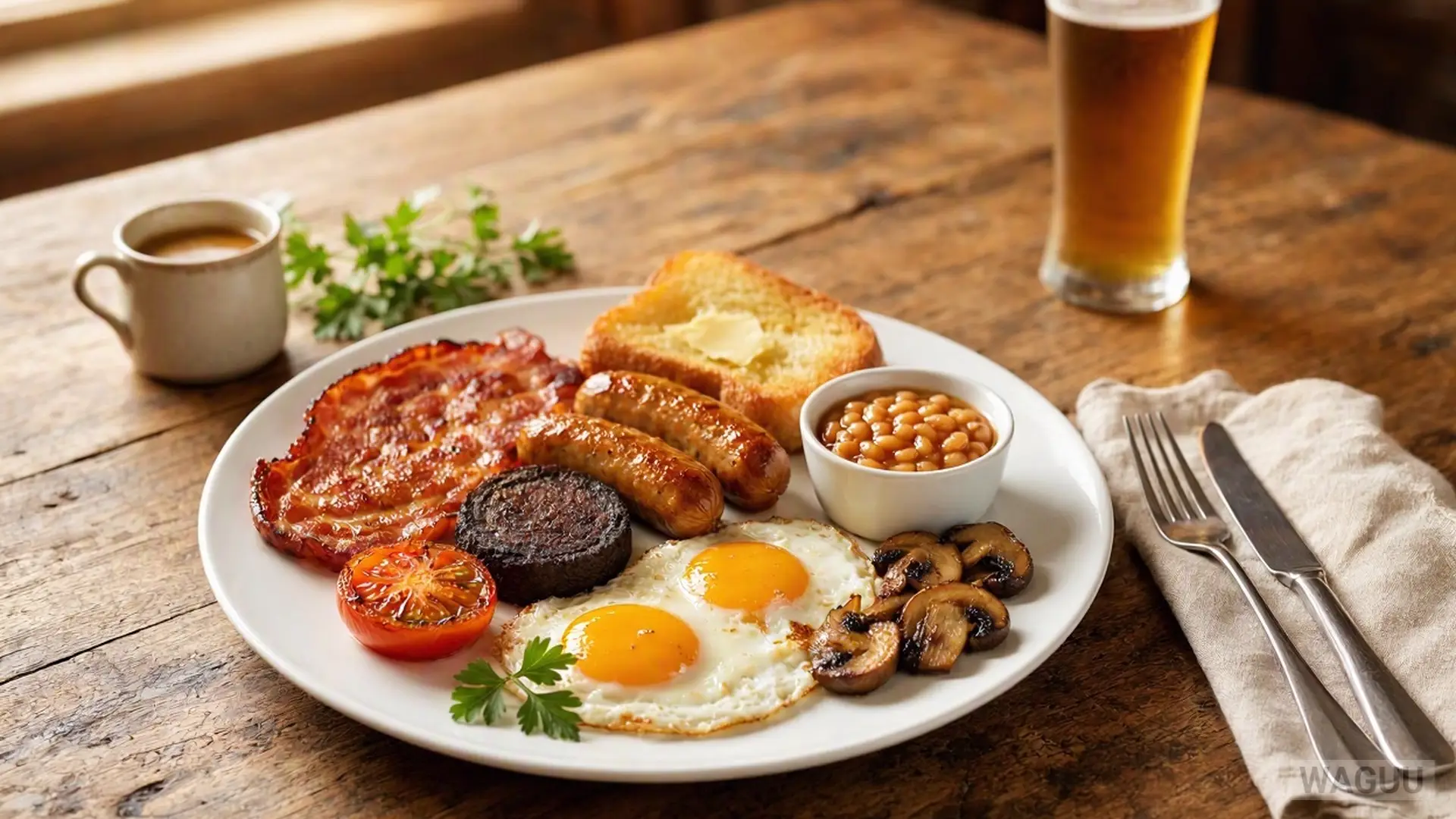
A Full English Breakfast is a substantial meal designed to provide ample energy for the day. It is an assembly of classic components, each cooked to complement the others. The salty, savory notes of the bacon and sausages are balanced by the sweetness of baked beans in tomato sauce, while the earthy mushrooms and grilled tomatoes provide necessary textural variety. A properly prepared Full English is not just about quantity; it is about the timing of the cooking process so that every component reaches the table hot and perfectly finished.
To manage the preparation, start by baking the tomatoes and mushrooms in the oven, as they take the longest. Fry the bacon and sausages in a large skillet, and use the rendered fat to toast the bread. The eggs are typically fried last so they remain warm and runny. The result is a harmonious plate that represents the ultimate in British comfort food, perfect for slow weekend mornings or a hearty start to an active day.
- Bacon rashers
- English-style pork sausages
- Eggs
- Baked beans in tomato sauce
- Button mushrooms
- Tomatoes
- Grill or fry the sausages and bacon until browned.
- Cook mushrooms and tomatoes in the oven or pan.
- Heat the baked beans in a small saucepan.
- Fry the eggs to your preference and toast the bread.
Shepherd’s Pie
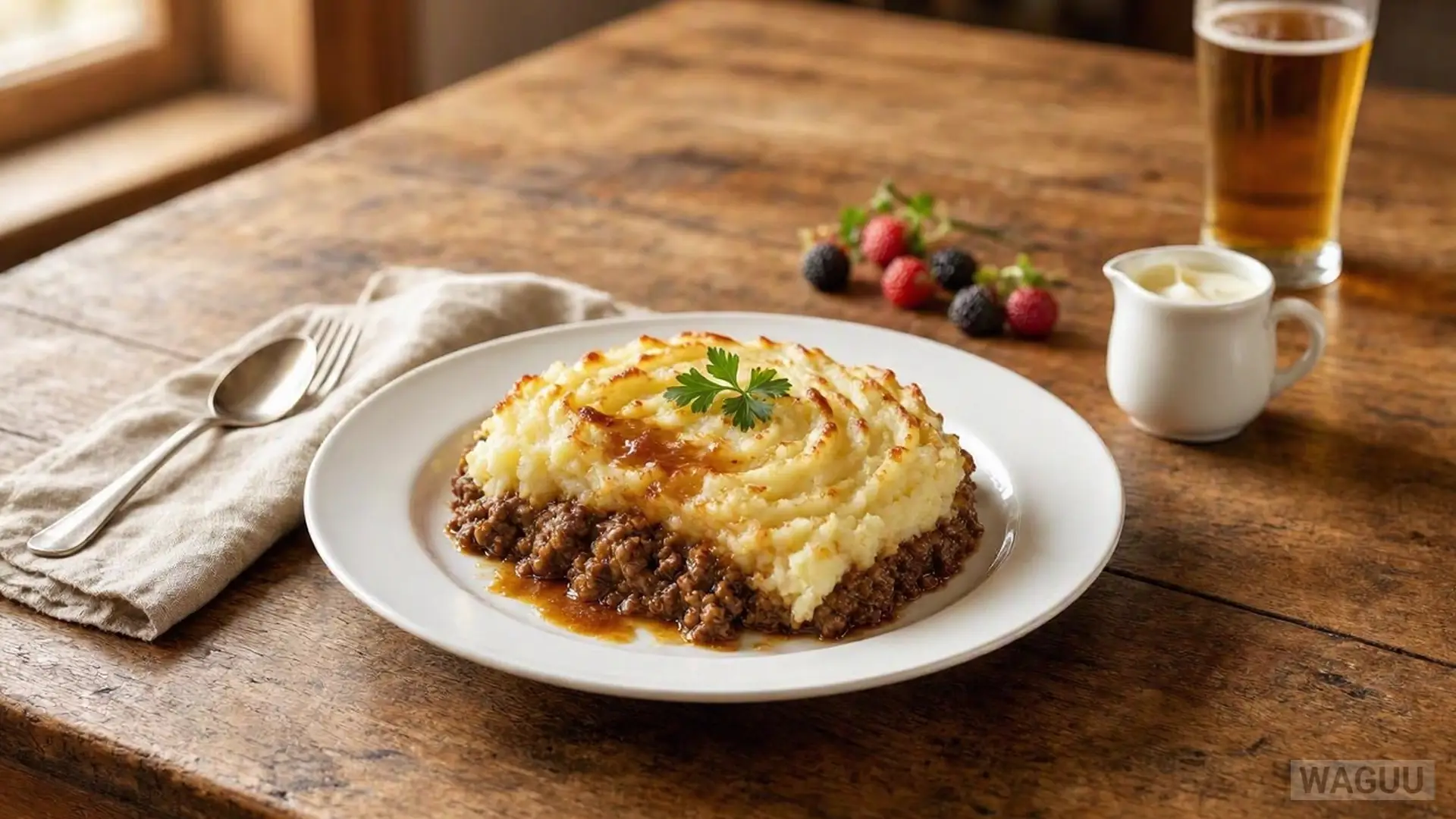
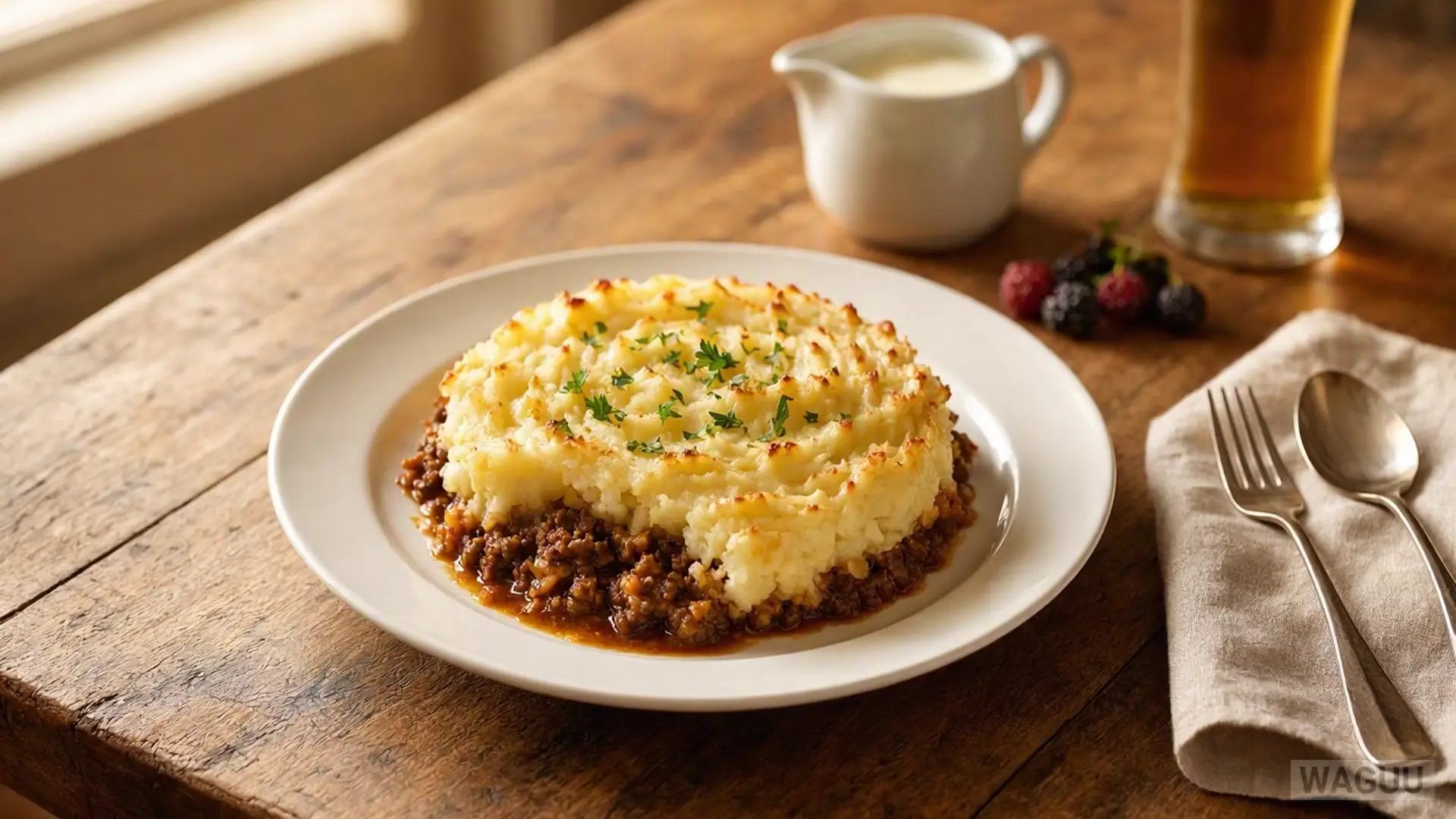
Shepherd’s Pie is a classic baked dish that highlights the versatility of minced lamb. By definition, a Shepherd’s Pie uses lamb, distinguishing it from other meat pies. The dish consists of a savory base of minced meat cooked with aromatics, vegetables, and a rich gravy, topped with a thick layer of mashed potatoes. When baked, the potato topping develops a golden, slightly crispy crust that provides a wonderful textural contrast to the soft, flavorful meat mixture underneath. It is a quintessential example of how simple ingredients can be transformed into a sophisticated, one-dish meal.
For the best results, ensure the potato topping is fluffy and buttery. You can use a fork to create ridges on the surface of the mash, which will catch the heat and brown beautifully in the oven. The meat base should be thick enough that it doesn’t run when the pie is sliced, so reduce the gravy properly before assembling. Serve hot, perhaps with a side of steamed greens to cut through the richness of the meat.
- Minced lamb
- Onion, carrots, and peas
- Beef or lamb stock
- Potatoes for mashing
- Butter and milk
- Sauté the lamb and vegetables, then add stock to create a thick gravy.
- Boil and mash the potatoes with butter and milk.
- Spread the meat mixture into a baking dish and top with mashed potatoes.
- Bake until the potato topping is golden brown.
Cottage Pie
Cottage Pie is the beef-based sibling of the Shepherd’s Pie. While the structure is identical, the flavor profile is distinct due to the use of ground beef, which has a richer, deeper character. This dish is a staple of English home cooking, valued for its ability to feed a crowd and its reliance on pantry and fridge staples. The combination of beef, onions, carrots, and a savory gravy topped with creamy mashed potatoes is comfort food in its purest form, providing warmth and satisfaction during cooler months.
When making Cottage Pie, consider adding a splash of Worcestershire sauce or a spoonful of tomato paste to the meat mixture to deepen the umami profile. The potatoes can be enriched with a little grated sharp cheddar cheese if you want an extra layer of flavor and a more pronounced crust. Always let the pie rest for a few minutes after removing it from the oven to ensure it holds its shape when served on individual plates.
- Ground beef
- Onion and carrots
- Beef broth
- Potatoes
- Worcestershire sauce
- Brown the ground beef with onions and carrots in a pan.
- Stir in broth and seasonings, simmering until thick.
- Transfer the meat to a casserole dish and cover with mashed potatoes.
- Bake in the oven until the top is golden and the filling is bubbling.
Bangers and Mash
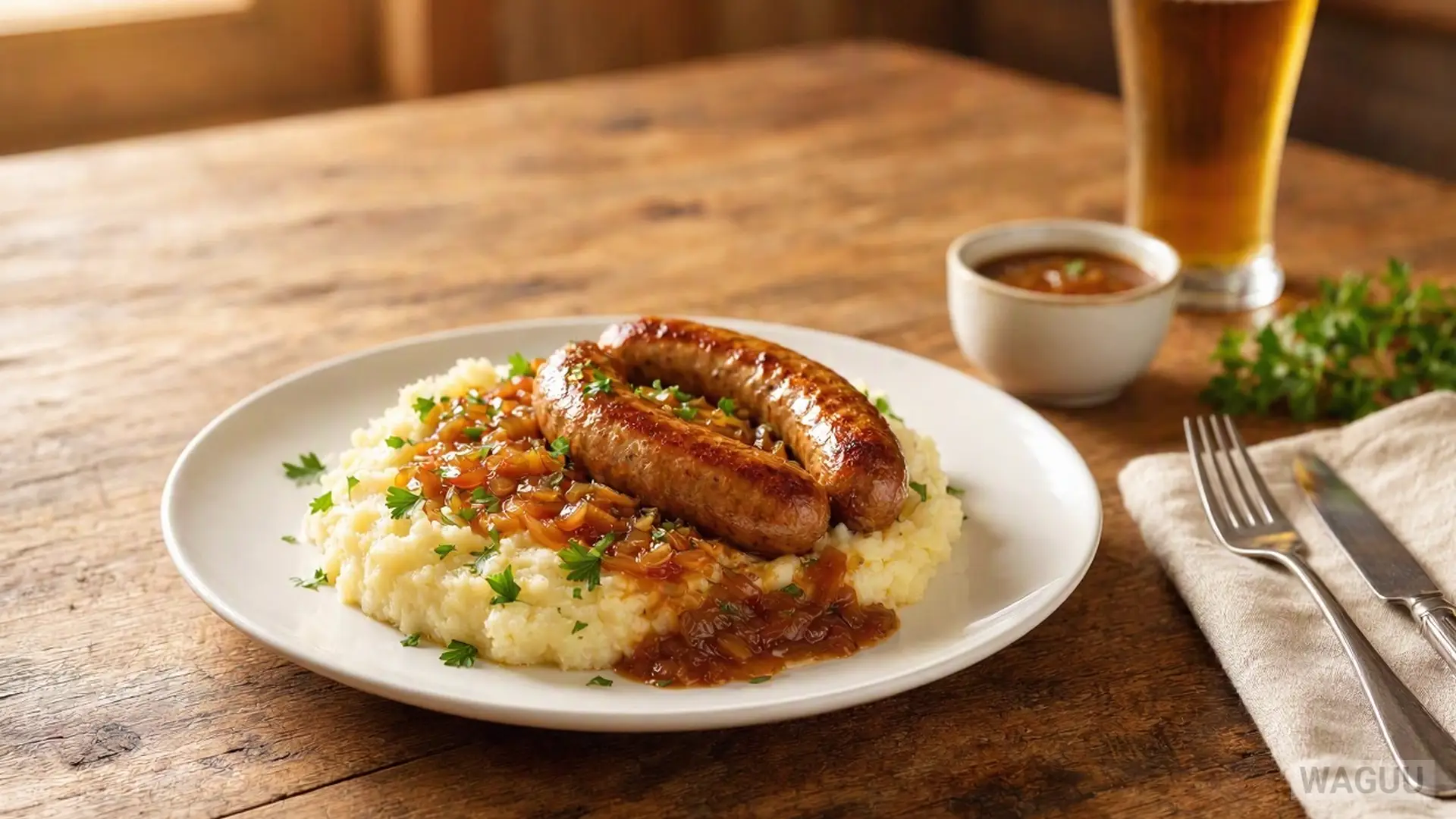
Bangers and Mash is a beloved English classic that celebrates the combination of high-quality sausages and creamy mashed potatoes, united by a rich onion gravy. The term “bangers” originates from the tendency of the sausages to pop or “bang” during cooking if the skins are not pricked. This dish is straightforward but relies on the quality of its components: the sausages should be well-seasoned, the potatoes should be smooth and buttery, and the gravy should be deep, savory, and plentiful. It is a perfect example of uncomplicated, hearty cooking.
To elevate this dish, take the time to caramelize the onions slowly for the gravy; this adds a natural sweetness that balances the saltiness of the sausages. Use a variety of potato that mashes well, such as Yukon Gold, and ensure they are whipped with plenty of warm milk and butter. The result is a dish that is deeply satisfying and consistently popular, often served with a side of peas or roasted root vegetables to complete the plate.
- Pork sausages
- Potatoes
- Onions
- Beef stock
- Butter
- Fry the sausages until golden and cooked through.
- Boil and mash the potatoes with butter.
- Caramelize onions and add stock to create a rich gravy.
- Serve the sausages over the mash, smothered in onion gravy.
Sticky Toffee Pudding
Sticky Toffee Pudding is a decadent British dessert that features a moist sponge cake made with finely chopped dates, which are then covered in a rich, dark toffee sauce. Despite the name, it is a cake rather than a pudding in the traditional sense. The dates provide a natural, molasses-like sweetness and a dense, moist texture that pairs perfectly with the buttery, caramel-like sauce. Served warm, usually with a scoop of vanilla ice cream or a dollop of whipped cream, it is the ultimate comfort dessert for cold evenings.
The key to a great Sticky Toffee Pudding is not to overmix the batter, which keeps the sponge light despite the density of the dates. The toffee sauce should be poured over the cake while both are still warm, allowing the liquid to seep into the sponge and create that characteristic “sticky” quality. This dessert is a favorite for special occasions and dinner parties, as it can be prepared in advance and warmed up just before serving.
- Medjool dates
- All-purpose flour
- Brown sugar
- Butter
- Heavy cream
- Chop and soften dates, then fold into the cake batter.
- Bake the sponge until set and springy.
- Simmer butter, sugar, and cream to make the toffee sauce.
- Pour the sauce over the warm cake and serve immediately.
Beef Wellington
Beef Wellington is the pinnacle of English culinary elegance, consisting of a tender beef fillet coated with mushroom duxelles, wrapped in puff pastry, and baked until golden. The mushroom duxelles—a finely chopped mixture of mushrooms, shallots, and herbs—adds an earthy depth that complements the flavor of the beef. The puff pastry provides a buttery, crisp shell that protects the meat during the baking process, ensuring it stays juicy and tender. It is a show-stopping dish often reserved for celebrations and festive dinners.
The technical challenge of Beef Wellington is preventing the pastry from becoming soggy. This is managed by reducing the mushroom duxelles completely to remove all moisture and allowing the seared beef to cool before wrapping. Chilling the assembled Wellington before baking helps the pastry hold its shape and ensures it puffs up beautifully in the oven. When sliced, it reveals a beautiful cross-section that is as visually impressive as it is delicious.
- Beef tenderloin
- Mushrooms and shallots
- Puff pastry
- Prosciutto (optional)
- Egg wash
- Sear the beef and coat it with the mushroom duxelles.
- Wrap the beef in prosciutto and then in the puff pastry.
- Brush with egg wash and chill before baking.
- Bake until the pastry is golden and the beef reaches desired doneness.
Steak and Kidney Pie
Steak and Kidney Pie is a traditional English meat pie that showcases a robust combination of beef and kidneys, simmered in a thick, savory gravy and encased in shortcrust pastry. The kidneys add a distinct, mineral-rich depth of flavor that is highly prized by fans of traditional British cooking. The slow cooking process tenderizes the meat, while the pastry absorbs the rich juices, creating a harmonious balance of textures. It is a hearty, filling dish that has been a staple in pubs and homes across England for generations.
For a successful pie, the beef and kidneys should be cut into uniform, bite-sized pieces and browned thoroughly before simmering. The gravy must be reduced to a thick consistency to prevent the bottom of the pastry from becoming soggy. Using high-quality butter for the shortcrust pastry ensures a crisp, crumbly texture that contrasts beautifully with the tender, saucy filling. Serve with mashed potatoes or steamed seasonal vegetables for a complete meal.
- Beef chuck
- Beef or lamb kidneys
- Beef stock
- Shortcrust pastry
- Onions
- Brown the beef and kidney pieces, then simmer with onions and stock.
- Transfer the mixture to a pie dish and let it cool.
- Cover with shortcrust pastry and crimp the edges.
- Bake until the pastry is crisp and the filling is bubbling.
Cornish Pasty
The Cornish Pasty is a portable, baked pastry pocket originating from Cornwall, traditionally filled with a mixture of beef, potatoes, rutabaga (swede), and onions. Originally created for miners, the pasty was designed to be a complete, self-contained meal that could be held by its thick, crimped crust—which was then discarded to avoid eating with dirty hands. The slow-cooking of the filling inside the pastry allows the flavors to meld perfectly, creating a juicy, savory interior that is protected by the sturdy, golden crust.
To make an authentic Cornish Pasty, the vegetables and beef should be diced into small, even cubes so they cook through at the same rate. Seasoning is simple but essential—plenty of salt and black pepper is key. The dough should be robust enough to hold the filling without breaking, yet tender enough to be enjoyable. Once baked, the pasty is a perfect, convenient meal that tastes just as good cold as it does hot.
- Beef skirt or chuck
- Potatoes
- Rutabaga (swede)
- Onions
- Pastry dough
- Dice the meat and vegetables into small, uniform cubes.
- Roll out the pastry and add the filling in the center.
- Fold over and crimp the edges to seal the pocket.
- Bake until the crust is golden brown and the filling is tender.
Toad in the Hole
Toad in the Hole is a playful English dish consisting of sausages baked into a fluffy Yorkshire pudding batter. The “toads” are the sausages peeking out from the “hole” of the risen batter. It is a fantastic example of using simple, affordable ingredients to create a visually interesting and deeply comforting meal. The batter puffs up around the sausages, absorbing their savory drippings and becoming crisp on the outside while remaining soft and airy on the inside. It is traditionally served with a rich onion gravy and steamed vegetables.
The success of this dish depends on the temperature of the fat—it must be smoking hot before the batter is poured in. This ensures an immediate rise and a crisp exterior. Use high-quality sausages for the best flavor, as they are the star of the dish. Toad in the Hole is an excellent midweek meal that is simple to prepare but always feels like a treat when served hot from the oven.
- Pork sausages
- Eggs
- All-purpose flour
- Milk
- Vegetable oil
- Brown the sausages in a baking dish with oil.
- Whisk the eggs, flour, and milk into a smooth batter.
- Pour the batter over the hot sausages.
- Bake until the batter has risen and turned golden brown.
Apple Crumble
Apple Crumble is a quintessential English dessert that pairs the tartness of baked apples with a crunchy, buttery crumb topping. It is the perfect balance of textures and flavors, with the soft, spiced fruit base contrasting beautifully against the crisp, sandy topping. Often served warm with a scoop of vanilla ice cream, a pour of cold custard, or a dollop of whipped cream, it is a simple yet incredibly satisfying way to end a meal. It is a dish that highlights seasonal produce and requires minimal effort for maximum reward.
To ensure the best crumble, rub the butter into the flour and sugar until the mixture resembles coarse breadcrumbs. Do not overwork it, as you want to maintain the distinct, crunchy clumps. The apples should be sliced thinly so they cook through and become tender by the time the topping is golden. A hint of cinnamon or nutmeg in the fruit base adds a warm, aromatic note that is classic for this dish, making it a favorite in homes year-round.
- Apples (Granny Smith or similar)
- All-purpose flour
- Butter
- Brown sugar
- Cinnamon
- Peel and slice the apples, tossing with sugar and cinnamon.
- Rub butter into flour and sugar to create a crumbly topping.
- Scatter the topping over the apples in a baking dish.
- Bake until the topping is golden and the fruit is bubbling.
Culinary Essentials
Mastering English cuisine often comes down to understanding how to handle fat, meat, and starch. Whether you are creating a rich gravy for your Sunday Roast or ensuring your pastry for a Cornish Pasty is perfectly crisp, these foundational skills are what elevate home cooking. Below is a look at the key elements that define these dishes.
| Component | Purpose |
|---|---|
| Gravy | Provides moisture and umami depth. |
| Pastry | Adds texture and structural integrity. |
| Root Vegetables | Offer earthy sweetness and bulk. |
WAGUU Pro Tip: For any dish involving gravy, use a splash of balsamic vinegar or a teaspoon of redcurrant jelly to cut through the richness and add a professional-level balance of acidity.
Frequently asked questions
Can I prepare these dishes in advance?
Yes, many of these dishes, especially pies and stews, can be prepared ahead of time and reheated. Pastry-based dishes are best assembled ahead and baked fresh for optimal texture.
What is the best way to ensure crispy pastry?
Keep all ingredients cold, handle the dough as little as possible, and ensure the oven is at the correct temperature before placing the dish inside.
Are there vegetarian versions of these recipes?
Yes, many can be adapted by using meat substitutes or increasing the volume of root vegetables, mushrooms, and legumes.
How do I avoid soggy bottoms in meat pies?
Ensure the meat filling is fully cooled before adding the pastry, and use a preheated baking sheet to provide immediate heat to the base.
Also known as: British Classics, Traditional English Fare, Pub Food Favorites
Author: WAGUU Petr & Team • Published: 21 Sep 2026 • Updated: 29 Oct 2026
Conclusion
English cuisine offers a wealth of recipes that are deeply rooted in history and focused on comfort. By mastering these 12 dishes, you gain insight into the fundamental techniques that make British food so enduring. Whether you are baking a pie or roasting a joint of meat, these recipes provide a reliable foundation for your culinary journey.
Choose your recipe
Explore our detailed guides for each of these classic English dishes below.
Fish and Chips – Crispy beer-battered fish served with classic chips.
Sunday Roast with Yorkshire Pudding – A traditional weekend roast with crispy puddings.
Full English Breakfast – A hearty start with eggs, bacon, and beans.
Shepherd’s Pie – Savory lamb mince topped with golden mash.
Cottage Pie – Classic beef pie with a mashed potato crown.
Bangers and Mash – Savory sausages with creamy mash and gravy.
Sticky Toffee Pudding – A rich date sponge with caramel sauce.
Beef Wellington – Elegant beef fillet in buttery pastry.
Steak and Kidney Pie – Traditional meat pie with savory pastry.
Cornish Pasty – A portable pastry filled with meat and vegetables.
Toad in the Hole – Sausages baked in fluffy Yorkshire pudding batter.
Apple Crumble – Baked fruit with a crispy, buttery topping.
Other possible variations
Beer-Battered Cod with Tartar Sauce
This variation focuses on using specifically cod, which offers a slightly firmer flake than haddock. It is ideal for those who prefer a milder flavor profile and a cleaner finish.
Herbed Lemon-Roasted Chicken
Instead of beef, this variation uses a whole roasted chicken with fresh herbs. It is lighter and often preferred for a less heavy Sunday roast.
Vegetarian Full English Breakfast
Replaces bacon and sausages with high-quality plant-based alternatives and grilled portobello mushrooms. It is a great option for health-conscious diners.
Shepherd’s Pie with Sweet Potato Mash
Uses mashed sweet potatoes instead of regular potatoes for a slightly sweeter finish. This adds extra fiber and a vibrant color.
Cottage Pie with Cheddar Topping
Adds a generous layer of sharp cheddar to the potato topping before baking. This creates a deeply savory and crispy crust.
Bangers and Mash with Leek Gravy
Features a gravy made with sautéed leeks instead of onions for a milder, more delicate flavor. It pairs beautifully with herb-infused sausages.
Sticky Toffee Pudding with Pecans
Adds toasted pecans to the batter for extra crunch. It is perfect for those who enjoy a bit of texture in their desserts.
Mushroom Wellington
A vegetarian version using a whole roasted portobello mushroom. It maintains the elegance of the original while being entirely meat-free.
Steak and Ale Pie
Substitutes the kidneys for a dark, malty ale. This creates a rich, deep gravy that appeals to those who prefer classic beef flavors.
Vegetable Cornish Pasty
Packed with carrots, peas, potatoes, and rutabaga. It is a fantastic option for a quick, plant-based lunch.
Toad in the Hole with Caramelized Onions
Adds a layer of caramelized onions to the base of the dish before adding the batter. It enhances the sweetness of the sausages.
Apple and Blackberry Crumble
Combines apples with fresh blackberries for a tart, colorful twist. The berries add a nice acidity that balances the sugar.
Fish and Chips with Mushy Peas
Focuses on the traditional side of minted mushy peas. It is a classic pairing that offers a vibrant, refreshing contrast to fried fish.
Sunday Roast with Roasted Potatoes
Emphasizes extra-crispy potatoes roasted in beef fat. Ideal for those who prioritize the side dishes above all else.
Full English with Fried Bread
Uses fried bread instead of toast for an indulgent, traditional touch. It is a classic method that adds richness.
Shepherd’s Pie with Lamb Shank
Uses shredded lamb shank for a more refined, meat-heavy texture. Perfect for a more upscale take on the classic.
Cottage Pie with Cauliflower Mash
Replaces potato mash with cauliflower mash for a lower-carb option. It is light and surprisingly flavorful.
Bangers and Mash with Mustard Gravy
Adds a spoonful of English mustard to the onion gravy for a sharp, tangy kick. Excellent for those who enjoy heat.
Sticky Toffee Pudding with Sea Salt
Adds a pinch of sea salt to the toffee sauce to balance the sweetness. It is a modern touch that works exceptionally well.
Beef Wellington with Mustard Coating
Coats the beef in Dijon mustard before wrapping in prosciutto. This adds a sharp flavor that cuts through the richness of the pastry.
Steak and Kidney Pie with Stout
Uses a rich stout in the gravy for a deeper, more complex flavor. It is a fantastic way to elevate a traditional pie.
Cornish Pasty with Spicy Filling
Adds chili flakes or jalapeños to the filling for a bit of heat. A modern twist on a classic portable meal.
Toad in the Hole with Herbs
Adds fresh rosemary and thyme to the batter for extra aroma. It pairs perfectly with the savory sausages.
Apple Crumble with Oats
Adds rolled oats to the crumble topping for extra crunch and nuttiness. It is a popular variation that provides great texture.
Know another variation? Add your own suggestion below.
Missing a recipe?
Tell us what recipe you would like us to add. We will do our best to publish it soon!
Frequently asked questions about other variations
- Are these variations suitable for beginners? Yes, most are simple adjustments to the core recipes.
- Can I swap the protein in the pies? Yes, you can use any minced or cubed meat you prefer.
- What if I don’t have ale for the gravy? You can substitute with beef or vegetable stock.
- Is it necessary to use specific apples? Not strictly, but firm apples hold their shape better.
- Can I make these gluten-free? Yes, by using gluten-free flour and pastry alternatives.
- Are these variations traditional? Some are, while others offer modern twists on classic themes.
- How do I store leftovers? Most of these dishes store well in the fridge for up to three days.
- Can I bake these in individual portions? Absolutely, individual ramekins are perfect for pies and puddings.