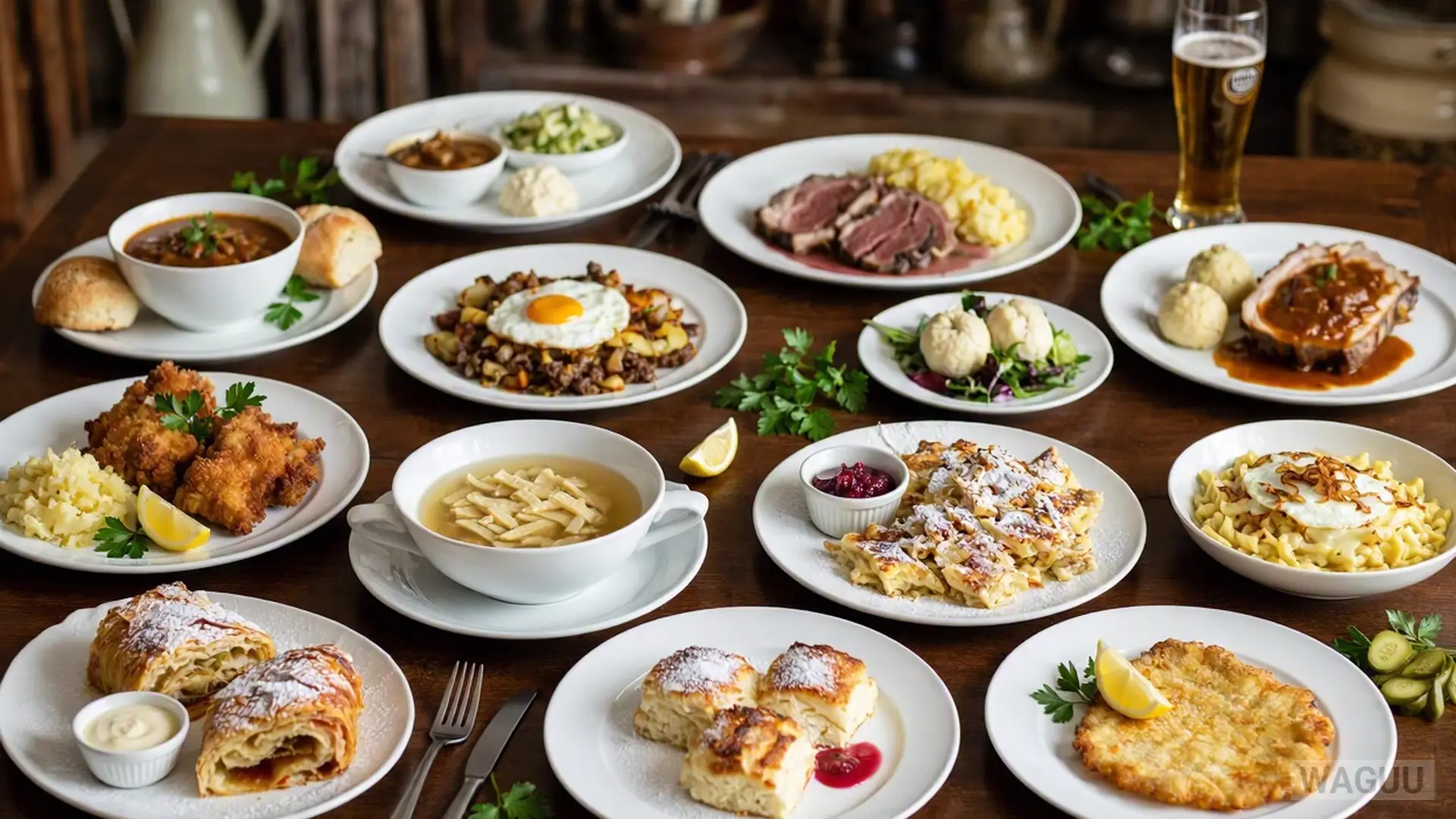
Summary: Explore the rich culinary heritage of Austria through twelve iconic recipes that define the nation’s gastronomic landscape. This comprehensive guide provides home cooks with the techniques, history, and flavor profiles needed to recreate these classics, from hearty meat dishes to delicate desserts. Expect a deep dive into traditional preparation methods, perfect for anyone looking to master the art of Alpine cuisine in approximately 60 minutes of reading time.
Category: Articles |
Reading time: 60 minutes
Step-by-step photo gallery
Did you cook any of the variations? Share a photo in the comments below the recipe, we’d love to add it to the gallery. Did you film a video tutorial? Post a link to YouTube, YouTube Shorts, TikTok, Instagram Reels, Facebook Reels, Pinterest, Vimeo, or X (Twitter) in the comments, we’d be happy to publish it.
Austrian cuisine is a fascinating tapestry of flavors, reflecting the historical influence of the former Austro-Hungarian Empire. From the refined dining rooms of Vienna to the rustic mountain huts of the Tyrol, these twelve dishes represent the heart and soul of Austrian cooking, emphasizing high-quality ingredients and timeless techniques.
Quick overview
- Topic / Dish: 12 Most Popular Austrian Dishes
- Categories: Articles
- Cuisine: Austrian
- Included variations: Wiener Schnitzel, Tafelspitz, Wiener Gulasch, Tiroler Gröstl, Käsespätzle, Backhendl, Schweinsbraten mit Knödeln, Frittatensuppe, Kaspressknödel, Salzburger Nockerl, Apfelstrudel, Kaiserschmarrn
- Key techniques: Braising, pan-frying, breading, soufflé preparation, dough stretching
- Physical and chemical background: Maillard reaction for meat, gelatin hydrolysis in broths, protein coagulation in egg dishes
- Common mistakes: Overcrowding the pan, improper oil temperature, rushing the slow-cooking process
- In a nutshell: A celebration of traditional Austrian staples that balance comfort, texture, and depth of flavor.
- Last updated: September 21, 2026
WAGUU says: “Austrian cooking is about patience and precision; it turns humble ingredients like potatoes, flour, and beef into culinary masterpieces.”
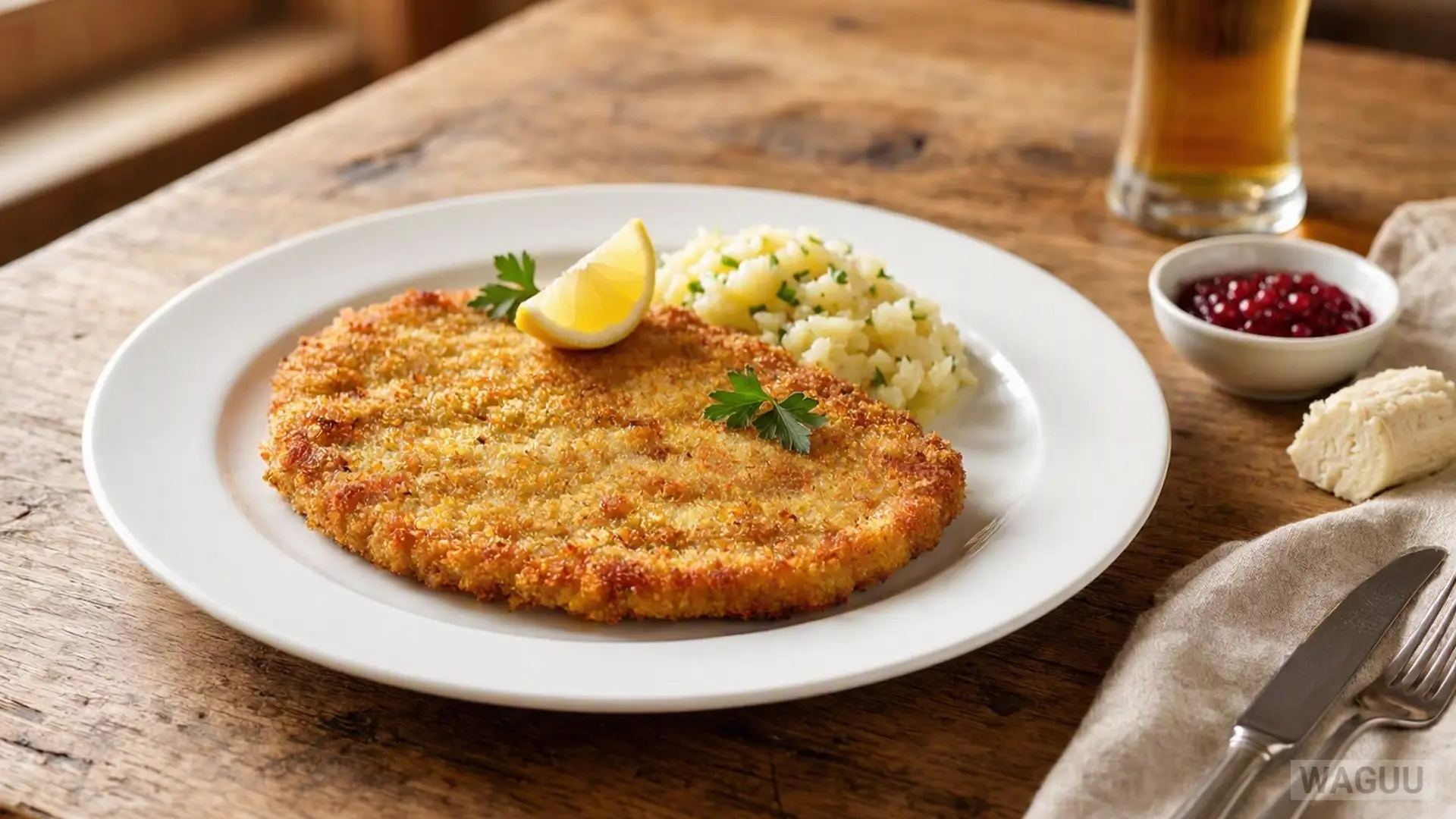
Wiener Schnitzel
The Wiener Schnitzel is perhaps the most famous culinary export from Austria. This dish consists of a thin, tenderized veal cutlet that is lightly breaded and fried until it reaches a beautiful golden-brown hue. The secret lies in the quality of the veal and the technique used to pound it to a uniform thickness, ensuring even cooking. When prepared correctly, the breading puffs up slightly, creating a crisp, airy crust that contrasts perfectly with the succulent meat inside.
Traditionally served with a simple lemon wedge and a side of potato salad or parsley potatoes, the Wiener Schnitzel is a testament to the idea that simplicity, when executed with perfection, is the height of sophistication. It remains a staple in Viennese households and restaurants alike, celebrated for its satisfying crunch and delicate flavor profile.
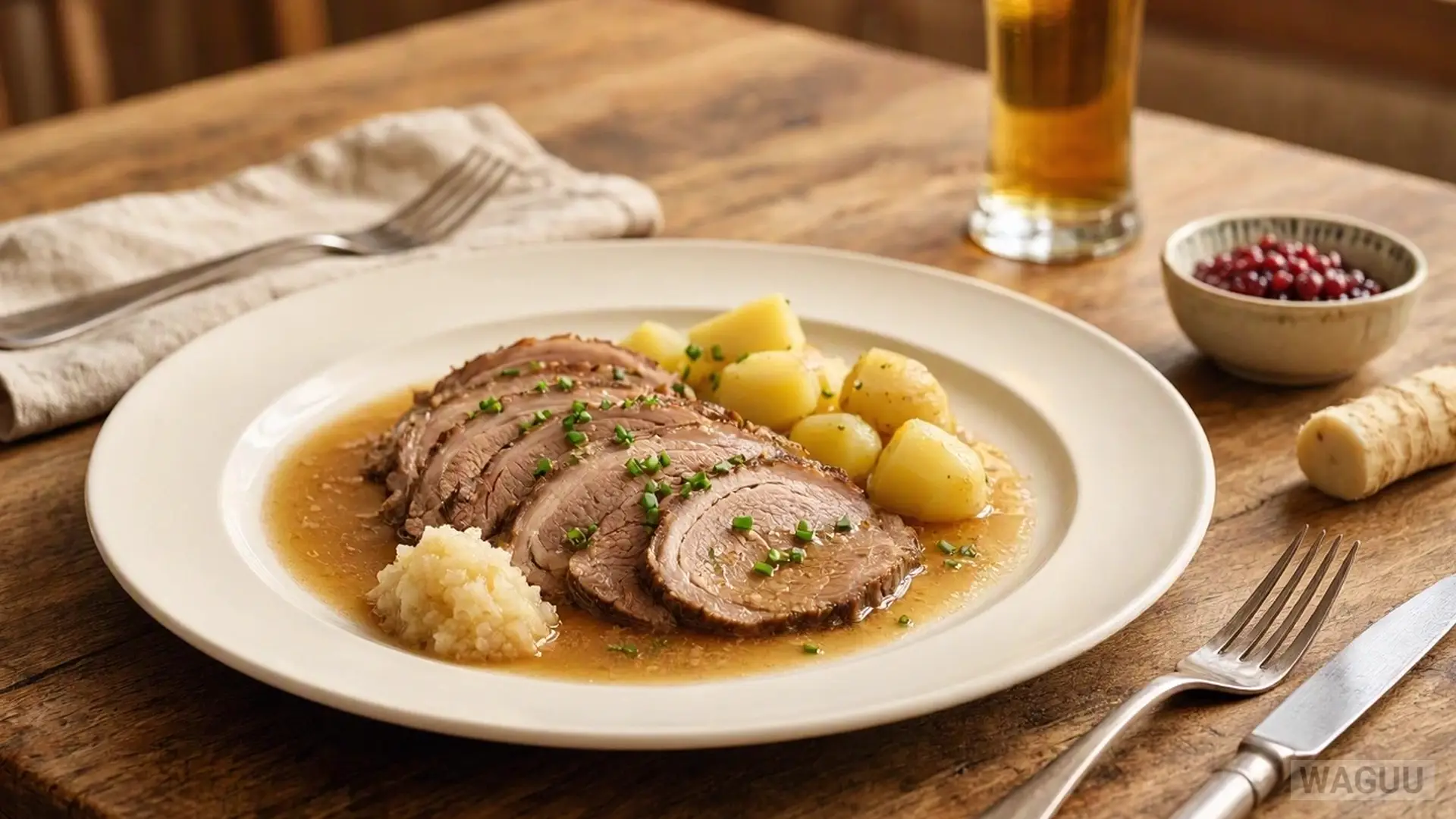
Tafelspitz
Tafelspitz is an elegant, slow-cooked beef dish that showcases the brilliance of Austrian soup culture. The beef, specifically the rump cut, is simmered for hours in an aromatic broth filled with fresh root vegetables until it becomes incredibly tender. The clarity of the broth is a point of pride, often served as a starter, while the meat itself is the main attraction, prized for its subtle, clean taste.
To elevate the experience, Tafelspitz is served with a trio of classic accompaniments: a sharp apple-horseradish sauce, a creamy chive sauce, and crispy roasted or boiled potatoes. This dish is not merely a meal; it is a ritual, reflecting the slow-paced, refined dining traditions of the Habsburg era.
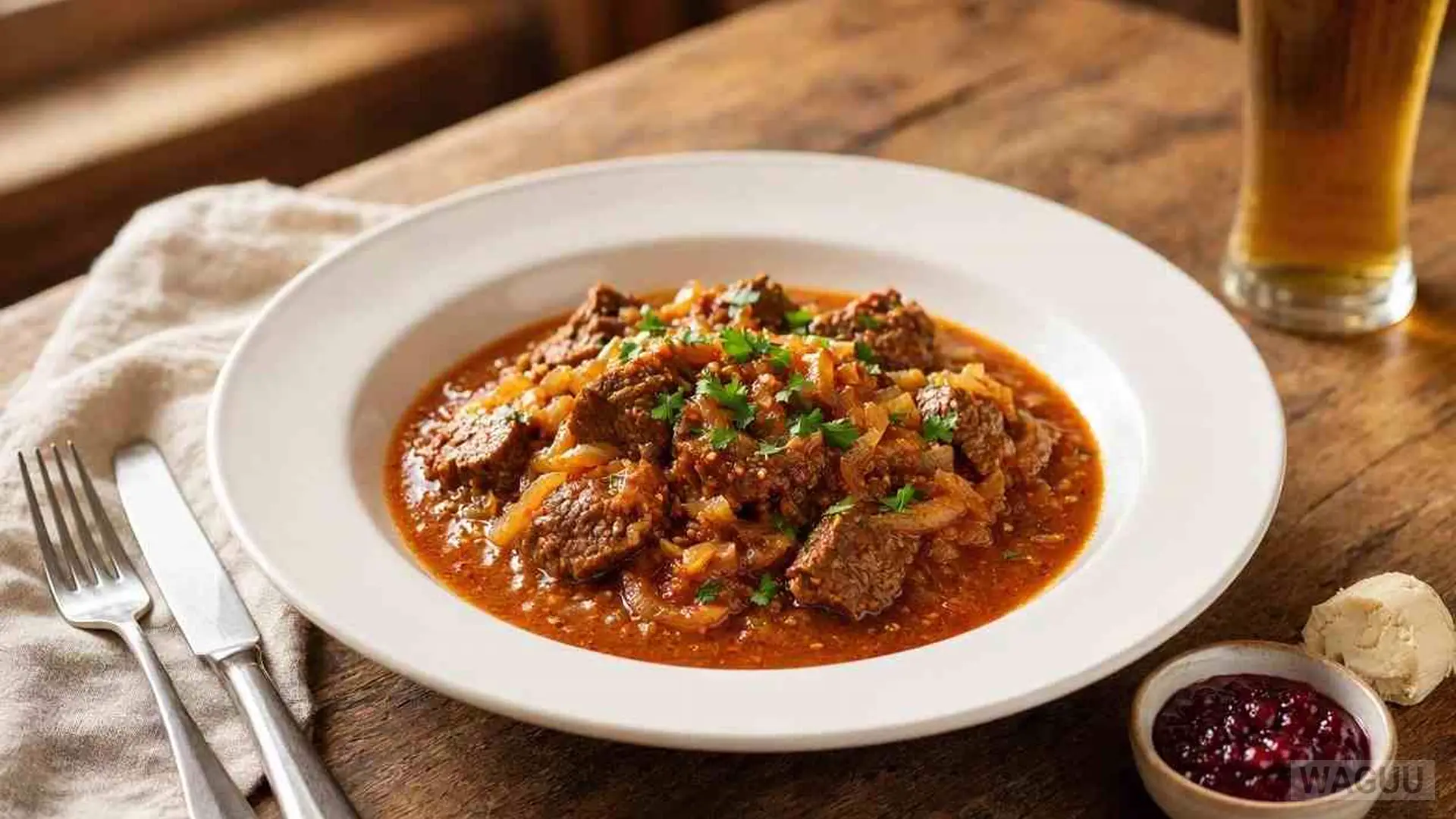
Wiener Gulasch
Wiener Gulasch is a hearty, onion-rich beef stew that has become deeply embedded in the Austrian diet. Unlike some versions of goulash that feature a variety of vegetables, the Viennese style focuses heavily on beef and a massive quantity of onions. These onions are braised down until they essentially dissolve into the sauce, creating a thick, dark, and flavorful gravy that is seasoned with high-quality sweet paprika and various spices.
The beauty of this dish is that it improves with time; the flavors meld together, resulting in a rich, comforting meal that is perfect for cold Alpine evenings. It is typically served with bread or dumplings, providing the perfect vehicle to soak up every last drop of the savory sauce.
Tiroler Gröstl
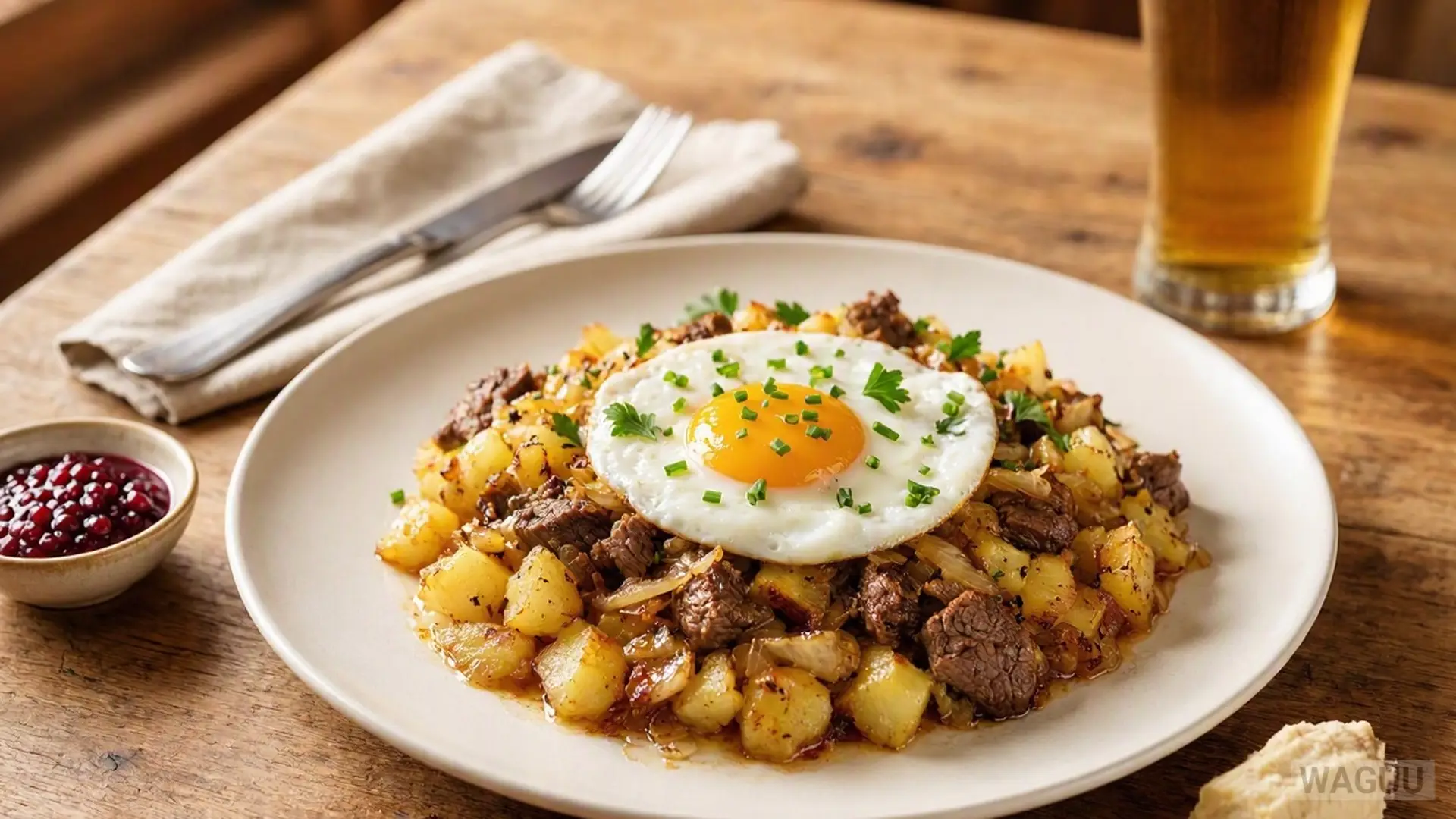
Originating from the mountainous Tyrol region, Tiroler Gröstl is a masterclass in rustic, resourceful cooking. It is a one-pan wonder made by frying diced potatoes with onions and leftover meat—traditionally a mix of pork or beef. The dish is cooked until the potatoes are crispy and golden, absorbing the fat and juices from the meat.
Often topped with a perfectly fried egg and a sprinkle of fresh marjoram, this dish is the ultimate “comfort food.” It embodies the spirit of mountain life, where hearty, filling meals are necessary to fuel long days of activity in the fresh air, and nothing is allowed to go to waste.
Käsespätzle
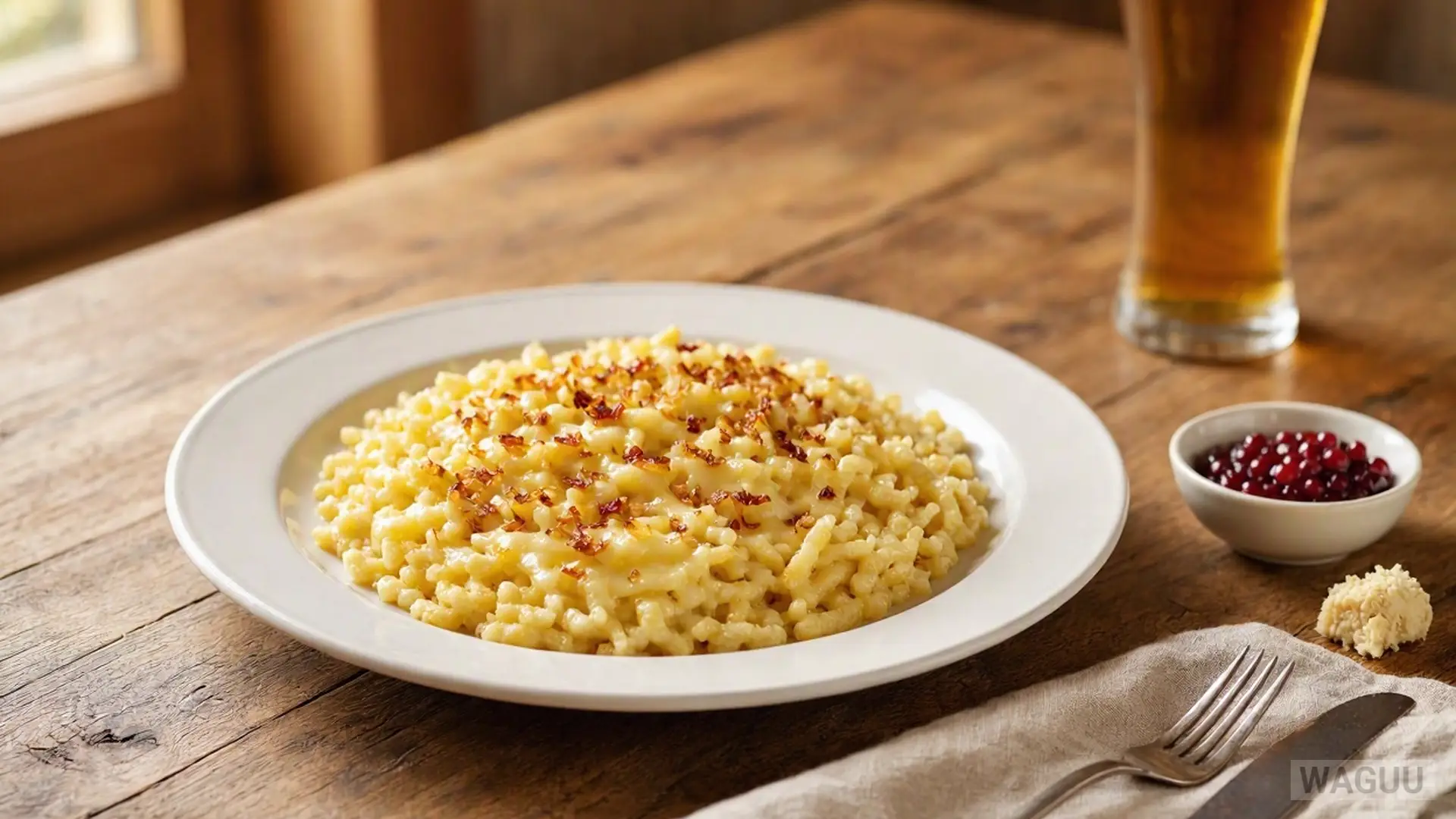
Käsespätzle is the Austrian answer to macaroni and cheese, but with significantly more character. Soft, house-made egg noodles—or spätzle—are tossed with a blend of pungent mountain cheeses, which melt to create a rich, gooey texture. The dish is then finished with a generous topping of caramelized, crispy fried onions that add a necessary crunch and a hint of sweetness.
This dish is incredibly popular in ski resorts and mountain huts, offering warmth and satiety after a day on the slopes. It is a simple dish, yet the quality of the cheese makes all the difference, giving it an earthy depth that is truly addictive.
Backhendl
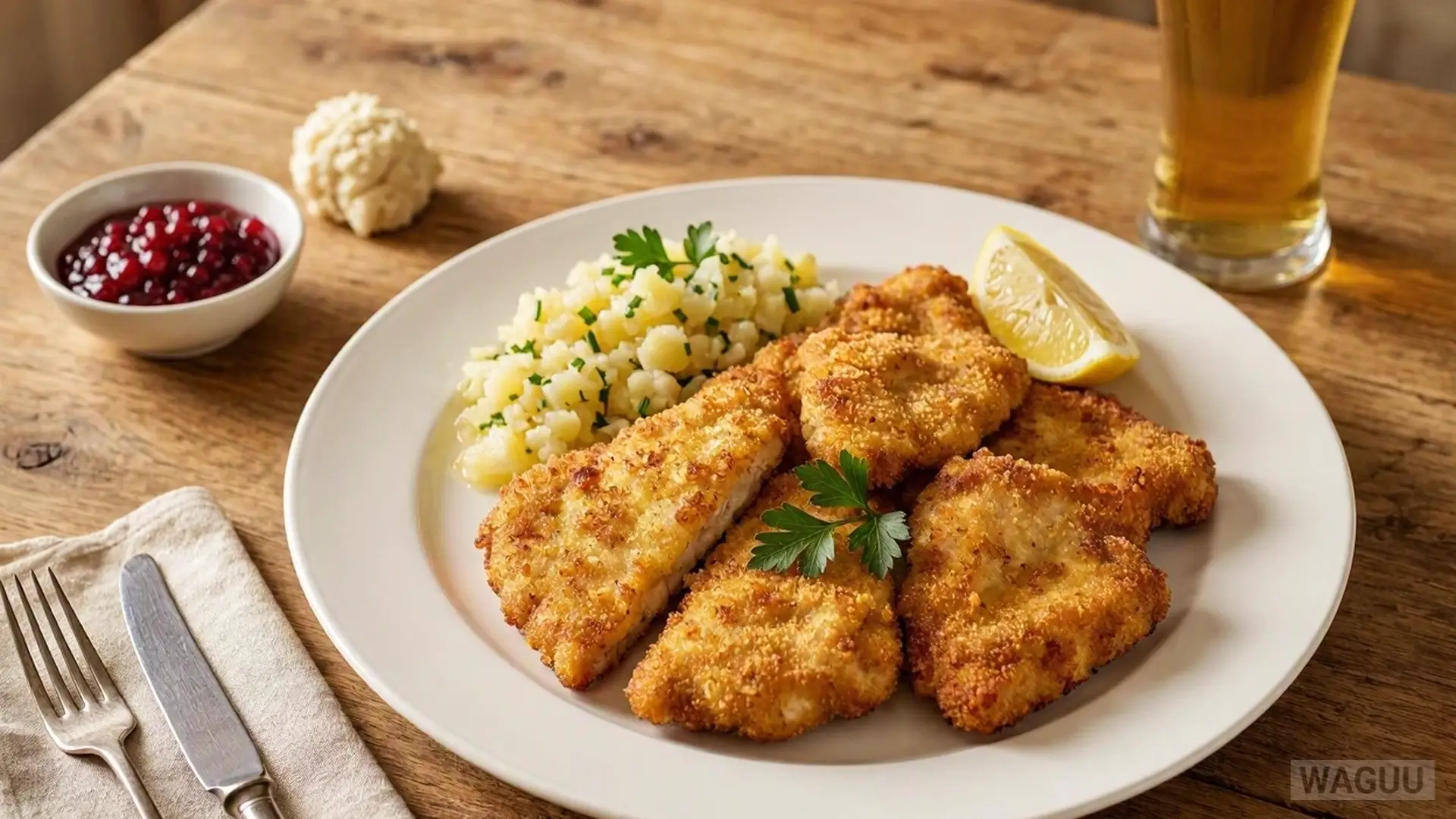
Backhendl is the Austrian take on fried chicken, traditionally prepared with bone-in pieces to ensure the meat remains juicy during the frying process. The chicken is coated in a classic breading of flour, egg, and breadcrumbs, then fried until the crust is golden and shatteringly crisp. Unlike fast-food versions, this dish is served with a level of care and elegance typical of Viennese cuisine.
Served with lemon wedges and a side of fresh potato salad, Backhendl offers a wonderful contrast of textures. The acidity of the lemon cuts through the richness of the fried crust, making every bite feel light yet indulgent. It is a beloved classic that bridges the gap between casual and formal dining.
Schweinsbraten mit Knödeln
Schweinsbraten mit Knödeln, or roast pork with dumplings, is the quintessential Austrian Sunday meal. The pork shoulder is rubbed with caraway seeds and garlic, then roasted until the fat renders down to create a crackling, crispy skin that is highly prized. The meat itself becomes tender and fragrant, infused with the savory notes of the seasoning.
The roast is served alongside soft, pillowy bread dumplings and warm cabbage, creating a balanced plate of textures and flavors. The cabbage, often cooked with a hint of bacon or vinegar, provides a bright, acidic counterpoint to the rich, fatty pork, making this a deeply satisfying and balanced culinary experience.
Frittatensuppe
Frittatensuppe is a staple appetizer in Austrian households, beloved for its ability to turn simple ingredients into something special. It consists of a clear, golden beef broth poured over thin strips of savory egg pancakes. The pancakes, known as ‘Frittaten’, are essentially crepes that have been rolled and sliced into ribbons, absorbing the flavorful broth like a sponge.
This soup is a perfect example of Austrian practicality—using leftover pancakes to create a comforting and elegant starter. It is warm, light, and deeply nourishing, serving as the ideal introduction to a larger, more complex meal.
Kaspressknödel
Kaspressknödel are savory cheese dumplings that are flattened and pan-fried until golden brown. The core of these dumplings is a mixture of bread cubes and pungent mountain cheese, which gives them a firm, chewy texture and a distinctively bold flavor. They are a signature dish of the Alpine regions, where cheese production is a long-standing tradition.
These dumplings are incredibly versatile; they can be served floating in a hot beef broth, which softens their exterior, or enjoyed on their own with a fresh green salad. Either way, they provide a hearty, cheesy experience that is characteristic of the best Austrian mountain food.
Salzburger Nockerl
Salzburger Nockerl is a legendary sweet soufflé that represents the height of Austrian dessert artistry. This dish is made by whipping egg whites into a stiff, airy meringue and folding in yolks, sugar, and a touch of flour. The mixture is then baked in an oven-safe dish until it rises into three distinct, golden peaks, symbolizing the mountains surrounding the city of Salzburg.
Served fresh from the oven, this dessert is light, cloud-like, and impossibly delicate. It is a show-stopping finish to any meal, requiring both skill and timing to ensure the soufflé stays tall and light before it is presented to the table.
Apfelstrudel
The Apfelstrudel is perhaps the most iconic Austrian dessert. It features a paper-thin, hand-stretched dough wrapped around a generous filling of tart apples, raisins, cinnamon, and butter-roasted breadcrumbs. The breadcrumbs are a crucial component, as they absorb the juices from the apples during the baking process, ensuring the dough remains crisp rather than soggy.
Often served warm, sometimes with a side of vanilla sauce or whipped cream, the Apfelstrudel is a perfect balance of textures—the crunch of the pastry, the softness of the spiced apples, and the slight bite of the raisins. It is a timeless classic that defines the sweetness of Austrian heritage.
Kaiserschmarrn
Kaiserschmarrn is a shredded, fluffy pancake that is as fun to eat as it is to make. The batter is enriched with eggs and often raisins, and then cooked in a pan until golden brown and slightly caramelized. Once cooked, the pancake is torn into bite-sized pieces with a fork and dusted generously with powdered sugar, which melts into the warm, buttery surface.
Traditionally served with a side of plum compote or stewed fruit, Kaiserschmarrn is a hearty, indulgent treat that feels like a celebration in every bite. It is a favorite among both children and adults, representing the playful, comforting side of Austrian culinary culture.
Frequently asked questions
What is the secret to a good Schnitzel?
The secret is the pounding process and the frying temperature. The meat must be thin and uniform, and the oil should be hot enough to make the breading puff up without burning.
Can I make dumplings in advance?
Yes, many dumpling types, such as bread dumplings, can be prepared, shaped, and refrigerated before cooking. They often hold their shape better if allowed to rest.
Is Austrian food very spicy?
Generally, no. Austrian cuisine relies on fresh herbs, caraway seeds, and high-quality paprika for flavor rather than heat. The focus is on the natural taste of the ingredients.
Why is the breadcrumb filling important in Apfelstrudel?
Breadcrumbs are essential because they absorb excess moisture from the apples, preventing the delicate pastry from becoming soggy and ensuring a crisp texture throughout.
Also known as: Austrian classics, Alpine cuisine, Viennese recipes
Author: WAGUU Petr & Team • Published: 21 Sep 2026 • Updated: 29 Oct 2026
Conclusion
Austrian cuisine is a remarkable journey through history, landscape, and tradition. By mastering these twelve classic recipes, you gain more than just a collection of meals; you gain a deep appreciation for the techniques that have defined Austrian gastronomy for centuries. Whether you are seeking the comforting embrace of a warm stew or the delicate sweetness of a soufflé, these dishes offer a window into the soul of a country that treats cooking with the respect it deserves.
Choose your recipe
Wiener Schnitzel – Traditional pounded veal cutlet, breaded and fried.
Tafelspitz – Slow-cooked beef in an aromatic root vegetable broth.
Wiener Gulasch – Rich beef stew with caramelized onions and paprika.
Tiroler Gröstl – Pan-fried potatoes and meat topped with a fried egg.
Käsespätzle – Soft egg noodles with melted mountain cheese and onions.
Backhendl – Classic crispy fried bone-in chicken.
Schweinsbraten mit Knödeln – Roast pork with crackling and bread dumplings.
Frittatensuppe – Clear beef broth with thin egg pancake strips.
Kaspressknödel – Savory bread and cheese dumplings pan-fried golden.
Salzburger Nockerl – Fluffy sweet soufflé with three peaks.
Apfelstrudel – Traditional apple strudel with raisins and cinnamon.
Kaiserschmarrn – Torn fluffy pancake with raisins and plum compote.
Other possible variations
Pork Schnitzel
A more budget-friendly alternative to veal, using pork loin. It is slightly heartier and common in everyday home cooking.
Beef Broth with Liver Dumplings
A robust variation of the clear soup using nutrient-dense liver dumplings instead of pancake strips.
Turkey Schnitzel
A lighter version of the classic schnitzel, ideal for those seeking a leaner meat option.
Creamy Mushroom Gulasch
A vegetarian twist that replaces beef with earthy mushrooms for a lighter, forest-inspired flavor.
Vegan Spätzle
Uses plant-based cheese and egg substitutes to replicate the classic cheesy comfort of traditional spätzle.
Oven-Baked Backhendl
A healthier version that uses a light spray of oil and high-heat baking to achieve crispness without deep-frying.
Slow-Cooker Schweinsbraten
Uses a slow cooker for the meat, finishing with a quick broil to achieve the crackling skin.
Clear Soup with Semolina Dumplings
A classic alternative to pancake strips, offering a more rustic texture using semolina flour.
Fried Kaspressknödel with Herbs
Incorporates fresh chives and parsley into the dough for a brighter, more aromatic profile.
Berry Salzburger Nockerl
Adds a layer of fresh berries at the bottom of the dish for a tart contrast to the sweet meringue.
Pear Strudel
Uses ripe pears instead of apples, offering a softer, more floral sweetness.
Chocolate Kaiserschmarrn
Adds cocoa powder to the batter for a decadent, chocolate-forward version of the classic pancake.
Gluten-Free Schnitzel
Uses gluten-free breadcrumbs and flour to make the dish accessible to those with wheat sensitivities.
Spicy Beef Gulasch
Adds crushed chili peppers for those who enjoy a bit of heat in their stews.
Vegetable Gröstl
Replaces meat with roasted root vegetables for a lighter, garden-forward meal.
Spinach Spätzle
Adds finely chopped spinach to the noodle dough for extra color and nutrients.
Baked Backhendl with Parmesan
Adds grated Parmesan to the breading for a savory, salty crust.
Smoked Pork Roast
Uses smoked pork shoulder for a deeper, earthier flavor profile.
Vegetable-Based Frittatensuppe
Uses a rich, slow-simmered vegetable stock instead of beef broth.
Fried Kaspressknödel with Bacon
Adds finely diced bacon to the dumpling mix for extra saltiness.
Lemon-Scented Nockerl
Adds lemon zest to the meringue for a bright, citrusy finish.
Poppy Seed Strudel
Uses a traditional poppy seed filling, popular in many parts of Austria.
Kaiserschmarrn with Apple
Adds thin apple slices into the batter before cooking for a fruity texture.
Small-Batch Schnitzel
A modified portion size for single-person households or quick lunches.
Know another variation? Add your own suggestion below.
Missing a recipe?
Tell us what recipe you would like us to add. We will do our best to publish it soon!
Frequently asked questions about other variations
- Are vegan alternatives common? Yes, modern Austrian cooking frequently adapts traditional dishes to meet plant-based preferences.
- Can I use different fruits in Kaiserschmarrn? Absolutely, plums are traditional, but berries or cherries work beautifully as well.
- Is it hard to make strudel dough? It takes practice, but the key is using a high-gluten flour and stretching it gently on a floured cloth.
- Can I substitute the meat in Gröstl? Yes, tofu or seitan are great plant-based substitutes that crisp up well in the pan.
- Is liver dumpling soup healthy? Liver is highly nutritious, providing iron and B vitamins, making this a healthy choice in moderation.
- What is the best cheese for Kaspressknödel? A firm, flavorful Alpine cheese like Gruyère or Emmental is standard.
- How do I keep the Schnitzel crispy? Do not stack them; serve immediately after frying and avoid covering them with lids.
- Can I use a different nut in strudel? Walnuts or almonds are common additions that provide extra crunch.