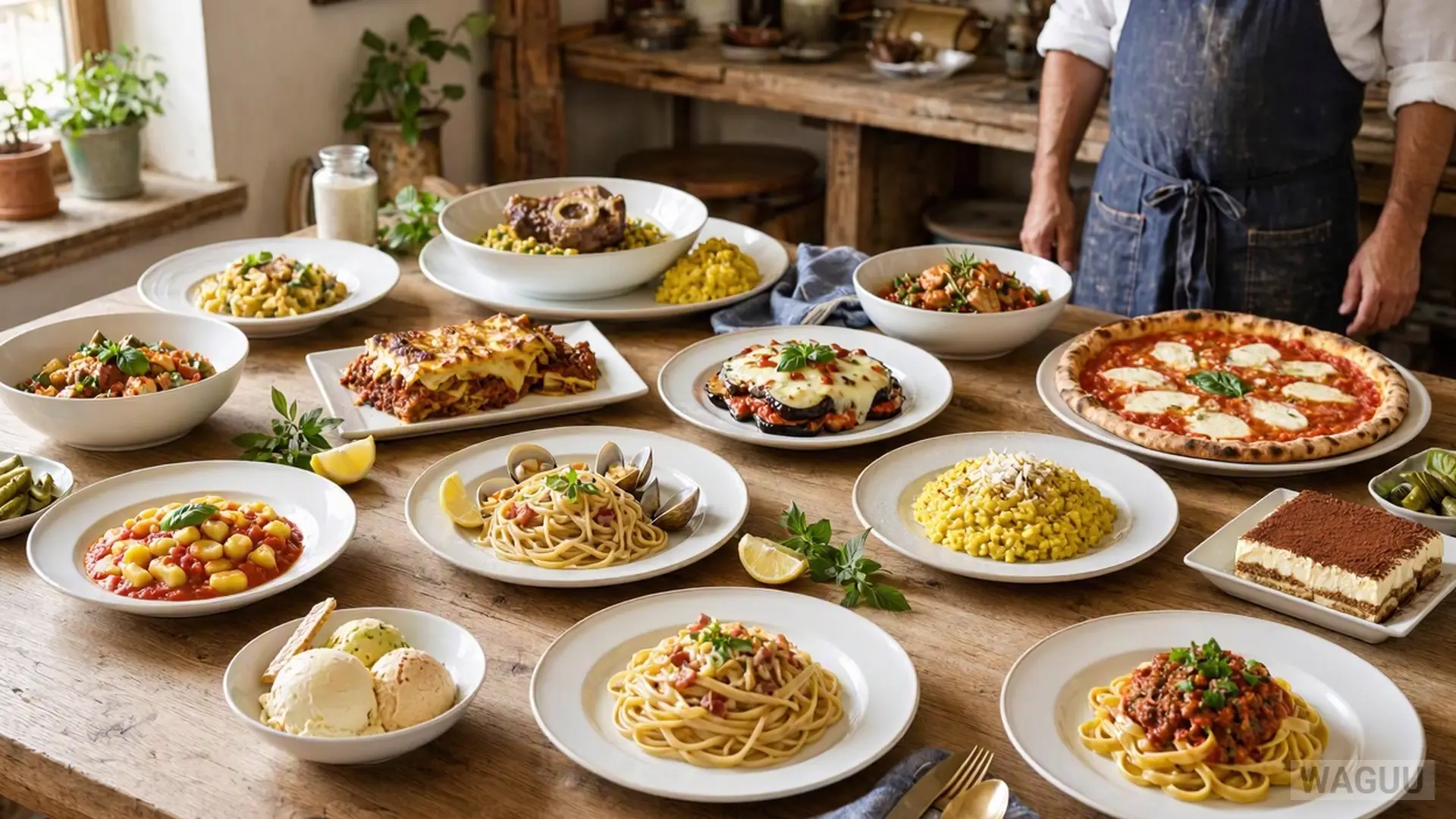
Summary: Explore twelve of the most celebrated and beloved dishes of Italian cuisine, complete with traditional ingredients, historical insights, and foolproof cooking techniques designed for American kitchens. Discover how simple, high-quality components transform into culinary masterpieces over a reading time of approximately fifteen minutes.
Category: Articles |
Reading time: 15 minutes
Step-by-step photo gallery
Did you cook any of the variations? Share a photo in the comments below the recipe, we’d love to add it to the gallery. Did you film a video tutorial? Post a link to YouTube, YouTube Shorts, TikTok, Instagram Reels, Facebook Reels, Pinterest, Vimeo, or X (Twitter) in the comments, we’d be happy to publish it.
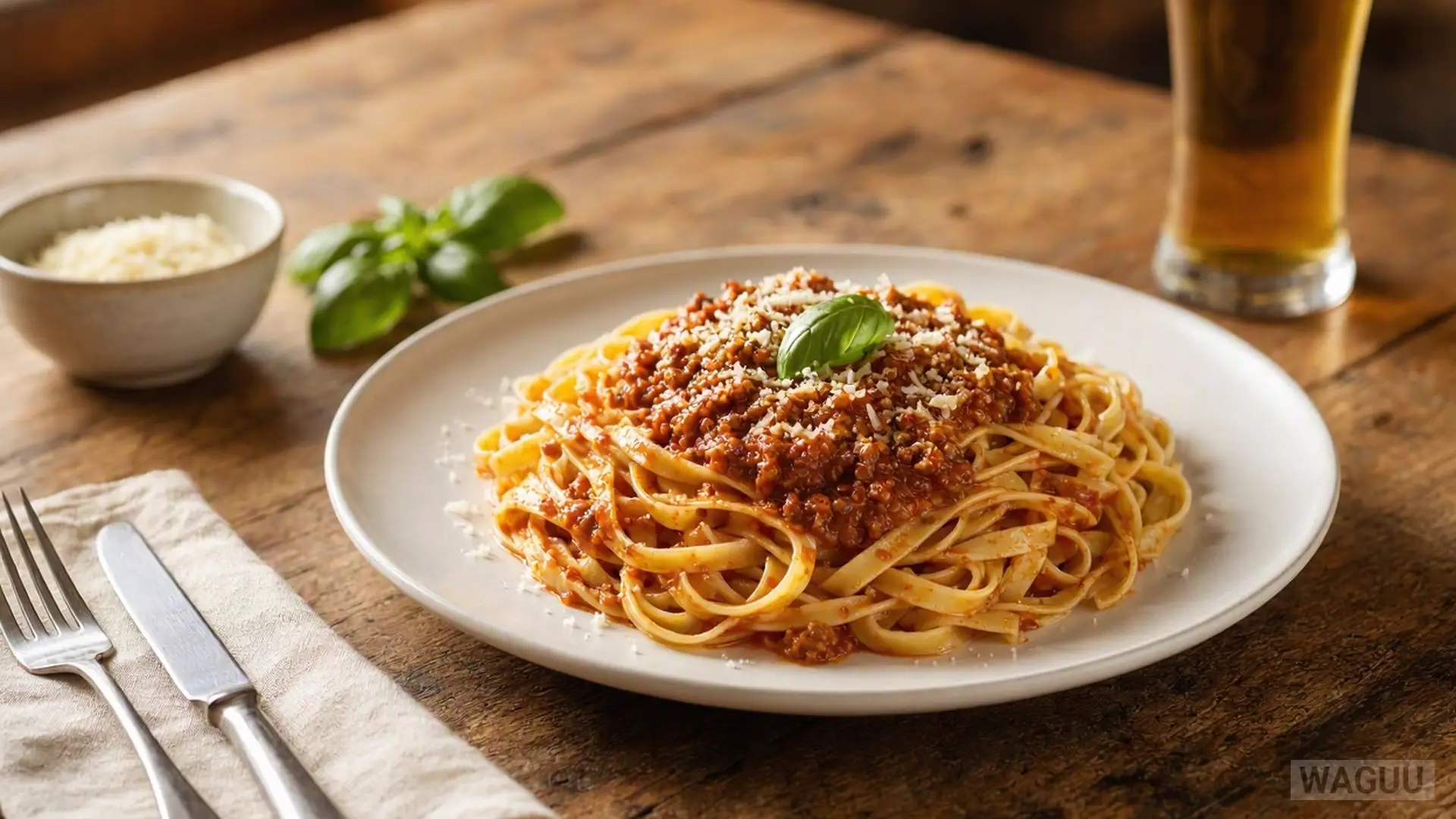
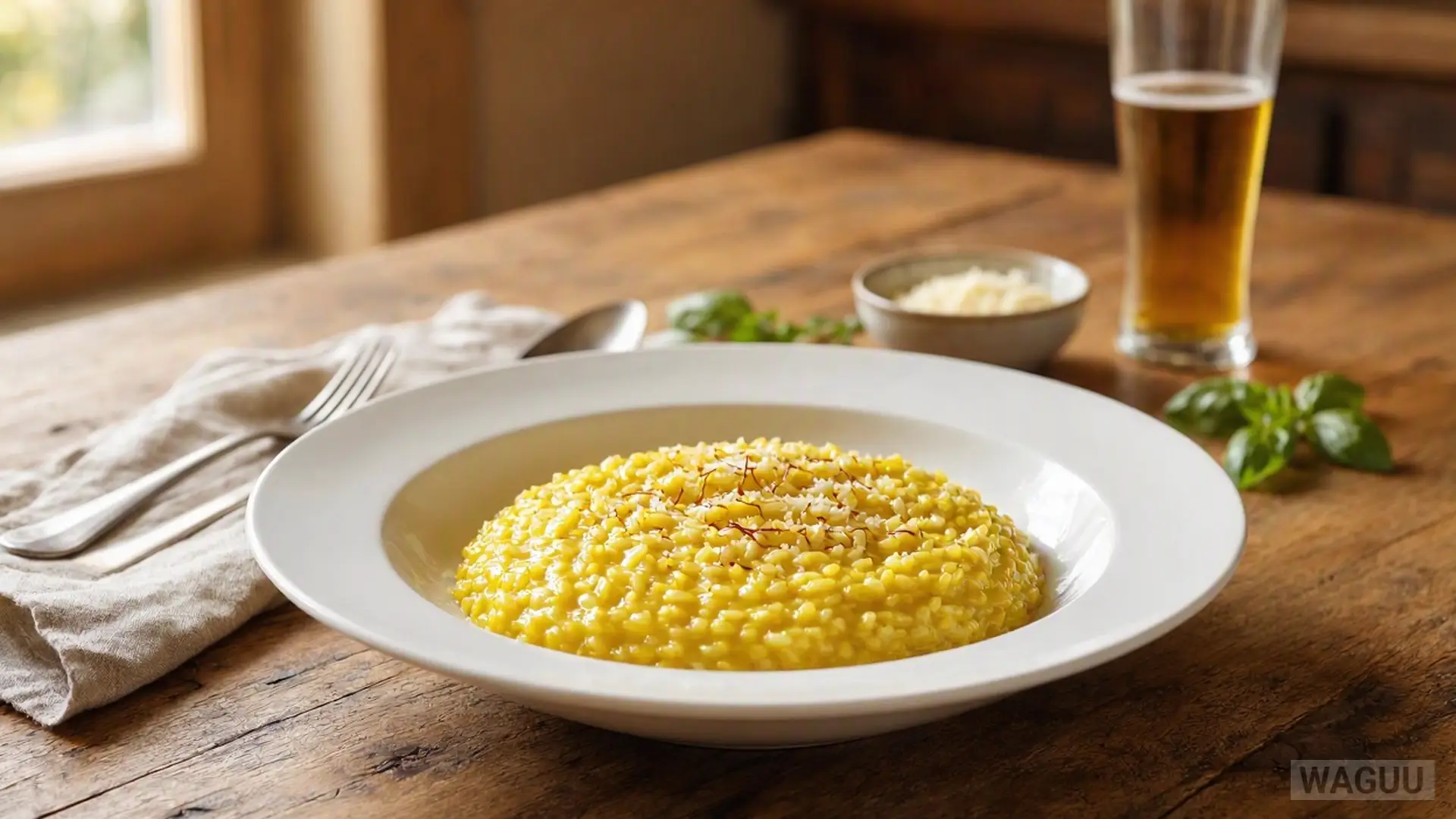
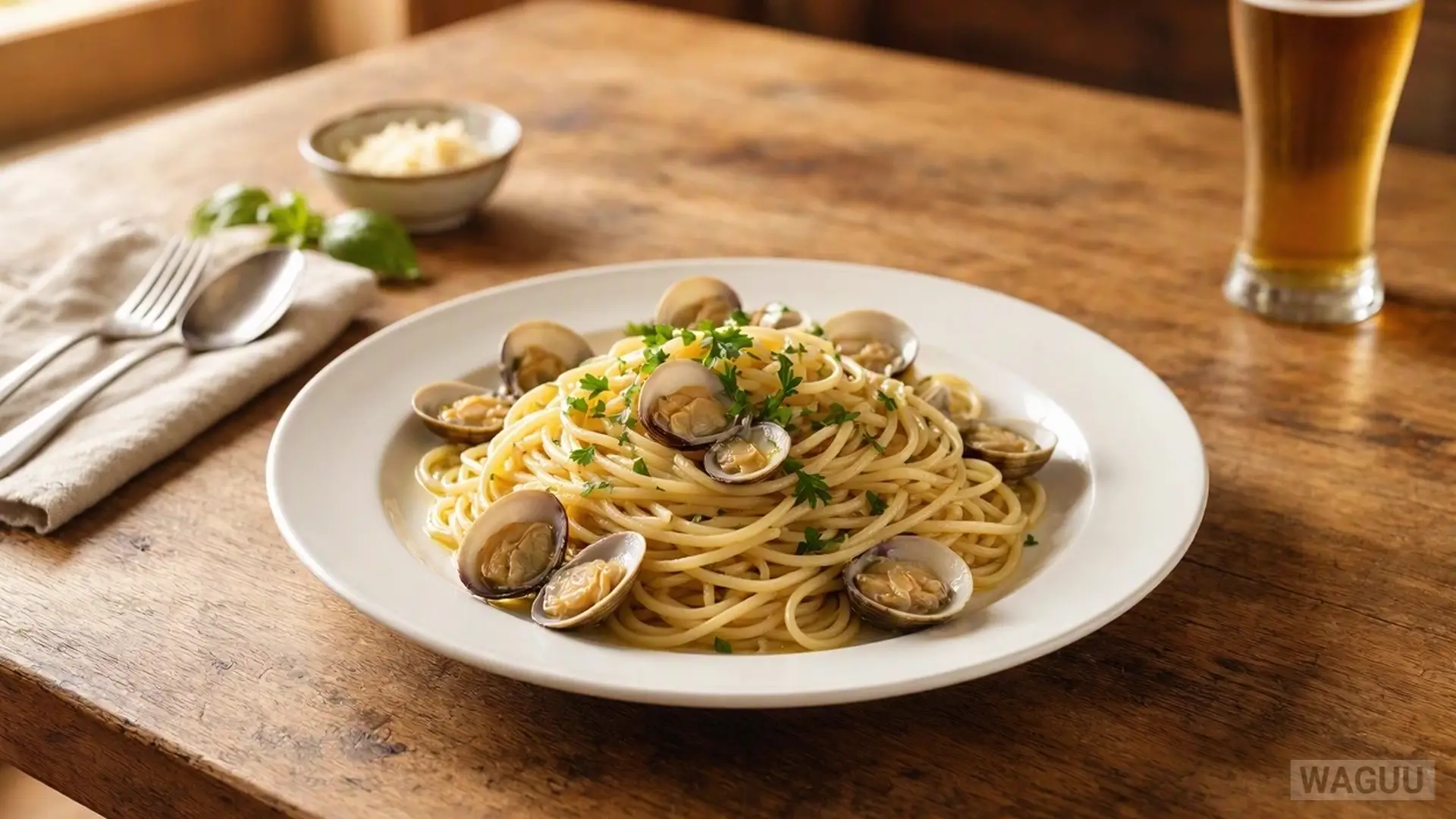
Italian cuisine is internationally renowned for its deep respect for seasonal ingredients, regional diversity, and harmonious flavor profiles. From the sun-drenched coastlines of Campania to the misty hills of Piedmont, every corner of Italy contributes unique culinary treasures to the global table. This comprehensive guide examines twelve iconic dishes that define Italian gastronomy, breaking down their scientific principles, essential techniques, and proper preparation methods tailored for home cooks across the United States. Whether you are seeking a comforting bowl of slow-simmered ragù or a crisp, wood-fired style pizza, these recipes capture the true essence of Mediterranean dining.
Quick overview
- Topic / Dish: 12 Most Popular Italian Dishes
- Categories: Main Dishes, Cuisines
- Cuisine: Italian
- Included variations: Pizza Napoletana, Spaghetti alla Carbonara, Lasagne alla Bolognese, Tagliatelle al Ragù, Risotto alla Milanese, Spaghetti alle Vongole, Gnocchi al Pomodoro, Ossobuco alla Milanese, Parmigiana di Melanzane, Pollo alla Cacciatora, Tiramisù, Gelato artigianale
- Key techniques: High-temperature baking, emulsion, braising, slow-simmering, dough kneading
- Physical and chemical background: Starch gelatinization, Maillard reaction, protein coagulation, collagen hydrolysis
- Common mistakes: Overcooking pasta, adding cream to carbonara, rushing the ragù simmer, overcrowding the baking sheet
- In a nutshell: Master foundational Italian recipes using authentic techniques, precise ingredient ratios, and professional American kitchen adaptations.
- Last updated: September 21, 2026
WAGUU says: “Italian cooking is not about complicated techniques or masking flavors; it is about honoring the natural integrity of each ingredient through careful balance and precise execution.”
How to take it further: Source imported Italian DOP flours and cheeses, and invest in a heavy cast-iron skillet or pizza stone for superior thermal retention.
Key facts
| Prep time: | 30–60 minutes per recipe |
| Cook time: | 15 minutes to 3 hours |
| Main ingredient: | Flour, pasta, rice, meats, and seasonal vegetables |
| Servings: | 6 servings per recipe |
| Difficulty: | Moderate to Advanced |
Procedure at a glance
- Prepare foundational doughs, broths, or sauce bases with high-grade Italian ingredients.
- Execute precise thermal cooking methods tailored to each specific dish type.
- Balance proteins, starches, and fats using traditional emulsification techniques.
- Plate with careful attention to texture contrasts, temperature, and visual appeal.
- Serve immediately alongside recommended regional wine pairings and garnishes.
In a nutshell
- Authentic profiles: Every recipe adheres to traditional regional standards while utilizing readily available American market ingredients.
- Technical mastery: Clear explanations of chemical processes ensure home cooks understand why specific steps matter.
- Scalable portions: Standardized six-serving yields make entertaining and family meal planning seamless.
- Detailed instructions: Step-by-step breakdowns eliminate guesswork from complex preparations like risotto and pasta dough.
- Diverse selections: Ranging from hearty meat braises to delicate seafood pastas and rich desserts, this collection covers all culinary bases.
- Result: Restaurant-quality Italian dishes prepared directly in your home kitchen with confidence and precision.
Who this guide is for: Beginner – home cooks looking to master foundational Italian techniques without getting overwhelmed by complex terminology. Intermediate – food enthusiasts wanting to refine their pasta-making, braising, and emulsification skills. Pro – professional chefs and culinary students seeking standardized ratios and authentic regional flavor profiles.
The Foundation of Italian Gastronomy
Italian cuisine is built upon a bedrock of history, geography, and cultural appreciation for communal dining. The twelve dishes featured in this article represent the pinnacle of this culinary tradition, reflecting the distinct climates and agricultural abundance of regions ranging from Lombardy to Sicily. When preparing these meals in an American kitchen, understanding the synergy between ingredients is paramount. For instance, the acidity of San Marzano tomatoes cuts through the richness of dairy and cured pork, creating a balanced palate that prevents palate fatigue. Furthermore, mastering fundamental techniques such as building a proper soffritto, kneading high-gluten bread dough, and achieving the ideal emulsion for pasta sauces unlocks a lifetime of culinary success.
As you journey through these recipes, you will notice a strict adherence to simplicity. Italian cooking rarely relies on heavy, masking sauces; instead, it elevates individual components through careful thermal manipulation and seasoning. Whether you are searing veal shanks for a rich ossobuco or whipping mascarpone cream for a classic tiramisù, every action serves a distinct chemical or structural purpose. By following the precise measurements, temperature guidelines, and procedural steps outlined in each section, you will bridge the gap between traditional Italian heritage and modern home cooking.
Essential Regional Characteristics
Geographical divisions heavily influence the ingredients prioritized across the Italian peninsula. Northern cooking famously embraces butter, rich cheeses, cream, and egg pasta, as seen in dishes like Risotto alla Milanese and Tagliatelle al Ragù. Conversely, Southern Italian cooking relies heavily on olive oil, sun-ripened tomatoes, fresh seafood, and dry extruded pasta, exemplified by Spaghetti alle Vongole and Pizza Napoletana. Recognizing these regional distinctions allows home cooks to select appropriate fats, proteins, and pantry staples that honor the authentic spirit of each recipe.
| Region / Zone | Primary Fats & Staples | Representative Dishes |
|---|---|---|
| Northern Italy | Butter, lard, heavy cream, beef, rice, egg pasta | Risotto alla Milanese, Ossobuco alla Milanese |
| Central Italy | Olive oil, pecorino cheese, guanciale, pork | Spaghetti alla Carbonara, Lasagne alla Bolognese |
| Southern Italy | Extra virgin olive oil, tomatoes, seafood, capers | Pizza Napoletana, Spaghetti alle Vongole |
WAGUU Pro Tip: Always reserve a cup of starchy pasta cooking water before draining your noodles. Adding this starchy liquid back into your sauce acts as a natural emulsifier, binding oil and cheese into a glossy, cohesive coating.
Pizza Napoletana
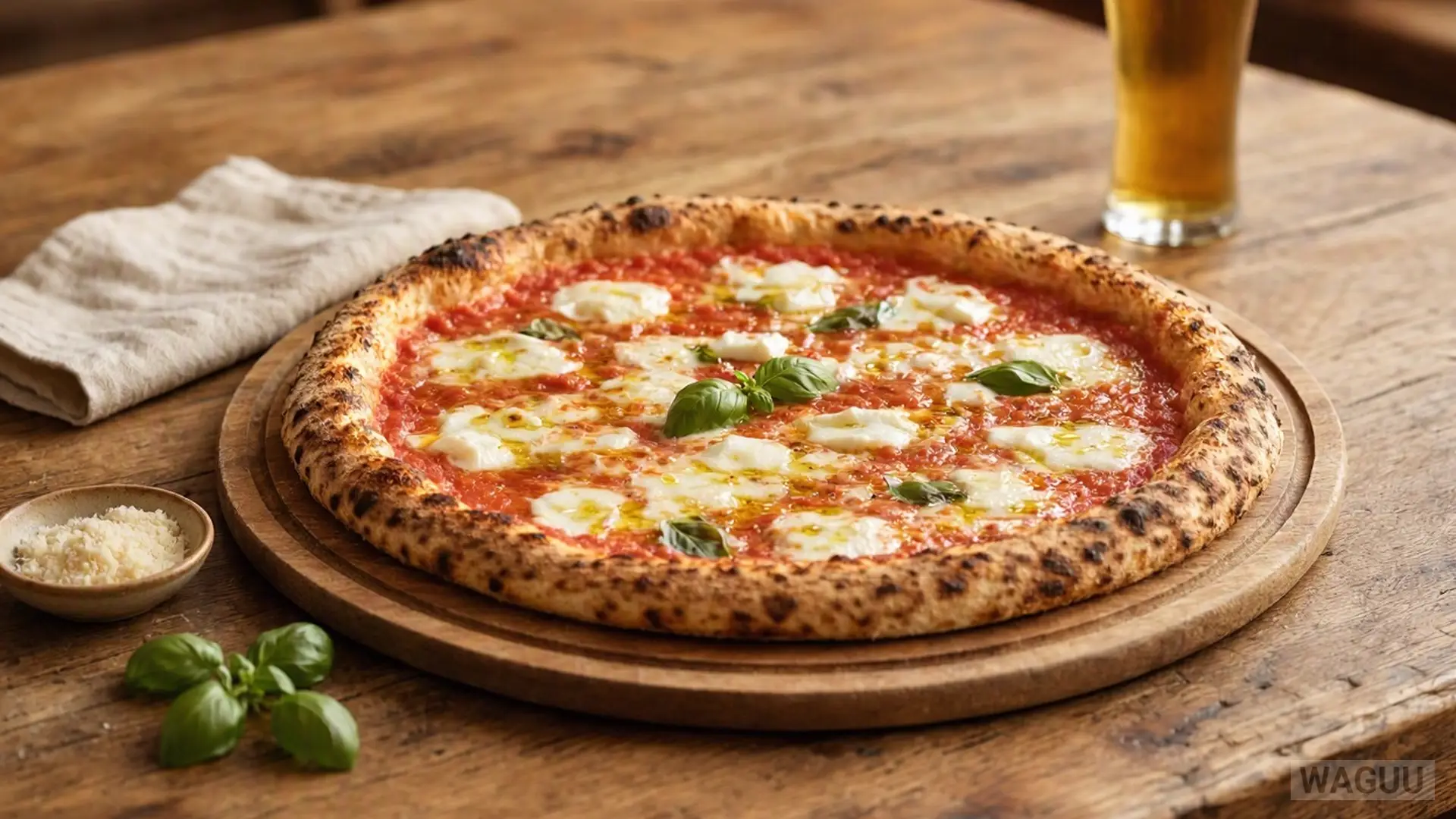
Pizza Napoletana stands as the undisputed ancestor of modern pizza, originating in the bustling streets of Naples. This iconic dish is defined by its soft, pliable, and airy crust featuring characteristic charred leopard spots formed during its brief, blistering bake. Achieving this texture requires a high-hydration dough made from Tipo 00 flour, water, fine sea salt, and fresh yeast, allowed to ferment slowly over 24 hours to develop complex enzymatic flavors and optimal gas retention.
The toppings are intentionally minimalist to prevent weighing down the delicate center: crushed peeled San Marzano tomatoes, fresh buffalo mozzarella or fior di latte, fragrant fresh basil leaves, and a drizzle of robust extra virgin olive oil. Baked traditionally in a wood-fired oven exceeding 900 °F, home cooks can replicate this masterpiece using a preheated baking steel in a maximum-temperature home oven.
- Tipo 00 flour – 3 cups
- Water – 1 cup + 2 tbsp
- Fine sea salt – 2 tsp
- Active dry yeast – 1 tsp
- San Marzano tomatoes – 1 cup
- Fresh mozzarella cheese – 8 oz
- Fresh basil leaves – 10 leaves
- Extra virgin olive oil – 2 tbsp
- Dissolve yeast in lukewarm water, gradually incorporate flour and salt, and knead into a smooth, elastic dough ball.
- Cover and allow the dough to proof at room temperature for 8 hours, then divide into individual portions and cold ferment for 16 hours.
- Stretch the dough disc by hand from the center outward, preserving the airy outer rim (cornicione).
- Top with crushed tomatoes, torn mozzarella, basil leaves, and a drizzle of olive oil.
- Bake on a preheated pizza steel at the highest oven setting for 4 to 6 minutes until the crust is blistered and puffed.
Spaghetti alla Carbonara
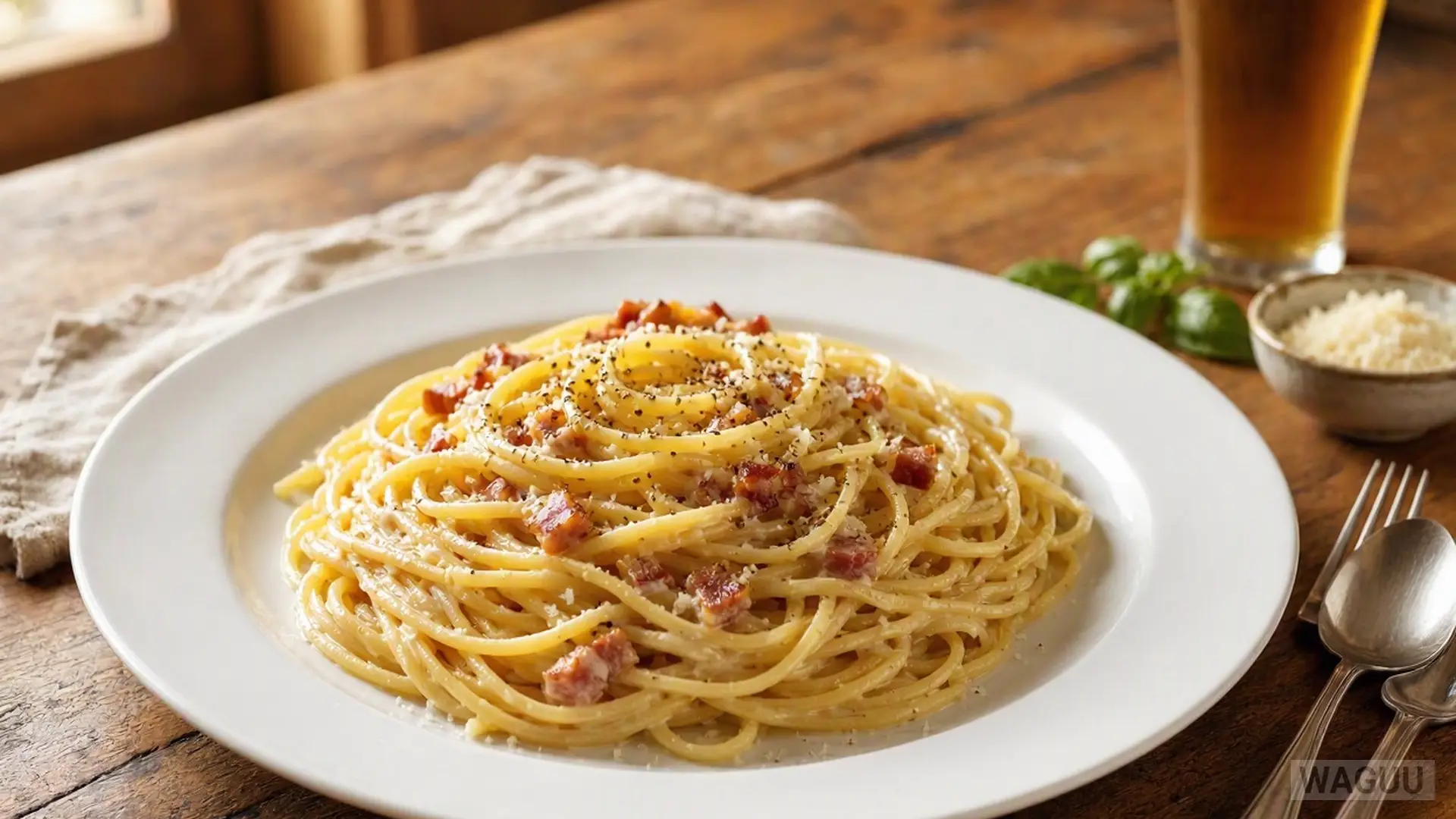
Spaghetti alla Carbonara is a Roman masterpiece that exemplifies the beauty of minimalist cooking using humble peasant ingredients. Contrary to popular culinary adaptations, authentic carbonara contains zero heavy cream, peas, or mushrooms. Instead, its luxurious sauce is born from a delicate emulsion of whole eggs, aged Pecorino Romano cheese, rendered cured pork cheek known as guanciale, and cracked black pepper.
The technique relies on thermal control: hot pasta is tossed off the heat with crispy guanciale and its rendered fat, followed by a whipped mixture of eggs and cheese. The residual heat of the pasta cooks the eggs gently without scrambling them, creating a glossy, velvety coating that clings effortlessly to long strands of spaghetti.
- Spaghetti pasta – 1 lb
- Guanciale, sliced into strips – 7 oz
- Large egg yolks – 4 yolks
- Large whole eggs – 2 eggs
- Pecorino Romano cheese, grated – 1½ cups
- Black peppercorns, freshly ground – 1 tbsp
- Kosher salt for pasta water – 1 tbsp
- Bring a large pot of salted water to a rolling boil and cook spaghetti until al dente.
- Sauté guanciale in a skillet over medium heat until crispy and golden, then remove from heat.
- Whisk egg yolks, whole eggs, grated Pecorino Romano, and black pepper together in a mixing bowl.
- Drain pasta, reserving 1 cup of starchy pasta water, and transfer hot pasta directly into the skillet with guanciale fat.
- Remove skillet from heat, pour in egg and cheese mixture while stirring vigorously, adding reserved pasta water gradually to create a creamy emulsion.
Lasagne alla Bolognese
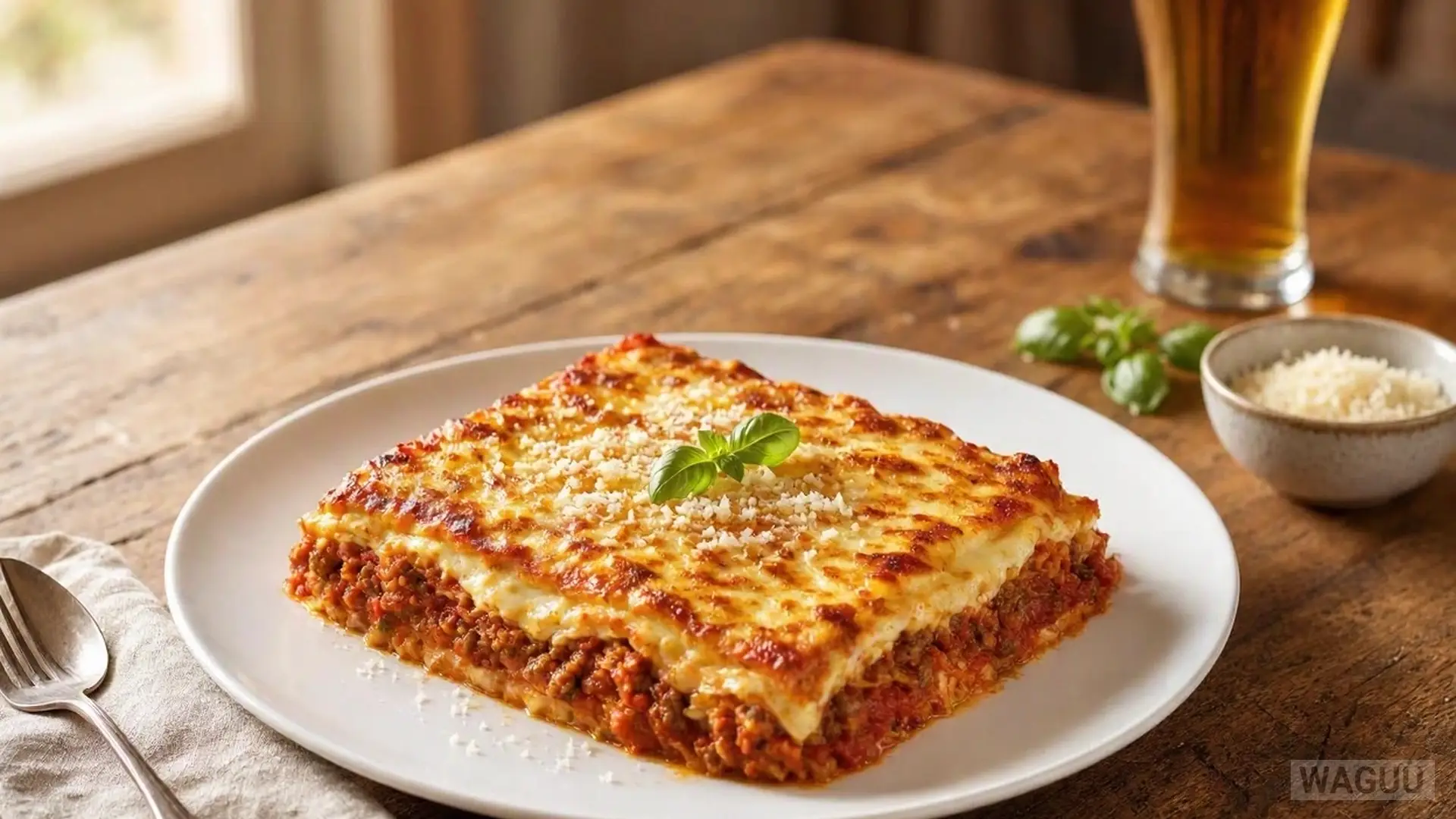
Lasagne alla Bolognese is the ultimate comfort dish of Emilia-Romagna, featuring broad sheets of green spinach pasta layered alternately with a rich meat ragù, silky béchamel sauce, and freshly grated Parmigiano-Reggiano cheese. Unlike the American-style baked ziti or ricotta-heavy lasagnas, the traditional Bolognese version relies on the interplay between dairy-based béchamel and a slow-cooked beef and pork ragù.
The assembly requires patience: building multiple alternating tiers in a deep baking dish ensures that every bite contains an even distribution of meat, creamy sauce, and tender pasta. Baked until bubbling and crowned with a golden-brown cheese crust, this dish represents festive Sunday dining at its finest.
- Fresh spinach lasagna sheets – 12 sheets
- Beef chuck and pork ragù – 4 cups
- Béchamel sauce – 3 cups
- Parmigiano-Reggiano cheese, grated – 2 cups
- Unsalted butter – 2 tbsp
- Kosher salt – 1 tsp
- Ground nutmeg – ¼ tsp
- Preheat oven to 375 °F (190 °C) and butter a 9×13-inch baking dish.
- Blanch fresh lasagna sheets in boiling salted water for 60 seconds, then transfer to an ice bath.
- Spread a thin layer of ragù and béchamel on the bottom of the baking dish, followed by a layer of pasta sheets.
- Repeat alternating layers of pasta, ragù, béchamel, and grated Parmigiano-Reggiano until ingredients are exhausted, finishing with béchamel and cheese on top.
- Bake at 375 °F for 35 minutes until bubbling and deeply golden brown on top, then rest for 15 minutes before slicing.
Tagliatelle al Ragù
Tagliatelle al Ragù, originating from Bologna, is often misunderstood outside of Italy as simple spaghetti with meat sauce. In reality, authentic ragù is a slow-simmered braise of minced beef, pancetta, soffritto vegetables, white wine, broth, and a touch of tomato paste, simmered gently for hours until the meat practically melts into the sauce.
The sauce is paired with long, porous ribbons of fresh egg tagliatelle. Egg pasta possesses a rough, absorbent texture that grips meat sauces far better than smooth, extruded semolina pasta. Tossing the cooked tagliatelle directly in the simmering ragù allows the ribbons to absorb the savory depths of the meat sauce.
- Fresh egg tagliatelle pasta – 1 lb
- Ground beef chuck – 1 lb
- Pancetta, finely diced – 4 oz
- Yellow onion, celery, and carrot soffritto – 1½ cups
- Dry white wine – 1 cup
- Whole milk – 1 cup
- Crushed tomatoes – 14 oz
- Beef broth – 2 cups
- Render diced pancetta in a heavy Dutch oven over medium heat, then add the finely minced soffritto vegetables and sauté until soft.
- Add ground beef chuck, breaking up clumps with a wooden spoon, and brown until juices evaporate.
- Pour in white wine and simmer until fully reduced, then add whole milk and simmer until absorbed by the meat.
- Stir in crushed tomatoes and beef broth, reduce heat to low, cover partially, and simmer gently for 2½ hours.
- Toss freshly boiled tagliatelle into the ragù along with a splash of pasta water, coating every strand thoroughly before serving.
Risotto alla Milanese
Risotto alla Milanese is a gleaming jewel of Lombardy cuisine, celebrated for its vibrant golden color and luxurious, creamy mouthfeel. The dish centers around specific Italian short-grain rice varieties such as Arborio, Carnaroli, or Vialone Nano, which contain high amounts of surface starch (amylose). As hot broth is added gradually while stirring, this starch releases into the liquid, creating a rich, velvety sauce without requiring added cream.
The characteristic yellow hue and earthy aroma come from premium saffron threads infused in warm broth. Finished off the heat with cold butter and freshly grated Parmigiano-Reggiano during the mantecatura phase, Risotto alla Milanese delivers an unforgettable sensory experience.
- Carnaroli or Arborio rice – 2 cups
- Saffron threads – 1 tsp
- Rich beef or chicken broth – 6 cups
- Yellow onion, finely minced – 1 cup
- Dry white wine – ¾ cup
- Unsalted butter – 4 tbsp
- Parmigiano-Reggiano cheese, grated – 1 cup
- Kosher salt – 1 tsp
- Steep saffron threads in warm broth for 15 minutes to release color and aroma.
- Sauté minced onion in 2 tablespoons of butter in a wide pan until translucent, add rice, and toast for 2 minutes until translucent at edges.
- Deglaze pan with white wine, stirring until completely absorbed by the rice grains.
- Add warm saffron broth one ladle at a time, stirring constantly and allowing liquid to absorb before adding the next ladle.
- Remove pan from heat after 18 minutes, add remaining butter and Parmigiano-Reggiano, cover, and rest for 2 minutes before vigorously stirring to emulsify.
Spaghetti alle Vongole
Spaghetti alle Vongole is a quintessential coastal dish originating from Naples and the wider southern regions of Italy. It marries the briny sweetness of fresh littleneck or Manila clams with garlic, high-quality extra virgin olive oil, dry white wine, crushed red pepper flakes, and fresh Italian flat-leaf parsley.
The secret to this seemingly simple pasta lies in building an intense pan sauce using the natural juices released by the opening clams combined with starchy pasta water and olive oil. Tossing the al dente spaghetti directly in this coastal reduction ensures the noodles absorb the marine essence of the dish.
- Spaghetti pasta – 1 lb
- Fresh littleneck clams, purged – 3 lbs
- Garlic cloves, thinly sliced – 4 cloves
- Extra virgin olive oil – ⅓ cup
- Dry white wine – 1 cup
- Fresh flat-leaf parsley, chopped – ½ cup
- Red pepper flakes – ½ tsp
- Purge clams in cold salted water for 1 hour, discard any broken or open clams that do not snap shut when tapped.
- Boil spaghetti in salted water until two minutes shy of al dente.
- Sauté sliced garlic and red pepper flakes in olive oil in a large skillet until fragrant, then add clams and white wine, covering with a lid until clams open.
- Transfer opened clams to a bowl using tongs, leaving the flavorful juices in the skillet.
- Add drained spaghetti and starchy pasta water to the skillet, tossing vigorously over high heat until sauce emulsifies, then return clams and toss with parsley.
Gnocchi al Pomodoro
Gnocchi al Pomodoro represents pure comfort food, pairing pillowy potato dumplings with a bright, aromatic tomato and basil sauce. Making traditional gnocchi requires baking whole potatoes rather than boiling them to minimize moisture retention, ensuring you need less all-purpose flour. Less flour results in tender, cloud-like dumplings that melt on the tongue rather than heavy, chewy nuggets.
Simmered in a quick-cooked sauce of sweet San Marzano tomatoes, garlic, and fresh basil, then blanketed in freshly grated Parmigiano-Reggiano, Gnocchi al Pomodoro proves that basic ingredients yield extraordinary results when handled with proper technique.
- Russet potatoes, unpeeled – 2 lbs
- All-purpose flour – 1½ cups
- Large egg, beaten – 1 egg
- San Marzano crushed tomatoes – 2 cups
- Garlic cloves, minced – 3 cloves
- Fresh basil leaves – 12 leaves
- Parmigiano-Reggiano cheese, grated – 1 cup
- Bake potatoes at 400 °F (200 °C) for 1 hour until tender, peel while hot, and pass through a potato ricer onto a clean work surface.
- Mix riced potatoes with beaten egg, salt, and flour gently without overworking, kneading into a soft, pliable dough.
- Roll dough into long ropes, cut into ¾-inch pillows, and press gently against a gnocchi board or fork tines to create ridges.
- Sauté minced garlic in olive oil, add crushed tomatoes and basil, and simmer for 15 minutes to create a rich sauce.
- Boil gnocchi in salted water until they float to the surface, transfer directly into the tomato sauce, toss with grated cheese, and serve.
Ossobuco alla Milanese
Ossobuco alla Milanese is a magnificent winter braise from Lombardy featuring cross-cut veal shanks featuring marrow-filled bones. As the shanks braise slowly in white wine, rich broth, and a aromatic soffritto, the connective tissue and collagen break down completely, transforming into unctuous gelatin that thickens the braising liquid into a luscious sauce.
Traditionally served crowned with gremolata—a vibrant condiment made from freshly grated lemon zest, minced garlic, and chopped parsley—this dish cuts through the rich meat with bright aromatic bursts. It is classically paired alongside saffron risotto or polenta.
- Cross-cut veal shanks (2 inches thick) – 4 lbs
- All-purpose flour for dredging – ½ cup
- Unsalted butter and olive oil blend – 4 tbsp
- Mirepoix (onion, carrot, celery, diced) – 2 cups
- Dry white wine – 1½ cups
- Veal or chicken stock – 2 cups
- Lemon zest, garlic, and parsley gremolata – ½ cup
- Tie kitchen twine around each veal shank to maintain shape, dredge lightly in seasoned flour, and sear in a heavy Dutch oven until deeply golden on both sides.
- Remove shanks, add diced mirepoix vegetables to the pan, and sauté until caramelized.
- Deglaze with white wine, scraping up browned fond from the bottom of the pot, then return shanks and pour in stock.
- Cover Dutch oven and braise in a preheated oven at 325 °F (165 °C) for 2 hours until meat is fork-tender.
- Garnish with freshly prepared gremolata and serve piping hot with marrow spoons.
Parmigiana di Melanzane
Parmigiana di Melanzane is a celebrated southern Italian baked casserole featuring layers of golden-fried eggplant, sweet tomato sauce, fresh mozzarella, and aromatic Parmigiana-Reggiano cheese. Unlike Italian-American adaptations that often bread and deep-fry thick eggplant cutlets, traditional Southern versions slice globe eggplant thinly, salt them to draw out bitter moisture, flour and egg-dip them lightly, and shallow-fry them until tender.
Layered carefully in a baking dish with fragrant tomato-basil sauce and melted cheeses, the casserole is baked until bubbling and golden. Resting before slicing allows the layers to set, resulting in clean, structured squares packed with concentrated Mediterranean flavor.
- Globe eggplants, sliced lengthwise ¼-inch thick – 3 lbs
- Kosher salt for salting eggplant – 2 tbsp
- All-purpose flour – 1 cup
- Large eggs, beaten – 3 eggs
- Olive oil for shallow frying – 1 cup
- Tomato and basil sauce – 3 cups
- Fresh mozzarella cheese, sliced – 12 oz
- Parmigiano-Reggiano cheese, grated – 1½ cups
- Layer eggplant slices on paper towels, salt generously, and let sit for 45 minutes to draw out excess moisture, then pat dry.
- Dredge eggplant slices in flour, dip in beaten eggs, and shallow-fry in olive oil until golden brown on both sides.
- Spread a thin layer of tomato sauce in a baking dish, add a layer of fried eggplant, mozzarella slices, and grated Parmigiano-Reggiano.
- Repeat layering process until all ingredients are used, finishing with sauce and cheese on top.
- Bake at 375 °F (190 °C) for 30 minutes until cheese is bubbling and golden, then rest for 20 minutes before serving.
Pollo alla Cacciatora
Pollo alla Cacciatora, translating to “hunter-style chicken,” is a rustic, comforting braise deeply rooted in Italian country cooking. Historically prepared with wild game or farm-raised poultry, this dish features bone-in chicken pieces seared until golden and then simmered in a rich tomato, onion, herb, and wine sauce.
Depending on regional variations across Italy, ingredients like earthy mushrooms, briny black olives, and bell peppers are incorporated into the braise. As the chicken simmers, the rendered poultry fat melds with the acidic tomatoes and aromatic rosemary, creating a deeply flavorful sauce ideal for soaking up with crusty bread.
- Bone-in, skin-on chicken thighs and drumsticks – 3½ lbs
- Olive oil – 3 tbsp
- Yellow onion and bell pepper, sliced – 2 cups
- Cremini mushrooms, sliced – 8 oz
- Dry white or red wine – 1 cup
- Crushed tomatoes – 16 oz
- Fresh rosemary and sage sprigs – 4 sprigs
- Garlic cloves, minced – 4 cloves
- Season chicken pieces with salt and pepper, sear in olive oil in a Dutch oven until skin is crispy and golden, then remove.
- Sauté sliced onions, bell peppers, and mushrooms in the remaining rendered fat until tender and caramelized.
- Add minced garlic and herbs, cook for 1 minute, then pour in wine to deglaze the pan.
- Return chicken pieces to the pot along with crushed tomatoes, cover, and simmer over low heat for 45 minutes until chicken is tender and falling off the bone.
- Skim excess fat from the surface and serve hot with crusty Italian bread.
Tiramisù
Tiramisù is Italy’s most famous modern dessert, originating from the Veneto region during the mid-20th century. Translating literally to “pick me up,” this decadent no-bake dessert layers delicate Italian ladyfingers (savoiardi) soaked briefly in robust espresso and dark rum, alternating with a rich, airy cream made from whipped egg yolks, sugar, and fresh mascarpone cheese.
The assembled dessert is chilled in the refrigerator for several hours, allowing the cookies to soften into a cake-like texture while absorbing the aromatic coffee notes. Finished with a generous dusting of bittersweet cocoa powder right before serving, Tiramisù offers a flawless balance of bitterness, sweetness, and creamy indulgence.
- Italian ladyfingers (savoiardi) – 24 cookies
- Freshly brewed espresso, cooled – 1½ cups
- Dark rum or Marsala wine – ¼ cup
- Large egg yolks – 4 yolks
- Granulated sugar – ⅔ cup
- Mascarpone cheese, room temperature – 16 oz
- Heavy whipping cream – 1 cup
- Dutch-processed cocoa powder for dusting – 3 tbsp
- Whisk egg yolks and sugar in a heatproof bowl over simmering water until thick and pale, then fold in softened mascarpone cheese.
- Whip heavy cream to stiff peaks and gently fold into the mascarpone mixture to create a light, airy cream.
- Combine cooled espresso and rum in a shallow dish, and dip ladyfingers briefly on both sides so they absorb liquid without becoming soggy.
- Arrange a layer of soaked ladyfingers in a baking dish, spread half the mascarpone cream over them, and repeat for a second layer.
- Chill in the refrigerator for at least 4 hours, dust generously with cocoa powder, and slice to serve.
Gelato artigianale
Gelato artigianale represents the pinnacle of Italian frozen desserts, distinguished from American ice cream by its lower fat content, denser texture, and more intense flavor delivery. Traditional gelato uses a base of whole milk rather than heavy cream, churning at a much slower speed which incorporates less air (overrun) into the final mixture.
Because gelato is served at a slightly warmer temperature than ice cream, the tongue perceives flavors instantly without being numbed by extreme cold. Crafted in endless varieties ranging from roasted Sicilian pistachio and Piedmont hazelnut to dark chocolate and vibrant fruit sorbets, artisanal gelato is a treasured daily ritual across Italy.
- Whole milk – 2 cups
- Heavy whipping cream – 1 cup
- Granulated sugar – ¾ cup
- Skim milk powder – ⅓ cup
- Egg yolks – 3 yolks
- Vanilla bean paste or pistachio paste – 2 tbsp
- Kosher salt – 1 pinch
- Whisk whole milk, heavy cream, sugar, skim milk powder, and salt in a saucepan over medium heat until reaching 175 °F (80 °C).
- Temper egg yolks by whisking in a small amount of the hot dairy mixture, then pour back into the saucepan, stirring constantly until mixture thickens (nappe stage).
- Strain base through a fine-mesh sieve, cool rapidly over an ice bath, and refrigerate for 4 hours to age.
- Churn the chilled base in an ice cream machine according to manufacturer instructions until thick and creamy.
- Transfer gelato to an airtight container and freeze for 2 hours before serving in scoops.
Frequently asked questions
Can I substitute dried pasta for fresh pasta in Italian dishes?
Yes, but texture and sauce adherence will differ. Dried semolina pasta is ideal for oil-based seafood sauces like spaghetti alle vongole, while fresh egg pasta excels with rich meat ragùs like tagliatelle al ragù.
Why is cream never used in traditional carbonara?
Traditional carbonara relies entirely on the emulsification of eggs, Pecorino Romano cheese, and starchy pasta water. Adding cream masks the savory flavors of guanciale and overpowers the delicate egg and cheese sauce.
What is the best flour to use for homemade pizza dough?
Tipo 00 Italian wheat flour is recommended because its fine grind and high protein content produce an airy, crispy, and easily stretchable crust when baked at extreme temperatures.
How do I prevent risotto from becoming gluey?
Use high-starch short-grain rice like Carnaroli or Arborio, add warm broth gradually while stirring gently, and ensure you do not over-stir, which breaks down the rice grains and releases excess starch.
Also known as: Cucina Italiana, Italian gastronomy, traditional Italian recipes, Italian comfort food classics
Author: WAGUU Petr & Team • Published: 21 Sep 2026 • Updated: 30 Oct 2026
Conclusion
Mastering these twelve classic Italian dishes opens the door to a rich culinary tradition rooted in respect for quality ingredients and precise technique. Whether you are kneading pizza dough, whisking a velvety carbonara, or braising veal shanks, patience and attention to detail will elevate your home cooking to restaurant standards. Embrace these recipes as foundational building blocks for unforgettable dining experiences with family and friends.
Choose your recipe
Select one of the classic Italian recipes below to begin your culinary journey:
Pizza Napoletana – Traditional Neapolitan pizza with fluffy crust, tomatoes, mozzarella, fresh basil, and olive oil, baked at a very high temperature.
Spaghetti alla Carbonara – Roman pasta with eggs, Pecorino Romano cheese, guanciale, and freshly ground black pepper, without cream in the traditional version.
Lasagne alla Bolognese – Layered pasta with meat ragù, béchamel sauce, and cheese, baked until golden brown.
Tagliatelle al Ragù – Wide egg pasta served with a slow-simmered Bolognese ragù made of meat, vegetables, wine, and tomatoes.
Risotto alla Milanese – Creamy Italian risotto made from special rice, broth, butter, cheese, and saffron, which gives it its characteristic golden color.
Spaghetti alle Vongole – Pasta with clams, garlic, olive oil, white wine, and parsley, typical of the coastal areas of southern Italy.
Gnocchi al Pomodoro – Soft potato dumplings served with tomato sauce, basil, and Parmesan or another suitable Italian cheese.
Ossobuco alla Milanese – Slow-braised veal shank with bone in a sauce of wine, broth, and vegetables, traditionally served with gremolata and often with saffron risotto.
Parmigiana di Melanzane – Baked layers of fried eggplant, tomato sauce, mozzarella, and Parmesan, especially popular in southern Italy.
Pollo alla Cacciatora – Chicken braised with tomatoes, onions, herbs, and depending on the regional variation, also with wine, olives, or mushrooms.
Tiramisù – Iconic Italian dessert made of ladyfingers soaked in coffee, mascarpone and egg cream, and a layer of cocoa.
Gelato artigianale – Traditional Italian ice cream with an intense flavor, prepared in many varieties ranging from pistachio and hazelnut to chocolate and fruit sorbets.
Other possible variations
Pizza Margherita
This variation differs from classic Neapolitan pizza by using exact proportions of mozzarella, bright red tomatoes, and green basil to represent the Italian flag. It is suitable for vegetarians and pizza purists who appreciate clean, minimalist flavor profiles without heavy toppings.
Pizza Diavola
This spicy variation incorporates fiery calabrian salami or spicy sopressata onto the standard Neapolitan base, adding a bold chili kick. It is ideal for spice lovers looking to elevate the traditional margherita profile with cured heat.
Spaghetti alla Gricia
Often considered the ancestor of carbonara, this variation omits eggs entirely, relying solely on rendered guanciale fat, starchy pasta water, and sharp Pecorino Romano cheese. It provides a simpler, intensely savory alternative for quick weeknight meals.
Carbonara with Pancetta and Parmesan
This accessible American adaptation substitutes guanciale with smoked pancetta and Pecorino Romano with mild Parmigiano-Reggiano. It is suitable for home cooks who cannot source traditional Roman pork cuts at local supermarkets.
Lasagne ai Funghi
This earthy variation replaces the traditional meat ragù with a savory mixture of wild mushrooms, porcini stock, and thyme. It is perfect for vegetarians seeking a rich, umami-forward pasta bake during autumn months.
Seafood Lasagna
This coastal variation substitutes heavy meat ragù with delicate shrimp, crab meat, and a light white wine cream sauce. It offers an elegant, luxurious centerpiece for festive family celebrations.
Tagliatelle with Wild Boar Ragù
This Tuscan-inspired variation replaces domestic beef with gamey wild boar, marinated in red wine and juniper berries before braising. It delivers a robust, gamey flavor profile suited for hearty winter dinners.
Tagliatelle with Truffle Butter
This luxurious variation strips away heavy meat sauces in favor of rich artisanal butter infused with black truffle shavings. It provides a quick, upscale dining experience with minimal preparation time.
Risotto ai Funghi Porcini
This variation replaces saffron with rehydrated wild porcini mushrooms and vegetable broth, creating an intensely earthy flavor profile. It is a favorite among vegetarian mushroom enthusiasts.
Risotto al Nero di Sepia
This Venetian variation colors and flavors the rice using cuttlefish ink, white wine, and tender pieces of fresh squid. It offers a dramatic visual presentation and distinct briny seafood flavor.
Spaghetti with Mussels and Tomato
This variation incorporates fresh blue mussels and a splash of tomato passata into the standard white wine clam sauce. It provides a sweeter, richer marine sauce option for seafood lovers.
Spaghetti allo Scoglio
This fisherman’s variation combines clams, mussels, shrimp, and calamari into a bountiful seafood pasta tossed with garlic and white wine. It serves as an ultimate celebration of Mediterranean coastal fishing.
Gnocchi alla Sorrentina
This baked variation bakes potato gnocchi in a clay dish with tomato sauce, fresh mozzarella, and basil until bubbly and melted. It adds a gooey cheese crust to soft potato dumplings.
Spinach and Ricotta Gnocchi
Known as malfatti, this variation replaces potato with fresh ricotta cheese and blanched spinach, resulting in lighter, more delicate dumplings. It is ideal for spring menus and lighter appetites.
Ossobuco alla Romana
This Roman variation omits tomatoes from the braising liquid, relying entirely on white wine, garlic, anchovies, and rosemary for seasoning. It offers a sharper, more savory braise than the Milanese style.
Ossobuco with Pork Shanks
This budget-friendly variation substitutes expensive veal shanks with thick-cut pork shanks, braised using the same aromatic vegetable base. It delivers incredible tenderness at a fraction of the cost.
Parmigiana di Zucchini
This summer variation replaces eggplant with sliced zucchini, layered with tomato sauce and mozzarella. It provides a lighter, sweeter vegetable bake during peak zucchini harvest season.
White Eggplant Parmigiana
This regional variation omits red tomato sauce, layering fried eggplant with a rich garlic béchamel and smoked scamorza cheese. It offers a decadent, smoky alternative to traditional red-sauce bakes.
Pollo alla Cacciatora with Olives
This coastal Tuscan variation adds briny green Castelvetrano olives and capers to the braising sauce, introducing a sharp, salty contrast. It pairs wonderfully with polenta or mashed potatoes.
Pollo alla Cacciatora with Bell Peppers
This southern Italian variation heavily emphasizes sweet red and yellow bell peppers simmered down into a jammy sauce. It delivers vibrant color and sweet vegetable notes to the poultry.
Strawberry Tiramisù
This spring variation replaces coffee with fresh strawberry puree and strawberry liqueur, layering fruit with mascarpone cream. It offers a refreshing, fruit-forward dessert alternative.
Matcha Tiramisù
This modern fusion variation substitutes espresso with ceremonial-grade Japanese green tea matcha powder, dusting the top with matcha instead of cocoa. It appeals to tea lovers seeking a contemporary twist.
Gelato al Pistacchio
This artisanal variation incorporates 100% pure roasted Sicilian pistachio paste directly into the milk base, resulting in a nutty, rich frozen treat. It is prized by gelato connoisseurs worldwide.
Frutti di Bosco Sorbetto
This dairy-free variation blends wild mixed berries, simple syrup, and fresh lemon juice into a refreshing, vibrant fruit sorbet. It is ideal for lactose-intolerant guests looking for intense fruit flavor.
Know another variation? Add your own suggestion below.
Missing a recipe?
Tell us what recipe you would like us to add. We will do our best to publish it soon!
Frequently asked questions about other variations
- Can I make pizza dough without yeast? Yes, you can use baking powder for a quick flatbread crust, though it will lack the airy texture and complex fermentation flavors of yeast dough.
- Is guanciale interchangeable with bacon? American bacon is heavily smoked and cured differently; pancetta is a much closer substitute if guanciale is unavailable.
- Can lasagna be frozen before baking? Yes, assemble the lasagna completely in a freezer-safe dish, wrap tightly, and freeze for up to 3 months before baking from frozen with extended cooking time.
- What rice is best if Carnaroli is unavailable? Arborio rice is the most widely available substitute and performs similarly due to its high surface starch content.
- How do I prevent clams from becoming rubbery? Remove clams from the pan as soon as they pop open, and return them at the very end just to warm through.
- Can gnocchi dough be made ahead? Gnocchi dough should be shaped and cooked immediately, but shaped raw gnocchi can be frozen on a baking sheet before transferring to a freezer bag.
- Why must veal shanks be tied with twine? Tying prevents the meat from separating from the bone and marrow during long braising hours.
- How long does homemade gelato last in the freezer? Artisanal gelato contains less air and stabilizers, so it is best enjoyed within one week for optimal texture.