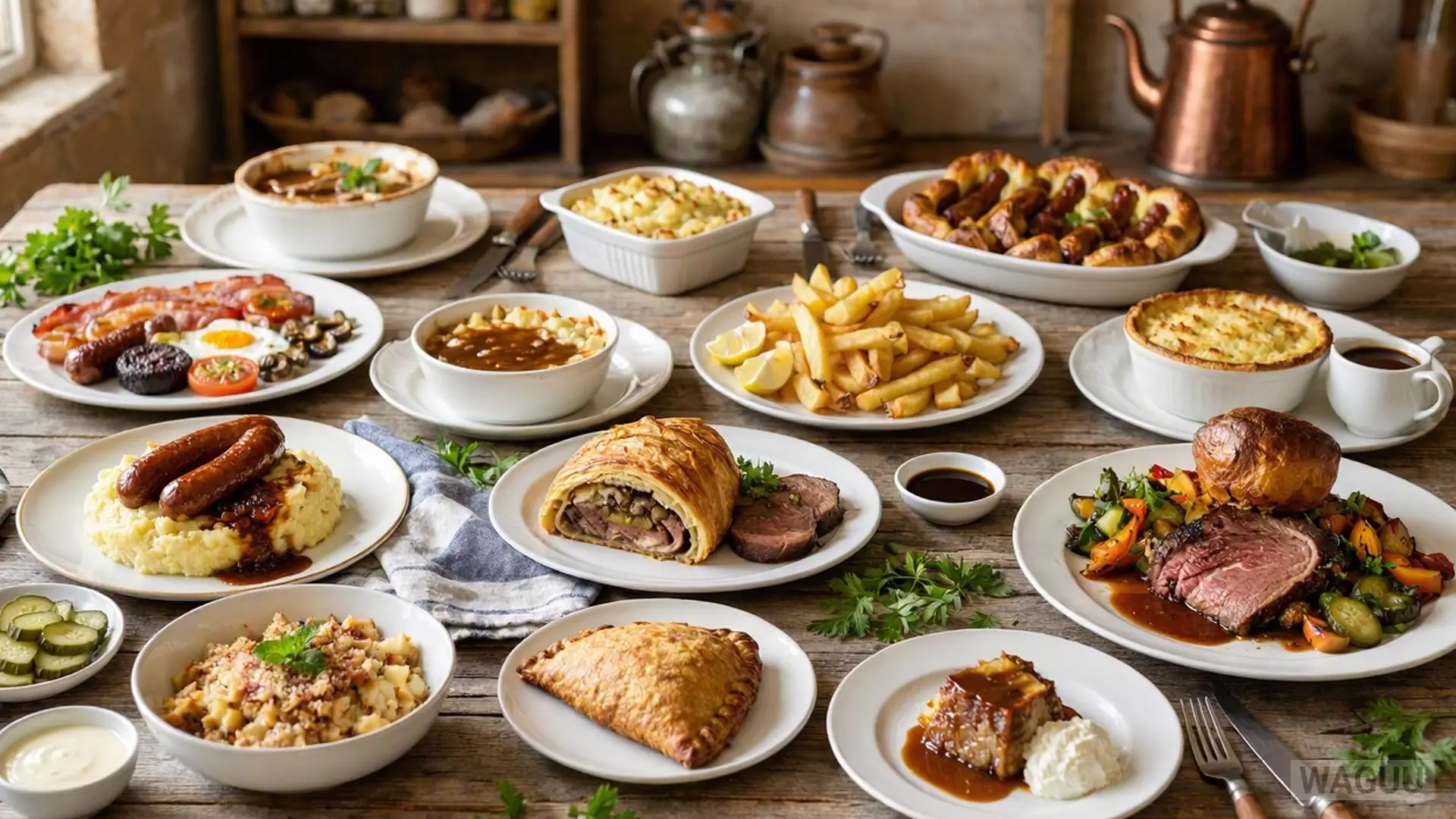
Summary: This comprehensive guide explores the rich heritage of 12 iconic English dishes, offering deep insights into traditional preparation methods and the cultural significance of each meal. Intended for home cooks of all skill levels, this article provides a journey through the heart of British gastronomy. Reading time: 45 minutes.
Category: Articles |
Reading time: 45 minutes
Step-by-step photo gallery
Did you cook any of the variations? Share a photo in the comments under the recipe; we would love to add it to the gallery. Did you film a video tutorial? Insert a link to YouTube, YouTube Shorts, TikTok, Instagram Reels, Facebook Reels, Pinterest, Vimeo, or X (Twitter) in the comments; we would be happy to publish it.
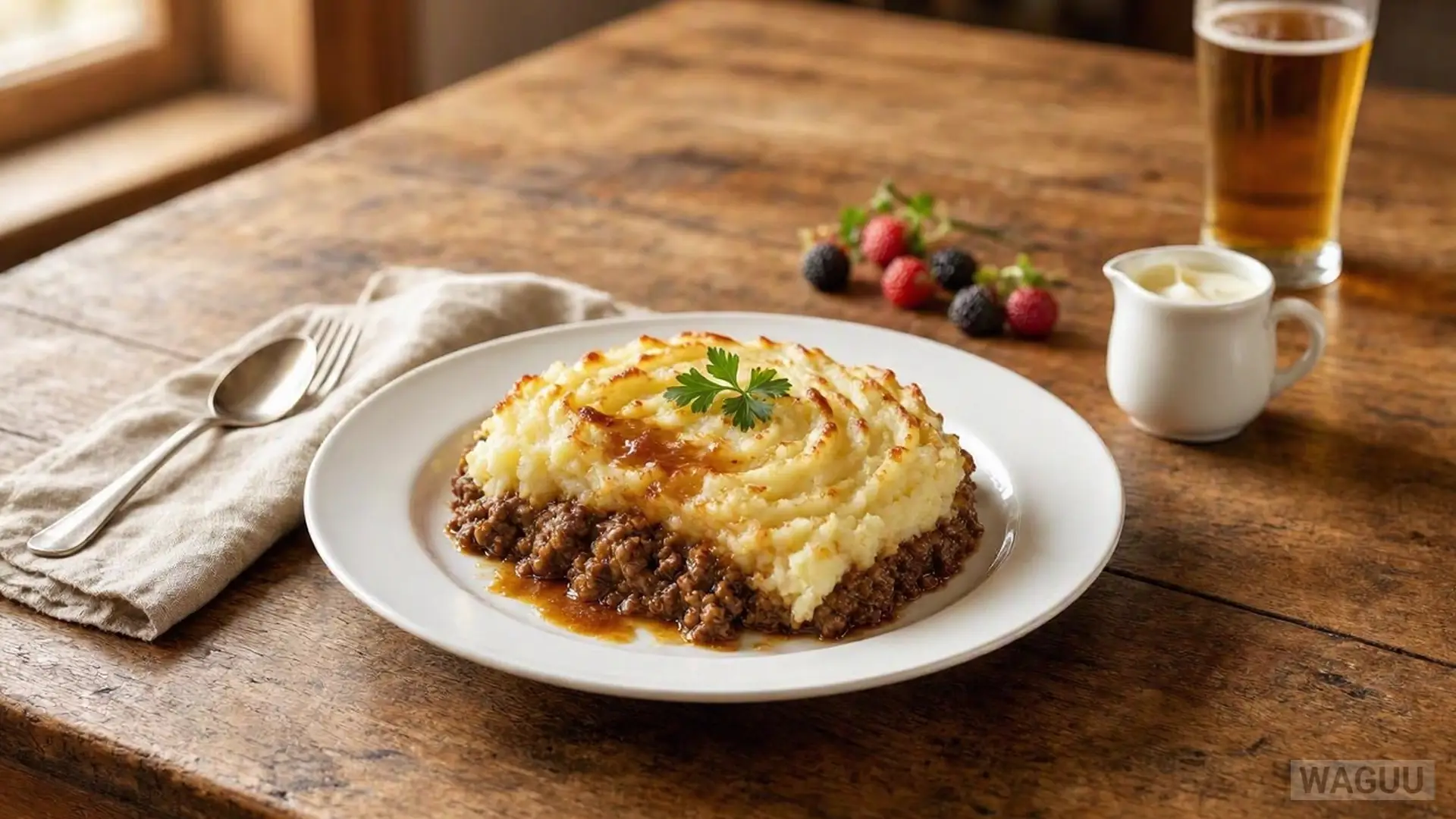
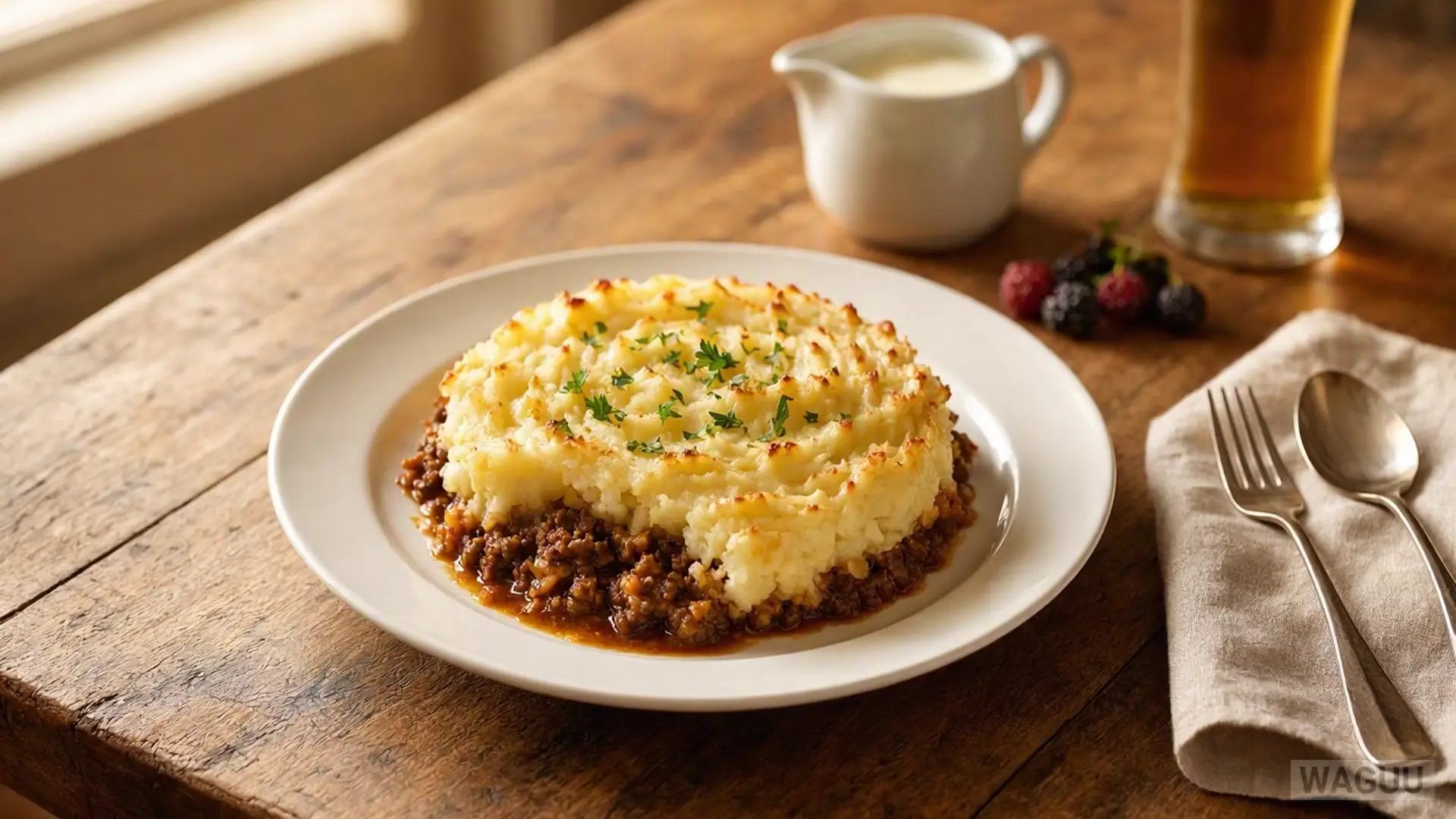
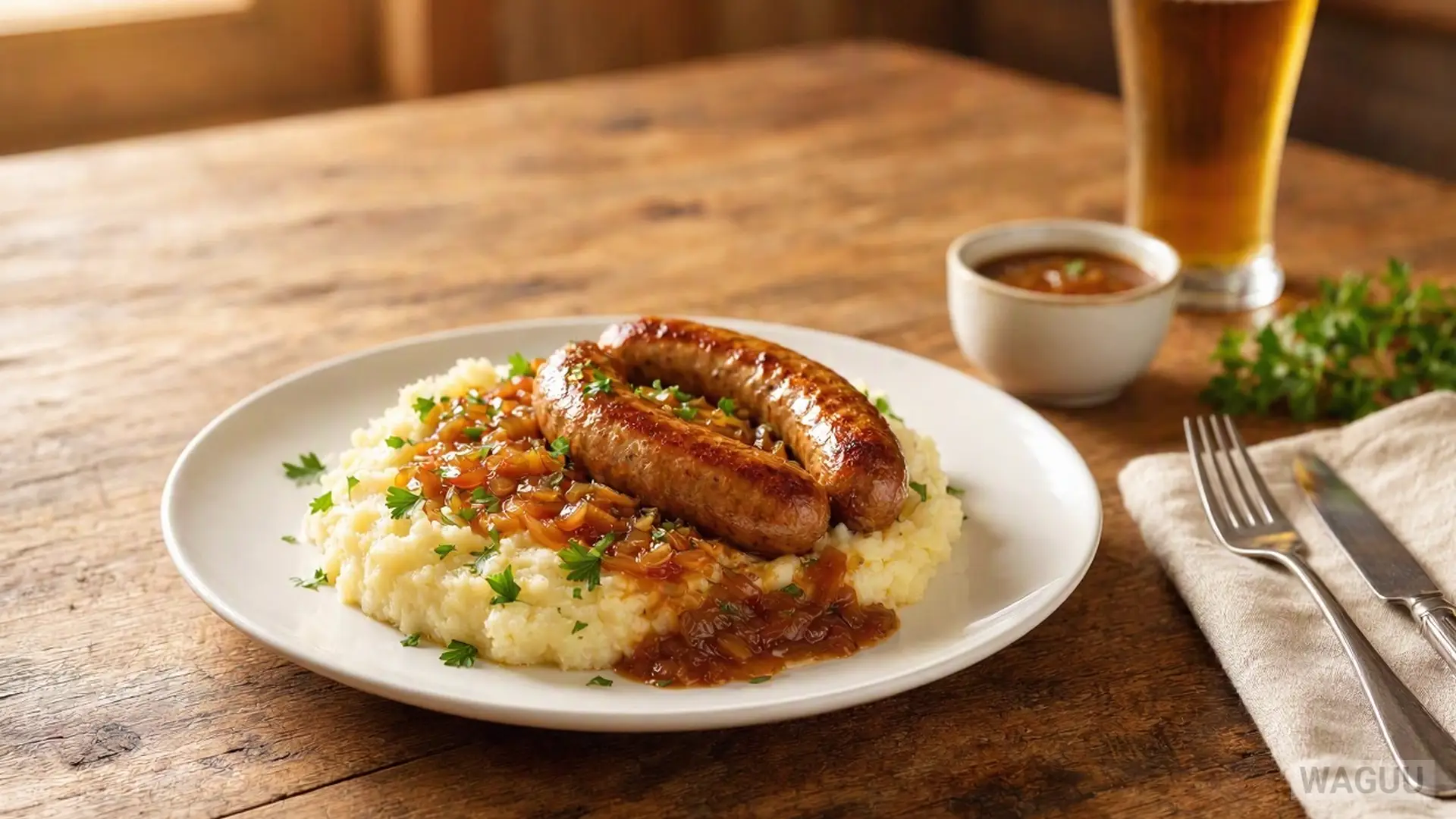
English cuisine is a tapestry of history, resilience, and hearty flavours that have defined a nation for centuries. From the coastal traditions of fried fish to the comforting warmth of a Sunday roast, these twelve dishes represent the very best of British culinary tradition, blending local ingredients with timeless cooking techniques.
Quick overview
- Topic / Dish: 12 Classic English Dishes
- Categories: British Cuisine, Main Dishes
- Cuisine: English
- Included variations: Fish and chips, Sunday Roast with Yorkshire Pudding, Full English Breakfast, Shepherd’s Pie, Cottage Pie, Bangers and Mash, Sticky Toffee Pudding, Beef Wellington, Steak and Kidney Pie, Cornish Pasty, Toad in the Hole, Apple Crumble
- Key techniques: Roasting, braising, pastry work, deep frying, batter preparation
- Physical and chemical background: Maillard reaction, starch gelatinisation, collagen hydrolysis
- Common mistakes: Overcrowding the fryer, under-seasoning the mash, improper pastry temperature
- In short: A guide to mastering the pillars of English home cooking.
- Last updated: 21 September 2026
WAGUU says: “English cuisine is about respect for the ingredient and the comfort of the table.”
Fish and chips
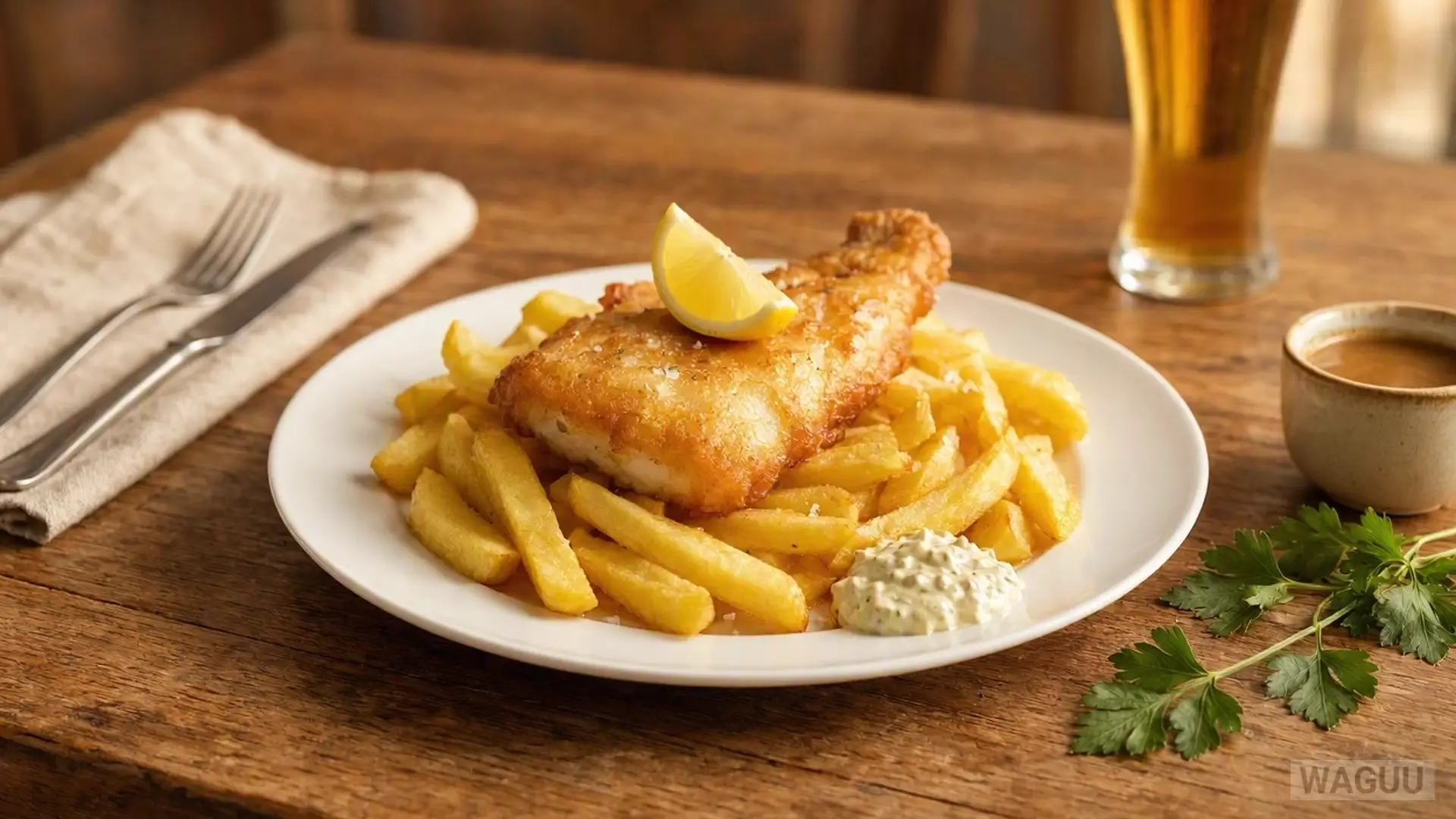
Fish and chips is perhaps the most famous culinary export from the British Isles. This dish relies on the stark contrast between the delicate, flaky white fish and the shatteringly crisp beer batter. Traditionally, cod or haddock is used, encased in a batter made from flour, leavening agents, and a quality ale or lager, which provides a light, aerated texture. The chips, thick-cut and twice-fried, should be fluffy on the inside and golden on the outside. Served with a wedge of lemon, mushy peas, and a tangy tartare sauce, it is a masterclass in texture and balance.
The secret to a great fish and chips lies in the temperature control of the frying oil. The fish must be dry before dipping into the batter to ensure proper adhesion. When dropped into the hot oil, the batter should immediately puff up and set, trapping the natural juices of the fish inside. This dish is a staple of British seaside culture and has evolved from its humble roots as street food to a celebrated national favourite that requires precision and high-quality ingredients.
- Cod or haddock fillets
- Plain flour
- Beer (lager or ale)
- Baking powder
- Potatoes (Maris Piper)
- Sunflower oil for frying
- Prepare the chips by cutting potatoes into thick batons and parboiling them.
- Whisk the batter ingredients until smooth and let it rest for 20 minutes.
- Coat the dried fish fillets in flour, then dip into the batter.
- Deep fry the fish until golden brown and the internal temperature reaches 60 °C.
Sunday Roast with Yorkshire Pudding
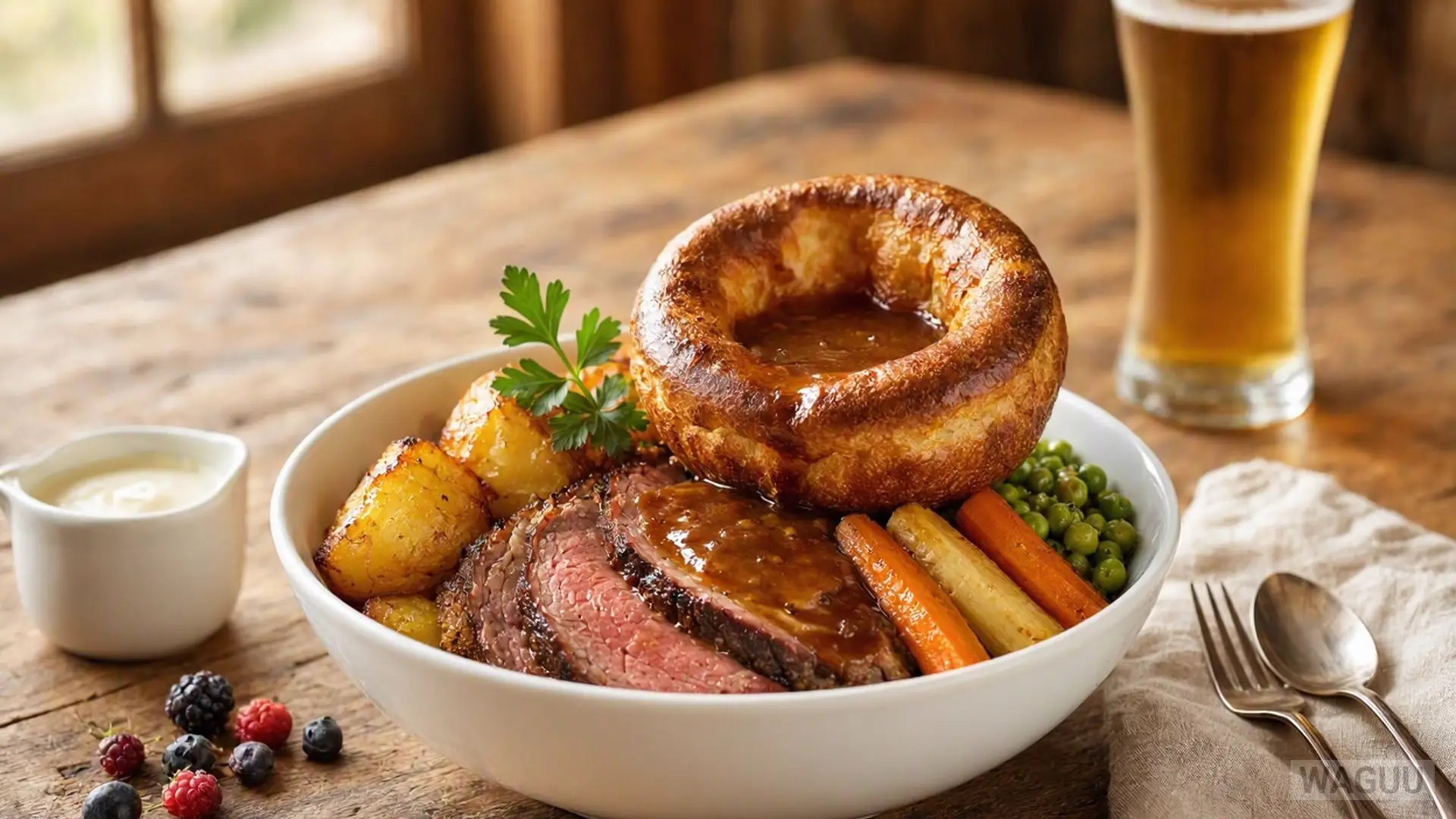
The Sunday Roast is the cornerstone of British family life, a tradition that brings generations together for a slow-cooked feast. While beef is the traditional choice, pork, lamb, or chicken are equally common. The meat is roasted until tender, often accompanied by crisp roast potatoes that have been rendered in hot fat. The centrepiece of this meal is arguably the Yorkshire pudding, a savoury batter-based side dish that rises into a golden, airy bowl designed to soak up the rich, dark gravy made from meat drippings and stock.
Creating a perfect Yorkshire pudding requires the fat to be smoking hot before the batter is added. This thermal shock ensures the pudding expands quickly, creating a crisp exterior and a soft, custard-like base. The accompanying vegetables, such as roasted carrots or parsnips, add sweetness, while the gravy ties the entire plate together. It is a meal that rewards patience and careful timing, reflecting the deep-rooted British appreciation for hearty, nourishing food shared in good company.
- Beef topside or roasting joint
- Potatoes for roasting
- Plain flour
- Eggs
- Milk
- Beef stock
- Season the beef and roast at 180 °C until the desired doneness is reached.
- Whisk the batter for the Yorkshire puddings and chill for at least 30 minutes.
- Heat beef fat in a muffin tin until smoking hot.
- Pour in the batter and bake until risen and golden.
Full English Breakfast
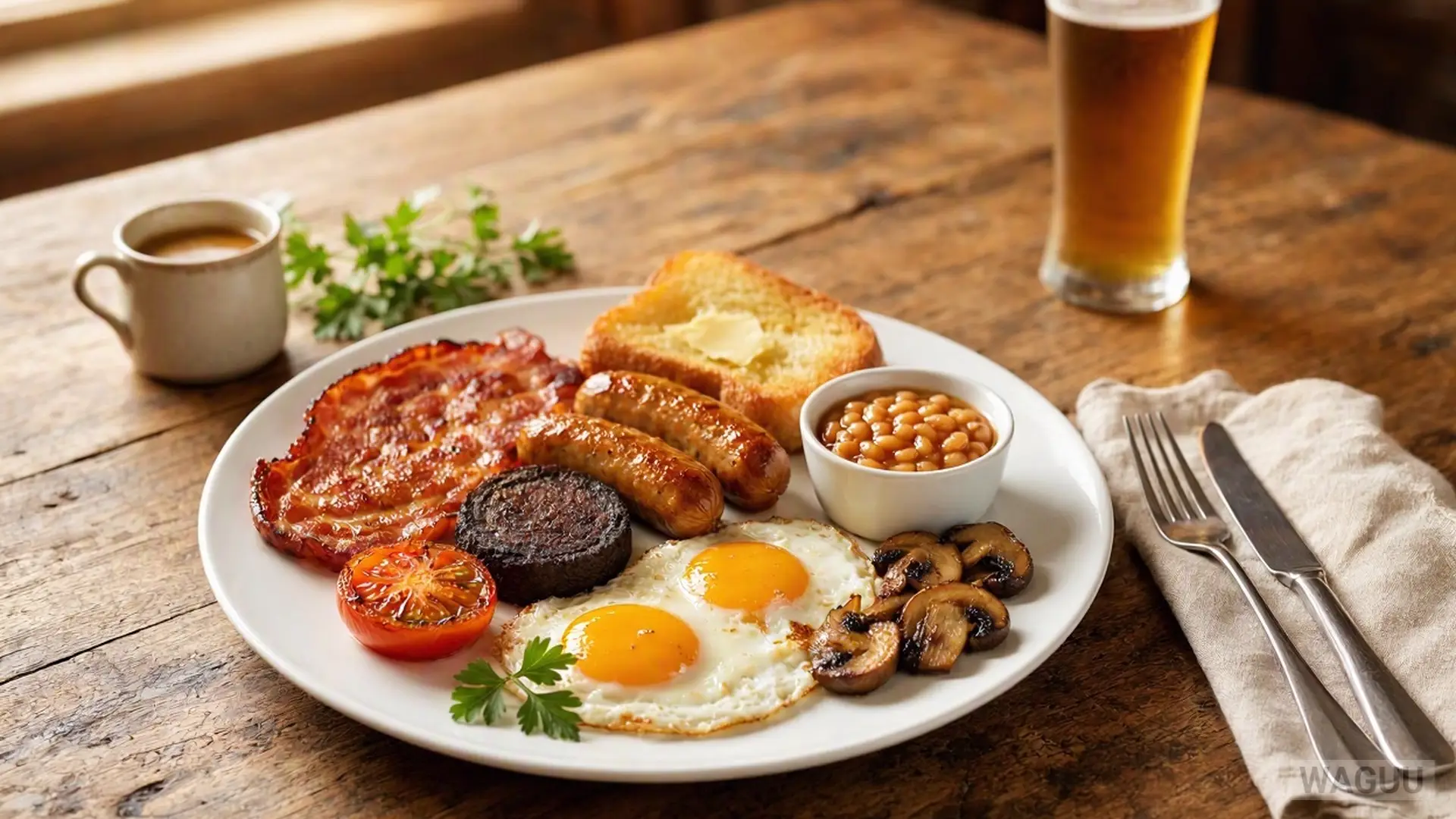
The Full English Breakfast is a monumental start to the day, designed to be as filling as it is flavourful. It is a harmonious assembly of fried eggs, back bacon, high-quality pork sausages, baked beans, grilled tomatoes, sautéed mushrooms, and buttered toast. Often, black pudding or hash browns are added to round out the experience. Each component requires a different cooking technique, from the gentle frying of the eggs to the slow grilling of the tomatoes and the crisping of the bacon.
The secret to a good Full English is timing; everything must be ready at the same time so the meal is served piping hot. The bacon should be streaky or back, depending on preference, but always cooked until the fat is rendered and golden. The beans provide a sweet, saucy element that cuts through the saltiness of the meat, while the toast acts as a vessel for the runny egg yolks. It is a dish that demands a hearty appetite and is cherished as the ultimate comfort food on a slow weekend morning.
- Back bacon rashers
- Pork sausages
- Free-range eggs
- Baked beans
- Button mushrooms
- Vine tomatoes
- Cook the sausages and bacon until browned and cooked through.
- Sauté the mushrooms and grill the tomatoes until soft.
- Fry the eggs to your preference, ensuring the yolks remain runny.
- Warm the beans and toast the bread, serving everything immediately.
Shepherd’s Pie
Shepherd’s Pie is a rustic, comforting dish consisting of minced lamb cooked in a savoury gravy with onions, carrots, and peas, then topped with a layer of mashed potatoes and baked until bubbly. The distinction between a Shepherd’s Pie and a Cottage Pie is purely the meat: Shepherd’s Pie must use lamb, reflecting its origin as a dish for the shepherds who tended their flocks. The potato topping is often finished with a fork to create ridges, which crisp up beautifully in the oven, providing a textural contrast to the soft, flavourful mince underneath.
The base of the pie relies on a rich, reduced gravy that keeps the lamb succulent. Using high-quality lamb mince ensures depth of flavour, which is further enhanced by herbs like rosemary or thyme. The mash should be smooth and buttery, perhaps enriched with a little mature Cheddar for a golden, savoury crust. When baked, the juices from the meat bubble up around the edges of the potato, creating a delicious marriage of flavours that is quintessentially British and deeply satisfying on a cold day.
- Lamb mince
- Potatoes for mashing
- Carrots
- Frozen peas
- Beef or lamb stock
- Butter
- Brown the lamb mince with onions and carrots in a deep pan.
- Stir in the stock and peas, simmering until the liquid thickens.
- Boil and mash the potatoes with butter and milk.
- Spread the mash over the meat, fork the top, and bake at 200 °C until golden.
Cottage Pie
Cottage Pie is the beef-based sibling of the Shepherd’s Pie and a classic staple of the English kitchen. It features a base of minced beef, often cooked with finely diced onions, carrots, and celery, bound together in a thick, savoury gravy. The topping is a generous layer of fluffy mashed potato, often enriched with butter and sometimes a dusting of cheese. The dish is baked until the top is golden brown and the meat mixture is piping hot, allowing the flavours to meld into a cohesive and incredibly comforting meal.
The history of the Cottage Pie dates back to the late 18th century when potatoes were introduced as a cheap crop for the working classes. Today, it remains a beloved family meal. The key to a superior Cottage Pie is the seasoning of the meat base. Adding a splash of Worcestershire sauce or a little tomato purée can significantly elevate the flavour profile. Serving this with simple buttered greens makes for a balanced, wholesome dinner that is as practical as it is delicious.
- Beef mince
- Potatoes
- Onion
- Carrots
- Beef stock
- Worcestershire sauce
- Sauté onions and beef mince until browned.
- Add carrots, stock, and seasoning, simmering until the sauce reduces.
- Prepare creamy mashed potatoes.
- Assemble in a dish, topping with mash and baking at 190 °C until crusty.
Bangers and Mash
Bangers and Mash is a simple, honest meal that highlights the quality of the ingredients. The “bangers”—a colloquial term for sausages—are typically high-quality pork sausages, often flavoured with herbs like sage or black pepper. These are served alongside a generous mound of creamy, buttery mashed potatoes, all smothered in a rich onion gravy. The gravy is essential here, providing the moisture and savoury depth needed to tie the meat and the starch together into a cohesive plate of food.
The success of this dish lies in the texture of the mash and the quality of the onion gravy. The onions should be caramelised until sweet and dark, then deglazed with stock to create a sauce that is both robust and refined. Choosing a high-pork-content sausage ensures a juicy texture that contrasts perfectly with the smooth potato. It is a quintessential pub favourite that demonstrates how a few humble ingredients, when treated with care, can create a meal that is truly greater than the sum of its parts.
- Pork sausages
- Potatoes (Maris Piper)
- Onions
- Beef stock
- Butter
- Plain flour
- Boil and mash the potatoes with plenty of butter and warm milk.
- Fry the sausages until golden and cooked through.
- Caramelise sliced onions in the same pan, adding flour and stock for gravy.
- Serve the sausages on the mash, generously drizzled with the onion gravy.
Sticky Toffee Pudding
Sticky Toffee Pudding is the ultimate British dessert, a moist sponge cake made with finely chopped dates, covered in a rich, dark toffee sauce. The dates provide both natural sweetness and a unique, jammy texture to the sponge, which is light yet dense enough to hold the sauce. Served warm, usually with a scoop of vanilla ice cream or a dollop of thick double cream, it offers a indulgent experience that has become a staple in restaurants and homes across the country.
The toffee sauce is made from brown sugar, butter, and cream, boiled until it reaches a deep, caramelised state. The magic happens when the sauce is poured over the freshly baked sponge, allowing it to soak into the depths of the cake. This dessert is a masterclass in balancing sweetness with the slight bitterness of the dark sugar and the earthy notes of the dates. It is a comforting, soul-warming end to any meal, particularly during the colder months of the year.
- Pitted dates
- Dark brown sugar
- Butter
- Eggs
- Plain flour
- Double cream
- Soak dates in boiling water, then blend into a smooth paste.
- Cream the butter and sugar, add eggs, then fold in flour and date paste.
- Bake the sponge in a greased tin at 180 °C until set.
- Simmer cream, sugar, and butter for the sauce and pour over the warm cake.
Beef Wellington
Beef Wellington is the pinnacle of British festive dining, a sophisticated dish featuring a tender beef fillet coated in mushroom duxelles, wrapped in delicate puff pastry, and baked to perfection. The mushroom duxelles—a finely chopped mixture of mushrooms, shallots, and herbs—acts as a moisture barrier, preventing the pastry from becoming soggy while adding an earthy, savoury depth that complements the beef. The final result is a beautiful, golden-brown parcel that reveals a perfectly pink, juicy centre when sliced.
Precision is key when preparing a Beef Wellington. The beef must be seared quickly to seal in the juices, and the duxelles must be cooked until almost all moisture has evaporated. Wrapping the assembly in parma ham provides an additional layer of flavour and protection for the pastry. It is a dish that requires practice and patience, but the combination of crisp pastry, fragrant mushrooms, and tender meat makes it a showstopper that defines high-end English cooking.
- Beef fillet
- Chestnut mushrooms
- Puff pastry
- Parma ham
- English mustard
- Egg wash
- Sear the beef fillet, then brush with mustard while warm.
- Sauté finely chopped mushrooms until dry to create the duxelles.
- Lay out pastry, add ham, duxelles, and beef, then roll tightly.
- Brush with egg wash and bake at 200 °C until the pastry is crisp and golden.
Steak and Kidney Pie
Steak and Kidney Pie is a traditional, robust dish that highlights the classic English combination of beef and offal. Cubes of tender steak and earthy kidney are simmered in a dark, thick gravy until they are melt-in-the-mouth soft. The mixture is then topped with a buttery shortcrust pastry and baked until the crust is crisp and golden. This pie is a celebration of traditional nose-to-tail eating, where the rich, iron-heavy flavour of the kidney balances the meaty sweetness of the beef.
The gravy is the soul of this pie, often enriched with a splash of dark ale or stout to add complexity. The shortcrust pastry should be flaky and rich, providing the perfect vehicle for the dense, flavourful filling. While modern tastes sometimes shy away from kidneys, they are essential for the authentic profile of this dish. Served with simple boiled vegetables or mashed potatoes, it is a hearty and deeply satisfying meal that speaks to the history of British pub food.
- Beef chuck steak
- Ox or lamb kidneys
- Shortcrust pastry
- Beef stock
- Onion
- Plain flour
- Brown the meat, then simmer with onions and stock for at least 2 hours.
- Allow the mixture to cool before topping with pastry.
- Roll out the shortcrust pastry and cover the pie dish.
- Bake at 190 °C until the pastry is golden and the filling is bubbling.
Cornish Pasty
The Cornish Pasty is a legendary hand-held meal originating from the tin mines of Cornwall. It consists of a pastry shell filled with a savoury mixture of beef, potato, swede, and onion, seasoned well with salt and pepper. The key to an authentic pasty is the crimped edge, which traditionally served as a handle for the miners to hold while eating, allowing them to discard the dirty crust edge without wasting the nutritious interior. Today, it remains a beloved snack and a symbol of Cornish identity.
The beauty of the pasty lies in its simplicity. The ingredients are not pre-cooked; they are placed raw into the pastry, meaning they steam slowly in their own juices as the pasty bakes. This ensures that the meat remains tender and the vegetables retain their structure. The pastry must be sturdy enough to hold the filling but flaky enough to be enjoyable. It is a testament to the ingenuity of the working class, creating a portable, balanced, and delicious meal that has stood the test of time.
- Shortcrust pastry
- Beef skirt or chuck
- Potato
- Swede
- Onion
- Butter
- Dice the beef and vegetables into small, uniform cubes.
- Roll out the pastry and place the raw filling in the centre.
- Fold and crimp the edges to seal the pasty completely.
- Bake at 200 °C for 45 minutes until golden brown.
Toad in the Hole
Toad in the Hole is a playful and deeply comforting English dish featuring sausages nestled in a fluffy, risen Yorkshire pudding batter. The “toads” are the sausages, emerging from their “hole” of batter as it bakes. It is a simple concept that relies entirely on the quality of the sausages and the success of the batter. When done correctly, the pudding should be golden and crisp on the edges, while the sausages are browned and juicy, having been roasted in the fat that helps the batter rise.
The dish is typically served with a generous helping of onion gravy and seasonal vegetables. It is a fantastic example of using pantry staples to create something special. The batter must be made with eggs, flour, and milk, and it is crucial that the fat in the roasting tin is smoking hot before the batter is poured in. This ensures the pudding rises immediately, creating the characteristic crater that cradles the sausages. It is a budget-friendly, family-oriented meal that brings joy to the dinner table.
- Pork sausages
- Plain flour
- Eggs
- Milk
- Beef fat or oil
- Onion gravy
- Preheat the oven and roast the sausages in a tin with fat.
- Whisk the batter ingredients and let them stand.
- Pour the batter around the hot sausages and return to the oven immediately.
- Bake at 200 °C until the pudding is golden and well-risen.
Apple Crumble
Apple Crumble is the quintessential British home-style dessert. It consists of a base of sweetened, spiced apples topped with a rough mixture of flour, butter, and sugar, which is baked until the fruit is soft and the topping is crunchy. The simplicity of the crumble is its greatest strength, allowing the natural sweetness of the apples to shine through, balanced by the warmth of cinnamon and the buttery richness of the topping. It is the perfect end to a Sunday lunch or a midweek dinner, especially when served with hot custard.
The texture of the topping is what defines a great crumble; it should be crumbly, not a solid dough, achieved by rubbing the butter into the flour with your fingertips until it resembles coarse breadcrumbs. Adding a little demerara sugar to the mix ensures a satisfying crunch after baking. Whether eaten with custard, ice cream, or cream, the apple crumble is a timeless classic that evokes memories of home and comfort, proving that you do not need complex techniques to create a truly spectacular dessert.
- Bramley or cooking apples
- Plain flour
- Cold butter
- Caster sugar
- Ground cinnamon
- Demerara sugar
- Peel and slice the apples, tossing them with sugar and cinnamon.
- Rub butter into the flour and sugar to create a crumbly texture.
- Spread the topping over the apples in a baking dish.
- Bake at 180 °C until the topping is golden and the fruit is bubbling.
Frequently asked questions
What makes English cuisine unique?
It is defined by a focus on high-quality local produce, hearty portions, and a balance of savoury and sweet elements, often rooted in historical necessity.
Can I substitute ingredients in these recipes?
Yes, many recipes allow for substitutions, though maintaining the balance of moisture and fat is essential for the final texture.
Are these dishes suitable for beginners?
Absolutely; many of these classics are designed for home cooking and provide a great foundation for learning essential culinary techniques.
How do I store leftovers?
Most of these dishes keep well in the refrigerator for 2–3 days and can be reheated in an oven or microwave, though crisp textures like pastry may lose some quality.
Also known as: British classics, traditional English food, pub grub
Author: WAGUU Petr & Team • Published: 21 Sep 2026 • Updated: 29 Oct 2026
Conclusion
Mastering these twelve dishes provides a comprehensive understanding of the flavours and techniques that make English cuisine so enduring. Whether you are baking a golden Beef Wellington or preparing a simple bowl of bangers and mash, the focus remains on comfort, quality, and the pleasure of a well-cooked meal. We hope this guide inspires you to explore these recipes in your own kitchen.
Choose your recipe
Fish and chips – Crispy battered fish served with golden chips.
Sunday Roast with Yorkshire Pudding – A traditional family roast dinner.
Full English Breakfast – The ultimate hearty morning meal.
Shepherd’s Pie – Savoury lamb mince topped with creamy mash.
Cottage Pie – Beef mince base with a golden potato crust.
Bangers and Mash – Sausages with mash and onion gravy.
Sticky Toffee Pudding – A rich date sponge with toffee sauce.
Beef Wellington – Beef fillet encased in mushroom duxelles and pastry.
Steak and Kidney Pie – Tender meat in a rich gravy with pastry.
Cornish Pasty – A classic hand-held meat and vegetable pastry.
Toad in the Hole – Sausages baked in a light batter.
Apple Crumble – Baked apples with a crunchy topping.
Other possible variations
Beer-Battered Cod
This variation uses a lighter ale for the batter, which results in a more delicate crust compared to the traditional lager version. It is perfect for those who prefer a less heavy fried coating.
Herb-Crusted Roast Beef
By adding a crust of fresh rosemary, thyme, and garlic, you introduce a fresh, aromatic profile to the Sunday roast. This is an excellent choice for a more modern, lighter take on the classic beef joint.
Vegetarian Breakfast
This version swaps sausages for grilled halloumi or vegetarian sausages and adds avocado. It is a popular, modern alternative that keeps the heartiness of the traditional breakfast.
Sweet Potato Shepherd’s Pie
Replacing white potato with sweet potato mash adds a subtle sweetness and a vibrant colour. It is a fantastic option for those looking to change the nutritional profile of the dish.
Beef and Ale Cottage Pie
Adding a splash of dark ale to the beef mince base introduces a deep, malty complexity. This variation is ideal for those who enjoy a more robust, savoury flavour in their pie.
Cheese and Leek Mash
Incorporating sautéed leeks and mature Cheddar into the mash for Bangers and Mash adds texture and a sharp, savoury kick. It elevates a simple side into a standalone highlight.
Ginger-Spiced Sticky Toffee
Adding ground ginger to the sponge gives this dessert a warm, spicy undertone. It is a great winter variation that pairs exceptionally well with the rich toffee sauce.
Mushroom and Spinach Wellington
This vegetarian version uses a large portobello mushroom as the centrepiece instead of beef. It is just as elegant and provides a deeply satisfying umami experience.
Steak and Ale Pie
Removing the kidney and increasing the steak quantity makes this more accessible for those who dislike offal. It retains the deep flavour through the increased use of ale.
Cheese and Onion Pasty
A classic vegetarian alternative, this pasty relies on a rich blend of mature cheese and caramelised onions. It is a satisfying hand-held snack that is perfect for picnics.
Herbed Sausage Toad
Using sausages infused with sage and thyme enhances the aromatic quality of the dish. It is a simple upgrade that transforms the flavour profile significantly.
Rhubarb and Apple Crumble
Adding rhubarb provides a tart contrast to the sweetness of the apples. This is a very popular combination that adds an extra dimension to the fruit base.
Gluten-Free Fish and Chips
Using a gluten-free flour blend ensures that everyone can enjoy this classic. It is just as crisp and delicious as the traditional wheat-based version.
Pork and Apple Sunday Roast
Serving roast pork with a side of apple sauce is a traditional pairing that cuts through the richness of the meat. It is a refreshing variation on the standard roast.
Vegan Breakfast
Swapping eggs for scrambled tofu and using vegan sausages makes this a complete plant-based meal. It maintains the spirit of the Full English without any animal products.
Lentil Shepherd’s Pie
Using brown lentils provides a wonderful texture and protein content. It is a healthy, budget-friendly twist that is loved by vegetarians and meat-eaters alike.
Curried Beef Cottage Pie
Adding mild curry powder to the beef mince base introduces a subtle, aromatic spice. This is a nod to the influence of international flavours on modern British cuisine.
Garlic and Herb Mash
Infusing the mash with roasted garlic and fresh chives adds a sophisticated depth of flavour. It is the perfect accompaniment to high-quality sausages.
Coffee-Infused Toffee Sauce
Adding a small amount of strong coffee to the toffee sauce balances the sweetness with a slight bitterness. This is a more adult variation for those who enjoy complex desserts.
Venison Wellington
Using venison instead of beef adds a gamey, leaner flavour profile. It is a luxurious choice that feels particularly appropriate for autumn and winter dining.
Chicken and Mushroom Pie
Swapping steak for chicken and adding cream to the gravy results in a lighter, more delicate pie. It is a favourite for those who prefer white meat.
Spicy Beef Pasty
Adding chopped chilli to the beef and vegetable mix provides a welcome kick. It is a modern, bold variation for those who enjoy heat in their food.
Chorizo in the Hole
Using spicy chorizo sausages adds a distinct smoky flavour to the batter. It is a vibrant, flavourful twist on the traditional toad in the hole.
Pear and Ginger Crumble
Using pears instead of apples, with a hint of ginger, creates a softer and more aromatic dessert. It is a delightful variation that feels slightly more elegant.
Do you know another variation? Add your own suggestion below.
Missing a recipe?
Tell us what recipe you would like us to add. We will do our best to publish it soon!
Frequently asked questions about other variations
- Are vegetarian versions as satisfying? Yes, by using flavourful alternatives like mushrooms, lentils, or halloumi, you can achieve a similar depth of flavour.
- Can I mix and match ingredients? Certainly, most of these variations are designed to be flexible according to your pantry and preferences.
- Do these variations require different cooking times? Generally not, but always monitor the oven closely when using different vegetables or meats.
- Which variation is best for beginners? The Cheese and Onion Pasty is a great starting point for those new to pastry work.
- Are these variations healthier? Some, like the sweet potato or lentil versions, offer improved nutritional profiles compared to the traditional ingredients.
- Can I make these ahead of time? Yes, most of these variations can be prepared in advance and baked when needed.
- Which is the most popular variation? The Beer-Battered Cod and the Sweet Potato Shepherd’s Pie are consistently highly rated.
- Where can I find more inspiration? Explore our technique articles to learn more about how to refine these variations.