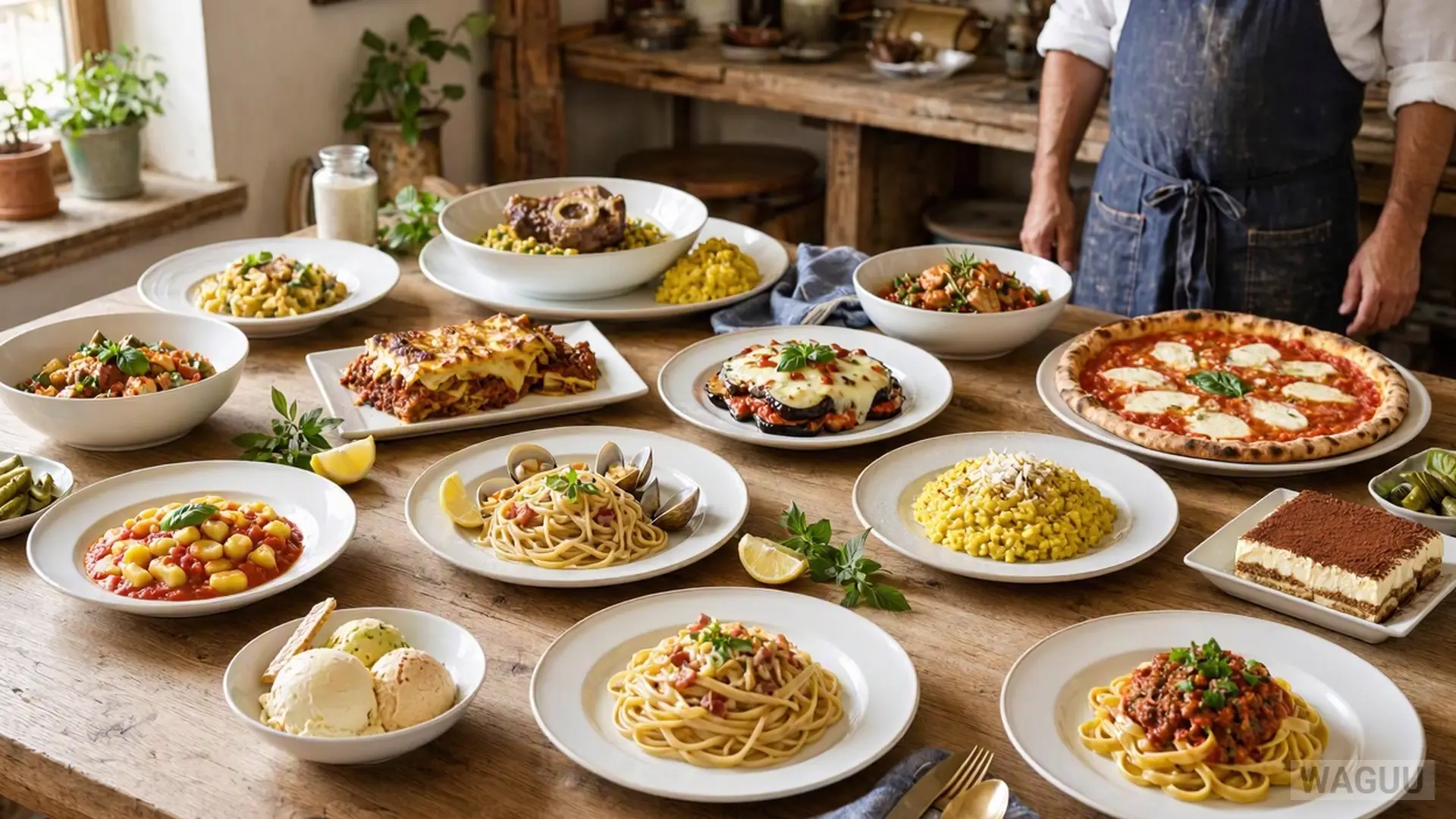
Summary: Explore twelve of the most beloved Italian dishes that define the rich and diverse culinary landscape of Italy. This comprehensive guide is designed for home cooks, food enthusiasts, and anyone eager to master authentic Italian flavours through traditional techniques. Reading time: 25 minutes.
Category: Articles |
Reading time: 25 minutes
Step-by-step photo gallery
Did you cook any of the variations? Share a photo in the comments under the recipe; we would love to add it to the gallery. Did you film a video tutorial? Insert a link to YouTube, YouTube Shorts, TikTok, Instagram Reels, Facebook Reels, Pinterest, Vimeo, or X (Twitter) in the comments; we would be happy to publish it.
Discover the timeless allure of Italian cuisine, where simplicity meets profound culinary heritage. From the sun-drenched coasts of Naples to the rolling hills of Tuscany and the bustling streets of Rome, Italian cooking is built on the philosophy of letting high-quality, seasonal ingredients shine. This curated collection brings together twelve iconic dishes that represent the very soul of Italy, offering detailed insights, historical context, and practical guidance for recreating these masterpieces in your own kitchen. Whether you are seeking a comforting bowl of slow-cooked ragù, a crisp-crusted wood-fired pizza, or a silky, decadent dessert, this guide provides everything you need to embark on a remarkable gastronomic journey.
Quick overview
- Topic / Dish: Italian Cuisine Classics
- Categories: Cuisines, Main Dishes
- Cuisine: Italian
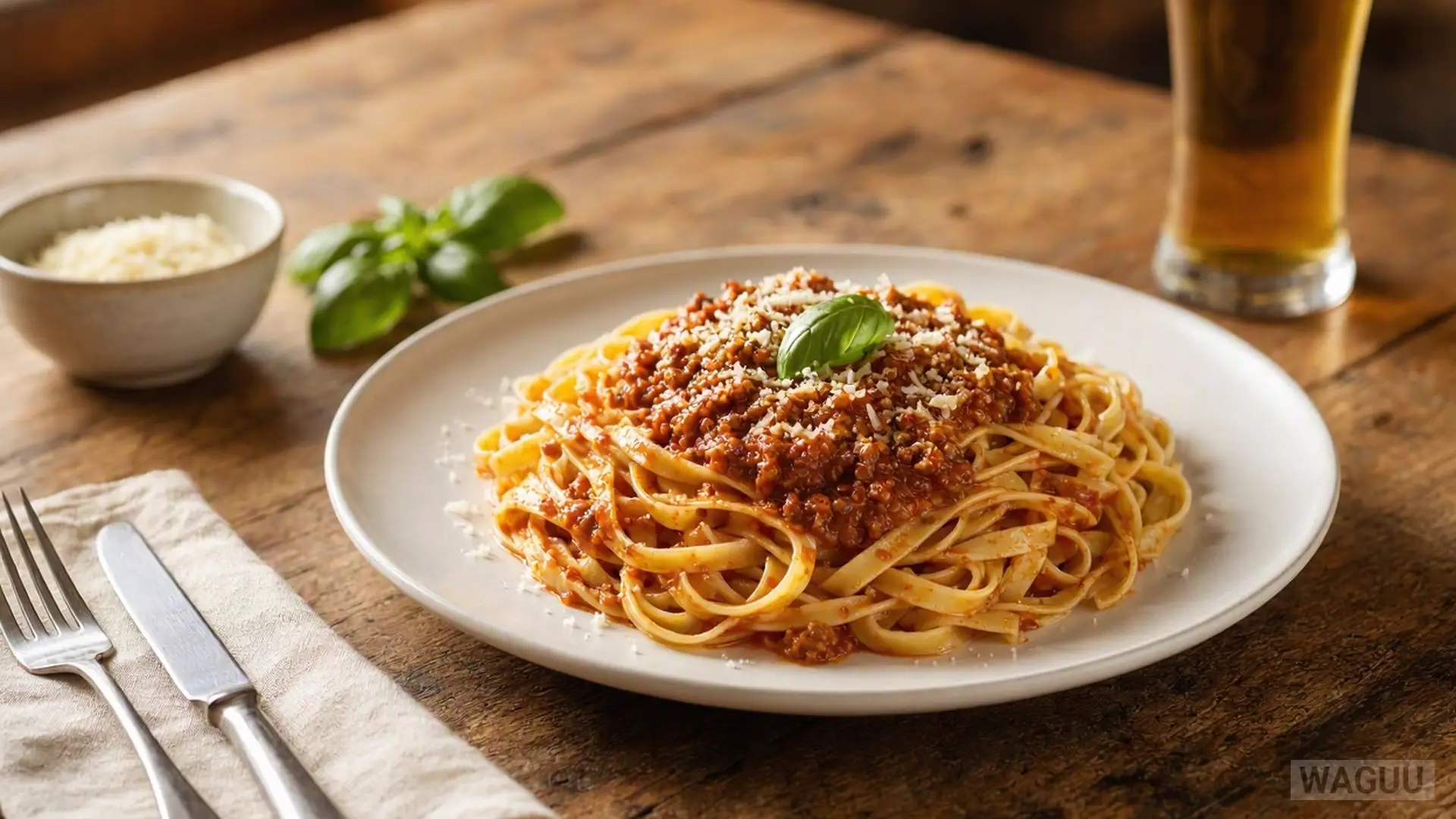
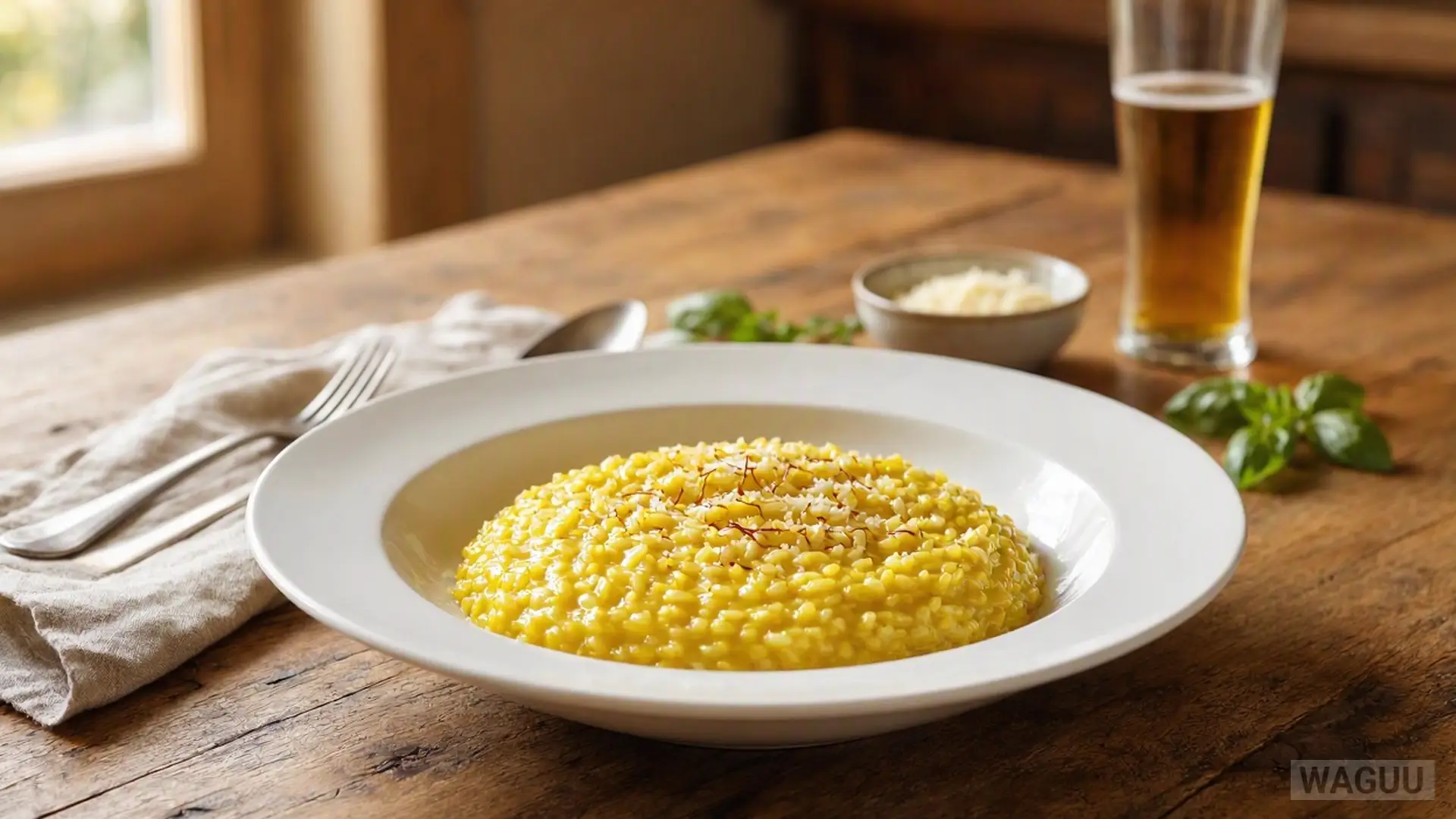
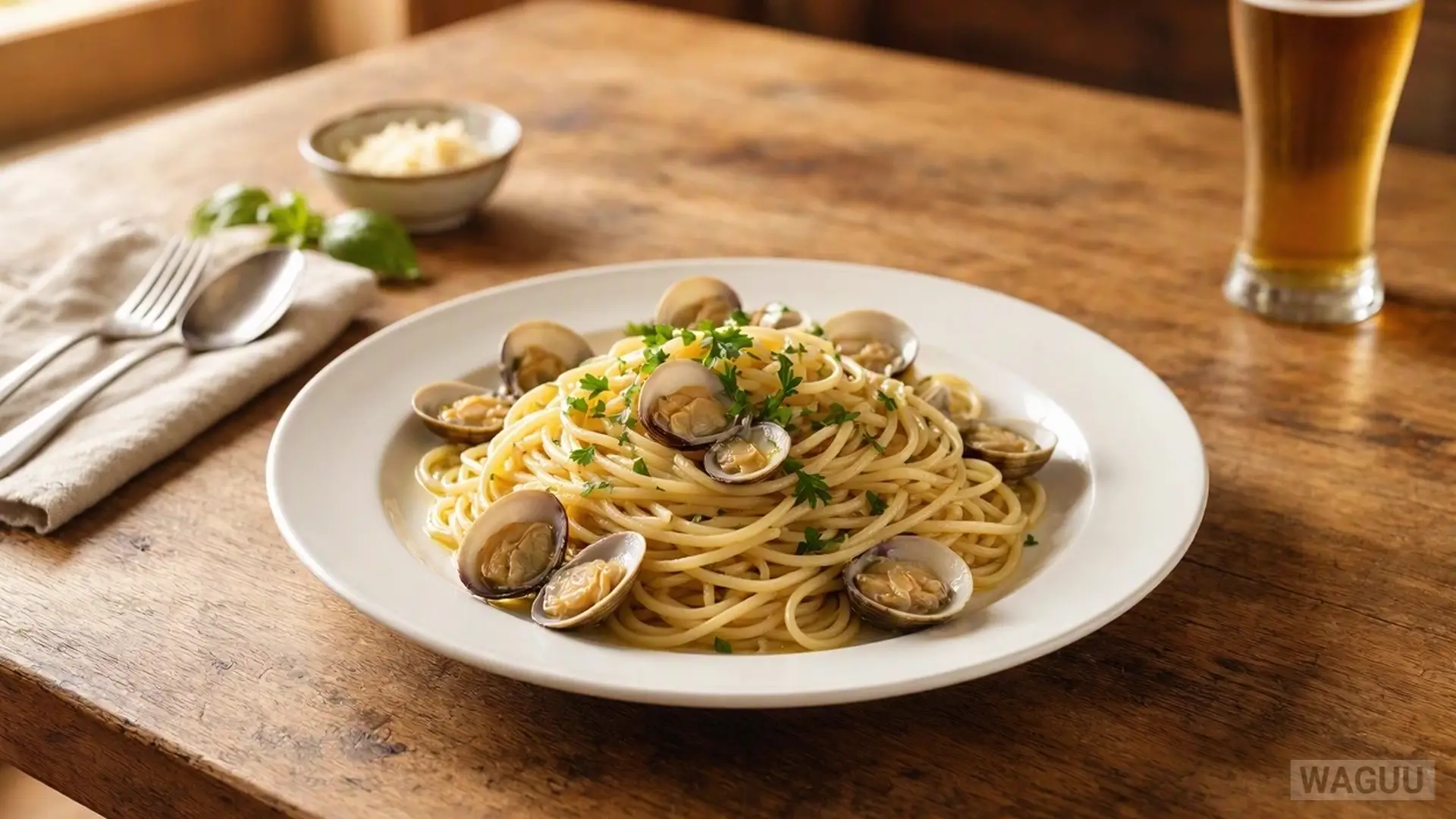
- Included variations: Pizza Napoletana, Spaghetti alla Carbonara, Lasagne alla Bolognese, Tagliatelle al Ragù, Risotto alla Milanese, Spaghetti alle Vongole
- Key techniques: Dough fermentation, pasta rolling, emulsification, slow braising, risotto stirring
- Physical and chemical background: Starch gelatinisation, protein denaturation, Maillard reaction
- Common mistakes: Using cream in carbonara, overcooking pasta, boiling pizza
- In short: Master twelve legendary Italian recipes with professional techniques and authentic flavours.
- Last updated: 21 September 2026
WAGUU says: “Italian cooking is not merely about following rules; it is an intimate understanding of how humble ingredients transform through heat, time, and care into extraordinary sensory experiences.”
How to take it further: Source DOP-certified cheeses and experiment with stone-ground flours for deeper flavor complexity.
Key facts
| Preparation time: | 30 minutes to 3 hours |
| Cooking time: | 10 minutes to 4 hours |
| Main ingredient: | Flour, semolina, tomatoes, rice, veal |
| Number of servings: | 6 portions per recipe |
| Difficulty: | Intermediate to Advanced |
Method in brief
- Prepare high-hydration dough or fresh egg pasta with rigorous kneading and resting.
- Source authentic regional ingredients including guanciale, Parmigiano Reggiano, and San Marzano tomatoes.
- Apply precise thermal control, whether baking at extreme oven temperatures or gently simmering ragù.
- Emulsify cooking water with fats and cheeses to achieve silky, glossy sauces without heavy cream.
- Garnish with fresh aromatic herbs and serve immediately at optimal dining temperatures.
In a nutshell
- Heritage: Rooted in regional Italian agricultural traditions and centuries of family culture.
- Technique: Focuses on minimal ingredients treated with maximum culinary precision.
- Texture: Balances al dente pasta, creamy emulsions, and crisp crusts.
- Flavor: Highlights the natural sweetness of ripe tomatoes, aged umami cheeses, and cured meats.
- Adaptability: Easily tailored to seasonal vegetables and dietary preferences.
- Result: Unforgettable dining experiences that bring authentic Italian warmth to your table.
Who this guide is for: Beginner – home cooks looking to understand the foundational pillars of Italian cookery without feeling overwhelmed. Intermediate – passionate food lovers eager to refine their pasta-shaping, dough-fermenting, and sauce-emulsifying skills. Pro – professional chefs and advanced culinary hobbyists seeking historical accuracy, precise technical ratios, and deep sensory insights into Italy’s greatest culinary treasures.
The Twelve Pillars of Italian Gastronomy
Pizza Napoletana
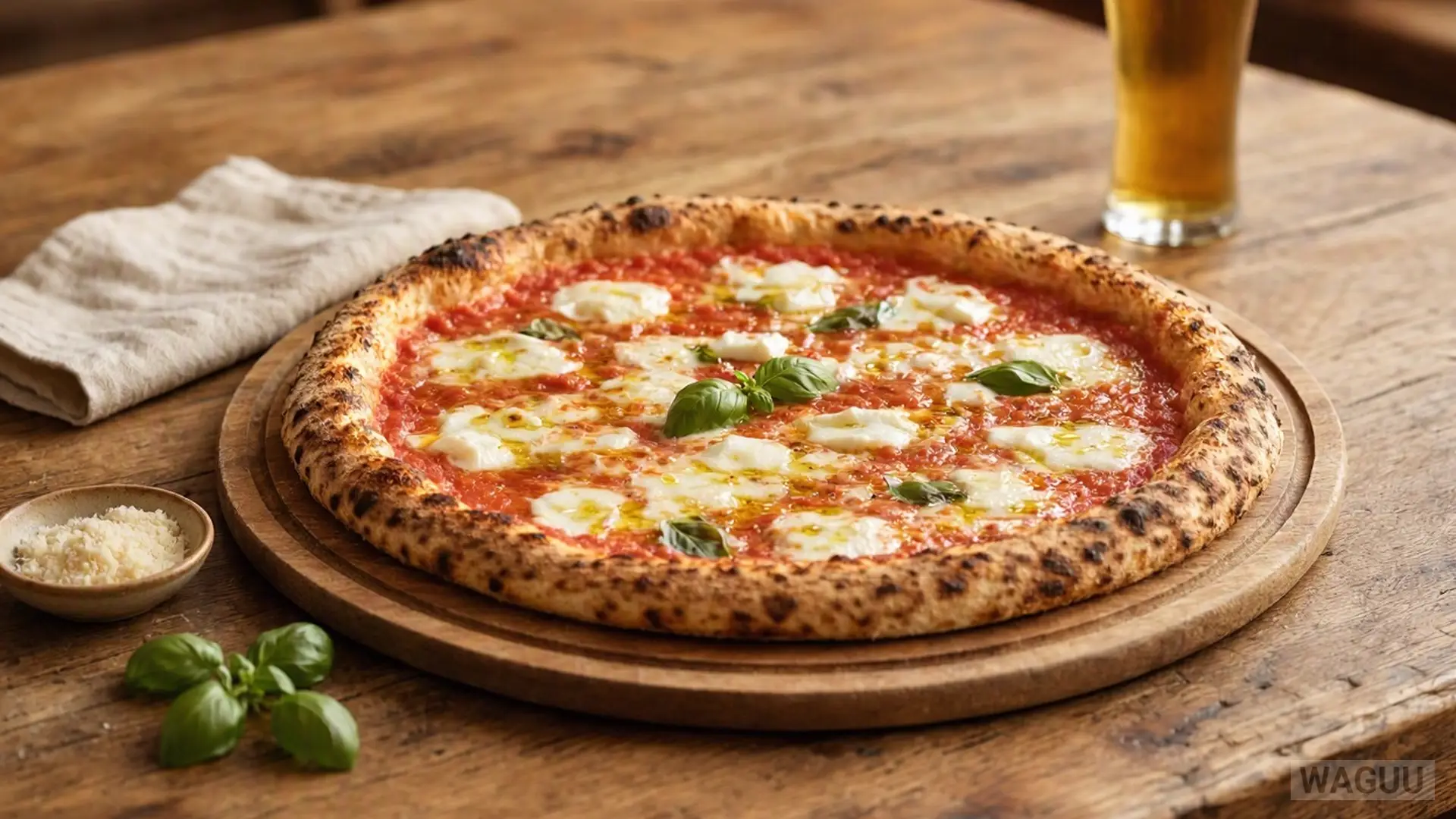
Pizza Napoletana stands as a crowning achievement of Italian baking, originating from the vibrant streets of Naples. This traditional masterpiece is defined by its soft, pliable, and pillowy crust featuring characteristic charred spots known as leopard spotting, achieved only through exposure to extreme heat. The foundation begins with a simple, unadorned dough made from type 00 flour, water, salt, and fresh yeast, fermented slowly over many hours to develop complex flavours and optimal digestibility. Topped exclusively with San Marzano tomatoes crushed by hand, fresh buffalo mozzarella or fior di latte, fragrant leaves of fresh basil, and a delicate drizzle of extra virgin olive oil, it represents an exercise in minimalist perfection. When baked in a wood-fired oven reaching temperatures upwards of 450 °C for a mere 60 to 90 seconds, the crust balloons dramatically while the toppings fuse into a harmonious, bubbling mosaic. Recreating this at home requires a keen understanding of dough hydration, gluten development, and thermal management, ensuring that every bite delivers a balance of crunch, chew, acidity, and rich dairy unami.
- Type 00 wheat flour
- San Marzano whole peeled tomatoes
- Fresh fior di latte mozzarella
- Fresh basil leaves
- Extra virgin olive oil
- Fine sea salt
- Mix flour, water, salt, and yeast into a smooth dough, then let it ferment for 24 hours at controlled temperatures.
- Divide into portions, shape into tight balls, and allow them to rise until doubled in volume.
- Stretch the dough disc by hand from the centre outward to push air into the outer rim.
- Top swiftly with crushed tomatoes, torn mozzarella, basil, and olive oil.
- Bake on a preheated pizza stone under maximum heat until the crust puffs and chars.
Spaghetti alla Carbonara
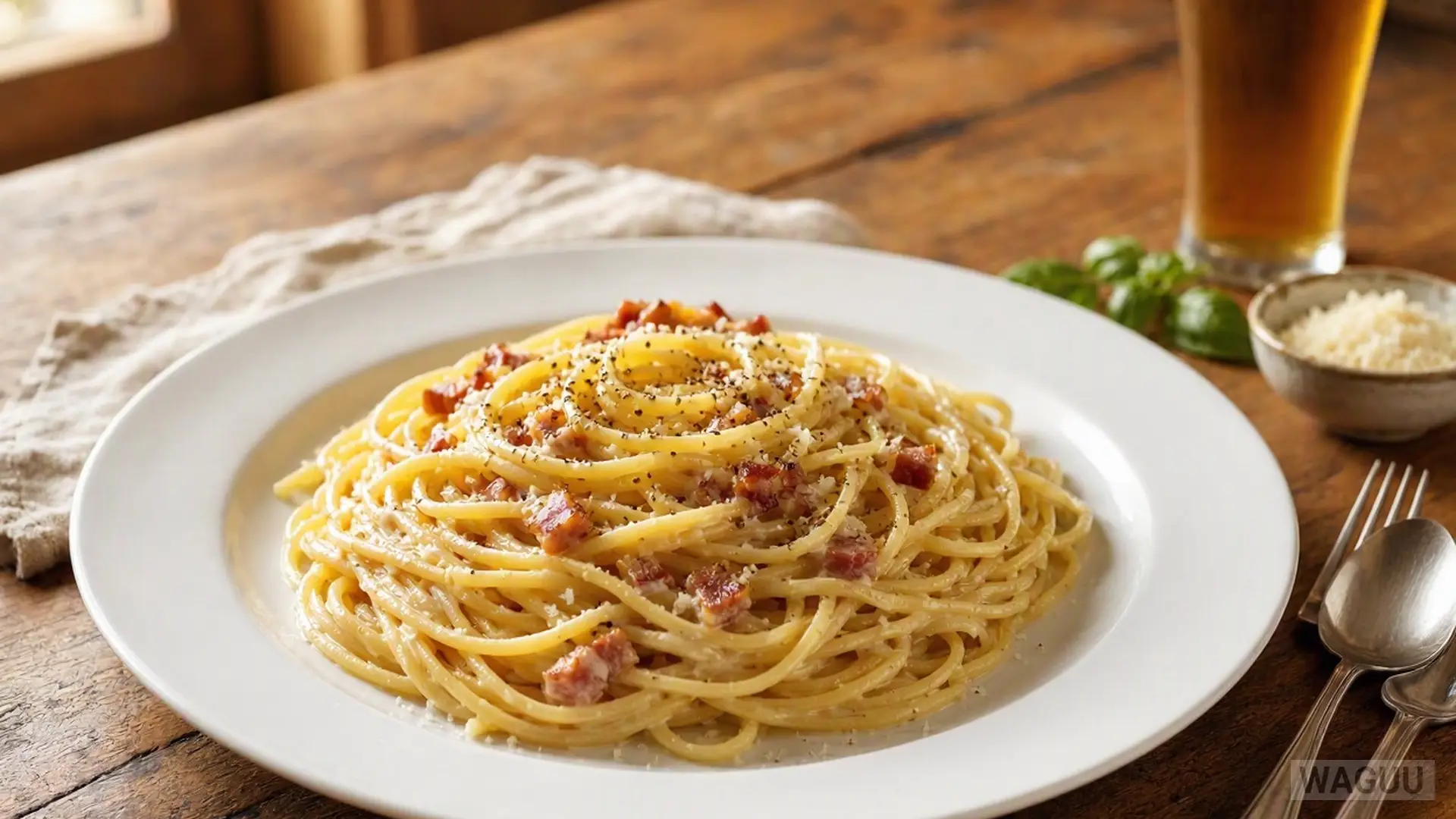
Spaghetti alla Carbonara is a legendary Roman pasta dish that showcases the transformative power of emulsion. True traditional carbonara strictly forbids the use of cream, relying entirely on the delicate alchemy between eggs, aged Pecorino Romano cheese, cured pork jowl known as guanciale, and freshly cracked black pepper. The process starts by rendering the diced guanciale slowly in a pan until its fat melts into liquid gold and the meat turns remarkably crisp. Meanwhile, spaghetti is boiled in salted water until perfectly al dente. The magic occurs off the heat, where the hot pasta is tossed with rendered pork fat and a rich mixture of whisked whole eggs, egg yolks, and copious amounts of grated Pecorino. By carefully incorporating starchy pasta cooking water, the fat and proteins emulsify into a luxuriously glossy, velvety sauce that coats every strand of spaghetti without scrambling the eggs. Finished with a heavy dusting of black pepper and extra cheese, this dish delivers an intense, savoury punch that has conquered palates across the globe.
- Spaghetti pasta
- Cured pork guanciale
- Fresh egg yolks and whole eggs
- Pecorino Romano cheese
- Coarsely ground black pepper
- Slice and crisp the guanciale in a dry pan over medium heat until golden and crunchy.
- Boil spaghetti in salted water until al dente, reserving a cup of starchy cooking water.
- Whisk eggs, egg yolks, and grated Pecorino Romano together in a large bowl with plenty of black pepper.
- Combine hot drained pasta with the crispy guanciale and rendered fat off the heat.
- Pour in the egg mixture while vigorously stirring, adding splashes of pasta water to create a glossy emulsion.
Lasagne alla Bolognese
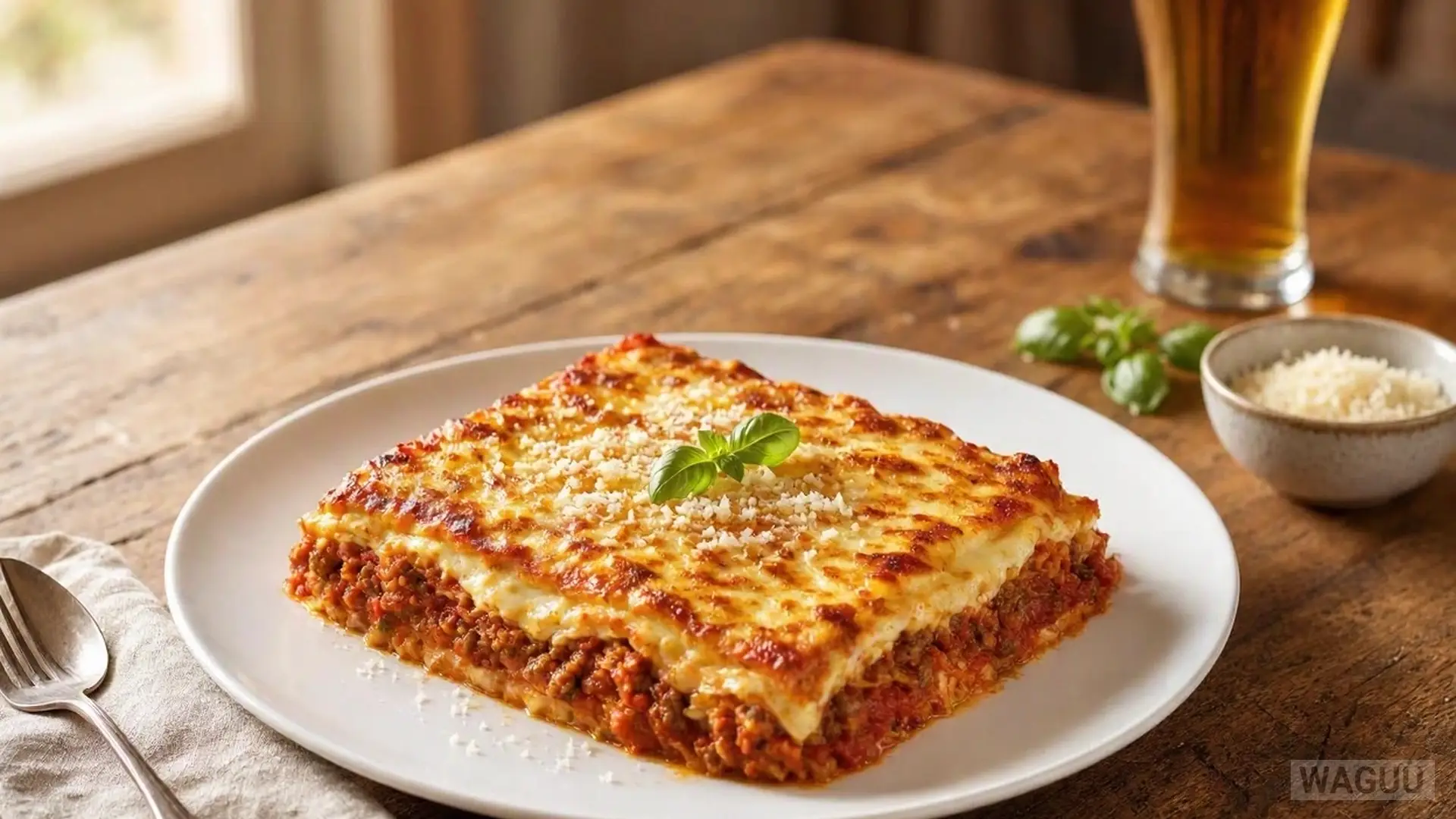
Lasagne alla Bolognese is the ultimate comfort food of Emilia-Romagna, featuring wide sheets of green spinach pasta layered with a rich, slow-cooked meat ragù, silky béchamel sauce, and Parmigiano Reggiano. Unlike tomato-heavy American variants, authentic Bolognese ragù relies on a soffritto of onions, carrots, and celery, minced beef and pork, wine, milk, and just a touch of tomato passata, simmered for hours until meltingly tender. This hearty meat sauce is alternated with homemade egg pasta sheets and a creamy nutmeg-scented béchamel, building a structured architectural marvel in a baking dish. As it bakes in the oven, the layers meld together, and the top develops a bubbling, golden-brown crust of crisped cheese and pasta edges. Resting the lasagne before slicing is crucial, allowing the internal starches and dairy proteins to set so that clean, defined squares can be served. Every forkful offers a symphony of savoury meat, rich dairy, and tender pasta.
- Fresh spinach lasagna sheets
- Slow-cooked beef and pork ragù
- Classic butter and flour béchamel
- Grated Parmigiano Reggiano cheese
- Whole milk and white wine
- Prepare the ragù by gently simmering minced meats, aromatics, wine, and milk for several hours.
- Cook the béchamel sauce until thick, smooth, and seasoned with a pinch of nutmeg.
- Blanch fresh pasta sheets in boiling water and plunge them into ice water.
- Layer a buttered baking dish with ragù, béchamel, pasta sheets, and grated Parmigiano, repeating multiple times.
- Bake at 180 °C until the top is golden and bubbling, then rest for fifteen minutes before serving.
Tagliatelle al Ragù
Tagliatelle al Ragù represents the undisputed monarch of pasta pairings, hailing from Bologna in the Emilia-Romagna region. The secret to this dish lies in the harmonious marriage between porous, rough-textured egg tagliatelle and a thick, meaty ragù that clings tenaciously to every ribbon. Traditional egg pasta is rolled thin and cut into precise ribbons that absorb sauces far better than extruded dried wheat pasta. The ragù itself is a masterclass in patience, building deep umami through the gentle rendering of pancetta, finely diced vegetables, minced beef, white wine, and broth, simmered for hours until the meat practically melts. When tossed together with a ladle of pasta cooking water and generous handfuls of aged Parmigiano Reggiano, the sauce coats the pasta evenly, creating a dish that is rich, comforting, and intensely satisfying. It is a testament to the fact that great cooking cannot be rushed.
- Fresh egg tagliatelle pasta
- Minced beef and pancetta
- Aromatics (onion, celery, carrot)
- Dry white wine and beef stock
- Parmigiano Reggiano cheese
- Sauté finely diced pancetta and root vegetables in olive oil and butter until soft.
- Add minced beef, brown thoroughly, pour in white wine, and let it evaporate.
- Simmer with broth and tomato paste on low heat for at least three hours.
- Boil fresh tagliatelle until al dente and transfer directly into the simmering ragù.
- Toss vigorously with pasta water and grated Parmigiano Reggiano until glossy.
Risotto alla Milanese
Risotto alla Milanese is a glowing jewel of Northern Italian cuisine, instantly recognisable by its luxurious golden hue and rich, creamy texture infused with saffron. Originating in Milan, this dish relies on specific high-starch Italian rice varieties such as Arborio, Carnaroli, or Vialone Nano, which release their starches gradually during the cooking process. The method begins with toasting the rice in butter and finely minced shallots, followed by deglazing with white wine. Hot, nutrient-rich stock is then added ladle by ladle, coaxing the rice grains to release their starches while absorbing the liquid until they reach the ideal al dente bite suspended in a creamy suspension. High-quality saffron threads, steeped in warm stock beforehand, impart an earthy aroma and a brilliant golden colour that elevates humble ingredients into an aristocratic feast. The final step, known as mantecatura, involves vigorously beating in cold butter and aged Parmigiano Reggiano off the heat to create an irresistibly velvety emulsion.
- Carnaroli or Arborio rice
- High-grade saffron threads
- Rich veal or chicken stock
- Unsalted butter and Parmigiano Reggiano
- Dry white wine and shallots
- Sauté minced shallots in butter until translucent, then add rice and toast until pearlescent.
- Pour in white wine and stir until completely absorbed by the grains.
- Add hot stock infused with saffron one ladle at a time, stirring constantly until absorbed.
- Continue this process for about eighteen minutes until the rice is tender yet firm to the bite.
- Remove from heat, vigorously beat in cold butter and grated cheese, cover, and rest for two minutes before serving.
Spaghetti alle Vongole
Spaghetti alle Vongole is a seaside classic that captures the briny essence of the southern Italian coastline. This elegant yet simple dish relies on fresh clams cooked briefly with garlic, extra virgin olive oil, dry white wine, and a scattering of fresh flat-leaf parsley and red chilli flakes. The clams open under gentle heat, releasing their natural, iodine-rich juices into the pan to form the foundation of a magnificent sauce. Meanwhile, spaghetti is boiled until slightly underdone, then transferred directly into the pan containing the open clams and their liquor. By tossing the pasta vigorously over high heat along with starchy cooking water, the starch fuses with the olive oil and clam juice to create a lustrous, emulsified coating that clings to every single strand. Finished with a burst of fresh parsley, it is a masterclass in seafood cookery that demands the freshest bivalves available.
- Spaghetti pasta
- Fresh clams (vongole), purged of sand
- Garlic cloves and fresh parsley
- Extra virgin olive oil
- Dry white wine and chilli flakes
- Sauté sliced garlic and chilli flakes in olive oil until fragrant without browning.
- Add cleaned clams and white wine, cover the pan, and steam until all clams open.
- Boil spaghetti until halfway cooked, then transfer directly into the pan with the clams.
- Toss vigorously over high heat, adding pasta water to emulsify the oil and clam juices into a sauce.
- Stir in chopped fresh parsley and serve immediately while piping hot.
Gnocchi al Pomodoro
Gnocchi al Pomodoro is the epitome of Italian comfort, pairing pillowy potato gnocchi with a vibrant, sweet tomato and basil sauce. Making authentic gnocchi requires baking whole potatoes in their skins to minimise moisture, then ricing them and kneading gently with flour and egg yolks to achieve a feather-light texture. When dropped into boiling water, these delicate dumplings float to the surface within moments, signaling they are ready to be scooped directly into a simmering pan of bright tomato sauce. The sauce is typically made by gently simmering crushed sweet tomatoes with garlic and olive oil until concentrated and glossy, then finished with torn fresh basil leaves. Tossing the gnocchi in the sauce allows the starches on the exterior of the dumplings to thicken the tomato coating, ensuring every morsel is thoroughly enveloped in sweet, herbaceous goodness before being crowned with freshly grated Parmesan cheese.
- Floury baking potatoes
- All-purpose wheat flour
- Fresh egg yolks
- Ripe plum tomatoes or passata
- Fresh basil and Parmesan cheese
- Bake potatoes whole, peel while warm, and pass through a potato ricer.
- Gently mix with flour and egg yolks to form a soft, pliable dough without overworking.
- Roll into ropes, cut into small pillows, and indent with a fork or thumb.
- Simmer crushed tomatoes with garlic and olive oil to create a rich, smooth sauce.
- Boil gnocchi until they float, transfer to the tomato sauce, toss with basil, and top with cheese.
Ossobuco alla Milanese
Ossobuco alla Milanese is a majestic Milanese specialty featuring cross-cut veal shanks braised slowly in white wine, broth, and aromatics until the meat becomes fork-tender and the marrow inside the bone turns luxuriously rich. The bone marrow is considered the crowning glory of the dish, adding incredible depth and body to the surrounding braising liquid. As the veal simmers gently for hours, connective tissues break down into gelatin, creating a glossy, unctuous sauce that coats the palate. Traditionally served alongside saffron risotto, the dish is finished at the table with gremolata—a vibrant, aromatic condiment made from finely minced lemon zest, fresh garlic, and parsley that cuts through the rich, heavy braise with a burst of bright citrus and herbal freshness. It represents slow cooking at its absolute finest.
- Cross-cut veal shanks with bone marrow
- Dry white wine and veal stock
- Carrot, celery, and onion soffritto
- Lemon zest, garlic, and parsley for gremolata
- Flour for dusting and butter for searing
- Dredge veal shanks in flour and sear in a heavy Dutch oven until golden brown on both sides.
- Remove meat, sauté diced root vegetables, then return shanks and pour in white wine.
- Add stock, cover, and braise in a low oven for two and a half hours until meat is tender.
- Prepare gremolata by finely chopping lemon zest, garlic, and parsley together.
- Garnish the braised shanks with gremolata and serve alongside saffron risotto.
Parmigiana di Melanzane
Parmigiana di Melanzane is a beloved southern Italian baked casserole featuring layers of tender fried aubergine, rich tomato sauce, melted mozzarella, and fragrant Parmigiano Reggiano. To achieve the best texture, sliced aubergines are often salted to draw out excess moisture, then fried or baked until golden and soft. These layers are meticulously constructed in a baking dish, alternating vegetable slices with pools of sweet tomato sauce, torn cheese, and fresh basil leaves. As it bakes, the flavors meld into a rich, comforting bake where the aubergine absorbs the surrounding sauces while retaining its structural integrity. Resting before slicing ensures clean portions that showcase the gorgeous layering of ingredients. It is a vegetarian masterpiece that satisfies even the most dedicated meat lovers.
- Fresh aubergines (eggplants)
- Tomato passata with garlic and basil
- Fresh mozzarella cheese
- Grated Parmigiano Reggiano
- Olive oil for frying or roasting
- Slice aubergines, salt to remove bitterness, rinse, and pat dry before roasting or frying until golden.
- Simmer tomato passata with garlic and fresh basil to create a vibrant sauce.
- Layer a baking dish with tomato sauce, fried aubergine slices, mozzarella, and Parmesan cheese.
- Repeat the layers until the dish is full, finishing with a generous layer of cheese on top.
- Bake at 190 °C until bubbly and golden brown, then rest before serving.
Pollo alla Cacciatora
Pollo alla Cacciatora, or hunter-style chicken, is a rustic Italian comfort dish where chicken pieces are braised with tomatoes, onions, aromatic herbs, and wine. Rooted in peasant cooking traditions, the recipe varies by region, sometimes incorporating earthy mushrooms or briny olives depending on local harvests. The process begins by browning bone-in chicken pieces until the skin is crisp and golden, developing foundational flavours in the pan. Aromatics, garlic, rosemary, and white or red wine are then added to deglaze the pan, followed by crushed tomatoes that simmer slowly around the chicken until the meat becomes fork-tender. The resulting sauce is thick, savory, and infused with herbal aromatics, making it ideal for soaking up with crusty rustic bread or serving over polenta.
- Bone-in chicken thighs and drumsticks
- Crushed tomatoes or whole plum tomatoes
- Dry white or red wine
- Garlic, rosemary, and sage
- Onions and bell peppers
- Brown seasoned chicken pieces in a deep skillet with olive oil until skin is golden.
- Remove chicken, then sauté sliced onions, garlic, and peppers until soft.
- Deglaze the pan with wine, scraping up browned bits from the bottom.
- Return chicken to the pan, add tomatoes and herbs, cover, and simmer for forty minutes.
- Uncover and reduce sauce until thick and glossy before serving.
Tiramisù
Tiramisù is perhaps Italy’s most famous dessert, translating poetically to pick me up. This no-bake marvel layers delicate savoiardi sponge fingers dipped briefly in strong espresso and a splash of liqueur, alternating with a rich, ethereal cream made from whipped egg yolks, sugar, and velvety mascarpone cheese. The assembly is finished with a generous dusting of bitter cocoa powder on top, creating a magnificent contrast of sweet, creamy, bitter, and caffeinated notes. As the dessert rests in the refrigerator, the sponge fingers absorb the coffee and soften into a cake-like consistency while the mascarpone cream sets into a luscious mousse. It is an exquisite conclusion to any Italian feast.
- Savoiardi (ladyfinger) biscuits
- Fresh mascarpone cheese
- Egg yolks and granulated sugar
- Strong espresso coffee
- Unsweetened cocoa powder
- Whisk egg yolks and sugar until pale and creamy, then gently fold in fresh mascarpone.
- Brew strong espresso and let it cool slightly, adding a splash of marsala wine if desired.
- Quickly dip ladyfingers into the coffee so they absorb liquid without becoming soggy.
- Layer dipped biscuits and mascarpone cream in a serving dish, repeating for two layers.
- Chill in the refrigerator for at least four hours, then dust heavily with cocoa powder before serving.
Gelato artigianale
Gelato artigianale represents the pinnacle of Italian frozen desserts, celebrated for its intense flavour and dense, silky texture. Unlike industrial ice cream, artisanal gelato contains less air and less fat, allowing flavours to register with striking clarity on the palate. Prepared daily using fresh whole milk, cream, sugar, and natural ingredients ranging from Sicilian pistachios and roasted hazelnuts to dark chocolate and seasonal fruit sorbets, it is churned slowly at a lower speed to incorporate minimal air. Served at a slightly warmer temperature than traditional ice cream, gelato melts luxuriously on the tongue, delivering an unadulterated taste of pure craftsmanship.
- Fresh whole cow milk
- Heavy whipping cream
- Granulated sugar and dextrose
- Natural flavour pastes (pistachio, vanilla)
- Stabilisers from plant extracts
- Combine milk, cream, sugars, and base ingredients in a pasteuriser and heat gently.
- Cool the liquid base rapidly and age it in a refrigerator for several hours.
- Pour the chilled base into an ice cream machine and churn until frozen and smooth.
- Transfer to a storage container and freeze until ready to scoop and serve.
The Philosophy of Italian Ingredients
Italian cooking derives its brilliance not from complicated culinary sleight of hand, but from a profound respect for seasonal produce and regional terroir. A dish like Spaghetti alle Vongole succeeds because the clams taste of the sea and the olive oil carries the pepperiness of ancient groves. By understanding the provenance of your ingredients, you unlock the ability to recreate genuine Italian flavours anywhere in the world.
| Region | Signature Specialty |
|---|---|
| Campania | Pizza Napoletana |
| Lazio | Spaghetti alla Carbonara |
| Emilia-Romagna | Lasagne alla Bolognese |
| Lombardy | Risotto alla Milanese |
WAGUU Pro Tip: Always reserve a cup of starchy pasta water before draining your pasta. This starchy liquid is the secret binding agent that transforms oil, cheese, and pan juices into a silky, cohesive sauce.
Frequently asked questions
Can I use dried pasta instead of fresh pasta for ragù?
Yes, while fresh egg tagliatelle is traditional for rich meat sauces, high-quality bronze-die extruded dried spaghetti or rigatoni work wonderfully and hold up well to robust sauces.
Is cream ever used in traditional carbonara?
Never. Traditional carbonara achieves its creamy texture entirely through the emulsion of egg yolks, Pecorino cheese, starchy pasta water, and rendered pork fat.
What rice variety is best for risotto?
Carnaroli and Arborio are the premier choices due to their high amylose starch content, which creates a creamy exterior while maintaining an al dente bite.
How do I achieve a charred crust on pizza at home?
Preheat a heavy pizza stone in your oven at its highest possible temperature for at least one hour before baking the stretched dough.
Also known as: Italian culinary classics, traditional Italian recipes, regional Italian food
Author: WAGUU Petr & Team • Published: 21 Sep 2026 • Updated: 30 Oct 2026
Conclusion
Mastering these twelve foundational Italian dishes opens the door to a lifetime of culinary discovery. By respecting traditional techniques, sourcing quality ingredients, and practicing patience in the kitchen, you can recreate the magic of Italy in your own home. Buon appetito!
Choose your recipe
Select any of the iconic dishes below to view the full recipe, ingredient quantities, and step-by-step instructions:
Pizza Napoletana – Traditional Neapolitan pizza with fluffy crust, tomatoes, mozzarella, fresh basil and olive oil, baked at a very high temperature.
Spaghetti alla Carbonara – Roman pasta with eggs, Pecorino Romano cheese, guanciale and freshly ground black pepper, without cream in the traditional version.
Lasagne alla Bolognese – Layered pasta with meat ragù, béchamel sauce and cheese, baked until golden brown.
Tagliatelle al Ragù – Wide egg pasta served with slow-cooked Bolognese meat ragù made with meat, vegetables, wine and tomatoes.
Risotto alla Milanese – Creamy Italian risotto made with special rice, stock, butter, cheese and saffron, which gives it its characteristic golden colour.
Spaghetti alle Vongole – Pasta with clams, garlic, olive oil, white wine and parsley, typical of the coastal regions of southern Italy.
Gnocchi al Pomodoro – Soft potato gnocchi served with tomato sauce, basil and Parmesan or another suitable Italian cheese.
Ossobuco alla Milanese – Slow-braised veal shank on the bone in a sauce made with wine, stock and vegetables, traditionally served with gremolata and often with saffron risotto.
Parmigiana di Melanzane – Baked layers of fried aubergine, tomato sauce, mozzarella and Parmesan, particularly popular in southern Italy.
Pollo alla Cacciatora – Chicken braised with tomatoes, onions, herbs and, depending on the regional variation, also with wine, olives or mushrooms.
Tiramisù – Iconic Italian dessert made of sponge fingers soaked in coffee, mascarpone and egg cream, and a layer of cocoa powder.
Gelato artigianale – Traditional Italian ice cream with an intense flavour, prepared in many varieties from pistachio and hazelnuts to chocolate and fruit sorbets.
Other possible variations
Pizza Margherita Extra
This variation upgrades the classic Neapolitan pizza by using premium Campania buffalo mozzarella and extra virgin olive oil infused with garlic. It is perfect for dinner parties where luxury ingredients take centre stage, offering a richer dairy profile than standard fior di latte.
Carbonara with Guanciale and Pecorino Stagionato
This variation enhances traditional carbonara by incorporating extra-aged Pecorino Stagionato for a sharper, more pungent umami kick. It is ideal for cheese enthusiasts who prefer a bolder, saltier flavour profile compared to standard pecorino.
Vegetarian Lasagne with Roasted Vegetables
This variation replaces the meat ragù with layers of roasted courgettes, peppers, and mushrooms simmered in a light tomato coulis. It is highly suitable for vegetarians seeking a hearty Italian baked pasta dish without sacrificing depth of flavour.
Tagliatelle with Porcini Mushroom Ragù
This variation substitutes the traditional beef ragù with wild porcini mushrooms, garlic, white wine, and fresh herbs. It is perfect for autumn gatherings, offering a deeply earthy and aromatic alternative to heavy meat sauces.
Risotto with Wild Garlic and Asparagus
This spring variation replaces saffron with fresh green asparagus tips and wild garlic purée stirred in during the final mantecatura stage. It is ideal for seasonal dining, providing a vibrant green colour and fresh herbal notes.
Spaghetti with Mussels and Cherry Tomatoes
This coastal variation swaps clams for fresh black mussels and blistered sweet cherry tomatoes. It is well suited for summer seafood feasts, adding a sweet acidity and striking colour contrast to the dish.
Sweet Potato Gnocchi with Sage Butter
This variation replaces white potatoes with roasted sweet potatoes and serves the gnocchi in a fragrant brown butter and crispy sage sauce. It is ideal for cooler autumn evenings, offering a subtly sweet flavour profile and vibrant orange hue.
Ossobuco with Lemon and Rosemary Gremolata
This variation modifies the classic gremolata by adding fresh rosemary needles alongside lemon zest and garlic. It is perfect for winter feasts, imparting a more robust herbal aroma that complements the rich veal shank.
Parmigiana with Smoked Provola Cheese
This southern variation replaces standard mozzarella with smoked Provola cheese for a distinct campfire aroma. It is excellent for barbecue lovers who enjoy smoky undertones layered into comforting vegetable bakes.
Pollo alla Cacciatora with Black Olives and Capers
This coastal Tuscan variation adds briny black olives and salted capers to the simmering tomato and wine braise. It is ideal for those who prefer a punchier, saltier flavor profile in their poultry dishes.
Tiramisù with Pistachio Cream
This modern variation replaces traditional cocoa dust with crushed roasted pistachios and a layer of sweet pistachio paste whipped into the mascarpone. It is perfect for nut lovers seeking a contemporary twist on a classic dessert.
Artisanal Dark Chocolate Gelato with Sea Salt
This variation infuses rich dark cocoa gelato with a delicate pinch of Maldon sea salt flakes sprinkled on top just before serving. It is ideal for chocolate connoisseurs looking to elevate bitter cacao notes with contrasting salinity.
Pizza Bianca with Rosemary and Sea Salt
This variation strips away the tomato sauce, baking the dough base solely with extra virgin olive oil, rosemary needles, and coarse sea salt. It is perfect as a traditional Italian appetiser or bread accompaniment.
Carbonara with Pancetta and Peas
This Anglo-Italian variation introduces sweet garden peas and cured pancetta for a brighter green appearance and fresh pop of sweetness. It is popular in family households seeking a lighter spring pasta dish.
Lasagne with Mushroom Béchamel
This variation infuses the white béchamel sauce with sautéed porcini mushroom paste for an intensely earthy flavor. It is ideal for gourmet dinner parties and autumn celebrations.
Tagliatelle with Duck Ragù
This northern variation substitutes beef with shredded slow-cooked duck leg meat simmered in red wine and juniper berries. It is perfect for festive winter menus requiring a luxurious poultry protein.
Risotto with Red Wine and Gorgonzola
This variation cooks the rice in rich red wine and finishes with creamy Gorgonzola cheese instead of parmesan. It is ideal for blue cheese lovers seeking a bold, pungent flavour profile.
Spaghetti with Crab and Lemon Zest
This variation swaps clams for sweet fresh crab meat and bright lemon zest tossed in white wine and chilli oil. It is well suited for celebratory summer lunches by the coast.
Ricotta Gnocchi with Butter and Sage
This variation replaces potato gnocchi with lighter-than-air ricotta dumplings tossed in brown butter and crispy sage. It is perfect for delicate dinner courses and quick weeknight meals.
Ossobuco with Tomato and Orange Gremolata
This variation incorporates sweet orange zest and a touch of tomato paste into the braising liquid for a Sicilian twist. It is ideal for those who prefer a sweeter, fruitier braising sauce.
Parmigiana with White Sauce and Courgettes
This summer variation swaps aubergines for fried sliced courgettes and uses a light white cheese sauce instead of tomato. It is perfect for utilizing abundant summer vegetable harvests.
Pollo alla Cacciatora with Bell Peppers and Oregano
This regional variation emphasizes sweet yellow and red bell peppers with fresh oregano leaves in the braise. It is ideal for Mediterranean summer suppers served with crusty bread.
Tiramisù with Limoncello and Lemon Curd
This summer variation replaces espresso and cocoa with limoncello liqueur and tart lemon curd layered into mascarpone. It is perfect for warm weather gatherings requiring a refreshing citrus dessert.
Artisanal Strawberry Gelato with Balsamic Reduction
This variation pairs fresh strawberry sorbet with aged balsamic vinegar reduction swirled through the base. It is ideal for sophisticated palates looking for sweet and sour flavor complexity.
Do you know another variation? Add your own suggestion below.
Missing a recipe?
Tell us what recipe you would like us to add. We will do our best to publish it soon!
Frequently asked questions about other variations
- Can I substitute buffalo mozzarella with cow milk mozzarella? Yes, fior di latte retains less moisture and works very well for home baking where extreme oven temperatures are unavailable.
- Is it acceptable to use pancetta instead of guanciale in carbonara? While purists insist on guanciale for its rich fat content, cured pancetta is an acceptable substitute in modern home kitchens.
- Can gluten-free flour be used for fresh pasta? Specialized gluten-free flour blends containing xanthan gum can be used, though rolling requires careful handling.
- How long can I store homemade ragù in the freezer? Properly sealed ragù can be frozen for up to three months without loss of flavour.
- Can Arborio rice be used for risotto instead of Carnaroli? Yes, Arborio is widely available and absorbs liquids well, though Carnaroli holds its shape slightly better.
- Should clams be soaked before cooking? Always purge fresh clams in cold salted water for at least one hour to expel trapped sand.
- Can tinned tomatoes replace fresh tomatoes for gnocchi sauce? High-quality tinned San Marzano tomatoes provide superior sweetness and consistency compared to out-of-season fresh tomatoes.
- How do I prevent skin from forming on cooling béchamel? Press a sheet of plastic wrap directly onto the surface of the warm sauce while it cools.
Contact: 12-most-popular-italian-dishes-favourite-recipes-of-italian-cuisine-en@waguu.online