
Summary: Explore the rich and diverse world of Spanish gastronomy through twelve of the country’s most celebrated dishes. This comprehensive guide details the history, techniques, ingredients, and regional characteristics of iconic specialities, offering readers an immersive journey into Mediterranean flavours, reading time approximately 25 minutes.
Category: Articles |
Reading time: 25 minutes
Step-by-step photo gallery
Did you cook any of the variations? Share a photo in the comments under the recipe; we would love to add it to the gallery. Did you film a video tutorial? Insert a link to YouTube, YouTube Shorts, TikTok, Instagram Reels, Facebook Reels, Pinterest, Vimeo, or X (Twitter) in the comments; we would be happy to publish it.
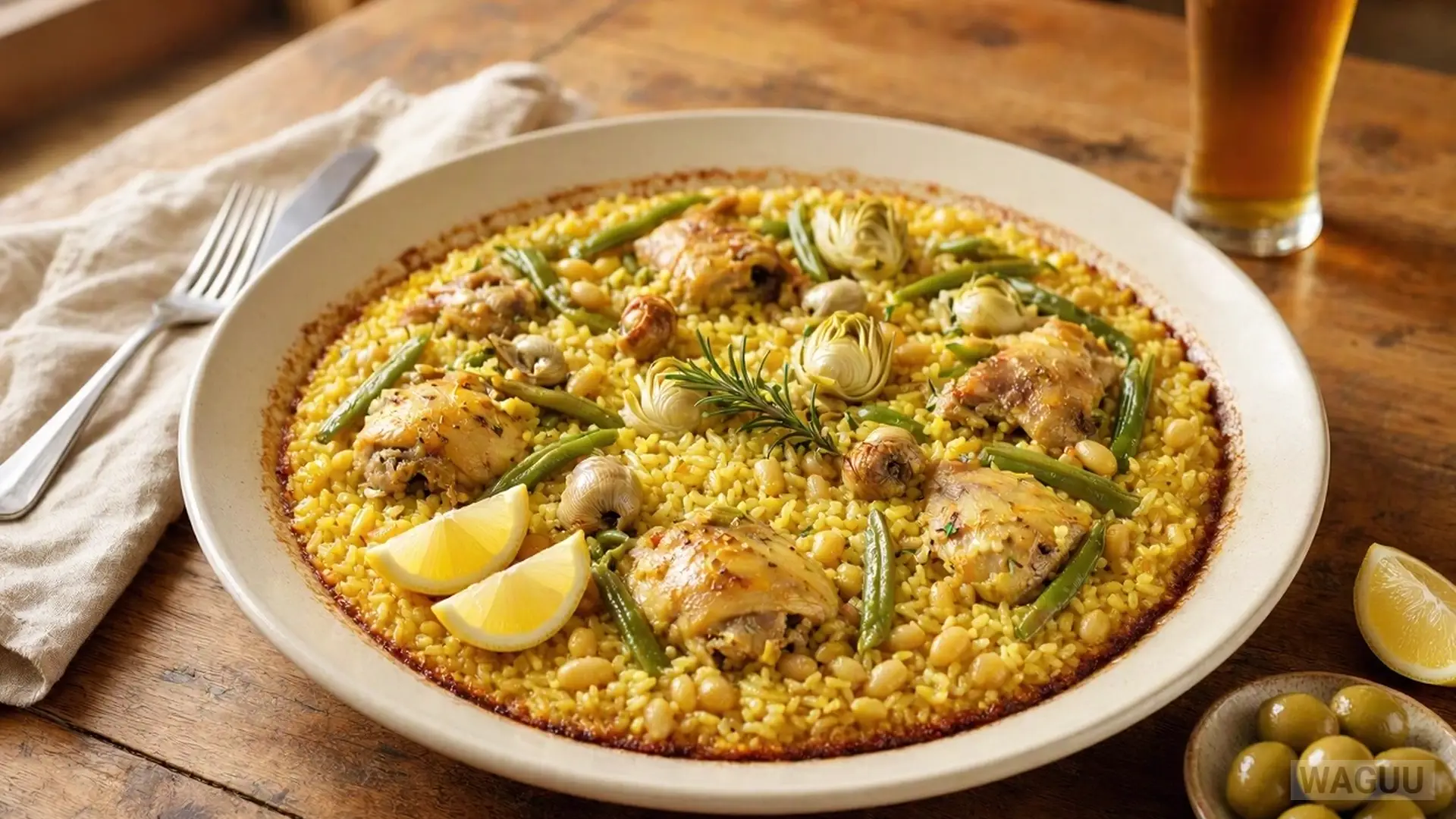
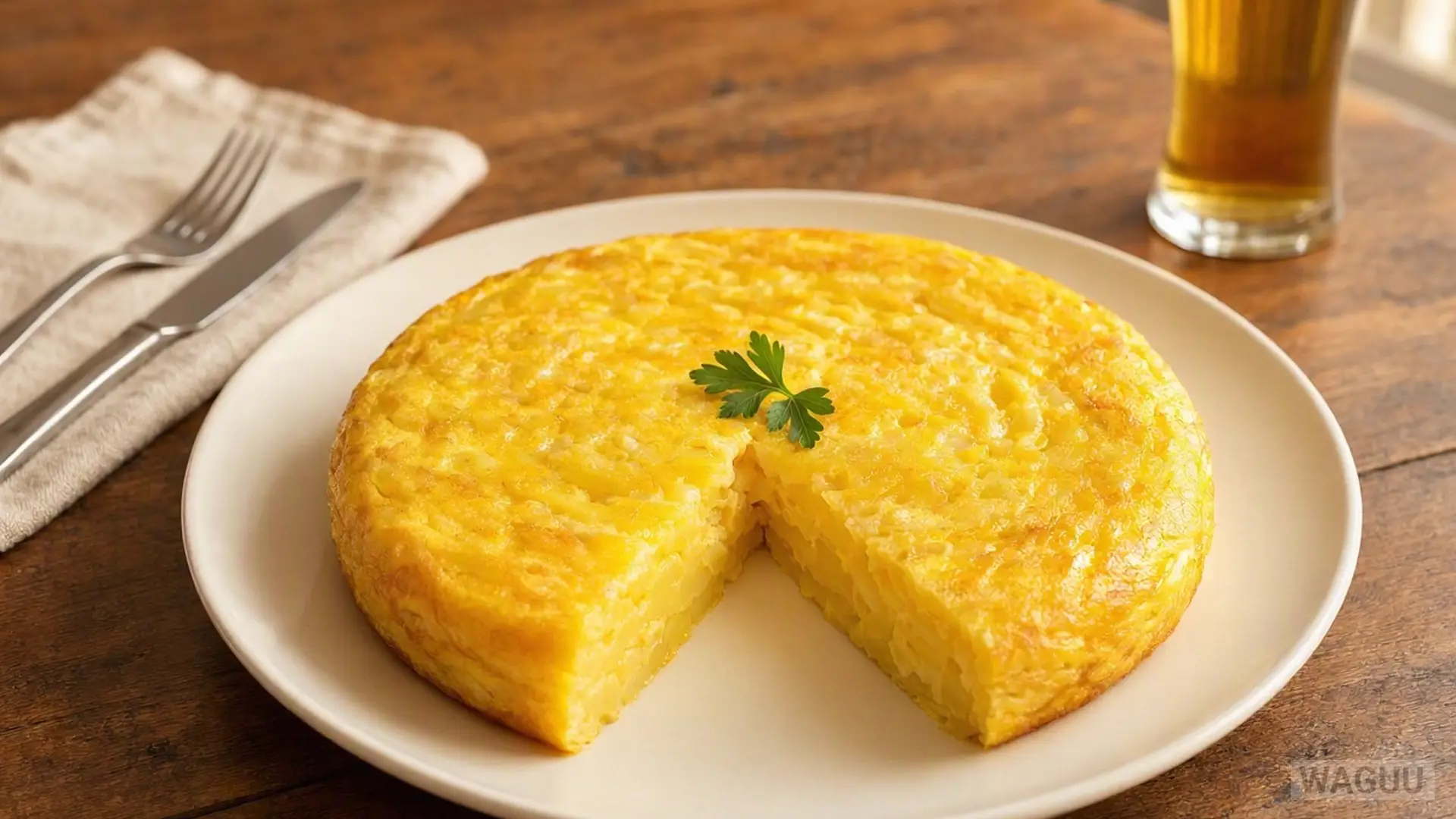

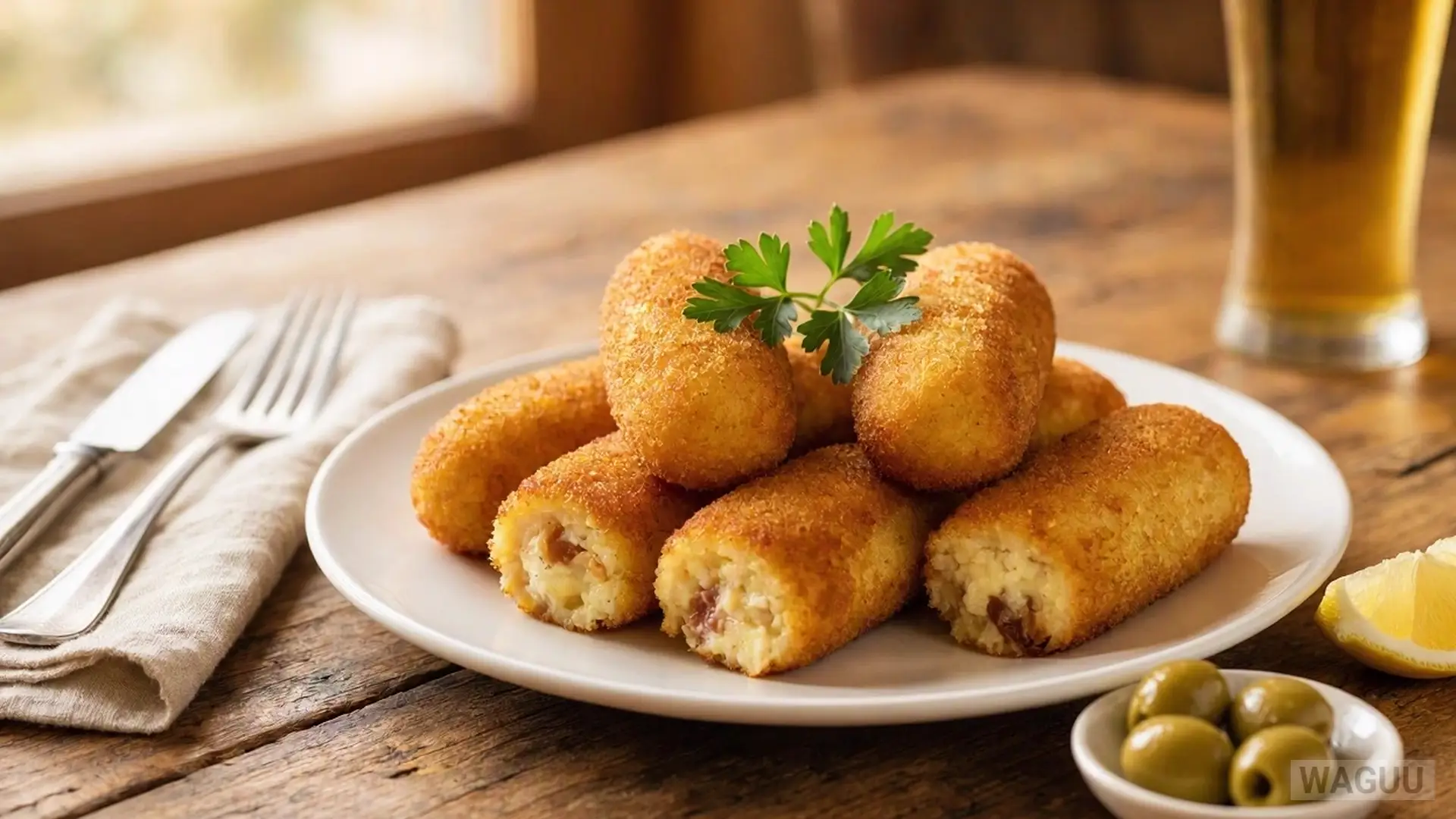

Spanish cuisine is celebrated across the globe for its vibrant use of fresh vegetables, high-quality olive oil, cured meats, and seafood, deeply rooted in the agricultural traditions of the Mediterranean basin. From the sun-drenched coasts of Andalusia to the verdant hills of Asturias and the fertile plains of Valencia, each region contributes distinct flavours and time-honoured techniques that make Spanish food an endlessly fascinating culinary landscape. Whether you are seeking a hearty winter stew or a refreshing summer soup, understanding these foundational dishes opens the door to mastering one of Europe’s most influential and beloved gastronomic traditions.
Quick overview
- Topic / Dish: Spanish Cuisine Masterclass
- Categories: Main Dishes, Cuisines
- Cuisine: Spanish
- Included variations: Paella Valenciana, Tortilla Española, Gazpacho Andaluz, Patatas Bravas, Croquetas de Jamón, Gambas al Ajillo, Pulpo a la Gallega, Jamón Ibérico, Fabada Asturiana, Albondigas en Salsa, Pisto Manchego, Churros con Chocolate
- Key techniques: Rice simmering, emulsion, frying, confit, slow stewing
- Physical and chemical background: Starch gelatinisation, Maillard reaction, protein coagulation
- Common mistakes: Stirring paella, overcooking octopus, using poor quality olive oil
- In short: A definitive guide to twelve pillars of Spanish cooking, detailing ingredients, regional history, and precise cooking methods.
- Last updated: 21 September 2026
WAGUU says: “Mastering Spanish cooking relies on respecting quality ingredients and understanding how simple fats, acids, and heat transform humble produce into extraordinary Mediterranean masterpieces.”
How to take it further: Source authentic D.O.P. ingredients such as saffron and Pimentón de la Vera, and invest in a heavy-gauge carbon steel paella pan.
Key facts
| Preparation time: | 30 minutes |
| Cooking time: | 45 minutes |
| Main ingredient: | Olive oil, rice, and fresh produce |
| Number of servings: | 6 portions |
| Difficulty: | Intermediate |
Method in brief
- Select authentic raw ingredients adhering to regional designations.
- Prepare aromatics, sofrito bases, and proteins with precise knife skills.
- Apply appropriate thermal techniques ranging from gentle simmering to high-heat frying.
- Monitor textures and chemical transformations to achieve optimal consistency.
- Rest, garnish, and serve according to traditional Spanish dining customs.
In a nutshell
- Regional diversity: Every Spanish region contributes distinct culinary philosophies shaped by geography and climate.
- Quality fats: Extra virgin olive oil serves as the foundational medium for frying, dressing, and preserving.
- Fundamental flavors: Garlic, sweet smoked paprika, saffron, and ripe tomatoes form the aromatic backbone.
- Social dining: Tapas culture encourages sharing a wide variety of small plates across gatherings.
- Technique balance: Success depends on precise heat control, timing, and ingredient respect.
- Result: A harmonious repertoire of world-renowned dishes celebrating genuine Spanish heritage.
Who this guide is for: Beginner – home cooks looking to understand the fundamentals of Mediterranean cooking and foundational Spanish recipes. Intermediate – culinary enthusiasts wanting to master regional techniques, proper rice absorption, and classic emulsions. Pro – professional chefs seeking deep historical context, precise ratios, and authentic regional variations for restaurant menus.
Traditional Spanish Recipes and Culinary Pillars
Paella Valenciana
Paella Valenciana stands as the undisputed monarch of Spanish rice dishes, originating from the fertile wetlands surrounding Lake Albufera in Valencia. Unlike modern interpretations that often load rice with mixed seafood and chorizo, the authentic Valencian preparation remains deeply tied to rural history, utilizing short-grain rice varieties such as Bomba or Senia that absorb magnificent amounts of broth without losing their structural integrity. The dish begins by browning chunks of chicken and rabbit in extra virgin olive oil until a golden crust develops on the meat, laying down the essential fond that infuses the entire pan. Flat green beans, known locally as ferraura, and large white butter beans called garrofó are subsequently sautéed alongside grated ripe tomatoes and sweet Spanish paprika. Water is poured into the wide, shallow paella pan, bringing all elements to a simmer to create a rich, aromatic stock directly within the cooking vessel. Saffron threads are crushed and infused into the liquid, imparting a brilliant golden hue and an unmistakable earthy fragrance. Once the rice is scattered in a diagonal cross pattern across the pan, it must never be stirred again; this crucial rule allows the starches to caramelise against the bottom of the metal, forming the highly prized crust known as socarrat. As the liquid evaporates, the rice cooks to a tender yet firm bite, resting briefly off the heat before being served family-style directly from the pan. This culinary masterpiece represents the ultimate harmony of land-farmed ingredients, precise moisture management, and ancestral patience.
Main ingredients: Bomba rice, chicken, rabbit, flat green beans, tomatoes, saffron, olive oil.
Method: Brown meats in olive oil, sauté vegetables and spices, add water and simmer into broth, scatter rice evenly without stirring, cook until liquid absorbs and socarrat forms.
Tortilla Española
Tortilla Española, frequently referred to as tortilla de patatas, is the quintessential Spanish potato omelette that graces tapas bars, family dining tables, and late-night supper gatherings across the Iberian Peninsula. The preparation appears deceptively simple, relying on just a few core ingredients—eggs, potatoes, olive oil, and occasionally onion—yet it requires meticulous technique to achieve the ideal texture: a golden, slightly crisp exterior encasing a tender, unctuous interior where the eggs remain luxuriously creamy. Waxy potato varieties are peeled, sliced evenly, and gently confited in a generous quantity of extra virgin olive oil over medium-low heat until tender without browning significantly. Sliced onions are often cooked alongside the potatoes until translucent and caramelised, imparting a subtle natural sweetness that balances the rich egg mixture. Once softened, the potatoes and onions are drained of excess oil and thoroughly combined with beaten free-range eggs, allowing the hot potatoes to gently begin setting the proteins. The mixture is poured back into a hot skillet with a splash of oil, swirling and shaking the pan to prevent sticking while the bottom sets into a firm crust. The master maneuver arrives when flipping the heavy tortilla using a large flat plate, sliding it back into the pan to cook the opposing side for a mere minute, ensuring the center remains delightfully soft. Served either warm or at room temperature, Tortilla Española showcases how minimal ingredients, when handled with respect and precise thermal control, can be elevated into a gastronomic icon.
Main ingredients: Potatoes, eggs, olive oil, onion, salt.
Method: Confite potato slices and onions in olive oil until tender, drain and mix with beaten eggs, set bottom in a hot skillet, flip using a plate, and cook briefly until golden.
Gazpacho Andaluz
Gazpacho Andaluz is a vibrant, uncooked cold soup originating from the sun-scorched plains of southern Spain, designed specifically to provide instant refreshment and hydration during intense summer heatwaves. Historically developed by agricultural labourers who combined stale bread, garlic, olive oil, vinegar, and water in a wooden mortar, the modern iteration gained its brilliant red hue when ripe New World tomatoes were introduced to the recipe. The preparation begins by selecting fully ripe, vine-grown plum tomatoes, crisp cucumbers, green bell peppers, and pungent garlic cloves, all washed and chopped into manageable chunks. Day-old crusty white bread is briefly soaked in water to soften, serving as a natural emulsifying agent that thickens the soup into a velvety, luscious consistency. The vegetables, bread, high-quality extra virgin olive oil, and sherry vinegar are transferred into a high-powered blender and processed until completely smooth and homogeneous. The mixture is then strained through a fine-mesh sieve to eliminate any residual tomato skins or pepper seeds, ensuring a pristine, silken mouthfeel. Chilled thoroughly in the refrigerator for several hours, the soup undergoes a chemical melding of flavors where the acidity of the vinegar brightens the natural sweetness of the sun-ripened tomatoes. Garnished with finely diced cucumber, pepper, onion, and crunchy croutons drizzled with finishing olive oil, Gazpacho Andaluz is a masterclass in raw culinary chemistry.
Main ingredients: Ripe tomatoes, cucumber, green pepper, garlic, olive oil, sherry vinegar.
Method: Chop fresh vegetables and soaked bread, blend thoroughly with olive oil and vinegar, strain through a fine sieve, and chill before serving with assorted garnishes.
Patatas Bravas
Patatas Bravas represents the crown jewel of Spanish tapas culture, offering an irresistible contrast of textures featuring crispy fried potato cubes drenched in a fiery, smoky tomato sauce. Originating in the bustling bars of Madrid, this beloved comfort food relies on selecting starchy potato varieties that yield a fluffy interior when cooked while developing an exceptional crunch on the outer crust. The potatoes are peeled and cut into irregular bite-sized cubes, a traditional rustic shape that creates varied edges for catching the spicy sauce. Rather than boiling, authentic preparations involve either frying the potatoes gently in olive oil until tender and then crisping them at high heat, or steaming them before a final immersion in hot oil. The accompanying salsa brava derives its heat and character from Spanish pimentón—both sweet and spicy smoked paprika—combined with a rich sofrito base of sautéed onions, garlic, tomato purée, and a splash of rich meat stock or white wine. Unlike standard ketchup, salsa brava possesses a deep, smoky complexity with a lingering spicy kick that awakens the palate. In many regions, the dish is finished with a drizzle of garlic mayonnaise, known as alioli, which cuts through the heat and adds a luxurious creamy dimension. Served piping hot on small earthenware plates, Patatas Bravas is an essential sharing dish that defines casual Spanish hospitality.
Main ingredients: Potatoes, olive oil, smoked paprika, tomatoes, garlic, stock.
Method: Cut potatoes into cubes and fry until crispy, prepare spicy tomato sauce with garlic and smoked paprika, pour sauce over potatoes, and serve hot.
Croquetas de Jamón
Croquetas de Jamón are revered throughout Spain as the ultimate test of a master cook’s patience, precision, and dedication to texture. These golden, bite-sized cylinders feature a remarkably silky, molten béchamel center infused with finely minced cured Spanish ham, encased in a fragile, ultra-crisp breadcrumb shell. The foundation begins by melting butter and whisking in plain flour to create a pale roux, which is slowly cooked to eliminate any raw starch taste without taking on colour. Warm milk is added gradually while whisking vigorously to prevent lumps, creating an exceptionally thick white sauce that must be stirred continuously over low heat for up to twenty minutes. Finely diced jamón serrano or jamón ibérico is folded into the hot béchamel, releasing its savoury fats and aromatic curing notes throughout the rich cream base. The resulting thick dough is transferred to a shallow tray, pressed flat, and refrigerated for several hours until completely chilled and firm enough to shape. Portions of the chilled dough are rolled into cylinders or ovals, passed through flour, beaten eggs, and fine breadcrumbs, and deep-fried in smoking hot oil until instantly golden brown. When bitten into, the exterior shatters gently to release a piping-hot, liquid-velvet interior that melts instantly on the tongue, creating an unforgettable sensory experience.
Main ingredients: Jamón, milk, butter, flour, breadcrumbs, eggs.
Method: Make thick béchamel with roux and milk, fold in minced jamón, chill until firm, shape into cylinders, bread in flour, egg, and crumbs, and deep-fry until golden.
Gambas al Ajillo
Gambas al Ajillo is one of Spain’s most iconic seafood tapas, celebrating the magnificent synergy of fresh prawns, sizzling extra virgin olive oil, fragrant garlic, and fiery chilli peppers. Traditionally prepared and served in individual earthenware cazuelas that retain heat long after leaving the stove, this dish requires minimal ingredients but demands absolute timing and premium produce. Sliced garlic cloves and dried red chilli flakes are gently placed into cold olive oil, allowing the oil to warm up gradually so the garlic infuses the fat without burning or turning bitter. Once the garlic turns a delicate golden colour and releases its pungent, aromatic oils into the pan, high-quality shell-on or peeled prawns are added immediately. The prawns cook in mere seconds in the bubbling, garlic-infused oil, turning pink and opaque while absorbing the rich, spicy flavors of the pan. A generous scattering of fresh chopped flat-leaf parsley is tossed in at the very last second, adding a vibrant green contrast and herbaceous freshness. Served while still actively bubbling in its earthenware dish, Gambas al Ajillo demands to be accompanied by thick crusty bread designed for soaking up every last drop of the exquisite, garlic-laced olive oil.
Main ingredients: Prawns, olive oil, garlic, chilli flakes, parsley.
Method: Warm olive oil with sliced garlic and chilli, add prawns and sauté briefly until pink, garnish with fresh parsley, and serve immediately in a hot cazuela.
Pulpo a la Gallega
Pulpo a la Gallega, also known locally as pulpo a feira, is a treasured culinary masterpiece hailing from the rugged coastal region of Galicia in northwestern Spain. The dish highlights the natural tenderness of fresh octopus, prepared through traditional methods that involve plunging the cephalopod into boiling water three times—a ritual known as scaring the octopus—to curl the tentacles and relax the muscle fibres. The octopus is then simmered gently in a large copper pot with an onion and bay leaf until completely tender, a process that can take up to an hour depending on the animal’s size. Once cooked, the octopus is removed and snipped with kitchen shears into neat, bite-sized rounds, showcasing the vibrant purple skin and white flesh. The traditional presentation is remarkably minimalist: the warm octopus slices are arranged over a bed of boiled potatoes cooked in the same flavourful broth, then generously drizzled with premium extra virgin olive oil. A heavy dusting of sweet and smoky Spanish pimentón paprika is sprinkled over the top, followed by a generous pinch of coarse sea salt crystals that add a delightful textural crunch. Served on rustic wooden platters, Pulpo a la Gallega delivers oceanic sweetness enhanced by smoky spice and rich olive oil.
Main ingredients: Octopus, potatoes, olive oil, smoked paprika, coarse sea salt.
Method: Dip octopus in boiling water three times, simmer until tender, slice into rounds over boiled potatoes, and dress with olive oil, smoked paprika, and sea salt.
Jamón Ibérico
Jamón Ibérico stands at the pinnacle of global gastronomy, representing centuries of artisanal curing tradition and a unique agricultural ecosystem found only in the oak forests of southwestern Spain. Crafted from pure-bred or cross-bred black Iberian pigs that roam freely during the montanera season, feeding exclusively on fallen acorns and natural grasses, this cured ham possesses an unmatched complexity of flavor. The acorns impart a high concentration of oleic acid into the animal’s muscle tissue, creating a delicate fat that melts effortlessly at human body temperature. Following slaughter, the hind legs are salted, washed, hung to dry in mountain curing cellars, and aged for periods ranging from twenty-four to over thirty-six months under the watchful eye of master curers. When carved correctly by a professional cortador using a long, flexible knife, the slices emerge paper-thin, translucent, and marbled with glistening veins of aromatic fat. The flavor profile is an extraordinary balance of deep umami, nutty undertones, and a sweet, lingering finish that coats the palate without greasiness. Traditionally served at room temperature on its own or alongside rustic pan con tomate, Jamón Ibérico is a sensory celebration of Spain’s deep-rooted dedication to artisanal food production.
Main ingredients: Iberian ham leg, sea salt.
Method: Secure cured ham on a wooden jamonero stand, slice paper-thin pieces using a flexible carving knife, and serve at room temperature.
Fabada Asturiana
Fabada Asturiana is a legendary, ultra-hearty bean stew originating from the mountainous, rain-drenched region of Asturias in northern Spain, designed to warm the body during harsh winters. The foundation of this comforting dish is the *fabes de la Granja*, a specific local variety of large, buttery white beans characterized by their smooth texture and exceptional ability to absorb rich cooking liquids. The beans are soaked overnight in cold water before being transferred to a heavy earthenware pot with cold water, garlic, onion, and a generous thread of saffron. The true depth of flavour, however, comes from *compango*—the collective term for Asturias’s finest cured pork products, including smoky chorizo sausage, rich blood sausage (morcilla), cured pork belly (panceta), and salted pork shoulder. These meats are nestled among the beans and simmered very gently over low heat for several hours without stirring, ensuring the beans remain intact while releasing their starches to create a thick, velvety broth. As the stew cooks, the smoky paprika from the chorizo and the rich porcine fats infuse every single bean with profound umami and warming spice. Ladled into deep bowls with the meats sliced on top, Fabada Asturiana is a monument to rustic European comfort food.
Main ingredients: Large white beans, chorizo, morcilla, pork belly, garlic.
Method: Soak white beans overnight, combine in a pot with water, garlic, and cured meats (compango), simmer gently over low heat until tender, and serve hot.
Albondigas en Salsa
Albondigas en Salsa are traditional Spanish meatballs that showcase the country’s talent for creating intensely flavorful sauces paired with succulent, tender minced meat morsels. Unlike Italian meatballs that are often served over pasta, Spanish albóndigas are traditionally enjoyed on their own as a popular tapa or as a main course accompanied by crusty bread or fried potatoes. The meat mixture typically combines high-quality minced beef and pork, seasoned with finely minced garlic, fresh flat-leaf parsley, eggs, and breadcrumbs soaked in milk to ensure maximum moisture retention. The shaped meatballs are lightly dusted in flour and gently pan-fried in olive oil until golden brown on the outside, sealing in the savoury juices before being transferred to a simmering sauce. The sauce varies by region, ranging from a vibrant tomato and bell pepper sofrito to a luxurious almond and white wine reduction known as *salsa de almendras*. In the almond variation, toasted almonds, garlic, fried bread, and parsley are pounded into a paste in a mortar and pestle, then dissolved into stock to create a nutty, velvety gravy that coats the meatballs. Simmered together until the flavours meld completely, Albondigas en Salsa offer a comforting harmony of tender meat and rich aromatic sauce.
Main ingredients: Minced beef and pork, garlic, breadcrumbs, eggs, tomatoes, olive oil.
Method: Mix minced meats with aromatics and soaked bread, form into small balls, pan-fry until golden, and simmer in aromatic tomato or almond sauce until tender.
Pisto Manchego
Pisto Manchego is often celebrated as the Spanish equivalent of ratatouille, hailing from the sun-baked plains of La Mancha, the historic home of Don Quixote. This rustic vegetable stew highlights the bounty of the summer harvest, utilizing sun-ripened tomatoes, green and red bell peppers, courgettes, onions, and garlic cooked slowly in abundant extra virgin olive oil. The preparation requires patience and precise sequential cooking, as each vegetable possesses a different density and water content that dictates when it should enter the pan. Onions and garlic are softened first in olive oil until sweet and translucent, followed by diced peppers and courgettes that absorb the rich oil without losing their structural bite. Finally, peeled and chopped ripe tomatoes are added, releasing their juices as the mixture simmers down into a thick, harmonious vegetable compote where all individual flavours blend into a cohesive whole. Seasoned simply with salt and a pinch of sugar to balance the tomato acidity, Pisto Manchego can be served warm or at room temperature as a side dish or light main meal. In true traditional fashion, it is frequently topped with a freshly fried egg whose runny yolk enriches the velvety vegetable base when broken.
Main ingredients: Tomatoes, peppers, courgette, onion, garlic, olive oil.
Method: Sauté onions, garlic, peppers, and courgette in olive oil, add chopped tomatoes, simmer slowly into a rich stew, and serve topped with a fried egg.
Churros con Chocolate
Churros con Chocolate represents Spain’s most beloved sweet indulgence, traditionally enjoyed as a decadent breakfast after a late night or as a comforting afternoon treat across bustling city streets. The churro dough is remarkably simple, consisting only of plain flour, boiling water, and a pinch of salt, which combines to form a pliable paste that is transferred into a heavy-duty pastry bag fitted with a star nozzle. Long ridges of dough are piped directly into cauldrons of smoking hot oil, where they instantly fry into golden, ridged cylinders with a wonderfully crunchy exterior and a soft, tender core. As they emerge from the oil, the hot churros are drained briefly and tossed generously in granulated sugar, often spiked with a hint of cinnamon. The accompanying chocolate is entirely distinct from standard cocoa; known as *chocolate a la taza*, it is a thick, pudding-like dark drinking chocolate thickened with cornstarch and subtly scented with vanilla or a whisper of cinnamon. Dipping the piping-hot, crispy churros into the rich, velvety chocolate creates an exquisite contrast of temperatures and textures that captivates dessert lovers worldwide. This iconic pairing encapsulates the joyful, indulgent spirit of Spanish café culture.
Main ingredients: Flour, water, salt, oil for frying, dark chocolate, milk, cornstarch.
Method: Mix flour with boiling water into a smooth dough, pipe star-shaped ridges into hot oil, fry until golden and crispy, and serve with thick hot drinking chocolate.
The culinary journey through these twelve masterpieces reveals a culture deeply connected to the rhythm of nature, regional heritage, and the joy of communal dining. Each recipe offers a unique window into Spanish life.
Whether you choose to recreate the comforting warmth of an Asturian bean stew or the coastal freshness of Galician octopus, these foundational techniques will elevate your home cooking and celebrate genuine flavours.
Regional Gastronomic Highlights
Spanish cuisine varies dramatically from north to south, influenced by maritime climates in the Atlantic coast and arid landscapes in the interior plateaus. Understanding these regional distinctions allows home cooks to appreciate why specific fats, herbs, and preservation methods developed in particular provinces.
| Region | Key Specialities & Characteristics |
|---|---|
| Valencia | Rice dishes, citrus fruits, saffron cultivation, seafood |
| Andalusia | Cold soups, fried tapas, olive oil production, sherry wine |
| Galicia | Atlantic seafood, octopus, hearty stews, dairy farming |
| Asturias | Bean stews, cured pork products, artisanal cider |
WAGUU Pro Tip: Always invest in authentic Spanish extra virgin olive oil and D.O.P. smoked paprika (Pimentón de la Vera) to achieve true depth of flavor in traditional dishes.
Frequently asked questions
What makes authentic Paella Valenciana different from seafood paella?
Authentic Paella Valenciana uses chicken, rabbit, green beans, and garrofó beans cooked in olive oil and broth, whereas seafood variations substitute meats with fish, prawns, and mussels without mixing both traditions.
Can Gazpacho Andaluz be made ahead of time?
Yes, gazpacho benefits greatly from resting in the refrigerator for several hours or overnight, allowing the flavours to meld and mature harmoniously.
What is the secret to achieving a crispy exterior on Croquetas de Jamón?
The béchamel must be thoroughly chilled before shaping, and the croquettes must be fried in smoking hot oil in small batches to prevent oil absorption and sogginess.
How should Jamón Ibérico be stored at home?
Jamón Ibérico should be kept in a cool, dry place if on the bone, or sliced and stored sealed at room temperature, allowing it to reach room temperature before serving for optimal fat melting.
Also known as: Spanish gastronomy, Iberian cuisine, Spanish tapas recipes
Author: WAGUU Petr & Team • Published: 29 Oct 2026 • Updated: 30 Oct 2026
Conclusion
Spanish cuisine offers an extraordinary spectrum of flavours, textures, and culinary techniques rooted in centuries of agricultural and coastal tradition. By mastering these twelve foundational dishes, home cooks can bring the warmth and passion of the Mediterranean directly to their dining tables.
Choose your recipe
Select one of the classic Spanish recipes below to explore detailed ingredients, step-by-step instructions, and professional culinary tips:
Paella Valenciana – Traditional Valencian paella with rice, chicken and rabbit meat, green beans, tomatoes, saffron and olive oil.
Tortilla Española – Spanish potato omelette made of eggs, potatoes and often also onion, served warm or cold.
Gazpacho Andaluz – Refreshing cold soup made of tomatoes, cucumber, pepper, garlic, olive oil and vinegar.
Patatas Bravas – Fried or roasted potatoes with spicy bravas sauce, popular Spanish tapas.
Croquetas de Jamón – Crispy fried croquetas with a smooth creamy béchamel filling and Spanish cured ham.
Gambas al Ajillo – Prawns briefly sautéed in olive oil with garlic and chilli, served with fresh bread.
Pulpo a la Gallega – Galician speciality of boiled octopus with olive oil, coarse salt and ground paprika.
Jamón Ibérico – Premium Spanish cured ham from Iberian pigs, sliced thinly and served on its own.
Fabada Asturiana – Hearty Asturian bean stew made of large white beans, chorizo sausage, morcilla and pork.
Albondigas en Salsa – Spanish meatballs in an aromatic tomato or almond sauce, served as tapas.
Pisto Manchego – Stewed vegetable mix of tomatoes, peppers, courgette and onion, topped with fried egg.
Churros con Chocolate – Fried elongated dough with a crispy surface, served with thick hot chocolate.
Other possible variations
Seafood Paella
This coastal variation replaces land meats with a luxurious assortment of fresh prawns, mussels, squid, and clams cooked in a rich fish stock. It differs from the classic Valencian version by emphasizing marine umami and omitting meat entirely, making it ideal for pescatarians and seafood enthusiasts.
Vegetarian Paella
Designed for plant-based diets, this variation substitutes meats with artichokes, broad beans, mushrooms, and sweet peppers simmered in a rich vegetable stock. It offers all the traditional aromatic saffron and rice-absorbing benefits of the classic recipe without animal products.
Tortilla with Chorizo
This robust variation incorporates diced spicy chorizo sausage into the traditional potato and egg mixture. It differs from the classic version by introducing smoky pork fat and paprika spice, making it a heavier, meat-forward meal.
Tortilla with Bell Peppers
Incorporating sautéed red and green bell peppers alongside potatoes and onions, this colourful variation adds a sweet vegetal note and extra moisture. It is particularly popular during summer months when sweet peppers are abundantly harvested.
Salmorejo Cordobés
Originating from Cordoba, this thicker cousin of gazpacho blends tomatoes, garlic, and olive oil with a higher proportion of bread, resulting in a creamy purée rather than a liquid soup. It is traditionally garnished with hard-boiled egg and jamón crumbs.
Green Gazpacho
This refreshing variation omits tomatoes entirely, utilizing green grapes, cucumbers, green peppers, almonds, and garlic for a pale green, nutty, and subtly sweet chilled soup. It provides a sophisticated alternative for gourmet summer dinners.
Patatas Alioli
Instead of spicy tomato salsa, boiled or roasted potato cubes are tossed in a pungent, homemade garlic mayonnaise. This variation offers a creamy, rich profile rather than a spicy kick, appealing to garlic lovers.
Patatas a la Pobre
Literally translating to poor man’s potatoes, this variant pan-fries thin potato slices with onions and green peppers in olive oil until soft and caramelised rather than deep-fried. It serves as a classic comforting side dish.
Croquetas de Pollo
Replacing cured ham with shredded roast chicken and poultry stock in the béchamel, these croquettes offer a milder, comforting flavour profile. They are especially popular for using leftover roast Sunday chicken.
Croquetas de Setas
This earthy vegetarian variation incorporates sautéed wild mushrooms and porcini stock into the creamy béchamel filling. It provides a rich umami depth suitable for mushroom enthusiasts.
Gambas al Whisky
Flambéing prawns in Spanish whisky alongside garlic, olive oil, and a touch of cream creates a sweet and smoky variation of the classic garlic prawns. It is a favourite in southern Andalusia bars.
Gambas a la Plancha
Whole shell-on prawns are cooked simply on a scorching hot flat griddle with coarse sea salt and a squeeze of lemon juice, highlighting pure seafood flavor without heavy oil.
Pulpo a la Plancha
Boiled octopus tentacles are seared on a hot grill or plancha with olive oil and garlic until smoky and charred, adding a wonderful barbecue aroma to the tender seafood.
Pulpo con Patatas a la Vizcaína
Octopus is served with potatoes in a rich, sweet red pepper and chorizo sauce typical of the Basque Country, offering a sweeter and more complex sauce than the traditional Galician style.
Jamón Serrano
Cured white pig ham aged in mountain air offers an accessible, leaner alternative to Jamón Ibérico at a fraction of the cost, while maintaining traditional curing flavours.
Paleta Ibérica
Crafted from the front shoulder of Iberian pigs rather than the hind leg, this cut cures faster and offers an intensely rich, flavorful fat distribution favoured by many connoisseurs.
Fabes con Almejas
This Asturian surf-and-turf variation pairs white beans with fresh clams and white wine instead of heavy pork meats, creating a lighter yet deeply savory seafood stew.
Fabada Ligeramente Picante
Adding spicy Asturian chorizo and hot chili peppers to the traditional bean stew introduces a warming heat that appeals to spice lovers.
Albondigas en Salsa Española
Meatballs simmered in a classic brown roux-based brown sauce flavoured with onions, carrots, and sherry, offering a deeply savoury profile distinct from tomato sauces.
Albondigas de Pescado
Coastal coastal variation using minced white fish and prawns formed into delicate meatballs served in a light parsley and white wine sauce.
Pisto con Atún
Stirring chunks of canned or fresh tuna into the vegetable stew at the end of cooking transforms Pisto Manchego into a satisfying, complete main dish with added protein.
Pisto con Jamón
Dicing cured ham and frying it with the initial onions infuses the vegetable base with savory, smoky porcine flavors.
Churros Rellenos
Churros piped with hollow centers and injected with dulce de leche, pastry cream, or chocolate sauce offer an even more decadent sweet experience.
Porras con Chocolate
A thicker, fluffier cousin of churros made with baking soda in the dough, yielding a softer interior and crisper crust when fried in thick strips.
Do you know another variation? Add your own suggestion below.
Missing a recipe?
Tell us what recipe you would like us to add. We will do our best to publish it soon!
Frequently asked questions about other variations
- Can vegetarian paella achieve the same depth of flavor as meat versions? Yes, by using a rich vegetable broth infused with saffron, porcini mushrooms, and smoked paprika.
- What is the main difference between Salmorejo and Gazpacho? Salmorejo uses a much higher proportion of bread and no cucumbers or peppers, resulting in a thick cream consistency.
- Are Patatas Alioli served hot or cold? They are typically served chilled or at room temperature as a traditional tapas bar offering.
- Can Croquetas be frozen before frying? Yes, shaped and breaded croquettes freeze exceptionally well and can be fried straight from frozen with slightly extended cooking time.
- Is Jamón Serrano made from the same pigs as Jamón Ibérico? No, Serrano comes from white pigs, whereas Ibérico comes exclusively from black Iberian pigs.
- Can Fabada Asturiana be made in a slow cooker? Absolutely, slow cooking on low for six to eight hours yields exceptionally tender beans and rich broth.
- What type of fish is best for fish meatballs? Firm white fish such as hake or monkfish works best to maintain structural integrity.
- How do Porras differ from Churros? Porras contain leavening agents and have a thicker, larger diameter with a softer center.
Contact: 12-most-popular-spanish-dishes-favourite-recipes-of-spanish-cuisine-en@waguu.online