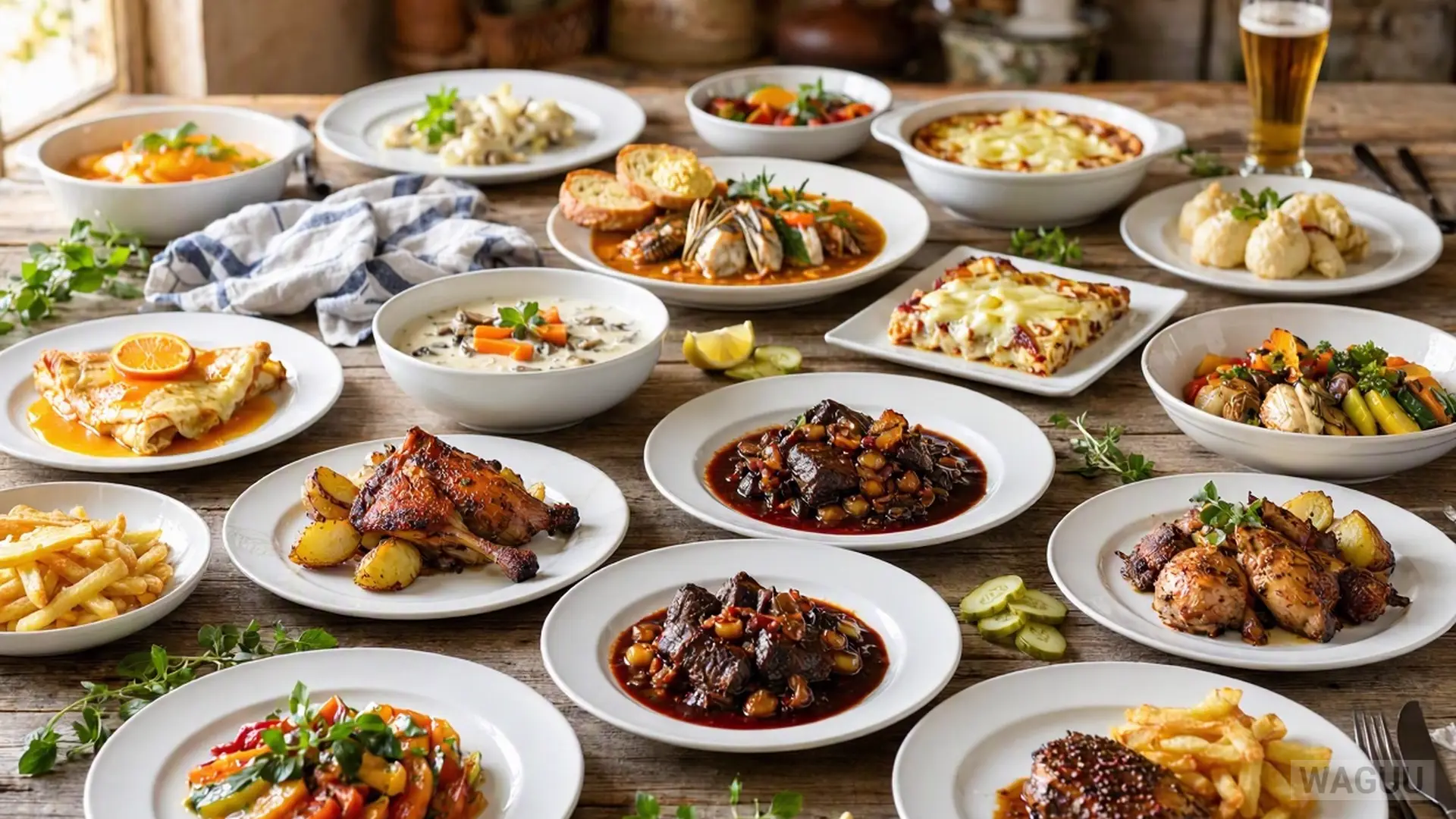
Summary: This guide provides a comprehensive exploration of 12 iconic Austrian dishes, detailing their historical context, culinary techniques, and cultural significance. It is intended for home cooks and food enthusiasts seeking to master the foundations of Alpine gastronomy. Expected reading time is 25 minutes.
Category: Articles |
Reading time: 25 minutes
Step-by-step photo gallery
Did you cook any of the variations? Share a photo in the comments under the recipe; we would love to add it to the gallery. Did you film a video tutorial? Insert a link to YouTube, YouTube Shorts, TikTok, Instagram Reels, Facebook Reels, Pinterest, Vimeo, or X (Twitter) in the comments; we would be happy to publish it.
Austrian cuisine is a rich tapestry of flavours shaped by centuries of imperial history and diverse regional influences. From the refined kitchens of Vienna to the rustic mountain huts of the Tyrol, this collection showcases the essential dishes that define the nation’s culinary identity, offering both comfort and sophistication.
Quick overview
- Topic / Dish: Austrian Cuisine
- Categories: Articles
- Cuisine: Austrian
- Included variations: Wiener Schnitzel, Tafelspitz, Wiener Gulasch, Tiroler Gröstl, Käsespätzle, Backhendl, Schweinsbraten mit Knödeln, Frittatensuppe, Kaspressknödel, Salzburger Nockerl, Apfelstrudel, Kaiserschmarrn
- Key techniques: Braising, pan-frying, dough preparation, soufflé techniques
- Physical and chemical background: Maillard reaction, protein denaturation, collagen hydrolysis
- Common mistakes: Over-tenderising meat, incorrect frying temperatures, curdling sauces
- In short: A deep dive into the heart of Austrian comfort food.
- Last updated: 21 September 2026
WAGUU says: “Austrian cooking is an art form that balances robust, earthy ingredients with precise technical execution, resulting in dishes that feel both timeless and deeply satisfying.”
Wiener Schnitzel
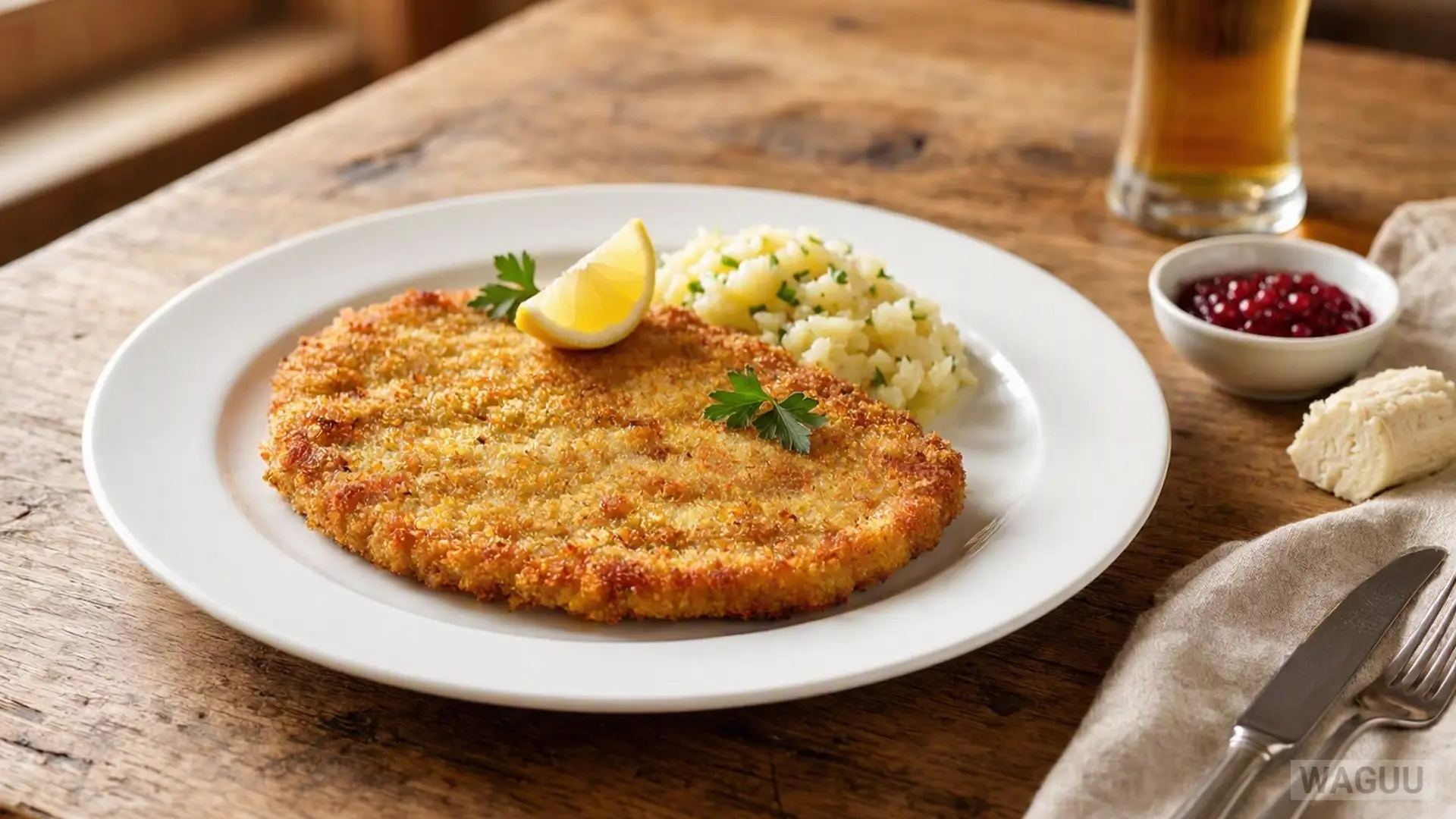
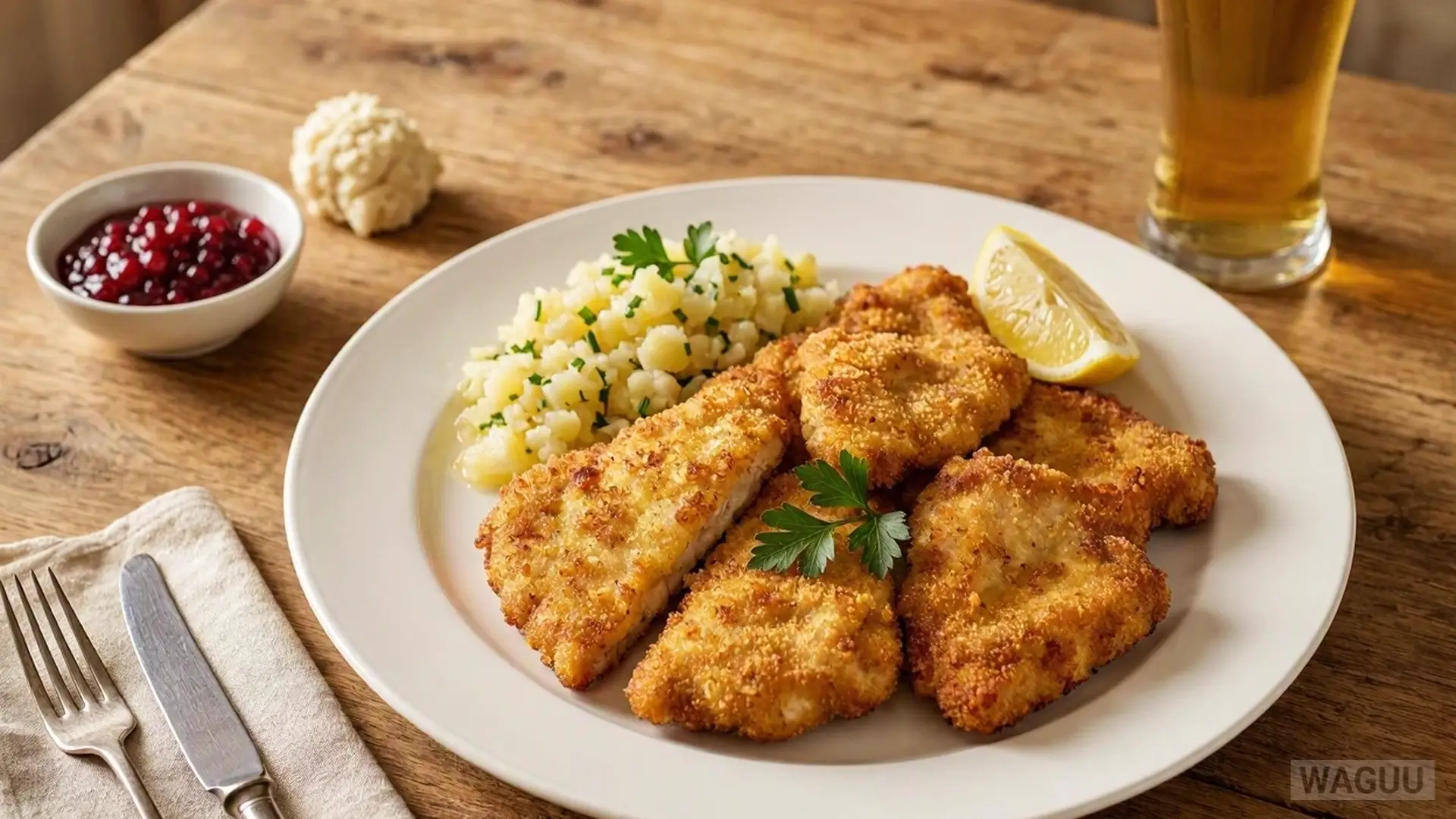
Wiener Schnitzel is perhaps the most globally recognised symbol of Austrian culinary prowess. This dish consists of a thinly pounded slice of veal, which is carefully breaded and fried in clarified butter until it reaches a state of golden, crispy perfection. The secret to a high-quality schnitzel lies in the tension between the delicate, tender meat and the airy, slightly detached breadcrumb crust. In the Austrian tradition, the coating should not be glued to the meat; rather, it should ripple, creating a light, soufflé-like texture that distinguishes it from common breaded cutlets. The meat must be tenderised evenly to ensure rapid cooking, allowing the exterior to brown without drying out the interior. Served traditionally with a simple wedge of lemon and a side of potato salad, the acidity of the lemon cuts through the richness of the fried crust, balancing the palate. It is a dish that demands patience and high-quality ingredients, particularly fresh breadcrumbs and premium veal, to achieve the desired result.
The preparation of this dish is a lesson in precision. The veal is passed through flour, beaten eggs, and fresh breadcrumbs, ensuring every inch is covered. The frying process must be done in ample fat, allowing the schnitzel to swim, which ensures an even distribution of heat and that iconic, wavy crust. It is a masterclass in texture—the crunch of the outer layer yielding to the succulent, buttery meat within. Whether enjoyed in a bustling Viennese coffee house or prepared in a home kitchen, it remains a testament to the simplicity and elegance of traditional Austrian fare.
Tafelspitz
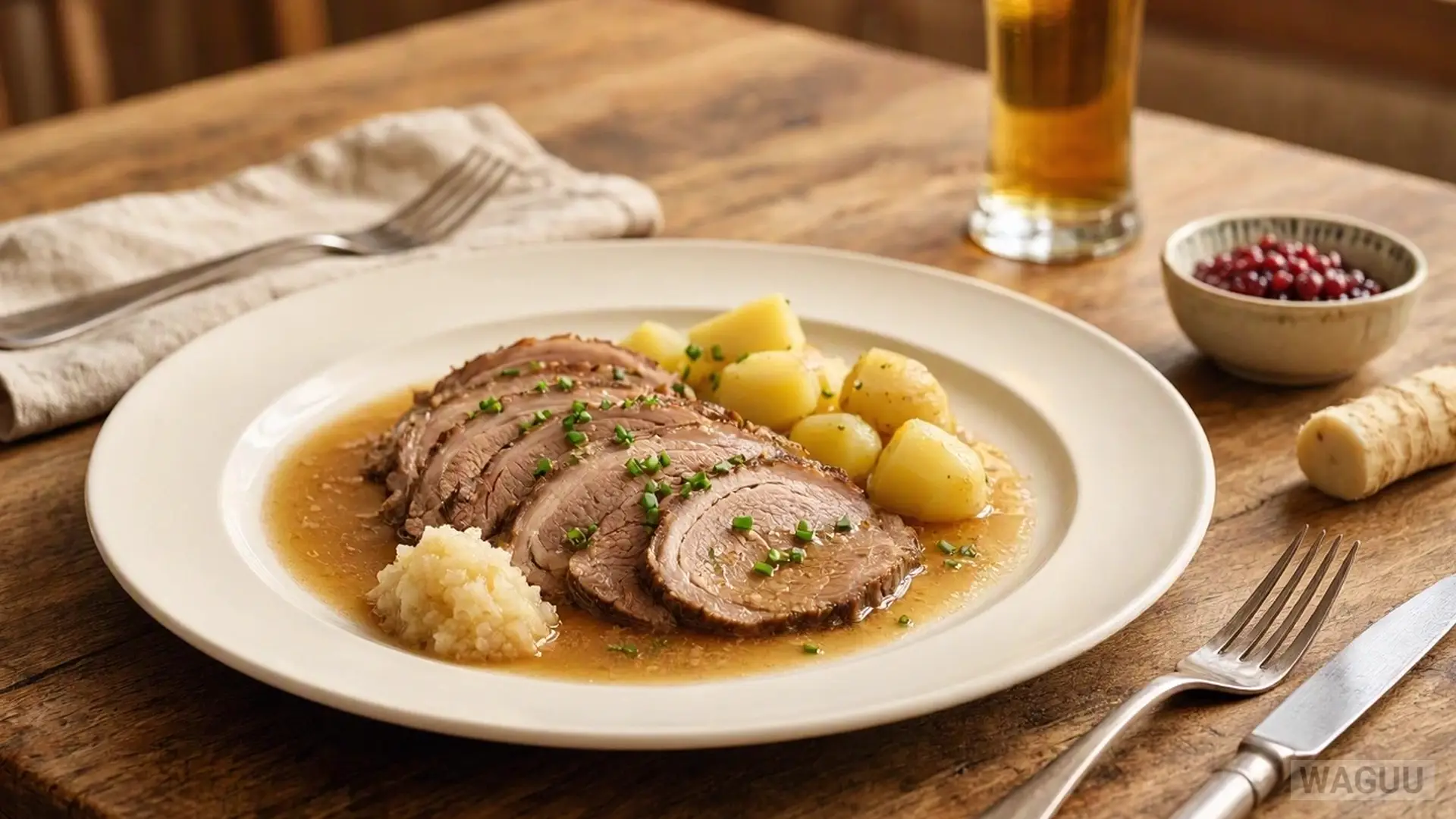
Tafelspitz is the epitome of Austrian boiled beef dishes, famously favoured by Emperor Franz Joseph I. This dish involves the slow, gentle simmering of specific cuts of beef, such as the tail end or rump, in a fragrant broth enriched with root vegetables like carrots, celery, and leeks. The goal is to produce meat that is incredibly tender, almost meltingly soft, while simultaneously creating a rich, clear soup that serves as the base for the meal. The essence of Tafelspitz is the purity of its ingredients; because the cooking method is so minimalist, the quality of the beef and the freshness of the vegetables are paramount. It is traditionally served in two parts: first the broth, often garnished with noodles or semolina dumplings, and then the meat itself, accompanied by classic sides.
The accompaniments for Tafelspitz are what elevate it from a simple soup to a royal feast. A pungent apple-horseradish sauce provides a sharp, fruity contrast to the savoury beef, while a creamy chive sauce adds a fresh, herbaceous note. Boiled potatoes or a light potato gratin are the standard starch, absorbing the juices and rounding out the meal. The slow cooking process allows the connective tissues in the beef to break down, resulting in a depth of flavour that is both subtle and profound. It is a dish that celebrates the slow-food movement long before the term existed, requiring patience and attention to the temperature of the broth, which should never reach a rolling boil to ensure the meat remains succulent.
Wiener Gulasch
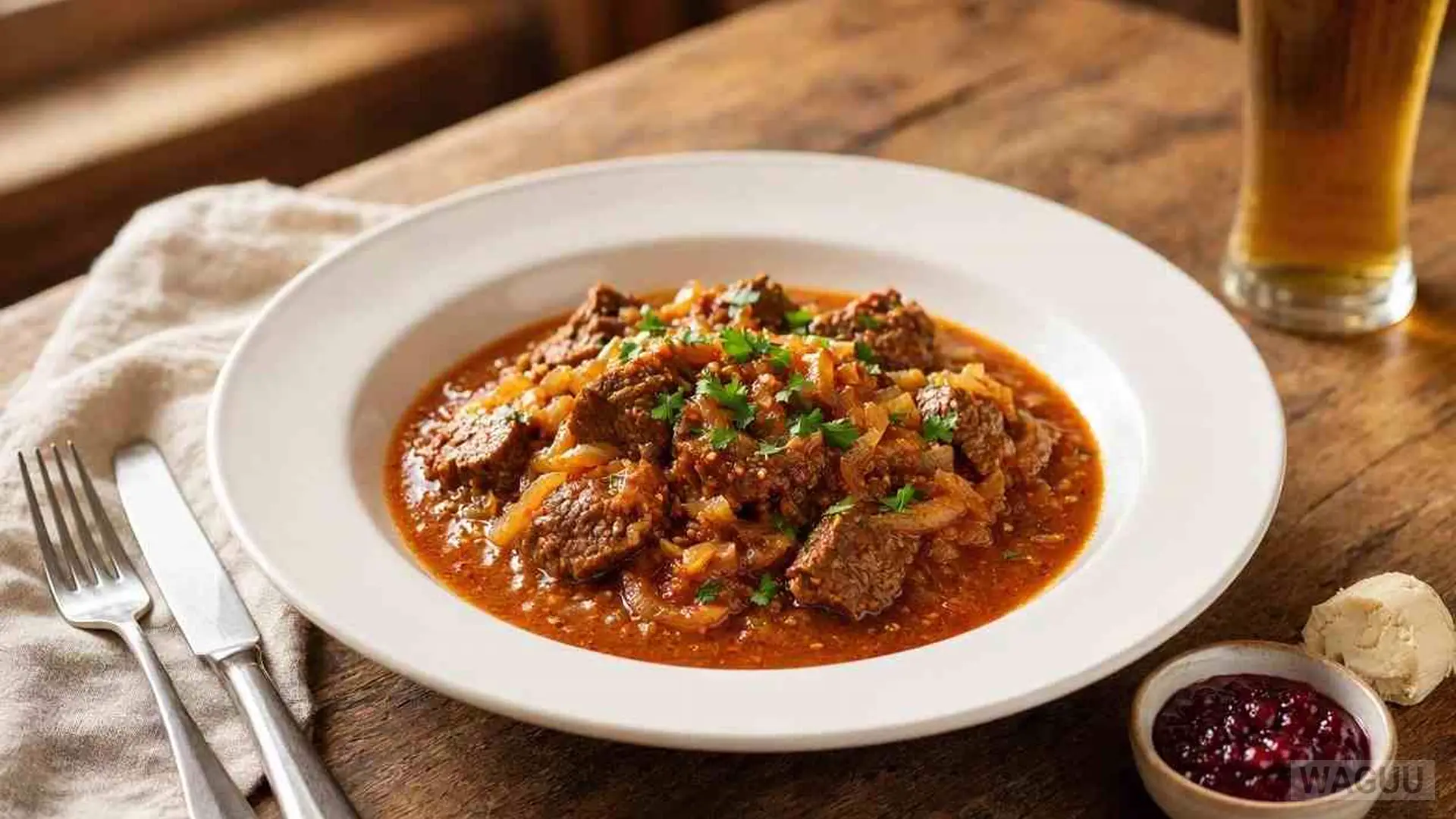
Wiener Gulasch is a sophisticated adaptation of the traditional Hungarian stew, refined for the Austrian palate. Unlike its spicier, vegetable-heavy cousins, the Viennese version is defined by its intense focus on the quality of the beef and the sheer volume of onions used in the base. The onions are slow-cooked until they essentially dissolve into the sauce, providing a natural thickening agent and a deep, sweet complexity that defines the flavour profile. High-quality paprika is the primary spice, used generously to provide both colour and a distinct, earthy warmth. The beef, typically from the shank or shoulder, is braised for several hours until it reaches a point of perfect tenderness, allowing it to easily pull apart with a fork while remaining moist and flavourful.
The resulting sauce is rich, dark, and glossy, clinging perfectly to the meat. It is a quintessential winter warmer, traditionally served with crusty bread, bread dumplings, or simple buttered noodles. The beauty of Wiener Gulasch lies in its evolution; it is often said that the dish tastes even better the following day, as the spices and the sweetness of the onions have more time to meld and intensify. It represents the historical crossroads of the Austro-Hungarian Empire, marrying the rustic origins of the Hungarian puszta with the refined, patient cooking techniques characteristic of the Viennese kitchen. It is an honest, hearty meal that requires no complicated garnishes—just good ingredients and time.
Tiroler Gröstl
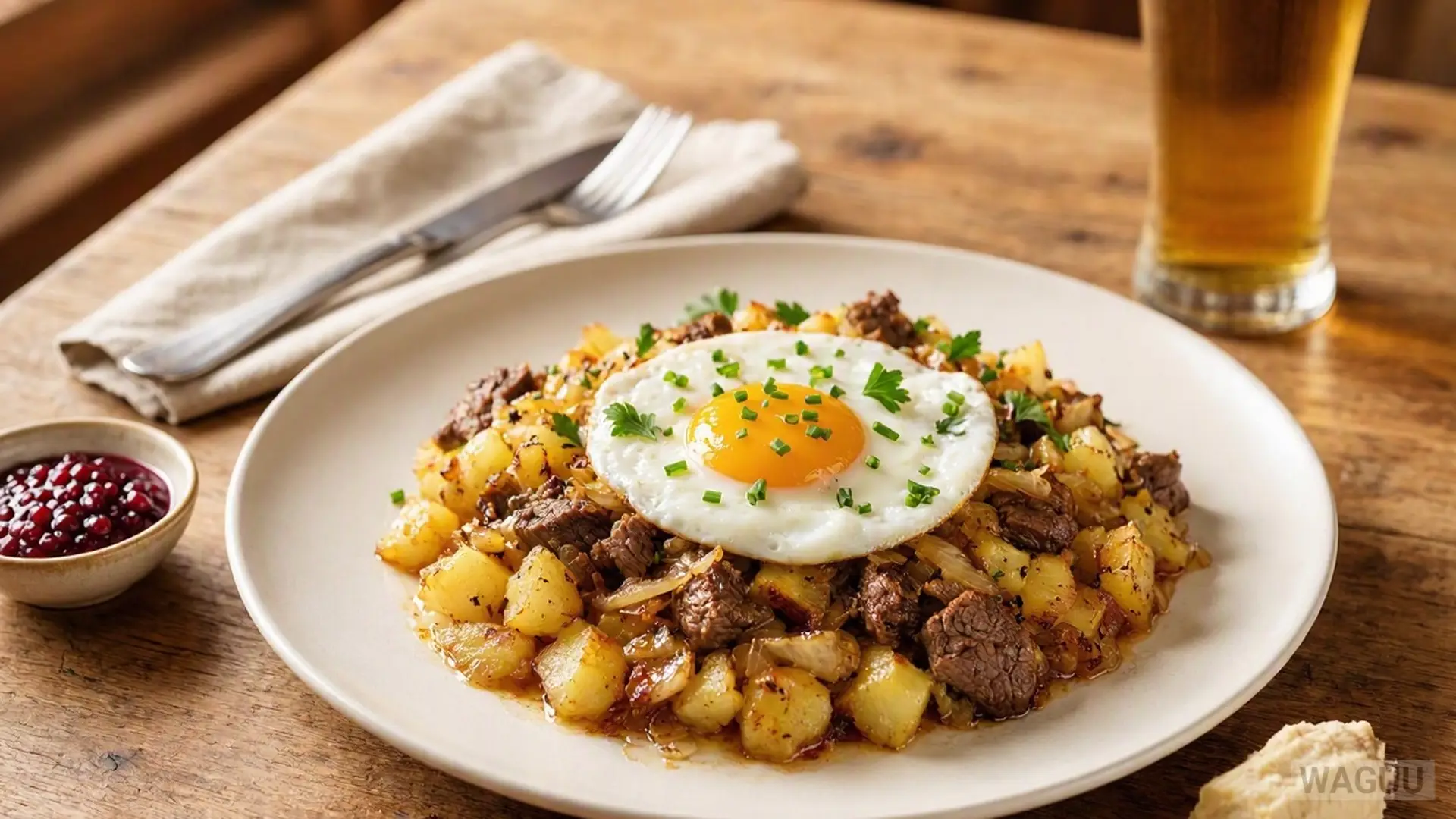
Tiroler Gröstl is the ultimate Alpine comfort food, originating from the Tyrolean region where hearty, filling meals were essential for mountain life. At its core, this dish is a brilliant way to utilise leftovers, consisting of diced potatoes, onions, and pieces of meat—usually beef or pork—sautéed together in a pan until crispy and golden. The combination of textures is key: the potatoes should have a crunchy exterior and a soft interior, while the meat should be well-browned and savoury. Often seasoned with caraway seeds and marjoram, which provide a distinct herbal aroma, the dish is finished with a fried egg placed on top. The runny yolk acts as a sauce, coating the potatoes and meat with a rich, creamy finish that binds the disparate elements together.
While simple in concept, the success of Tiroler Gröstl lies in the technique of frying. Using a cast-iron pan is ideal, as it provides the even heat necessary to achieve the desired crust on the potatoes without burning the onions. It is a dish that embodies the resourceful spirit of mountain cooking, transforming basic pantry staples into a satisfying and nutritious meal. Whether served directly from the pan in a rustic hut or plated in a modern kitchen, it remains a symbol of Austrian hospitality and the love for unpretentious, high-calorie food that keeps the cold at bay during the long Alpine winters.
Käsespätzle
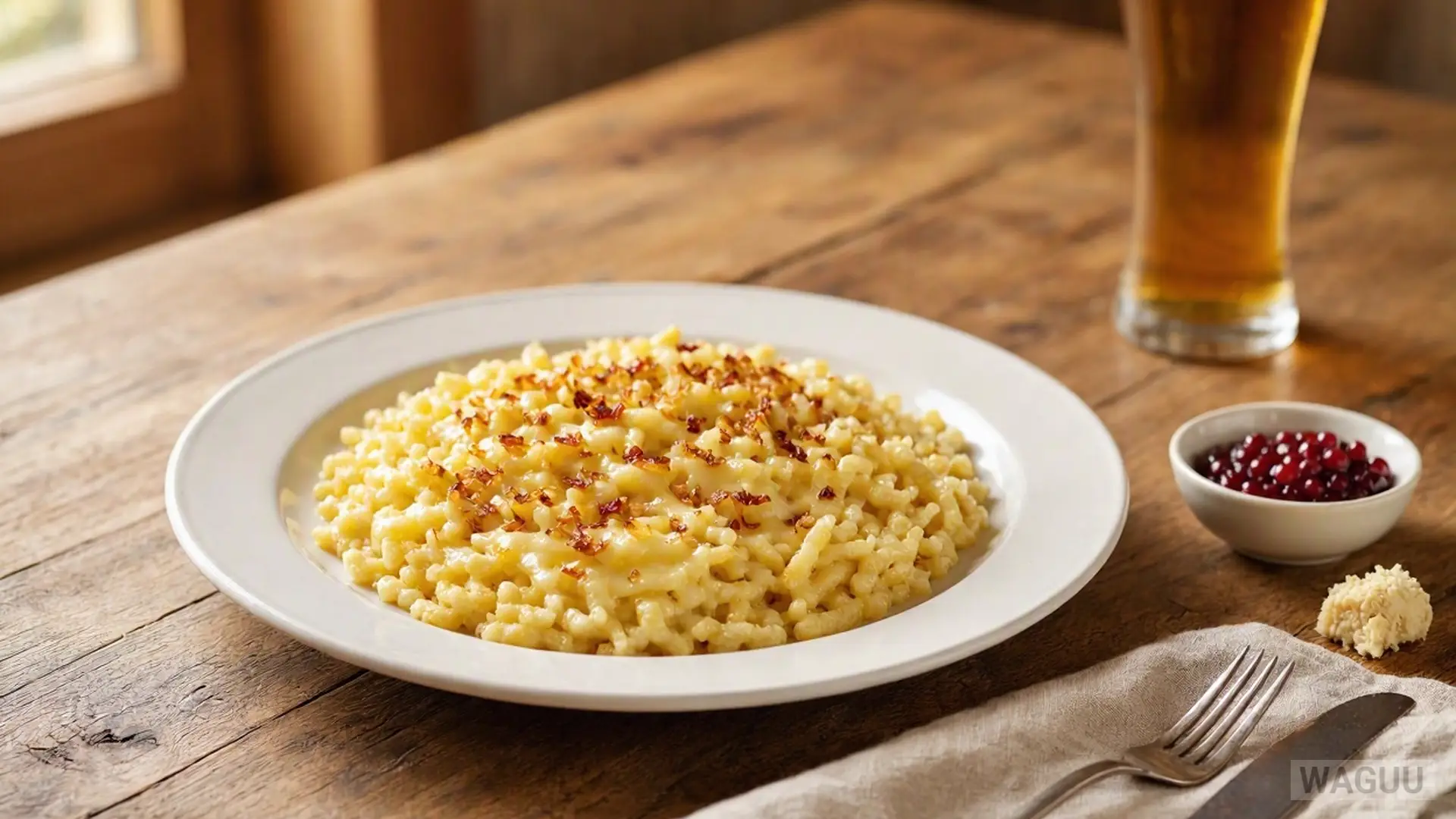
Käsespätzle is essentially the Austrian answer to macaroni and cheese, though it possesses a much more rustic and complex character. The base consists of Spätzle—small, soft egg noodles that are either scraped by hand or pushed through a press into boiling water. Once cooked, these noodles are tossed with a generous amount of shredded mountain cheese, such as Bergkäse or Emmental, which melts into a gooey, stringy coating. The magic happens when the mixture is finished with a topping of golden-brown, caramelised onions, which provide a sweet, savoury contrast to the rich, salty cheese. The result is a decadent, comforting dish that is both filling and deeply satisfying, often served in the same heavy pan in which it was prepared to keep it warm.
The quality of the cheese is the deciding factor in a great Käsespätzle. The use of a robust, aged mountain cheese brings a depth of flavour that milder cheeses simply cannot replicate. The addition of crispy onions is not merely for decoration; they provide a vital textural contrast to the soft noodles and melted cheese. It is a popular vegetarian dish that is a staple of Alpine menus, often enjoyed after a day of hiking or skiing. The simplicity of the ingredients belies the care required to get the texture of the noodles just right—they should be tender but hold their shape, ensuring that every bite is a perfect balance of pasta, cheese, and onion.
Backhendl
Backhendl is the fried chicken of the Austrian culinary tradition, a dish that predates the modern fast-food version by centuries. Traditionally, a young chicken is cut into pieces, including the bone, which helps to keep the meat incredibly moist during the frying process. The chicken is seasoned, coated in flour, egg, and breadcrumbs, and then fried in deep fat until the exterior is perfectly crisp and golden. Unlike many other fried chicken preparations, the goal here is to maintain a balance where the coating is crunchy but not overly thick or greasy. The inclusion of the bone is essential, as it imparts flavour and ensures that the meat remains juicy, a signature of authentic Backhendl.
It is commonly served with a fresh potato salad or a crisp green salad, providing a light, refreshing contrast to the richness of the fried poultry. The dish is a classic in Viennese taverns and remains a popular celebratory meal. The preparation requires a steady hand and precise temperature control, as the chicken needs to cook through to the bone without the breadcrumbs darkening too much. It is a refined version of a rustic classic, demonstrating how simple techniques, when executed with care and high-quality ingredients, can elevate humble poultry into something truly memorable and elegant.
Schweinsbraten mit Knödeln
Schweinsbraten mit Knödeln, or roast pork with dumplings, is the quintessential Austrian Sunday roast. The pork, typically a shoulder or leg cut, is seasoned with garlic, salt, and caraway seeds, and then roasted slowly until the skin transforms into a thick, crunchy crackling. The fat renders down, basting the meat and creating a flavourful pan jus that is later used to make a rich gravy. The caraway seeds are a crucial addition, not only for their unique, earthy aroma but also because they are traditionally believed to aid in the digestion of the heavier, fatty meat. The resulting roast is succulent, tender, and incredibly aromatic, filling the home with the comforting scent of roasting pork and spices.
The dish is almost always served with Knödeln—large, dense bread or potato dumplings—and warm cabbage, often prepared with bacon and caraway. The dumplings are designed to soak up the flavourful gravy, making them an essential part of the meal. This is food at its most honest; it relies on the quality of the pork and the patience of the cook. The contrast between the crispy skin and the tender meat, combined with the soft, absorbent dumplings, creates a textural experience that defines Austrian comfort food. It is a dish that brings families together, celebrating the tradition of the long, slow-cooked meal that defines the Austrian weekend table.
Frittatensuppe
Frittatensuppe is a staple starter in Austrian households and restaurants, representing the height of culinary economy. The dish consists of a clear, high-quality beef broth, into which thin strips of savoury egg pancakes (Frittaten) are added. These pancakes are made from a simple batter of flour, eggs, milk, and a pinch of salt, fried until thin and golden, then rolled and sliced into delicate ribbons. When added to the hot, steaming broth, the pancake strips absorb some of the liquid, becoming silky and soft. The broth itself is usually the result of long simmering, often prepared with beef bones and root vegetables, ensuring it is packed with nutrients and deep, savoury flavour.
While simple in its composition, Frittatensuppe is a testament to the Austrian appreciation for a well-made soup. It is light enough to precede a heavy main course but flavourful enough to stand on its own as a nourishing meal. Garnished with a sprinkle of fresh chives, it is a dish that is as visually appealing as it is warming. It reflects a culinary philosophy where every element is valued, and even simple leftovers are transformed into something elegant. It is the perfect introduction to an Austrian meal, setting the stage with its clarity and refined, classic taste.
Kaspressknödel
Kaspressknödel are savoury cheese dumplings that hail from the mountainous regions of Tyrol and Salzburg. These are not your typical, soft boiled dumplings; instead, they are flattened and pan-fried until they develop a crisp, golden-brown exterior. The base is a mixture of stale bread cubes, milk, eggs, and a generous portion of strong, flavourful mountain cheese. The cheese is the star of the show, melting during the frying process to create a delicious, slightly charred crust that contrasts beautifully with the soft, herb-flecked interior. They are substantial, satisfying, and have a unique flavour profile that is both earthy and rich, thanks to the combination of the rustic bread and the pungent cheese.
Traditionally, Kaspressknödel are served either floating in a clear beef broth or alongside a fresh cabbage salad. When served in soup, the dumplings absorb some of the broth, softening slightly while retaining their fried edge. When served with salad, they act as a hearty main course. They are a perfect example of how Alpine cuisine manages to be both thrifty and indulgent, using humble bread and cheese to create a dish that is highly prized. They are a must-try for anyone visiting the Austrian mountains, offering a taste of the rugged, beautiful landscape in every bite.
Salzburger Nockerl
Salzburger Nockerl is a legendary dessert that is as dramatic in appearance as it is delicious. It is a light, airy soufflé shaped into three distinct peaks, representing the three mountains surrounding the city of Salzburg. Made from a base of whipped egg whites, yolks, sugar, and a touch of flour, the mixture is carefully folded to maintain its volume before being baked until the exterior is golden and the interior remains soft and cloud-like. The dessert must be served immediately upon leaving the oven, as the delicate structure will quickly deflate. It is often dusted with icing sugar and sometimes served with a tart berry compote, which provides a necessary contrast to the sweetness of the soufflé.
Preparing Salzburger Nockerl is a true test of a pastry chef’s skill. Achieving the perfect balance between the light, foamy peaks and the slightly denser, creamy base requires precision and timing. It is a dessert that feels like a celebration, reserved for special occasions or enjoyed in the historic cafés of Salzburg. The experience of eating it is ethereal—it literally melts in the mouth, leaving behind a subtle, sweet, and eggy flavour that is uniquely Austrian. It is a testament to the country’s rich confectionery tradition, where even the simplest ingredients like eggs and sugar are transformed into something spectacular.
Apfelstrudel
Apfelstrudel is, without doubt, the most famous Austrian dessert. It consists of a paper-thin, elastic dough that is stretched by hand until it is translucent, then filled with a mixture of tart apples, raisins, sugar, cinnamon, and buttery breadcrumbs. The roll is then baked until the pastry is golden and crisp, creating a beautiful contrast between the delicate, flaky layers and the soft, spiced apple filling. The breadcrumbs are a secret weapon, as they absorb the excess moisture from the apples, preventing the pastry from becoming soggy. Served warm, often with a drizzle of vanilla sauce or a dollop of whipped cream, it is the ultimate comfort dessert.
The art of making a proper strudel is a craft passed down through generations. Stretching the dough requires a delicate touch and a bit of practice to ensure it covers the entire work surface without tearing. The result, however, is well worth the effort. The balance of sweet and tart, combined with the warmth of the cinnamon and the crunch of the pastry, makes it an enduring classic. It is a dish that evokes memories of home and hospitality, found in every corner of Austria, from high-end restaurants to the smallest family-run bakery. It is a timeless treat that never goes out of style.
Kaiserschmarrn
Kaiserschmarrn, or “Emperor’s Mess,” is a shredded pancake that has become an iconic Austrian sweet dish. The batter, enriched with eggs and often a splash of milk or cream, is cooked in a pan until golden-brown on both sides, then torn into bite-sized pieces using two forks. Raisins are frequently added to the batter, and the whole dish is dusted with a generous amount of icing sugar before serving. The result is a fluffy, caramelised, and slightly crispy treat that is as fun to eat as it is to prepare. It is traditionally served with a side of plum compote or other fruit preserves, which add a fruity tang that balances the sweetness of the pancake.
The history of Kaiserschmarrn is shrouded in legend, often linked to Emperor Franz Joseph I, who supposedly loved the dish. Whether the story is true or not, the dish certainly feels fit for royalty. It is a hearty, satisfying dessert that can also serve as a main course, particularly after a long day of outdoor activity. The key to a great Kaiserschmarrn is the caramelisation—the edges of the pancake pieces should be slightly crispy and dark, while the centre remains soft and airy. It is a dish that celebrates the joy of eating, inviting everyone to dig in and enjoy a warm, sweet, and unpretentious classic.
Frequently asked questions
What is the secret to a good Wiener Schnitzel?
The secret is to ensure the breading is loose, allowing it to puff up during frying, and using high-quality clarified butter for an even golden crust.
Can I use other meats for Tiroler Gröstl?
Yes, while beef and pork are traditional, you can use any leftover cooked meat, including sausages or even chicken, to achieve a similar result.
How do I prevent my pancake from tearing?
The tearing is intentional in Kaiserschmarrn! However, if you mean the batter itself, ensure your pan is well-greased and the heat is not too high.
Is Austrian food very heavy?
Austrian cuisine is known for being hearty, but it focuses on quality ingredients and seasonal produce, which balances the richness of the traditional dishes.
Also known as: Alpine cooking, Viennese classics, Austrian comfort food
Author: WAGUU Petr & Team • Published: 21 Sep 2026 • Updated: 30 Oct 2026
Conclusion
Exploring the 12 dishes listed above offers a gateway into the heart of Austrian culture. From the delicate artistry of a perfect Apfelstrudel to the robust, warming nature of a Wiener Gulasch, these recipes represent a balance of history, technique, and a genuine love for good food. Whether you are an experienced cook or just beginning your culinary journey, mastering these classics will undoubtedly enrich your kitchen repertoire.
Choose your recipe
Select one of our detailed guides to begin your Austrian culinary adventure:
Wiener Schnitzel – Traditional veal escalope, breaded and fried.
Tafelspitz – Slow-cooked beef in an aromatic broth.
Wiener Gulasch – Rich beef stew with onions and paprika.
Tiroler Gröstl – Pan-fried potatoes, onions, and meat.
Käsespätzle – Soft noodles with melted mountain cheese.
Backhendl – Traditional Viennese crispy fried chicken.
Schweinsbraten mit Knödeln – Classic roast pork with dumplings.
Frittatensuppe – Clear broth with savoury pancake strips.
Kaspressknödel – Fried cheese dumplings.
Salzburger Nockerl – Fluffy sweet soufflé.
Apfelstrudel – Classic apple-filled pastry.
Kaiserschmarrn – Shredded pancake with raisins.
Other possible variations
Chicken Schnitzel
A lighter alternative to the traditional veal version. It is suitable for those who prefer poultry and cooks slightly faster than veal.
Tafelspitz Salad
Utilises leftover boiled beef sliced thinly with vinaigrette. It is a refreshing variation perfect for warmer weather.
Goulash with Spaetzle
Replaces bread dumplings with fresh egg noodles. It adds a more delicate texture to the hearty stew.
Vegetarian Gröstl
Omits the meat and adds seasonal vegetables like courgettes or peppers. It is an excellent option for meat-free days.
Wholewheat Spätzle
Uses wholewheat flour for a nuttier flavour and higher fibre content. It is a healthier twist on the classic noodle.
Oven-Baked Backhendl
A healthier version that requires less oil. It offers a similar crunch with a lighter nutritional profile.
Pork Belly Roast
Uses pork belly for an even crunchier crackling. It is more decadent than traditional shoulder roast.
Chicken Broth Frittaten
Uses a light chicken broth instead of beef. It provides a more subtle flavour for a lighter starter.
Herb Kaspressknödel
Adds fresh herbs like parsley and chives to the dumpling mix. It brings a fresh, aromatic dimension to the cheese base.
Chocolate Nockerl
Adds cocoa powder to the soufflé mix. It is a chocolate lover’s dream variation of the classic.
Pear Strudel
Substitutes apples with pears. The result is a softer, sweeter filling that pairs beautifully with ginger.
Vegan Kaiserschmarrn
Uses plant-based milk and egg substitutes. It is perfect for those following a plant-based diet.
Gluten-Free Schnitzel
Uses gluten-free breadcrumbs and flour. It ensures that those with gluten sensitivity can enjoy the classic taste.
Creamy Horseradish Sauce
Adds extra double cream to the Tafelspitz sauce. It is a richer, milder version for those who find raw horseradish too sharp.
Spicy Goulash
Adds fresh chillies to the base. It is ideal for those who prefer a bit more heat in their stews.
Bacon Gröstl
Adds crispy bacon cubes for extra saltiness. It is a popular variation among those who love smoky flavours.
Four-Cheese Spätzle
Uses a blend of four different cheeses for a more complex flavour. It creates a richer sauce.
Lemon-Herb Backhendl
Adds lemon zest and dried thyme to the breadcrumbs. It provides a bright, citrusy finish to the chicken.
Garlic Roast Pork
Increases the garlic content significantly. It is perfect for those who love strong, savoury aromatics.
Vegetable Frittatensuppe
Uses a rich vegetable stock instead of beef. It is a fantastic vegetarian-friendly starter.
Smoked Cheese Kaspressknödel
Uses smoked mountain cheese. It adds a lovely, subtle smoky depth to the dumplings.
Apricot Nockerl
Adds a small apricot in the centre of each soufflé peak. It is a fruity surprise that elevates the dessert.
Cherry Strudel
Uses sour cherries instead of apples. It is a classic variation that is particularly popular in the summer.
Plum Kaiserschmarrn
Adds fresh plum wedges to the batter before cooking. It makes for a juicy, seasonal treat.
Do you know another variation? Add your own suggestion below.
Missing a recipe?
Tell us what recipe you would like us to add. We will do our best to publish it soon!
Frequently asked questions about other variations
- Are these variations traditional? Most are regional or modern adaptations of the classic recipes.
- Can I mix variations? Absolutely, feel free to experiment with combinations that suit your taste.
- Are the cooking times different? Some, like the oven-baked versions, may require adjustments.
- Are ingredients easy to find? Most variations use common ingredients found in any well-stocked pantry.
- Which variation is best for beginners? The chicken schnitzel is often slightly more forgiving than the veal version.
- Can I make these ahead of time? Most stews and roasts improve with time, while soufflés must be served fresh.
- Do these variations require special equipment? Generally, no, standard kitchen tools are sufficient.
- Where can I find more inspiration? Explore our other articles on regional Austrian cooking.