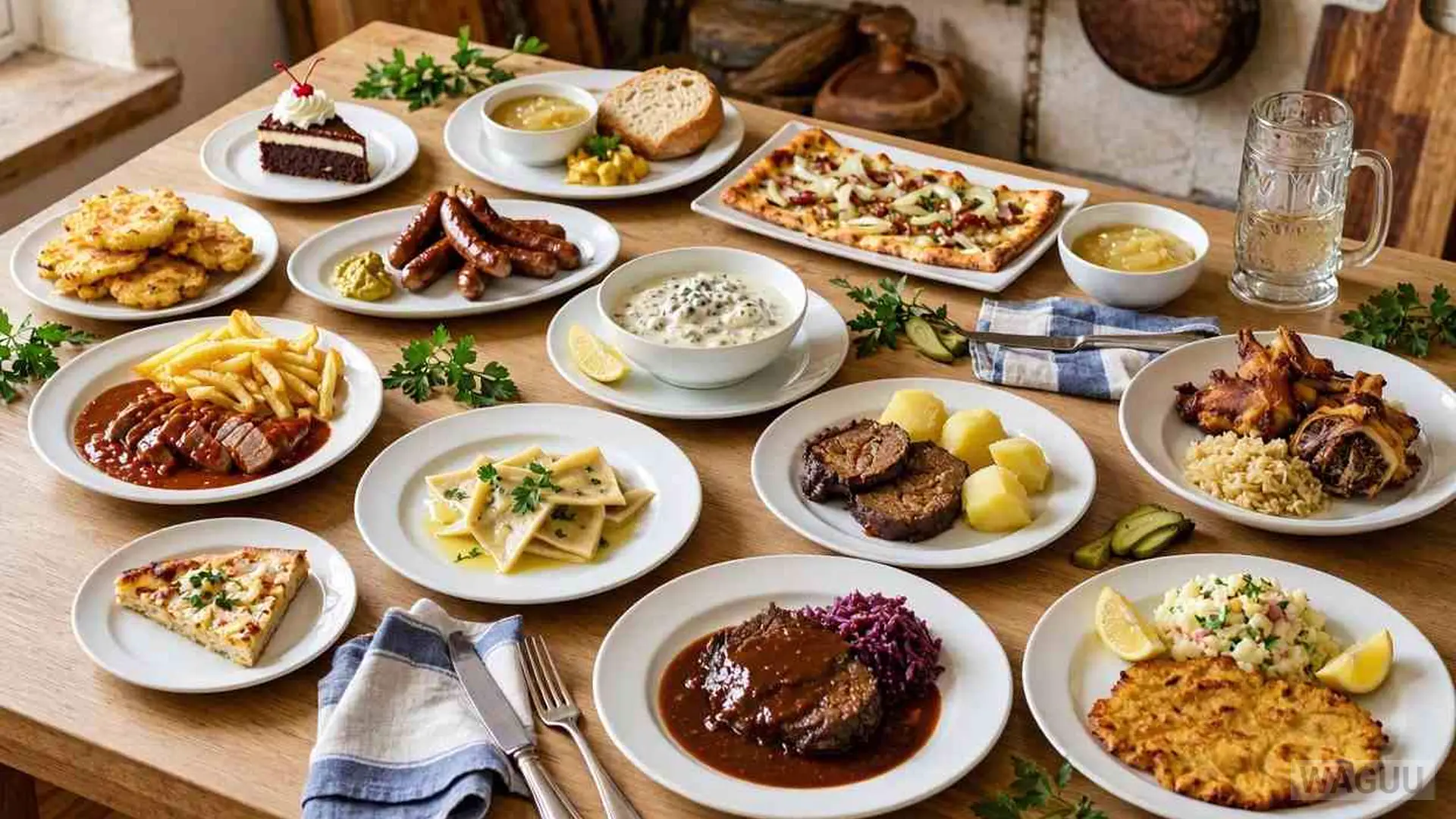
Summary: Explore the rich culinary heritage of Central Europe through twelve iconic German dishes, ranging from crispy golden schnitzels to hearty pork knuckles and rich layered cakes. This comprehensive guide is tailored for home cooks eager to master authentic European flavours, offering structured insights into techniques, history, and preparation methods. Expect a detailed breakdown taking approximately twenty minutes of reading time to fully digest.
Category: Articles |
Reading time: 20 minutes
Step-by-step photo gallery
Did you cook any of the variations? Share a photo in the comments under the recipe; we would love to add it to the gallery. Did you film a video tutorial? Insert a link to YouTube, YouTube Shorts, TikTok, Instagram Reels, Facebook Reels, Pinterest, Vimeo, or X (Twitter) in the comments; we would be happy to publish it.
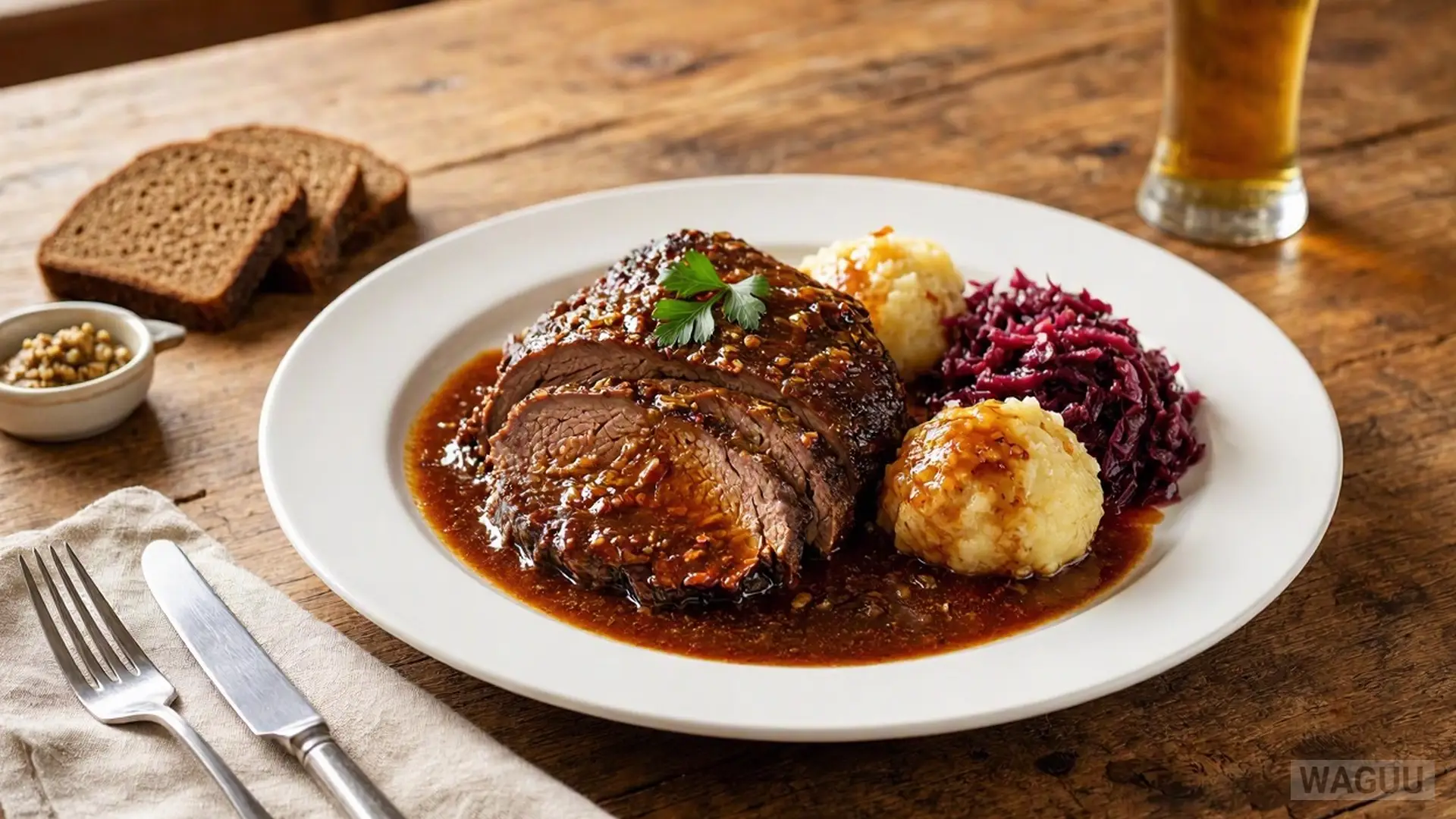
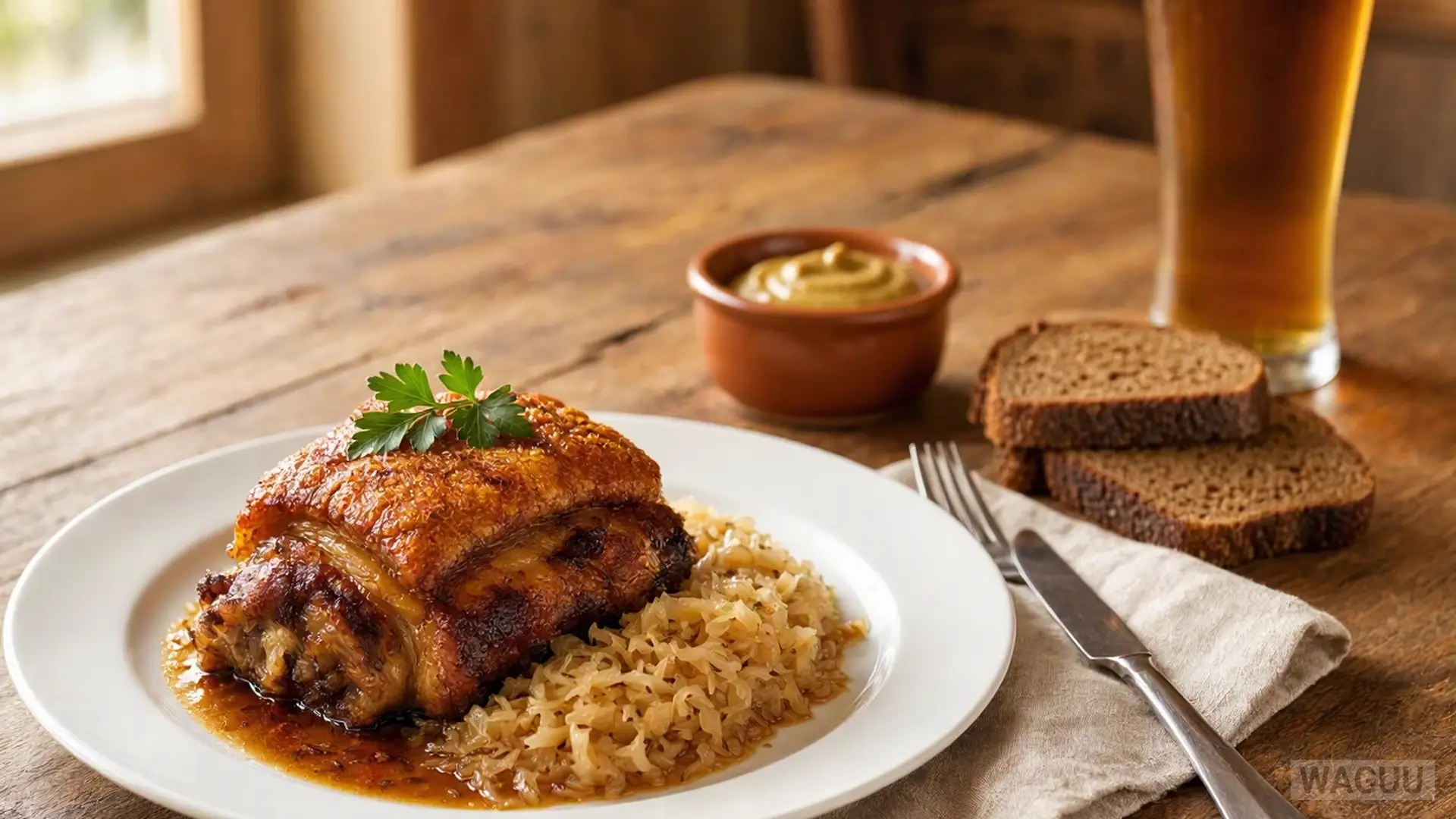
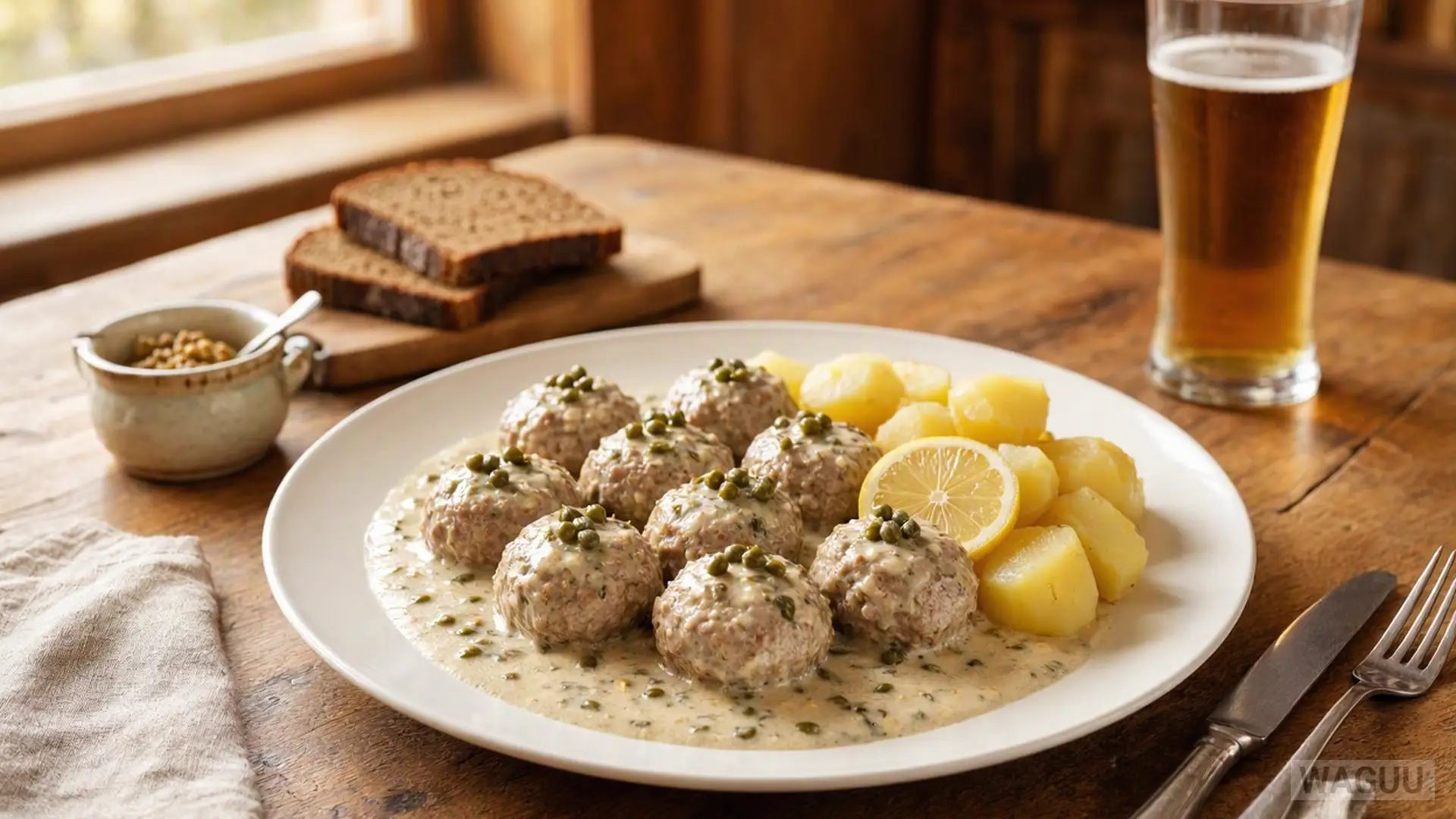
Discover the heart and soul of traditional German gastronomy with our carefully curated selection of twelve foundational dishes. From bustling Munich beer gardens to cosy coastal kitchens, German food is defined by deep comforting flavours, meticulous curing and braising techniques, and a profound appreciation for hearty seasonal produce. This guide explores the historical context, preparation secrets, and cultural significance behind each celebrated plate, empowering you to recreate restaurant-quality European classics directly in your home kitchen. Whether you are planning a grand festive family feast or seeking a satisfying weekend cooking project, these twelve culinary masterpieces offer endless inspiration, vibrant textures, and timeless satisfaction.
Quick overview
- Topic / Dish: Classic German Cuisine
- Categories: Main Dishes, Cuisines
- Cuisine: German
- Included variations: Schnitzel with potato salad, Currywurst with chips, Bratwurst with mustard and bread, Sauerbraten, Schweinshaxe with sauerkraut, Königsberger Klopse, Zwiebelkuchen, Maultaschen, Rouladen, Kartoffelpuffer, Flammkuchen, Black Forest gateau
- Key techniques: Pan-frying, braising, curing, emulsification, deep-frying
- Physical and chemical background: Protein denaturation in breaded coatings, Maillard browning on roasted meats, starch gelatinisation in potato salads, acid-driven meat tenderisation in marinades
- Common mistakes: Overcrowding the frying pan, failing to rest roasted meats, boiling delicate dumplings, skipping the acidic marinade step for sauerbraten
- In short: A masterclass in traditional European comfort food, featuring twelve distinct recipes that celebrate meat, potatoes, cabbage, and pastry arts.
- Last updated: 6 June 2026
WAGUU says: “Mastering German cuisine requires patience, respect for traditional preserving methods, and an understanding of how simple, humble ingredients transform through precise heat application and aromatic seasoning.”
How to take it further: Infuse pan juices with homemade bone broths, or incorporate hand-ground heritage spices into traditional spice rubs.
Key facts
| Preparation time: | 30 to 120 minutes per dish |
| Cooking time: | 20 to 180 minutes per dish |
| Main ingredient: | Pork, beef, potatoes, flour |
| Number of servings: | 6 portions per recipe |
| Difficulty: | Moderate to Advanced |
Method in brief
- Prepare and marinate cuts or assemble dough components according to traditional specifications.
- Execute primary thermal processing such as frying, braising, or baking at precise temperatures.
- Prepare complementary side dishes, sauces, or garnishes to balance richness and acidity.
- Rest proteins properly to redistribute internal juices before slicing and portioning.
- Plate harmoniously alongside traditional accompaniments and serve immediately while hot.
In a nutshell
- Variety: Covers twelve distinct foundational dishes spanning all major German culinary regions.
- Technique: Focuses on foundational European cooking methods including braising, pan-frying, and baking.
- Balance: Combines rich protein elements with sharp vinegars, mustards, and fermented cabbages.
- Tradition: Upholds time-honoured recipes passed down through generations of European home cooks.
- Accessibility: Adapts traditional methods for modern British kitchens using locally available ingredients.
- Result: Authentic, deeply satisfying meals that celebrate the rich culinary heritage of Central Europe.
Who this guide is for: Beginner – Home cooks looking to explore foundational European comfort food with clear, step-by-step instructions. Intermediate – Culinary enthusiasts wanting to master classic braising, dough-making, and frying techniques. Pro – Professional chefs and dedicated food historians seeking authentic regional proportions, chemical backgrounds, and plating standards.
Classic German Recipes Explored
Schnitzel with potato salad
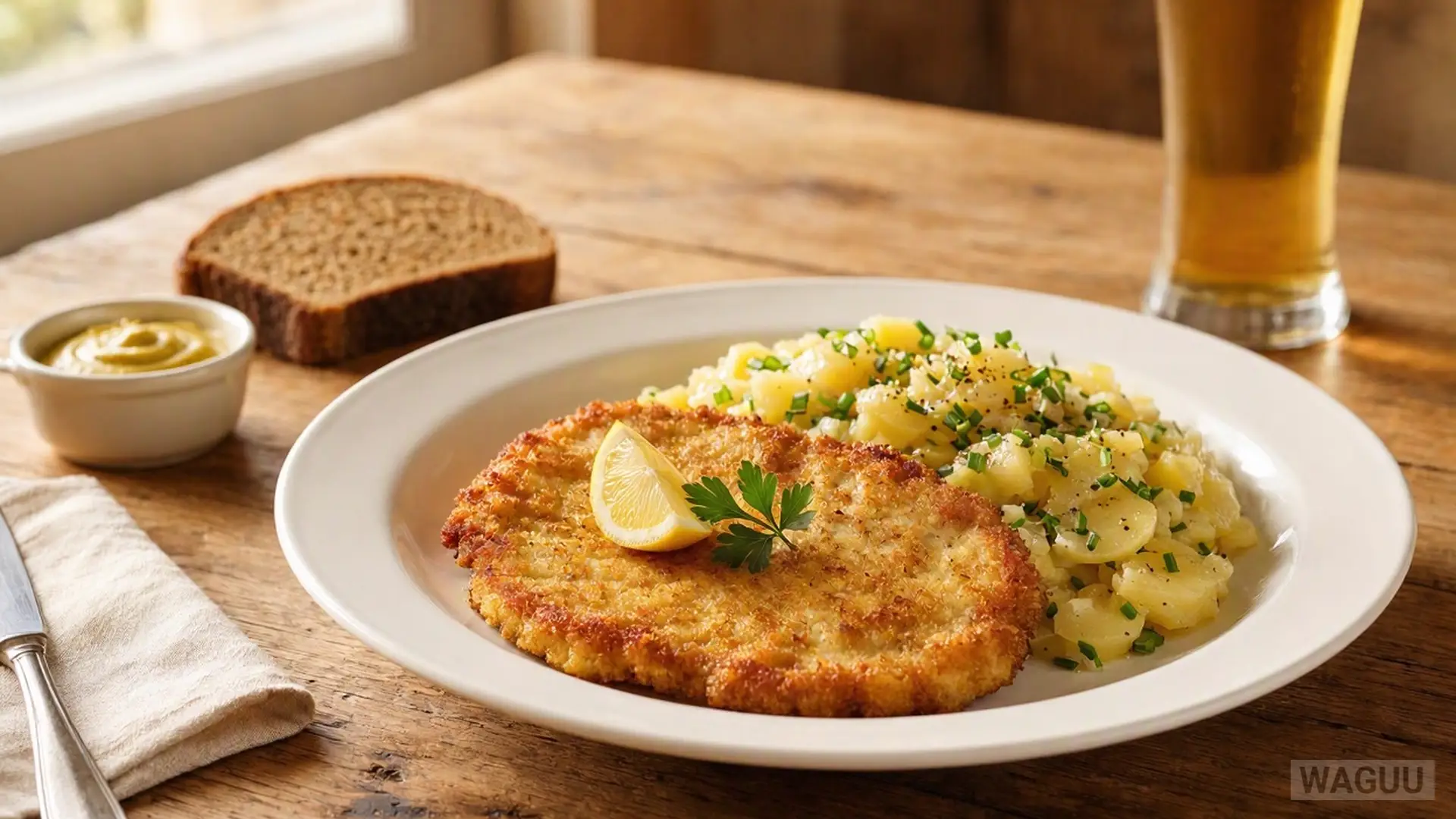
Schnitzel with potato salad stands as one of the most beloved and universally recognised comfort foods across Central Europe, combining crisp, golden-crusted pork loin with a tangy, vinegar-dressed potato salad. The secret to an exceptional schnitzel lies in the careful pounding of the meat until uniformly thin, followed by a meticulous triple-coating process of plain flour, beaten free-range eggs, and fine dry breadcrumbs. When submerged in bubbling clarified butter or rapeseed oil, the outer coating puffs up and transforms into a delicate, lace-like crust that shatters delightfully against the tender, juicy pork within. Accompanying this rich protein is a traditional German potato salad made with waxy potatoes gently boiled in their skins, peeled while warm, and dressed in a warm broth, sharp white wine vinegar, finely diced shallots, and fresh chives. This brilliant contrast between the piping hot, crunchy cutlet and the savoury, acidic potato salad creates an unforgettable harmony of textures and flavours that has warmed homes for generations. Mastering this dish teaches essential frying temperature control and the science of protein denaturation, ensuring your breaded coatings never detach or become soggy.
- Pork loin escalopes – 600 g
- Plain flour – 100 g
- Free-range eggs – 2 pcs
- Fine dry breadcrumbs – 150 g
- Clarified butter for frying – 100 g
- Waxy potatoes – 800 g
- White wine vinegar – 50 ml
- Fresh chives – 20 g
- Pound the pork loin escalopes between sheets of plastic wrap until evenly thin (about 5 mm).
- Set up a traditional breading station with flour, beaten eggs, and breadcrumbs, coating each cutlet thoroughly.
- Fry the breaded cutlets in plenty of hot clarified butter at 170 °C until golden brown on both sides.
- Boil the waxy potatoes in salted water until tender, peel while warm, slice, and toss with warm broth, vinegar, oil, and seasonings.
- Serve the hot, crispy schnitzel immediately alongside the dressed warm potato salad garnished with fresh chives.
Currywurst with chips
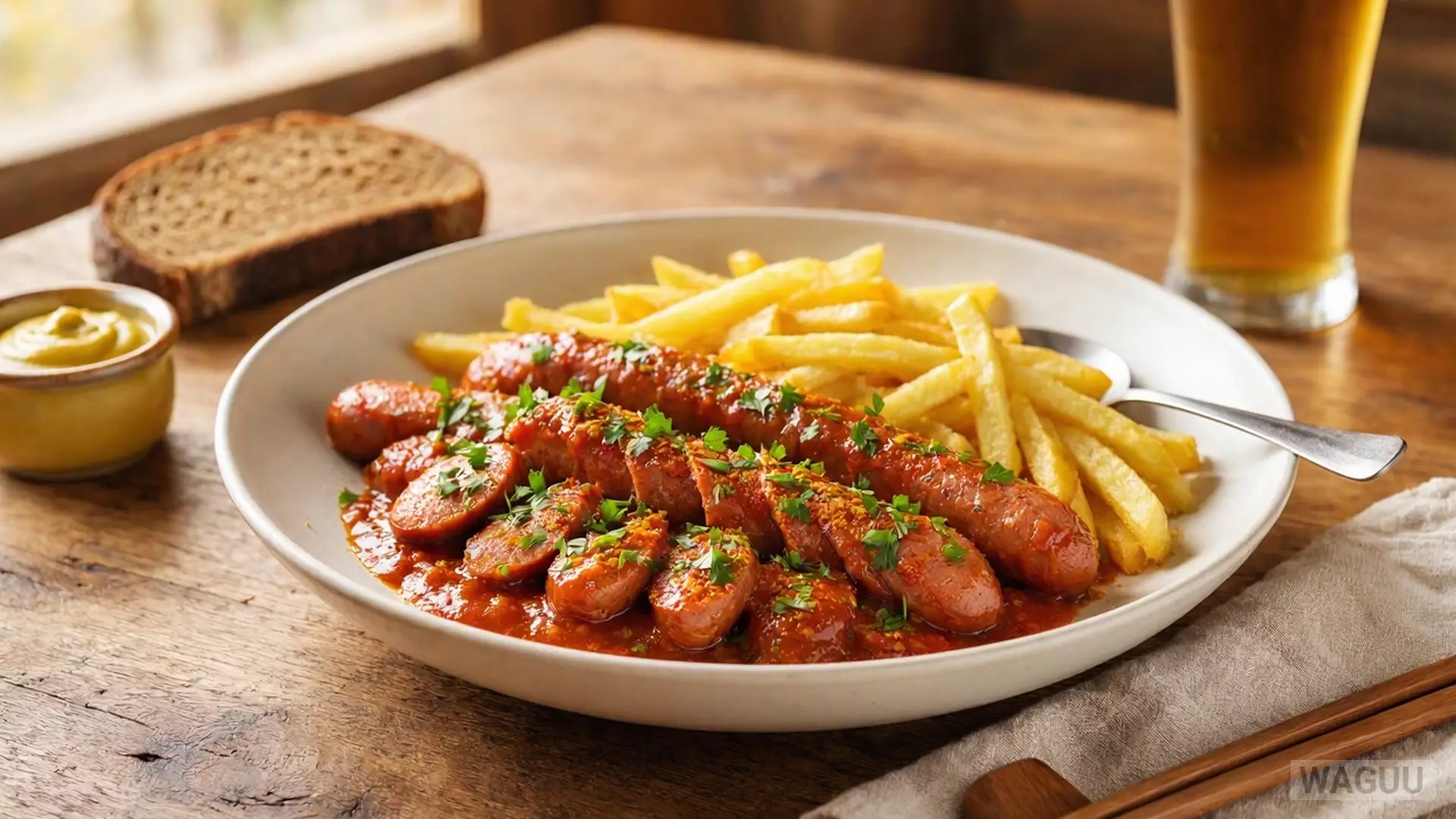
Currywurst with chips is the undeniable king of German street food culture, originating in post-war Berlin and quickly conquering the entire nation’s palate. This iconic dish features steamed and subsequently pan-fried pork sausages cut into bite-sized slices, smothered in a rich, spiced tomato sauce infused with aromatic curry powder, and served alongside a generous portion of golden, crispy deep-fried potato chips. The magic of a true currywurst lies in the complex sauce, which combines smooth tomato paste, Worcestershire sauce, a hint of sweet paprika, and a robust dusting of high-grade yellow curry powder that provides a warming, earthy aroma without overwhelming heat. Paired with thick-cut chips fried to absolute perfection, this meal delivers an intoxicating combination of sweet, savoury, smoky, and spicy flavor profiles. It represents the vibrant, fast-paced urban culinary landscape of Germany, proving that incredible flavours can emerge from humble, accessible ingredients when prepared with passion and precision. Perfect for casual weekend gatherings or late-night indulgences, currywurst brings an energetic burst of street-side charm straight to your dining table.
- Bratwurst sausages – 6 pcs
- Strained tomatoes (passata) – 400 g
- Worcestershire sauce – 2 tbsp
- Yellow curry powder – 3 tbsp
- Granulated sugar – 1 tbsp
- Maris Piper potatoes for chips – 1 kg
- Rapeseed oil for deep-frying – 1 l
- Fine sea salt – 10 g
- Cut peeled potatoes into even chips, soak in cold water, dry thoroughly, and fry twice at 150 °C and 190 °C until golden.
- Simmer the passata with Worcestershire sauce, sugar, half the curry powder, and a pinch of salt to form a thick spiced sauce.
- Gently poach the bratwurst sausages in simmering water for 8 minutes, then pan-fry in a little oil until the skins are lightly blistered.
- Slice the cooked sausages into uniform bite-sized rounds and arrange on a warm plate alongside the crispy chips.
- Drench the sausage slices generously with the warm curry sauce and dust heavily with the remaining curry powder before serving.
Bratwurst with mustard and bread
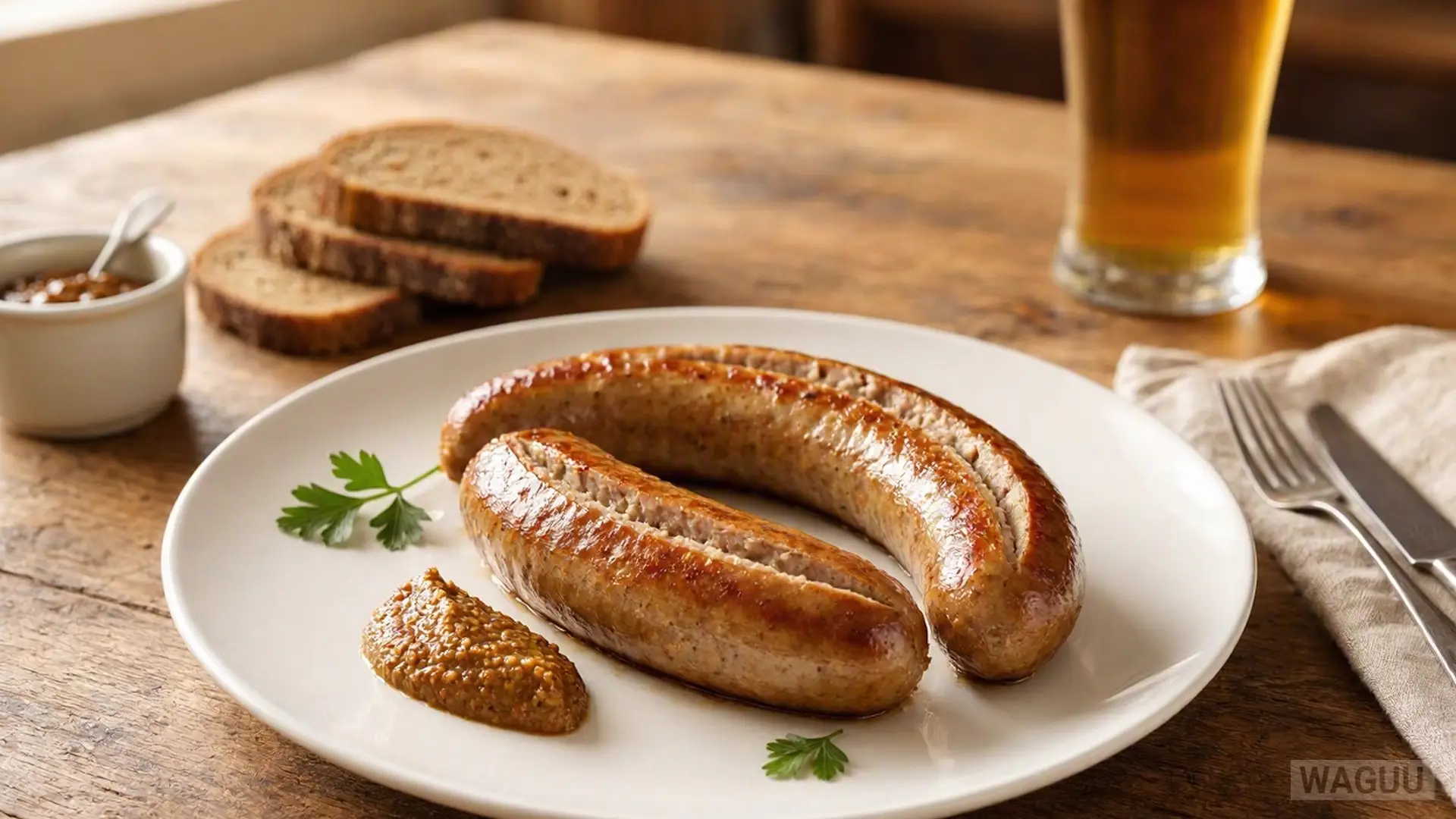
Bratwurst with mustard and bread represents the purest, most rustic expression of German butchery and baking traditions, celebrated at local markets, beer festivals, and family barbecues alike. The star of the plate is a finely minced pork and veal sausage seasoned with delicate white pepper, nutmeg, mace, and fresh parsley, encased in a natural casing that snaps satisfyingly with every bite. Grilling or pan-frying these sausages over moderate heat allows the internal fats to render slowly, creating a deeply savoury, caramelised exterior while keeping the interior succulent and juicy. Served simply on a sturdy slice of traditional dark rye or sourdough bread and accompanied by a generous dollop of sharp, stone-ground German mustard, this dish strips away culinary pretense to focus entirely on ingredient quality. The robust acidity of the mustard cuts cleanly through the rich pork fat, while the dense, caraway-scented bread provides a wonderful earthy chew. It is a masterclass in minimalist cooking where every single component must be of the highest standard to achieve total perfection.
- Traditional German bratwurst – 6 pcs
- Rye sourdough bread – 6 thick slices
- Hot Bavarian mustard – 4 tbsp
- Lard or clarified butter – 30 g
- Pickled gherkins for serving – 150 g
- Red onion wedges – 100 g
- Fresh flat-leaf parsley – 10 g
- Coarse sea salt – 5 g
- Score the bratwurst sausages lightly with a sharp knife to prevent bursting during cooking.
- Heat lard in a heavy frying pan over medium heat and add the sausages, turning frequently.
- Cook the sausages for 12–15 minutes until the casings are evenly browned and caramelised and the meat is fully cooked.
- Toast thick slices of rye sourdough bread lightly in the residual pan juices for extra flavour.
- Serve each sausage on a slice of warm bread with a generous dollop of sharp mustard, gherkins, and red onion.
Sauerbraten
Sauerbraten is widely celebrated as the national pot roast of Germany, a magnificent culinary achievement born from the necessity of preserving and tenderising tougher cuts of beef through extended marination. A choice cut of beef topside or silverside is submerged for several days in a pungent, highly aromatic bath of red wine vinegar, water, root vegetables, juniper berries, cloves, bay leaves, and peppercorns. This prolonged bath allows organic acids to gently break down tough collagen fibres while infusing the dense meat with an extraordinarily complex, sour-sweet flavour profile. After marination, the beef is seared until deeply browned and braised for hours in the strained marinade until it reaches a state of melt-in-the-mouth tenderness. The velvety cooking liquid is subsequently enriched with crumbled gingerbread (Lebkuchen) and a touch of dark cane sugar or apple butter, creating a luxurious, glossy gravy that bridges sweet and savoury notes with breathtaking elegance. Traditionally served alongside silky potato dumplings and braised red cabbage, sauerbraten represents the pinnacle of patient, methodical European slow cooking.
- Beef topside roast – 1.2 kg
- Red wine vinegar – 300 ml
- Dry red wine – 300 ml
- Carrots, diced – 150 g
- Yellow onions, diced – 200 g
- Juniper berries and cloves – 15 g
- Traditional gingerbread biscuits – 40 g
- Rapeseed oil for searing – 50 ml
- Combine vinegar, wine, water, vegetables, and spices to create the marinade, submerge the beef, and refrigerate for 4 days.
- Remove the beef from the marinade, pat dry, season with salt, and sear in a heavy Dutch oven until deeply browned on all sides.
- Strain the vegetables from the marinade, add them to the pot along with the liquid, and bring to a simmer.
- Cover tightly and braise in a preheated oven at 160 °C for 2.5 hours until the beef is exceptionally tender.
- Thicken and enrich the strained braising gravy with crumbled gingerbread and adjust seasoning before slicing and serving.
Schweinshaxe with sauerkraut
Schweinshaxe, or roasted pork knuckle, is the undisputed monarch of Bavarian beer halls, embodying unabashed indulgence and rustic culinary mastery. This magnificent cut features the pork hock, surrounded by thick layers of skin, fat, and deeply flavourful bone-in meat. To achieve the legendary contrast of a glass-like, shattering crackling skin and meat that falls effortlessly off the bone, the knuckle undergoes a two-stage cooking process. First, it is slow-roasted in a rich broth infused with caraway seeds, onions, garlic, and dark lager beer until the connective tissues completely dissolve. In the final phase, the oven temperature is cranked to maximum, causing the scored skin to blister, pop, and turn into golden, crunchy perfection. Served atop a bed of tangy, slow-braised sauerkraut simmered with juniper and apples, this dish balances immense richness with vibrant, lactic acidity. It is a celebratory feast that commands attention at the dining table, pairing magnificently with a chilled mug of German Pilsner and traditional bread dumplings.
- Bone-in pork knuckles (hocks) – 2 pcs (approx. 1.2 kg each)
- Dark lager beer – 500 ml
- Beef or pork stock – 500 ml
- Yellow onions, quartered – 300 g
- Caraway seeds – 1 tbsp
- Sauerkraut, drained – 800 g
- Smoked bacon lardons – 150 g
- Coarse sea salt for skin – 30 g
- Score the pork skin in a tight diamond pattern with a sharp craft knife, rubbing coarse salt deep into the cuts.
- Place the knuckles in a roasting pan with onions, caraway seeds, stock, and dark lager, covering the base.
- Roast at 160 °C for 2.5 hours, basting frequently with the pan juices until the meat is tender.
- Increase the oven temperature to 220 °C and roast for another 30–45 minutes until the skin blisters into crunchy crackling.
- Simmer the sauerkraut with bacon lardons and pan drippings, then serve alongside the sizzling pork knuckles.
Königsberger Klopse
Königsberger Klopse is a culinary treasure hailing from the historical East Prussian capital of Königsberg, offering a uniquely sophisticated take on comfort food meatballs. These tender meatballs are crafted from a delicate mixture of minced veal and pork, bound with soaked white bread rolls, finely grated onions, eggs, and occasionally finely chopped anchovies that impart a subtle, deeply savoury umami backbone without tasting fishy. Unlike Italian meatballs, these are gently poached not in tomato sauce, but in a fragrant, simmering meat broth flavoured with bay leaves, peppercorns, and lemon peel. The defining hallmark of the dish, however, is its velvety white caper sauce. Prepared by thickening the poaching broth with a rich roux, enriching it with heavy cream, egg yolks, and butter, and finishing with a generous quantity of brined capers, this sauce delivers an exquisite interplay of creamy richness and sharp, briny tang. Served alongside boiled salted potatoes or buttered rice, Königsberger Klopse represents a masterclass in delicate seasoning and refined culinary balance.
- Minced veal – 500 g
- Minced pork – 300 g
- Stale white bread rolls, soaked and squeezed – 2 pcs
- Free-range eggs – 2 pcs
- Anchovy fillets, finely minced – 3 pcs
- Beef stock for poaching – 1 l
- Plain flour and butter for roux – 50 g each
- Brined capers – 80 g
- Mix minced veal and pork with soaked bread, eggs, minced anchovies, finely diced onions, salt, and pepper.
- Shape the meat mixture into small, smooth meatballs using wet hands.
- Bring the beef stock to a gentle simmer with bay leaves and lemon peel, then poach the meatballs for 15 minutes.
- Melt butter, stir in flour to form a blonde roux, whisk in the strained poaching broth, and simmer until smooth.
- Enrich the sauce with heavy cream, stir in the capers and drained meatballs, warm through, and serve.
Zwiebelkuchen
Zwiebelkuchen, or traditional German onion tart, is a beloved autumnal speciality closely tied to the grape harvest season in wine-growing regions like the Palatinate and Franconia. This comforting bake features a rich, yeast-leavened dough base that supports an astronomical quantity of thinly sliced yellow onions slow-cooked in butter until meltingly soft, sweet, and translucent. The onions are blended with a rich custard made from sour cream, heavy cream, and fresh eggs, seasoned delicately with caraway seeds, freshly grated nutmeg, and crisp smoked bacon lardons. As the tart bakes in the oven, the pastry crust turns golden and crisp, while the onion custard sets into a rich, savoury layer that melts deliciously in the mouth. Traditionally sliced into warm squares and enjoyed alongside a fresh glass of Federweißer—sweet, partially fermented young wine—zwiebelkuchen celebrates the harmonious marriage of sweet caramelised root vegetables and savoury cured pork. It is a stunning centrepiece for cool autumn evenings, showcasing the rustic ingenuity of rural German baking.
- Plain flour for yeast dough – 400 g
- Active dry yeast – 7 g
- Lukewarm milk – 200 ml
- Yellow onions, thinly sliced – 1.2 kg
- Smoked bacon lardons – 200 g
- Sour cream – 200 g
- Free-range eggs – 3 pcs
- Caraway seeds – 1 tsp
- Mix flour, yeast, lukewarm milk, and a pinch of salt to form a smooth dough; let rise until doubled in size.
- Sauté the smoked bacon lardons and thinly sliced onions in butter over low heat for 30 minutes until soft and sweet.
- Whisk together sour cream, eggs, caraway seeds, salt, pepper, and nutmeg in a bowl.
- Roll out the yeast dough into a buttered baking pan, spread the onion and bacon mixture over it, and pour the custard on top.
- Bake at 180 °C for 40 minutes until the pastry is golden and the custard topping is set and lightly browned.
Maultaschen
Maultaschen are large, folded pasta pockets originating from the Swabia region, carrying a fascinating folklore tale of clever monks seeking to hide meat from God during Lent by concealing it within a blanket of green herbs and dough. These substantial parcels feature a silky egg pasta dough rolled thin and filled with a savoury mixture of minced meat, smoked ham, soaked bread, spinach, onions, and fresh herbs like parsley and marjoram. Unlike Italian ravioli, maultaschen are traditionally quite large, rectangular, and prepared in one of three delightful ways: gently simmered in a clear beef bouillon, pan-fried in butter with onions until golden, or sliced and scrambled with free-range eggs. This versatility makes them a staple of Swabian comfort food, offering an intensely savoury, herbaceous filling encased in comforting pasta dough. They represent the resourceful spirit of regional German cooking, transforming pantry staples into a nourishing, deeply satisfying meal that warms the body and soul.
- Plain flour for pasta dough – 400 g
- Free-range eggs – 4 pcs
- Minced beef and pork mix – 400 g
- Fresh spinach, blanched and chopped – 200 g
- Stale white bread roll, soaked in milk – 1 pc
- Fresh parsley and marjoram, chopped – 30 g
- Clear beef broth for serving – 1.5 l
- Butter for pan-frying – 50 g
- Knead flour, eggs, and a pinch of salt into a smooth pasta dough, rest, and roll out into thin sheets.
- Combine minced meat, chopped spinach, soaked bread, herbs, salt, and pepper into a cohesive filling.
- Distribute dollops of filling across the pasta sheet, fold over, seal edges with water, and cut into large rectangles.
- Simmer the maultaschen in boiling beef broth for 10 minutes until floating, or pan-fry in butter until golden.
- Serve hot in bowls filled with clear beef broth or browned in butter with caramelised onions.
Rouladen
Rouladen are a masterclass in culinary architecture, featuring large, paper-thin slices of beef topside wrapped tightly around a savoury filling of sharp mustard, smoky bacon, crisp gherkins, and sweet onions. As the beef rolls braise slowly in a rich, velvety red wine and vegetable gravy, the interior fillings melt together, infusing the lean beef with incredible depth of flavour. Securing the rolls with kitchen twine or traditional metal pins is essential to maintaining their tight cylinder shape throughout hours of gentle simmering. The resulting sauce, enriched with tomato paste and pan drippings, clings seductively to the meat and pairs brilliantly with traditional potato dumplings and braised red cabbage. Rouladen are the undisputed star of traditional Sunday family dinners across Germany, offering a comforting aroma that fills the entire home with warmth and nostalgia. This dish showcases how simple techniques like rolling and braising elevate everyday cuts of beef into a truly regal dining experience.
- Beef topside escalopes, cut thin – 6 large pcs
- German medium-hot mustard – 6 tbsp
- Smoked streaky bacon rashers – 12 slices
- Yellow onions, finely sliced – 200 g
- Pickled gherkins, cut into strips – 6 pcs
- Beef stock – 600 ml
- Dry red wine – 200 ml
- Plain flour for thickening – 30 g
- Lay beef escalopes flat, pound gently, and spread each generously with mustard, salt, and black pepper.
- Arrange bacon rashers, onion slices, and gherkin strips across each escalope.
- Roll the beef tightly around the fillings, tucking in the sides, and secure with kitchen twine or metal roulade pins.
- Sear the rolls in a heavy Dutch oven until browned on all sides, then remove and sauté remaining onions.
- Deglaze with red wine, add stock, return roulades, and braise covered at 160 °C for 2 hours until tender.
Kartoffelpuffer
Kartoffelpuffer, or traditional German potato fritters, are golden, crispy discs of grated potato fried in lard or clarified butter until shattering on the outside and tender within. Making authentic potato pancakes requires grating raw starchy potatoes alongside fresh onions, then pressing out excess moisture through a clean cloth to ensure the crispest possible texture. Bound with a minimal amount of egg and flour, seasoned simply with salt and freshly grated nutmeg, the mixture is dropped into hot fat and flattened into thin patties. Whether served sweet with homemade applesauce and cinnamon sugar or savoury with smoked salmon and crème fraîche, kartoffelpuffer represent the ultimate comfort food experience. They are a staple of street markets, winter festivals, and cosy home kitchens alike, celebrating the extraordinary versatility of the humble potato through masterful frying technique and golden caramelisation.
- Starchy potatoes (e.g., Maris Piper) – 1 kg
- Yellow onions, finely grated – 150 g
- Free-range eggs – 2 pcs
- Plain flour – 30 g
- Clarified butter or lard for frying – 100 g
- Freshly grated nutmeg – 1 pinch
- Fine sea salt – 8 g
- Applesauce for serving – 200 g
- Peel and coarsely grate raw potatoes and onions, place in a clean cloth, and squeeze out all excess liquid.
- Transfer grated potatoes to a bowl, mix in eggs, flour, salt, and grated nutmeg until combined.
- Heat clarified butter in a large frying pan over medium-high heat.
- Drop large spoonfuls of potato mixture into the hot pan, flattening them into thin, even patties.
- Fry for 4–5 minutes per side until deeply golden and crispy, drain on paper towels, and serve with applesauce.
Flammkuchen
Flammkuchen, known in the Alsatian border region as tarte flambée, is a magnificent oven-baked flatbread boasting an ultra-thin, crackling crust topped with creamy fromage blanc, smoky bacon lardons, and sweet caramelised onions. Traditionally baked in blazing hot wood-fired ovens, flammkuchen requires no yeast in its dough, rolling out paper-thin to achieve a wonderfully crisp texture that supports its rich, creamy toppings without becoming soggy. The base is slathered with a tangy mixture of quark and sour cream, scattered with smoky bacon and paper-thin onion rings, and baked until the edges blister and char slightly from the intense heat. This delightful dish balances the tang of fermented dairy with smoky pork and sweet onions, offering a lighter, crispier alternative to traditional pizza. It is a social food designed to be shared among friends accompanied by crisp regional white wine, embodying the rustic charm of Franco-German border cuisine.
- Plain flour for dough – 300 g
- Water – 150 ml
- Rapeseed oil – 30 ml
- Crème fraîche or quark – 200 g
- Sour cream – 100 g
- Smoked bacon lardons – 150 g
- Yellow onions, sliced paper-thin – 200 g
- Fresh thyme leaves – 5 g
- Mix flour, water, oil, and salt into a smooth dough, knead well, and roll out paper-thin on baking parchment.
- Stir together crème fraîche, sour cream, salt, and white pepper, then spread evenly over the dough base.
- Scatter raw sliced onions and smoked bacon lardons across the cream layer.
- Bake in an extremely hot oven (250 °C) for 10–12 minutes until the crust is blistered and golden.
- Garnish with fresh thyme leaves, slice into rectangles, and serve piping hot.
Black Forest gateau
Black Forest gateau, or Schwarzwälder Kirschtorte, is the undisputed crown jewel of German confectionery, famous worldwide for its opulent layers of chocolate sponge cake, rich whipped cream, tart sour cherries, and authentic cherry schnapps (Schwarzwälder Kirsch). The cake features dark, moist chocolate sponge layers brushed generously with cherry spirit, alternating with pillowy clouds of vanilla-scented whipped cream and juicy sour cherries. Coated entirely in whipped cream, decorated with dark chocolate shavings, and topped with whole brandied cherries, this magnificent gateau balances rich cocoa, tart fruit acidity, and warming cherry liqueur with breathtaking sophistication. Originating in the mountainous Black Forest region, it pays homage to the local ingredients and cherry orchards that define the landscape. Crafting this masterpiece requires patience and precision with dairy and sponge aeration, rewarding the baker with a show-stopping dessert that leaves guests utterly spellbound.
- Plain flour and cocoa powder – 150 g and 50 g
- Free-range eggs – 6 pcs
- Caster sugar – 200 g
- Double cream for whipping – 800 ml
- Pitted sour cherries in syrup – 400 g
- Kirsch (cherry schnapps) – 100 ml
- Dark chocolate for curls – 150 g
- Vanilla extract – 2 tsp
- Whisk eggs and sugar until thick and ribbony, fold in sifted flour, cocoa, and melted butter, and bake a chocolate sponge cake.
- Slice the cooled sponge into three even layers and drizzle each generously with Kirsch schnapps.
- Whip double cream with vanilla and icing sugar until stiff peaks form.
- Layer sponge with whipped cream and drained sour cherries, stacking carefully.
- Cover the entire cake with remaining whipped cream, decorate with dark chocolate curls and cherries, and chill before serving.
The culinary landscape of Germany offers a remarkable journey through diverse regional traditions, where humble pantry staples are transformed through time-honoured techniques into unforgettable masterpieces. From the crispy crunch of a properly fried schnitzel to the slow-cooked elegance of sauerbraten, these twelve recipes represent the very best of European home cooking.
By exploring these foundational dishes, home cooks gain valuable insight into flavour pairing, acid balance, and thermal processing. Whether you recreate a bustling Munich beer hall experience or bake a delicate Black Forest gateau for a special celebration, these recipes provide endless culinary inspiration.
Mastering German Culinary Fundamentals
Successful German cooking relies heavily on temperature control, proper acid balance, and the respectful treatment of seasonal produce. Understanding how to draw moisture from root vegetables, emulsify rich gravies, and achieve pristine frying temperatures ensures authentic restaurant-quality results in your own kitchen.
| Technique | Primary Application |
|---|---|
| Braising and Marination | Tenderising tough cuts like beef topside in acidic wine and vinegar solutions. |
| Pan-Frying and Barding | Achieving crisp breaded coatings and crunchy pork crackling skins. |
WAGUU Pro Tip: Always rest your roasted and braised meats for at least fifteen minutes before slicing to allow internal muscle fibres to relax and reabsorb delicious cooking juices.
Frequently asked questions
What is the most important rule when cooking traditional German meat dishes?
Patience is critical; tougher cuts like sauerbraten and pork knuckles require extended braising or roasting times at controlled temperatures to break down collagen and achieve tenderness.
Can I substitute vegetable oil for lard or clarified butter in traditional frying?
While high-smoke-point vegetable or rapeseed oil works for frying, traditional fats like clarified butter or lard impart the authentic nutty flavour characteristic of classic European frying.
How do I ensure potato pancakes do not become soggy?
You must grate raw potatoes and onions, then squeeze out every drop of excess moisture using a clean tea towel before mixing with eggs and flour.
What is the secret to getting perfect pork crackling?
Score the skin tightly in a diamond pattern, rub coarse salt deep into the cuts, and finish cooking at a high oven temperature of 220 °C until fully blistered.
Also known as: German cuisine guide, traditional Germanic recipes, classic Central European dishes
Author: WAGUU Petr & Team • Published: 6 Jun 2026 • Updated: 30 Oct 2026
Conclusion
Mastering these twelve iconic German dishes opens up a world of comforting flavours, historic techniques, and rewarding home cooking projects. By respecting traditional proportions, mastering temperature control, and balancing rich proteins with vibrant acids, you can recreate authentic European masterpieces in your own kitchen.
Choose your recipe
Select any of the twelve classic recipes below to view full ingredients, detailed instructions, and professional tips:
Schnitzel with potato salad – Crispy golden pork loin cutlets served with a tangy warm potato salad.
Currywurst with chips – Iconic street food sausage smothered in spiced tomato curry sauce with crispy chips.
Bratwurst with mustard and bread – Grilled pork sausages served simply with sharp mustard and dark rye bread.
Sauerbraten – Tender marinated beef pot roast simmered in a rich, sweet-and-sour spiced gravy.
Schweinshaxe with sauerkraut – Slow-roasted pork knuckle with shattering crackling skin and braised sauerkraut.
Königsberger Klopse – Tender veal and pork meatballs served in a creamy white caper sauce.
Zwiebelkuchen – Rich yeast tart topped with caramelised onions, bacon, and creamy egg custard.
Maultaschen – Large Swabian pasta pockets filled with minced meat and fresh herbs.
Rouladen – Thin beef escalopes rolled around mustard, bacon, and gherkins, braised in red wine gravy.
Kartoffelpuffer – Golden, crispy grated raw potato fritters served with applesauce.
Flammkuchen – Ultra-thin baked flatbread topped with quark, onions, and smoked bacon.
Black Forest gateau – Opulent chocolate sponge layered with whipped cream, cherries, and cherry schnapps.
Other possible variations
Turkey Schnitzel with Mayonnaise Potato Salad
This lighter poultry variation replaces traditional pork loin with lean turkey breast and pairs it with a creamy mayonnaise-based potato salad rather than the vinegar broth version. It is ideal for diners seeking a leaner protein option while retaining the classic crispy breaded crust. The preparation steps remain identical, though cooking times are adjusted slightly due to the leaner meat.
Spicy Vegan Currywurst with Sweet Potato Chips
This plant-based adaptation substitutes meat sausages with premium seitan-based bratwurst and swaps standard potato chips for nutrient-dense sweet potato wedges. It is perfectly suited for vegetarians and vegans looking to enjoy iconic street food flavours without animal products. The spice blend remains robust, ensuring no compromise on taste or satisfaction.
Herb-Crusted Chicken Bratwurst with Pretzel Rolls
This variation utilises lean chicken sausages infused with fresh garden herbs and serves them inside soft, salted Bavarian pretzel rolls instead of standard rye bread. It is excellent for lighter summer barbecues and casual gatherings where a softer bread texture is preferred. The cooking method for the sausage remains quick and straightforward.
Venison Sauerbraten with Juniper Port Gravy
This luxurious game adaptation substitutes beef topside with rich, lean venison haunch and enriches the traditional red wine marinade with ruby port and crushed juniper berries. It is designed for autumn dinner parties and festive occasions requiring an elevated game presentation. The marination time is extended slightly to tenderise the denser game meat.
Crispy Duck Leg Confit with Braised Red Cabbage
This gourmet variation replaces the pork knuckle with slow-cooked duck legs cured in fat until meltingly tender, served alongside spiced red cabbage. It offers a sophisticated alternative for intimate dinner parties focusing on poultry rather than heavy pork. The skin is crisped under a broiler just before serving.
Smoked Salmon Königsberger Klopse with Herb Broth
This coastal northern variation replaces traditional veal meatballs with delicate minced fish dumplings served in a light dill and caper broth. It is tailored for pescatarians and seafood lovers seeking a lighter, ocean-inspired take on the comfort classic. Preparation time is significantly reduced due to faster fish cooking rates.
Leek and Goat Cheese Zwiebelkuchen
This modern tart variation combines sweet caramelised leeks alongside onions and incorporates tangy crumbled goat cheese into the sour cream custard. It provides a sophisticated flavour profile for spring gatherings and vegetarian guests. The pastry base remains a traditional leavened yeast dough.
Mushroom and Chestnut Vegan Maultaschen
This plant-based twist replaces the meat filling with a rich duxelles of wild mushrooms, roasted chestnuts, and aromatic winter herbs. It is ideal for autumn and winter meatless feasts where deep umami flavours are desired. The pasta dough is crafted without eggs using only flour and water.
Vegetarian Root Vegetable Rouladen
This creative adaptation replaces beef escalopes with thin slices of celeriac or roasted butternut squash wrapped around mushrooms, walnuts, and herbs. It is perfect for vegetarians wanting to experience the ritual and rich gravy of traditional rouladen. Braising times are adjusted to suit tender vegetable wrappers.
Courgette and Feta Kartoffelpuffer
This Mediterranean-inspired variation blends grated courgette and crumbled feta cheese into the grated potato batter for extra moisture and savoury punch. It is wonderful for summer brunches and light lunches served with Greek yogurt. Excess liquid from both courgettes and potatoes must be squeezed out thoroughly.
Smoked Salmon and Dill Flammkuchen
This elegant variation swaps bacon lardons for cold-smoked salmon strips added immediately after the hot flatbread emerges from the oven. It is tailored for sophisticated wine pairings and seafood lovers. Fresh dill and lemon zest garnish the finished dish.
White Forest Gateau with Raspberries
This delicate variation substitutes dark chocolate sponge with light vanilla chiffon sponge and swaps sour cherries for fresh raspberries and raspberry liqueur. It offers a brighter, fruit-forward flavour profile suitable for summer weddings and celebrations. White chocolate shavings replace dark chocolate curls.
Do you know another variation? Add your own suggestion below.
Missing a recipe?
Tell us what recipe you would like us to add. We will do our best to publish it soon!
Frequently asked questions about other variations
- Can I freeze leftover potato pancakes? Yes, you can freeze cooked potato fritters and reheat them in a hot oven to restore their crisp texture.
- Are vegetarian Maultaschen authentic? While meat is traditional, modern German gastronomy widely embraces vegetarian and herb-filled parcel variations.
- What wine pairs best with Zwiebelkuchen? Traditional pairing dictates sweet, partially fermented young white wine known as Federweißer.
- How long does Sauerbraten marinade keep? The vinegar and wine marinade must be boiled before use if used for raw storage, but fresh batches should be prepared for each cooking session.
- Can I make Black Forest gateau without alcohol? Yes, replace the Kirsch schnapps with concentrated sour cherry syrup for alcohol-free enjoyment.
- Why must potato moisture be squeezed out? Excess water prevents starch from binding properly and stops the fritters from achieving a crispy crust.
- Is Flammkuchen pizza dough? No, flammkuchen dough contains no yeast and is rolled out significantly thinner than standard pizza dough.
- Can pork knuckle be cooked in a slow cooker? Yes, slow cookers work wonderfully for the initial braising phase before crisping the skin in a hot oven.
Contact: 12-most-popular-german-dishes-favourite-recipes-of-german-cuisine-en@waguu.online