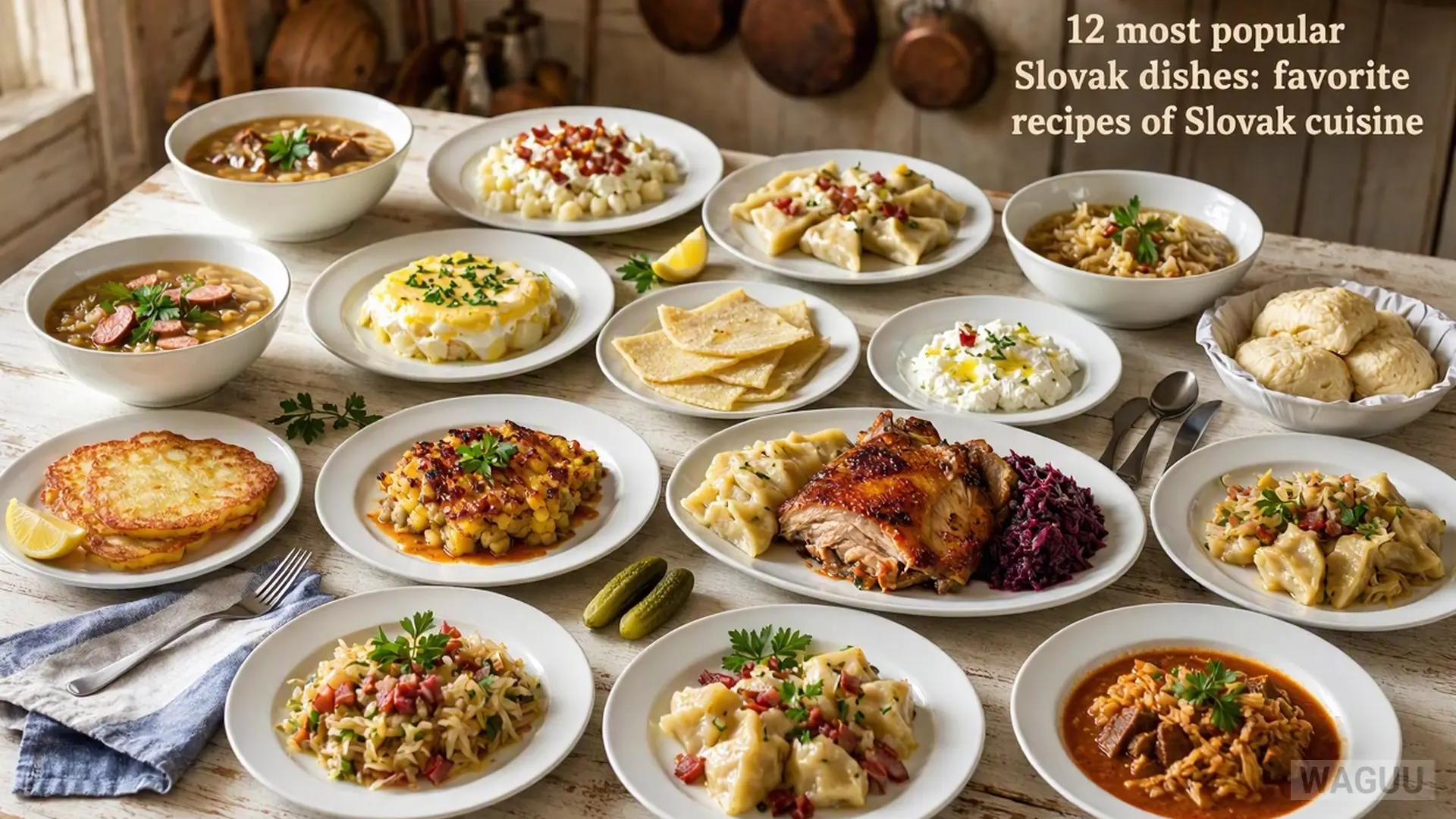
Summary: Explore the rich tradition of Slovak cuisine through twelve iconic and well-loved dishes, ranging from hearty potato specialties and comforting soups to golden-brown pastries and sweet yeast dumplings. This comprehensive culinary guide is designed for home cooks, food enthusiasts, and anyone eager to master authentic Central European flavours with clear, step-by-step guidance. Estimated reading time is 25 minutes.
Category: Articles |
Reading time: 25 minutes
Step-by-step photo gallery
Did you cook any of the variations? Share a photo in the comments under the recipe; we would love to add it to the gallery. Did you film a video tutorial? Insert a link to YouTube, YouTube Shorts, TikTok, Instagram Reels, Facebook Reels, Pinterest, Vimeo, or X (Twitter) in the comments; we would be happy to publish it.
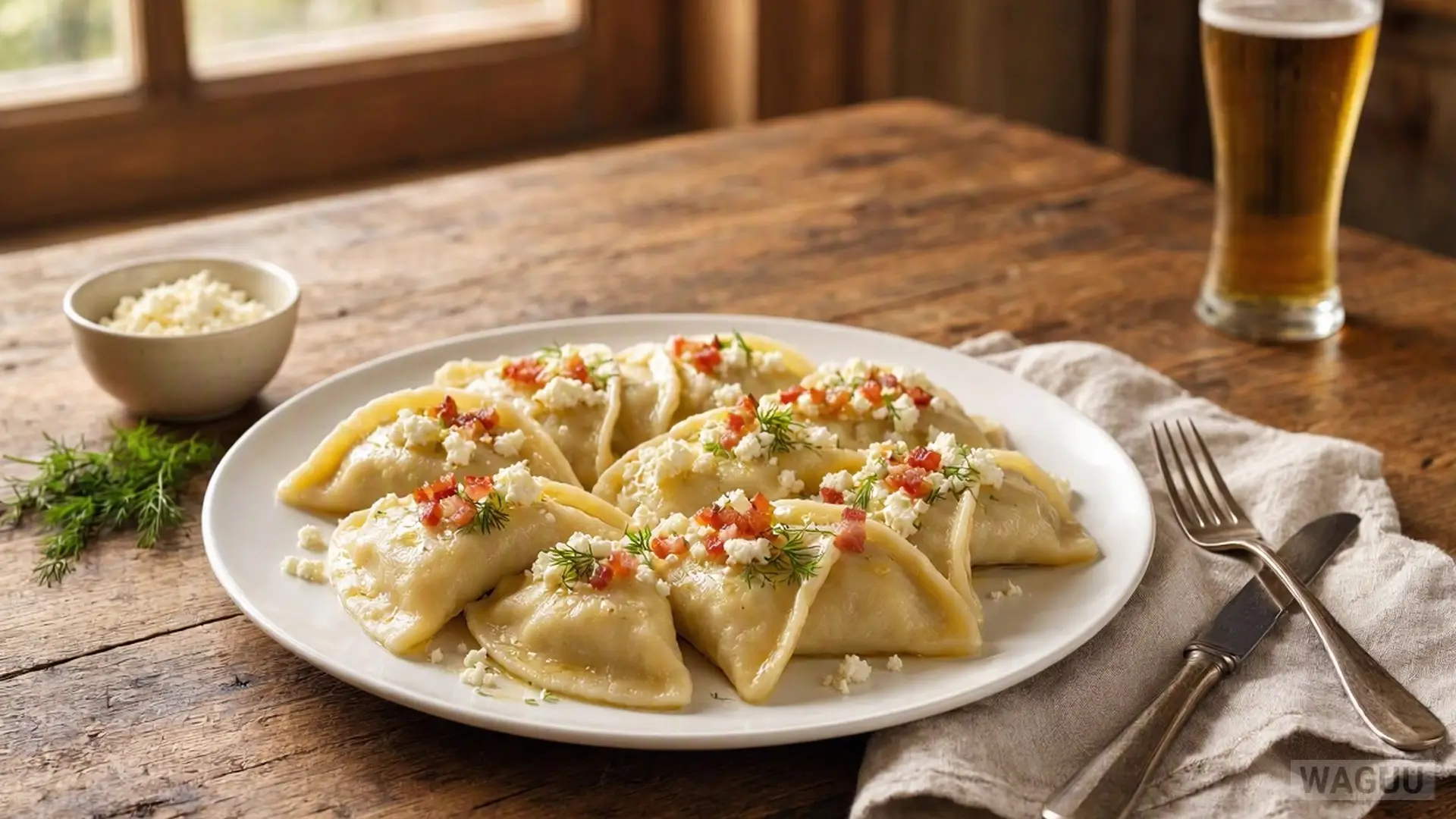
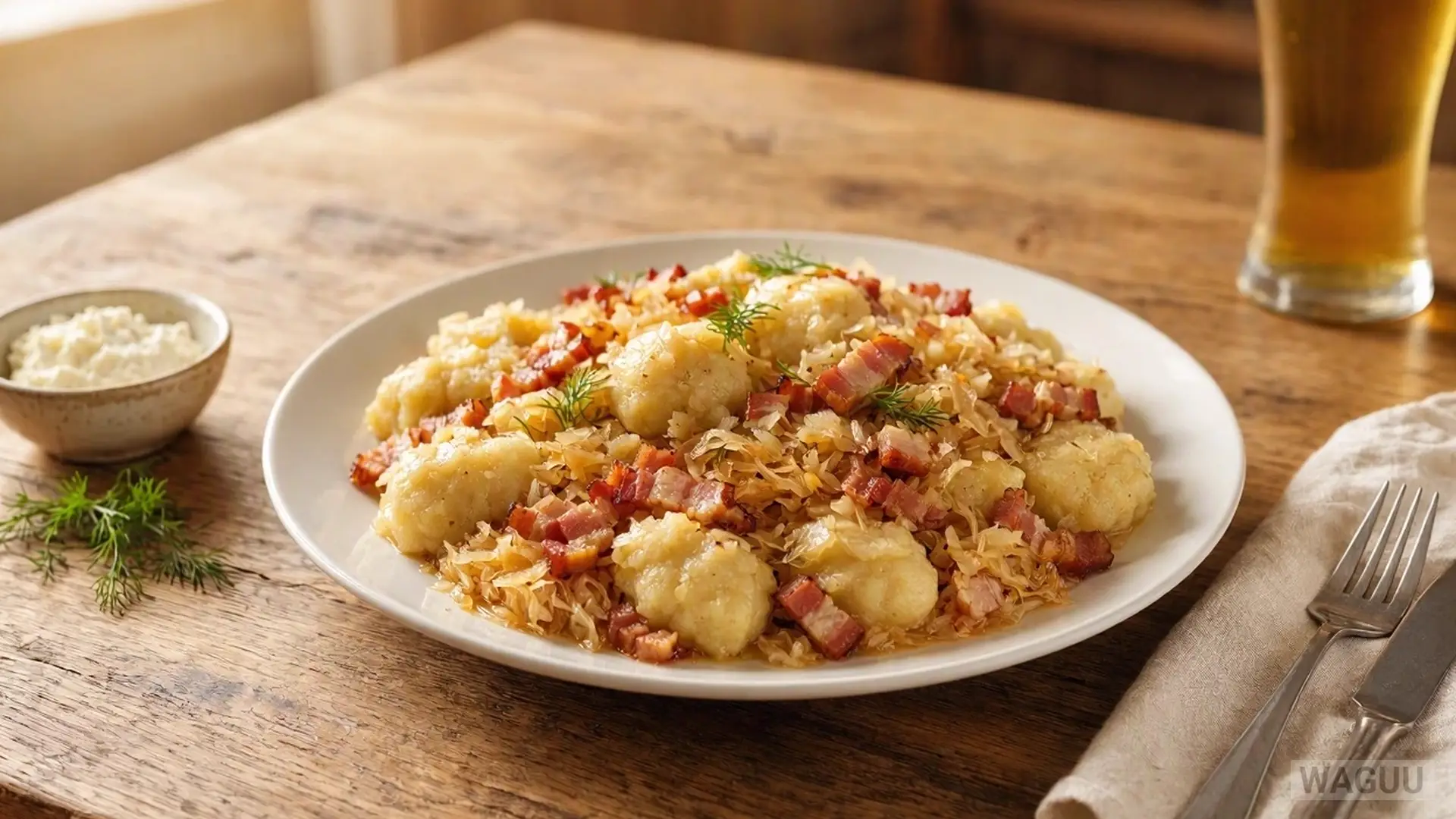
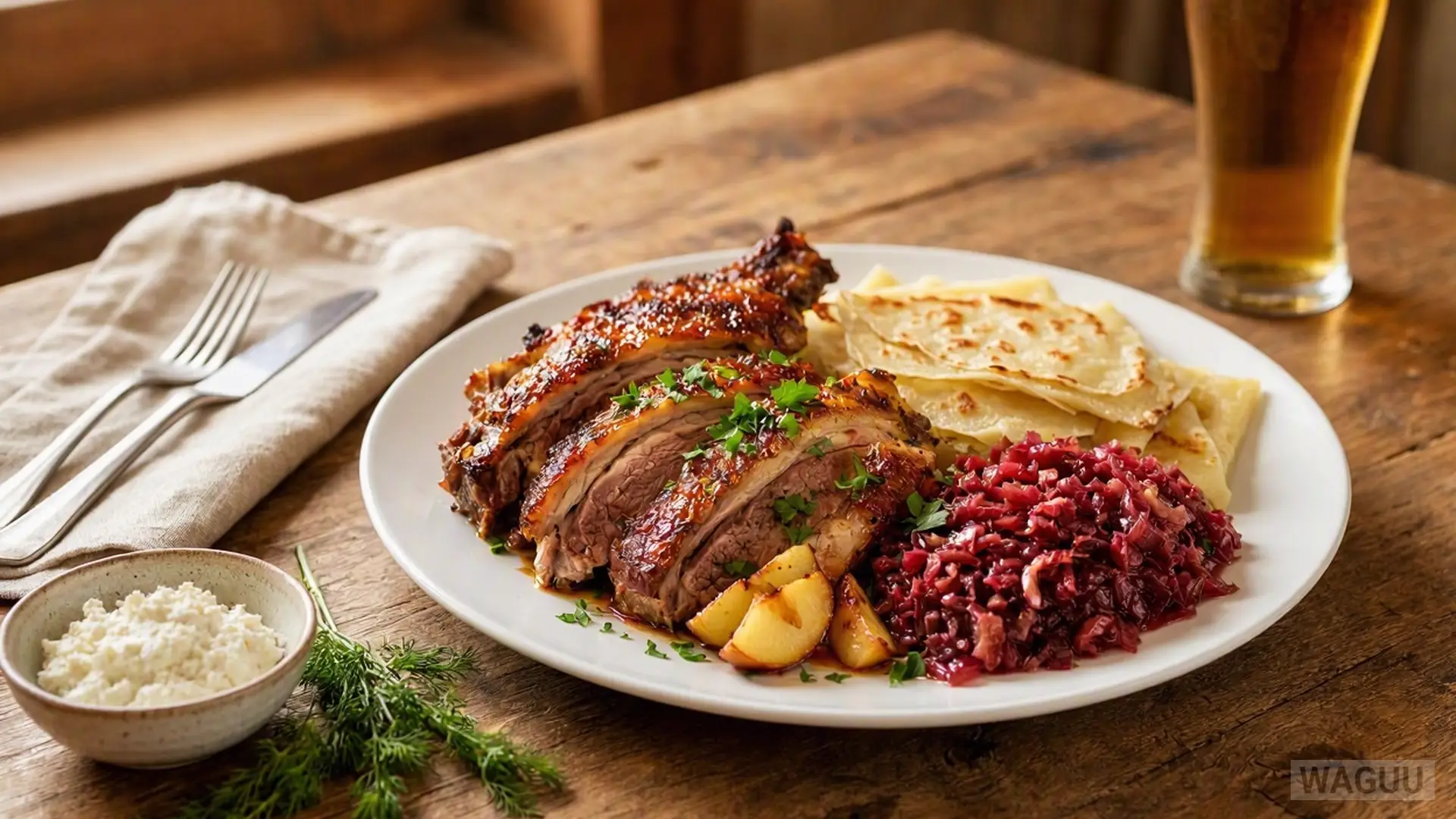
Slovak cuisine is a celebration of rustic ingredients, comforting textures, and centuries-old cooking traditions born from fertile valleys and mountainous regions. The culinary identity of Slovakia revolves around hearty root vegetables, earthy forest produce, preserved cabbages, dairy specialties from mountain sheep farms, and an absolute devotion to potatoes. Whether you are seeking a warming bowl of smoked meat soup on a crisp winter afternoon or a plate of golden dumplings topped with tangy cheese and crispy bacon, these twelve classic dishes offer an unforgettable window into the soul of Central European heritage. Our detailed collection brings together the crown jewels of Slovak cooking, each adapted for the modern British kitchen with precise techniques, locally available British equivalents, and professional insights to guarantee exceptional results every single time.
Quick overview
- Topic / Dish: 12 Most Popular Slovak Dishes
- Categories: Main Dishes, Cuisines
- Cuisine: Slovak
- Included variations: Potato dumplings with sheep’s milk cheese and bacon, Sauerkraut and smoked meat soup, Potato pancakes, Potato dumplings stuffed with sheep’s milk cheese, Potato dumplings with sauerkraut and bacon, Roast goose with potato flatbreads and cabbage
- Key techniques: Dough kneading, pan frying, slow braising, cheese emulsification
- Physical and chemical background: Starch gelatinisation, protein coagulation, Maillard browning
- Common mistakes: Using incorrect potato types, overcooking dumplings, insufficient seasoning
- In short: A masterclass in traditional Slovak cooking covering twelve indispensable recipes.
- Last updated: 21 September 2026
WAGUU says: “Traditional Slovak cooking proves that simple, unpretentious ingredients can create extraordinary depth of flavour when treated with respect, patience, and proper technique.”
Key facts
| Preparation time: | 30 minutes per dish average |
| Cooking time: | 45 minutes per dish average |
| Main ingredient: | Potatoes, flour, sauerkraut, smoked meat |
| Number of servings: | 6 portions per recipe |
| Difficulty: | Medium |
Method in brief
- Prepare and grate starchy raw potatoes or mix enriched doughs according to the specific recipe requirements.
- Combine with traditional dairy items such as sheep’s milk cheese, smetana, or smoked pork fats.
- Simmer, bake, or pan-fry using time-honoured culinary techniques that develop rich caramelisation and tender textures.
- Garnish generously with crispy smoked bacon bits, fresh herbs, or rendered pan juices.
- Serve immediately while piping hot alongside appropriate traditional accompaniments.
In a nutshell
- Culinary Heritage: Explores the cornerstone dishes of Slovak gastronomy with precise modern instructions.
- Technique Focused: Emphasises correct dough consistency, starch ratios, and gentle thermal processing.
- Accessible Ingredients: Uses locally available British ingredients that mirror traditional Slovak pantry items.
- Comprehensive Coverage: Features twelve complete recipes ranging from rich soups to sweet dumplings.
- Professional Insights: Includes WAGUU expert tips to avoid common pitfalls and elevate every meal.
- Result: Authentic, deeply satisfying homemade meals that honour Central European traditions.
Who this guide is for: Beginner – home cooks looking for clear, step-by-step instructions to master traditional dumplings and comforting soups without feeling intimidated. Intermediate – culinary enthusiasts wanting to understand the precise science of potato starches, emulsion techniques, and proper dough handling. Pro – chefs and advanced food lovers seeking authentic baseline recipes and professional refinements for authentic Central European menus.
Mastering the Twelve Pillars of Slovak Gastronomy
Potato dumplings with sheep’s milk cheese and bacon
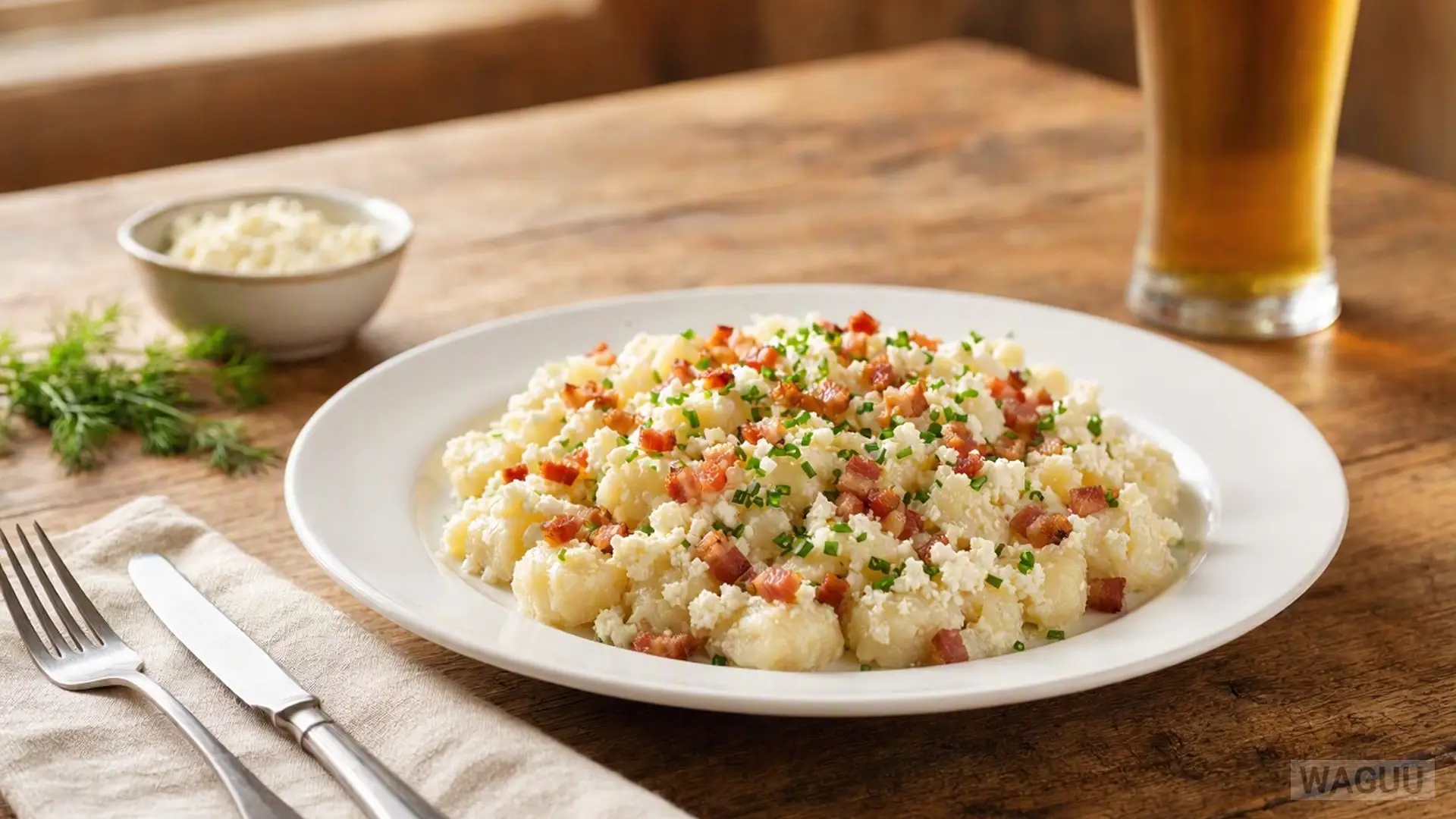
Potato dumplings with sheep’s milk cheese and bacon stands universally acknowledged as the undisputed national dish of Slovakia, representing a masterclass in rustic comfort food. The foundation of this iconic dish relies on raw, high-starch potatoes finely grated into a smooth paste and bound together with plain flour to create a soft, pliable dough. Small pieces of this dough are scraped directly into a large pot of boiling salted water, where they cook within minutes until they float to the surface with a tender, chewy bite. The true magic of the dish unfolds when these freshly drained dumplings are tossed generously with bryndza, a pungent, creamy, unpasteurized sheep’s milk cheese that melts instantly from the residual heat of the pasta, creating a rich, tangy sauce that coats every single morsel. To finish, crispy cubes of smoked pork belly bacon along with its rendered golden fat are drizzled generously over the top, introducing a smoky crunch and savoury depth that balances the sharp acidity of the cheese. Recreating this masterpiece in a British kitchen is remarkably straightforward provided you select floury baking potatoes with high starch content, such as Maris Piper or King Edward, and avoid overworking the dough with excessive flour, which can lead to dense and heavy dumplings. Serve this hearty dish piping hot, ideally accompanied by a chilled glass of sour milk or buttermilk to cut through the rich dairy fats and complete an authentic culinary experience that has warmed Slovak households through harsh mountain winters for generations.
- Floury potatoes (such as Maris Piper) – 800 g
- Plain white flour – 250 g
- Fine sea salt – 1 tsp
- Bryndza sheep’s milk cheese – 250 g
- Smoked pork belly bacon – 200 g
- Peel and finely grate the raw potatoes, drain excess liquid, and mix thoroughly with plain flour and salt to form a semi-soft dough.
- Bring a large pot of salted water to a rolling boil and drop small portions of the dough into the water using a board and knife.
- Cook the dumplings for 3 to 4 minutes until they float to the top, then remove with a slotted spoon.
- Dice and fry the smoked bacon in a pan until crispy and golden brown, reserving the rendered fat.
- Toss the hot drained dumplings with crumbled bryndza cheese and top with crispy bacon and hot bacon fat before serving.
Sauerkraut and smoked meat soup
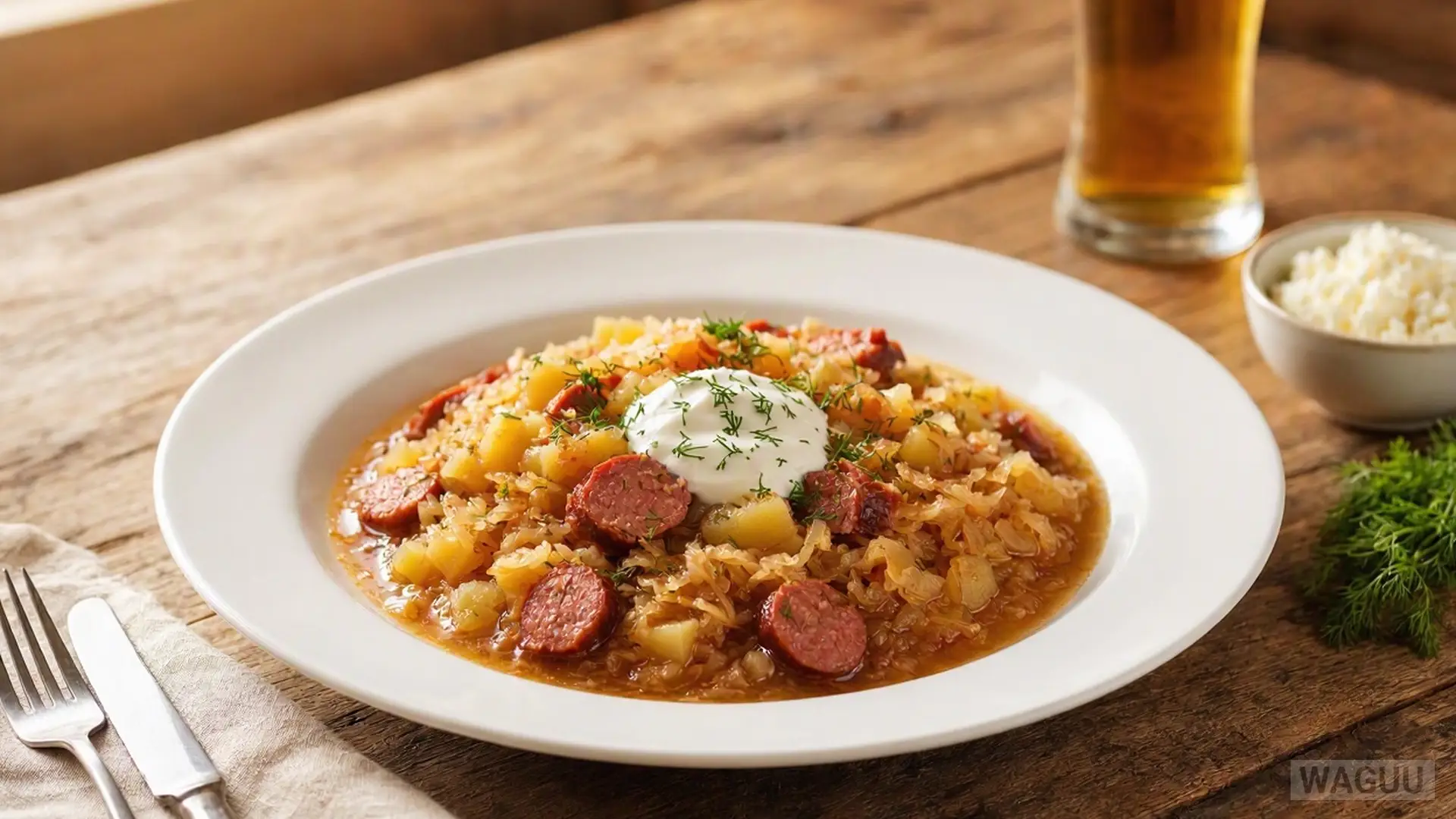
Sauerkraut and smoked meat soup, known locally as kapustnica, is the ultimate festive and restorative soup of Slovak culinary tradition, traditionally prepared for Christmas Eve celebrations as well as festive family gatherings throughout the winter months. This deeply nourishing soup combines the sharp, fermented tang of crisp white sauerkraut with the rich, smoky warmth of slow-simmered smoked pork shoulder, aromatic root vegetables, dried forest mushrooms, and sweet Hungarian paprika. The preparation begins by simmering the smoked meat until tender, creating a robust, gelatinous stock that serves as the flavourful base for the fermented cabbage. Dried porcini or bay boletes mushrooms, rehydrated in warm water, infuse the broth with an earthy umami complexity, while a traditional roux made from lard and plain flour gently thickens the soup to a velvety consistency. Garlic, caraway seeds, and freshly cracked black pepper provide the essential aromatic backbone that ties the robust ingredients together into a harmonious, soul-warming bowl. Making this soup at home requires patience, allowing all the contrasting elements—the acidity of the sauerkraut, the smokiness of the pork, and the earthiness of the mushrooms—to marry slowly over gentle heat. It is traditionally served piping hot in deep ceramic bowls, accompanied by thick slices of rustic sourdough bread, making it a complete, nourishing meal that embodies the rustic elegance of Central European home cooking at its absolute finest.
- Smoked pork shoulder or ribs – 600 g
- Fermented sauerkraut with juice – 500 g
- Dried forest mushrooms (soaked) – 30 g
- Lard – 40 g
- Plain white flour – 30 g
- Sweet paprika powder – 1 tbsp
- Garlic cloves, crushed – 3 cloves
- Simmer the smoked meat in 2 litres of water until tender, then remove, dice, and set aside while keeping the stock.
- Add the chopped sauerkraut and soaked mushrooms to the simmering meat stock and cook for 40 minutes until softened.
- Prepare a golden roux in a separate pan using lard, flour, and sweet paprika, then stir it into the soup.
- Add minced garlic and caraway seeds, season with salt and pepper, and simmer for another 15 minutes.
- Return the diced smoked meat to the soup pot, heat through thoroughly, and serve hot in deep bowls.
Potato pancakes
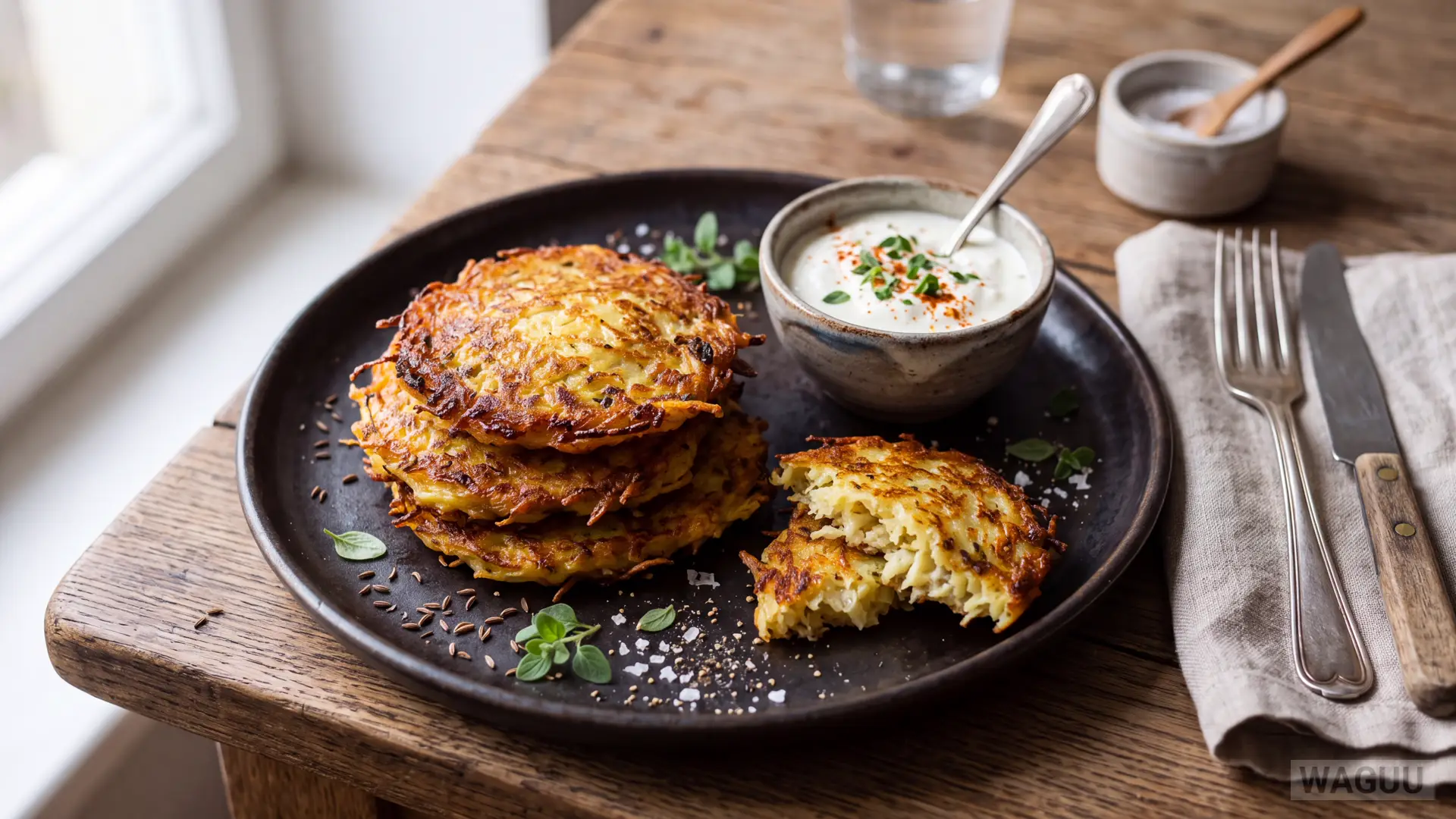
Potato pancakes represent one of the most beloved and comforting street foods and home-cooked snacks across Slovakia, cherished for their irresistible contrast between a shatteringly crisp exterior and a tender, savoury interior. The creation of these golden discs begins with raw potatoes grated on a fine shredding disc, combined with eggs, plain flour, minced garlic, salt, and generous pinches of dried majoram. Unlike boiled potato dishes, raw grated potatoes release starches and natural moisture that, when combined with hot fat in a heavy frying pan, crisp up into a lace-like crust filled with rich potato flavor. Traditional recipes often incorporate finely minced smoked bacon or rendered lard during frying to elevate the savory profile, though shallow-frying in neutral vegetable oil with a spoonful of lard yields equally magnificent results. Achieving the perfect texture requires maintaining a medium-high heat so that the pancake cooks through evenly without burning before the exterior achieves its signature deep golden hue. These versatile pancakes can be enjoyed plain straight from the pan, rolled up with savory fillings, or served as a hearty accompaniment to braised meats and stews. They capture the essence of Slovak resourcefulness, turning humble tubers into a luxurious treat that delights diners of all ages with its aromatic garlic scent and satisfying crunch.
- All-purpose potatoes – 1 kg
- Free-range eggs – 2 eggs
- Plain white flour – 4 tbsp
- Garlic cloves, minced – 4 cloves
- Dried marjoram – 1 tbsp
- Lard or vegetable oil for frying – 100 ml
- Salt and black pepper – to taste
- Peel and finely grate the raw potatoes, then squeeze out any excess liquid using a clean kitchen towel.
- Mix the grated potatoes with eggs, flour, crushed garlic, marjoram, salt, and pepper until evenly combined.
- Heat lard or oil in a heavy frying pan over medium-high heat.
- Drop ladlefuls of the potato mixture into the hot pan, flattening them into thin circles.
- Fry for 3 to 4 minutes on each side until deeply golden and crispy, then drain on paper towels before serving.
Potato dumplings stuffed with sheep’s milk cheese
Potato dumplings stuffed with sheep’s milk cheese, known traditionally as bryndzové pirohy, are a sublime testament to the artistry of Slovak pasta and dumpling making. These crescent-shaped pockets of tender potato dough enclose a rich, savory filling made from creamy bryndza cheese blended with smooth curd cheese and a touch of black pepper. The dough is crafted from a unique combination of boiled mashed potatoes and flour, resulting in a velvety texture that is pliable enough to roll thin yet sturdy enough to hold the generous cheese filling during boiling. Shaping the pirohy requires care and precision: rolling the dough, cutting neat circles, spooning the filling into the centre, and sealing the edges securely with the tines of a fork to prevent any precious cheese from escaping into the cooking water. Once boiled gently until they float, these delicate parcels are tossed in sizzling butter or rendered bacon fat and finished with a garnish of crispy bacon bits and a dollop of soured cream. Every bite delivers a delightful contrast between the silky potato dough and the tangy, melting cheese center, creating a comforting dish that feels both refined and deeply rustic. They make a magnificent main course for family dinners or celebratory weekend meals, showcasing the incredible versatility of potatoes and sheep’s milk cheese in Slovak gastronomy.
- Boiled potatoes (cooled and riced) – 500 g
- Plain white flour – 300 g
- Free-range egg – 1 egg
- Bryndza sheep’s milk cheese – 150 g
- Curd cheese (quark) – 100 g
- Butter for tossing – 50 g
- Smoked bacon for garnish – 100 g
- Combine riced boiled potatoes, flour, egg, and a pinch of salt to form a smooth, workable dough.
- Mix bryndza and curd cheese together in a bowl to create a firm, creamy filling.
- Roll out the dough thinly on a floured surface and cut out round discs using a glass or pastry cutter.
- Place a small spoonful of cheese filling on each disc, fold in half, and press the edges firmly with a fork to seal.
- Boil the pirohy in salted water for 4 minutes until floating, then toss in melted butter and top with crispy bacon.
- Raw potatoes (peeled and grated) – 800 g
- Plain white flour – 250 g
- Sauerkraut (drained and chopped) – 400 g
- Smoked pork belly bacon – 180 g
- Yellow onion, finely diced – 1 large
- Salt and black pepper – to taste
- Mix grated raw potatoes with flour and salt to form the dumpling dough, then boil in salted water until floating.
- Dice and fry the smoked bacon in a large skillet until crispy, remove bacon, and leave the rendered fat in the pan.
- Sauté the diced onion in the bacon fat until translucent, then add chopped sauerkraut and braise until tender.
- Toss the cooked potato dumplings directly into the pan with the warm sauerkraut and mix thoroughly.
- Garnish with the reserved crispy bacon bits and serve hot.
- Whole roasting goose (approx. 3.5 kg) – 1 whole goose
- Caraway seeds – 1 tbsp
- Floury potatoes (for flatbreads) – 1 kg
- Plain white flour – 300 g
- Red cabbage, shredded – 1 head
- Apples, peeled and grated – 2 apples
- Vinegar and sugar for cabbage – to taste
- Season the whole goose inside and out with salt and caraway seeds, place in a roasting pan, and roast slowly at 160 °C for 3 hours, basting frequently.
- Prepare the red cabbage by braising shredded cabbage with grated apple, vinegar, sugar, and water until tender.
- Make the potato flatbreads by combining boiled riced potatoes, flour, and salt, rolling thin, and dry-baking on a hot griddle.
- Brush the warm flatbreads with rendered goose fat collected from the roasting pan.
- Carve the roast goose and serve hot alongside the braised red cabbage and warm potato flatbreads.
- Boiled floury potatoes (cooled and riced) – 1 kg
- Plain white flour – 350 g
- Fine sea salt – 1.5 tsp
- Melted goose fat or butter for brushing – 80 g
- Mix the cooled riced potatoes with plain flour and salt to form a smooth, non-sticky dough.
- Divide the dough into equal portions and roll each out thinly on a well-floured work surface into a round flatbread.
- Heat a dry cast-iron skillet or griddle over medium-high heat until very hot.
- Cook each flatbread dry for 1 to 2 minutes on each side until blistered and golden brown spots appear.
- Brush the hot flatbreads generously with melted goose fat or butter and stack them on a warm plate.
- Pork shoulder, cubed – 800 g
- Sauerkraut, drained and chopped – 600 g
- Yellow onions, diced – 2 large
- Lard – 50 g
- Sweet Hungarian paprika – 2 tbsp
- Soured cream (smetana) – 200 ml
- Pork or vegetable stock – 400 ml
- Melt lard in a heavy pot and sauté the diced onions until golden brown.
- Add the cubed pork shoulder and sear on all sides until well-browned.
- Remove the pot from heat briefly, stir in the sweet paprika, and return to heat for 1 minute.
- Add the chopped sauerkraut and stock, bring to a boil, then reduce heat and simmer covered for 1.5 hours until pork is tender.
- Stir in the soured cream, simmer gently for 5 minutes without boiling, season to taste, and serve hot.
- Dried white beans (soaked overnight) – 400 g
- Smoked pork hock or ribs – 600 g
- Carrots and parsley root, diced – 200 g
- Lard – 40 g
- Plain white flour – 30 g
- Sweet paprika – 1 tbsp
- Garlic cloves, minced – 3 cloves
- Drain soaked beans and simmer in fresh water with the smoked pork hock until both beans and meat are tender.
- Remove the smoked meat, dice the meat off the bone, and return meat to the pot along with diced root vegetables.
- Prepare a roux in a separate pan using lard, flour, and sweet paprika, then whisk into the simmering soup.
- Add minced garlic, salt, and pepper, and simmer for another 20 minutes until the vegetables are cooked.
- Serve hot in deep soup bowls, optionally garnished with a dollop of soured cream.
- Bryndza sheep’s milk cheese – 250 g
- Smoked pork bacon (diced) – 120 g
- Yellow onion, finely chopped – 1 medium
- Sweet paprika – 1 tsp
- Vegetable stock or water – 1 litre
- Rye bread cubes (for serving) – 100 g
- Fresh chives, chopped – 1 bunch
- Fry the diced smoked bacon in a pot until crispy, remove bacon, and leave the fat behind.
- Sauté the chopped onion in the bacon fat until translucent, then stir in the sweet paprika.
- Pour in the stock or water, bring to a gentle simmer, and cook for 10 minutes.
- Reduce heat to low and whisk in the crumbled bryndza cheese until completely melted and smooth.
- Serve hot over toasted rye bread cubes, garnished with crispy bacon and fresh chives.
- Square pasta (fleckerl or small pasta squares) – 400 g
- Floury potatoes (peeled and diced small) – 600 g
- Yellow onions, finely sliced – 2 large
- Lard or butter – 60 g
- Sweet Hungarian paprika – 1.5 tbsp
- Salt and black pepper – to taste
- Boil the diced potatoes in salted water until tender, then drain and lightly mash some pieces.
- Cook the pasta in boiling salted water until al dente, then drain.
- Melt lard in a large skillet and sauté the sliced onions until golden brown and caramelized.
- Stir the sweet paprika into the onions, then add the cooked potatoes and pasta to the pan.
- Toss everything thoroughly over medium heat for 5 minutes until well combined and slightly browned, then serve hot.
- Plain white flour – 500 g
- Active dry yeast – 7 g
- Warm milk – 250 ml
- Caster sugar – 50 g
- Unsalted butter (melted) – 60 g
- Thick plum jam (powidla) – 150 g
- Cocoa powder and icing sugar for dusting – to taste
- Mix warm milk, yeast, and a pinch of sugar, let activate for 10 minutes, then combine with flour, sugar, butter, and egg to form a soft dough.
- Cover and let the dough rise in a warm place for 1 hour until doubled in size.
- Roll out the dough, cut into squares, place a spoonful of plum jam in the centre of each, and seal into round buns.
- Steam the buns in a covered steamer basket over boiling water for 15 to 18 minutes without opening the lid.
- Transfer to plates, drench with melted butter, and dust generously with cocoa powder and icing sugar before serving.
- Can I freeze raw potato dumpling dough? Freezing raw potato dough is not recommended due to starch breakdown and discolouration.
- How do I reheat leftover potato flatbreads? Reheat lokše briefly on a hot dry pan for 30 seconds on each side to restore softness.
- What is the best potato variety for Slovak dumplings? High-starch floury baking potatoes such as Maris Piper yield the best tender texture.
- Can I make vegetarian versions of traditional meat soups? Yes, using smoked vegetable stock and smoked paprika provides a convincing smoky depth without meat.
- How long can I keep cooked yeast dumplings? Steamed dumplings are best enjoyed immediately, but can be refrigerated for 2 days and restreamed.
- Is bryndza cheese pasteurised? Traditional bryndza is made from unpasteurized sheep’s milk, though pasteurised commercial versions are widely available.
- Can I use dried sauerkraut instead of fermented? No, fermentation is essential for the authentic tangy flavour profile of Slovak soups and stews.
- What fat is best for frying potato pancakes? Rendered lard or clarified butter provides the most authentic flavour and crispest crust.
Potato dumplings with sauerkraut and bacon
Potato dumplings with sauerkraut and bacon, traditionally called strapačky, offer a delectable variation on classic Slovak haluški by pairing tender potato dumplings with tart, sautéed fermented cabbage and smoky pork belly. While the base dough remains the light, tender raw potato mixture that defines Slovak dumpling making, the accompaniment shifts from soft cheese to caramelised sauerkraut cooked with onions and rendered bacon fat. The sauerkraut is first rinsed lightly if exceptionally tart, then braised slowly in a pan with finely diced onions until it softens and develops a sweet, caramelized edge that tempers its natural acidity. The freshly boiled potato dumplings are folded directly into this warm cabbage mixture, allowing the starches of the pasta to absorb the rich pork fats and aromatic juices of the braised sauerkraut. Crispy cubes of smoked bacon are scattered liberally over the finished dish, providing a wonderful textural crunch and deep savoury punch that elevates the simple ingredients into a gourmet masterpiece. This hearty dish is particularly popular during the colder autumn and winter months, offering restorative warmth and robust flavours that satisfy the biggest appetites. Preparing strapačky at home is an rewarding exercise in timing and balance, bringing authentic Slovak tavern flavours straight to your dining table.
Roast goose with potato flatbreads and cabbage
Roast goose with potato flatbreads and cabbage stands as the crown jewel of Slovak celebratory gastronomy, traditionally taking centre stage during autumn goose feasts and festive family banquets. The preparation of a magnificent roast goose requires slow, patient roasting at moderate temperatures to render the thick layer of fat beneath the skin, resulting in meat that is meltingly tender and skin that is remarkably crisp and golden brown. The bird is traditionally seasoned simply with salt and caraway seeds, allowing the natural, rich poultry flavour to shine through without heavy masking spices. Accompanying the rich roast goose are lokše, soft and pliable potato flatbreads dry-baked on a hot griddle and brushed generously with rendered goose fat, alongside sweet-and-sour braised red cabbage spiced with vinegar, sugar, and grated apple. The combination of succulent, rich goose meat, earthy potato flatbreads, and tangy braised cabbage creates a symphony of contrasting textures and complementary flavours that epitomise the pinnacle of traditional Slovak hospitality. While preparing this feast demands several hours of attentive roasting and baking, the extraordinary culinary reward makes it an unforgettable centrepiece for special occasions, holidays, and gatherings with cherished family and friends.
Potato flatbreads
Potato flatbreads, known affectionately as lokše, are a versatile and beloved staple of Slovak baking, traditionally prepared on heavy cast-iron griddles without any added oil or fat during the initial cooking phase. The dough is delightfully simple, consisting purely of cooled boiled potatoes riced or mashed thoroughly, combined with plain flour and a pinch of salt. The absence of yeast or chemical raising agents means these flatbreads rely entirely on the starch in the potatoes to hold their shape when rolled into thin rounds and toasted. As they hit the scorching dry surface of the hot pan, dark golden blisters quickly form across the surface, imparting a wonderful smoky aroma and a soft, pliable texture that can be folded or rolled effortlessly. While traditionally brushed with fragrant rendered goose or duck fat and served alongside roast poultry or game, lokše are equally delicious in sweet applications, spread generously with plum jam, ground poppy seeds, and powdered sugar before being rolled into tight cylinders. Mastering lokše is a rewarding culinary pursuit that connects modern cooks to ancient peasant traditions where every single potato was utilised with utmost skill and creativity. They offer a comforting, rustic bread alternative that elevates any meal into an authentic Central European feast.
Szeged goulash
Szeged goulash, known in Slovak as szegedínsky guláš, is a rich and comforting stew that marries tender chunks of pork shoulder with tart sauerkraut and velvety sour cream, creating a harmonious balance of deep savoury flavours and bright acidity. Despite its name referencing the Hungarian city of Szeged, this hearty dish is a beloved staple of Slovak home cooking, prized for its ability to warm the body and soul on chilly days. The cooking process begins by slow-cooking onions in lard until golden and translucent, followed by searing the pork shoulder pieces until well-browned to build a solid foundation of umami. Generous quantities of sweet Hungarian paprika are bloomed in the fats, infusing the meat with a vibrant red hue and warming aromatic warmth before the drained sauerkraut and rich broth are introduced to the pot. The stew then simmers gently for over an hour until the pork is fork-tender and the sauerkraut has softened, absorbing all the rich meat juices. Just before serving, a generous swirl of thick sour cream (smetana) is stirred into the stew, enriching the sauce into a luxurious, creamy gravy with a pleasantly tangy finish. Served alongside fluffy bread dumplings or boiled potatoes, Szeged goulash represents the absolute pinnacle of comforting Central European comfort food.
Bean soup with smoked meat
Bean soup with smoked meat, traditionally known as fazuľová polievka, is a substantial, protein-packed soup that frequently doubles as a complete main course in traditional Slovak households. The foundation of this hearty dish consists of dried white beans—such as cannellini or great northern beans—soaked overnight and simmered slowly with smoked pork hock or ribs, root vegetables, and aromatic spices. The slow simmering process allows the starch from the beans to naturally thicken the broth while infusing every bean with the deep, smoky essence of the pork. A traditional paprika-infused roux (known as paprikaš) is whisked into the soup towards the end of cooking, adding a rich copper colour and velvety body, complemented by a dash of vinegar or sour cream added at the table for a touch of acidity. Garlic, bay leaves, and cracked black pepper complete the seasoning profile, creating an exceptionally comforting bowl of soup that sustains farmers, workers, and families through demanding winter days. Preparing this rustic soup requires patience and planning due to the soaking time of the dried beans, but the resulting depth of flavour is immensely rewarding and far superior to any quick canned alternative. It is best enjoyed piping hot with thick slices of dark rye bread.
Sheep’s milk cheese soup
Sheep’s milk cheese soup, known locally as demikát, is a traditional and intensely flavorful soup hailing from the mountainous regions of Slovakia where sheep farming has flourished for centuries. This unique culinary creation utilizes bryndza—the iconic tangy sheep’s milk cheese—as its primary flavoring and thickening agent, whisked into a warm broth flavoured with rendered smoked bacon fat, onions, and sweet red paprika. The preparation is remarkably fast compared to heavy meat stews: finely chopped onions are gently softened in rendered bacon fat, dusted with paprika, and combined with boiling water or light vegetable stock. Once the liquid is hot, crumbled bryndza cheese is whisked in gently over low heat, melting into a creamy, aromatic broth that boasts a distinctive tangy kick and rich dairy body. To serve, the soup is poured over small cubes of toasted rye bread or croutons and garnished generously with crispy pieces of smoked bacon and finely chopped fresh chives. Demikát is celebrated not only for its comforting warmth and bold flavor profile but also for its historical significance as a nourishing, quick-to-prepare meal for shepherds working in remote mountain pastures. It offers a wonderful introduction to the bold, unpasteurized sheep cheese traditions of Central Europe.
Granadier
Granadier, known in Slovak as granadír or granadírsky pochod, is a classic, comforting peasant dish that combines pasta and potatoes in a delightfully carbohydrate-rich meal seasoned with sweet paprika and fried onions. Dating back to military rations from the Austro-Hungarian Empire, this humble dish has remained a beloved weeknight favourite in Slovak households due to its incredible economy, satisfying heartiness, and ease of preparation. The recipe requires boiling square pasta squares (fleckerl or small squares) alongside peeled diced potatoes in the same pot or cooking them separately before combining them in a large skillet. The magical transformation occurs when the tender potatoes and pasta are tossed together with a generous amount of lard or butter, sweet Hungarian paprika, and onions caramelized to a deep, sweet brown. The starchy potatoes and pasta absorb the spiced fats, creating comforting clusters with crispy edges and rich, savoury depth. Traditionally served with pickled gherkins or fermented vegetables to cut through the richness, granadier is a wonderful testament to the ingenuity of traditional home cooking, turning basic pantry staples into a deeply satisfying feast that pleases diners of all ages with its comforting textures and warming spices.
Steamed yeast dumplings
Steamed yeast dumplings, known as parené buchty, are a beloved sweet indulgence in Slovak cuisine, featuring pillow-soft yeast dough filled with rich plum jam and finished with a flurry of cocoa powder, ground walnuts, or melted butter. Making these delightful sweet buns requires preparing an enriched yeast dough with milk, butter, sugar, and egg yolks, allowing it to rise until light and airy before dividing it into equal portions. Each portion of dough is flattened, filled with a spoonful of thick Powidla (traditional dark plum jam), and carefully pinched closed into a smooth ball. Instead of being baked in an oven or boiled in water, these dumplings are cooked using gentle steam in a steamer basket placed over boiling water, resulting in an exceptionally tender, cloud-like texture without any hard crust. Once steamed to fluffy perfection, the hot buchty are immediately drenched in melted butter and dusted generously with a mixture of cocoa powder and icing sugar, or ground toasted walnuts. Every bite offers a heavenly contrast between the warm, airy yeast dough and the sweet, tart plum jam centre, making this dessert a cherished childhood memory for many Slovaks and a wonderful treat to share with family and friends on lazy weekend afternoons.
OBSAH_ODSTAVCE_1
OBSAH_ODSTAVCE_2
Culinary Characteristics of Traditional Slovak Fare
Slovak cuisine relies heavily on preservation techniques developed through harsh winters, utilising fermentation, smoking, and root cellaring. The resulting dishes combine sharp, acidic notes from sauerkraut and dairy with rich, comforting fats from pork and sheep’s milk, creating balanced, deeply satisfying meals.
| Ingredient Category | Primary Culinary Role |
|---|---|
| Potatoes and Flour | Provides the starchy foundation for dumplings, pancakes, and flatbreads. |
| Smoked Meats and Lard | Delivers deep smoky umami flavours and cooking fats for frying and braising. |
| Sheep’s Milk Cheese (Bryndza) | Adds tangy dairy acidity and creamy melting texture to national dishes. |
| Fermented Cabbage (Sauerkraut) | Provides essential Vitamin C and sharp lactic acid to balance rich meats. |
WAGUU Pro Tip: When making raw potato doughs for dumplings or pancakes, always squeeze out excess starch water firmly through a clean cloth to achieve the ideal elastic texture without excess moisture.
Frequently asked questions
What is the most famous dish in Slovakia?
Potato dumplings with sheep’s milk cheese and bacon (bryndzové halušky) is widely considered the national dish of Slovakia.
Can I substitute bryndza cheese if I cannot find it?
Yes, a mixture of crumbled feta cheese and creamy sheep’s milk yogurt or Greek yogurt can mimic the sharp, tangy profile of bryndza.
Are traditional Slovak dishes gluten-free?
Most traditional dumplings and flatbreads rely on wheat flour, though potato-based items can be adapted using gluten-free flour blends.
How do I store leftover potato dumpling dough?
Raw potato dough discolours quickly due to oxidation, so it is best prepared fresh and cooked immediately.
Also known as: Slovak gastronomy, traditional Central European food, Slovak comfort recipes
Author: WAGUU Petr & Team • Published: 21 Sep 2026 • Updated: 30 Oct 2026
Conclusion
Slovak cuisine offers an incredible journey into rustic, comforting gastronomy where simple ingredients like potatoes, cabbage, and dairy are transformed through time-honoured techniques into unforgettable meals. By mastering these twelve classic recipes, home cooks can bring the heartwarming flavours of Central Europe into their own kitchens with confidence and precision.
Choose your recipe
Select one of the twelve featured Slovak recipes below to explore detailed instructions, ingredient ratios, and professional cooking techniques:
Potato dumplings with sheep’s milk cheese and bacon – The ultimate national dish featuring tender potato dumplings tossed with creamy bryndza cheese and crispy smoked bacon.
Sauerkraut and smoked meat soup – A deeply comforting festive soup combining fermented cabbage, smoked pork, and forest mushrooms.
Potato pancakes – Crispy golden pan-fried potato cakes seasoned with garlic and marjoram.
Potato dumplings stuffed with sheep’s milk cheese – Delicate potato pockets filled with rich bryndza and curd cheese.
Potato dumplings with sauerkraut and bacon – Soft potato dumplings tossed with caramelised sauerkraut and smoked pork fat.
Roast goose with potato flatbreads and cabbage – A magnificent festive roast served with warm potato flatbreads and braised red cabbage.
Potato flatbreads – Soft, blistered griddle-baked potato flatbreads brushed with rendered fat.
Szeged goulash – A rich pork and sauerkraut stew enriched with sweet paprika and soured cream.
Bean soup with smoked meat – A hearty, protein-rich white bean soup simmered with smoked pork hock.
Sheep’s milk cheese soup – An aromatic, warming broth flavoured with bryndza cheese and smoked bacon.
Granadier – A comforting peasant dish combining pasta, potatoes, and caramelised onions.
Steamed yeast dumplings – Pillow-soft sweet buns filled with plum jam and dusted with cocoa powder.
Other possible variations
Vegetarian sheep’s milk cheese dumplings
This meat-free variation omits the smoked bacon entirely, replacing the animal fats with golden butter sautéed with toasted onions or butter-fried breadcrumbs. It is perfectly suited for vegetarians seeking the authentic tangy bryndza flavor without pork products, offering a lighter yet equally satisfying meal.
Festive Christmas Eve sauerkraut soup
Unlike the everyday smoked meat version, this traditional holiday variation incorporates dried fruits such as prunes and plums alongside forest mushrooms and freshwater fish stock. It provides a meatless yet intensely rich profile specifically designed for traditional Christmas Eve celebrations in Slovak households.
Garlic and cheese potato pancakes
This enhanced variation folds grated mature Cheddar or smoked cheese directly into the raw potato batter before pan-frying. It appeals to cheese lovers who enjoy a gooey, melted cheese crust enveloping the traditional crispy potato cake.
Smoked meat stuffed potato dumplings
Instead of cheese, this hearty alternative fills the potato dough pockets with finely minced smoked pork and caramelised onions. It is ideal for meat enthusiasts looking for a substantial main course served with sauerkraut.
Mushroom and bacon strapačky
This variation incorporates sliced wild forest mushrooms sautéed alongside the sauerkraut and onions for extra earthy depth. It is wonderful for autumn foraging seasons when fresh porcini mushrooms are readily available.
Roast duck with honey glaze
Replacing goose with duck and brushing the skin with a honey and caraway glaze during the final roasting stage offers a slightly smaller poultry option with rich flavour. It is suitable for smaller family gatherings while retaining the classic flatbread and cabbage accompaniments.
Sweet plum jam potato flatbreads
This dessert variation serves the dry-baked potato flatbreads smeared with thick plum jam and rolled into cylinders dusted with poppy seeds. It transforms a savory bread side dish into a delightful sweet treat.
Beef and pork mixed szeged goulash
Combining equal parts beef chuck and pork shoulder creates a more complex protein base for the sauerkraut stew. It provides a deeper, beef-forward profile for diners who prefer mixed meat stews.
Root vegetable bean soup
This vegetarian adaptation replaces smoked meats with smoked paprika and root vegetable stock while keeping the hearty beans. It offers a meat-free alternative that retains the smoky flavor profile.
Garlic cream demikát soup
Adding roasted garlic cloves blended directly into the bryndza broth creates a smoother, intensely garlicky variation of the traditional cheese soup. It is perfect for garlic enthusiasts seeking bolder aromatics.
Cabbage and bacon granadier
Stirring braised shredded cabbage and crispy bacon pieces directly into the pasta and potato mixture adds extra texture and acidity. It turns a simple side dish into a robust standalone meal.
Chocolate filled yeast dumplings
Filling the steamed yeast dough with dark chocolate ganache instead of plum jam creates a decadent modern dessert variation. It is especially popular with children and chocolate lovers.
Whole wheat potato dumplings
Replacing half of the plain white flour with whole wheat flour adds nutty flavor and dietary fibre to the dumpling dough. It is suitable for health-conscious diners looking for whole grain alternatives.
Spicy sauerkraut smoked soup
Adding sliced hot chili peppers or fiery paprika paste to the kapustnica introduces a warming heat element. It is ideal for spice lovers during cold winter days.
Zucchini potato pancakes
Mixing grated zucchini alongside the grated potatoes lightens the pancake texture and reduces starch density. It is perfect for summer garden harvests.
Spinach and ricotta stuffed potato dumplings
Filling the potato pirohy with wilted spinach and smooth ricotta cheese offers an Italian-inspired twist on traditional Slovak dumplings. It appeals to vegetarians and herb lovers.
Red cabbage strapačky
Using braised red cabbage instead of white sauerkraut gives the dish a vibrant purple hue and sweeter flavour profile. It provides an eye-catching alternative for festive dinner parties.
Roast turkey with potato flatbreads
Substituting goose with a herb-roasted turkey joint offers a leaner poultry feast while maintaining the traditional flatbread tradition. It is suitable for diners avoiding heavy poultry fats.
Garlic herb potato flatbreads
Brushing the hot griddled flatbreads with garlic butter and fresh parsley instead of animal fat adds vibrant herb notes. It is perfect as an appetizer or bread basket accompaniment.
Mushroom szeged goulash
Replacing pork with a mixture of assorted forest mushrooms creates a rich vegetarian goulash with sauerkraut. It is ideal for mushroom foragers and meat-free diets.
Lentil soup with smoked sausage
Using brown lentils instead of white beans combined with smoked sausage offers a quicker-cooking pulse soup. It provides similar comforting flavors with reduced soaking times.
Herb crusted cheese soup
Garnishing the demikát soup with toasted pumpkin seeds and fresh dill adds modern crunch and aromatic freshness. It elevates the presentation for dinner parties.
Cheese and onion granadier
Stirring grated mature cheese into the hot pasta and potato mixture creates a rich, cheesy casserole variation. It is especially comforting for cheese enthusiasts.
Poppy seed filled yeast dumplings
Filling the steamed yeast buns with sweet ground poppy seed paste instead of plum jam offers a traditional alternative beloved across Central Europe. It provides a nutty, aromatic sweetness.
Do you know another variation? Add your own suggestion below.
Missing a recipe?
Tell us what recipe you would like us to add. We will do our best to publish it soon!
Frequently asked questions about other variations
Contact: 12-most-popular-slovak-dishes-favourite-recipes-of-slovak-cuisine-en@waguu.online