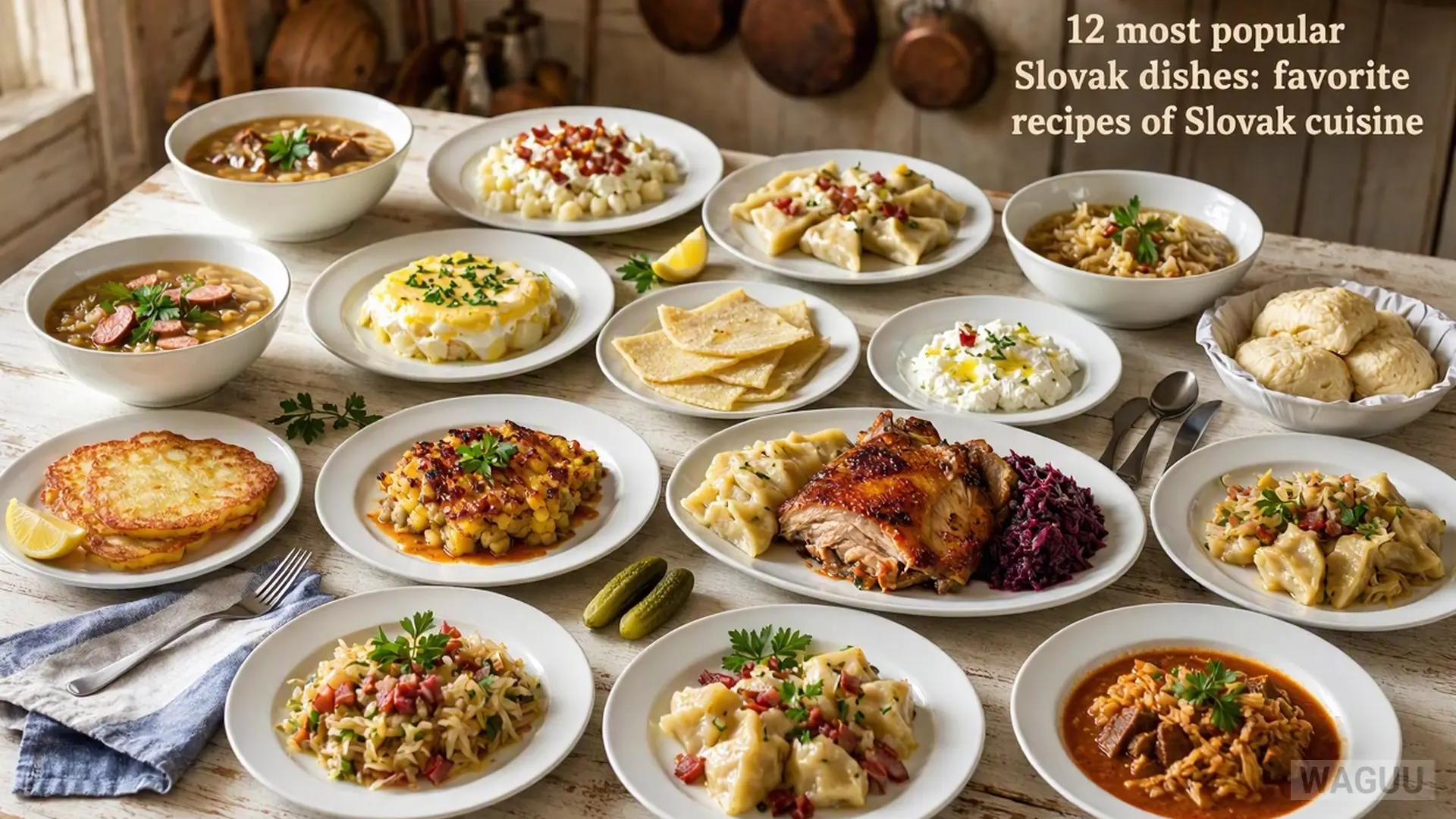
Summary: Explore the rich tapestry of Slovak gastronomy through twelve iconic dishes that define a nation’s culinary heritage. This comprehensive guide details authentic recipes, preparation techniques, and historical contexts for home cooks seeking genuine Eastern European flavors.
Category: Articles |
Reading time: 15 minutes
Step-by-step photo gallery
Did you cook any of the variations? Share a photo in the comments below the recipe, we’d love to add it to the gallery. Did you film a video tutorial? Post a link to YouTube, YouTube Shorts, TikTok, Instagram Reels, Facebook Reels, Pinterest, Vimeo, or X (Twitter) in the comments, we’d be happy to publish it.
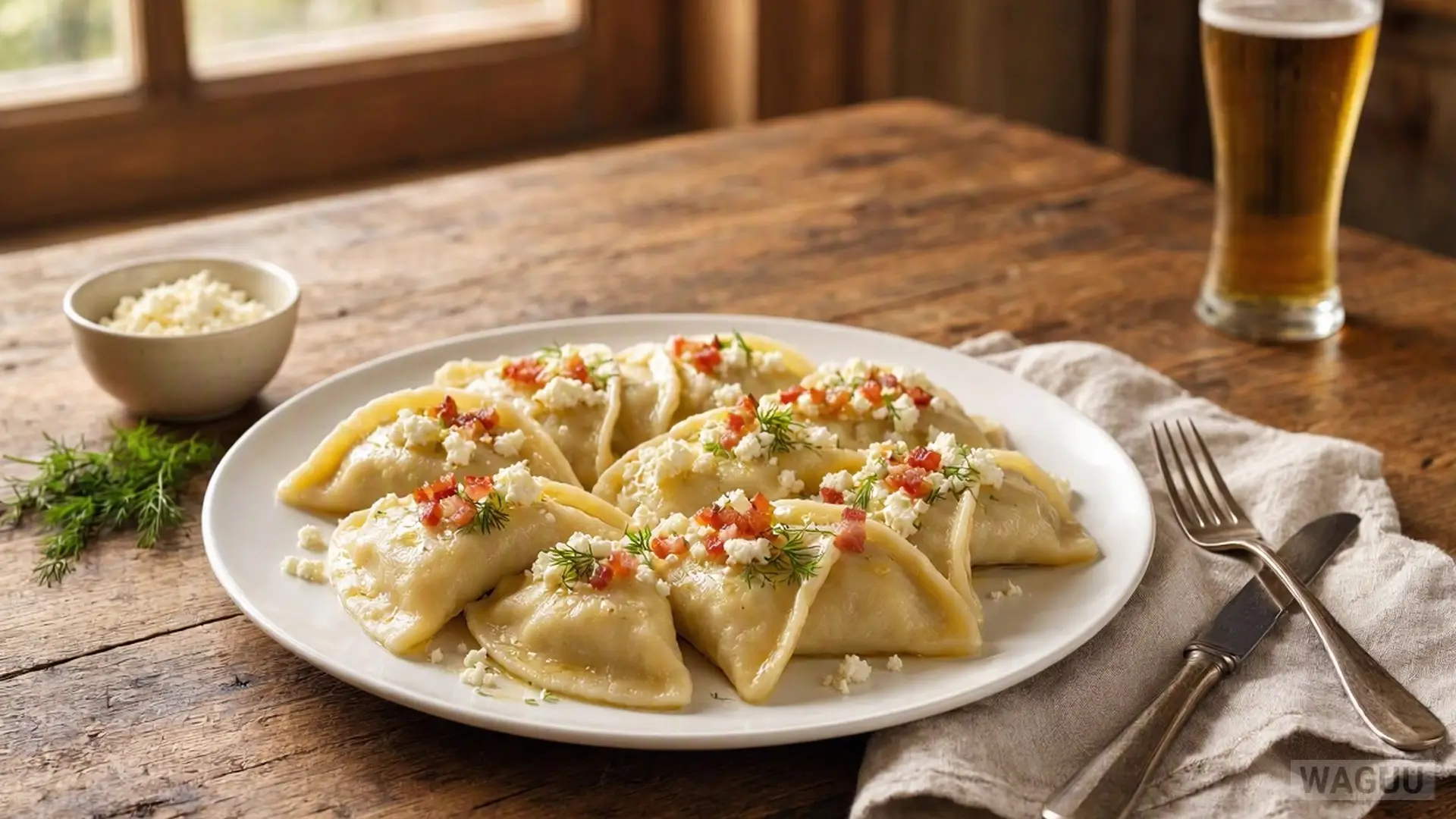
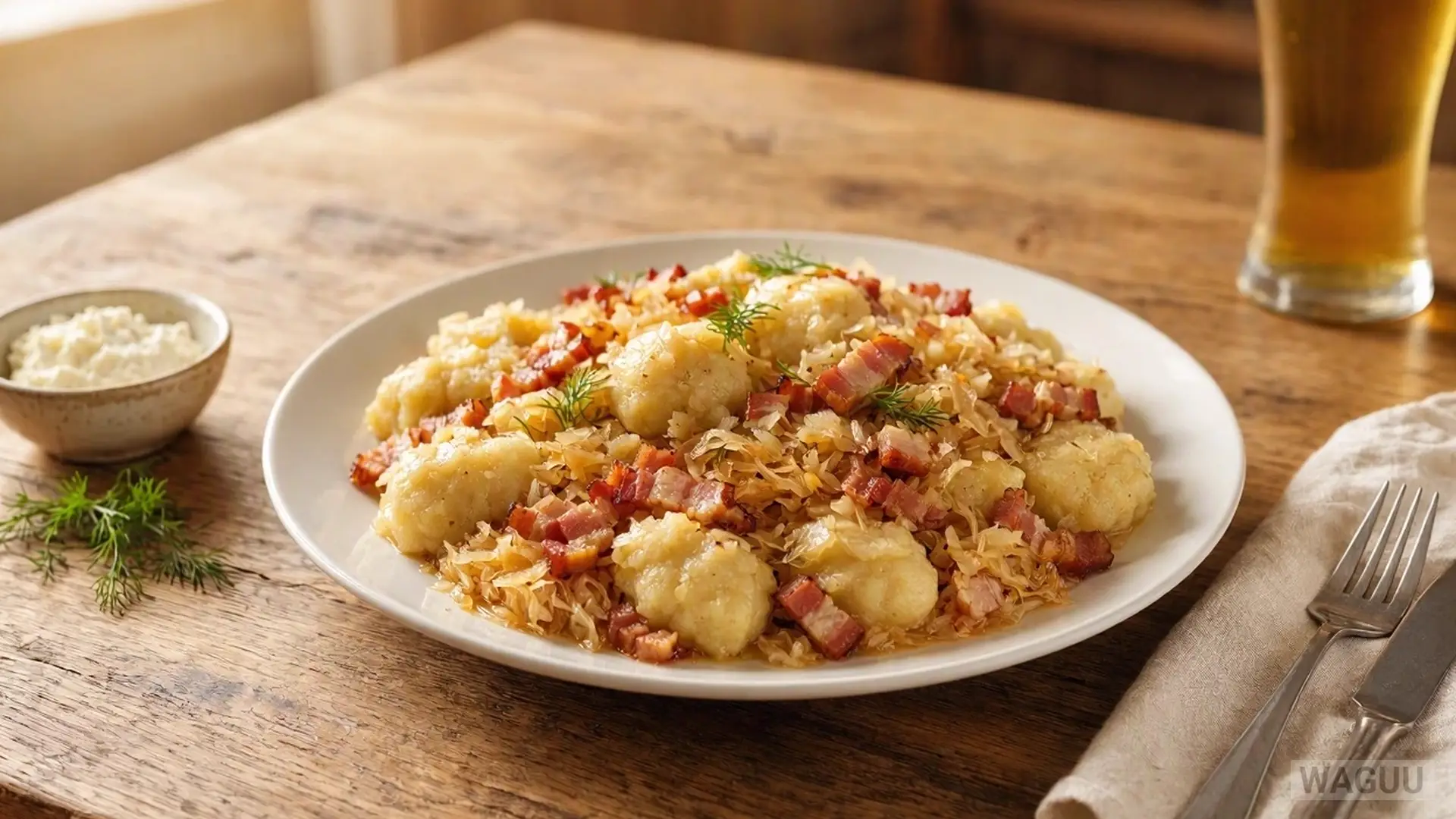
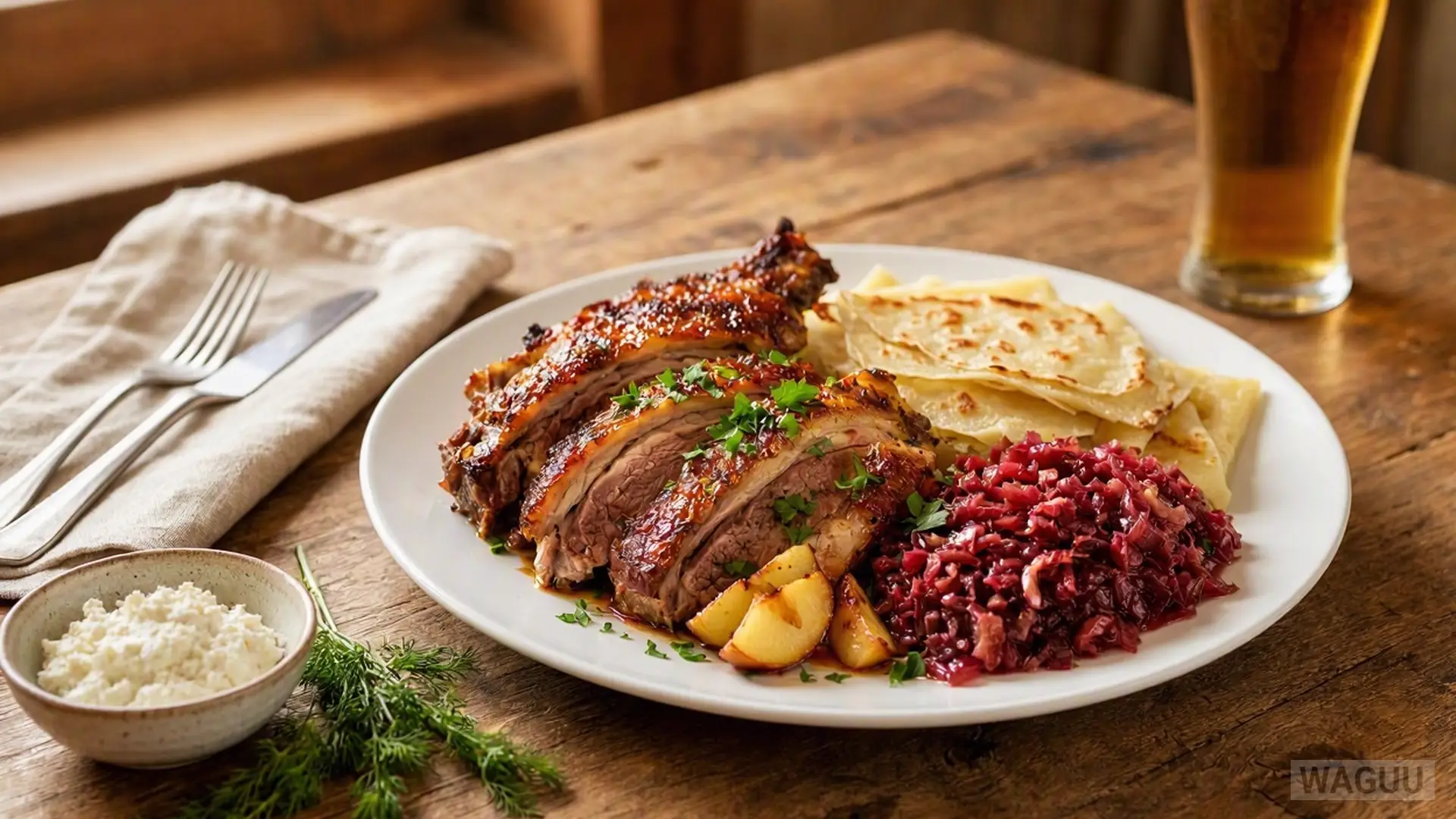
Slovak cuisine is a harmonious reflection of the country’s diverse landscapes, ranging from high mountain pastures where sheep graze freely to fertile lowland plains rich in grains and vegetables. Rooted in peasant traditions, this culinary tradition emphasizes preservation, seasonal harvesting, and hearty, comforting combinations of potatoes, cabbage, pork, and dairy. Whether you are looking to recreate the rustic flavors of a Tatra mountain chalet or seeking a comforting bowl of soup for a chilly evening, these twelve classic recipes offer an authentic gateway into Central European cooking.
Quick overview
- Topic / Dish: Slovak Cuisine Overview
- Categories: Articles
- Cuisine: Slovak
- Included variations: Bryndzové halušky with bacon, Kapustnica, Potato pancakes, Bryndzové pirohy, Strapačky with sauerkraut and bacon, Roast goose with lokše and cabbage, Lokše, Szegedin goulash, Bean soup with smoked meat, Demikát, Granadír, Steamed buns
- Key techniques: Dumpling shaping, dough lamination, sauerkraut braising, yeast steaming
- Physical and chemical background: Starch gelatinization, lactic acid fermentation, protein coagulation
- Common mistakes: Insufficient potato drainage, over-kneading dumpling dough, inadequate braising liquids
- In a nutshell: Traditional Slovak dishes combine simple, accessible ingredients into deeply flavorful, high-energy comfort foods.
- Last updated: September 21, 2026
WAGUU says: “Slovak cuisine proves that simplicity, when executed with respect for quality ingredients, creates unforgettable culinary memories.”
How to take it further: Infuse rendered bacon fats with smoked paprika; incorporate wild forest mushrooms into everyday potato doughs.
Key facts
| Prep time: | Varies by dish |
| Cook time: | Varies by dish |
| Main ingredient: | Potatoes, cabbage, pork, bryndza cheese |
| Servings: | 6 |
| Difficulty: | Moderate |
Procedure at a glance
- Prepare fresh potato dough or yeast dough bases according to the specific recipe.
- Combine local ingredients such as bryndza cheese, smoked meats, and fermented cabbage.
- Simmer soups, braise meats, or boil dumplings until tender and fully cooked.
- Render bacon fats and prepare crispy garnishes for savory dishes.
- Plate generously, balancing rich dairy and meats with bright acidity and fresh herbs.
In a nutshell
- Foundation: Potatoes, cabbage, and grains form the backbone of traditional home cooking.
- Dairy: Authentic sheep’s milk bryndza provides a distinct, tangy flavor profile.
- Preservation: Smoking and fermentation are vital historical preservation techniques.
- Technique: Manual shaping and careful balancing of rich fats define the kitchen craft.
- Variety: Menus transition smoothly from comforting soups to decadent sweet pastries.
- Result: Deeply satisfying, culturally rich meals suited for any family gathering.
Who this guide is for: Beginner – Home cooks exploring Eastern European flavors for the first time. Intermediate – Culinary enthusiasts eager to master traditional potato dough and fermentation techniques. Pro – Chefs looking to elevate rustic peasant dishes into refined fine dining components.
Mastering Slovak Culinary Traditions
Bryndzové halušky with bacon
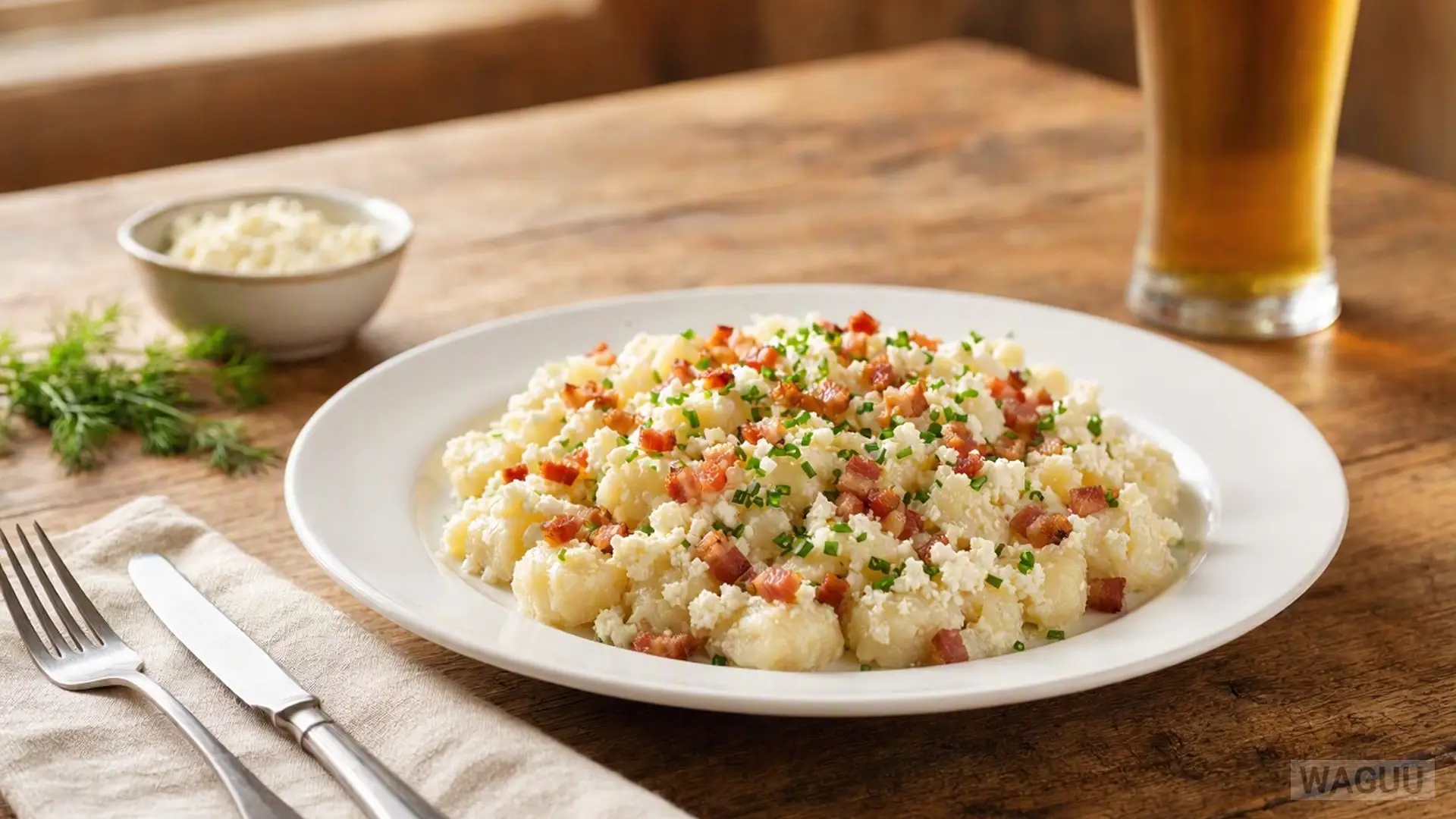
Bryndzové halušky with bacon stands as the indisputable crown jewel of Slovak gastronomy, capturing the essence of pastoral mountain life in every single bite. This iconic dish centers around tiny, tender potato dumplings freshly dropped into boiling water, which are then tossed immediately with authentic unpasteurized sheep’s milk bryndza cheese. The heat of the freshly drained dumplings melts the tangy, crumbly cheese into a velvety, rich coating that clings to every crevice of the pasta. Crowned generously with crispy cubes of rendered smoked bacon and its golden fat, the dish achieves a magnificent balance between rich animal proteins, sharp dairy acidity, and earthy potato starches. Crafting authentic halušky requires a specific ratio of finely grated raw starchy potatoes to all-purpose flour, creating a batter that holds its shape when pressed through a specialized spaetzle maker or grated from a wooden board. As the dumplings cook, starch gelatinization binds the ingredients together, while the smoky drippings penetrate the soft interior of the potato dough. It is a masterclass in transforming humble, inexpensive ingredients into a culinary masterpiece that has sustained generations of shepherds across the Carpathian mountain ranges. Whether served in a rustic wooden bowl at a mountain chalet or plated in a modern urban kitchen, this dish offers an unforgettable sensory experience defined by comforting warmth, aromatic bacon, and the unmistakably sharp tang of pure sheep’s milk cheese.
- Russet potatoes
- All-purpose flour
- Sheep’s milk bryndza cheese
- Smoked bacon
- Salt
- Grate raw peeled potatoes finely and mix with flour and salt to form a semi-thick batter.
- Press the batter through a halušky board into boiling salted water and cook until floating.
- Dice and render smoked bacon in a skillet until exceptionally crispy and golden brown.
- Toss the hot drained dumplings with bryndza cheese until melted and creamy.
- Top generously with crispy bacon and rendered fat before serving immediately.
Kapustnica
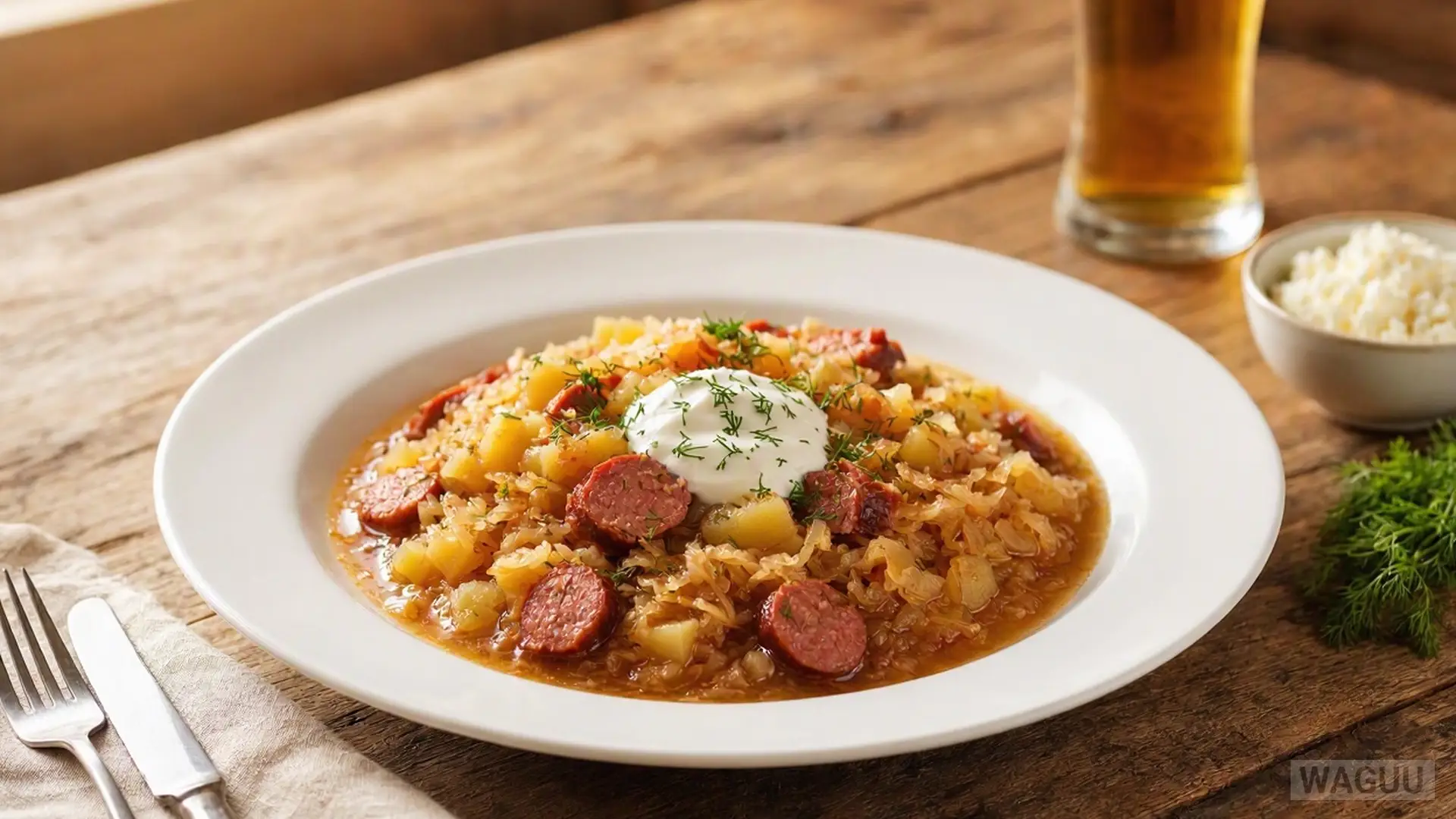
Kapustnica is much more than a simple soup; it is a sacred holiday tradition and a deeply nourishing cornerstone of Slovak family life, especially during Christmas Eve celebrations. This complex, slow-simmered soup features fermented sauerkraut as its primary acidic foundation, balanced by rich broths infused with smoked pork ribs, garlic-spiked sausage, and rehydrated dried wild forest mushrooms. The cooking process is an exercise in patience and flavor extraction, where lactic acid from the cabbage breaks down connective tissues in the meats while absorbing deep, smoky aromas. As the soup simmers for hours, starches or a traditional dark flour roux thicken the broth just enough to coat the back of a spoon, creating a velvety texture that warms you from the inside out. Variations across regions are vast, with some households enriching the base with a dollop of sour cream or adding sweet plums and prunes for a subtle fruity contrast that cuts through the intense smokiness. The mushrooms, typically harvested from dense pine forests during autumn, impart a profound umami depth that elevates the fermented cabbage into a sophisticated gastronomic experience. Served piping hot alongside thick slices of crusty artisan sourdough bread, kapustnica acts as a restorative elixir, a festive centerpiece, and a testament to the brilliance of historical food preservation methods.
- Sauerkraut with juices
- Smoked pork ribs
- Slovak klobása sausage
- Dried forest mushrooms
- Sweet paprika
- Soak dried mushrooms in warm water and rinse sauerkraut if too sour.
- Simmer smoked ribs in water with spices until meat begins to tenderize.
- Add chopped sauerkraut, sliced sausage, and rehydrated mushrooms to the broth.
- Sauté onions in lard with paprika and stir into the simmering soup base.
- Simmer on low heat for at least two hours until all flavors meld completely.
Potato pancakes
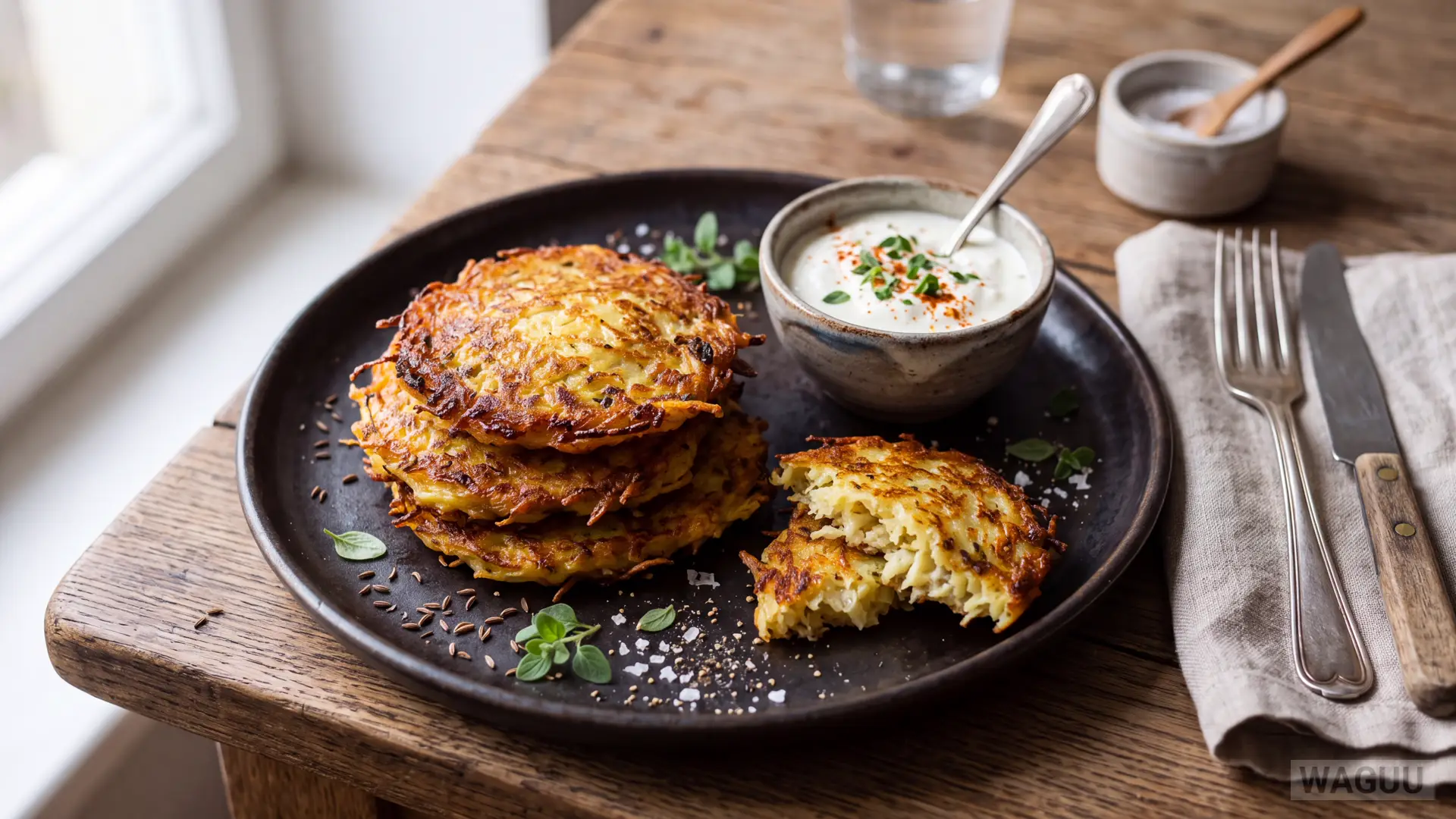
Potato pancakes represent the ultimate celebration of street food and home comfort in Slovakia, offering an irresistible combination of shattering crisp exterior edges and soft, savory interiors. Unlike smoother potato fritters found in other cultures, traditional Slovak potato pancakes rely on freshly grated raw potatoes mixed with minced garlic, dried marjoram, and crushed caraway seeds. The secret to achieving the ideal texture lies in properly draining excess moisture from the grated tubers before incorporating flour, eggs, and warm milk or rendered fat. When dropped into a hot, well-oiled skillet, the starches instantly caramelize against the hot metal, forming a lacy, golden-brown crust that locks in the aromatic spices and savory garlic notes. Caraway seeds introduce a subtle, earthy licorice undertone that cuts through the richness of the frying oil, while marjoram provides a classic herbal warmth deeply rooted in Central European cooking. These pancakes are traditionally enjoyed hot off the skillet, sometimes brushed with extra garlic or rolled up with savory fillings, making them a versatile staple that bridges casual snacking and hearty meal preparation. The aroma of garlic and frying potatoes drifting through a kitchen instantly evokes feelings of homecoming, warmth, and unpretentious culinary satisfaction.
- Starchy potatoes
- All-purpose flour
- Fresh garlic cloves
- Dried marjoram
- Caraway seeds
- Peel and grate raw potatoes, then squeeze out excess starchy liquid thoroughly.
- Mix grated potatoes with minced garlic, marjoram, caraway, eggs, and flour.
- Heat generous amounts of oil or lard in a heavy-bottomed skillet over medium-high heat.
- Drop batter into the hot pan, flattening into thin, even rounds with a spatula.
- Fry until both sides are deeply golden-brown and crispy, then drain on paper towels.
Bryndzové pirohy
Bryndzové pirohy showcase the remarkable versatility of potato dough, transforming simple ingredients into delicate, pillow-soft dumplings bursting with rich, tangy cheese fillings. The process begins with a supple, pliable dough made from boiled and riced potatoes combined with flour and eggs, rolled out thin and cut into neat rounds. Each circle of dough is generously stuffed with a savory filling of creamy sheep’s milk bryndza cheese, folded over, and sealed tightly with a fork to lock in the flavors during cooking. When dropped into gently boiling salted water, the pirohy bob to the surface, signaling that the delicate dough has cooked through while keeping the interior filling rich and molten. Once drained, these plump dumplings are traditionally finished with a lavish drizzle of rendered bacon fat and crispy bacon bits, or served alongside a cool dollop of high-fat sour cream. The contrast between the tender potato casing, the sharp, pungent punch of the bryndza cheese, and the smoky crunch of the bacon creates a symphony of textures and tastes. Making pirohy is often a communal kitchen activity in Slovak households, requiring patience, gentle hands, and a deep appreciation for traditional comfort food craftsmanship.
- Boiled potatoes
- All-purpose flour
- Sheep’s milk bryndza cheese
- Sour cream
- Smoked bacon
- Mash cooled boiled potatoes and knead with flour and eggs into a smooth dough.
- Roll dough thin on a floured surface and cut out uniform circles with a glass.
- Place a spoonful of bryndza cheese in the center of each circle, fold, and seal edges.
- Drop pirohy into boiling salted water and cook until they float to the top.
- Serve hot, topped with crispy bacon bits, rendered fat, and a dollop of sour cream.
Strapačky with sauerkraut and bacon
Strapačky with sauerkraut and bacon offers a magnificent variation on the classic halušky theme, replacing soft sheep’s cheese with caramelized, tangy braised sauerkraut. The potato dumplings are prepared in the identical fashion—dropping fresh, raw potato batter directly into boiling water—resulting in chewy, irregular morsels that capture sauces exceptionally well. Meanwhile, finely chopped sauerkraut is gently sautéed in rendered bacon fat alongside onions until the cabbage softens, sweetens, and develops delicious golden edges. When the freshly boiled dumplings are tossed directly into the warm skillet with the braised sauerkraut, the starches absorb the savory cabbage juices and residual bacon fats. The dish is finished with an extra scattering of crispy bacon cubes, adding a wonderful textural crunch that contrasts with the tender cabbage and chewy dumplings. This rustic creation exemplifies the genius of utilizing fermented vegetables to cut through heavy starches and fats, creating a balanced meal that is deeply satisfying during cold winter months. Every forkful delivers a harmonious blend of earthy potatoes, pungent fermented cabbage, sweet caramelized onions, and smoky bacon.
- Raw starchy potatoes
- Sauerkraut
- Smoked bacon
- Yellow onions
- All-purpose flour
- Grate raw potatoes and mix with flour and salt to create the dumpling batter.
- Boil small drops of batter in salted water until floating, then drain well.
- Sauté diced bacon and chopped onions in a large skillet until golden and fragrant.
- Add rinsed, chopped sauerkraut to the skillet and braise until tender and caramelized.
- Toss cooked dumplings into the sauerkraut mixture, stir thoroughly, and serve hot.
Roast goose with lokše and cabbage
Roast goose with lokše and cabbage stands as the undisputed masterpiece of Slovak celebratory dining, traditionally taking center stage during autumn feast days and festive family banquets. Preparing this magnificent dish requires roasting a whole goose slowly at moderate temperatures until the skin turns crisp and golden-brown while rendering an abundance of liquid fat that keeps the meat exceptionally juicy. The bird is typically seasoned simply with salt and caraway seeds, allowing the natural, rich flavor of the poultry to shine brightly without excessive masking spices. Alongside the succulent meat, the meal features sweet-and-sour braised red cabbage caramelized with sugar, vinegar, and grated apples, providing a necessary acidic punch to balance the goose’s natural richness. The feast is completed with soft, dry-baked potato flatbreads known as lokše, which are lightly brushed with the freshly rendered warm goose fat right before wrapping around tender morsels of meat. This culinary tradition, particularly famous in regions like Slovenský Grob, represents a masterclass in culinary harmony, where every single component plays a precise role in balancing richness, acidity, and texture.
- Whole roasting goose
- Red cabbage
- Potatoes for lokše
- Caraway seeds
- Apples
- Salt the whole goose inside and out, sprinkle with caraway, and prick skin to release fat.
- Roast slowly at 325 °F (165 °C) for several hours, basting frequently with rendered fat.
- Braise shredded red cabbage with grated apples, vinegar, and sugar until tender.
- Prepare potato flatbreads (lokše) by dry-baking rolled dough on a hot griddle.
- Serve carved roast goose alongside braised cabbage and warm lokše brushed with goose fat.
Lokše
Lokše are traditional Slovak potato flatbreads that occupy a revered place in both savory and sweet culinary traditions, prized for their soft, pliable texture and rich, comforting flavor. Made from freshly boiled, cooled, and riced potatoes mixed with flour and a pinch of salt, the dough is rolled out into paper-thin rounds without the use of yeast or chemical leaveners. These delicate disks are cooked entirely dry on a smoking-hot cast-iron griddle, developing characteristic charred brown spots while puffing up with steam. Once cooked, hot lokše are traditionally drenched or brushed generously with melted duck or goose fat, transforming them into a savory accompaniment for festive roasts and poultry dishes. Alternatively, they can be transformed into a decadent dessert by spreading them with rich plum butter, dusting with ground poppy seeds, and rolling them tightly into neat cylinders. The genius of lokše lies in their incredible adaptability, serving as a blank canvas that absorbs rich animal fats or sweet fillings with equal brilliance. Mastering lokše requires a delicate touch with rolling pins and precise heat control, making it a cherished skill passed down through generations of home bakers.
- Boiled floury potatoes
- All-purpose flour
- Salt
- Melted goose fat
- Plum butter
- Mash boiled potatoes thoroughly and combine with flour and salt to form a firm dough.
- Divide dough into equal portions and roll each out into thin circular flatbreads.
- Heat a dry cast-iron griddle over medium-high heat without adding any oil or butter.
- Cook flatbreads for about one to two minutes per side until blistered and lightly browned.
- Brush immediately with melted goose fat for savory use or roll with plum butter for dessert.
Szegedin goulash
Szegedin goulash is a deeply satisfying, comforting stew that marries tender pork shoulder with tangy sauerkraut and sweet Hungarian paprika in a velvety, luxurious sauce. Unlike traditional beef goulash, this variation incorporates fermented cabbage directly into the braising pot, where its acidity breaks down tough meat fibers and infuses every bite with a pleasant tartness. The cooking process begins by browning pork shoulder cubes in rendered lard with plenty of sweet onions, followed by a generous dusting of high-quality sweet paprika blooming in the fats. Sauerkraut is then layered over the meat along with caraway seeds, garlic, and a splash of broth, allowing everything to simmer gently on the stovetop until the pork achieves a melt-in-your-mouth tenderness. Toward the end of the cooking time, rich sour cream whisked with a touch of flour is stirred into the pot, thickening the liquid into a silky, pale orange gravy that ties all the robust flavors together. Traditionally served alongside fluffy bread dumplings designed to soak up every drop of the delectable sauce, Szegedin goulash represents the pinnacle of Central European stew-making artistry.
- Pork shoulder
- Sauerkraut
- Sweet paprika
- Sour cream
- Yellow onions
- Sauté chopped onions in lard until translucent, then add cubed pork and brown on all sides.
- Stir in sweet paprika, caraway seeds, and minced garlic, cooking for one minute.
- Add drained sauerkraut and enough water or broth to cover the ingredients partially.
- Cover and simmer on low heat for 90 minutes until the pork is fork-tender.
- Whisk sour cream with flour, temper with warm sauce, and stir into the stew to thicken.
Bean soup with smoked meat
Bean soup with smoked meat is a powerhouse of nutrition and rustic flavor, designed to warm farmworkers and families through harsh winter days with its thick, velvety consistency. The soup features dried white beans soaked overnight and simmered slowly alongside aromatic root vegetables, garlic, and heavily smoked pork hock or ribs. As the beans cook, a portion of them breaks down naturally, releasing starches that thicken the broth into a rich, stew-like consistency without requiring excessive flour additions. A traditional paprika-infused roux (known as zápražka) is often whisked into the pot toward the end of cooking, adding a glossy finish and a wonderful layer of toasted flavor. Dried marjoram, rubbed vigorously between the palms to release its essential oils, is sprinkled on top right before serving, providing an unmistakable herbal aroma that defines traditional Slovak soups. Tender chunks of smoky meat pulled from the bone are returned to the pot, ensuring every single spoonful is packed with rich protein and savory depth. Served alongside thick slices of country bread, this soup is a complete, deeply comforting meal in a single bowl.
- Dried white beans
- Smoked pork hock
- Root vegetables (carrots, parsnips)
- Sweet paprika
- Dried marjoram
- Soak dried white beans overnight in cold water, then drain and rinse thoroughly.
- Simmer smoked pork hock in water until tender, remove meat, and reserve the smoky broth.
- Cook soaked beans in the reserved broth along with diced root vegetables and garlic.
- Prepare a light roux with lard, flour, and paprika, then whisk into the simmering soup.
- Shred smoked meat into the pot, season with marjoram, and simmer until thick.
Demikát
Demikát is an extraordinary, traditional Slovak soup that elevates pungent sheep’s milk bryndza cheese into a warm, soothing broth celebrated for its bold, savory profile. Originating from the mountainous regions where sheep farming dominated, this soup was created as a clever way to utilize surplus cheese and stale bread scraps. The preparation begins by boiling diced potatoes and onions in water or light broth until tender, creating a starchy base that provides body to the final dish. Off the heat, authentic bryndza cheese is whisked directly into the hot potato broth, where its high fat content and natural acidity melt into a rich, frothy, and intensely flavorful soup. A generous dusting of sweet or smoked paprika adds a vibrant color and a gentle, warming undertone that complements the sharp tang of the sheep’s milk cheese. Traditionally garnished with croutons fried in bacon fat and finely minced chives, Demikát delivers an incredible punch of umami and dairy richness in every spoonful. It is a true celebration of highland gastronomy, offering a window into the ingenious ways shepherds transformed basic dairy into culinary gold.
- Sheep’s milk bryndza cheese
- Potatoes
- Yellow onions
- Sweet paprika
- Bacon fat for croutons
- Dice potatoes and onions, place in a pot with water, and boil until completely tender.
- Remove the pot from the heat source to prevent the cheese from curdling.
- Whisk sheep’s milk bryndza cheese directly into the hot potato broth until smooth.
- Stir in sweet paprika and salt to taste, adjusting consistency with hot water if needed.
- Serve warm, garnished with croutons fried in bacon fat and fresh chives.
Granadír
Granadír, often referred to as granadír marš, is a quintessential peasant dish that combines simple carbohydrate staples—pasta and potatoes—into a remarkably comforting and satisfying meal. Believed to have originated as army rations during military campaigns, this humble one-pot dish relies on boiling potatoes and square pasta shapes together before tossing them in a fragrant onion and sweet paprika base. The technique requires cooking the potatoes until tender and slightly breaking them apart as they mix with the al dente pasta, creating a rustic texture that holds seasonings wonderfully. Sautéed onions caramelized in lard or oil provide a sweet aromatic foundation, while a heavy hand of sweet ground paprika imparts a vibrant red hue and deep, earthy warmth. Often served alongside crisp, tangy pickled cucumbers or fermented vegetables, Granadír provides a masterclass in how resourceful home cooks could transform basic pantry staples into a delicious feast. It remains a beloved comfort food across Slovakia, cherished for its simplicity, speed, and ability to satisfy hearty appetites with minimal ingredients.
- Square pasta squares (fleky)
- Starchy potatoes
- Yellow onions
- Sweet ground paprika
- Lard or cooking oil
- Boil peeled, diced potatoes in salted water until tender; cook pasta separately until al dente.
- Sauté finely chopped onions in lard until deeply golden-brown and caramelized.
- Remove onions from heat and stir in sweet ground paprika until fragrant.
- Combine drained potatoes and pasta in the skillet with the onion mixture.
- Toss gently over medium heat until all components are evenly coated and heated through.
Steamed buns
Steamed buns, known traditionally as parené buchty, represent the pinnacle of sweet comfort baking in Slovakia, offering pillow-soft, cloud-like yeast dough filled with rich fruit preserves. Unlike baked buns, steaming prevents the formation of a hard crust, ensuring the entire pastry remains exceptionally fluffy, moist, and tender from the first bite to the last. The enriched yeast dough is rolled, filled with thick plum butter or fruit jam, sealed into neat rounds, and placed over boiling water to rise and cook entirely in hot steam. Once cooked, these warm, spongy buns are generously showered with a blizzard of powdered sugar, ground poppy seeds or toasted cocoa, and drenched in rivers of melted butter. Cutting into a warm steamed bun releases a cloud of yeasty aroma and a molten center of sweet, spiced plum preserve that contrasts beautifully with the nutty crunch of poppy seeds. This comforting dessert or sweet main course is a beloved childhood favorite, embodying the warmth, hospitality, and baking mastery embedded within traditional Slovak family kitchens.
- All-purpose flour
- Active dry yeast
- Warm milk
- Thick plum butter jam
- Ground poppy seeds and melted butter
- Prepare an enriched yeast dough with flour, yeast, warm milk, sugar, and egg; let rise.
- Roll out dough, cut into squares, and spoon thick plum butter into the center of each.
- Seal edges tightly to enclose the filling, shaping into smooth round buns.
- Steam buns over boiling water in a covered steamer basket for 12 to 15 minutes.
- Serve hot, drenched generously in melted butter, powdered sugar, and ground poppy seeds.
Frequently asked questions
What is authentic bryndza cheese?
Authentic bryndza is a soft, unpasteurized sheep’s milk cheese produced in the mountain regions, known for its crumbly texture and sharp, tangy flavor profile.
Can I substitute regular cabbage for sauerkraut in soups?
No, fermented sauerkraut provides the essential lactic acid and sour flavor that defines traditional recipes like kapustnica and strapačky.
How do I achieve the best texture for potato dumplings?
Use high-starch raw potatoes, grate them finely, and incorporate just enough flour to hold the batter together without making the dumplings heavy.
Are these dishes suitable for vegetarians?
While many traditional dishes incorporate bacon and smoked meats, items like bryndzové halušky (without bacon), Demikát, and sweet steamed buns can be easily adapted.
Also known as: Slovak national dishes, traditional Slovak recipes, comforting Eastern European cuisine, Carpathian mountain food
Conclusion
Slovak cuisine offers a remarkably rich culinary journey rooted in resourcefulness, pastoral traditions, and comforting flavors. By mastering these twelve classic recipes—from cheesy potato dumplings and fermented cabbage soups to sweet steamed pastries—you bring the heartwarming soul of Central European home cooking directly to your table.
Choose your recipe
Select one of the authentic Slovak recipes below to start cooking:
Bryndzové halušky with bacon – Potato dumplings with sheep’s milk cheese and crispy bacon.
Kapustnica – Traditional sauerkraut soup with smoked meat and mushrooms.
Potato pancakes – Crispy potato pancakes with garlic and marjoram.
Bryndzové pirohy – Potato pockets filled with bryndza cheese.
Strapačky with sauerkraut and bacon – Dumplings mixed with braised sauerkraut.
Roast goose with lokše and cabbage – Festive roast goose with flatbreads.
Lokše – Thin dry-baked potato flatbreads.
Szegedin goulash – Pork braised with sauerkraut and paprika.
Bean soup with smoked meat – Hearty bean soup with smoked pork.
Demikát – Traditional sheep’s cheese soup.
Granadír – Potato and pasta comfort dish.
Steamed buns – Fluffy yeast buns with plum butter.
Other possible variations
Goat cheese halušky
This variation substitutes traditional sheep’s bryndza with creamy artisan goat cheese for a slightly milder flavor profile. It is ideal for diners who prefer a less pungent dairy note while maintaining the classic dumpling structure. The preparation remains identical, offering a wonderful modern twist on the national favorite.
Lenten kapustnica
A meatless version traditionally prepared for Christmas Eve, omitting smoked pork and sausage entirely. It relies on vegetable broths, dried forest mushrooms, and prunes to build deep umami flavors. This variation is perfect for vegetarians seeking the festive flavors of traditional holiday soups.
Baked potato pancakes
Instead of frying in oil, the traditional batter is poured onto greased baking sheets and oven-baked until crispy. This method drastically reduces oil consumption while producing a large batch simultaneously. It is suitable for health-conscious cooks looking for lighter party appetizers.
Mushroom pirohy
Pirohy filled with a savory mixture of sautéed wild mushrooms and caramelized onions instead of cheese. It offers an earthy, forest-forward flavor profile that pairs wonderfully with herb butter. This option is great for mushroom lovers and those seeking dairy-free fillings.
Cottage cheese strapačky
Potato dumplings tossed with dry curd cottage cheese and crisp bacon instead of sauerkraut. It provides a creamier, milder dairy flavor that appeals to younger palates. The preparation substitutes fermented cabbage for fresh curd cheese while keeping the bacon garnish.
Roast duck with lokše
Features succulent roast duck seasoned with marjoram in place of traditional goose. Duck fat is used to brush the lokše and braise the accompanying cabbage. It offers a slightly richer poultry alternative that is easier to source in smaller portions.
Garlic butter lokše
Simple potato flatbreads brushed generously with garlic-infused melted butter rather than animal fats. It provides an aromatic, vegetarian-friendly snack or side dish. Perfect as a quick appetizer served warm with herbs.
Beef szegedin goulash
Substitutes lean beef chuck for traditional pork shoulder in the sauerkraut braising process. It requires a slightly longer simmering time to tenderize the beef fibers. Ideal for beef enthusiasts who enjoy tangy sauerkraut stews.
Lentil soup with smoked sausage
Replaces white beans with brown lentils while retaining the smoked meat broth and root vegetables. Lentils cook faster without requiring overnight soaking. Great for a quicker weeknight version of traditional smoked bean soups.
Blue cheese demikát
Uses artisan blue cheese when authentic sheep’s bryndza is unavailable. It delivers a similarly sharp, pungent flavor profile to the traditional potato soup. Suitable for adventurous eaters looking to replicate mountain flavors abroad.
Bacon and cabbage granadír
Incorporates finely shredded braised cabbage directly into the potato and pasta mixture alongside crispy bacon bits. It adds extra fiber and texture to the classic one-pot dish. Excellent for utilizing leftover braised cabbage.
Chocolate-filled steamed buns
Replaces traditional plum jam with rich dark chocolate ganache or hazelnut spread. It appeals directly to children and modern dessert lovers. The steaming method keeps the yeast dough exceptionally soft and light.
Vegan bryndzové halušky
Uses plant-based potato dumpling dough and a fermented cashew-based cheese sauce to replicate the classic dish. Smoked coconut flakes replace bacon for crunch. Perfect for plant-based diners enjoying traditional flavors.
Seafood kapustnica
A modern coastal interpretation using white fish and smoked salmon instead of pork ribs. It maintains the sauerkraut and mushroom base for acidity. Suited for pescatarians celebrating festive winter holidays.
Zucchini potato pancakes
Blends grated zucchini with potatoes to lighten the texture and reduce overall starch content. It introduces a subtle green color and moisture. Ideal for summer garden harvests.
Fruit-filled sweet pirohy
Filled with fresh strawberries or blueberries instead of bryndza cheese, served with melted butter and sugar. A popular summer dessert across rural Slovakia. Perfect for fruit season.
Mushroom strapačky
Tosses potato dumplings with forest mushrooms and butter instead of sauerkraut. An earthy vegetarian alternative packed with umami. Great for autumn mushroom foraging seasons.
Turkey roast with lokše
Substitutes a whole roasted turkey for goose, served with traditional lokše and cabbage. Lighter in fat while maintaining festive presentation. Ideal for smaller family holiday gatherings.
Herb-baked lokše
Brushed with rosemary and thyme butter after dry-baking for an aromatic herbal twist. Perfect for serving alongside Mediterranean-inspired stews. Excellent as dinner rolls.
Chicken szegedin goulash
Uses tender chicken thighs instead of pork shoulder for a lighter, quicker stew. Maintains the classic sauerkraut and sour cream sauce. Great for weeknight family dinners.
Chickpea bean soup
Combines chickpeas with smoked paprika and root vegetables for a hearty vegetarian legume soup. Replaces pork hock with smoked olive oil. Perfect for plant-based diets.
Garlic demikát
Adds extra roasted garlic cloves to the potato base before whisking in the cheese. Enhances antibiotic properties and savory depth. Great for cold winter immune support.
Cheese granadír
Stirring grated sharp cheddar or smoked cheese into the hot potato and pasta mix. Creates a cheesy fusion comfort dish. Beloved by children and cheese enthusiasts.
Vanilla custard steamed buns
Filled with thick vanilla pastry cream instead of fruit jam, served with warm butter. A decadent dessert variation. Excellent for special weekend treats.
Know another variation? Add your own suggestion below.
Missing a recipe?
Tell us what recipe you would like us to add. We will do our best to publish it soon!
Frequently asked questions about other variations
- Can I freeze uncooked potato dumplings? Yes, you can freeze shaped halušky on a tray before boiling, though fresh preparation yields the best texture.
- Is goat cheese a good substitute for bryndza? Goat cheese offers a similar tangy flavor profile, though it is slightly less crumbly than authentic sheep’s cheese.
- How do I prevent steamed buns from collapsing? Avoid opening the steamer lid during the first 10 minutes of cooking to maintain stable steam temperature.
- Can I use gluten-free flour for potato dough? Yes, all-purpose gluten-free flour blends work well in potato dumplings and flatbreads with minor adjustments.
- What is the best cut of meat for Szegedin goulash? Pork shoulder (butt) is ideal due to its fat marbling, which keeps the meat tender during long braising.
- How long do lokše stay soft? Stacked lokše brushed with fat remain soft for up to two days when stored in an airtight container in the refrigerator.
- Can I make sauerkraut soup without smoked meat? Yes, using smoked paprika and vegetable broths provides smoky depth for vegetarian versions.
- Why do potato pancakes turn dark? Enzymatic browning occurs when raw potatoes oxidize; mixing in egg or lemon juice helps prevent discoloration.
Contact: 12-most-popular-slovak-dishes-favorite-recipes-of-slovak-cuisine-us@waguu.online