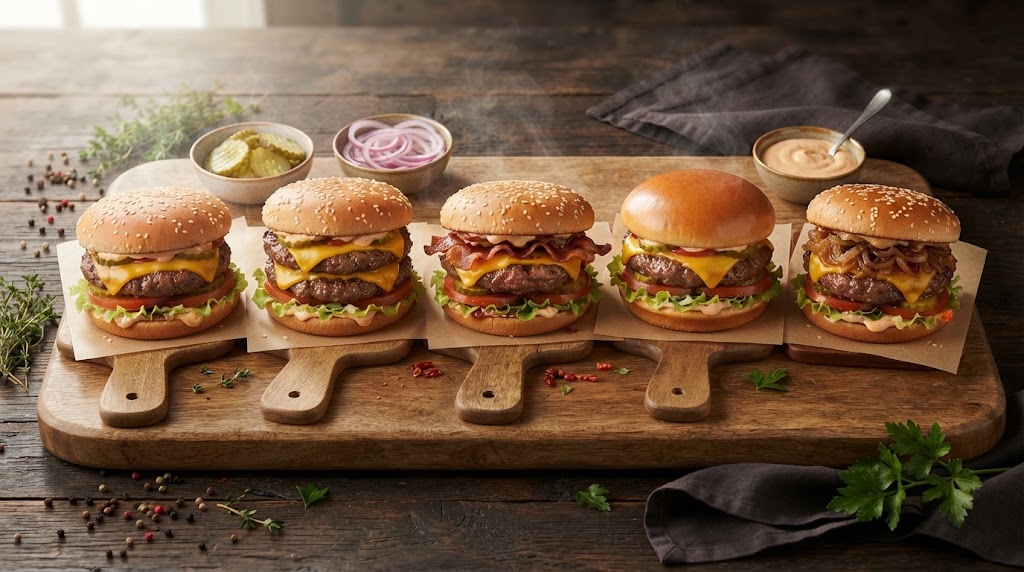
Summary: A complete American guide to the perfect cheeseburger – from the classic smash burger with American cheese to gourmet variations with caramelized onions and truffle mayo. Learn the science behind the perfect sear, how to build layers of flavor, and discover 14 variations that will change the way you make burgers forever. For anyone who takes their burger seriously. Reading time: 12 minutes.
Category: Articles |
Reading time: 12 minutes
Photo gallery
Have you made one of these variations? Share a photo in the comments below – we’ll add it to the gallery. Filmed a video? Post a link to YouTube, YouTube Shorts, TikTok, Instagram Reels, Facebook Reels, Pinterest, Vimeo or X (Twitter) in the comments and we’ll feature it.
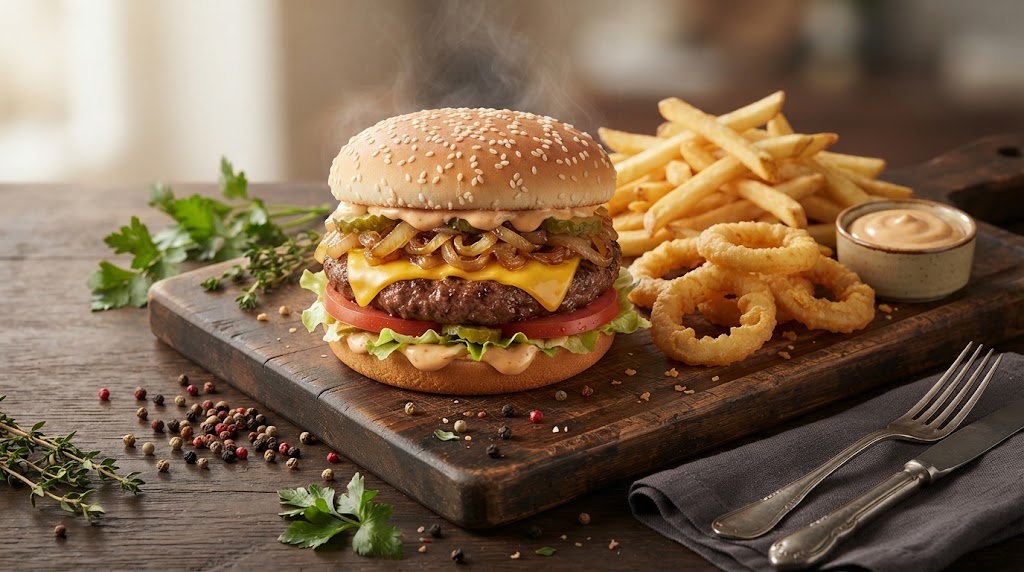
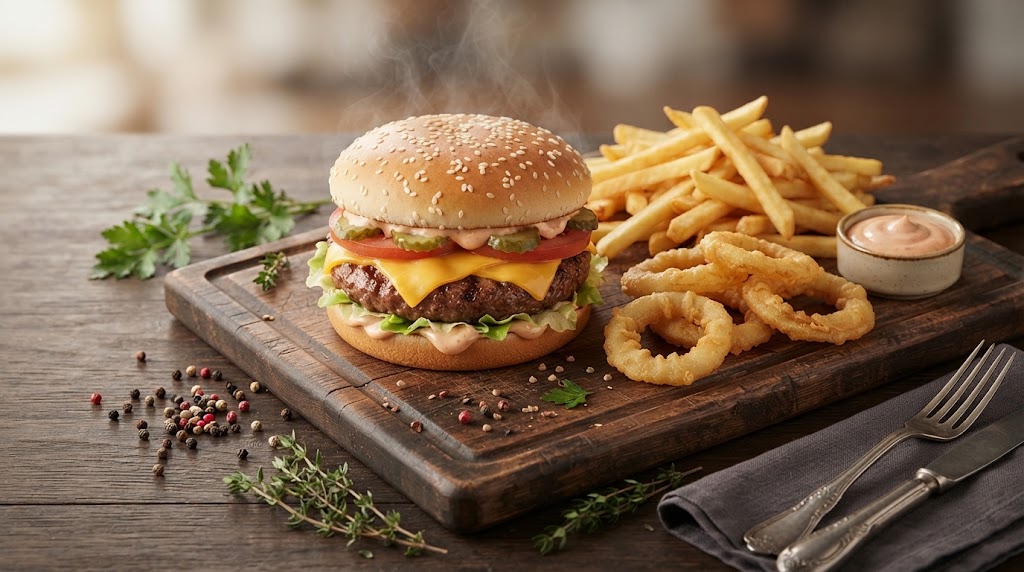
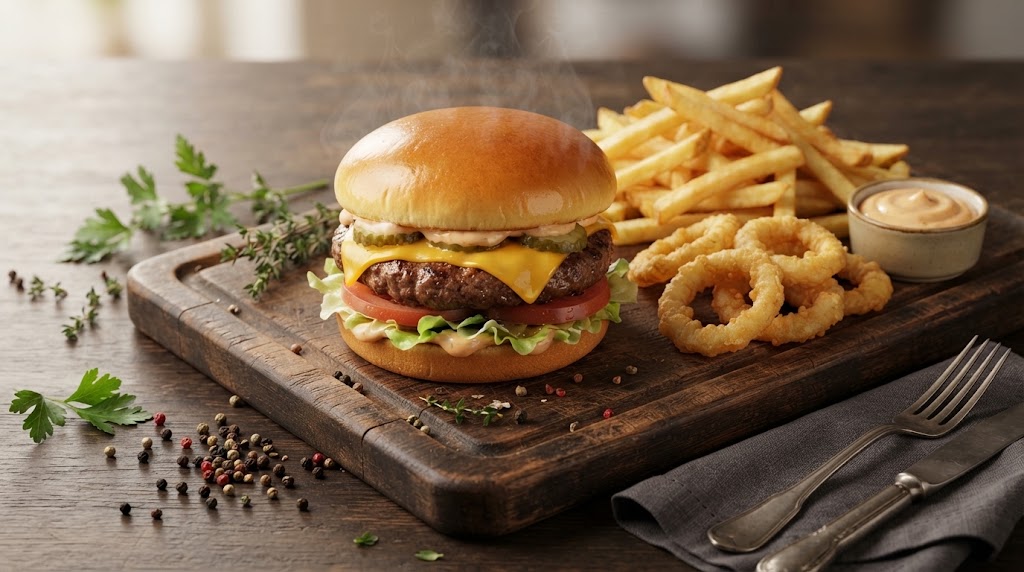
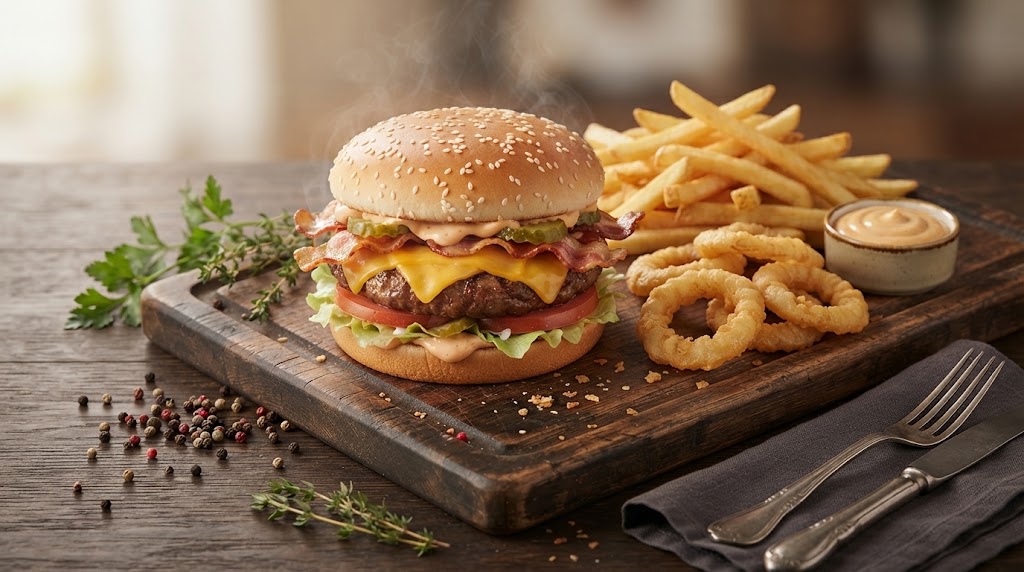
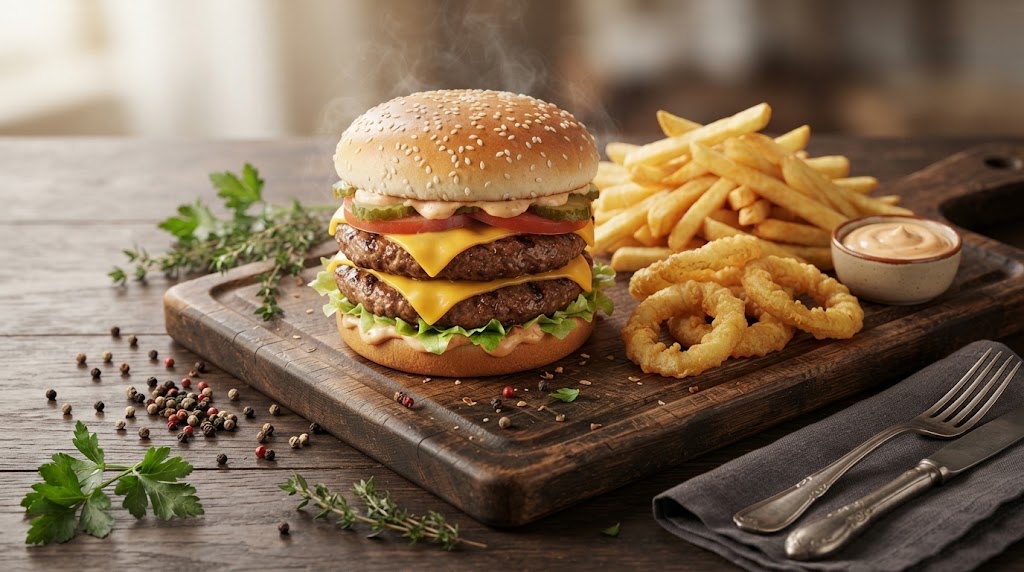
The American cheeseburger is more than just a sandwich. It’s a study in contrasts – the crusty char of beef against molten American cheese, the sharp tang of pickles cutting through rich fat, the soft yielding bun holding it all together. This guide takes you through the classic American interpretation, then explores variations that push the boundaries. Whether you’re a purist or an experimenter, there’s a burger here for you.
Quick overview
- Topic / Dish: Classic American Cheeseburger
- Category: American Main Dishes, American Beef
- Cuisine: American
- Included variations: Classic Cheeseburger with Ground Beef and American Cheese, Double Cheese Cheeseburger, Crispy Bacon Cheeseburger, Brioche Bun Cheeseburger, Caramelized Onion Cheeseburger
- Key techniques: Pan-searing, smash burger technique, cheese melting, bun toasting
- Scientific background: Maillard reaction, fat rendering, protein coagulation
- Common mistakes: Overworking the meat, flipping too often, pressing the patty
- In short: A proper American cheeseburger needs nothing more than good beef, proper seasoning, and a hot cast iron skillet.
- Last updated: 13 September 2026
WAGUU says: “The perfect American cheeseburger is not about how many toppings you can pile on. It’s about respecting the beef, getting the sear right, and letting the cheese do its job.”
Key facts
| Prep time: | 15 minutes |
| Cook time: | 10 minutes |
| Main ingredient: | 80/20 ground beef chuck |
| Servings: | 6 |
| Difficulty: | Easy |
Method at a glance
- Prepare the beef patties – handle the meat gently, season only the surface.
- Toast the buns with butter until golden.
- Sear the patties in a screaming hot cast iron skillet – smash for maximum crust.
- Melt the American cheese over the patty.
- Build the burger: bottom bun, sauce, patty with cheese, toppings, top bun.
In a nutshell
- Beef quality: Use 80/20 ground beef chuck – the fat carries flavor and keeps the patty juicy.
- Don’t overwork: The more you handle the meat, the denser the burger becomes.
- Hot skillet: The cast iron must be smoking hot before the patty goes in.
- Smash it: Press the patty flat immediately after placing in the skillet for a lacy, crispy edge.
- Cheese melt: Add American cheese in the last minute and cover with a lid or cloche.
- Result: A burger with a proper crust, juicy interior, and cheese that drapes over the patty.
Who this guide is for: Beginner – learn the fundamentals of a proper American cheeseburger, from patty formation to assembly. Intermediate – refine your technique with tips on smash burger searing and cheese melting. Professional – explore the science behind the Maillard reaction and discover gourmet variations that push the boundaries.
The anatomy of a perfect American cheeseburger
An American cheeseburger is a study in layers. Each component must earn its place. The beef provides the foundation – it should be coarse-ground, well-marbled, and handled with respect. The cheese must melt into every crevice of the patty, not sit on top like a plastic sheet. The bun must be sturdy enough to hold everything without disintegrating, yet soft enough to compress into a perfect bite. The toppings – pickles, onion, lettuce, tomato – provide acidity, crunch, and freshness. The sauce ties it all together, adding richness and tang.
In America, we have access to some of the best beef in the world. The classic blend is 80% lean, 20% fat – typically ground chuck, sometimes with brisket or short rib mixed in. Ask your butcher for coarse-ground beef, or grind your own at home. Pre-packaged supermarket ground beef is often too fine and too lean – it makes a dense, dry burger. If you can, choose a butcher who grinds to order. The difference is night and day.
The science of the sear
When beef hits a hot skillet, something remarkable happens. The Maillard reaction – a chemical reaction between amino acids and reducing sugars – creates hundreds of new flavor compounds. This is what gives a properly seared burger its complex, savory crust. The reaction requires high heat (above 285°F / 140°C) and a dry surface. If the skillet isn’t hot enough, the meat steams instead of searing. If the surface is wet, the water turns to steam and prevents browning. So: pat the meat dry, season it well, and use a screaming hot cast iron skillet. The result is a crust that’s deeply flavored and slightly crisp, giving way to a juicy interior.
| Type of ground beef | Fat content | Result |
|---|---|---|
| Ground sirloin (coarse ground) | 10–15% | Lean, firm texture, less juicy |
| Ground chuck (80/20) | 20% | Ideal – juicy, flavorful, holds together |
| Ground short rib and chuck mix | 25–30% | Very rich, can shrink significantly |
WAGUU Pro Tip: Ask your butcher to grind a mix of chuck and brisket. The chuck provides deep beefy flavor, while the brisket adds fat and moisture. This is the classic American burger blend, and it works beautifully.
Frequently asked questions
What is the best ground beef for a cheeseburger?
The ideal blend is 80% lean beef and 20% fat. Ground chuck works well. Ask your butcher for coarse-ground beef – not the fine stuff from supermarkets.
Should I season the meat before or after forming the patties?
Season the surface of the formed patties just before cooking. Salting the meat in advance draws out moisture and makes the texture sausage-like.
How do I get the cheese to melt properly?
Add the cheese in the last minute of cooking and cover the skillet with a lid or a metal bowl. The trapped steam melts the cheese without overcooking the patty.
Why does my burger shrink?
Overworking the meat or using very lean beef causes shrinkage. Handle the meat gently and use 80/20 ground chuck. Also, make the patties slightly wider than the bun – they’ll shrink during cooking.
Also known as: Burger, Hamburger, Cheeseburger, Smash Burger
Conclusion
The perfect American cheeseburger is not complicated. It requires good beef, proper technique, and respect for the ingredients. Once you’ve mastered the classic, the variations open up a world of possibilities. From double cheese to caramelized onions, from bacon to brioche buns – each variation builds on the same foundation. Start with the classic, get it right, then experiment.
Choose your recipe
Each recipe below is a complete guide to a specific cheeseburger variation. Pick one and start cooking.
Classic Cheeseburger with Ground Beef and American Cheese – The purist’s choice. Good beef, proper American cheese, nothing else.
Double Cheese Cheeseburger – Two patties, two slices of cheese, double the indulgence.
Crispy Bacon Cheeseburger – Smoky bacon adds crunch and salt.
Brioche Bun Cheeseburger – Buttery brioche takes the classic to new heights.
Caramelized Onion Cheeseburger – Sweet, sticky onions balance the savory beef.
Other possible variations
Classic Cheeseburger with Homemade Mayo
Homemade mayonnaise elevates the burger to restaurant quality. Made with free-range egg yolks, avocado oil, and a touch of Dijon mustard, it’s richer and more flavorful than anything from a jar. Perfect for those who want to control every element of their burger.
Classic Cheeseburger with Pickled Jalapeños
For those who like heat, pickled jalapeños add a sharp, spicy kick that cuts through the richness of the beef and cheese. The acidity of the pickling liquid balances the fat, making each bite feel lighter. Ideal for fans of Tex-Mex flavors.
Classic Cheeseburger with BBQ Sauce
A good barbecue sauce – smoky, sweet, and tangy – transforms the burger into something deeper and more complex. Use a sauce with molasses or brown sugar for depth. Best with smoked Cheddar and crispy onions.
Classic Cheeseburger with Smoked Cheese Sauce
Instead of sliced cheese, a smoked cheese sauce poured over the patty creates a luxurious, decadent burger. Made with smoked Cheddar or Gouda, a touch of cream, and a pinch of paprika, it’s rich and velvety. Perfect for a weekend treat.
Classic Cheeseburger with Thousand Island Dressing
The classic American burger sauce. Made with mayonnaise, ketchup, relish, and a dash of Tabasco, it’s tangy, creamy, and slightly sweet. This is the sauce that made the Big Mac famous – and it works beautifully on a proper homemade burger.
Classic Cheeseburger with Chuck Roll
Chuck roll is a well-marbled cut from the shoulder. When coarse-ground, it produces a burger with deep beefy flavor and excellent juiciness. Ask your butcher to grind it fresh. The difference in texture and taste is remarkable.
Classic Cheeseburger with Ground Beef Brisket
Brisket brings a rich, almost sweet beefiness to the burger. It has more connective tissue than chuck, which breaks down during cooking and adds to the texture. Mix with chuck for the ultimate blend. Best for those who want to experiment with different cuts.
Classic Cheeseburger with Pulled Pork
A mash-up of two American classics. Slow-cooked pulled pork, smoky and tender, piled on top of the beef patty. The combination of textures – crisp beef crust, soft pork, melting cheese – is extraordinary. Serve with coleslaw for crunch.
Classic Cheeseburger with Grilled Mushrooms and Cheese
Earthy grilled mushrooms add a savory, almost meaty depth to the burger. Use cremini or Portobello mushrooms, sliced thick and grilled until golden. They pair beautifully with Swiss cheese or Gruyère. A vegetarian-friendly topping that even meat-eaters love.
Classic Cheeseburger with Crispy Onion Rings
Instead of raw onion, pile crispy battered onion rings on top of the patty. They add crunch, sweetness, and a satisfying textural contrast. Best with a tangy BBQ sauce and smoked Cheddar. A proper indulgence.
Gluten-Free Cheeseburger
For those who avoid gluten, use gluten-free buns or lettuce wraps. The beef patty and cheese are naturally gluten-free – just check your sauces and seasonings. This version proves that dietary restrictions don’t mean compromising on flavor.
Low-Carb Cheeseburger (No Bun)
Skip the bun and serve the patty with cheese on a bed of salad or wrapped in lettuce. All the flavor, none of the carbs. Perfect for those following a keto or low-carb lifestyle. Add avocado and bacon for extra richness.
Vegan Cheeseburger with Plant-Based Patties
Plant-based patties have come a long way. Use a good quality vegan ground beef or make your own from black beans, mushrooms, and beetroot. Top with vegan cheese that actually melts. This version is for anyone who wants a meat-free burger that doesn’t compromise on taste.
Classic Cheeseburger with Arugula and Sun-Dried Tomatoes
A Mediterranean twist on the classic. Peppery arugula and sweet, chewy sun-dried tomatoes add sophistication. Use buffalo mozzarella or provolone for a creamier melt. Best with a drizzle of balsamic glaze. For those who want a burger with a difference.
Know another variation? Add your own suggestion below.
Missing a recipe?
Tell us what recipe you would like us to add. We will do our best to publish it soon!
Frequently asked questions about other variations
- What is the best cheese for a cheeseburger? American cheese is the classic choice – it melts beautifully and has a mild, tangy flavor. For a more sophisticated burger, try sharp Cheddar, Swiss, or Gruyère.
- Can I make burgers ahead of time? Yes. Form the patties, place them on a tray lined with parchment paper, cover, and refrigerate for up to 24 hours. Bring to room temperature before cooking.
- How do I prevent burgers from falling apart? Don’t overwork the meat. Use 80/20 ground beef. Make an indentation in the center of each patty to prevent doming. Handle gently.
- What is the best skillet for burgers? A cast iron skillet. It retains heat well and gives a proper sear. A griddle pan also works but won’t give the same crust.
- Should I use oil in the skillet? If your beef has 20% fat, you don’t need oil. The fat will render out and provide enough lubrication. If using lean beef, add a little oil.
- How do I know when the burger is cooked? For medium-rare, the internal temperature should be 130–135°F (55–60°C). For medium, 140–145°F (60–65°C). For well-done, 160°F (70°C). Use a meat thermometer for accuracy.
- Can I grill burgers instead of frying? Yes. A barbecue or griddle gives a smoky char. Preheat to high, oil the grates, and cook for 3–4 minutes per side. Don’t press.
- What toppings go well with a cheeseburger? Classic toppings: lettuce, tomato, onion, pickles. Extras: bacon, caramelized onions, mushrooms, jalapeños, fried egg, avocado.
- How do I make a vegan cheeseburger? Use plant-based ground beef or a bean and mushroom patty. Top with vegan cheese that melts. Use vegan mayo and dairy-free buns. Check your sauces for hidden dairy.
- What is the best bun for a burger? Brioche is popular for its buttery richness. A classic sesame seed bun is traditional. For gluten-free, choose a sturdy gluten-free bun or use lettuce wraps.
- How long should I cook a burger? For a 3/4-inch thick patty: 3–4 minutes per side for medium-rare, 4–5 minutes for medium, 5–6 minutes for well-done. Always rest for 2 minutes before serving.
- Can I freeze burger patties? Yes. Form the patties, place on a tray, freeze until solid, then transfer to a freezer bag. Cook from frozen, adding 2–3 minutes per side.
- What is the difference between a hamburger and a cheeseburger? A cheeseburger has cheese. A hamburger does not. Simple as that.
- How do I make a low-carb cheeseburger? Skip the bun. Serve the patty on a bed of salad, wrapped in lettuce, or with grilled vegetables. Add avocado for healthy fats.
- What sauce goes best with a cheeseburger? Classic burger sauce (mayo + ketchup + relish), BBQ sauce, or Thousand Island dressing. For a gourmet touch, try truffle mayo or garlic aioli.
- Can I cook burgers in the oven? Yes. Place on a wire rack over a baking sheet and cook at 425°F (220°C) for 12–15 minutes, flipping halfway. The result won’t have the same crust as pan-frying, but it’s convenient.
- How do I get a smoky flavor without a grill? Add a pinch of smoked paprika to the beef, or use smoked cheese. A few drops of liquid smoke also work. Don’t overdo it.
- What is the best way to melt cheese on a burger? Add the cheese slice in the last minute of cooking, then cover the skillet with a lid. The trapped steam melts the cheese quickly without overcooking the patty.
- Can I use ground turkey or chicken instead of beef? Yes. Turkey and chicken are leaner, so add a little oil to the skillet. They also benefit from extra seasoning and a sauce to keep them moist.
- How do I make a burger healthier? Use lean beef, skip the cheese or use a lighter cheese, pile on extra salad, and choose a whole wheat bun. Serve with a side salad instead of fries.