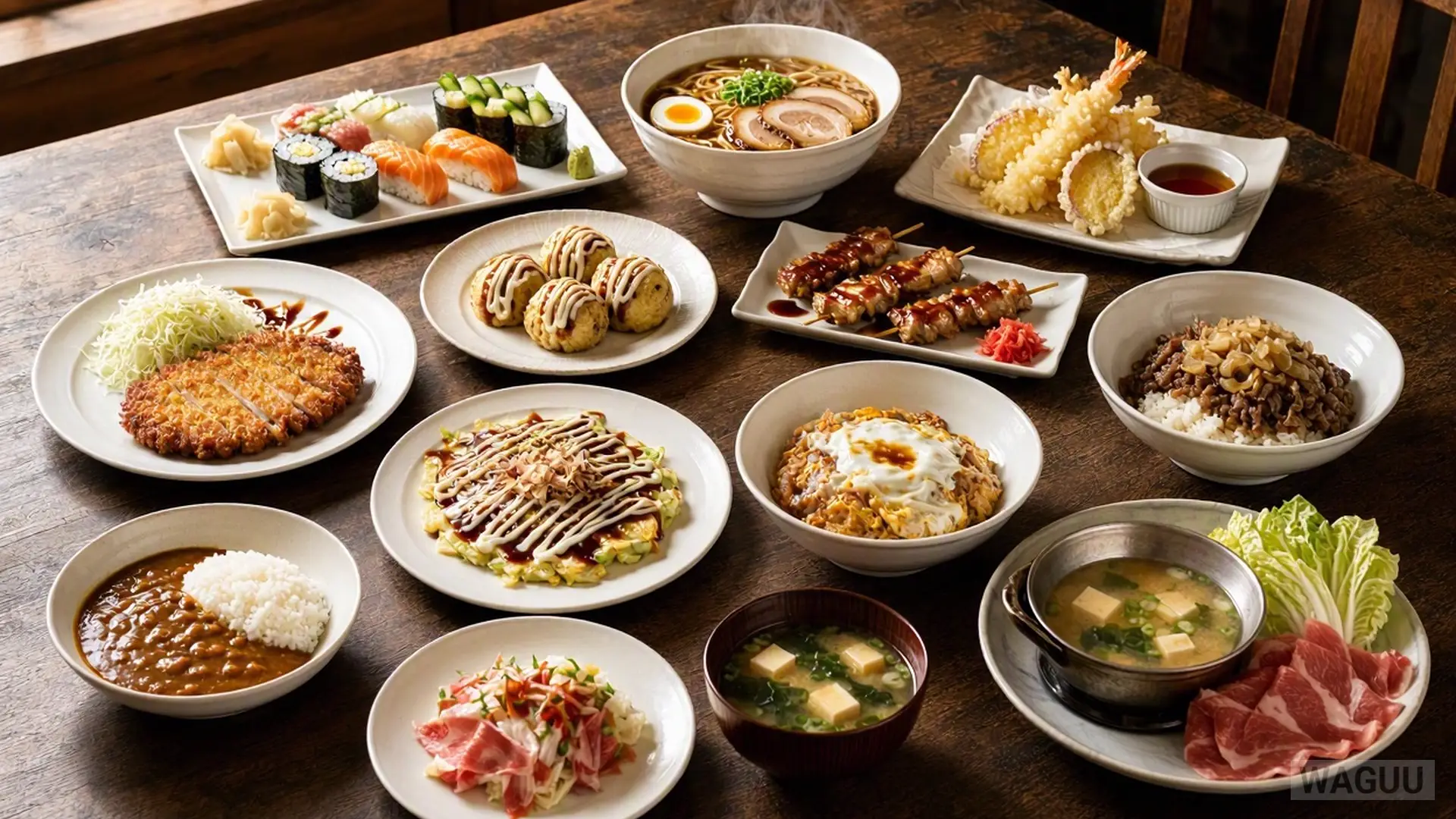
Summary: This comprehensive guide explores twelve essential Japanese dishes that define the nation’s culinary identity. Designed for home cooks and food enthusiasts, this article provides detailed insights into preparation techniques, flavour profiles, and cultural context. Reading time: 25 minutes.
Category: Articles |
Reading time: 25 minutes
Step-by-step photo gallery
Did you cook any of the variations? Share a photo in the comments under the recipe; we would love to add it to the gallery. Did you film a video tutorial? Insert a link to YouTube, YouTube Shorts, TikTok, Instagram Reels, Facebook Reels, Pinterest, Vimeo, or X (Twitter) in the comments; we would be happy to publish it.
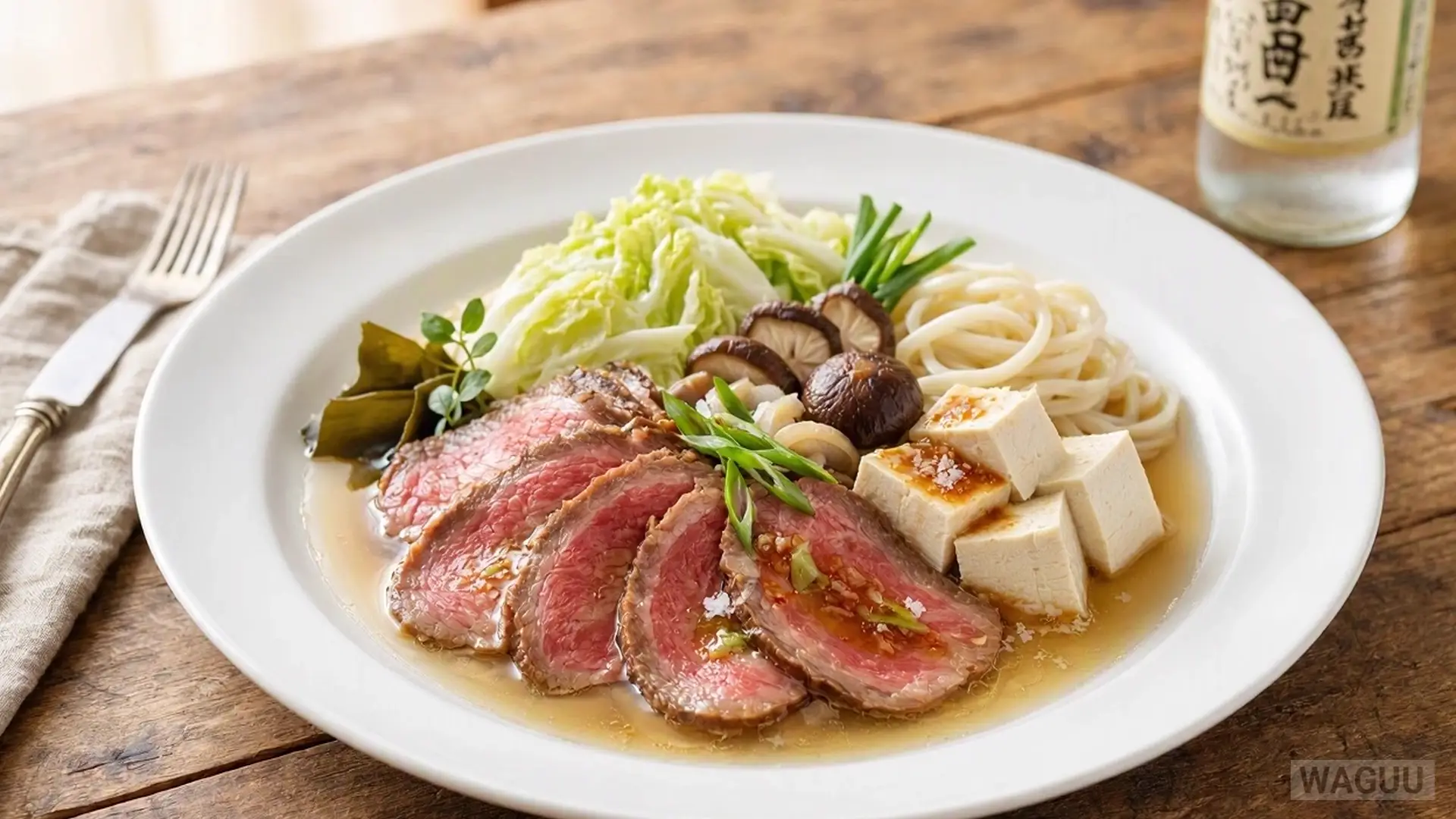
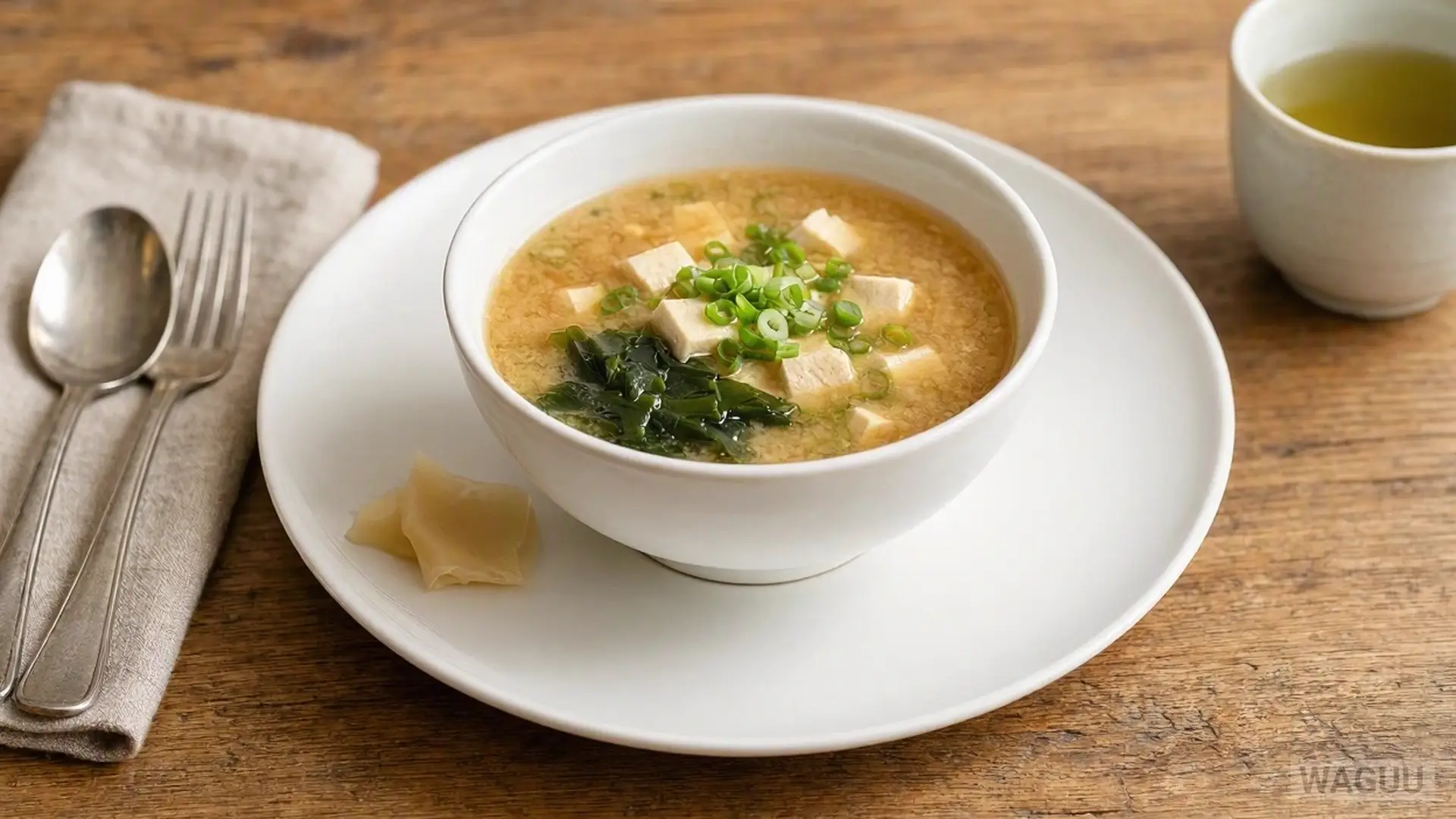
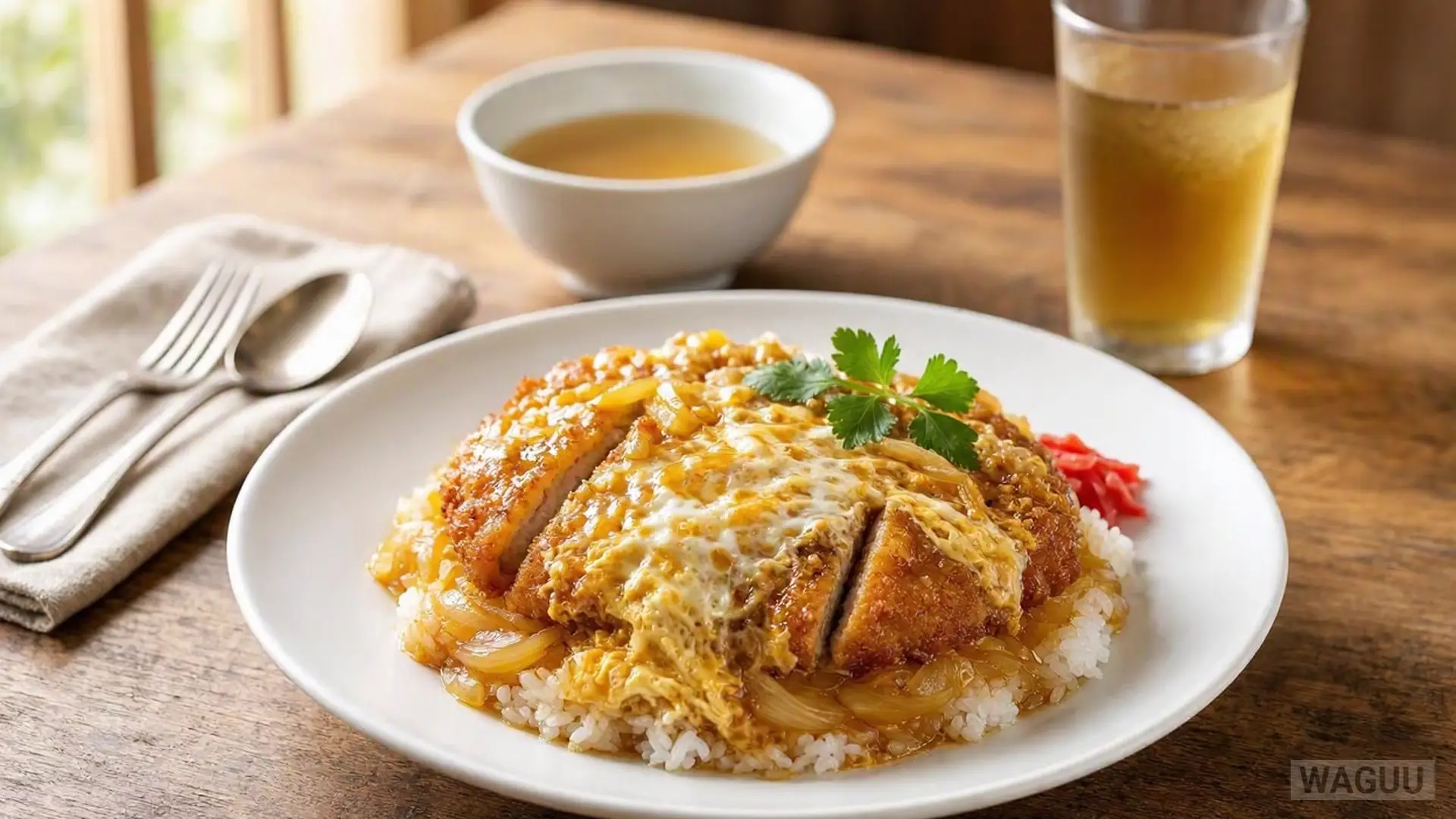
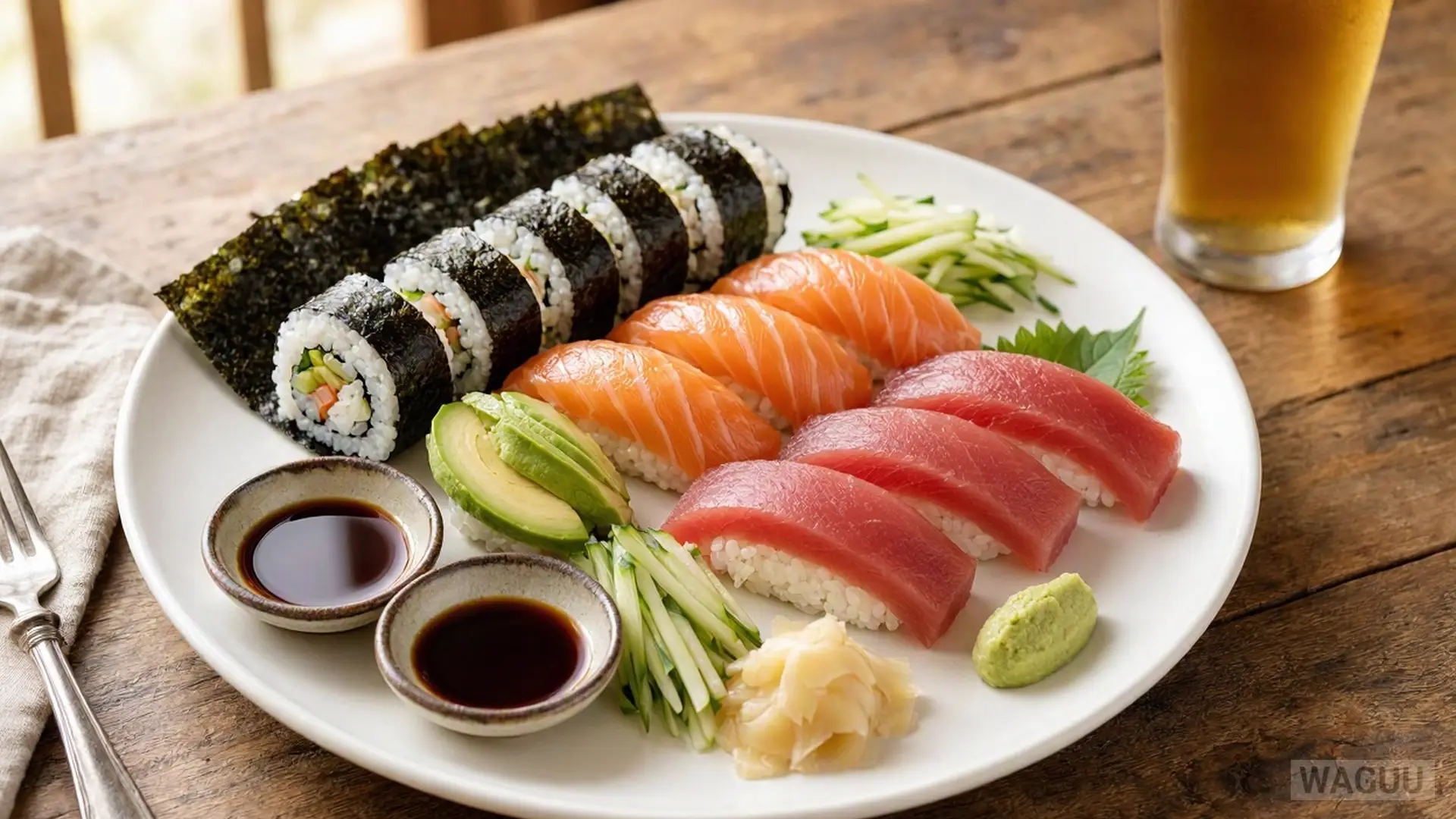
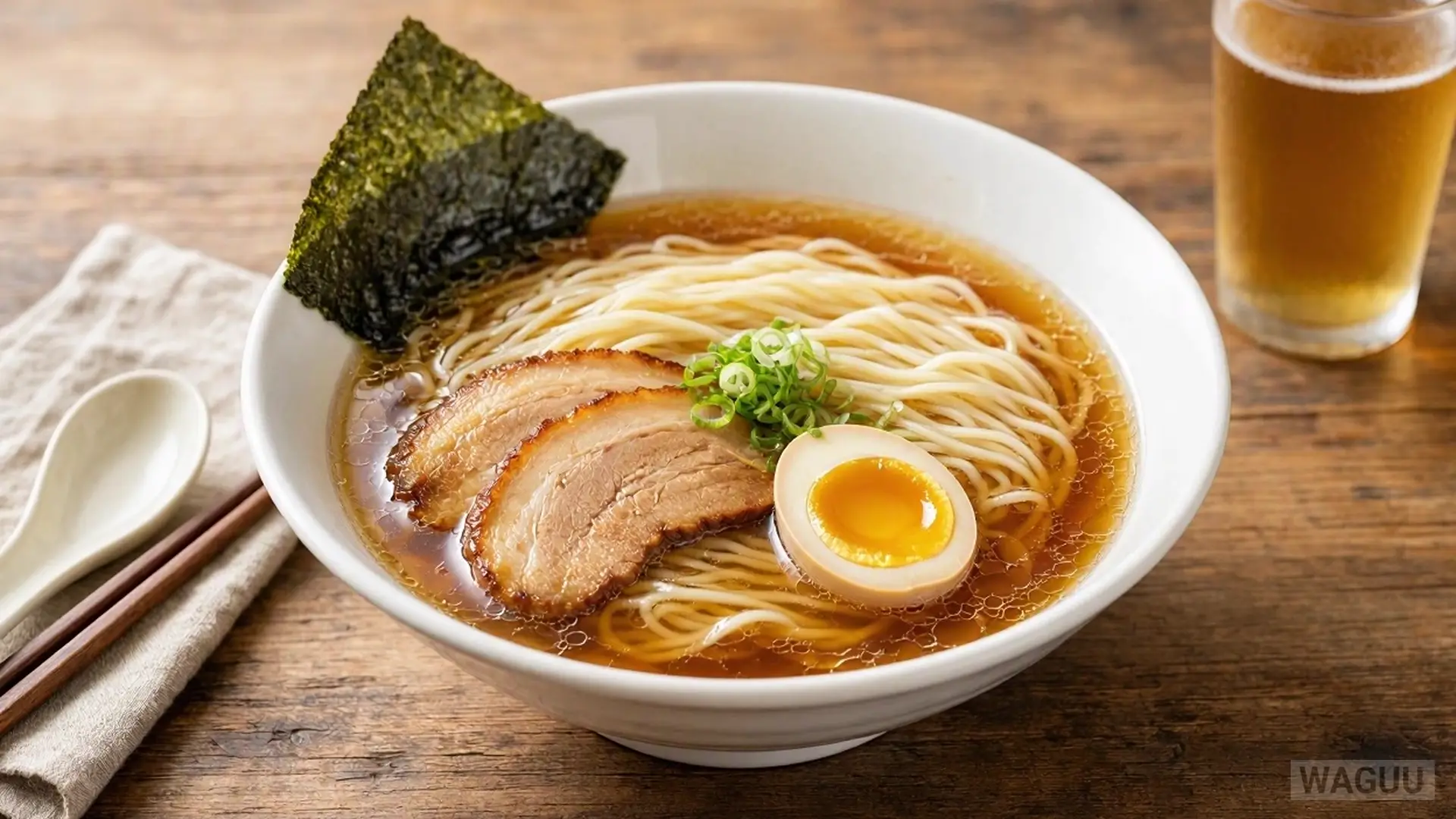
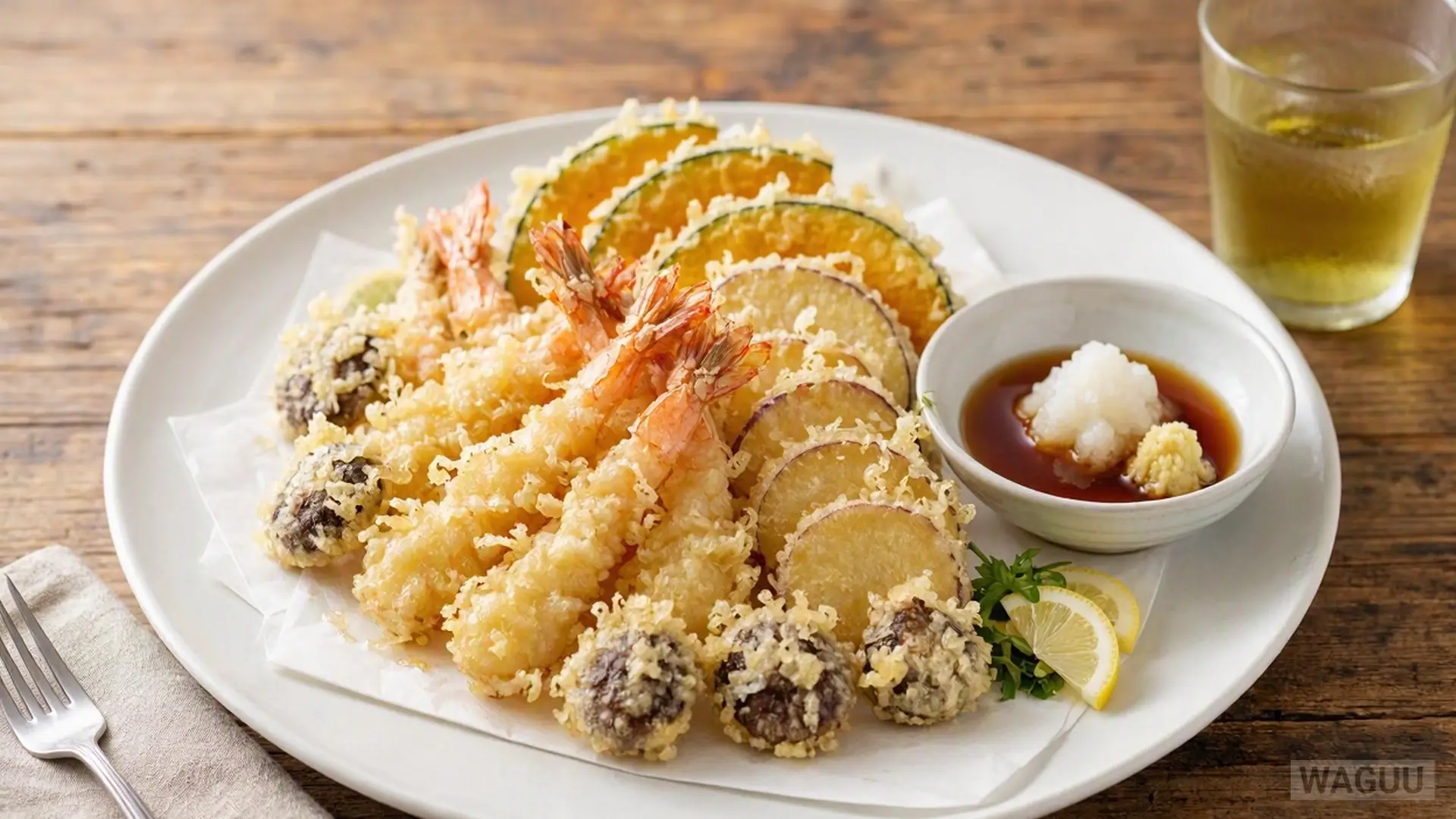
Japanese cuisine is celebrated globally for its emphasis on seasonality, high-quality ingredients, and meticulous preparation. From the delicate artistry of sushi to the comforting warmth of a bowl of ramen, these twelve dishes represent the diversity and depth of Japanese cooking traditions that you can easily recreate in your own kitchen.
Quick overview
- Topic / Dish: Popular Japanese Cuisine
- Categories: Articles
- Cuisine: Japanese
- Included variations: Sushi, Ramen, Tempura, Tonkatsu, Yakitori, Kare Raisu, Okonomiyaki, Takoyaki, Katsudon, Gyūdon, Miso Shiru, Shabu-Shabu
- Key techniques: Fermentation, deep-frying, grilling, simmering, dashi extraction
- Physical and chemical background: Umami synergy, starch gelatinisation, Maillard reaction
- Common mistakes: Overcooking rice, incorrect broth temperature, improper batter consistency
- In short: Mastering these twelve dishes provides a solid foundation for any Japanese home cook.
- Last updated: 21 September 2026
WAGUU says: “The secret to Japanese cooking lies in respecting the inherent flavour of the ingredient.”
Key facts
| Preparation time: | Varies by dish |
| Cooking time: | Varies by dish |
| Main ingredient: | Rice, dashi, soy sauce |
| Number of servings: | 6 |
| Difficulty: | Intermediate |
Method in brief
- Prepare high-quality dashi stock.
- Select fresh, seasonal produce.
- Master the art of perfectly cooked vinegared rice.
- Apply precise heat techniques for each specific dish.
- Balance flavours using soy sauce, mirin, and miso.
In a nutshell
- Umami: The core flavour profile of most Japanese dishes.
- Seasonality: Ingredients are chosen based on the current season.
- Technique: Precise knife skills and heat control are essential.
- Presentation: Aesthetics are as important as the taste.
- Simplicity: Focus on highlighting the quality of the main ingredient.
- Result: A harmonious, nutritious, and balanced meal.
Who this guide is for: Beginner – Ideal for those starting their journey into Japanese home cooking. Intermediate – Great for refining techniques and understanding flavour balances. Pro – Perfect for mastering authentic regional variations.
Favourite Japanese Recipes
Sushi
Sushi is perhaps the most iconic Japanese dish, representing a sophisticated harmony between vinegared rice and fresh seafood. The base, known as shari, requires precision; short-grain rice must be cooked to the right texture and then seasoned with a mixture of rice vinegar, sugar, and salt while warm. In a domestic setting, creating sushi allows for immense creativity, as you can incorporate various fish, vegetables, or even egg omelette. The key to success lies in the quality of the seafood and the temperature of the rice, which should ideally be served at room temperature to allow the delicate flavours to shine through. Whether you are crafting simple maki rolls or more complex nigiri, the process is deeply rewarding and reflects the Japanese philosophy of simplicity and refinement.
Main ingredients: Short-grain rice, rice vinegar, nori sheets, sashimi-grade fish, cucumber, wasabi, soy sauce.
- Rinse the rice until the water runs clear and cook until tender.
- Fold in the vinegar seasoning while the rice is still warm.
- Slice the fish and vegetables into thin, uniform strips.
- Assemble the rolls on a bamboo mat, pressing firmly to ensure they hold their shape.
Ramen
Ramen is a deeply comforting noodle soup that has evolved into a culinary art form in Japan. At its heart lies an aromatic broth, which can take hours or even days to develop, alongside alkaline wheat noodles that provide a distinct, firm texture. The dish is highly customisable, typically finished with slices of tender meat, a marinated soft-boiled egg, spring onions, and nori. The complexity of ramen comes from the balance between the tare—a concentrated seasoning base—and the broth itself, which can be based on chicken, pork, or seafood. For the home cook, the challenge is to build layers of flavour that don’t overwhelm the palate, resulting in a bowl that is both satisfying and intellectually stimulating to eat.
Main ingredients: Wheat noodles, chicken or pork broth, soy sauce or miso tare, chashu pork, egg, spring onions, nori.
- Simmer the bones and aromatics to create a rich, flavourful broth.
- Prepare the tare by combining soy sauce, mirin, and dashi components.
- Cook the noodles until al dente and drain thoroughly.
- Assemble the bowl by layering the tare, broth, and noodles, then adding toppings.
Tempura
Tempura showcases the Japanese approach to frying, where the goal is to create a light, crispy coating that protects the succulent interior of the ingredient. Whether using prawns or seasonal vegetables like sweet potato or courgette, the batter must be mixed just before frying and kept cold to ensure it remains airy rather than oily. The technique involves dipping the ingredients into a thin mixture of flour, egg, and ice-cold water, then deep-frying them briefly until they reach a pale golden hue. When served with a light dipping sauce made from dashi, soy sauce, and mirin, tempura offers a wonderful contrast in texture that highlights the natural sweetness and freshness of the underlying produce.
Main ingredients: Prawns, seasonal vegetables, cake flour, egg, ice water, dashi, soy sauce.
- Prepare the batter by whisking flour with ice-cold water and egg.
- Slice vegetables and clean prawns, ensuring they are dry.
- Dip the ingredients into the batter and fry in hot oil until crisp.
- Serve immediately with a warm dipping sauce.
Tonkatsu
Tonkatsu is a beloved comfort dish consisting of a thick pork cutlet that is breaded in panko and deep-fried to golden perfection. The panko breadcrumbs are crucial, as they are larger and airier than standard breadcrumbs, providing that signature crunch. Served traditionally with a sweet and tangy tonkatsu sauce, shredded cabbage, and a side of steamed rice, this dish is a masterclass in texture. The pork must be tenderised slightly before cooking to ensure it remains juicy, while the frying oil must be kept at a consistent temperature to cook the cutlet through without burning the exterior. It is a hearty, satisfying meal that demonstrates how simple ingredients, when treated correctly, can become something truly extraordinary.
Main ingredients: Pork loin or fillet, panko breadcrumbs, flour, egg, tonkatsu sauce, cabbage, rice.
- Tenderise the pork cutlet and season with salt and pepper.
- Dredge the pork in flour, dip in beaten egg, and coat thoroughly with panko.
- Deep-fry until the cutlet is golden brown and cooked through.
- Slice into strips and serve with shredded cabbage and sauce.
Yakitori
Yakitori refers to bite-sized pieces of chicken skewered and grilled, usually over binchotan charcoal, which imparts a unique smokiness. The beauty of yakitori lies in its simplicity; the chicken can be seasoned simply with salt, or brushed with a sweet and savoury tare sauce that caramelises during the grilling process. Every part of the chicken, from the thigh to the skin and even the cartilage, is used, reflecting the Japanese principle of waste reduction. Mastering yakitori at home requires careful attention to heat management to ensure the chicken is perfectly cooked through while maintaining a succulent texture. It is the quintessential social food, perfect for sharing with friends and family during a relaxed meal.
Main ingredients: Chicken thigh, spring onions, salt, soy sauce, mirin, sake, sugar.
- Cut the chicken into uniform, bite-sized pieces.
- Thread the chicken onto skewers, alternating with pieces of spring onion.
- Grill over high heat, brushing with tare or seasoning with salt.
- Turn regularly to ensure even cooking and caramelisation.
Kare Raisu
Kare Raisu, or Japanese curry, is a staple of home cooking, known for its thick, mildly spiced, and slightly sweet sauce. Unlike Indian or Thai curries, Japanese curry is typically thickened with a roux and features chunks of meat, potatoes, carrots, and onions. It is a deeply comforting dish that is often served over a generous portion of white rice. The flavour profile is approachable and warming, making it a favourite among families. The key to a great curry is the slow simmering process, which allows the vegetables to soften and the flavours to meld into a rich, cohesive sauce. It is a dish that tastes even better the next day, as the spices have more time to develop.
Main ingredients: Beef or pork, onions, carrots, potatoes, curry roux, water, rice.
- Sauté the meat and vegetables until lightly browned.
- Add water and simmer until the ingredients are fully tender.
- Stir in the curry roux and cook until the sauce thickens.
- Serve hot over a bed of steamed white rice.
Okonomiyaki
Okonomiyaki is a savoury Japanese pancake whose name literally translates to “grilled as you like it.” This versatile dish consists of a batter made from flour, shredded cabbage, and eggs, mixed with various ingredients like pork belly, seafood, or cheese. Once cooked on a flat grill, it is generously topped with a special tangy sauce, mayonnaise, bonito flakes, and nori. Okonomiyaki is a fun and interactive dish, often cooked directly at the table. The texture is a delightful mix of soft, fluffy batter and crunchy cabbage, providing a complex eating experience. It is a fantastic way to utilise leftover ingredients, making it both a practical and delicious meal that celebrates the freedom of culinary expression.
Main ingredients: Flour, eggs, dashi, cabbage, pork belly, okonomiyaki sauce, mayonnaise, bonito flakes.
- Whisk the flour, eggs, and dashi into a smooth batter.
- Fold in the shredded cabbage and other desired ingredients.
- Pour onto a hot griddle and cook until both sides are golden.
- Brush with sauce and top with mayonnaise and bonito flakes.
Takoyaki
Takoyaki are small, round dough balls filled with pieces of octopus, originating from Osaka. These street food delights are cooked in a special moulded pan, which gives them their characteristic spherical shape. The batter, which is light and savoury, encases a piece of tender octopus, ginger, and spring onions. Once cooked, they are served hot and covered in a layer of savoury sauce, mayonnaise, and dried bonito flakes that dance on the surface due to the heat. Takoyaki are best enjoyed immediately, offering a contrast between the slightly crisp exterior and the molten, flavourful interior. They are a beloved treat that captures the vibrant and playful spirit of Japanese street food culture.
Main ingredients: Octopus, wheat flour, egg, dashi, spring onions, ginger, sauce, mayonnaise.
- Prepare a runny batter using flour, egg, and dashi.
- Pour into the takoyaki pan and add octopus and other fillings.
- Rotate the balls as they cook until they are evenly browned and spherical.
- Serve topped with sauce, mayonnaise, and bonito flakes.
Katsudon
Katsudon is a quintessential “bowl” dish that combines crispy tonkatsu with a sweet and savoury broth, egg, and onion, all served over a bed of steamed rice. The magic of katsudon lies in the contrast between the crunchy breaded pork and the silky, soft-cooked egg that binds the dish together. As the pork simmers briefly in the broth, it absorbs the flavours while retaining some of its texture. It is a popular meal for students and workers alike, often associated with good luck, and it represents the perfect balance of protein, carbohydrates, and umami. It is a warm, filling dish that is surprisingly quick to assemble once the tonkatsu is prepared.
Main ingredients: Tonkatsu, eggs, onion, dashi, soy sauce, mirin, sugar, rice.
- Simmer the sliced onions in the broth until softened.
- Place the tonkatsu on top and pour the beaten eggs over the mixture.
- Cover and cook until the eggs reach the desired consistency.
- Slide onto a bowl of hot rice and serve immediately.
Gyūdon
Gyūdon is a classic beef bowl consisting of thinly sliced beef and onions simmered in a mixture of soy sauce, mirin, and dashi, served over steaming white rice. This dish is the definition of fast, healthy, and delicious Japanese food. The thin slices of beef cook almost instantly, absorbing the sweet and savoury sauce, while the onions provide a subtle sweetness. It is often topped with pickled ginger or a soft-boiled egg to add extra layers of flavour and texture. Gyūdon is a staple of Japanese home cooking because it is easy to prepare yet incredibly satisfying, proving that complex flavours do not always require a complex or time-consuming cooking process.
Main ingredients: Thinly sliced beef, onions, soy sauce, mirin, dashi, sugar, rice.
- Sauté the onions until translucent.
- Add the beef and cook until just browned.
- Pour in the dashi, soy sauce, and mirin, simmering until the sauce reduces.
- Serve the beef and onion mixture over a bowl of rice.
Miso Shiru
Miso Shiru, or miso soup, is the soul of the Japanese meal, served at almost every breakfast, lunch, and dinner. It is made by dissolving miso paste—a fermented soybean paste—into a hot dashi stock, which provides the base umami. Common additions include tofu, wakame seaweed, and spring onions, though the ingredients can vary depending on the season and regional preference. Miso soup is not just a side dish; it is a healthy, probiotic-rich component that aids digestion and provides a comforting warmth. The key is never to boil the soup once the miso is added, as this destroys the delicate aroma and the beneficial enzymes within the paste.
Main ingredients: Dashi stock, miso paste, tofu, wakame seaweed, spring onions.
- Prepare the dashi stock by simmering kombu and bonito flakes.
- Add the tofu and wakame to the hot stock.
- Remove from the heat and whisk in the miso paste until dissolved.
- Garnish with chopped spring onions and serve immediately.
Shabu-Shabu
Shabu-Shabu is a Japanese hot pot dish where diners cook thin slices of meat and vegetables in a pot of simmering broth directly at the table. The name comes from the sound the ingredients make as they are swished through the broth—”shabu-shabu.” This interactive dining experience encourages conversation and communal eating. The meat, usually high-quality beef, is cooked for only a few seconds, ensuring it remains incredibly tender. After being cooked, the ingredients are dipped into a variety of sauces, such as sesame or ponzu. It is a light, healthy, and elegant way to enjoy high-quality ingredients, focusing on the purity of flavour and the social aspect of sharing a meal.
Main ingredients: Thinly sliced beef, Chinese cabbage, mushrooms, tofu, dashi, dipping sauces.
- Bring the dashi broth to a gentle simmer in a table pot.
- Prepare the meat and vegetables on a serving platter.
- Swish the meat and vegetables in the broth until cooked.
- Dip into sauces and enjoy immediately.
Frequently asked questions
What is the most important ingredient in Japanese cooking?
Dashi, the fundamental Japanese stock, is arguably the most important element, providing the essential umami base for most dishes.
Can I substitute ingredients in Japanese recipes?
While some substitutions are possible, maintaining the balance of soy sauce, mirin, and dashi is key to achieving authentic flavours.
Is Japanese cuisine healthy?
Yes, traditional Japanese cuisine is balanced, often featuring fresh vegetables, lean proteins, and fermented foods like miso.
How do I achieve perfect rice?
Rinsing the rice thoroughly until the water is clear is the most critical step to remove excess starch and ensure a perfect texture.
Also known as: Japanese food, Washoku, Nippon cuisine
Author: WAGUU Petr & Team • Published: 21 Sep 2026 • Updated: 30 Oct 2026
Conclusion
Japanese cuisine offers a vast landscape of flavours and techniques that are accessible to home cooks. By mastering these twelve essential dishes, you gain insight into the harmony and precision that define this celebrated culinary tradition. Start with the basics, respect your ingredients, and enjoy the process of bringing a piece of Japan into your home.
Choose your recipe
Sushi – A refined Japanese speciality made of vinegared rice.
Ramen – A hearty noodle soup with an aromatic broth.
Tempura – Prawns and vegetables coated in a light batter.
Tonkatsu – A crispy pork cutlet coated in panko.
Yakitori – Chicken pieces skewered and grilled over charcoal.
Kare Raisu – Japanese curry with meat and vegetables.
Okonomiyaki – A savoury Japanese pancake with cabbage.
Takoyaki – Round dough balls filled with octopus.
Katsudon – A bowl of rice topped with tonkatsu and egg.
Gyūdon – A bowl of rice topped with simmered beef.
Miso Shiru – A traditional soup made from dashi and miso.
Shabu-Shabu – Thin slices of meat cooked in hot broth.
Other possible variations
Vegetarian Sushi
Uses marinated shiitake or pickled daikon instead of fish, perfect for a plant-based diet without sacrificing the authentic vinegared rice flavour.
Spicy Ramen
Incorporates chilli oil or spicy miso paste into the broth, ideal for those who prefer a bold, heat-forward profile.
Vegetable Tempura
Focuses exclusively on seasonal root vegetables, offering a lighter, earthier alternative to the traditional prawn-based version.
Chicken Katsu
Replaces pork with chicken breast, providing a leaner protein option while maintaining the classic crispy panko crust.
Negima Yakitori
Features chicken thigh and spring onion exclusively, showcasing the most popular and balanced flavour combination in grilled skewers.
Katsu Curry
Combines the curry and tonkatsu recipes into one bowl, creating a rich and indulgent meal that is extremely popular in Japanese households.
Seafood Okonomiyaki
Adds squid and prawns to the batter, providing a richer, oceanic depth of flavour to the standard cabbage-based pancake.
Cheese Takoyaki
Includes a small cube of melting cheese inside the ball, creating a decadent, gooey contrast to the firm octopus centre.
Chicken Katsudon
Uses tenderised chicken instead of pork, offering a lighter version of this classic comfort bowl.
Beef Gyūdon with Egg
Features a soft-poached egg on top, which creates a rich, creamy sauce when broken over the seasoned beef and rice.
Red Miso Soup
Uses aged red miso for a deeper, more robust flavour, perfect for pairing with stronger main courses.
Tofu Shabu-Shabu
Replaces meat with varied tofu types, ideal for a light, vegetarian-friendly hot pot experience.
Brown Rice Sushi
Uses nutty brown rice, providing a healthier, fibre-rich alternative to traditional white sushi rice.
Tonkotsu Ramen
Features a creamy, pork-bone based broth, favoured by those who prefer a rich and indulgent soup base.
Sweet Potato Tempura
Highlights the natural sweetness of sweet potato, offering a delightful contrast to the savoury dipping sauce.
Pork Belly Tonkatsu
Uses fatty pork belly for extra succulence, appealing to those who appreciate a richer meat texture.
Tskune Yakitori
Uses minced chicken skewers, creating a soft, flavourful bite that is easy to eat and perfectly grilled.
Vegetable Curry
Focuses on a variety of seasonal vegetables, creating a vibrant, nutrient-dense curry without the need for meat.
Hiroshima-style Okonomiyaki
Layers the ingredients with noodles, creating a more substantial and complex pancake texture.
Ginger Takoyaki
Increases the amount of pickled ginger for a sharper, more refreshing bite that cuts through the rich batter.
Beef Katsudon with Mushrooms
Adds earthy mushrooms to the broth, enhancing the umami profile of this classic bowl.
Onion-heavy Gyūdon
Doubles the onion content for a sweeter sauce, perfect for those who enjoy the balance of caramelised onion and beef.
Clam Miso Soup
Uses fresh clams for an oceanic intensity, providing a sophisticated twist on the standard miso soup.
Seafood Shabu-Shabu
Focuses on scallops, prawns, and white fish, offering a lighter, delicate alternative to beef-based hot pot.
Do you know another variation? Add your own suggestion below.
Missing a recipe?
Tell us what recipe you would like us to add. We will do our best to publish it soon!
Frequently asked questions about other variations
- Can I use different types of meat? Yes, most Japanese recipes are highly adaptable to chicken, pork, or even seafood.
- Are these variations authentic? Many reflect regional or household preferences common across Japan.
- How do I balance the spice level? Adjust chilli and ginger amounts according to your personal preference.
- Are there gluten-free options? Use tamari instead of soy sauce to make most recipes gluten-free.
- Can I make these in advance? Many curries and broths taste even better when prepared a day ahead.
- Are there vegetarian alternatives? Yes, dashi can be made from kombu alone for a vegan base.
- What is the best way to serve these? Always serve hot, with fresh garnishes like spring onion.
- How can I store leftovers? Store in airtight containers in the fridge for up to two days.
Contact: 12-most-popular-japanese-dishes-favourite-japanese-cuisine-recipes@waguu.online