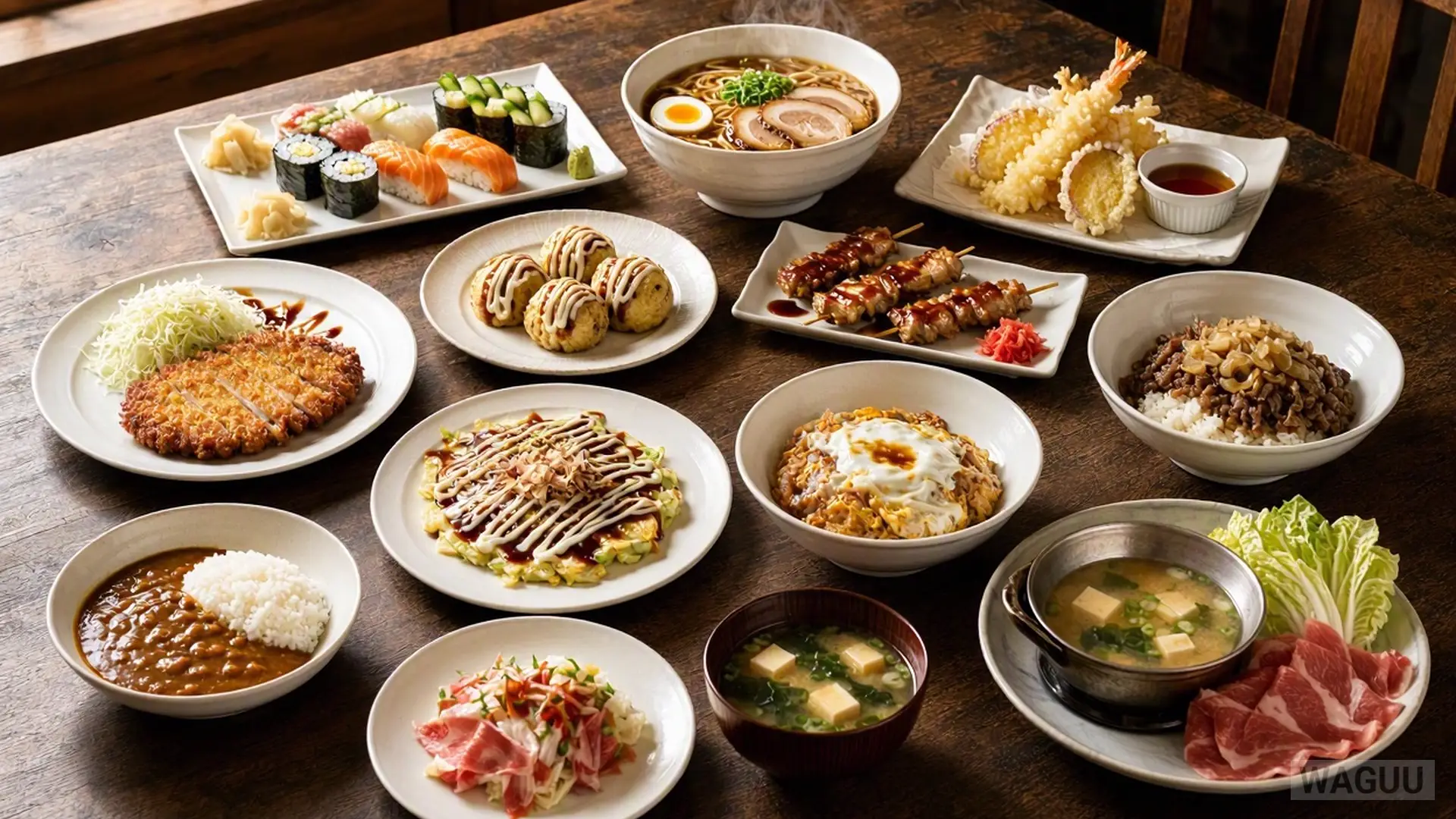
Summary: Explore 12 iconic Japanese dishes that form the heart of Japanese home cooking and restaurant culture. Learn essential cooking techniques, underlying food chemistry, traditional seasonings, and step-by-step guidance for mastering sushi, ramen, tempura, tonkatsu, and more in your home kitchen. Intended for home cooks, food enthusiasts, and beginners looking to master authentic Asian flavors. Estimated reading time: 20 minutes.
Category: Articles |
Reading time: 20 minutes
Step-by-step photo gallery
Did you cook any of the variations? Share a photo in the comments below the recipe, we’d love to add it to the gallery. Did you film a video tutorial? Post a link to YouTube, YouTube Shorts, TikTok, Instagram Reels, Facebook Reels, Pinterest, Vimeo, or X (Twitter) in the comments, we’d be happy to publish it.
Japanese cuisine is celebrated globally for its delicate balance of flavors, fresh seasonal ingredients, and health-conscious preparation methods. From heart-warming noodle soups to crisp, golden deep-fried dishes and carefully rolled sushi, Japanese cooking harmonizes taste, texture, and visual elegance. Understanding the core staples of Japanese home cooking allows you to recreate authentic restaurant-quality meals effortlessly in your own kitchen.
Quick overview
- Topic / Dish: 12 Most Popular Japanese Dishes: Favorite Recipes of Japanese Cuisine
- Categories: Japanese Cuisine, Main Dishes, Soups, Appetizers
- Cuisine: Japanese
- Included variations: Sushi, Ramen, Tempura, Tonkatsu, Yakitori, Kare Raisu, Okonomiyaki, Takoyaki, Katsudon, Gyūdon, Miso Shiru, Shabu-Shabu
- Key techniques: Rice seasoning, broth extraction, deep-frying in light batter, searing, simmer stewing, table-side hot pot cooking
- Physical and chemical background: Glutamate and inosinate synergy for umami extraction, starch gelatinization in short-grain rice, Maillard reaction in glazes and breaded cutlets, icy temperature control for tempura batter crispness
- Common mistakes: Over-washing rice starch completely, using warm water for tempura batter, boiling miso paste, using low-heat oil for frying cutlets, choosing overly tough cuts for rapid simmering
- In a nutshell: Master dashi, short-grain rice, soy sauce, mirin, and sake to unlock authentic Japanese home cooking.
- Last updated: May 18, 2026
WAGUU says: “The secret to authentic Japanese flavor lies in umami synergy—combining dashi, soy sauce, and mirin unlocks natural depth without heavy fat or excessive spices.”
Key facts
| Prep time: | 15–45 minutes |
| Cook time: | 10–120 minutes |
| Main ingredient: | Short-grain rice, wheat noodles, dashi stock, pork, beef, seafood |
| Servings: | 2–4 servings |
| Difficulty: | Easy to Intermediate |
Procedure at a glance
- Prepare a rich dashi stock using kombu kelp and bonito flakes as the foundational umami base.
- Rinse short-grain Japanese rice thoroughly until water runs clear, soak for 30 minutes, and steam to soft perfection.
- Combine primary seasonings including Japanese soy sauce, mirin, sake, and rice vinegar to form authentic sauces.
- Apply quick heat techniques such as deep-frying in ice-cold batter or flash-simmering thin beef slices to retain natural moisture.
- Garnish dishes with fresh green onions, toasted sesame seeds, pickled ginger, and nori strips before serving immediately.
In a nutshell
- Flavor Foundation: Japanese cooking relies heavily on dashi, soy sauce, sake, and mirin to deliver balanced umami.
- Rice Quality: Short-grain rice offers the required stickiness and texture essential for sushi and rice bowls.
- Crispy Batter Secrets: Ice water prevents gluten formation, resulting in ultra-light tempura and tender panko breading.
- Broth Extraction: Long simmering extracts collagen for ramen, while rapid steeping preserves delicate aromatics in miso soup.
- Precision Cuts: Thin slicing allows quick cooking times, ensuring tender meat in rice bowls and hot pot dishes.
- Result: Clean, comforting, highly nutritious meals that highlight the pristine taste of every single ingredient.
Who this guide is for: Beginner – Learn basic rice cooking, quick bowl assembly, and classic broth simmer techniques. Intermediate – Master light batter deep-frying, home-brewed ramen broths, and delicate roll assembly. Pro – Perfect precise knife cuts, hot pot temperature balancing, and complex homemade tare sauces.
12 Essential Japanese Dishes You Can Cook at Home
Japanese cuisine is far more accessible than it appears at first glance. While high-end sushi chef training takes years to master, everyday Japanese home cooking relies on simple, repeatable cooking techniques and high-quality seasonal ingredients. The key to authentic Japanese cooking is mastering a few core staples: short-grain Japanese rice, dashi kelp broth, soy sauce, sweet mirin rice wine, and cooking sake. With these essential pantry items in your cupboard, you can cook virtually every iconic Japanese dish from scratch.
Below is an in-depth breakdown of the 12 most beloved Japanese dishes, featuring culinary background, ingredient selections, precise preparation steps, and direct links to comprehensive step-by-step recipes.
1. Sushi
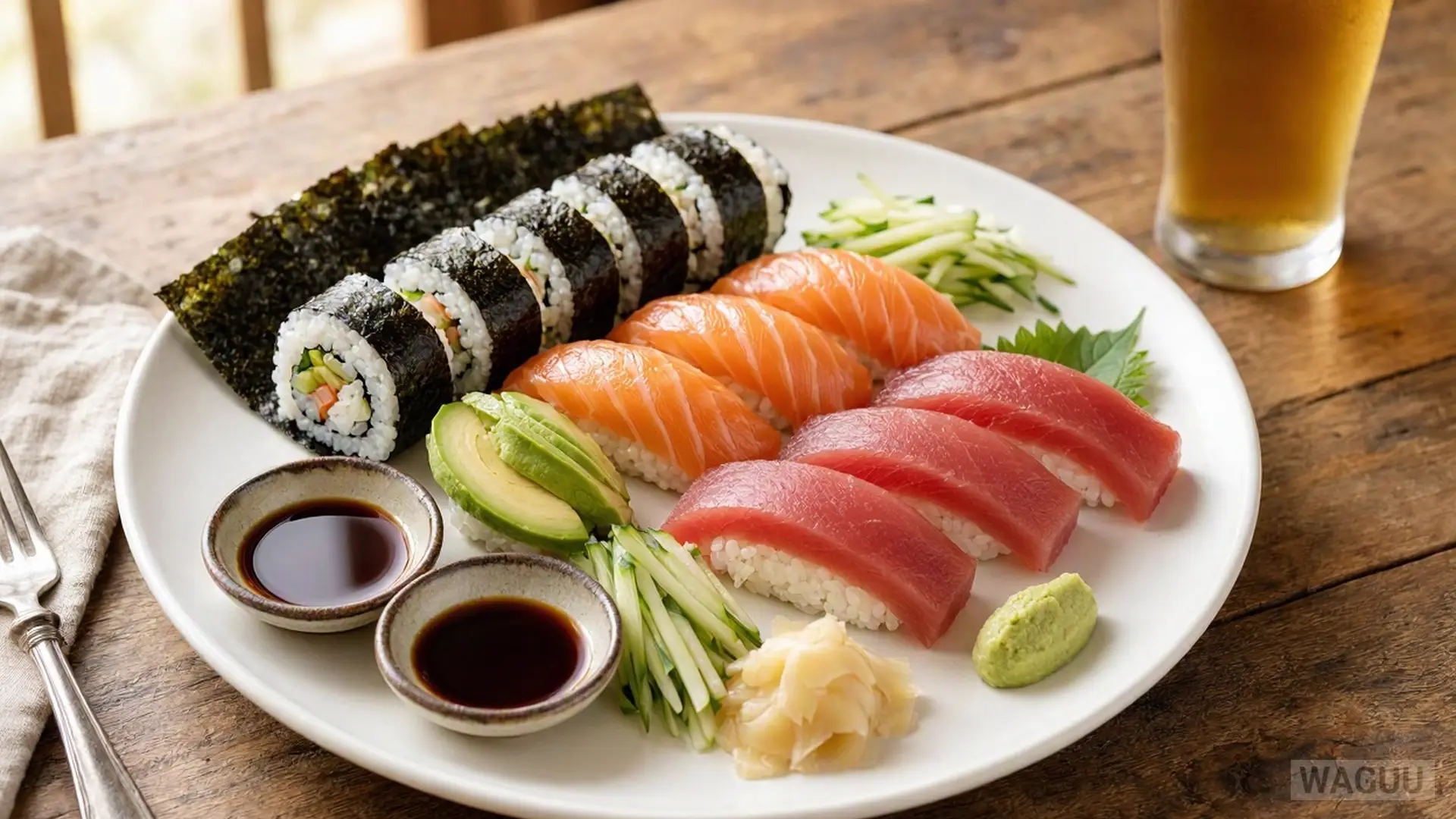
Sushi is perhaps Japan’s most world-renowned culinary export, originating centuries ago as a method for preserving fish in fermented rice. Today, sushi refers specifically to dishes prepared with vinegared short-grain rice (shari) paired with raw or cooked seafood, vegetables, and crisp nori seaweed sheets. The secret to extraordinary homemade sushi resides not in the raw fish alone, but in the texture and flavor balance of the rice itself. Japanese short-grain rice must be thoroughly rinsed in cold water to remove excess surface starch, soaked for 30 minutes, steamed, and gently tossed with a warmed mixture of rice vinegar, sugar, and sea salt. As the rice cools to body temperature, each grain absorbs the sweet-and-sour seasoning while maintaining its structural integrity without turning mushy. When constructing rolls (maki) or pressed hand-shaped rice balls (nigiri), high-grade sashimi-grade fish such as salmon, yellowtail, or tuna must be kept thoroughly chilled. Paired with fresh cucumber, avocado, spicy mayonnaise, or pickled daikon, home-prepared sushi provides a clean, elegant, and deeply refreshing dining experience that showcases the pure natural flavors of ocean-fresh ingredients.
- 1.5 cups Japanese short-grain sushi rice
- 2 tbsp rice vinegar
- 1 tbsp granulated sugar
- 1 tsp sea salt
- 8 oz sashimi-grade raw salmon or tuna
- 4 sheets crisp nori seaweed
- 1 cucumber, cut into long thin strips
- 1 ripe avocado, sliced thin
- Rinse rice thoroughly until water runs completely clear, steam with equal parts water, and cool while folding in warmed rice vinegar, sugar, and salt.
- Place a sheet of nori on a bamboo rolling mat, spread an even layer of cooled rice leaving 0.5 inches at the top edge, and place strips of fish and vegetables horizontally across the center.
- Roll tightly using the bamboo mat, slice into 8 equal bite-sized pieces with a damp, sharp chef knife, and serve with pickled ginger, wasabi, and soy sauce.
Explore the complete recipe: 12 Most Popular Japanese Dishes: Favorite Recipes of Japanese Cuisine
2. Ramen
Ramen is the ultimate Japanese comfort food—a steaming bowl of chewy wheat noodles swimming in a deeply savory, rich broth loaded with fragrant toppings. Though originally adapted from Chinese wheat noodle soups, ramen evolved into a complex regional art form across Japan. The soul of any great bowl of ramen is its broth, constructed from a harmony of dashi stock, simmered chicken or pork bones, aromatic garlic and ginger, and a concentrated seasoning base known as tare (soy sauce, miso, or sea salt). Chewy alkaline wheat noodles (kansui noodles) provide a firm springiness that holds up under hot broth without softening too quickly. Classic ramen toppings include tender slow-braised pork belly (chashu), jammy soft-boiled marinated eggs (ajitsuke tamago), crisp menma bamboo shoots, wood ear mushrooms, and thinly sliced scallions. The interplay between hot, umami-laden liquid and toothsome noodles creates a deeply comforting sensory experience. Making ramen broth at home allows you to control salt levels while extracting lush, silky gelatin from pork or chicken bones for a restaurant-worthy bowl.
- 14 oz fresh alkaline ramen noodles
- 4 cups chicken stock or pork bone broth
- 2 cups dashi stock
- 3 tbsp soy sauce or miso paste
- 8 slices braised pork belly (chashu)
- 2 soft-boiled marinated eggs, halved
- 2 green onions, thinly sliced
- 1 tsp sesame oil
- Simmer stock and dashi together with minced ginger and garlic, then whisk in soy sauce or miso tare to form a rich broth.
- Boil fresh ramen noodles in salted water for 2 minutes until al dente, drain thoroughly, and divide between two deep warm serving bowls.
- Ladle hot broth over the noodles, arrange sliced chashu, soft-boiled egg halves, scallions, and bamboo shoots on top, and drizzle with toasted sesame oil.
Explore the complete recipe: 12 Most Popular Japanese Dishes: Favorite Recipes of Japanese Cuisine
3. Tempura
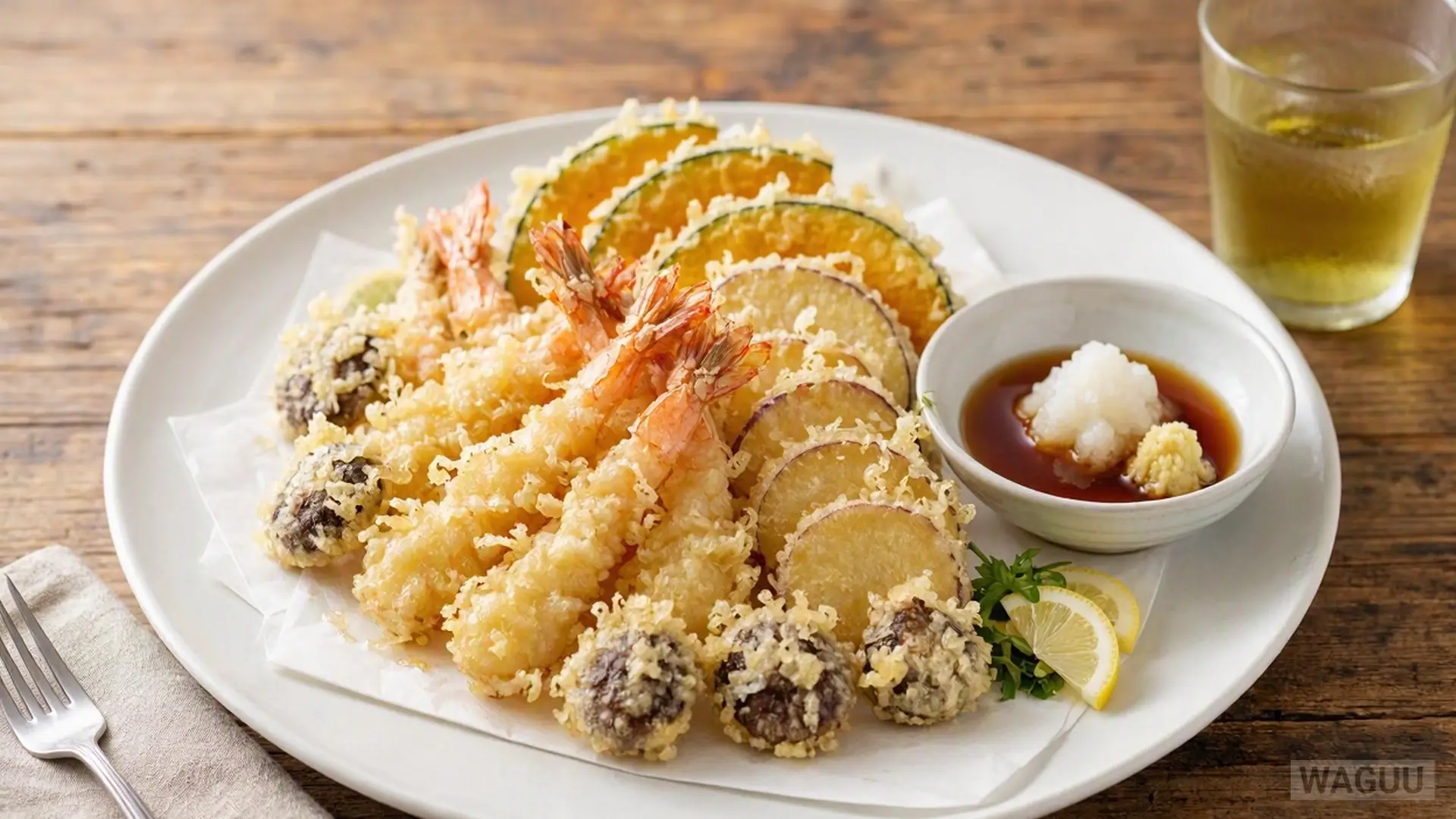
Tempura showcases the refined art of Japanese deep-frying, transforming fresh seafood and delicate garden vegetables into crisp, golden treasures without an ounce of heaviness. Introduced to Japan by Portuguese traders in the 16th century, tempura was perfected by Japanese chefs who created a uniquely light, lace-like batter. The secret to sublime tempura lies in cold temperature management and minimal gluten development. The batter consists simply of ice-cold water, an egg yolk, and low-protein cake flour mixed gently with chopsticks just seconds before frying. Lumps in the batter are intentional; over-mixing creates gluten, resulting in a tough, greasy crust rather than a crisp shell. Succulent jumbo shrimp, sweet potato slices, kabocha squash, bell peppers, and shiitake mushrooms are dusted lightly in dry flour, dipped in ice-cold batter, and dropped into hot oil maintained at 340°F to 350°F. The moisture inside the ingredient steams rapidly, while the thin batter flash-fries into a crisp, delicate coating. Served with a dipping sauce made of dashi, mirin, and soy sauce alongside freshly grated daikon radish, tempura remains airy, light, and remarkably grease-free.
- 12 large raw shrimp, peeled and devined
- 1 sweet potato, sliced into 0.25-inch rounds
- 8 shiitake mushroom caps
- 1 cup cake flour
- 1 ice-cold egg yolk
- 1 cup ice water
- 4 cups neutral vegetable oil for frying
- 0.5 cup dashi dipping sauce (tentsuyu)
- Whisk ice water and egg yolk together, then barely fold in cake flour with chopsticks, leaving visible lumps in the cold batter.
- Heat vegetable oil in a deep pot to 345°F; lightly dredge shrimp and sliced vegetables in dry flour, then dip briefly into the cold batter.
- Fry in small batches for 2 to 3 minutes until crisp and barely golden, drain on a wire rack, and serve immediately with tentsuyu dipping sauce.
Explore the complete recipe: 12 Most Popular Japanese Dishes: Favorite Recipes of Japanese Cuisine
4. Tonkatsu
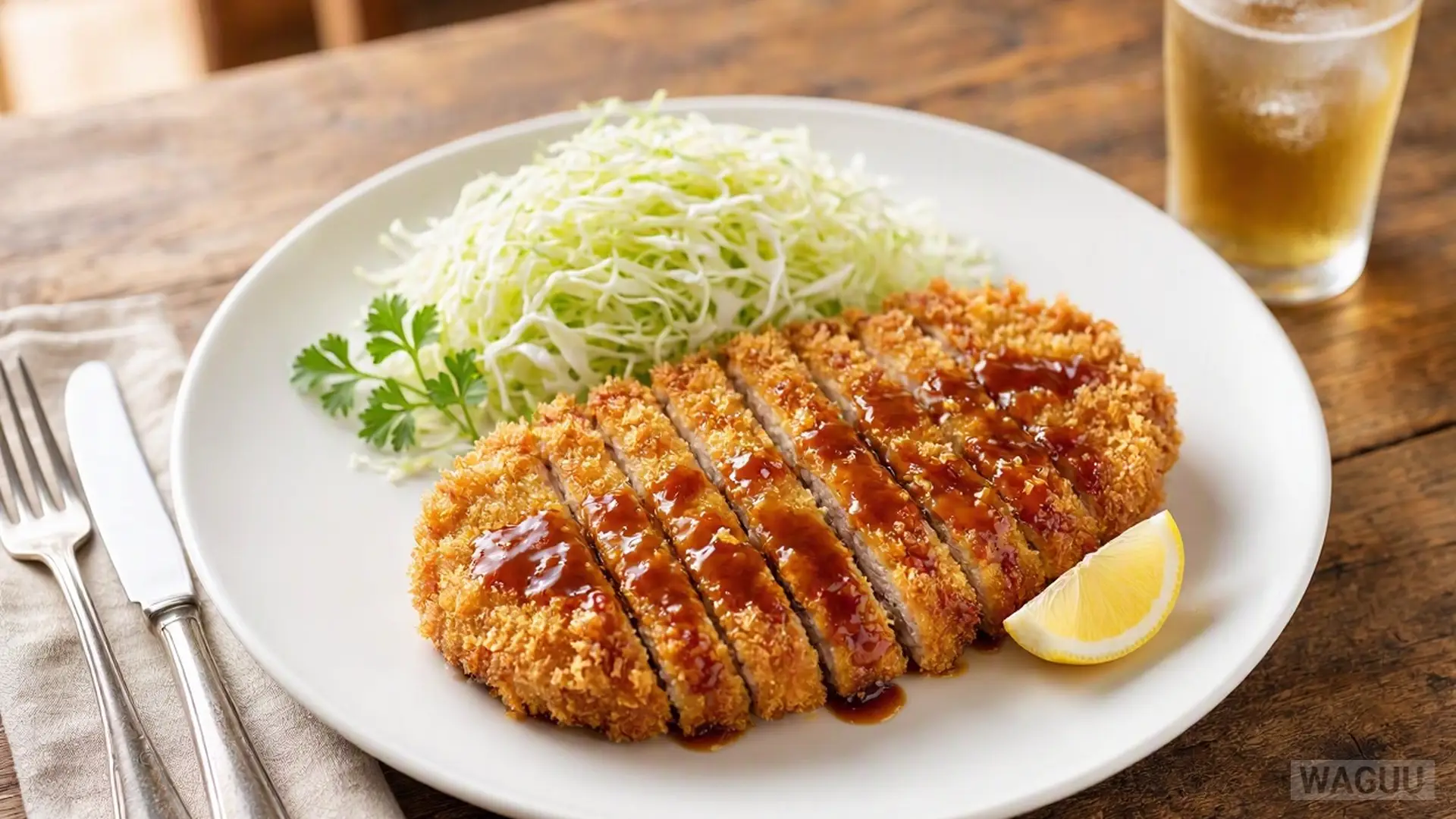
Tonkatsu is a cornerstone of Yoshoku—Western-style dishes adapted into Japanese culinary culture during the Meiji era. This satisfying dish features a thick, juicy pork cutlet breaded in airy Japanese panko breadcrumbs and deep-fried until shatteringly crisp on the outside and tender within. Pork loin (for a leaner cut) or pork shoulder/roast (for richer marbling) is pounded slightly, seasoned with salt and black pepper, dusted in flour, coated in beaten egg, and thoroughly covered in coarse panko crumbs. Unlike fine European breadcrumbs, panko flakes are larger and airier, absorbing far less oil during frying while creating a signature crunchy texture. Fried at 340°F, the pork cooks through evenly while maintaining internal juices. Tonkatsu is traditionally sliced into thick, bite-sized strips and served alongside a mountain of finely shredded raw green cabbage, steamed white rice, hot yellow mustard (karashi), and a rich, sweet-and-savory tonkatsu sauce made from Worcestershire sauce, soy sauce, ketchup, and grated fruit. The crisp cabbage neutralizes rich flavors, making every bite balanced and clean.
- 4 boneless pork loin chops (6 oz each, 0.75-inch thick)
- 0.5 cup all-purpose flour
- 2 large eggs, beaten
- 1.5 cups coarse Japanese panko breadcrumbs
- 0.5 tsp sea salt and black pepper
- 4 cups cabbage, shredded wafer-thin
- 0.5 cup tonkatsu sauce
- Oil for deep frying
- Score pork fat cap, season chops with salt and pepper, and dredge sequentially in flour, beaten egg, and panko breadcrumbs, pressing firmly.
- Heat 1.5 inches of oil in a heavy skillet to 340°F and fry cutlets for 5 to 6 minutes, flipping once until golden brown and internal temperature reaches 145°F.
- Rest cutlets on a wire rack for 3 minutes, slice into strips, and serve alongside shredded cabbage, hot rice, and savory tonkatsu sauce.
Explore the complete recipe: 12 Most Popular Japanese Dishes: Favorite Recipes of Japanese Cuisine
5. Yakitori
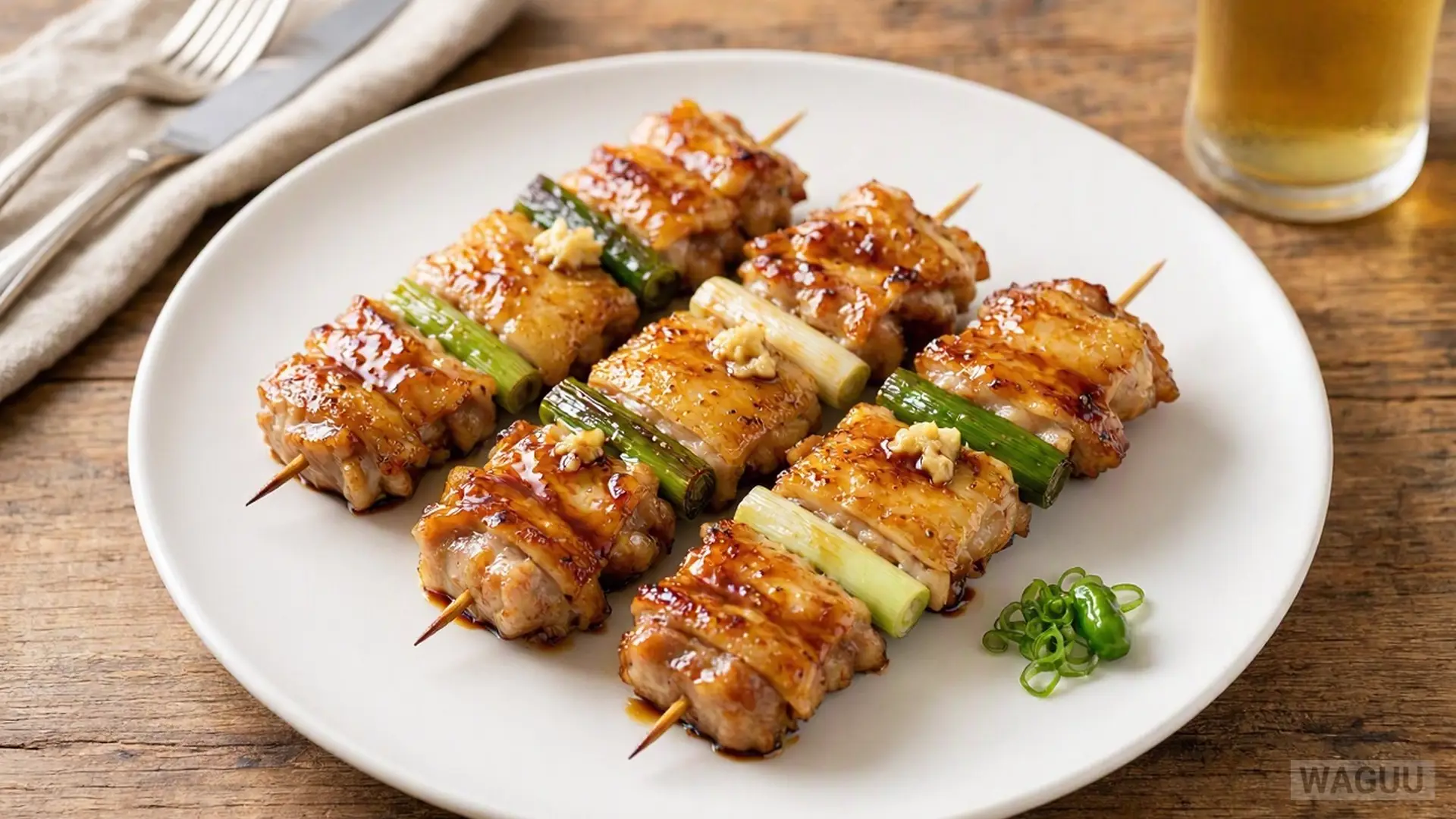
Yakitori refers to bite-sized pieces of chicken skewered on bamboo sticks and grilled over high heat, traditionally using smokeless binchotan charcoal. Found everywhere from neighborhood izakayas (Japanese pubs) to specialized street stalls, yakitori celebrates every part of the bird, including chicken thigh, breast, skin, meatballs (tsukune), wings, and liver. The meat is seasoned in one of two ways: Shio (sea salt) or Tare (a thick, caramelized glaze made from soy sauce, mirin, sake, and sugar reduced with chicken bones). Threaded onto soaked bamboo skewers—often alternated with sweet green scallion segments—the chicken cooks rapidly over intense heat, producing a smoky, slightly charred exterior while preserving soft, juicy meat inside. Basting skewers repeatedly with tare glaze during the final stages of grilling builds up glossy, deeply savory layers of umami flavor. Served hot directly off the grill alongside a cold beverage, yakitori represents Japanese street food at its finest, emphasizing minimalist preparation and intense natural flavors.
- 1.5 lb skinless, boneless chicken thighs, cut into 1-inch cubes
- 2 bunches green onions, cut into 1-inch pieces
- 0.5 cup soy sauce
- 0.5 cup mirin
- 0.25 cup cooking sake
- 2 tbsp brown sugar
- 10 bamboo skewers, soaked in water for 30 minutes
- Simmer soy sauce, mirin, sake, and sugar in a small saucepan for 10 minutes until glossy and reduced by half to create tare glaze.
- Thread alternating pieces of chicken thigh and green onion segments onto soaked bamboo skewers.
- Grill skewers over medium-high heat for 8 to 10 minutes, brushing liberally with tare glaze during the last 3 minutes until caramelized and thoroughly cooked.
Explore the complete recipe: 12 Most Popular Japanese Dishes: Favorite Recipes of Japanese Cuisine
6. Kare Raisu
Kare Raisu (Japanese Curry Rice) is one of the most widely consumed home-cooked dishes in Japan. Unlike spicy, herb-heavy Indian curries or fiery Thai coconut curries, Japanese curry is thick, velvety, mildly spiced, and subtly sweet. Introduced by the British Navy during the Anglo-Japanese alliance in the late 19th century, Japanese cooks transformed curry powder into a rich roux-based stew tailored to local tastes. The dish combines tender chunks of beef, pork, or chicken with hearty root vegetables like onions, carrots, and potatoes simmered in a flavorful broth. A dark roux made from butter, flour, curry powder, and garam masala thickens the stew, while grated apples, honey, soy sauce, and Worcestershire sauce add signature depth and mild sweetness. Ladled generously over a mound of hot, fluffy Japanese white rice and accompanied by tangy, crimson fukujinzuke pickles, Kare Raisu is hearty, deeply satisfying, and even better when reheated the next day after flavors fully meld together.
- 1 lb chuck roast or beef stew meat, cubed
- 2 yellow onions, chopped
- 2 carrots, cut into bite-sized chunks
- 2 russet potatoes, peeled and cut into chunks
- 3 tbsp butter and 3 tbsp flour (for roux)
- 2 tbsp Japanese curry powder
- 3 cups beef or chicken stock
- 1 tbsp grated apple and 1 tbsp soy sauce
- Brown beef cubes and onions in a Dutch oven, add carrots, potatoes, and stock, and simmer gently for 20 minutes until vegetables are soft.
- Melt butter in a separate pan, stir in flour and curry powder, and cook for 5 minutes to form a dark, fragrant roux paste.
- Ladle hot broth into roux, whisk until smooth, return to the main pot, stir in grated apple and soy sauce, and simmer for 10 minutes until thick; serve over hot rice.
Explore the complete recipe: 12 Most Popular Japanese Dishes: Favorite Recipes of Japanese Cuisine
7. Okonomiyaki
Okonomiyaki is a savory Japanese street pancake translated literally as “grilled as you like it.” Originating in Osaka and Hiroshima, this interactive dish combines shredded green cabbage, flour, eggs, dashi stock, and grated mountain yam (nagaimo) into a fluffy pancake batter. Thin slices of pork belly are pressed onto the top before the pancake is flipped on a hot griddle, creating a crispy bacon-like layer. Once cooked through, okonomiyaki is adorned with a decadent array of toppings: sweet and tangy okonomiyaki sauce, Japanese Kewpie mayonnaise drizzled in crisscross ribbons, aromatic green seaweed powder (aonori), and smoky bonito flakes (katsuobushi) that dance animatedly in the rising heat. The contrast between the soft, steamy interior, crisp cabbage, savory pork, and rich sauces makes okonomiyaki an addictive culinary treat. It is perfect for fun family dinners or social gatherings where guests can customize ingredients with seafood, cheese, or green onions.
- 4 cups green cabbage, finely shredded
- 1 cup all-purpose flour
- 0.75 cup dashi stock
- 2 large eggs
- 6 slices thin pork belly strips
- 0.25 cup okonomiyaki sauce
- 3 tbsp Japanese Kewpie mayonnaise
- Bonito flakes (katsuobushi) and aonori seaweed powder for garnish
- Whisk flour, dashi stock, and eggs into a smooth batter, then fold in shredded cabbage until thoroughly coated.
- Pour batter into a thick round pancake on a hot oiled griddle, top with pork belly strips, and cook for 5 minutes until golden.
- Flip carefully, cover pan to steam cook for 5 minutes, flip back, and brush generously with okonomiyaki sauce, Kewpie mayo, bonito flakes, and aonori.
Explore the complete recipe: 12 Most Popular Japanese Dishes: Favorite Recipes of Japanese Cuisine
8. Takoyaki
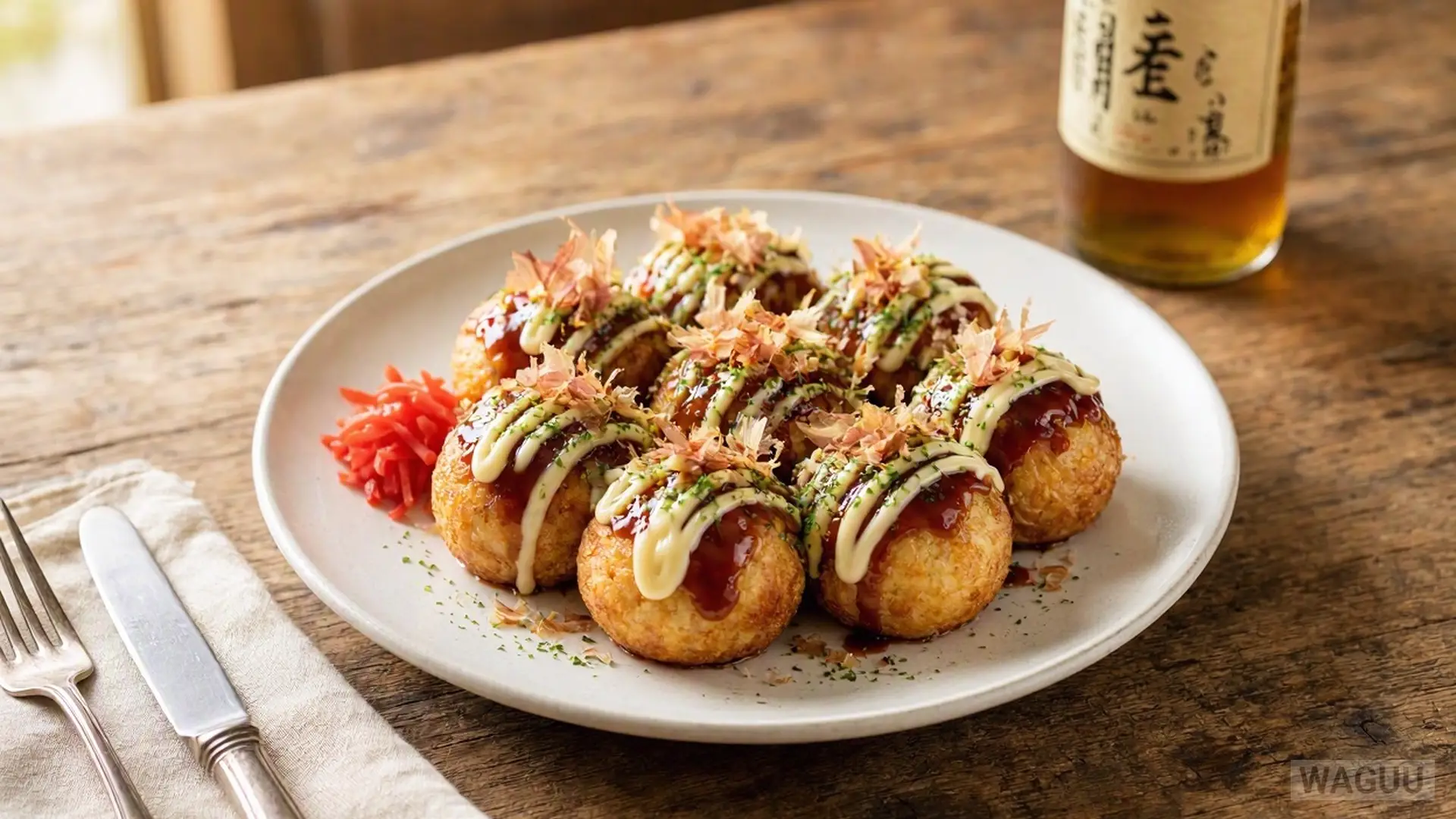
Takoyaki—famous octopus balls born in Osaka—are iconic street food snacks found at summer festivals and dedicated street stalls across Japan. These round, bite-sized batter balls are cooked in a cast-iron pan featuring hemispherical molds. The savory batter, made from flour, dashi stock, soy sauce, and eggs, is poured into hot oil-brushed molds. Tender pieces of poached octopus (tako), pickled red ginger (beni shoga), green onions, and crunchy tempura scraps (tenkasu) are dropped into each mold. Using wooden skewers or metal picks, vendors flip the batter continuously at 90-degree angles, creating perfectly smooth, golden spheres with a crisp exterior and a creamy, hot lava-like interior. Served fresh and piping hot, takoyaki balls are drizzled with savory brown takoyaki sauce, Japanese mayonnaise, green seaweed sprinkles, and fluttering bonito flakes. The interplay between tender octopus, rich batter, and smoky toppings provides an unforgettable street food experience.
- 1 cup all-purpose flour
- 1.5 cups cold dashi stock
- 1 large egg
- 1 tsp soy sauce
- 0.5 lb cooked octopus tentacles, cut into 0.5-inch dice
- 0.25 cup pickled red ginger (beni shoga), minced
- 0.25 cup tempura scraps (tenkasu)
- Takoyaki sauce, Kewpie mayo, and bonito flakes for serving
- Whisk flour, cold dashi stock, egg, and soy sauce together to form a thin, liquid batter.
- Heat a takoyaki pan over medium heat, grease molds generously with oil, and fill molds to the brim with batter.
- Drop octopus pieces, ginger, and tenkasu into molds; turn batter 90 degrees repeatedly using skewers as it cooks until perfectly round and golden. Serve brushed with sauce and toppings.
Explore the complete recipe: 12 Most Popular Japanese Dishes: Favorite Recipes of Japanese Cuisine
9. Katsudon
Katsudon is a beloved Japanese rice bowl (donburi) that elevates leftover or freshly fried tonkatsu pork cutlets into a rich, sweet-and-savory masterpiece. The name combines “katsu” (pork cutlet) and “don” (rice bowl dish). To prepare katsudon, sliced sweet yellow onions are simmered in a small skillet filled with a sweet dashi broth seasoned with soy sauce, mirin, and sugar. Once onions soften, a freshly fried, sliced panko pork cutlet is laid directly over the simmering broth. Lightly beaten eggs are drizzled in a ring around and over the cutlet, then covered with a lid for barely 60 seconds. The eggs cook until softly set and silky, binding the crispy cutlet and savory onions together while absorbing rich umami broth. This steamy, savory mixture is slid gently over a deep bowl of hot steamed rice. The cutlet offers a satisfying contrast of soft, broth-soaked edges and crispy centers, making Katsudon the ultimate satisfying quick meal for students and busy workers alike.
- 1 cooked Tonkatsu pork cutlet, sliced
- 0.5 yellow onion, thinly sliced
- 0.5 cup dashi stock
- 1.5 tbsp soy sauce
- 1.5 tbsp mirin
- 1 tsp sugar
- 2 large eggs, lightly beaten
- 2 cups hot steamed short-grain rice
- Simmer sliced onions in dashi, soy sauce, mirin, and sugar in a small skillet until translucent and soft.
- Lay sliced pork cutlet over simmered onions, pour beaten eggs over cutlet, cover pan, and cook for 1 minute until eggs are softly set.
- Slide entire cutlet and egg mixture onto a deep bowl filled with hot steamed rice and garnish with chopped scallions or mitsuba leaves.
Explore the complete recipe: 12 Most Popular Japanese Dishes: Favorite Recipes of Japanese Cuisine
10. Gyūdon
Gyūdon (Beef Rice Bowl) is one of Japan’s most ubiquitous, fast, and comforting weeknight meals. Featuring paper-thin slices of fatty beef ribeye or short plate simmered alongside sweet yellow onions in a fragrant dashi broth seasoned with soy sauce, mirin, sake, and sugar, Gyūdon balances speed and rich flavor. Thin slicing allows the beef to cook in under 5 minutes without turning tough or chewy. As the onions render their natural sweetness into the simmer liquid, the beef absorbs the savory glaze while creating a rich, glossy sauce. The tender beef and onion topping is spooned over a deep bowl of steaming white rice, allowing savory juices to soak down into the grains. Classic garnishes include red pickled ginger (beni shoga), a sprinkle of shichimi togarashi (seven-spice powder), and an poached egg or raw egg yolk stirred into the hot rice for luxurious, creamy richness.
- 0.75 lb thinly sliced beef ribeye or short plate
- 1 yellow onion, sliced thin
- 0.5 cup dashi stock
- 2.5 tbsp soy sauce
- 2 tbsp mirin
- 1 tbsp cooking sake
- 1 tbsp sugar
- 2 cups hot steamed short-grain rice
- Bring dashi stock, soy sauce, mirin, sake, and sugar to a boil in a skillet; add sliced onions and simmer for 5 minutes until soft.
- Add paper-thin beef slices to simmering pan, separating pieces, and cook for 3 to 4 minutes until beef is just cooked through.
- Ladle simmered beef, onions, and savory sauce over deep bowls of steamed white rice; top with red pickled ginger and serve hot.
Explore the complete recipe: 12 Most Popular Japanese Dishes: Favorite Recipes of Japanese Cuisine
11. Miso Shiru
Miso Shiru (Miso Soup) is an indispensable element of traditional Japanese meals, served alongside breakfast, lunch, or dinner. This light, deeply soothing soup combines basic dashi broth with fermented soybean paste (miso). Dashi provides clean glutamate base notes extracted from kombu kelp and bonito flakes, while miso paste contributes fermented depth, subtle sweetness, and probiotic benefits. Depending on the region and season, cooks select white miso (shiromiso, mild and sweet), red miso (akamiso, rich and salty), or a balanced blend (awase miso). Classic ingredients simmered in miso soup include delicate silken tofu cubes, rehydrated wakame seaweed, shiitake mushrooms, and fresh green onions. Crucially, miso paste must never be boiled directly in the soup pot; high temperatures destroy delicate probiotic cultures and alter clean fermented aromas. Instead, hot dashi stock is ladled over miso paste in a strainer bowl to dissolve it smoothly before removing the pan from heat.
- 4 cups fresh dashi stock
- 3 tbsp miso paste (white, red, or mixed)
- 7 oz silken or medium-firm tofu, cut into 0.5-inch cubes
- 2 tbsp dried wakame seaweed
- 2 green onions, thinly sliced
- Rehydrate dried wakame seaweed in cold water for 5 minutes, drain, and set aside.
- Heat dashi stock in a saucepan until gently simmering; add diced tofu and rehydrated wakame and heat through for 1 minute.
- Turn off heat, dissolve miso paste into broth using a ladle and fine mesh strainer, stir gently, add green onions, and serve immediately.
Explore the complete recipe: 12 Most Popular Japanese Dishes: Favorite Recipes of Japanese Cuisine
12. Shabu-Shabu
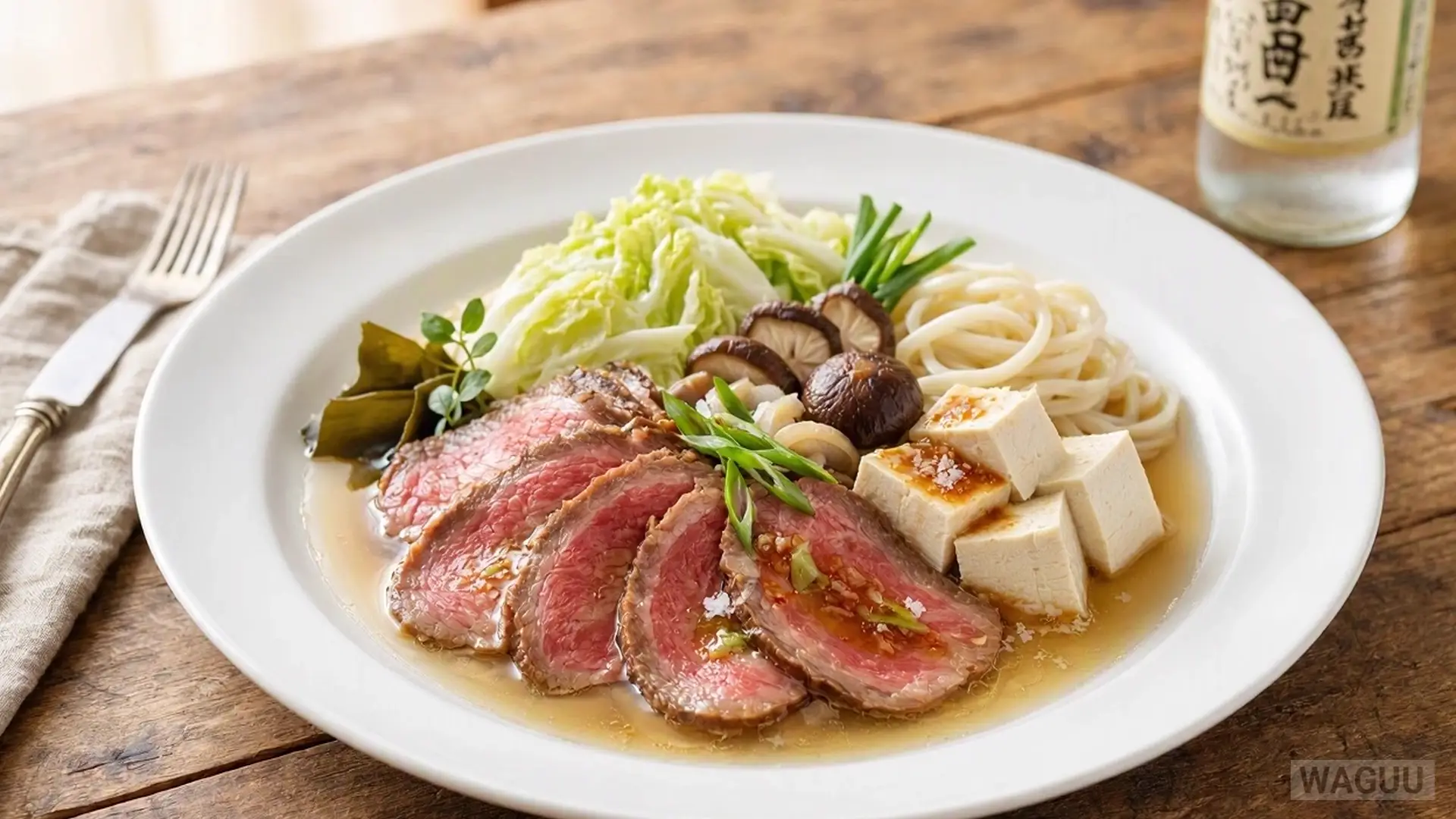
Shabu-Shabu is a famous Japanese hot pot dish named onomatopoeically after the swishing sound meat makes when swirled back and forth through boiling broth. Designed for interactive table-side dining, a pot of simmering kombu dashi broth sits atop a portable burner at the center of the dining table. Surrounding the hot pot are platters of paper-thin sliced high-grade beef (such as ribeye or Wagyu), Napa cabbage, crown daisy greens, enoki and shiitake mushrooms, tofu, and glass noodles. Diners pick up individual slices of raw meat with chopsticks, swish them briefly in simmering dashi for 5 to 10 seconds until medium-rare, and dip them into vibrant homemade dipping sauces. The two quintessential dipping sauces are citrusy Ponzu (soy sauce, citrus juice, and rice vinegar) and creamy Goma-dare (roasted sesame paste sauce). As the meal progresses, vegetable juices and rendered beef fats enrich the simmering broth, which is traditionally enjoyed at the end of the meal combined with udon noodles or rice to make a comforting soup finish.
- 1 lb paper-thin sliced beef ribeye or sirloin
- 1 piece kombu dried kelp (4×4 inches)
- 6 cups water
- 0.5 head Napa cabbage, chopped
- 1 package enoki mushrooms and shiitake mushrooms
- 1 block firm tofu, cut into cubes
- 0.5 cup ponzu sauce and 0.5 cup sesame sauce (goma-dare)
- Soak kombu kelp in water inside a wide hot pot for 30 minutes, heat until almost boiling, and remove kelp.
- Place hot pot on a table burner, add hardy vegetables and tofu, and maintain a gentle simmer.
- Swish paper-thin beef slices in boiling broth for 5 to 10 seconds until barely pink, dip immediately into ponzu or sesame sauce, and enjoy.
Explore the complete recipe: 12 Most Popular Japanese Dishes: Favorite Recipes of Japanese Cuisine
Japanese Cooking Essentials
Mastering Japanese home cooking relies on understanding basic flavor combinations and pantry essentials. The fundamental seasoning rule in Japanese culinary arts follows the “Sa-Shi-Su-Se-So” guidelines: Sugar (Sa), Salt (Shi), Vinegar (Su), Soy Sauce (Se – Seuyu), and Miso (So). Below is a chemical and functional breakdown of key ingredients used across these 12 classic dishes.
| Ingredient | Primary Role & Flavor Profile |
|---|---|
| Dashi (Kombu + Bonito) | Provides foundational umami via glutamic and inosinic acids without adding heavy fat. |
| Mirin (Sweet Rice Wine) | Adds subtle sweetness, natural gloss to glazes, and prevents protein breakdown during simmering. |
| Japanese Soy Sauce (Shoyu) | Delivers deep savory saltiness and rich caramel notes created through wheat fermentation. |
| Miso Paste | Fermented soybean paste offering complex earthy notes, natural enzymes, and intestinal health benefits. |
| Short-Grain Rice | High-amylopectin starch rice providing sticky texture ideal for chopsticks and sushi shaping. |
WAGUU Pro Tip: To make instant homemade dashi without boiling, steep 1 piece of dried kombu kelp and 1 cup of bonito flakes in 4 cups of cold water in the refrigerator overnight. Strain for a pristine, ultra-clear broth!
Frequently asked questions
What is the single most important ingredient in Japanese cooking?
Dashi stock is the indisputable foundation of Japanese cuisine. It provides essential umami savory notes to soups, sauces, simmered dishes, and batters without introducing heavy fat or overpowering spices.
Can I substitute long-grain jasmine rice for Japanese short-grain rice?
It is not recommended. Long-grain rice varieties like Jasmine or Basmati lack high amylopectin starch content, meaning they will not stick together properly for sushi or traditional rice bowl dishes.
How do I keep tempura batter light and crispy?
Use ice-cold water, barely mix the flour (leave lumps visible), and fry immediately in hot oil maintained at 340°F to 350°F. Over-mixing creates gluten, which turns batter tough and soggy.
Why shouldn’t miso paste be boiled?
Boiling miso destroys beneficial probiotic microorganisms, degrades delicate aromatic compounds, and alters the smooth texture of fermented soybean paste. Always turn off the heat before stirring in miso.
Also known as: Washoku dishes, Japanese home cooking recipes, classic Japanese comfort food
Author: WAGUU Petr & Team • Published: 30 Oct 2026
Conclusion
Exploring Japanese home cooking reveals a world where simple preparation techniques unlock deep, rich natural flavors. Whether you start with a quick 15-minute Gyūdon beef bowl, a piping hot bowl of classic Miso Shiru, or crisp homemade Tempura, mastering these 12 iconic recipes will transform your everyday kitchen routine. Select a dish below to view the complete detailed recipe guide with full step-by-step instructions.
Choose your recipe
Click on any of our featured recipes below to jump directly to detailed cooking instructions, precise ingredient ratios, and professional tips:
Sushi – Classic vinegared short-grain rice paired with fresh sashimi salmon, cucumber, and crisp nori seaweed.
Ramen – Hearty wheat noodles in rich umami broth topped with tender pork belly chashu and soft-boiled eggs.
Tempura – Succulent shrimp and sweet vegetables coated in ice-cold batter and deep-fried until lace-crisp.
Tonkatsu – Thick pork chops breaded in airy Japanese panko and fried until golden; served with cabbage and savory tonkatsu sauce.
Yakitori – Skewered chicken thigh and scallions grilled over high heat with sweet caramelized tare glaze.
Kare Raisu – Comforting Japanese beef and vegetable curry stewed in mild curry roux and served over fluffy rice.
Okonomiyaki – Savory cabbage pancake topped with pork belly, sweet okonomiyaki sauce, mayo, and dancing bonito flakes.
Takoyaki – Round batter balls stuffed with octopus, cooked in cast-iron molds, and topped with savory sauces.
Katsudon – Crisp panko pork cutlet simmered in sweet dashi broth with onions and silky eggs over rice.
Gyūdon – Tender thinly sliced beef and onions simmered quickly in soy-mirin dashi over hot steamed white rice.
Miso Shiru – Soothing traditional soup combining fresh dashi broth, fermented miso paste, tofu, and wakame seaweed.
Shabu-Shabu – Interactive table-side hot pot with paper-thin sliced beef and vegetables cooked in broth and dipped in ponzu.
Other possible variations
Nigiri Sushi
Nigiri consists of hand-pressed oval mounds of vinegared rice draped with a slice of raw salmon, tuna, or cooked butterflied shrimp. It differs from rolled maki sushi by omitting seaweed wrappers, putting full emphasis on pristine knife work and raw fish freshness. Ideal for seafood lovers wanting a clean, classic sushi experience.
Hosomaki Sushi
Hosomaki are small thin rolls containing just a single filling ingredient wrapped tightly in nori and rice, such as cucumber (kappa maki) or raw tuna (tekka maki). These minimal rolls offer quick preparation for beginners, making them lightweight snacks or starter courses for children.
Shoyu Ramen
Shoyu Ramen features a clear, tangy broth seasoned primarily with Japanese soy sauce infused with dashi and chicken stock. It provides a lighter taste profile compared to heavy pork broth ramen, appealing to diners seeking clean comfort food without excessive fat.
Tonkotsu Ramen
Tonkotsu Ramen utilizes pork marrow bones boiled continuously over high heat for 12 hours until collagen emulsifies into a milky, ultra-rich broth. It is much heavier and heartier than soy sauce broth, making it perfect for winter evenings or late-night dining.
Ebi Tempura (Shrimp Tempura)
Ebi Tempura focuses exclusively on large jumbo shrimp straightened with tiny belly slits before dipping in cold batter. This variation delivers maximum crunch and succulent seafood flavor, often served over rice bowls (Tendon) or hot noodle soups.
Kakiage (Vegetable Nest Tempura)
Kakiage is made by tossing thinly julienned carrots, onions, and burdock root into tempura batter and frying them together into a crispy web-like disk. It is budget-friendly, vegetarian, and provides an extraordinary crunchy texture.
Chicken Katsu
Chicken Katsu substitutes boneless chicken breast or thigh cutlets for pork loin, breading and deep-frying them in crisp panko. It provides a lighter alternative with higher protein and lower fat content while maintaining identical crispiness.
Cheese Tonkatsu
Cheese Tonkatsu features pork cutlets stuffed with stretchy mozzarella or American cheese before breading and deep-frying. The molten cheese oozes out when sliced, offering a fusion treat popular among younger food lovers.
Negima Yakitori
Negima is the classic yakitori variation threading juicy chicken thigh pieces alternately with sweet Tokyo scallion segments. The charred scallions cut through chicken richness, creating balanced smoky aromas.
Tsukune Yakitori
Tsukune consists of seasoned ground chicken meatballs skewered and glazed repeatedly in sweet tare sauce while grilling. Often served with a raw egg yolk for dipping, it offers tender textures and rich flavor.
Beef Kare Raisu
Beef Kare Raisu uses braised chuck roast stewed slowly until tender in rich caramelized curry gravy. It is a hearty winter standard providing deeper savory notes than lighter chicken curry versions.
Katsu Curry
Katsu Curry combines two classic comfort foods by placing a freshly fried crispy pork or chicken cutlet directly over a plate of rice smothered in thick Japanese curry sauce. It is decadent, highly filling, and popular in restaurants.
Hiroshima-style Okonomiyaki
Hiroshima okonomiyaki layers ingredients individually instead of mixing them into a single batter, including a crepe base, shredded cabbage, pork belly, fried yakisoba noodles, and a fried egg. It is significantly larger and meal-sized compared to Osaka style.
Kansai-style Okonomiyaki
Kansai (Osaka) style mixes batter, eggs, dashi, and shredded cabbage into one bowl before cooking on a flat griddle. It is fluffy, easy to cook at home, and highly customizable with octopus, bacon, or cheese.
Cheese Takoyaki
Cheese Takoyaki tops cooked octopus balls with melted cheddar or mozzarella cheese alongside traditional takoyaki sauce. The creamy melted cheese balances salty pickled ginger notes, appealing to dairy fans.
Kimchi Takoyaki
Kimchi Takoyaki incorporates finely chopped Korean fermented kimchi into the octopus batter. The fiery spice and tangy fermentation elevate standard street food flavors with pleasant heat.
Oyakodon
Oyakodon (Parent and Child Bowl) simmers tender chicken thigh pieces and onions in sweet dashi broth topped with soft runny eggs over steamed rice. It skips deep-frying, offering a lighter alternative to pork Katsudon.
Soba Katsudon
Soba Katsudon serves simmered pork cutlet and eggs over hot buckwheat soba noodles in soy broth instead of white rice. It delivers an earthy flavor profile favored by noodle shop patrons.
Negi Gyūdon
Negi Gyūdon smothers standard simmered beef rice bowls in a massive mound of chopped green onions tossed in sesame oil and salt. The crisp raw scallions slice through fatty beef richness.
Cheese Gyūdon
Cheese Gyūdon melts a shredded blend of cheddar and mozzarella directly over hot simmered beef and rice. Popular in Japanese quick-service chains, it creates a rich, fusion-style rice bowl.
Red Miso Shiru with Asari Clams
This soup variation utilizes dark, fermented red miso paste (akamiso) simmered with fresh Manila clams in dashi broth. As clams open, they release natural brine, yielding a salty sea flavor.
White Miso Shiru with Nameko Mushrooms
White Miso Shiru features sweet, short-fermented shiromiso paired with silky Nameko mushrooms and tofu. The mushrooms add natural gelatinous body, yielding a soothing, mild soup.
Ton-Shabu (Pork Shabu-Shabu)
Ton-Shabu substitutes paper-thin sliced pork belly or loin for beef. Swished in simmering dashi and served chilled or hot with citrus ponzu sauce, it offers a budget-friendly hot pot option.
Seafood Shabu-Shabu
Seafood Shabu-Shabu features fresh sea bass slices, raw scallops, jumbo shrimp, and crab legs swished briefly in kombu broth. It delivers light, clean marine flavors perfect for summer hot pot dining.
Know another variation? Add your own suggestion below.
Missing a recipe?
Tell us what recipe you would like us to add. We will do our best to publish it soon!
Frequently asked questions about other variations
- What is the difference between red and white miso paste? Red miso is fermented longer with soybeans, making it salty and robust; white miso contains more rice koji, yielding a sweeter, milder flavor.
- Can I make Tonkatsu cutlets in an air fryer? Yes, toast panko crumbs in a dry pan until golden first, spray breaded pork cutlets with oil, and air fry at 375°F for 12 minutes.
- Is mirin essential for Japanese cooking? Mirin adds unique shine and mild alcohol-sweetness; if unavailable, substitute dry white wine or sake mixed with a dash of sugar.
- How do I make homemade dashi without bonito flakes? You can prepare vegan dashi by steeping dried kombu kelp and dried shiitake mushrooms in cold water overnight.
- What kind of beef is best for Gyūdon? Paper-thin sliced beef ribeye, short plate, or chuck roast with moderate fat marbling produces tender results.
- Can I make Okonomiyaki without Japanese nagaimo yam? Yes, nagaimo adds fluffiness, but adding a pinch of baking powder to flour and dashi produces a delicious pancake texture.
- What dipping sauces are served with Shabu-Shabu? Traditional Shabu-Shabu is served with citrusy Ponzu sauce for seafood/greens and creamy sesame sauce (Goma-dare) for sliced meats.
- How do I store leftover homemade Japanese curry? Store cooled curry in an airtight container in the refrigerator for up to 4 days; flavors improve after sitting overnight.
Contact: 12-most-popular-japanese-dishes-favorite-recipes-of-japanese-us@waguu.online