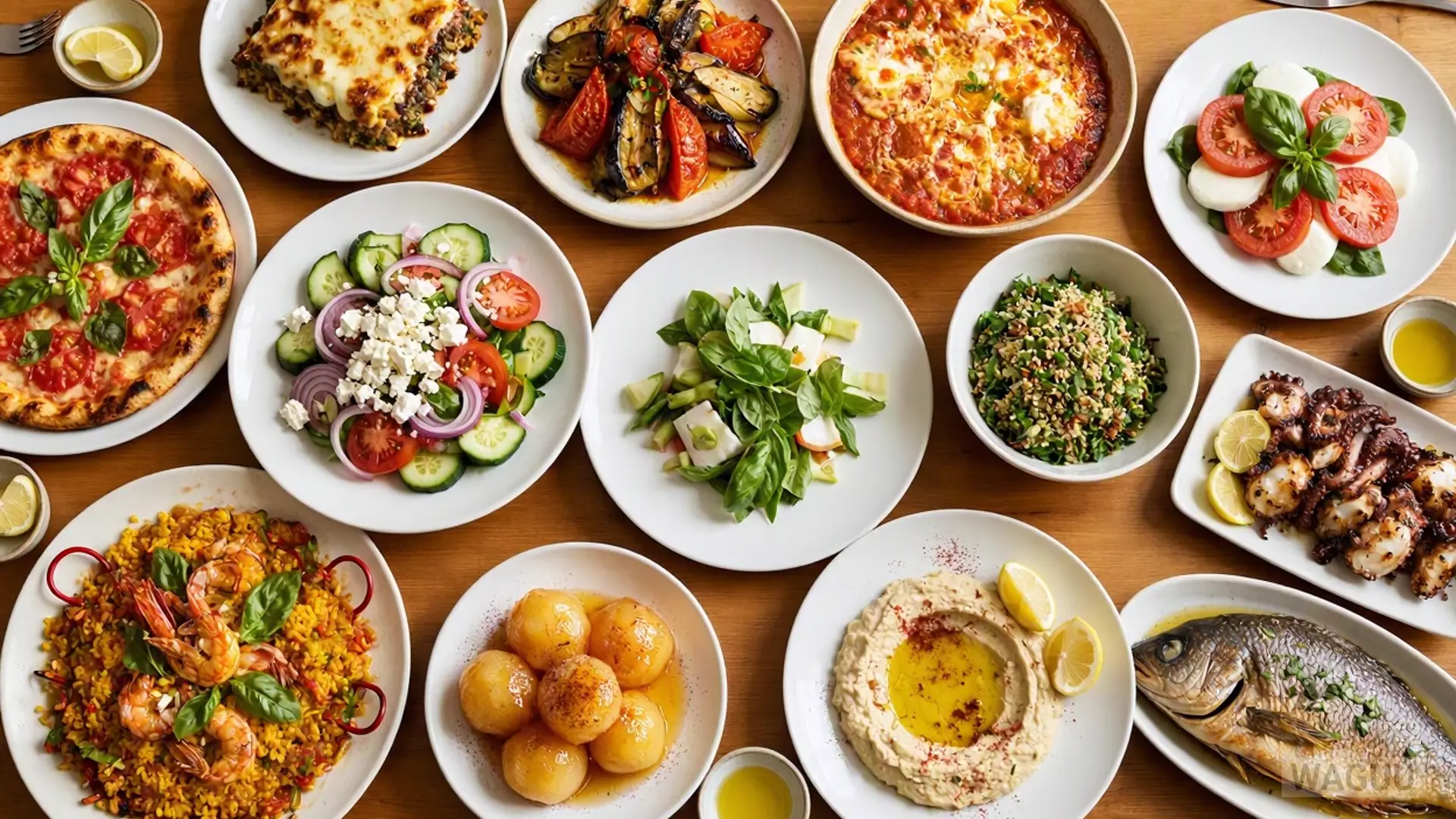
Summary: Explore the 12 most popular Mediterranean dishes, discovering favourite recipes of Mediterranean cuisine, detailed cooking techniques, essential ingredients, historical backgrounds, and expert tips designed for home cooks looking to master vibrant coastal flavours in approximately 45 minutes of reading time.
Category: Mediterranean Cuisine |
Reading time: 45 minutes
Step-by-step photo gallery
Did you cook any of the variations? Share a photo in the comments under the recipe; we would love to add it to the gallery. Did you film a video tutorial? Insert a link to YouTube, YouTube Shorts, TikTok, Instagram Reels, Facebook Reels, Pinterest, Vimeo, or X (Twitter) in the comments; we would be happy to publish it.
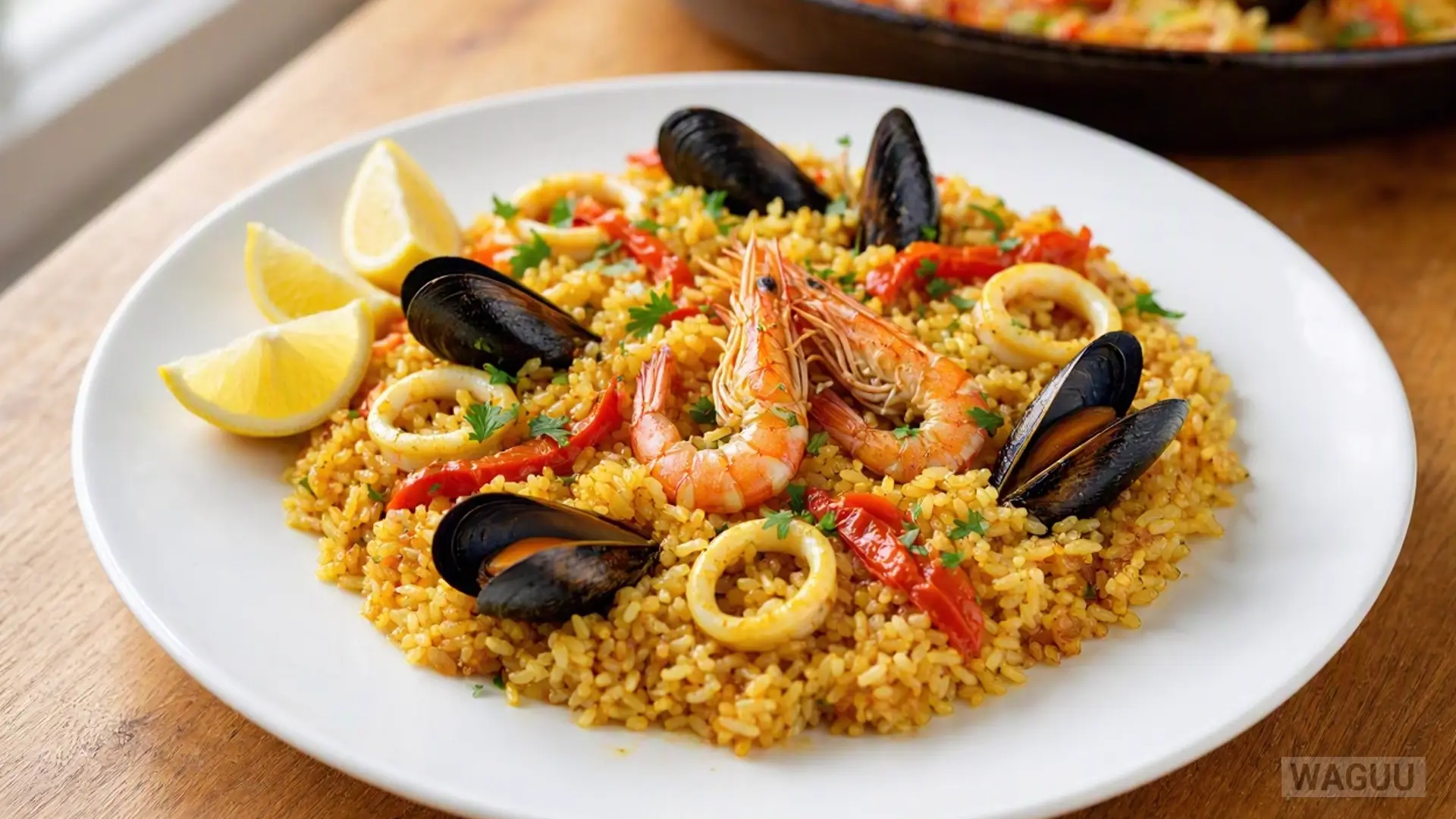
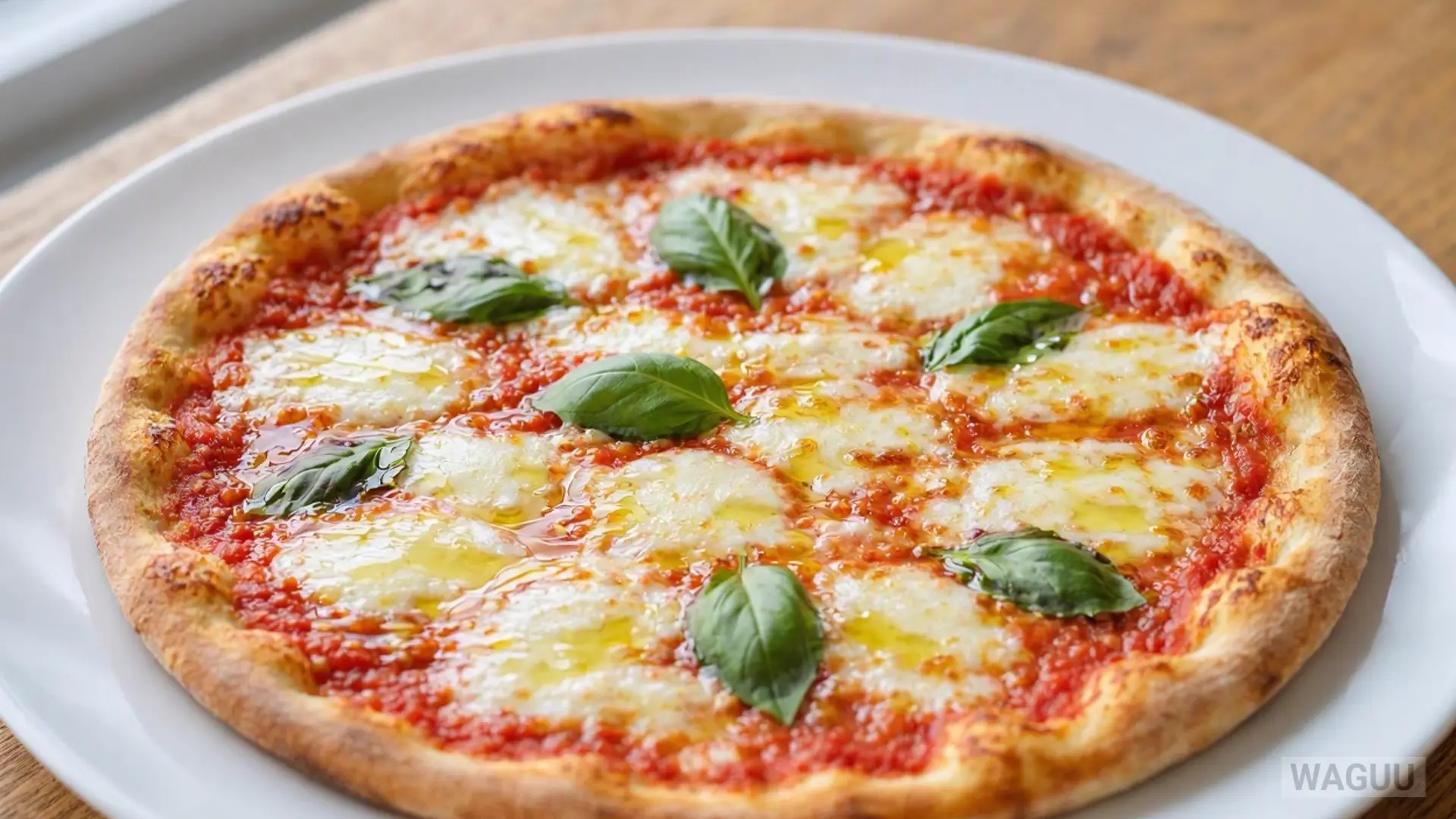
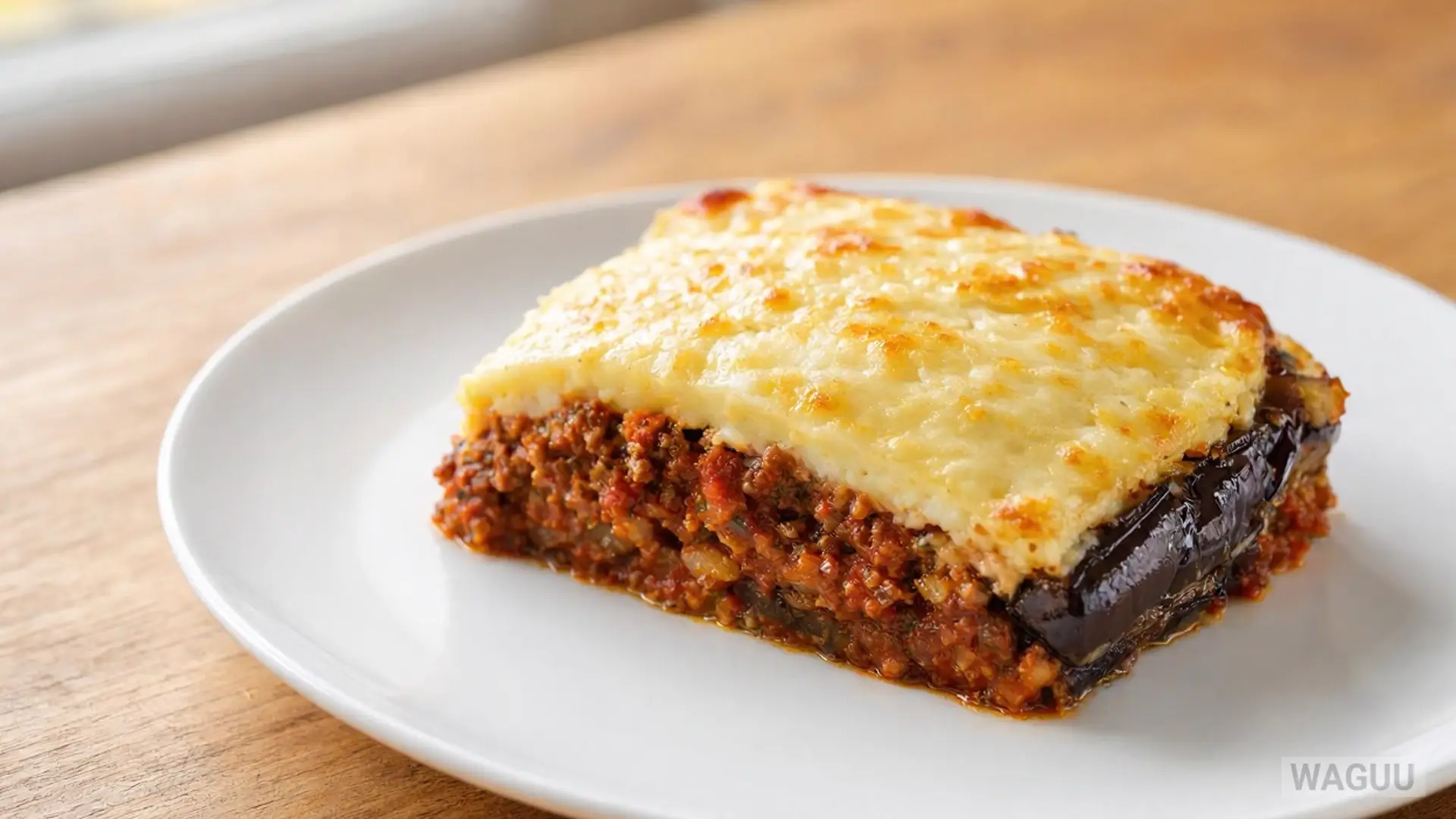
Discover the timeless culinary traditions of the Mediterranean basin through twelve iconic dishes that have captivated global palates with their emphasis on fresh produce, aromatic herbs, extra virgin olive oil, and communal dining experiences.
Quick overview
- Topic / Dish: 12 most popular Mediterranean dishes: favourite recipes of Mediterranean cuisine
- Categories: mediterranean-cuisine-en, main-dishes-en
- Cuisine: Mediterranean
- Included variations: Paella, Pizza Margherita, Moussaka, Greek Salad (Horiatiki), Briam, Insalata Caprese, Shakshuka, Tabbouleh, Hummus, Grilled Octopus, Psari Plaki, Loukoumades
- Key techniques: Searing, simmering, slow roasting, layering, emulsifying, grilling
- Physical and chemical background: Maillard reaction in proteins, starch gelatinisation in rice and grains, acid denaturation of proteins in seafood, lipid oxidation prevention via antioxidants in extra virgin olive oil
- Common mistakes: Overcooking delicate seafood, using low-quality oil, stirring paella excessively, crowding the roasting pan, neglecting proper resting times for dough and meat layers
- In short: A comprehensive guide celebrating the vibrant, healthy, and diverse culinary heritage of Mediterranean shores through twelve absolute classics.
- Last updated: 2026-03-30
WAGUU says: “True Mediterranean cooking is not merely about ingredients; it is an enduring celebration of simplicity, patience, and the seasonal bounty harvested from land and sea.”
Key facts
| Preparation time: | 30–60 minutes |
| Cooking time: | 20–90 minutes |
| Main ingredient: | Extra virgin olive oil, fresh vegetables, seafood, grains |
| Number of servings: | 4–6 servings |
| Difficulty: | Moderate |
Method in brief
- Source fresh, high-quality seasonal produce and premium extra virgin olive oil.
- Prepare aromatic bases using onions, garlic, fresh herbs, and spices.
- Execute specific cooking methods tailored to each dish, such as slow roasting, grilling, or layering.
- Allow dishes to rest appropriately to meld flavors and temperatures before serving.
- Garnish generously with fresh herbs, lemon juice, or high-quality cheese.
In a nutshell
- Flavor Profile: Vibrant, herbaceous, citrusy, and deeply savory.
- Health Benefits: Rich in healthy monounsaturated fats, antioxidants, and lean proteins.
- Versatility: Easily adaptable for vegetarian, vegan, and gluten-free diets.
- Technique Mastery: Focuses on gentle heat, proper reduction, and ingredient integrity.
- Cultural Significance: Reflects centuries of shared maritime trade and agricultural traditions.
- Result: An unforgettable culinary journey across twelve iconic Mediterranean masterpieces.
Who this guide is for: Beginner – Home cooks seeking clear, step-by-step instructions to master foundational Mediterranean recipes without professional culinary training. Intermediate – Food enthusiasts looking to refine their understanding of authentic regional ingredients, flavor pairings, and traditional cooking techniques. Pro – Culinary professionals and dedicated gourmands wanting a thorough compendium of classical Mediterranean staples and variations.
The Twelve Pillars of Mediterranean Cooking
The Mediterranean diet and culinary landscape represent a harmonious convergence of climate, agriculture, and history. Stretching from the sun-drenched coasts of Spain across the azure waters of southern Europe to the vibrant spice markets of North Africa and the Levant, this region has cultivated a shared philosophy of eating. At its core, Mediterranean cuisine relies on the uncompromised freshness of its ingredients. Sun-ripened tomatoes, crisp cucumbers, fragrant basil, wild oregano, robust garlic, and golden extra virgin olive oil form an unbreakable golden thread linking diverse cultures. Meals are designed not merely for sustenance, but as communal rituals meant to be savored slowly in the company of family and friends.
Understanding these twelve foundational dishes requires examining how humble ingredients are elevated through masterful technique. Whether it is the careful creation of a socarrat crust in a Valencian paella, the delicate balance of spices in a North African shakshuka, or the slow, tender roasting of summer vegetables in a Greek briam, each recipe tells a story of landscape and heritage. As you journey through these detailed profiles, you will gain the practical knowledge, chemical insights, and cultural context needed to recreate authentic Mediterranean magic in your own kitchen.
Paella
Paella is a celebrated Spanish rice dish originating from the region of Valencia, traditionally prepared in a wide, shallow pan over an open wood fire or modern burner. The foundation of an authentic paella relies on specific short-grain rice varieties, such as Bomba or Senia, which possess an exceptional capacity to absorb flavorful broths while retaining their structural integrity without turning mushy. Saffron imparts both a brilliant golden-yellow hue and a subtle, earthy aroma that defines the dish’s aromatic profile, complemented by sweet Spanish paprika, ripe tomatoes, and garlic. Depending on regional variations and coastal proximity, paella can feature rabbit and chicken in its traditional Valencian incarnation, or an abundant assortment of fresh seafood including prawns, mussels, squid, and clams in marine versions. The defining hallmark of a masterfully executed paella is the socarrat—a caramelized, crispy layer of rice that forms at the bottom of the pan during the final moments of high heat cooking. Achieving this requires precise thermal control and resisting the urge to stir the rice once the broth has been added, allowing starches to brown and toast perfectly.
- Bomba rice
- Saffron threads
- Extra virgin olive oil
- Ripe tomatoes
- Sweet Spanish paprika
- Seafood or chicken stock
- Fresh seafood or meats
- Sauté meats or seafood in extra virgin olive oil within a wide paella pan until properly browned.
- Add grated tomatoes, garlic, and paprika, cooking until moisture evaporates into a rich sofrito.
- Pour in warm stock, scatter saffron threads, and bring to a rolling simmer before adding the rice evenly.
- Cook undisturbed over medium heat until the liquid is mostly absorbed, then increase heat briefly to form the socarrat.
- Rest the paella covered with a clean cloth for five minutes before serving directly from the pan.
Pizza Margherita
Pizza Margherita stands as the undisputed queen of Italian pizzerias, originating in Naples as a tribute to Queen Margherita of Savoy, with its iconic toppings mirroring the red, white, and green of the Italian flag. This minimalist masterpiece relies on an exceptionally restrained ingredient list, making the quality of each component paramount to its success. The dough is crafted from Caputo tipo 00 wheat flour, water, fresh yeast, and sea salt, undergoing a long, cold fermentation process that develops complex flavors and creates a light, digestible crust with leopard-spotted char marks when baked at extreme temperatures. Smeared over the hand-stretched dough is a vibrant sauce made from crushed San Marzano tomatoes, which are prized for their low acidity and naturally sweet flavor profile. Fresh buffalo mozzarella or fior di latte cheese is torn and distributed evenly, melting into creamy pools amidst bright basil leaves that are added either just before baking or immediately upon emerging from the oven. A final drizzle of robust extra virgin olive oil ties the elements together, proving that culinary perfection is often achieved through subtraction rather than addition.
- Tipo 00 flour
- San Marzano tomatoes
- Fresh mozzarella cheese
- Fresh basil leaves
- Extra virgin olive oil
- Sea salt
- Active fresh yeast
- Knead flour, water, yeast, and salt into a smooth dough, allowing it to ferment slowly for optimal gluten development.
- Stretch the dough disk by hand from the center outward, pushing air into the outer crust rim.
- Spoon crushed San Marzano tomatoes across the center, leaving a clean border for the crust.
- Distribute torn mozzarella and fresh basil leaves over the sauce, finishing with a drizzle of olive oil.
- Bake in a scorching wood-fired oven or on a preheated pizza stone until the crust puffs and chars.
Moussaka
Moussaka is a deeply comforting Greek baked casserole that marries layers of tender aubergine, rich spiced minced lamb or beef, and a velvety béchamel sauce infused with aromatic spices. The preparation begins by slicing and roasting or lightly frying thick rounds of aubergine until they achieve a creamy interior texture and concentrated flavor. Meanwhile, a fragrant meat ragù is simmered with crushed tomatoes, onions, garlic, cinnamon, and cloves, building a warming aromatic depth that distinguishes Mediterranean spiced meat dishes from their Western counterparts. In a separate saucepan, a rich béchamel sauce is whipped together using butter, flour, warm milk, and grated kefalotyri or parmesan cheese, finished with a generous grating of fresh nutmeg. These components are systematically layered within a deep baking dish—traditionally starting with a bed of golden potato slices or aubergines, followed by the savory meat sauce, and crowned with a thick blanket of béchamel that browns into a glorious golden crust in the oven. Allowing the moussaka to rest before slicing is crucial, as it lets the internal starches and dairy proteins set, ensuring clean, structurally sound portions.
- Aubergines
- Minced lamb or beef
- Ripe tomatoes
- Ground cinnamon
- Milk and butter
- All-purpose flour
- Grated kefalotyri cheese
- Slice and roast aubergine rounds brushed with olive oil until tender and golden brown.
- Simmer minced meat with onions, garlic, tomatoes, and cinnamon to create a rich, thick ragù.
- Prepare a smooth béchamel sauce by melting butter, whisking in flour, gradually adding milk, and melting in cheese.
- Layer roasted aubergines and meat sauce in a baking dish, pouring the thick béchamel evenly over the top.
- Bake at 180 °C until the top is bubbling and deeply golden, then rest before slicing.
Greek Salad (Horiatiki)
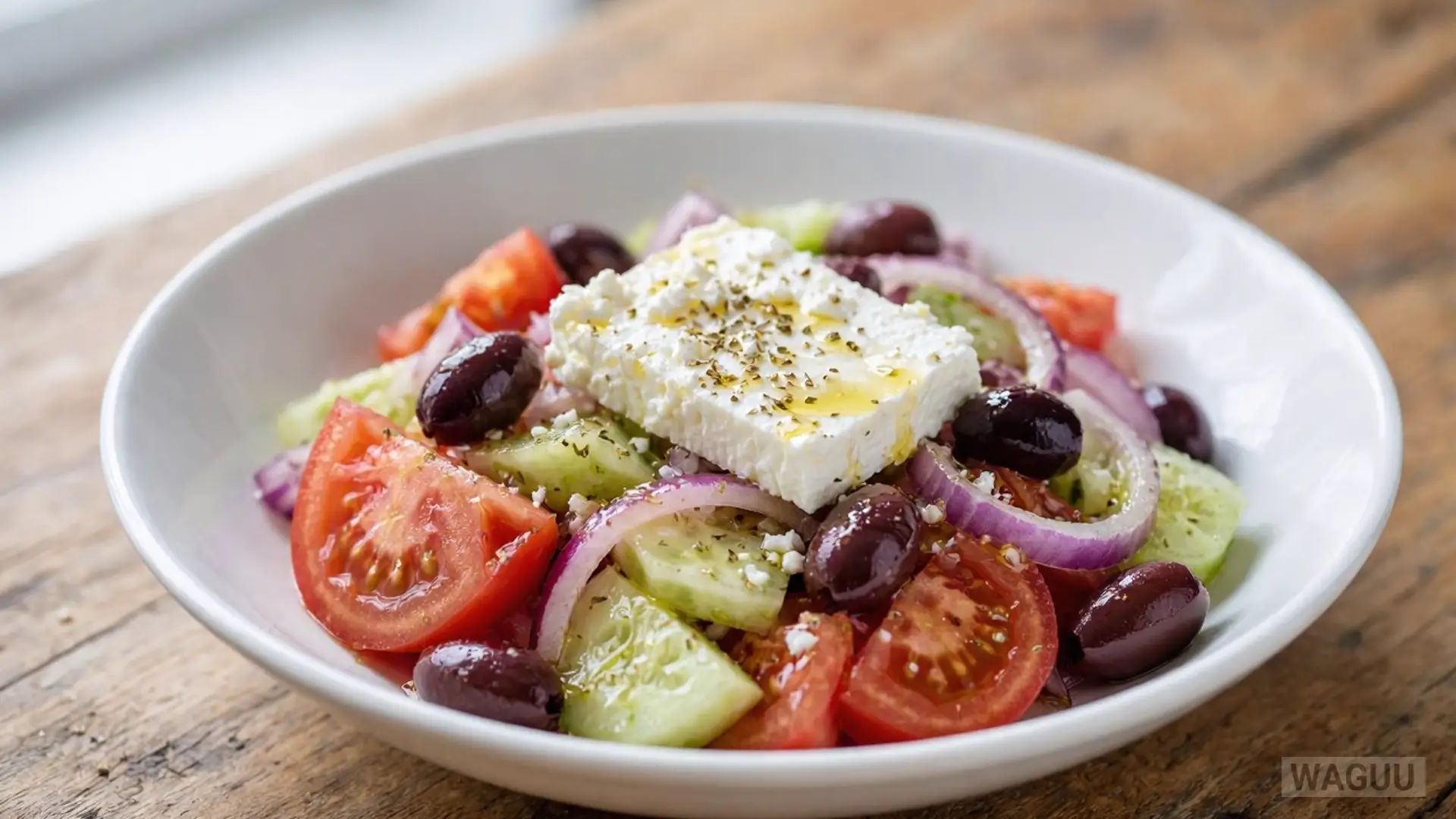
Greek Salad, known locally as horiatiki or village salad, is a refreshing celebration of unadorned summer produce that dispenses with lettuce entirely in its classic formulation. The dish features chunky wedges of vine-ripened tomatoes that burst with sweetness, crisp slices of cucumbers peeled partially for texture, julienned red onions offering a sharp bite, and plump kalamata olives with their characteristic briney richness. Atop this colorful botanical mosaic rests a generous block of authentic sheep’s milk feta cheese, sprinkled with dried Greek oregano and anointed with cold-pressed extra virgin olive oil rather than complex dressings. The science of this salad lies in the interplay between high-acid tomato juices and the salty, creamy fat of the feta, which emulsify with the olive oil at the bottom of the bowl to create a flavorful nectar best soaked up with crusty bread. Preparing horiatiki requires cutting the vegetables into substantial, rustic chunks so they maintain their distinct structural crunch and do not release excess water prematurely.
- Vine-ripened tomatoes
- Cucumbers
- Red onion
- Kalamata olives
- Feta cheese block
- Dried Greek oregano
- Extra virgin olive oil
- Chop tomatoes and cucumbers into large, uniform bite-sized wedges and chunks.
- Slice red onions thinly and soak them briefly in cold water if a milder pungency is desired.
- Combine tomatoes, cucumbers, onions, and kalamata olives in a shallow serving bowl.
- Place a thick block or slice of authentic feta cheese directly on top of the salad mixture.
- Dust generously with dried oregano and drizzle liberally with premium extra virgin olive oil.
Briam
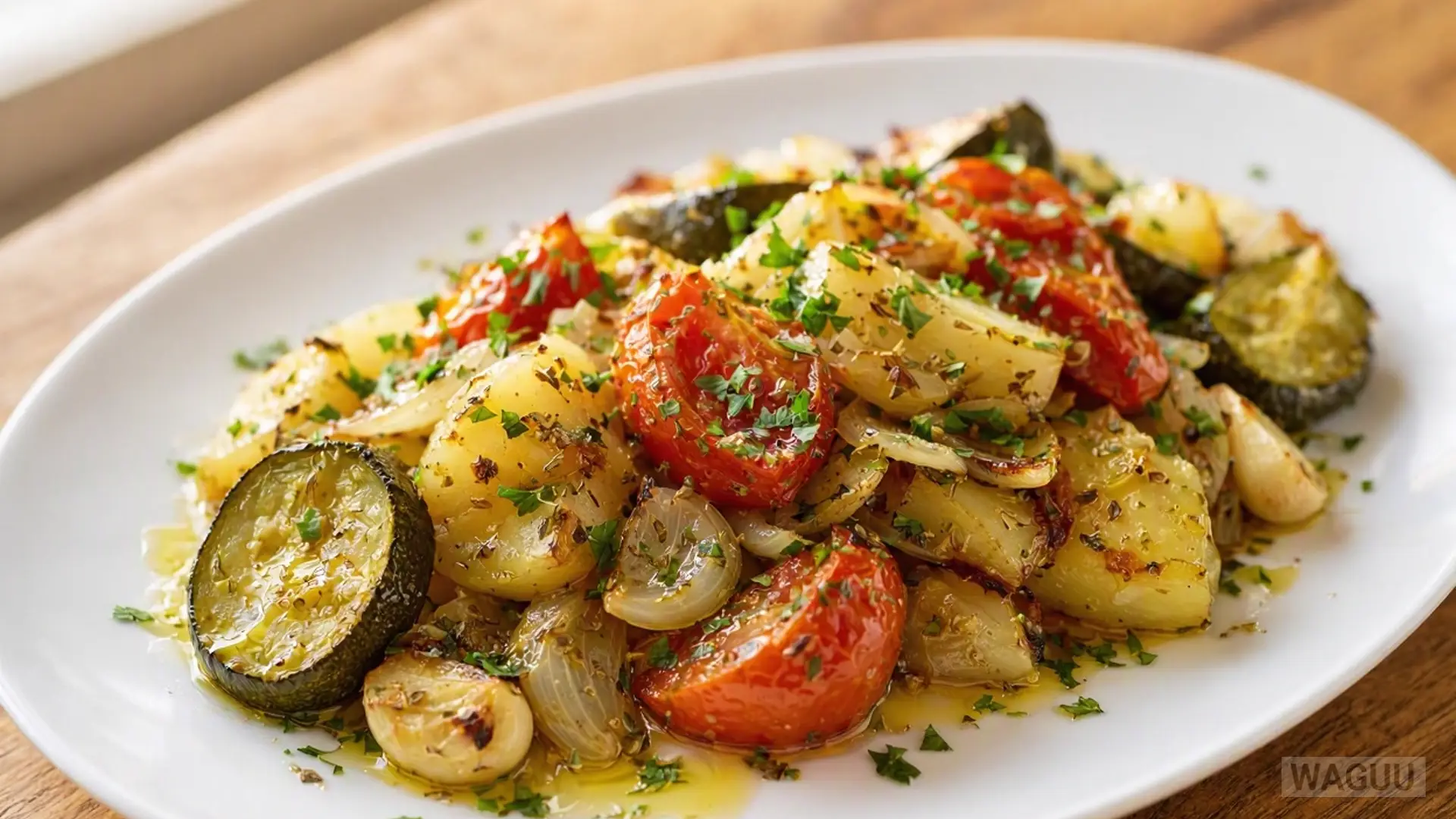
Briam is a traditional Greek oven-roasted vegetable dish that showcases the transformative power of slow cooking summer squash, potatoes, tomatoes, and aromatics in extra virgin olive oil. Originating as a classic example of Greek ladadika—dishes cooked extensively in olive oil—briam requires minimal active preparation but rewards patience with deeply concentrated, meltingly tender textures. Potatoes and courgettes are sliced into uniform rounds or wedges alongside ripe tomatoes and red onions, then tossed directly in a baking pan with minced garlic, tomato paste, sea salt, black pepper, and fragrant dried oregano. As the pan bakes in a moderate oven, the natural sugars within the vegetables caramelize while their starches and moisture merge with the olive oil to form a rich, unctuous sauce that coats every single piece. Often served at room temperature alongside crusty bread and a slab of feta cheese, briam epitomizes the peasant ingenuity of Mediterranean cooking, turning simple garden harvests into a luxurious feast.
- Potatoes
- Courgettes
- Ripe tomatoes
- Red onions
- Garlic cloves
- Dried oregano
- Extra virgin olive oil
- Slice potatoes, courgettes, tomatoes, and onions into consistent rounds or wedges.
- Transfer all vegetables to a large roasting pan and scatter minced garlic throughout.
- Whisk tomato paste with extra virgin olive oil and water, then pour evenly over the vegetables.
- Season generously with sea salt, black pepper, and dried oregano, tossing gently to coat.
- Bake uncovered at 190 °C for approximately one hour until vegetables are tender and caramelized.
Insalata Caprese
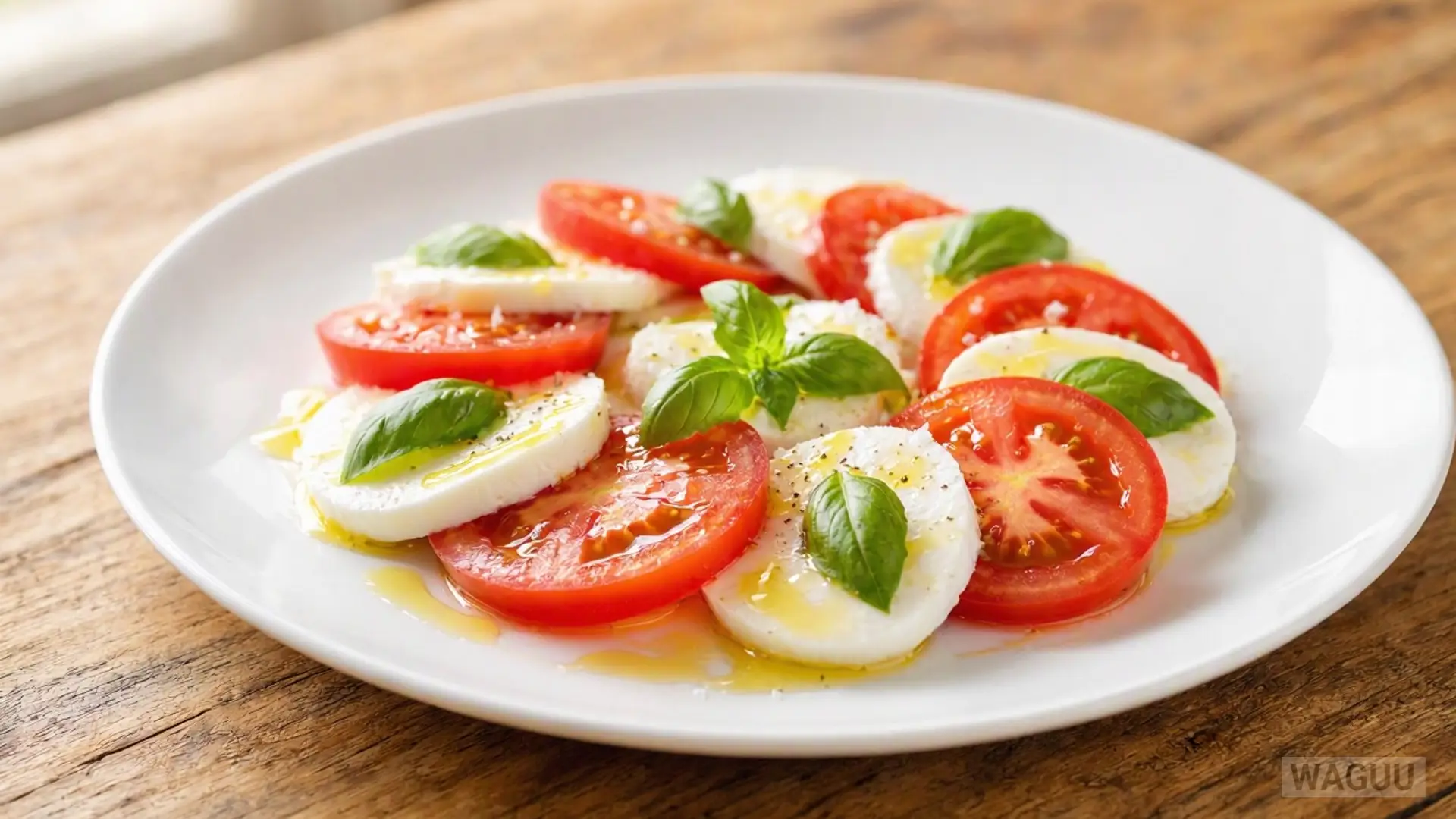
Insalata Caprese is a quintessential Italian salad hailing from the island of Capri, celebrating the peak of summer agriculture through the harmonious pairing of tomatoes, fresh mozzarella, and basil. When executed during peak tomato season, this dish achieves extraordinary depth despite its elemental simplicity, relying entirely on the quality of its three main components. Slices of ripe heirloom or beefsteak tomatoes are alternated on a platter with thick rounds of fresh fior di latte or buffalo mozzarella cheese, creating a striking visual rhythm of red and white. Whole fresh basil leaves are tucked between the layers, releasing fragrant essential oils when bruised slightly by the warmth of the ingredients. The salad is finished with flaky sea salt, freshly cracked black pepper, and a meticulous drizzle of grass-green extra virgin olive oil, occasionally accompanied by aged balsamic glaze in contemporary variations. Because there is nowhere to hide flaws, sourcing sun-warmed, vine-ripened tomatoes and milky, fresh mozzarella is non-negotiable for an authentic Caprese experience.
- Heirloom tomatoes
- Fresh mozzarella
- Fresh basil leaves
- Extra virgin olive oil
- Flaky sea salt
- Black pepper
- Balsamic vinegar (optional)
- Slice ripe tomatoes and fresh mozzarella into even, uniform rounds of similar thickness.
- Arrange tomato and mozzarella slices in an overlapping circular pattern on a wide serving platter.
- Tuck fresh basil leaves between the tomato and cheese slices for aromatic balance.
- Season the arrangement with flaky sea salt and freshly cracked black pepper.
- Drizzle generously with high-quality extra virgin olive oil immediately prior to serving.
Shakshuka
Shakshuka is a vibrant, one-pan dish deeply entrenched in North African and Middle Eastern culinary traditions, featuring gently poached eggs resting within a spiced, simmering tomato and pepper ragù. The foundation of shakshuka is built by sweating onions and bell peppers in olive oil until soft and sweet, then incorporating minced garlic, ground cumin, smoked paprika, and cayenne pepper to awaken the spices. Crushed or diced tomatoes are added to the skillet and reduced down into a thick, glossy sauce packed with savory umami and bright acidity. Once the base has reached the desired consistency, small wells are created within the sauce using a spoon, and fresh eggs are cracked directly into these cavities. The skillet is then covered, allowing steam and gentle heat to cook the egg whites to a delicate set while keeping the yolks delightfully runny and liquid. Garnished with crumbled feta, chopped cilantro or parsley, and served alongside warm crusty bread for dipping, shakshuka is a masterclass in transforming pantry staples into a feast.
- Fresh eggs
- Ripe tomatoes
- Bell peppers
- Onions and garlic
- Ground cumin
- Smoked paprika
- Extra virgin olive oil
- Sauté diced onions and bell peppers in olive oil within a heavy skillet until translucent.
- Stir in minced garlic, cumin, and paprika, cooking for one minute until highly fragrant.
- Add crushed tomatoes and simmer gently until the sauce thickens into a rich ragù.
- Form small wells in the sauce with a spoon and crack fresh eggs directly into each indentation.
- Cover the skillet and simmer over low heat until egg whites are set and yolks remain soft.
Tabbouleh
Tabbouleh is an iconic Levantine salad hailing from Lebanon and Syria that treats fine herbs as its star ingredient rather than serving as a mere garnish. Unlike Western grain salads where bulgur wheat dominates, authentic tabbouleh is an intensely verdant mixture consisting primarily of finely chopped flat-leaf parsley and fresh mint, complemented by juicy diced tomatoes and scallions. A minimal quantity of fine #1 bulgur wheat is soaked—not cooked—in lemon juice and tomato juices, allowing it to soften while absorbing bright, zesty flavors without becoming heavy or bloated. The dressing is wonderfully straightforward, relying entirely on fresh lemon juice and assertive extra virgin olive oil that coats every microscopic leaf of herb. Achieving the correct texture requires meticulous knife skills: the parsley must be finely minced with a razor-sharp blade rather than processed in a machine, which would bruise the leaves and release bitter chlorophyll. Served traditionally scooped up with crisp romaine lettuce leaves or pita bread, tabbouleh offers an explosion of clean, herbal vitality.
- Flat-leaf parsley
- Fresh mint leaves
- Fine bulgur wheat
- Ripe tomatoes
- Scallions
- Fresh lemon juice
- Extra virgin olive oil
- Rinse and soak fine bulgur wheat in fresh lemon juice until softened.
- Finely mince washed parsley and mint leaves by hand, ensuring no bruising occurs.
- Dice ripe tomatoes and scallions into tiny, precise cubes.
- Combine the herbs, vegetables, and soaked bulgur in a spacious mixing bowl.
- Dress with extra virgin olive oil, salt, and additional lemon juice, tossing gently before serving.
Hummus
Hummus is a velvety, nutrient-dense dip deeply anchored in the culinary heritage of the Eastern Mediterranean and the Middle East, prized for its luxurious texture and nutty flavor profile. At its foundation, hummus requires cooked chickpeas, tahini sesame paste, fresh lemon juice, garlic, and ice-cold water or ice cubes, which are blended into a cloud-like emulsion in a food processor. The secret to restaurant-quality smoothness lies in either starting with dried chickpeas soaked and cooked with a pinch of baking soda to soften their skins, or meticulously peeling canned chickpeas by hand. Tahini provides a rich, creamy backbone and healthy fats, while fresh lemon juice and raw garlic provide a sharp, clean counterpoint that cuts through the richness. When plated, hummus is traditionally swirled into a shallow bowl, creating channels designed to pool extra virgin olive oil, and garnished with whole chickpeas, sumac, cumin, and chopped parsley. Served with warm flatbreads, it bridges the gap between comforting snack and elegant mezze centerpiece.
- Chickpeas
- Tahini paste
- Fresh lemon juice
- Garlic cloves
- Ice-cold water
- Extra virgin olive oil
- Ground cumin
- Cook soaked chickpeas until exceptionally tender, or drain and peel canned chickpeas.
- Blend tahini paste and fresh lemon juice in a food processor for one minute until whipped and pale.
- Add garlic, cumin, and a pinch of salt, blending until smooth.
- Incorporate chickpeas gradually while running the processor, streaming in ice water for fluffiness.
- Transfer to a shallow bowl, create a swirl, and top with olive oil and spices.
Grilled Octopus
Grilled octopus is a prized delicacy across coastal Mediterranean cuisines, particularly celebrated in Greek seaside tavernas where tender tentacles are kissed by open flames. Preparing octopus requires understanding its unique muscular structure: without proper cooking, the tentacles can become rubbery and tough. Traditional wisdom—now backed by culinary science—involves simmering the octopus gently in its own juices with a splash of red wine vinegar, bay leaves, and corks or onions until fork-tender, breaking down the tough collagen fibers. Once tenderized, the octopus is drained, dried thoroughly, brushed with high-grade extra virgin olive oil, and subjected to intense, direct heat on a charcoal grill for just a few minutes per side. This rapid sear creates a magnificent char on the exterior while preserving the succulent, buttery tenderness within. Finished with a squeeze of fresh lemon juice, chopped oregano, and capers, grilled octopus captures the briny essence of the Mediterranean Sea in every single bite.
- Whole octopus tentacle cluster
- Extra virgin olive oil
- Fresh lemons
- Dried oregano
- Garlic cloves
- Red wine vinegar
- Bay leaves
- Simmer cleaned octopus in a covered pot with vinegar, bay leaves, and aromatics over low heat until tender.
- Remove octopus from heat, drain completely, and separate tentacles.
- Brush tentacles generously with extra virgin olive oil and season with sea salt.
- Sear over red-hot charcoal or grill pan for 2–3 minutes per side until charred and smoky.
- Plate immediately, dressing with fresh lemon juice, minced garlic, and chopped oregano.
Psari Plaki
Psari plaki is a classic Greek method of oven-baking whole fish or thick fillets in a rich, aromatic tomato and onion sauce enriched with olive oil, garlic, and fresh herbs. The word plaki refers to dishes baked flat in a pan, usually surrounded by vegetables that create their own delicious roasting juices. Whole white fish such as sea bream, snapper, or cod are nested upon a bed of sliced onions and garlic sautéed gently in olive oil, then blanketed with crushed tomatoes, fresh parsley, and thin slices of lemon. As the dish bakes in the oven, the fish steams gently within the acidic tomato broth, keeping the flesh exceptionally moist while infusing the vegetables with savory seafood essences. Extra virgin olive oil plays a dual role here, acting as a cooking medium and combining with the tomato juices to create an emulsified sauce that begs to be scooped up with crusty bread. Psari plaki exemplifies the healthy, wholesome character of Greek coastal cooking, requiring minimal effort for maximum flavor.
- Whole white fish or fillets
- Ripe tomatoes
- Yellow onions
- Garlic cloves
- Extra virgin olive oil
- Fresh lemons
- Flat-leaf parsley
- Sauté sliced onions and minced garlic in extra virgin olive oil until soft and translucent.
- Add crushed tomatoes, salt, pepper, and chopped parsley to the pan, simmering briefly.
- Transfer the vegetable sauce to a baking dish and nestle the cleaned fish fillets inside.
- Top the fish with thin lemon slices and drizzle with more olive oil.
- Bake at 190 °C for 25–30 minutes until the fish flakes easily and the sauce is bubbling.
Loukoumades
Loukoumades are delectable Greek yeast-puffed doughnuts fried to golden perfection, then drenched in warm honey syrup and dusted with crushed walnuts and cinnamon. Dating back to ancient Greece where they were awarded to victorious Olympic athletes as honey cakes of honey, these bite-sized spheres represent the sweet conclusion of Mediterranean cuisine. The batter is made simply from flour, water, yeast, and a pinch of salt, fermented until it becomes bubbly and light, then piped or dropped into hot oil where it puffs into spherical pillows. The frying process requires precise oil temperature control to ensure the exterior becomes crisp and golden without burning while the interior remains airy and tender. Immediately upon removal from the fryer, the hot loukoumades are submerged in warm honey syrup infused with citrus peel or cinnamon, allowing them to absorb sweetness. Finished with a dusting of cinnamon and toasted walnuts or sesame seeds, they offer an irresistible contrast of crunchy crust and syrup-soaked crumb.
- All-purpose flour
- Active dry yeast
- Warm water
- Honey for syrup
- Ground cinnamon
- Toasted walnuts
- Frying oil
- Mix flour, yeast, water, and salt into a smooth, wet batter and let rise until doubled in bulk.
- Heat vegetable oil in a deep fryer or heavy pot to 180 °C.
- Drop spoonfuls of batter into the hot oil, frying until golden brown and puffed.
- Remove with a slotted spoon and drain briefly on paper towels.
- Drizzle generously with warm honey syrup, dusting with cinnamon and crushed walnuts before serving.
Frequently asked questions
What makes Mediterranean cuisine so healthy?
It emphasizes fresh vegetables, fruits, whole grains, legumes, fish, and extra virgin olive oil as the primary source of dietary fat, which supports cardiovascular health.
Can I substitute dried herbs for fresh ones in these recipes?
While fresh herbs are preferred for salads and finishing touches, dried oregano and thyme work wonderfully in slow-cooked dishes and roasted vegetable preparations.
Is extra virgin olive oil suitable for high-heat cooking?
Yes, high-quality extra virgin olive oil has a stable smoke point and natural antioxidants that make it suitable for sautéing, roasting, and shallow frying.
How do I store leftover Mediterranean dishes safely?
Most cooked casseroles and sauces keep well in airtight containers in the refrigerator for up to three days, while fresh salads are best consumed immediately.
Also known as: Mediterranean diet recipes, Coastal European cooking, Levantine and Iberian classics
Author: WAGUU Petr & Team • Published: 26 Aug 2026 • Updated: 31 Oct 2026
Conclusion
Mastering these twelve foundational Mediterranean dishes opens the door to a world of vibrant flavors, wholesome ingredients, and timeless culinary traditions. Whether you are searing seafood on the grill, layering a comforting moussaka, or whipping up a velvety hummus, each recipe offers a gateway to coastal living. Embrace the philosophy of quality produce, patient technique, and communal dining to transform everyday meals into extraordinary celebrations of flavor.
Choose your recipe
Select one of the twelve classic Mediterranean recipes below to begin your culinary adventure:
Paella – A Spanish rice dish prepared in a wide pan with saffron, vegetables, seafood or meat according to the specific regional variation.
Pizza Margherita – An Italian pizza with tomato sauce, mozzarella, basil and olive oil, which stands out for its simplicity and quality ingredients.
Moussaka – A Greek baked dish consisting of layers of aubergine, minced meat with tomatoes and creamy béchamel sauce, usually served as a main course.
Greek Salad (Horiatiki) – A traditional Greek salad made of tomatoes, cucumber, red onion, olives, feta and olive oil, typically without lettuce in its classic form.
Briam – Greek roasted vegetables with tomatoes, courgette, potatoes and oregano, baked in olive oil until tender.
Insalata Caprese – An Italian salad of tomatoes, mozzarella and basil with olive oil, best enjoyed during the tomato season.
Shakshuka – A dish widespread in North Africa and the Middle East, where eggs are cooked in a spiced tomato sauce with peppers and onions.
Tabbouleh – A fresh Levantine salad with parsley, mint, tomatoes, fine bulgur wheat, lemon juice and olive oil.
Hummus – A creamy dip made from chickpeas, tahini, lemon juice, garlic and olive oil, popular in Eastern Mediterranean cuisines.
Grilled Octopus – Grilled octopus with olive oil, lemon, garlic and herbs, particularly popular in Greek and other coastal cuisines.
Psari Plaki – Greek baked fish with tomatoes, onions, garlic and lemon, oven-baked in olive oil.
Loukoumades – Greek yeast-puffed doughnuts fried in oil, drizzled with honey and sprinkled with cinnamon and walnuts.
Other possible variations
Seafood Paella
This coastal variation replaces land meats with an assortment of fresh shellfish and white fish, offering a lighter yet intensely ocean-flavored profile. It is especially suitable for pescatarians and summer gatherings by the sea, highlighting the rich marine heritage of Spanish fishing ports.
Valencian Paella
Sticking strictly to historical roots, this version utilizes chicken, rabbit, flat green beans, and butter beans cooked in olive oil and rich stock. It is ideal for traditionalists seeking authentic rural Spanish flavors without seafood components.
Pizza Marinara
Omitting cheese entirely, this dairy-free Neapolitan classic relies solely on tomato sauce, sliced garlic, dried oregano, and extra virgin olive oil. It is perfect for vegans and those appreciating pure tomato acidity and garlic aroma.
Pizza Bianca with Truffle and Ricotta
This sophisticated variation replaces red tomato sauce with creamy ricotta, mozzarella, and a luxurious drizzle of truffle oil. It is tailored for gourmet dinner parties and cheese lovers seeking an upscale twist on pizza.
Vegetarian Moussaka
Replacing minced meat with brown lentils, mushrooms, and walnuts creates a hearty plant-based ragù that maintains the satisfying texture of the original. It is ideal for vegetarians and health-conscious home cooks looking for lighter comfort food.
Potato and Courgette Moussaka
This rustic variation incorporates thick slices of pan-fried potatoes alongside aubergines to add extra carbohydrate comfort and substance. It is popular in Greek mountain villages where root vegetables are widely available year-round.
Cretan Dakos Salad
Building upon Greek salad principles, this version anchors the tomatoes and feta atop a dried barley rusk soaked in olive oil and juices. It offers incredible rustic crunch and makes a satisfying light lunch.
Greek Salad with Caper Berries
Adding large pickled caper berries and fresh dill to the standard horiatiki introduces a sharper, more complex briney profile. It is favored by those who enjoy bold Mediterranean pickling flavors.
Briam with Feta Crumble
Sprinkling crumbled Greek feta cheese over the roasted vegetable medley during the final ten minutes of baking adds salty creaminess. It is perfect for cheese enthusiasts wanting a complete, one-dish meal.
Briam with Sweet Potatoes
Swapping standard potatoes for sweet potatoes introduces a subtle natural sweetness that contrasts beautifully with acidic tomatoes and oregano. It is great for adding vibrant color and nutritional variety.
Caprese with Peach and Burrata
Swapping standard tomatoes for ripe peaches and mozzarella for ultra-creamy burrata creates a stunning sweet-savory summer starter. It is ideal for modern summer cocktail parties.
Caprese Skewers
Threading cherry tomatoes, mini mozzarella balls, and basil leaves onto wooden skewers makes eating Caprese effortless at buffets. It is exceptionally popular for outdoor picnics and party appetizers.
Green Shakshuka
Replacing the red tomato base with a verdant sauce made of Swiss chard, spinach, leeks, and green herbs creates a nutrient-packed breakfast. It is tailored for green juice enthusiasts and vegetable lovers.
North African Merguez Shakshuka
Adding spicy lamb merguez sausages to the tomato ragù before poaching the eggs provides a protein-heavy, fiery variation. It is suited for hearty weekend brunches.
Quinoa Tabbouleh
Substituting bulgur wheat with cooked quinoa creates a protein-rich, naturally gluten-free grain salad without sacrificing herbal freshness. It is perfect for guests with wheat sensitivities.
Cucumber Tabbouleh
Doubling the volume of finely diced cucumbers and reducing the bulgur makes this salad ultra-refreshing and hydrating for hot summer days. It is favored during peak heatwaves.
Roasted Garlic Hummus
Blending in whole heads of sweet caramelized roasted garlic instead of raw cloves gives the dip a mellow, complex sweetness. It is ideal for garlic lovers who prefer a milder bite.
Spicy Harissa Hummus
Swirling smoky North African harissa paste directly into the hummus provides a kick of chili heat and vibrant red color. It is perfect for spice enthusiasts and party grazing boards.
Lemon-Herb Grilled Octopus
Marinating the tenderized octopus in a blend of lemon zest, chopped dill, and oregano before grilling elevates its herbal complexity. It is wonderful served alongside chilled white wine.
Balsamic Glazed Grilled Octopus
Brushing the grilled tentacles with a reduced balsamic vinegar glaze right before serving adds sweet acidity. It is tailored for upscale dinner parties.
Psari Plaki with Fennel and Ouzo
Adding sliced fennel bulbs and a splash of ouzo liqueur to the tomato baking sauce imparts a subtle anise aroma. It is a favorite among Greek seafood connoisseurs.
Spicy Psari Plaki
Incorporting red chili flakes and chopped bell peppers into the tomato sauce gives the baked fish dish an invigorating kick. It is perfect for those who enjoy heat in seafood.
Chocolate-Dipped Loukoumades
Drizzling fried loukoumades with melted dark chocolate instead of honey offers a decadent modern confectionery treat. It is adored by children and chocoholics alike.
Stuffed Loukoumades with Nutella
Injecting hazelnut spread into the center of the dough balls prior to frying creates an explosive molten dessert center. It is a popular contemporary pastry shop variation.
Do you know another variation? Add your own suggestion below.
Missing a recipe?
Tell us what recipe you would like us to add. We will do our best to publish it soon!
Frequently asked questions about other variations
- Are seafood substitutions suitable for all paella types? Yes, as long as cooking times are adjusted to prevent delicate seafood from overcooking.
- Can gluten-free flour be used for pizza dough? Specialized gluten-free flour blends work well, though texture and rising will differ from traditional wheat flour.
- Does vegetarian moussaka require baking longer? No, since lentils and vegetables cook relatively quickly, baking times remain comparable to meat versions.
- How long do chopped herbs keep for tabbouleh? Freshly chopped herbs should be used immediately to prevent oxidation and loss of vibrant flavor.
- Is canned chickpea hummus as smooth as dried? Canned chickpeas work wonderfully if peeled thoroughly by hand before blending.
- How do I prevent grilled octopus from getting tough? Ensure the octopus is fully tenderized by simmering in liquid before it ever touches the grill grate.
- Can frozen fish be used for psari plaki? Fresh fish is preferred, but thoroughly thawed white fish fillets can be used if patted completely dry.
- Can loukoumades dough be prepared in advance? The batter requires a proper initial rise, but frying is best performed immediately after rising for optimal texture.
Contact: 12-most-popular-mediterranean-dishes-favourite-recipes-of-me-en@waguu.online